
By Grace Williams
The Drakensberg escarpment in Lesotho is one of the last strongholds for two endangered vulture species.
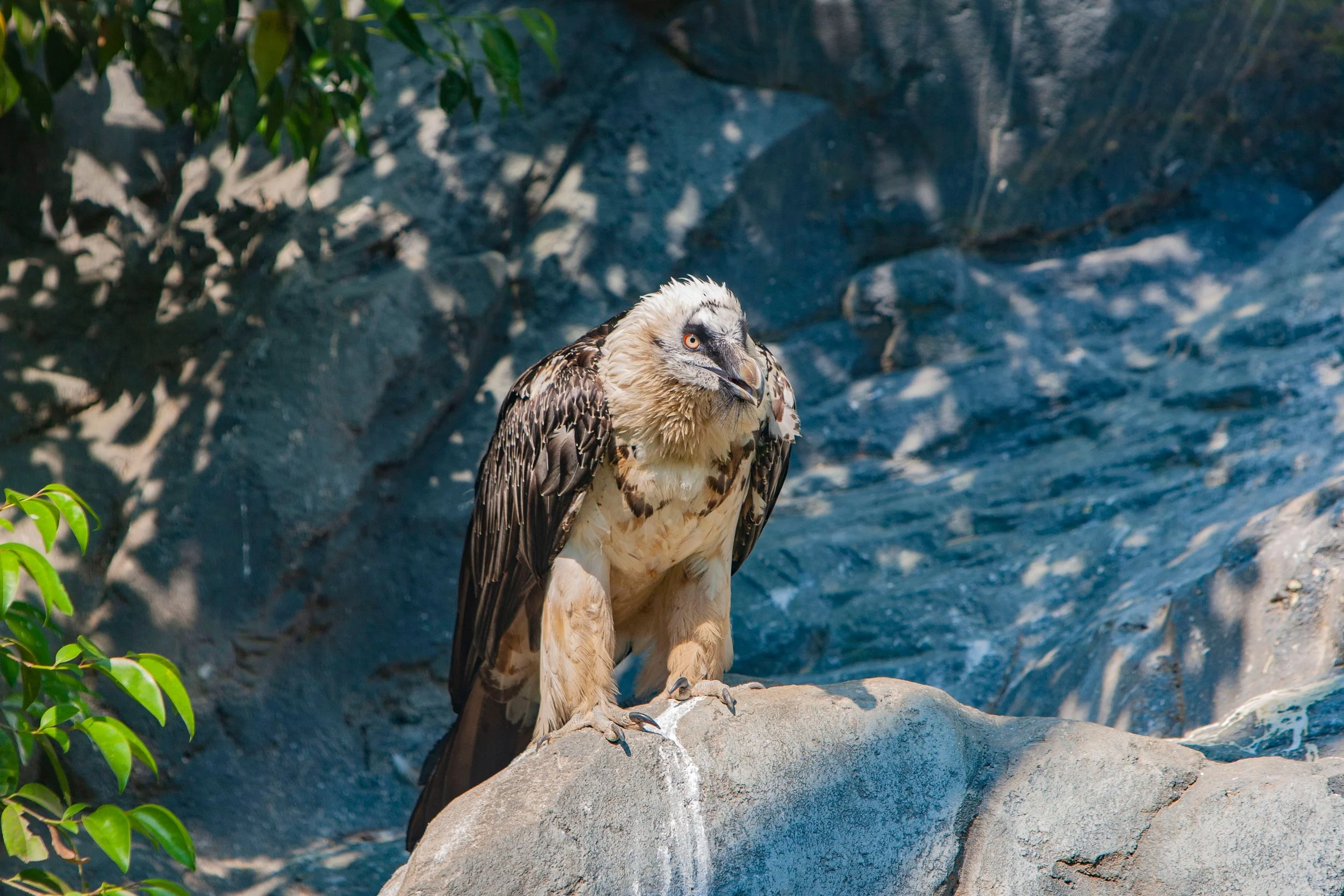
Bearded vulture. Daciana Cristina Visan. Pexels.
If you're not already a bird enthusiast, a trip to Lesotho’s Drakensberg escarpment might change that.
The Drakensberg, meaning “Dragons’ Mountain,” escarpment in Southern Africa is one of the crucial remaining habitats for two endangered species: the bearded vulture and the Cape vulture. Stretching across the African nation of Lesotho and parts of South Africa, this hilly terrain offers travelers not only dramatic scenery but also the opportunity to observe some of the continent’s most threatened birds in their natural environment.
Known for its steep cliffs, bounding highlands and expansive views, the region provides key nesting and feeding conditions for vultures. The bearded vulture, recognizable by its striking facial characteristics and large wingspan, is particularly accustomed to mountain ecosystems. Unlike many other vultures, it feeds primarily on bones, often dropping them from great heights to break them apart. The Cape vulture, one of Africa’s largest birds of prey, relies on the escarpment’s cliffs for nesting sites and on surrounding grasslands for food.
One of the best places to observe these species is Sehlabathebe National Park in Lesotho, part of the larger Maloti-Drakensberg mountain range. The park combines striking landscapes with important conservation value. Visitors hiking through the area may spot vultures soaring above valleys and cliff faces, using thermal currents to travel long distances with little effort. The region’s relative isolation has helped preserve critical habitat, although conservationists warn that both species continue to face significant challenges.
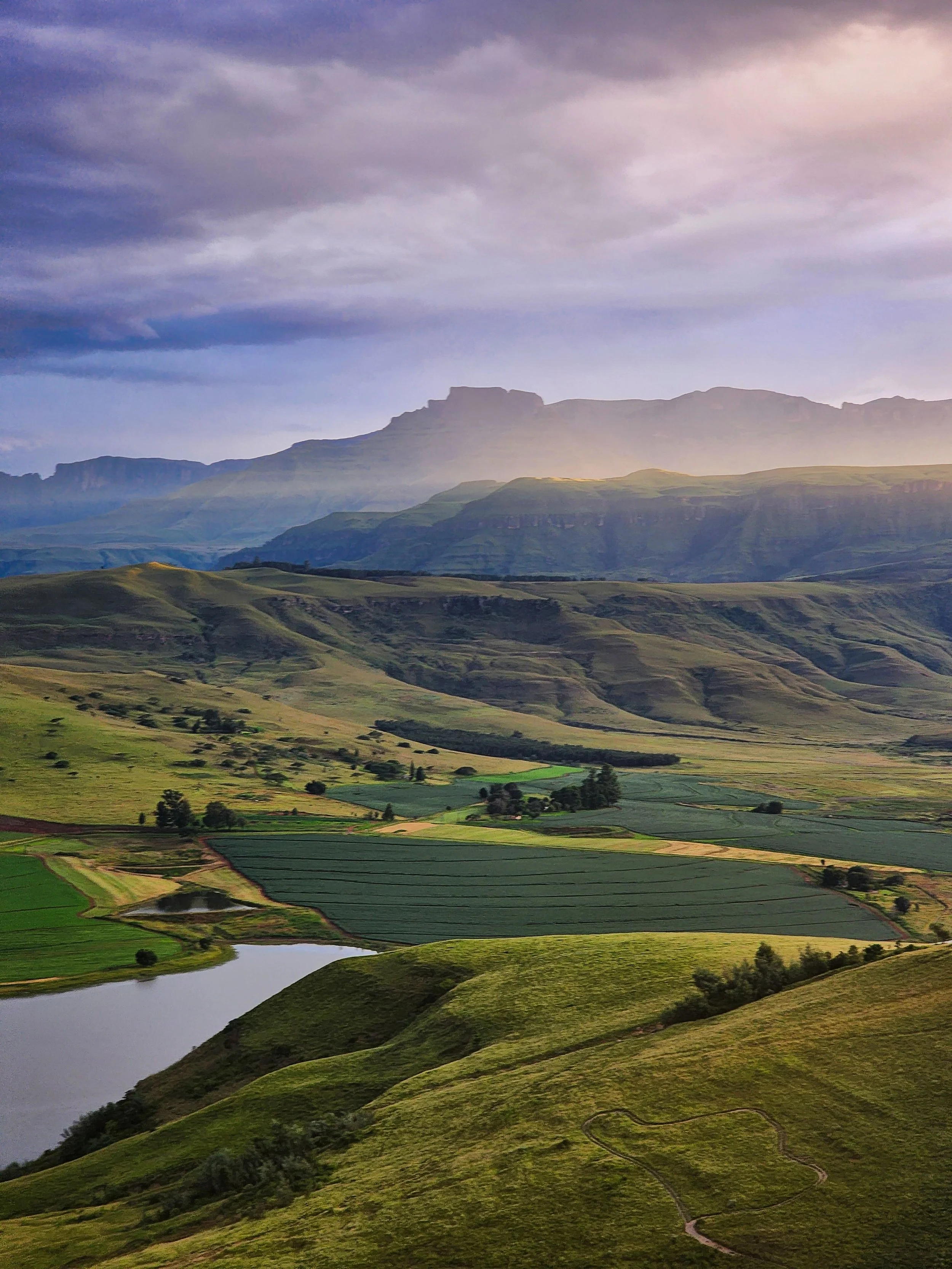
Drakensberg escarpment. Alexander F Ungerer. Pexels.
The best time to visit the Drakensberg escarpment is during the dry, cooler months of May and June. During this period, skies are often clearer, making wildlife observation and photography easier. Temperatures are generally mild during the day, while cooler evenings provide a welcome break from the heat experienced elsewhere in Southern Africa. The stable weather also makes hiking and exploring the region more accessible.
Despite ongoing conservation efforts, both the bearded vulture and Cape vulture remain under threat from habitat loss, poisoning, collisions with power lines and declining food sources. The Southern African bearded vulture population is estimated at only about 334 birds, including just over 200 mature individuals.
For travelers interested in wildlife, birdwatching or conservation, the Drakensberg escarpment offers a unique opportunity to experience one of Southern Africa’s most important mountain ecosystems while also witnessing the ongoing effort to protect two remarkable endangered species. The region’s combination of stunning scenery and ecological significance makes it one of the most rewarding destinations for those interested in conservation-focused travel and gaining a deeper appreciation for the natural world.
GET INVOLVED:
Conservation organizations such as BirdLife South Africa and Vulpro monitor populations, protect nesting sites and work with local communities to reduce threats to the species. Their efforts have become increasingly important as vulture populations across Africa continue to decline.
TRAVELING THERE:
For travelers interested in visiting Sehlabathebe, planning ahead is essential. The park is located in southeastern Lesotho and is most easily reached by road from the capital city, Maseru, or from neighboring South Africa, with the drive taking around seven hours by rental car. Because the final approach roads are unpaved, a high-clearance vehicle is recommended. Visitors can stay at lodges and guesthouses near the park, typically ranging from $40 to $60 per night. Once there, hiking trails and birdwatching routes offer access to the escarpment’s unique landscapes and wildlife.

Grace Williams
Grace is a rising junior at Wake Forest University, where she is majoring in Politics and International Relations with minors in Spanish and Latin American Studies. She is passionate about political pluralism, human rights, culture, and journalism. In her free time, Grace enjoys playing tennis, watching movies, and reading.