
By Nicole Melancon
Chile’s Cochamo Valley is a wild Andean paradise where ancient forests, pristine rivers and towering granite walls beckon climbers and nature lovers to explore one of the continent’s last great frontiers.
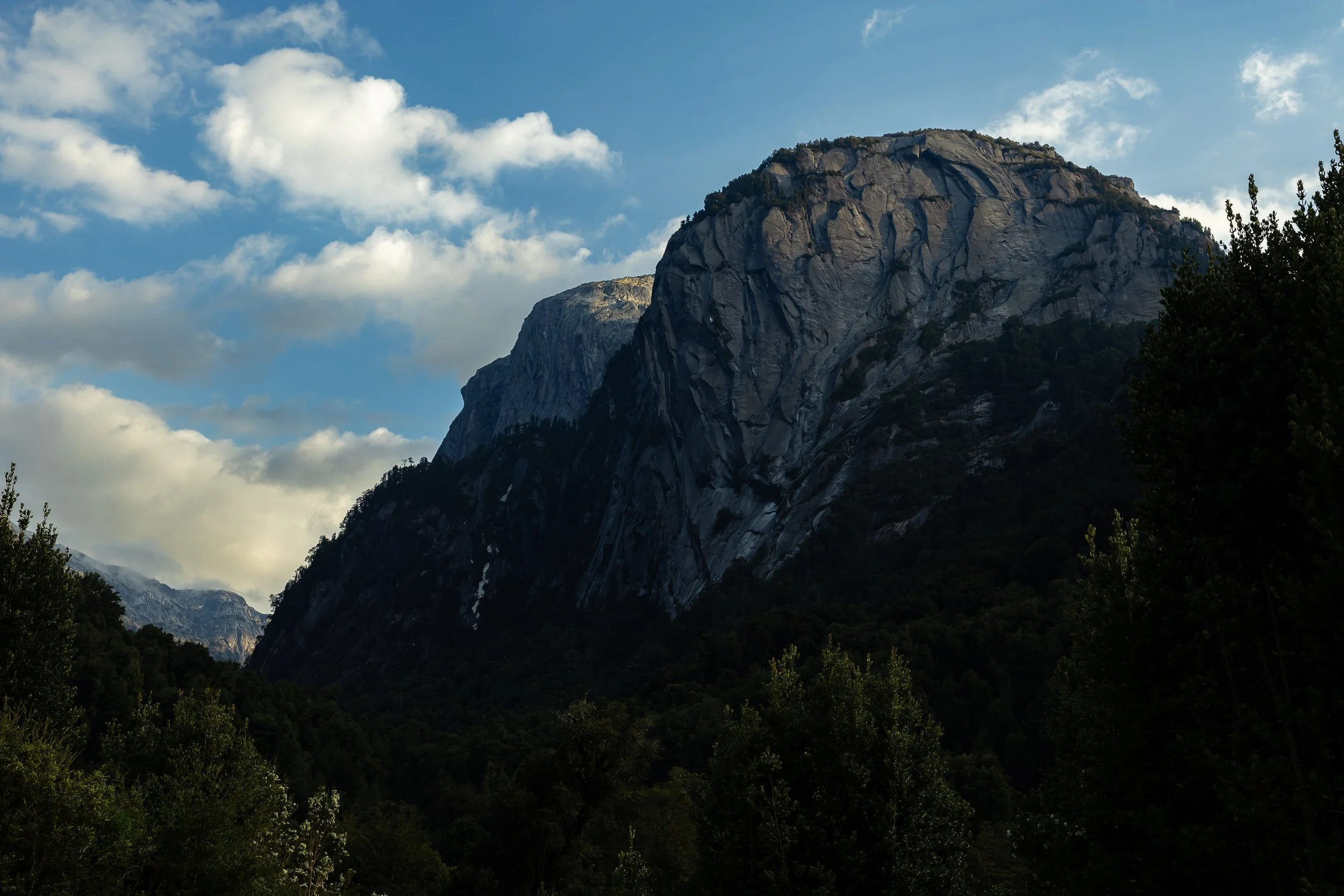
Cochamo Valley is often referred to as the Yosemite of South America, without the crowds. Courtesy of GLP Films.
Tucked into the foothills of the Andes in Chile’s Los Lagos region, Cochamo Valley has long been known to locals as a place of rugged, pristine beauty blessed with ancient alerce forests, pristine rivers and towering granite walls. To climbers, however, it has earned another name: the Yosemite of South America. Its sweeping domes and sheer faces have drawn adventurers from around the world, eager to explore one of the last great granite frontiers.
Local climbers like Juan Caton fell in love with the natural beauty and granite walls of Cochamo Valley over a decade ago, and today remain an important part of the local climbing community. For him, Cochamo is a “special place where the climbing is demanding yet rewarding,” offering spectacular climbing routes surrounded by untouched forests and water pure enough to drink directly from its source. After experiencing the raw, rugged beauty of Cochamo Valley, he never left. Today, he lives in the valley year-round with a tightly-knit community of fellow climbers to protect and preserve Cochamo for generations to come.
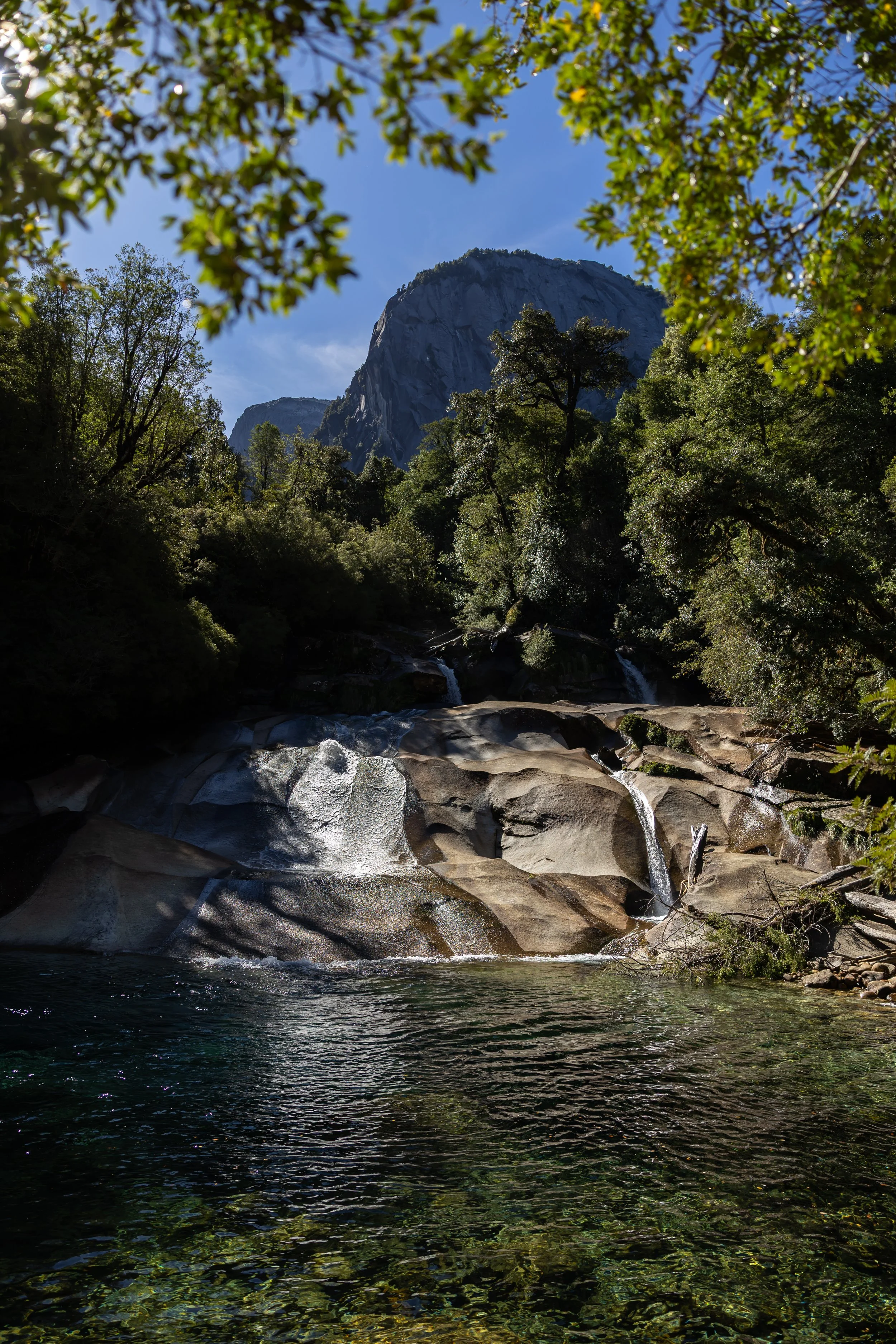
The majestic beauty of Cochamo Valley. Hass Salum/GLP Films. Courtesy of GLP Films.
From Hidden Valley to Climbing Frontier
For centuries, the valley was traveled only by the Huilliche-Mapuche people and later by ranchers who drove cattle across the mountain passes between Chile and Argentina. It wasn’t until the 1990s that the international climbing community began talking about a remote, hidden valley filled with unclimbed walls.
The first climbers to make the trek were stunned by what they found: endless granite, some walls stretching more than 1,000 meters, split by perfect cracks and soaring slabs. Unlike the crowded walls of Yosemite or Patagonia’s famous towers, Cochamo was untouched. There were no bolts, no guidebooks, no signs of previous ascents; just pure rock waiting to be climbed.
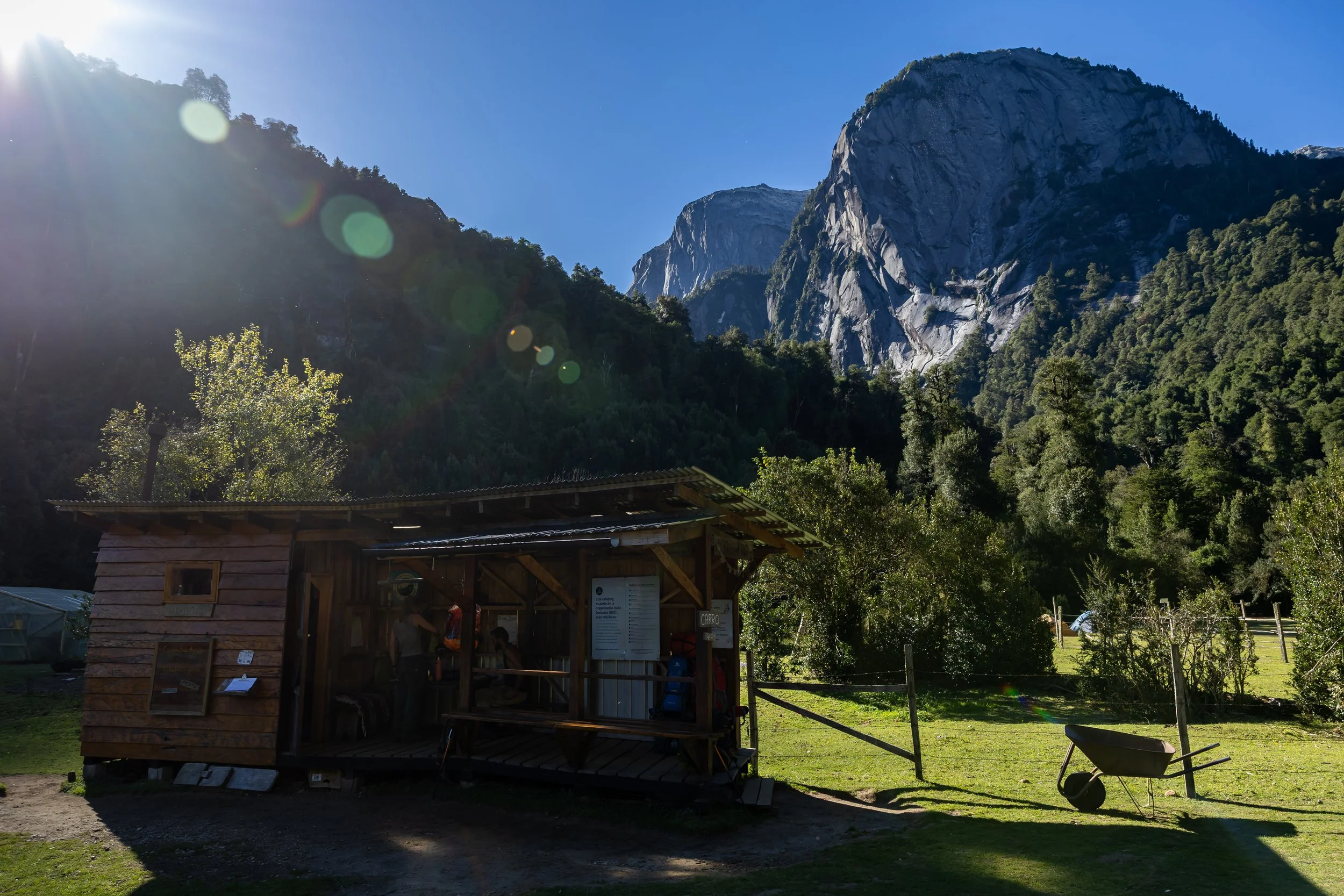
Cochamo Valley is only reachable by a demanding 8-mile trek, by foot or horseback. Hass Salum/GLP Films. Courtesy of GLP Films.
Building a Legacy
Throughout the late 1990s and early 2000s, a small but determined group of Chilean and international climbers began to establish routes. Using hand drills and immense patience, they carved out lines on now-famous walls such as Cerro Trinidad, El Monstruo and Arco Iris. Each ascent was an expedition in itself, requiring long approaches, heavy loads and a willingness to face storms and solitude.
La Junta, a broad meadow at the heart of the valley, quickly became the unofficial basecamp. It is accessible only by a tenuous 8-mile trail on foot or horseback, which thankfully has kept the valley isolated for years.
Here, climbers shared stories, planned new lines and forged a community that blended adventure with conservation. As word spread, more climbers arrived, creating challenges associated with unregulated tourism, but the valley retained its wild, pioneering spirit.
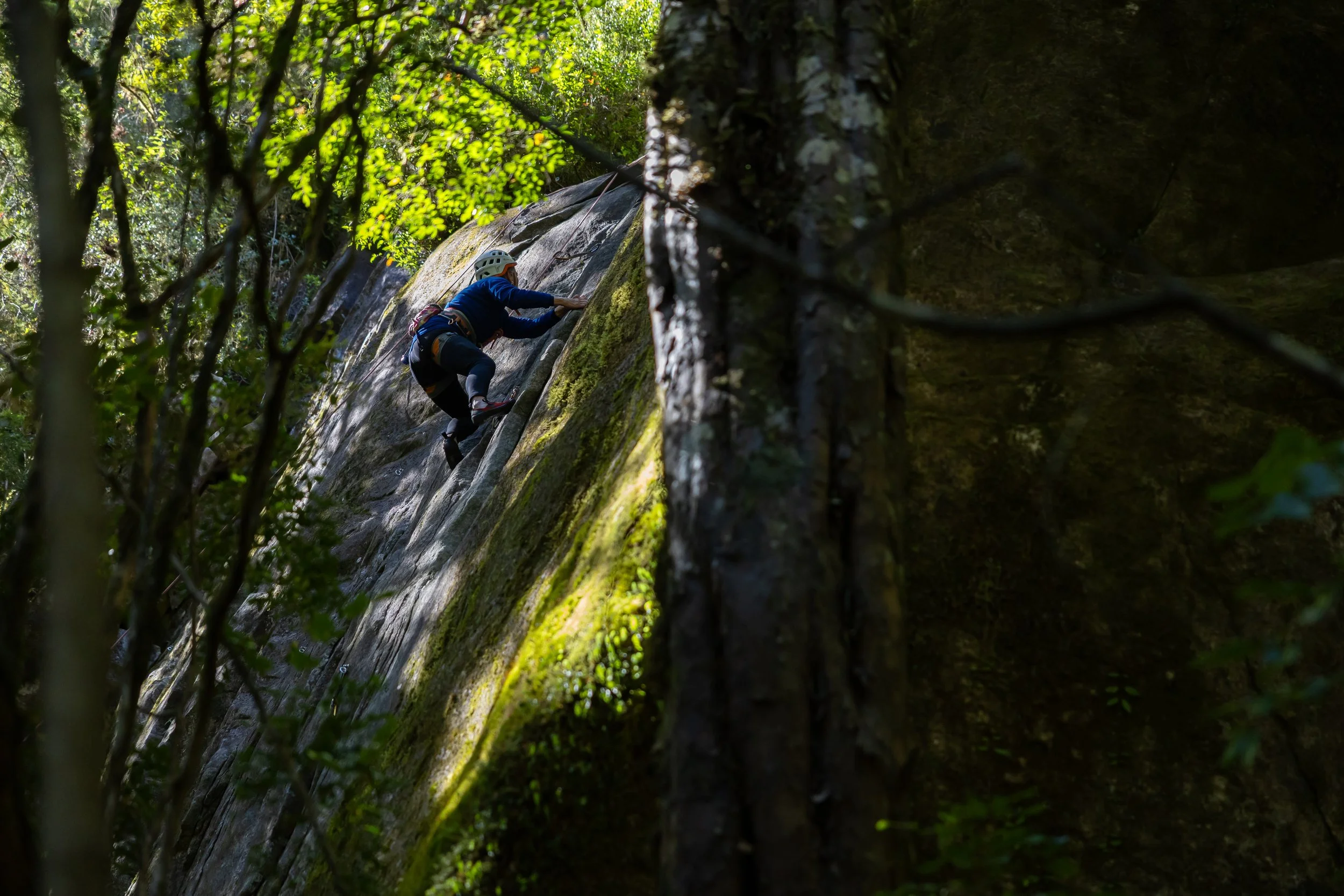
Even the starting point of the climb is steep and intense. Hass Salum/GLP Films. Courtesy of GLP Films.
Why Cochamo is Perfect for Climbers Today
Even today, Cochamo feels like one of the last remaining refuges on earth: remote, raw and filled with possibility. Its appeal lies not just in the quality of the rock, but in the experience of climbing there:
World-Class Granite Walls: With walls up to 1,200 meters, the valley offers routes that rival Yosemite in scale and beauty, from splitter cracks to delicate slabs.
Unclimbed Potential: Dozens of walls remain untouched, giving today’s climbers the rare chance to make first ascents.
Trad Climber’s Paradise: Cochamo spotlights traditional climbing: minimal bolting, natural protection and an ethos of adventure.
Immersive Wilderness: The only way in is on foot. After a long approach, climbers live simply at basecamp, surrounded by ancient forests and rushing rivers.
Conservation and Culture: The valley is not just for climbers; it’s also a place of deep ecological and cultural value. Ongoing efforts by locals and visitors alike aim to keep it protected for future generations.
A Living Story
Today, Cochamo is both a climber’s paradise and a powerful symbol of the fight for conservation. Its walls are still being explored, its history is still unfolding and its magic lies in the balance between adventure and preservation. To climb here is a gift. Thanks to the hard work of the local community, Cochamo remains one of the wildest and most beautiful climbing destinations on the planet.
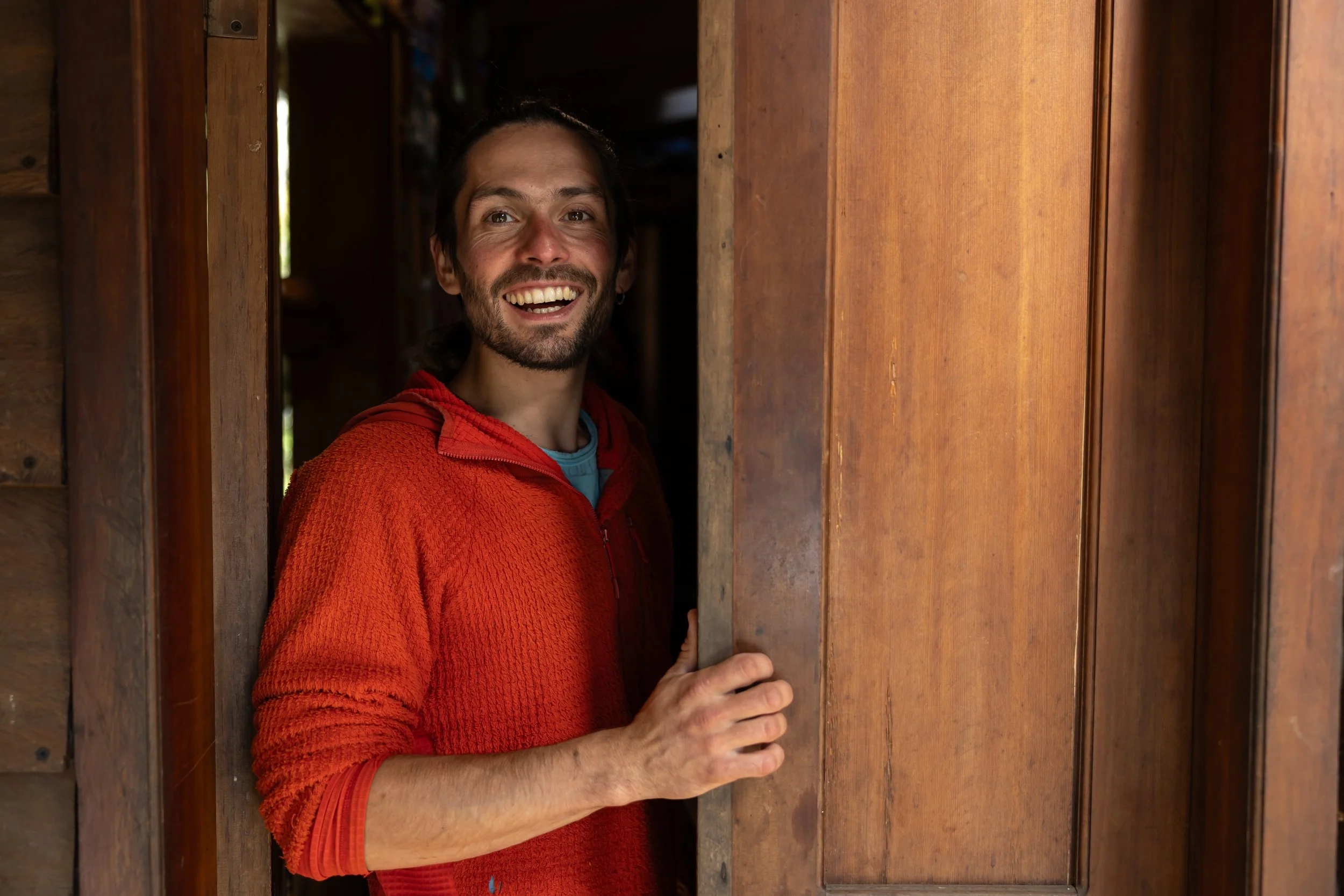
Juan Caton, a local climber and environmentalist. Hass Salum/GLP Films. Courtesy of GLP Films.
“The environment is extremely sensitive and requires responsible behavior from visitors to preserve this place,” says Caton. “Climbers should minimize their impact by respecting the trails, packing out waste, avoiding fires, and camping only in designated areas. This way climbers can also be stewards of this incredible land and set an example for others.”
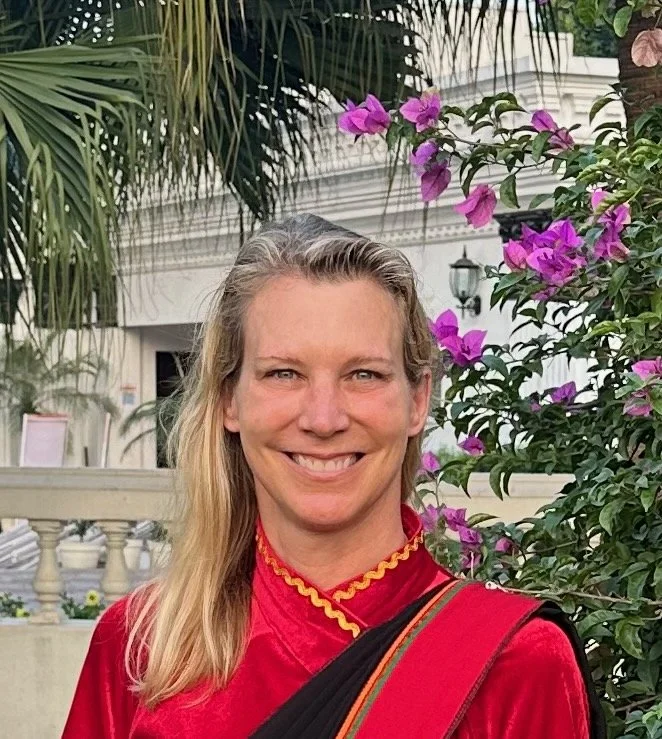
Nicole Melancon
Nicole is a freelance travel journalist, content creator, and editor whose works sits at the intersection of sustainable travel, conservation, community tourism, and social impact. Over the past 20 years, she has built a reputation for telling stories that explore not just where to travel, but how tourism can support people, protect nature, and strengthen local communiites. She also serves as Content Editor for GLP Films, an award-winning sustainable tourism storytelling agency, where she develops articles and social media content focused on destination stewardship, regenerative tourism, accessibility, and conservation. Nicole is also the founder and publisher of Third Eye Mom, a travel and social impact blog launched in 2010 featuring more than 1,100 articles spanning sustainable travel, global health, environmental and humanitarian issues. Her work has appeared in National Geographic, BBC Travel, Toronto Star, Azure Road, GLP Films, and more. Nicole resides in Minneapolis, Minnesota.