5 Reasons to Visit Andorra

Here are some ways to enjoy the beauty and history of one of Europe’s smallest countries.
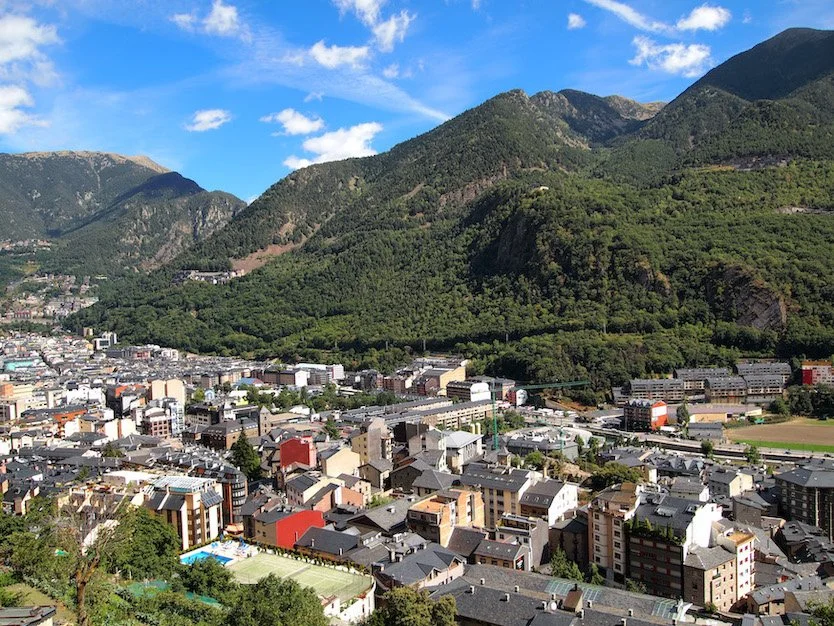
Andorra’s capital, Andorra la Vella. Tiia Monto. CC BY-SA 3.0.

Located between France and Spain, Andorra is a country of the Pyrenees mountains. The official language of Andorra is Catalan, yet many residents also speak Spanish, Portuguese, and French. With an area of 180 square miles and a population of fewer than 80,000 people, Andorra is one of the smallest countries in Europe. Though small, Andorra has much to offer, with sights and activities that make a visit well worth it. Here are five things to do when visiting Andorra.

1. Skiing
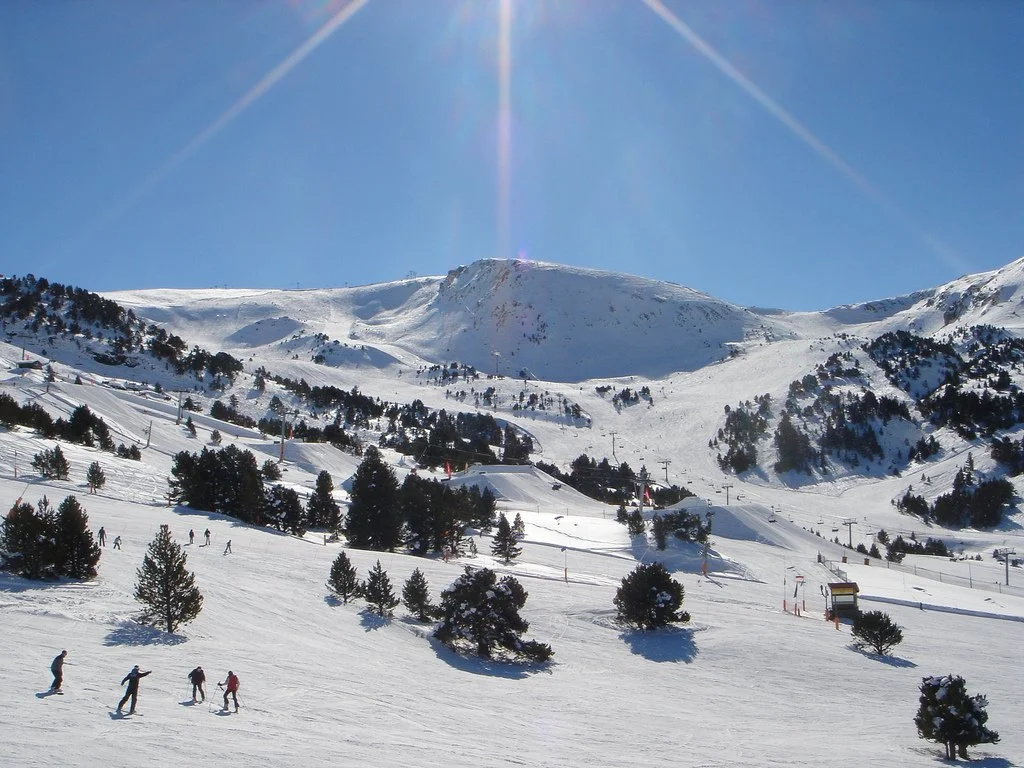
Grandvalira ski resort. Llull~commonswiki. CC BY-SA 2.0.

Due to its mountainous location, Andorra is home to great skiing locales. The country has three main ski areas, which are Grandvalira, Vallnord, and Ordino Arcalís. Grandvalira is the largest of the three resorts, with 130 miles of slope, most of that at the intermediate level. Vallnord has a ski lift connecting the villages of Arinsal and Pal, and you can try Speed Riding there, which is a mix of hand gliding and skiing. Ordino Arcalís is a smaller and less crowded resort. With its northern location, it produces the most snow of all of the resorts, and therefore has a longer ski season.

Exploring Andorra’s slopes is an unforgettable experience, but staying safe while adventuring is just as important. Whether you're carving through fresh powder or trekking its rugged trails, having the right travel insurance can give you peace of mind. SafetyWing offers affordable and flexible coverage, from emergency medical needs to comprehensive healthcare, all with built-in travel protection. No matter where your journey takes you, their Essential and Complete plans ensure you're covered every step of the way.

2. Visit the Mirador Roc del Quer
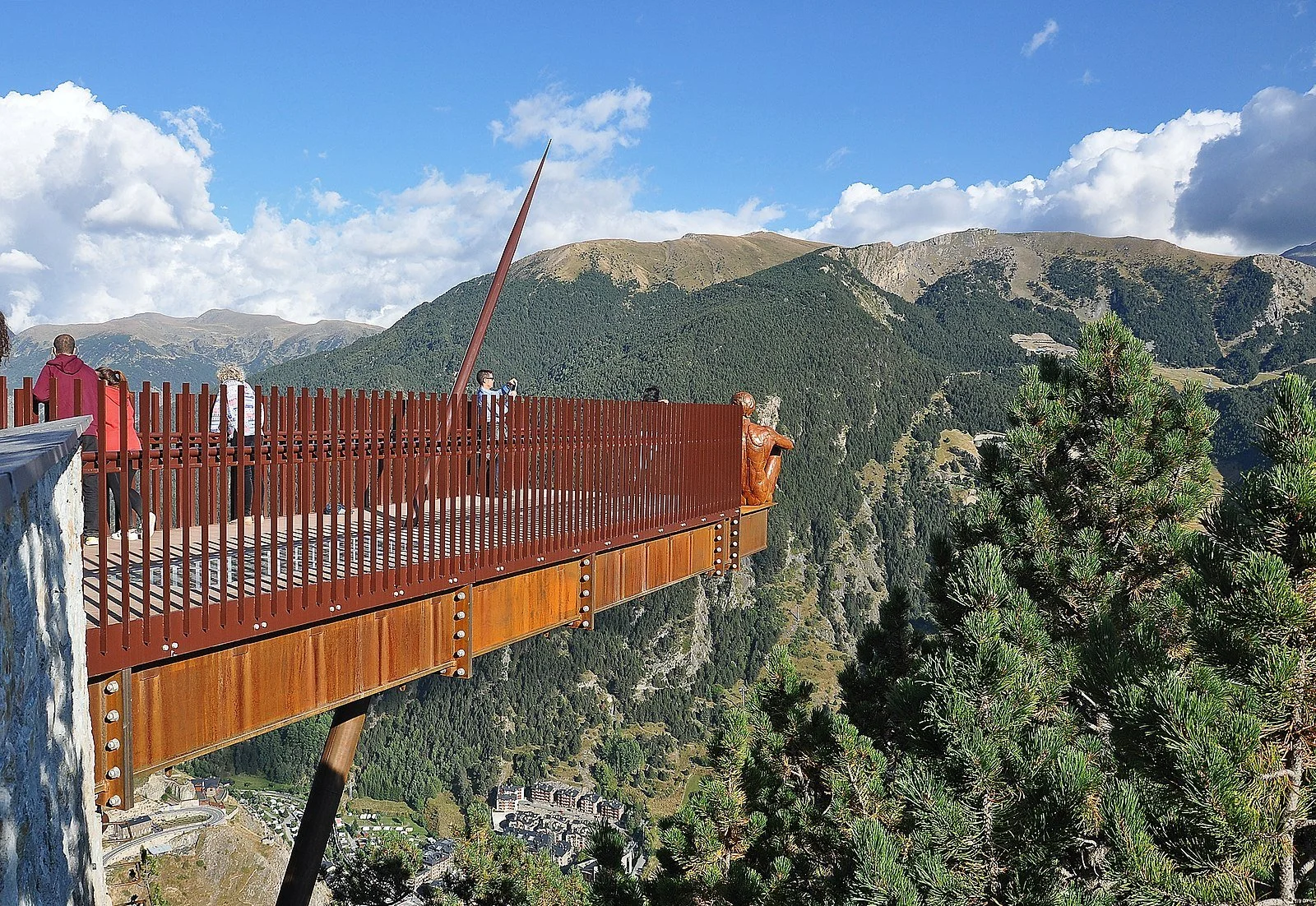
Mirador Roc del Quer. Roberto-g-rovi. CC BY 3.0.

At 6,417 feet, the Mirador Roc del Quer lookout provides a great view of the Pyrenees mountains. With 12 meters of the walkway being detached from the ground, it creates the illusion of walking through the scenic view. At the end of the Mirador Roc del Quer, there is a statue called “The Ponderer” by artist Miguel Ángel González. This statue depicts a man calmly sitting on a beam looking at the view, unbothered by the drop from where he is sitting. Whether it be for sightseeing or picture-taking, the Mirador Roc del Quer is worth visiting when in Andorra.

3. Tour La Casa de la Vall
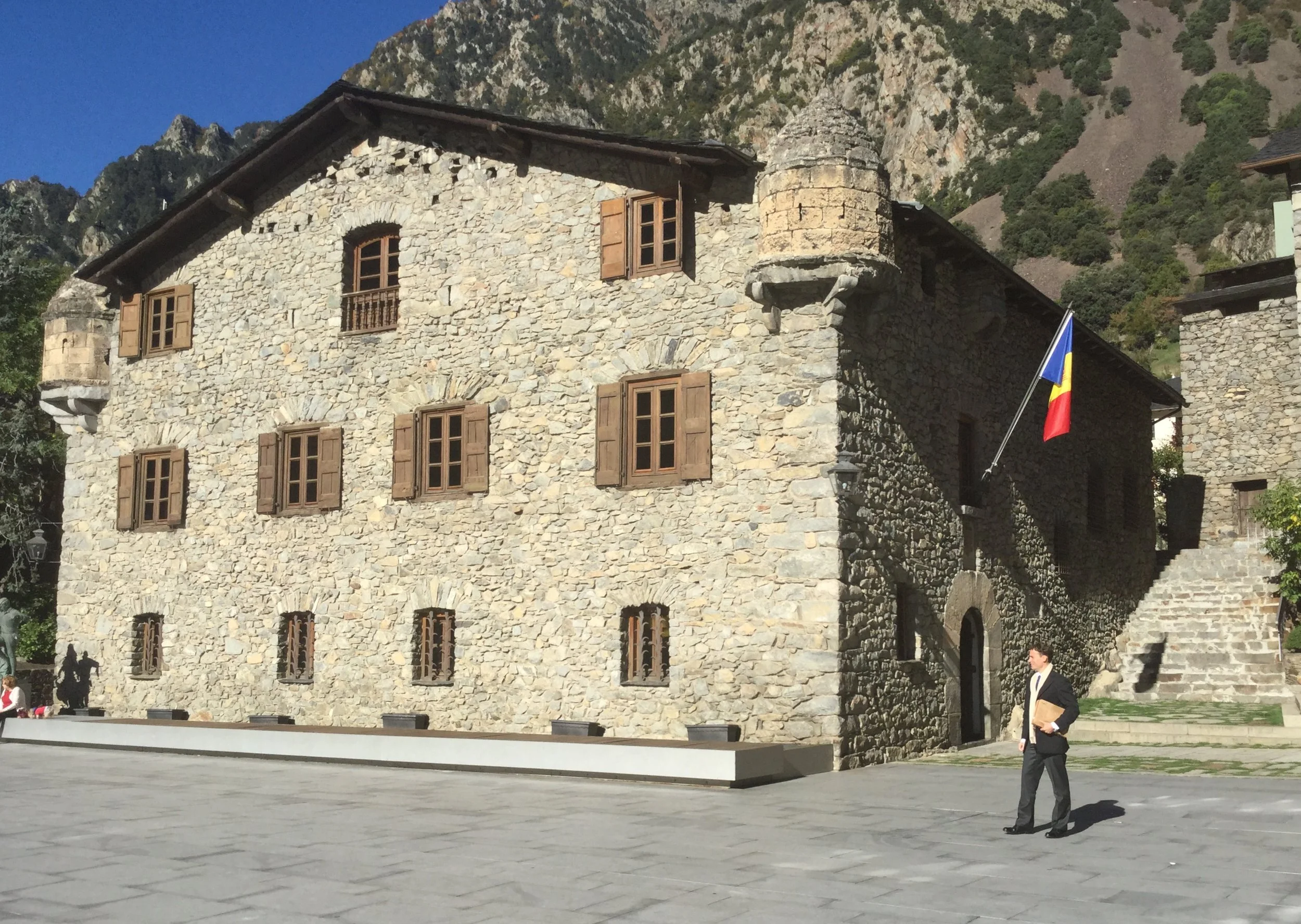
La Casa de la Vall. Zinneke. CC BY-SA 3.0.

Built in 1580, La Casa de la Vall was originally built as a manor house for the Busquets family. From 1702 until 2011, it served as headquarters for the Consell General, which is Andorra’s parliament. Today, it serves as a monument that is open to the public. The first floor once held the Criminal Court, as well as the Hall of Lost Steps, a room with walls made of 16th century paintings. This floor also holds the Cupboard of Seven Keys, which has a key to each of the seven Andorran parishes, along with significant historical documents. The second floor of La Casa de la Vall was once an attic, but it was renovated to become a multipurpose area, often used for exhibitions.

4. Hike Rec del Solà
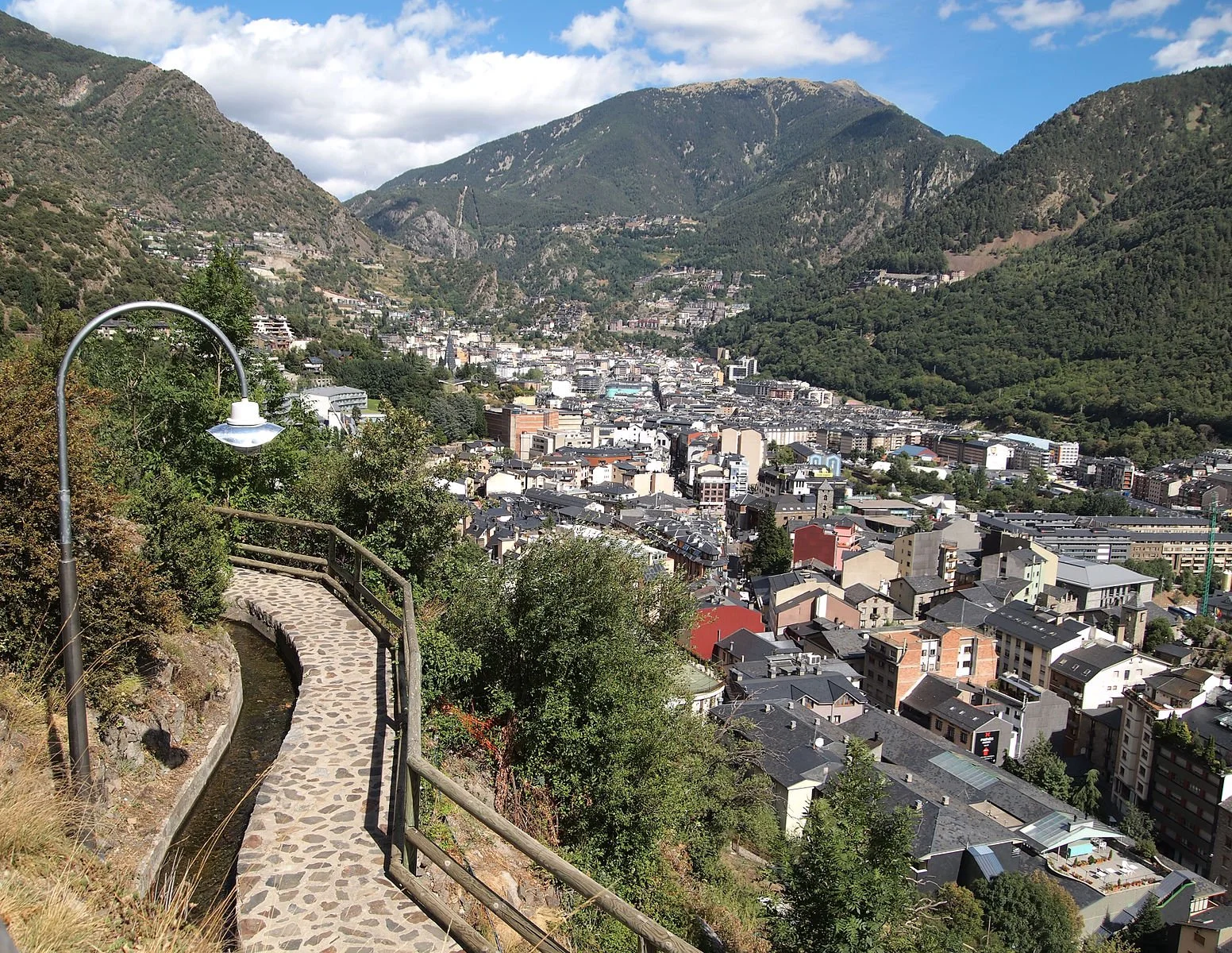
Rec del Solà. Kulmalukko. CC BY-SA 3.0.

Within its mountains, Andorra offers many hiking opportunities. Beginning at the San Ermengol plateau, Rec del Sola is a five mile hiking trail connecting to the Rec del Obac trail. With an altitude of 1,122 meters, this trail passes through orchards and gardens, where local Andorrans grow vegetables. Towards the middle of the trail, there is a picnic area, where hikers can take a break and enjoy the view. Most of the trail is shaded from the sun, making it a great option for the summer season.

5. Visit the Museo Postal

Museo Postal. Kippelboy. CC BY-SA 3.0.

The Museo Postal, or Postal Museum, exhibits the history of Andorra’s postal services. By foot and by ski, the museum shows the complete history of delivery methods in Andorra over the years. There are 50,000 Andorran stamps displayed, along with exhibits that show how these stamps were made and the process of mail delivery in Andorra today. The museum offers guided tours to guests, but visitors can also explore on their own with an audio guide.

Alexandra Copeland

Alexandra is a student at The College of New Jersey studying psychology and journalism. She is a lover of coffee, dancing, and visiting new places. Being raised with her Greek culture has inspired her interest in cultural customs around the world. She is a passionate writer and hopes that her work will make an impact in the future.
Between the Cracks in Turkey: Exploring the Small Towns of the Crossroads of the World

Step off the beaten path and discover these six small towns in Turkey brimming with artifacts, natural wonders and rich history.

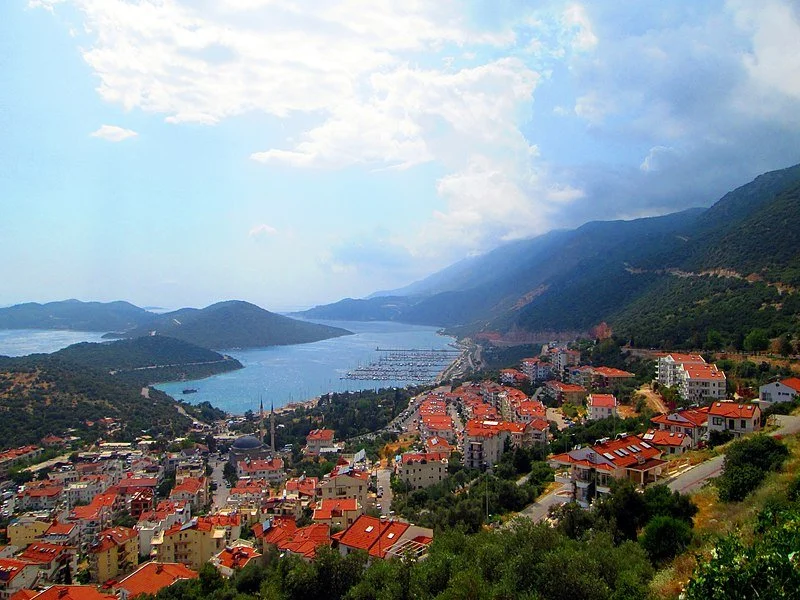
The beachtown of Kaş. Tutky Çetinel. CC BY 3.0.

One of the most renowned and well traveled cities in the world, Istanbul, peaked at 16 million tourists last year. The mosque- and artifact-riddled city attracts crowds that make it, for lack of a better word, a travel destination. Yet, some of Turkey’s most beautiful landscapes, edifices and history lie outside of its metropolis. Trek off the beaten path and journey to these six small towns in rural Turkey.

1. Safranbolu

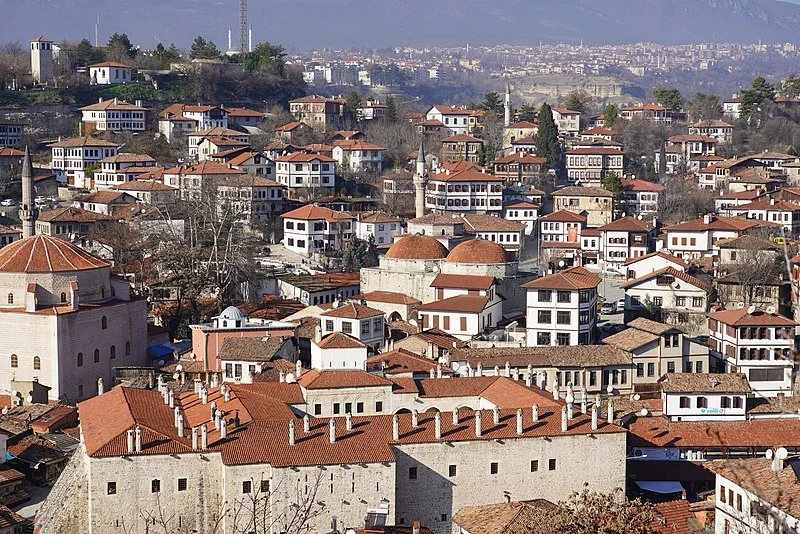
Overview of Safranbolu. Ray Swi-hymn. CC BY-SA 2.0.

Once a trading center, this historic town is now home to many artifacts scattered throughout its ~390,000 square miles and among its three historical districts: Cukur, Kirankoy and Baglar. Some of its characteristic antiquities found in the Old Town include tombs, baths, mosques, fountains, and houses. Dive further into exploration with Safronbolu’s Old Mosque, the Old Bath, and the Suleyman Pasha Medrese, an Islamic religious institution, built in the 14th century. This UNESCO World Heritage site is worth discovering.

2. Kas

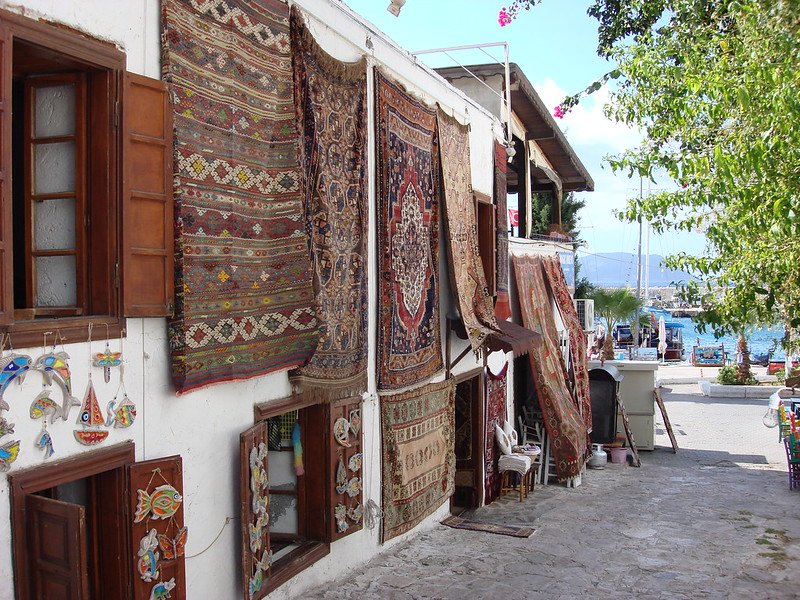
Rugs on a building in Kas. Julian Mason. CC BY 2.0.

This delightful beach town in Turkey’s Antalya Province doesn’t resemble the tourist-filled streets of the region’s eponymous city. Kas’s pleasant turquoise waters and lively color make the town stand out from Antalya’s busy, fast-paced life. While outdoor activities abound in this town — for example, canyoning is open to all travelers and day-long outdoor attractions like the Xanthos and Patara antique cities — a vibrant nightlife along the beautiful beaches awaits all visitors. Jazz clubs and rock bars alike welcome you to the wondrous city of Kas.

3. Iskilip

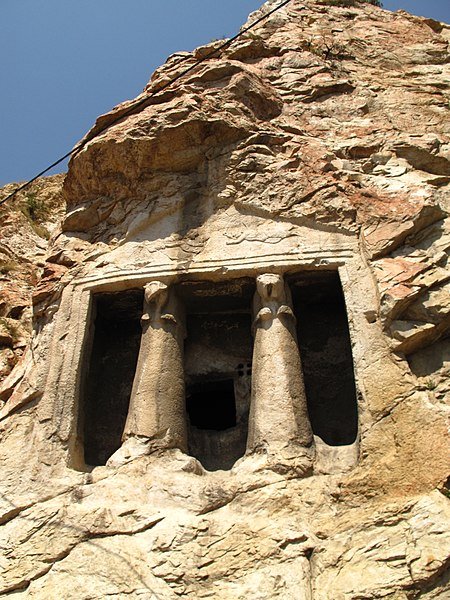
Rock tombs of Iskilip. Aerdemsenturk. CC BY-SA 4.0.

Just a 3-hour drive away from Ankara, Iskilip is another UNESCO heritage site on our list. This castle town’s epicenter is the Iskilip Castle, bordered by the town’s verdant mountains. While the Iskilip Castle is itself a site of historical importance, its base contains many Roman era tombs that are the real draw for many visitors. Iskilip is also a town of craftsmen; copper smiths, basket weavers, blacksmiths, cobblers, wood carvers and more set up shop in between houses, in houses, and everywhere in the town.

4. Midyat

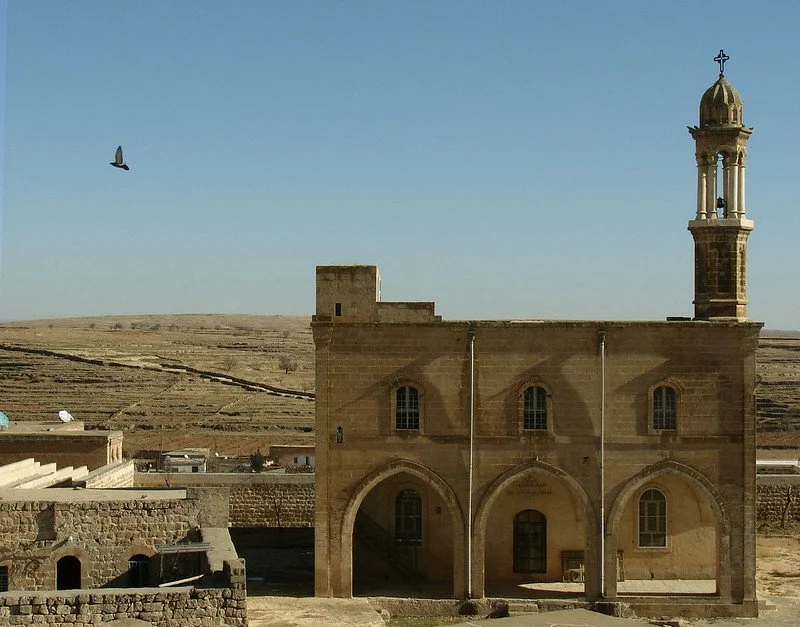
Mor Sarbel Church. Senol Demir. CC BY 2.0.

In between the narrow cobblestone streets of Midyat lie ~410,000 square miles of artifacts, a structural chronicle of the past. The town, an hour drive from the Mardin province, houses unique sand-colored buildings. Among them is a series of religious edifices like the Ulu Cami, or mosque, with its characteristic minaret that towers over the surrounding buildings, the Mor Barsarmo Kilise, a church, and the Syrian-Orthodox Mor Sarbel church. Perhaps interesting, however, is Matiate, the official name of Midyat’s underground sites. Matiate is the largest cave system in the world, and is worth exploring along with the other wonders of Midyat.

5. Amasya

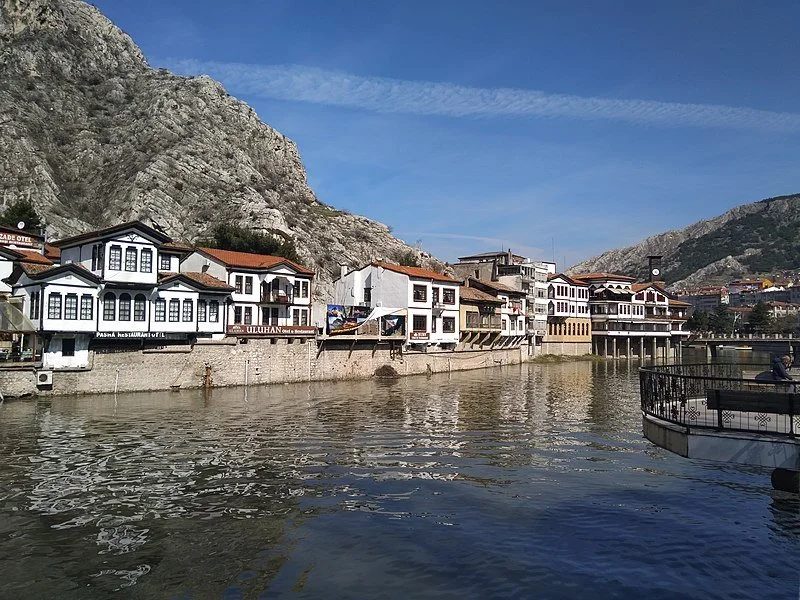
Houses in Amasya. Cobija. CC BY-SA 4.0.

This small town, much like others in this list, is a site of historical gravity. Three historical structures frame and define Amasya. First, the Amasya Castle, located at the top of Mount Harsena, is the center of this riverside city. While the climb to reach the castle can be steep, the view of Amasya’s green river and quaint houses has no peers. Second, the Amasya Museum is home to 24,000 artifacts from Anatolia including great stoneworks credited to the Hittites, Romans, Byzantines and Ottomans. Lastly, the Pontic Kings’ Rock Tombs, sepulchers carved into limestone rock formations, remind visitors of the once great Hellenistic Kingdom of Pontus, a stalwart enemy of Rome. 

6. Camlihemsin

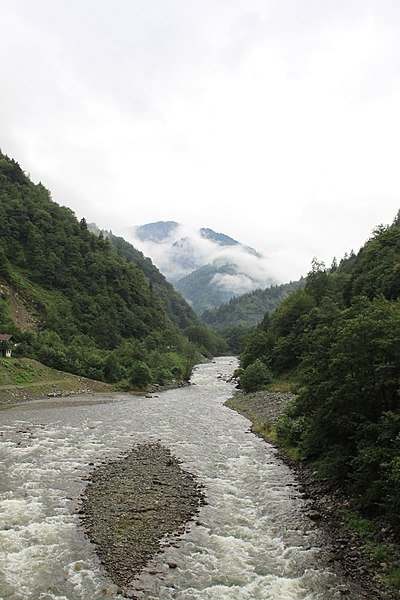
A river in Camlihemsin. Serra Kiziltas. CC BY-SA 4.0.

Located near the Black Sea region of Turkey, Camlihemsin  is the smallest of the towns listed here, with an area of ~340,000 square miles. Much of the appeal of this town is its flora and fauna: with stately trees and grass-covered mountains, the town is perfect for hiking and mountain climbing. Hilltops embraced by surrounding clouds beautify the landscape. Waterfalls such as the Palovit Selalesi, a frequent reward for long hikes, also grace the town. Of course, one particular large historical artifact — the Zilkale medieval castle located in Fırtına Valley — caters to nature-naysayers.


Su Ertekin-Taner

Su is a first year student at Columbia University majoring in creative writing. Her love for the power of words and her connection to her Turkish roots spills into her satire, flash fiction, and journalistic pieces among other genres. Su hopes to continue writing fearless journalism, untold stories, and prose inspired by her surroundings.

Escape the Heat with Cold Foods from Around the World

See how diverse culinary traditions have responded to scorching weather.

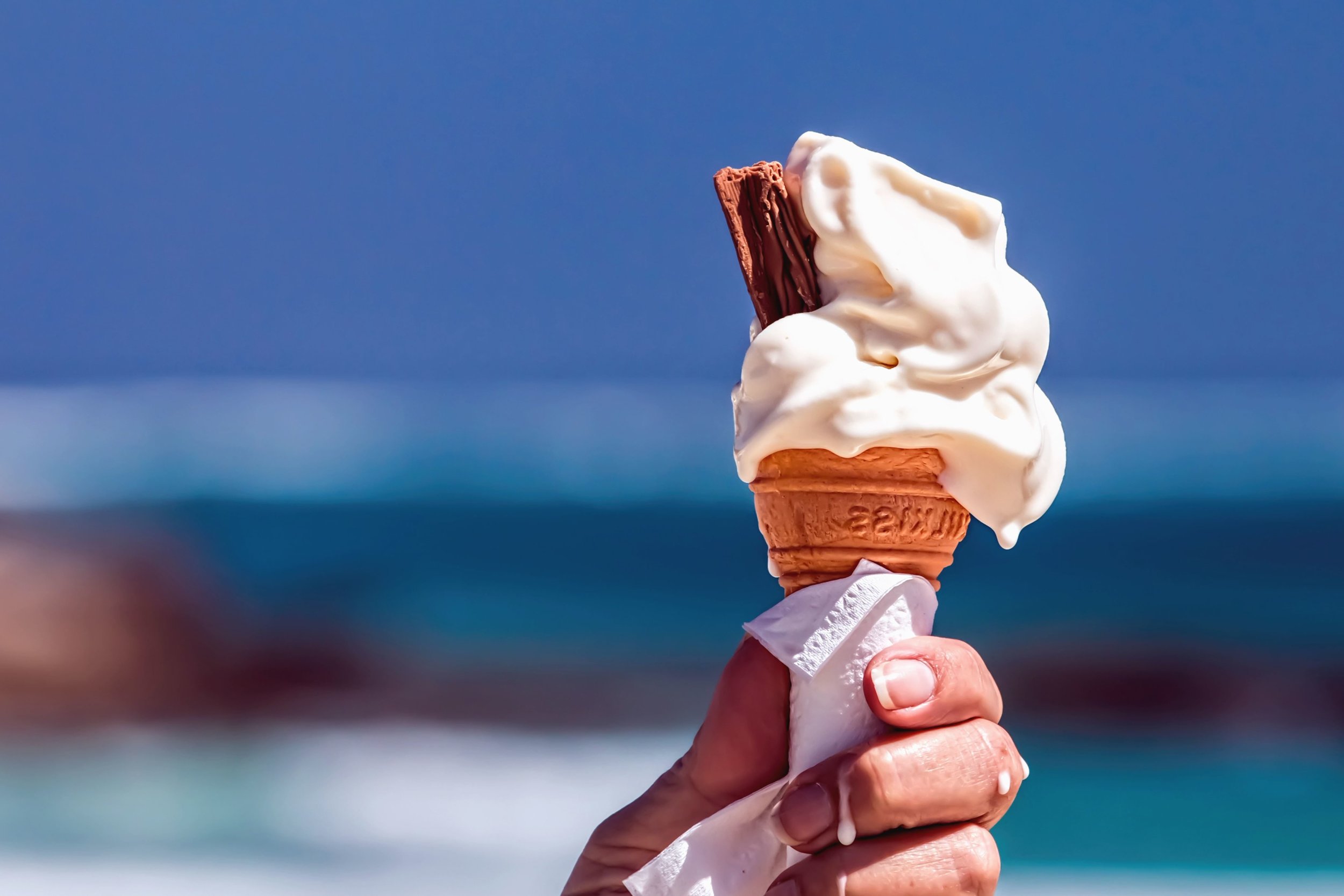
Ice Cream. Stevepb. CC0.

As summer enters its dog days, it is not uncommon for people to seek sanctuary within the cool confines of air conditioned rooms. Another strategy trades atmospheric meddling for culinary delights — beating the heat through the sheer pleasure of cool, refreshing dishes. While the temptation of piping hot meals, freshly baked and steaming, is undeniable, the relentless heat can dampen our enthusiasm to partake in such feasts. This is precisely where the enchanting world of chilled cuisine steps in, ready to satiate our taste buds when summer overwhelms the northern hemisphere. Join us as we delve into this captivating culinary realm of cold delights.

1. Gelato—Italy

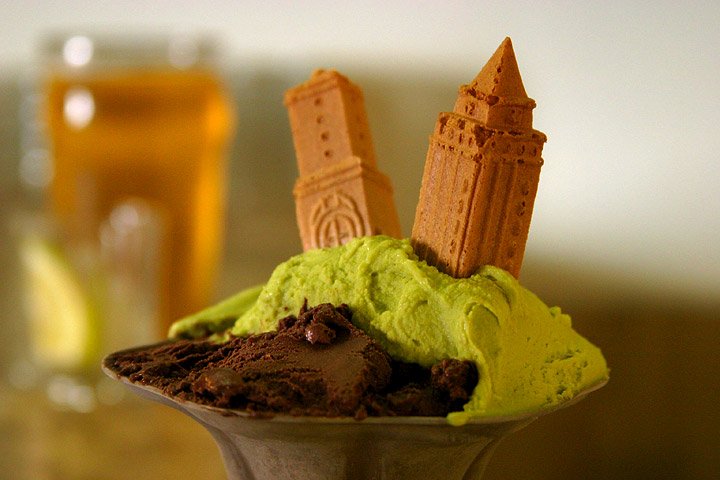
Roman Gelato. Aaron Logan. CC BY 2.0.

When it comes to chilly delights, there's a particular taste that's impossible to miss — sweetness. Picture yourself relishing an assortment of ice cream flavors, skillfully combined with frozen fruits, cream, and sugar, once you've completed an exciting adventure at a theme park that leaves your T-shirt saturated with sweat. Scientifically, it has been established that the consumption of sweetness amplifies dopamine levels, thus it's only logical for people around the world to use frozen confections to conquer the scorching heat.

The origins of relishing icy delights on sweltering summer days can be attributed to ancient times, when Arabians devised a method of combining snow with syrups to combat the scalding temperatures. It was through the travels of an Arab trader that this innovative recipe found its way to Italy, where it underwent further refinement with the addition of dairy, fruit juice, and sugar. This culinary transformation ultimately led to the creation of Gelato, a frozen delight that has become a firm favorite among Italians, its name simply meaning “frozen” in Italian.

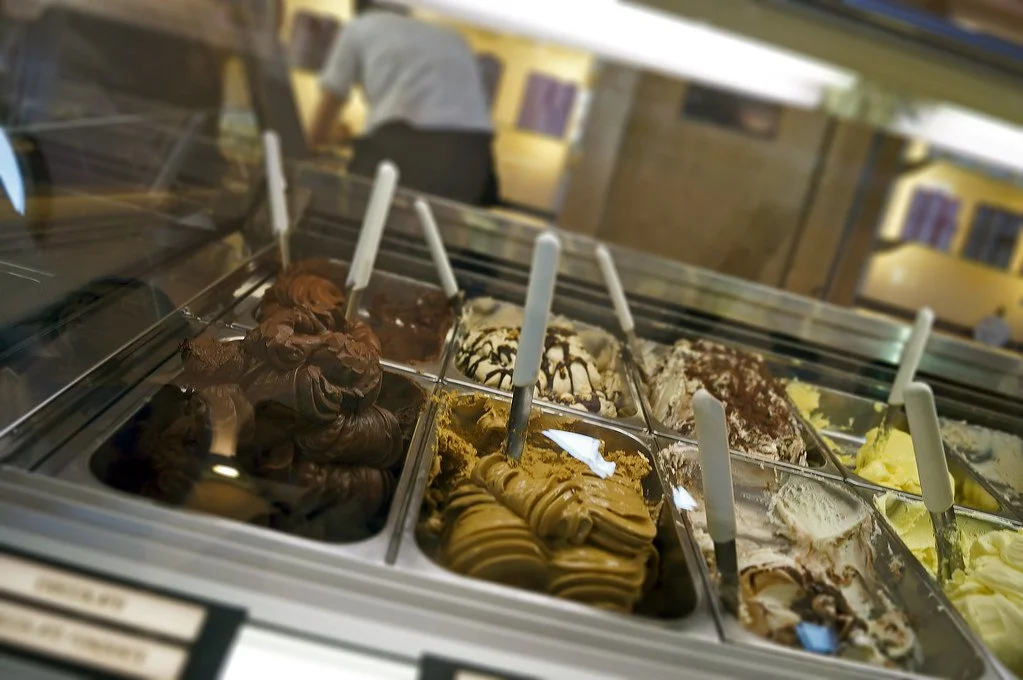
Gelato with multiple flavors. Bruce Stokes. CC BY-NC-SA 2.0.

While Gelato has a long history, dating back to the 16th century when an Italian inventor first served it at the table of the Spanish King, its global recognition came about during the industrialization of food production, including ice cream, during World War II. It was during this time that Gelato gained widespread popularity. In 1940, a breakthrough occurred with the invention of a new gelato machine by technician and designer Bruto Carpigiani. This innovation transformed gelato from a homemade, artisanal treat to one of the most beloved deserts worldwide.

To truly experience the authentic taste of Gelato, it is important to appreciate the differences between it and similar frozen delicacies you may be more familiar with. In contrast to American ice cream, good Gelato contains less milk fat and incorporates less air, resulting in a denser and creamier texture. Additionally, although the desert is known for its vibrant colors, it is worth mentioning that Gelato made with fresh fruit tends to have a more natural hue. For instance, a pistachio Gelato should have a delicate brown shade instead of a bright green color.

2. Kakigori—Japan

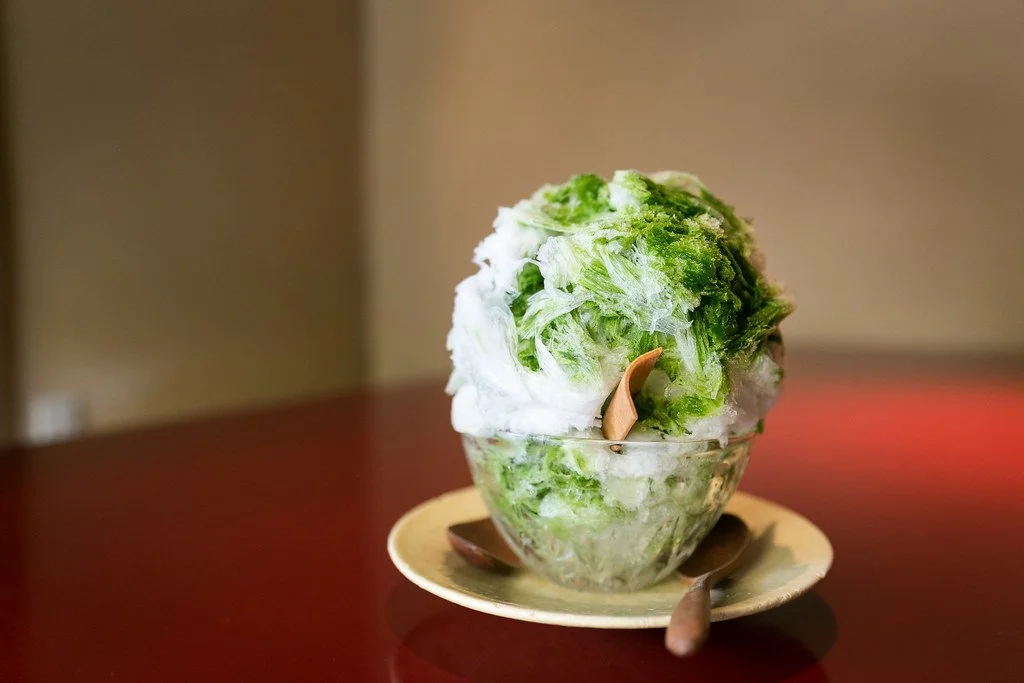
Matcha Awayuki Kakigori. City Foodsters. CC BY 2.0.

In Japan, frozen sweet desserts take on a unique form in the dish known as Kakigori. These towering mounds of shaved ice, generously adorned with a variety of fruit syrups like strawberry, melon and lemon, and garnishes that can be whole deserts in themselves such as mochi and sweetened red beans, offer a delightful crunchiness that sets them apart from Western ice cream. Resembling freshly fallen snow in texture, Kakigori has become an essential part of the Japanese summer dinner table.

The history of Kakigori can be traced back a thousand years, as it finds mention in classic Japanese literature. According to the renowned author Sei Shonagon, in a time before refrigeration, people would diligently gather fresh snow and ice during the winter season, carefully preserving it in specially designed storehouses. They would then transform this frozen treasure into delightful icy treats during the scorching summer months. What was once a highly valued luxury has in modern times become a spoonful of joy accessible to the masses. Today, Kakigori is commonly served in bowls, allowing for a generous amount of toppings and syrups to be piled high, eagerly savored with a spoon.

3. Air Mata Kucing—Malaysia

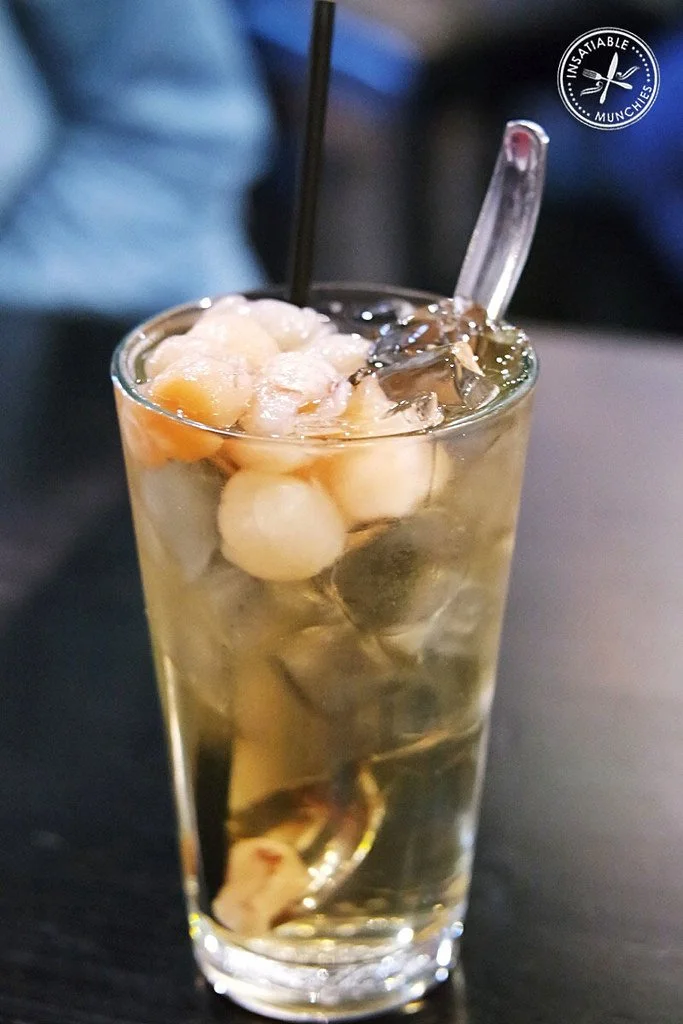
Longan Drink. Insatiablemunch. CC BY 2.0.

Alongside enjoying delectable, frozen treats, why not uplift your spirits on a summer day with a refreshing cup of frozen drink? Drinks like Tinto de Verano and Aguas Frescas offer a delightful twist to beat the heat. Take, for example, Air Mata Kucing in Malaysia, a beverage that has gained acclaim as the planet’s sixth most delicious drink according to CNN. 

This drink becomes an absolute must-try when the scorching weather increases the risk of infectious diseases. What makes it even more appealing is its combination of fantastic taste and nutritional value. Air Mata Kucing is prepared using dried monk fruit as a natural sweetener, fresh winter melon that is peeled and grated, rinsed dried longan pulp, dried snow fungus/white fungus, sugar, and water.

The ingredients used in Air Mata Kucing, namely monk fruit and longan, offer a multitude of health benefits due to their anti-inflammatory and antibiotic properties. When the winter melon is grated, it lends a smooth and refreshing sensation as the ice melts tantalizingly on your tongue. This unique combination of flavors, coupled with the drink's mild sweetness and cooling effect, has propelled Air Mata Kucing to become one of the top-selling drinks in Malaysia.

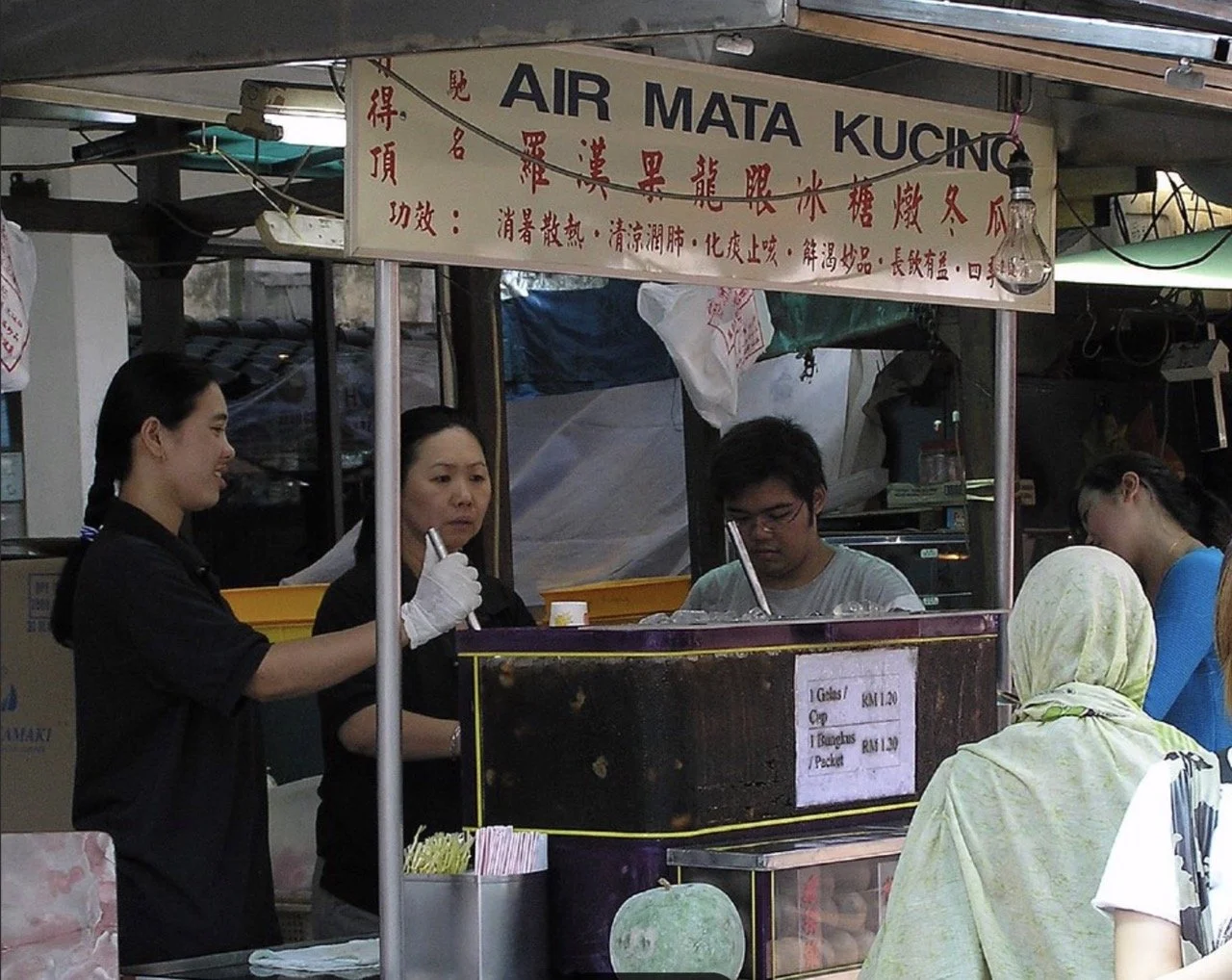
Stall selling Air Mata Kucing situated in Petaling Street. Neoluap. CC BY-NC-ND 2.0

In particular, a bustling stall situated in Petaling Street, Kuala Lumpur, has gained a reputation for serving this beloved drink, attracting eager patrons who happily queue up for a chance to savor its refreshing taste.

4. Lassi—India

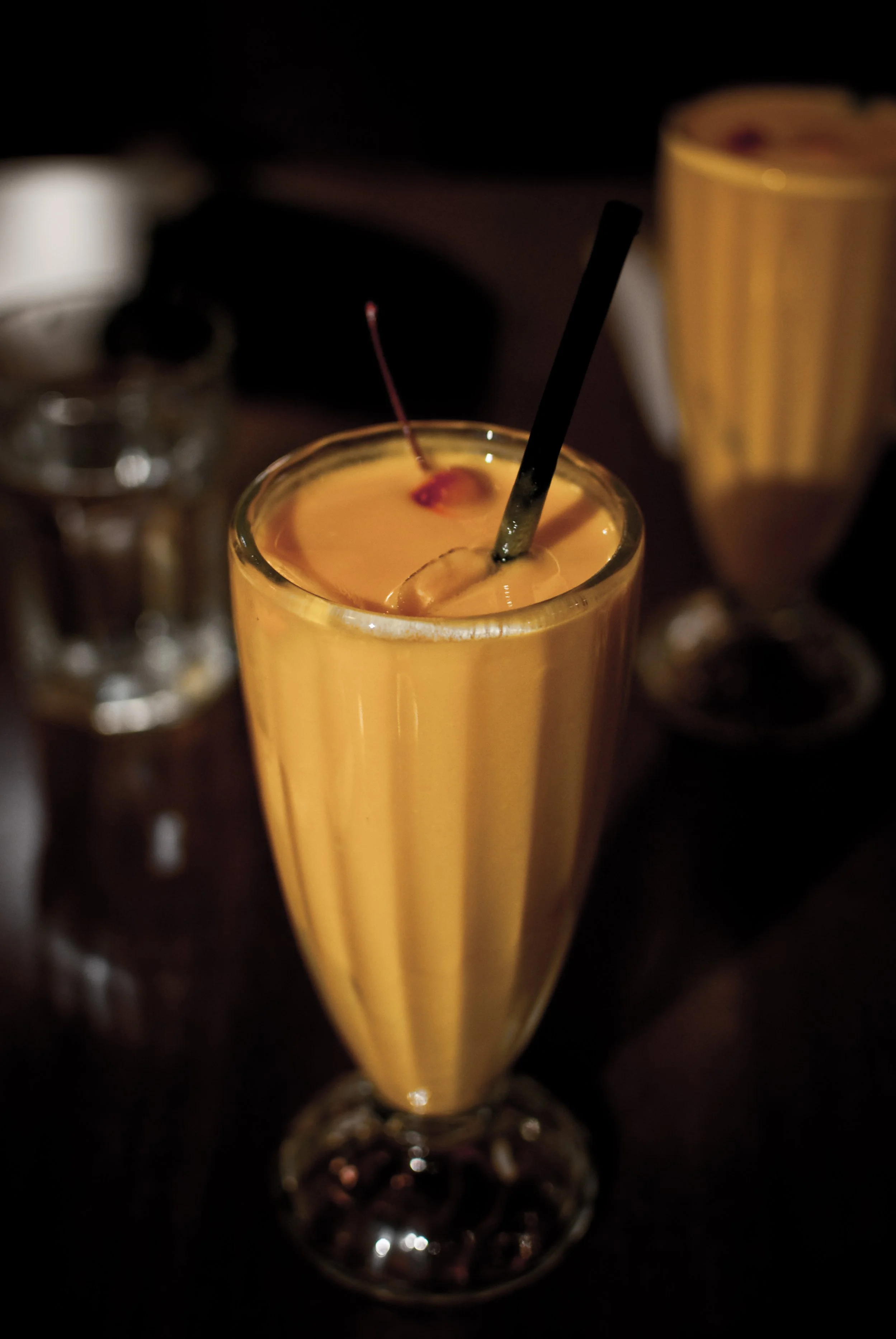
Mango Lassi. Joey. CC BY 2.0.

For those who hold a deep appreciation for dairy-based delicacies, Lassi from India presents itself as an unmissable experience — an age-old smoothie that has stood the test of time. Among its various renditions, Mango Lassi takes center stage as a traditional Indian drink hailing from the regions of Punjab and Multan.

The roots of Lassi stretch back to ancient Indian texts dating as far as 1000 BC, where its blended yogurt concoction was celebrated for its gentle effect on the stomach and its digestive benefits. The recipe for lassi remains elegantly simple: a silky, chilled fusion of yogurt, combined with water, fruit, sugar, and a  blend of spices tailored to your taste. While lassi has found its way into the menus of Indian and Pakistani restaurants worldwide, it remains an invigorating remedy for those toiling under the sweltering North Indian sun, where the mercury can surge above 100 degrees.

5. Gazpacho—Spain

Gazpacho in summer. Marco Verch Professional photographer. CC BY 2.0.

Not in the mood for something sweet? Don't worry, the world also offers a variety of delectable savory options to keep you cool and satisfied! During hot summer days when appetite may be diminished, traditional hot meals can be replaced with an array of dishes that are best enjoyed cold. Imagine indulging in a refreshing cold soup packed with juicy vegetables and crisp flavors — an appetizing treat for your taste buds.

Gazpacho, widely known as the “Spanish chilling soup,” stands as an iconic cold dish that perfectly embodies the essence of summer. Originating from the Andalusian region, an autonomous community in Spain, Gazpacho is traditionally enjoyed chilled, featuring a blend of olive oil, peppers, vinegar, onions, garlic, bread, and water. This refreshing soup, often adorned with diced vegetables or croutons, and occasionally accompanied by hard-boiled eggs or delectable morsels of Spanish serrano ham, provides a satisfyingly cool respite during the scorching summer months. With its diverse range of regional flavors, Gazpacho's true essence lies in its key ingredient—ripe, juicy tomatoes that are readily available to the public. Serving as a culinary symbol of Spanish gastronomy, this beloved dish not only tantalizes the taste buds but also offers a much-needed source of hydration under the blazing Mediterranean sun.

6. Naengmyeon—Korea

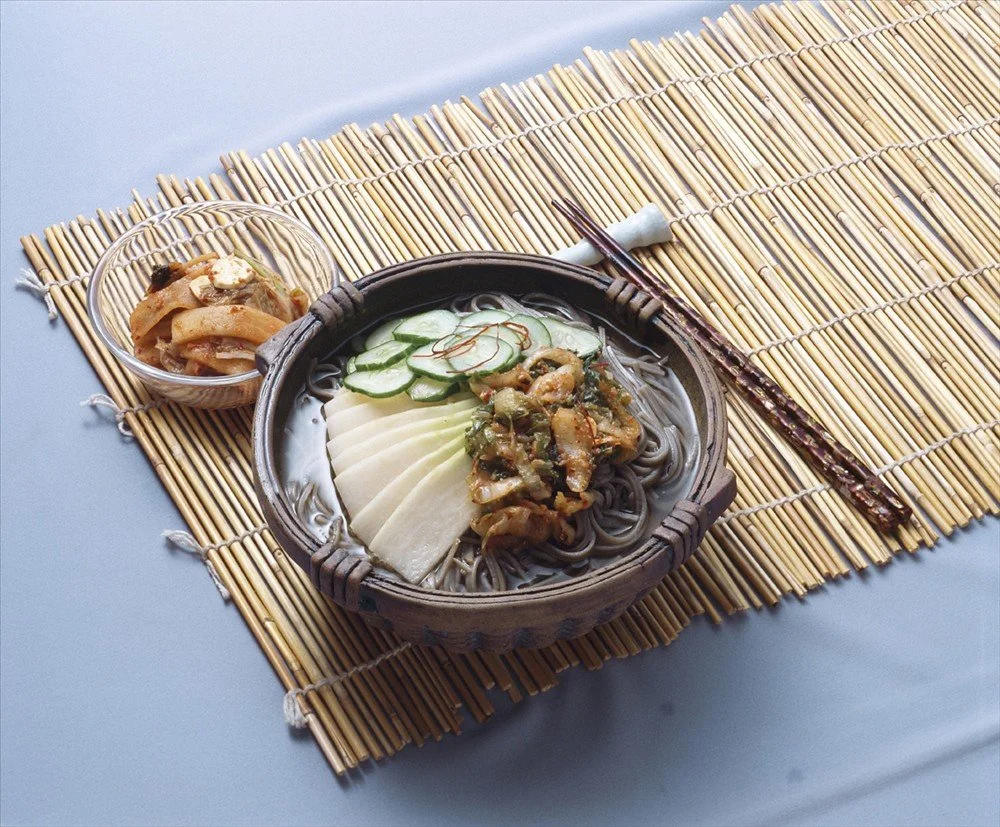
Mul-naengmyeon, Chilled Buckwheat Noodle Soup. KOREA.NET. CC BY-SA 2.0.

On hot days, it is worth noting that many hot dishes also have a refreshing cold variant. One such example is Naengmyeon, a chilled noodle dish that is served with actual ice to make sure it stays cool. Tangy, spicy and delightfully chewy, this noodle dish originated as a delicacy in northern Korea, before the country’s twentieth century division. Naengmyeon comes in different forms, including a version served in a watery radish kimchi broth with ice, another featuring savory buckwheat noodles submerged in a cold and clean-tasting broth and a third made with chewy noodles overlaid with a spicy sauce. The noodles are typically garnished with sliced cucumbers, Korean pears, pickled radishes, boiled beef and boiled eggs, adding a burst of flavors and textures. Interestingly, while one may crave cold dishes during the summer, the ancient belief in “Food being medicine and medicine being food” led to the creation of cold noodles, originally consumed during winter. These noodles had a cooling effect, which in turn was thought to stimulate the body's own heat generation.

7. Poke Bowl—Hawaii

Poke Bowl at The Baron, Castle Hill. Surtr. CC BY-SA 2.0.

Finally, for city dwellers and those seeking to maintain a healthy lifestyle, the Poke bowl needs no introduction — a beloved and straightforward dish featuring diced seafood, typically tuna, marinated in a delightful mixture of soy sauce and sesame oil, then tossed with onions. With roots in Hawaii, the term “poke” is simply the Hawaiian verb for cutting something into cubes,” reflecting the traditional technique used to prepare this culinary delight. Freshly chopped tuna and various other fish have long been cherished by Hawaiian fishermen, providing nourishment for themselves and their community. Given the islands’ location in the middle of the Pacific Ocean and the vast distances separating them from other substantial land masses, seafood represents an indispensable source of protein for the Hawaiian community. As Poke has gained immense popularity beyond its native islands, the number of Hawaiian restaurants listed on Foursquare, including those offering poke, doubled between 2014 and mid-2016. The subject of rapid evolution, the Poke bowl has seen delightful variations emerge. Creamy avocado, tangy ponzu sauce, savory teriyaki sauce, earthy mushrooms with a kick, zesty sriracha sauce, aromatic cilantro, and refreshing pineapple or cucumber — all these additions contribute to the savory diversity of this increasingly popular dish.

Whether it is the refreshing feel of ice or the savory delights of gazpacho soup, the invention of cold food remains a testament to human creativity. Using these culinary marvels to conquer the heat demonstrates our ability to transform even the most scorching weather, which lies beyond our control, into occasions of pure delight in which people can gather and revel in the pleasure of shared food experiences. Moreover, the preservation and spread of cold food exemplifies how technological progress has allowed us to pursue food not only as a means of nourishment, but also as a source of pleasure and culinary artistry.


Hope Zhu

Hope is a Chinese international student at Wake Forest University in North Carolina studying sociology, statistics, and journalism. She dreams of traveling around the globe as a freelance reporter while touching on a wide range of social issues from education inequality to cultural diversity. Passionate about environmental issues and learning about other cultures, she is eager to explore the globe. In her free time, she enjoys cooking Asian cuisine, reading, and theater.

Why You Should Visit the Makah Tribe on the Coast of Washington State

Visiting this region offers a unique opportunity to immerse yourself in a rich Indigenous culture that dates back thousands of years. 

View from Cape Flattery Bluff. Manuel Bahamondez H. CC BY-NC-ND 2.0

The Makah Tribe's reservation, resting on the extreme northwest tip of Washington State, boasts an ethereal landscape and thriving cultural practices. The land and the Tribe's community inspire and nurture ongoing engagement with nature and rich family connections. Despite its remote location, accessible by a single, winding route, the rich culture and natural beauty of this community offer a magical experience for curious travelers. 

The reservation sits at the farthest point north and west in the continental United States, cradled between gentle hills covered by tall Douglas Fir, Sitka Spruce, and Western Red Cedar trees on one side and the rugged Pacific coastline on the other. In the wake of a century-long fight against colonization the Makah continue to protect their sovereignty through the teaching of their Indigenous language, the celebration of cultural rituals and artifacts in their local museum and schools, and the preservation of the tribe’s traditional and sustainable reliance on native plants and animal species. The Tribe welcomes visitors from near and far to reflect on the reservations’ deep culture and lush natural landscapes. Hiking, surfing, and other outdoor activities are easily accessible from this scenic location and cultural hub. Visiting the Makah Tribe offers a unique opportunity to immerse yourself in a rich Native American culture that dates back thousands of years. The stunning natural beauty surrounding the Makah Tribe, including picturesque beaches and rugged cliffs, provides a breathtaking backdrop for your visit.

Sunset on First Beach. Jaisril. CC-BY-NC-ND 2.0

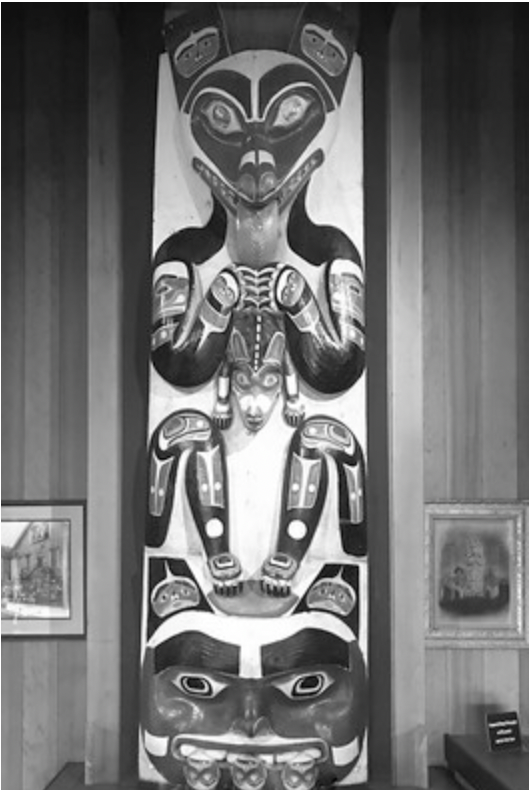
Generation after generation, the fabric of the Tribe’s community is woven through its cultivation of the natural world and artistic endeavors. Today, a significant number of Makah individuals thrive as artists, making a living through the sale of intricately crafted goods which are sold to galleries, shops, and collectors across the globe. A major source of income comes from the exportation of these artistic goods and is a key element of the Tribe’s livelihood. Carvings and masks in particular are a distinct feature of Makah art and have garnered the attention of tourists and art sellers alike for generations. The pieces often feature animals that hold deep cultural importance to the Makah. Whales, salmon, halibut, ravens, eagles, otters, herons, and wolves are commonly depicted in these designs. Each carving tells a story, chronicling the rich narratives of the origins and struggles which are passed down through generations within the community and amongst families.

The Makah are highly skilled woodworkers, capable of fashioning a wide array of items from the trees that thrive in their surrounding forests. While western red cedar is most frequently used, you can also find artists working with alder, yew, and spruce. Carvings range in size, from intricate jewelry to grand ocean-worthy canoes and towering totems. The incorporation of nature imagery and the sourcing of natural materials reinforces and honors the Makah’s reverence for their lands and waters.

Example of Makah style art. A. Davey. CC-BY-NC-ND 2.0 

Long before the advent of written language, the tribe used dance, song, and storytelling to receive and retain intergenerational knowledge. These melodic traditions are shared and reinforced on various occasions, including weddings, naming ceremonies, memorials, and other family or community celebrations. The Makah reservation museum hosts a compelling collection of artifacts, information guides, as well as a garden with plants labeled with the native language and traditional uses. 

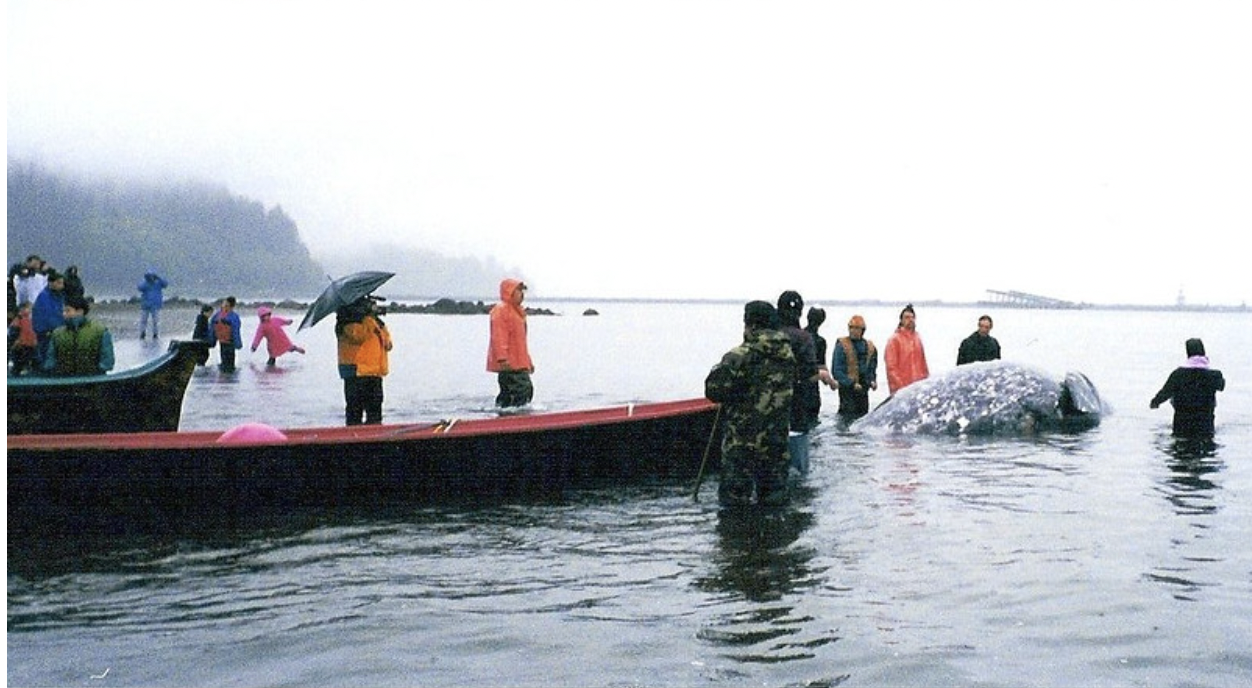
For instance, the tribe once maintained five, thriving and permanent villages: Waatch, Sooes, Deah, Ozette and Bahaada. Their ancient way of life began to shift in the late 1770s, when Spanish explorers first settled in and around Neah Bay in 1779. The Spanish and other European groups were eager to exploit the natural resources of the Makah's land and brought in non-Indigenous modes of technology, among the most important of which were guns. The exploitation of the land's natural resources resulted in extinction of native plants and animals (e.g., otters and whales). Not only did the Europeans bring new technologies, they brought diseases, such as smallpox and measles, which plagued the less resistant indigenous communities. The Tribe's traditional ways of life were disrupted, and its inter-generational familial and domestic structures were gravely impacted as a result of death and the loss of land ownership. In the winter of 1855, Makah leaders and the American government signed theTreaty of Neah Bay, which stipulated that the Tribe give up ownership of much of its land, with the exception of rights for certain Indigenous practices, such as whaling, seal hunting, and fishing. The Makah were forced to cope with changes and shift to a more European lifestyle. In exchange, the United States government promised to provide public education and health care. To this day much of the tribe’s coastlines and forests are still under shared jurisdiction with the National Parks Service and the United States Government. 

Makah Whale Hunting Ceremony. U.S. Forest Service- Pacific Northwest Region. CC0

As with so many Indigenous tribes across the country, the Makah have resisted the pull of corporate behemoths endeavoring to exploit the natural resources and cultural traditions that rightfully belong to the tribes. These tribes have fought to ensure their histories are not just archived but are alive and flourishing. One of the best ways to protect the ongoing strength of these communities is to visit these places and engage respectfully with the work and lifestyles of the Indigenous peoples, and to listen to and learn their histories. 


Avery Patterson

A rising junior at Vassar College in New York State, Avery is a Media Studies and French double major. She is an avid reader, writer, and traveler. She loves to immerse herself in new cultures and is an avid explorer who loves being in nature. She is passionate about climate and social justice and hopes to use her love of writing as a catalyst for positive change.

On Top of the World: A View From Mount Everest

Every year, hundreds brave frost, cliff and hypoxia to ascend the world’s tallest peak.

Climbers going up Mount Everest, Nepal. Sam Levin. CC BY 2.0

In 1953, Sir Edmund Hillary made history by being the first to ascend Mount Everest. His journey was a significant departure from the origins of rock climbing, the earliest evidence of which is found in the remains of cliffside dwellings by Native Americans and archaeological burial caves in Mustang, Nepal.

Today, mountaineering has become a popular competitive sport and means of exploring the natural world, with about 800 people attempting the dramatic climb to Everest’s summit each year. Expeditions are reliant on Nepal’s weather, with the best season typically occurring in April and May, before the monsoon, when avalanches are less common. September can also be a good month, but by October the onset of winter storms restricts climbing once again. 

The ascent up Mount Everest utilizes a technique called siege climbing, in which climbers establish a series of camps along their route and sleep at the camp just below them, a technique that helps climber’s bodies more easily acclimate to the elevation. 

Sherpas on Everest

Sir Edmund Hillary was not alone in his groundbreaking climb. In a fact often ignored in the histories, he was accompanied the whole way by Tenzing Norgay, a Nepali Sherpa mountaineer. As a mountain dwelling people of Nepal, Sherpa’s are known for their knowledge of the mountainous region, and have a long history of maintaining and cultivating the land. In a pattern that dates back to Norgay’s first ascent with Hillary, Sherpas today serve as guides to climbers on Mount Everest, while also working to maintain and safeguard the path.

In addition to acting as guides, Sherpa often provide life-saving assistance to straying climbers. In June 2023, a Nepali sherpa guided a Malaysian climber to safety after discovering the mountaineer in the thick of the “death zone”, facing temperatures dipping below -30 degrees Celsius.

The feats and history of Nepali climbers were extolled in the documentary 14 Peaks, which followed Nepali mountaineer Nimsdai Purja on his journey to summit all 14 of the world's 8,000-meter peaks in just seven months. Purja champions the Sherpa’s bravery and the irreplaceable role they play in maintaining Everest’s safety and accessibility for climbers, as well as their knowledge of and connection to the land.

The Costs of Ascension 

The price of climbing Everest has grown steadily with its increasing popularity, and prices in 2023 range between $30,000 to $160,000. The staggering cost includes gear, food, supplemental oxygen, and base camp tents. The support of Sherpa’s is also an important consideration, with the cost of assistance ranging from $2,000 to $5,000. 

The financial toll of ascending Mount Everest is commensurate with its physical brutality. The climb up is  marked by harsh conditions. Altitudes above 25,000 feet (7,600 meters) are known in the climbing community as the “death zone”, and at 29,029 feet (8,848 meters) high, Mount Everest puts climbers in the thick of life-threatening danger. Some of the greatest threats at such altitudes relate to a lack of oxygen, or hypoxia, which leads to rapid breathing and an increased heart rate. High-altitude cerebral edema, or HACE, can also threaten climbers as the body responds to hypoxia with increased blood flow to the brain, leading to swelling that can bring on hallucinations, a loss of coordination, and the potential of a coma or death induced by brain herniation. 

The cost of climbing Everest extends beyond the financial and physical impacts into ecological catastrophe. The world’s tallest summit is now derisively known as the “world’s highest garbage dump.” During the peak season, nearly 500 people make the hike to Base Camp on a daily basis, a physical toll that adds to the erosion of the natural land. Additionally, in the weeks during which they embark to the mountain’s summit, each climber creates roughly 18 pounds or eight kilograms of trash, which include tenting supplies, oxygen containers, and feces.

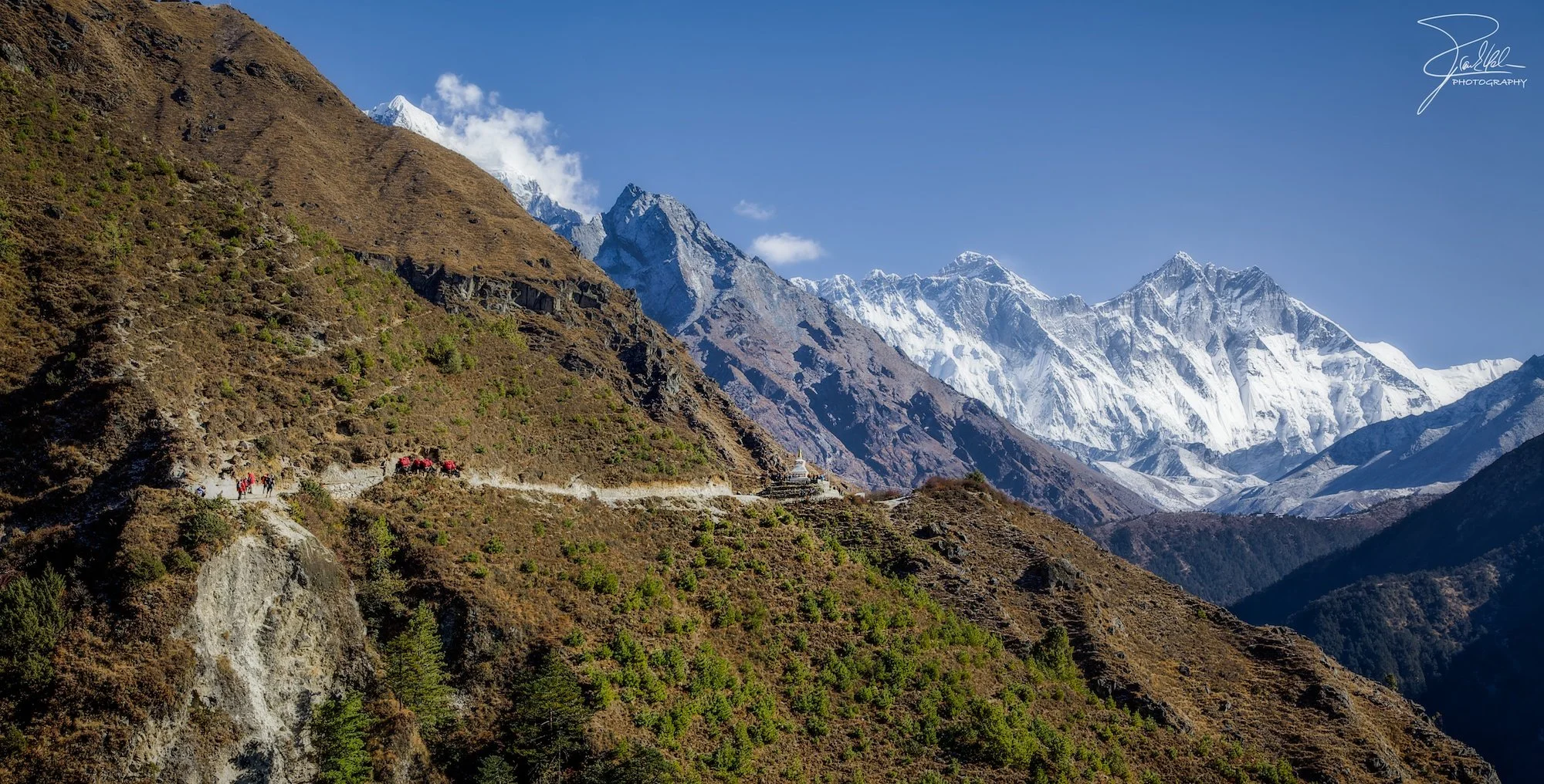
Mount Everest. Frank Kehren. CC BY-NC-ND 2.0

Clean Climbing

The Nepali government, alongside environmental agencies, has been working to preserve and clean up the mountain. In 1976, the Sagarmatha National Park was created as a means of protecting the mountain’s natural terrain and wildlife. It received recognition and protection as a United Nations Educational, Scientific and Cultural Organization (UNESCO) World Heritage site in 1979.

In 2019, the Nepali government launched a campaign to clean up 22,000 pounds or 10,000 kilograms of waste from Everest. Local authorities now require that each climber pays a deposit of $4,000, which is refunded after the individual returns back from their climb with an equal amount of waste as they are predicted to generate during their climb, approximately 18 pounds of garbage per person. 

Along with local authorities, third party organizations are also working to preserve the future environmental health of Mount Everest. Launched in 201, the Mount Everest Biogas Project aims to create a solar powered system that turns human waste into fuel.

While irresponsible expeditions can lead to increased pollution, the action of climbing is in itself a kind of homage to the environment. Ascending Everest forces climbers to come face to face with the potential harm that human disruption can have on the environment, while reinforcing the importance of environmental protections and regulations. 

With the future environmental health of natural wonders such as Mount Everest at risk, climbing and engaging with nature in an ethical, responsible, and sustainable way can create an important connection between people and the environment. An ascent to the world’s tallest peak can be not only personally enriching, but vital to public perceptions of and future investment in the environment.


Jessica Blatt

Jessica Blatt graduated from Barnard College with a degree in English. Along with journalism, she is passionate about creative writing and storytelling that inspires readers to engage with the world around them. She hopes to share her love for travel and learning about new cultures through her work.

Uncharted Catwalks: Exploring Up and Coming Fashion Weeks

From Dubai to Shanghai, here are a handful of lesser known fashion events making waves in the industry.

Prabal Gurung shows his Fall/Winter collection at New York Fashion Week 2022. IMAXtree. CC BY-NC-ND 2.0

When the first official fashion week took place in 1943 in New York, the event captured countless imaginations and drew the most luxurious crowds. The circumstances of World War II had made it impossible for the American fashion media to travel to Paris and cover the shows happening there, but it just so happened that American fashion was beginning to make a name for itself on the global stage; this was its chance to make a splash. The top American designers were invited to put on shows during “Press Week” in Bryant Park, and thus began the tradition of seven small days jam packed with art, celebrity, models, and of course, fashion. Every year, prestigious brands showcase their upcoming collections for either the spring and summer, or fall and winter seasons in September and February respectively (collections are always shown a season ahead of time). During the month, fashion week events take place consecutively in the “Big Four” capitals of fashion — Milan, Paris, New York, and London — resulting in what industry insiders refer to as fashion month. As the international fashion industry continues to take the world by storm, however, fashion weeks are now taking shape all over the world, no longer limited to the traditional four cities. From Tokyo to Vancouver, Dakar to Bogota, over 100 such events occur every single year, showcasing design and fashion talent unique to each region and culture.

Berlin

Kristina Bobkova, a Ukrainian designer, shows her collection titled “Freedom on a Grand Scale” at Berlin Fashion Week. Anna Wender. CC BY-SA 2.0

Berlin Fashion Week has recently gained a reputation for hosting some of the most underrated fashion shows in the world, given the fame and repute of many of the designers who show during the event. Marc Cain and Laurèl aside, even musical celebrities like Lady Gaga have performed sets on Berlin’s runways. Originating in July 2007, the event takes place annually in front of the city’s iconic Brandenburg Gate and has become critically acclaimed for its ability to showcase up and coming designers. Additionally, Berlin’s fashion weeks tend to have themes such as “Fashion and Technology” or “Fashion and Sustainability” which promote social responsibility and introduce a sense of connectivity between fashion and other industries. This year, Berlin Fashion Week will take place from July 10 to 15, with certain shows and events available to the general public without invitation.

Shanghai

Models stand in couples during a presentation at Shanghai fashion Week. Shutterstock. CC BY-NC 2.0

Having emerged as a rising fashion capital in the east, China’s best and brightest designers are all on show at Shanghai Fashion Week. Seeing clothing and outfits that combine haute couture with grunge is common here, as styles from different eras, genres, and genders are mixed seamlessly to produce an almost ethereal collage of textures and materials. While world famous designers like Alexander Wang and Kenzo are mainstays at the event, a barrage of new names like SHUSHU/TONG and Di Du have been carving out a space for themselves as well. In addition to runway shows, this fashion week also hosts a trade fair, in which audiences can get a closer look at some of the designs, amongst other events to round out its offerings. The Fall/Winter shows at Shanghai Fashion Week are scheduled for late September and, as of now, are taking place in person despite the strict COVID-19 measures still in place.

São Paulo

Brazilian designer Ronaldo Fraga presents at São Paulo Fashion Week in 2017. Rolado Fraga. CC BY-NC-ND 2.0

Fashion week events have started popping up all over South America, but São Paulo Fashion Week is by far the most popular. First taking place in 1995, the event has grown to become a focal point of prestige and style outside of the Big Four. Although not global names just yet, many local Brazilian designers, of which Vitorino Campos and Patricia Bonaldi are just two examples, have taken the event by storm and received considerable positive attention from the fashion community. Notably, all of the runway shows that take place during the week are mandated to have at least 10% of their models come from Black or Indigenous backgrounds, thanks to a quota introduced in 2009. While definitely a step in the right direction, many have been calling for an increase in the quota to better reflect the 50% of Brazil’s population with African heritage. Although São Paulo Fashion Week has already come and gone this year, the 2024 offerings promise to be some of the most exciting yet.

Dubai

Models walk the runway at a show during Dubai Fashion Week. Emirates Woman. CC BY-SA 2.0

Given that Dubai is the birthplace of many of the Middle East’s biggest brands and labels, it should come as no surprise that newcomer Dubai Fashion Week is gaining impressive traction. First launched just earlier this year with its first iteration taking place in February, Dubai Fashion Week evolved out of the preexisting Arab Fashion Week, which has been around since 2015. Local designers like Hussein Bazaza and Dima Ayad impress celebrity audiences and critics alike, while internationally renowned brands like Jean Paul Gaultier and Moschino put on shows as guest designers. Because of its recent inception, Dubai Fashion Week is actively accepting applications from brands who would like to show their work, and is uniquely open to hosting designers from all over the world. This year, designers will show their Spring/Summer collections for 2024 between October 10 and 15 (the events are always a season ahead) in the city’s Design District, an area known for its eccentric zeitgeist and unique architecture.

Copenhagen

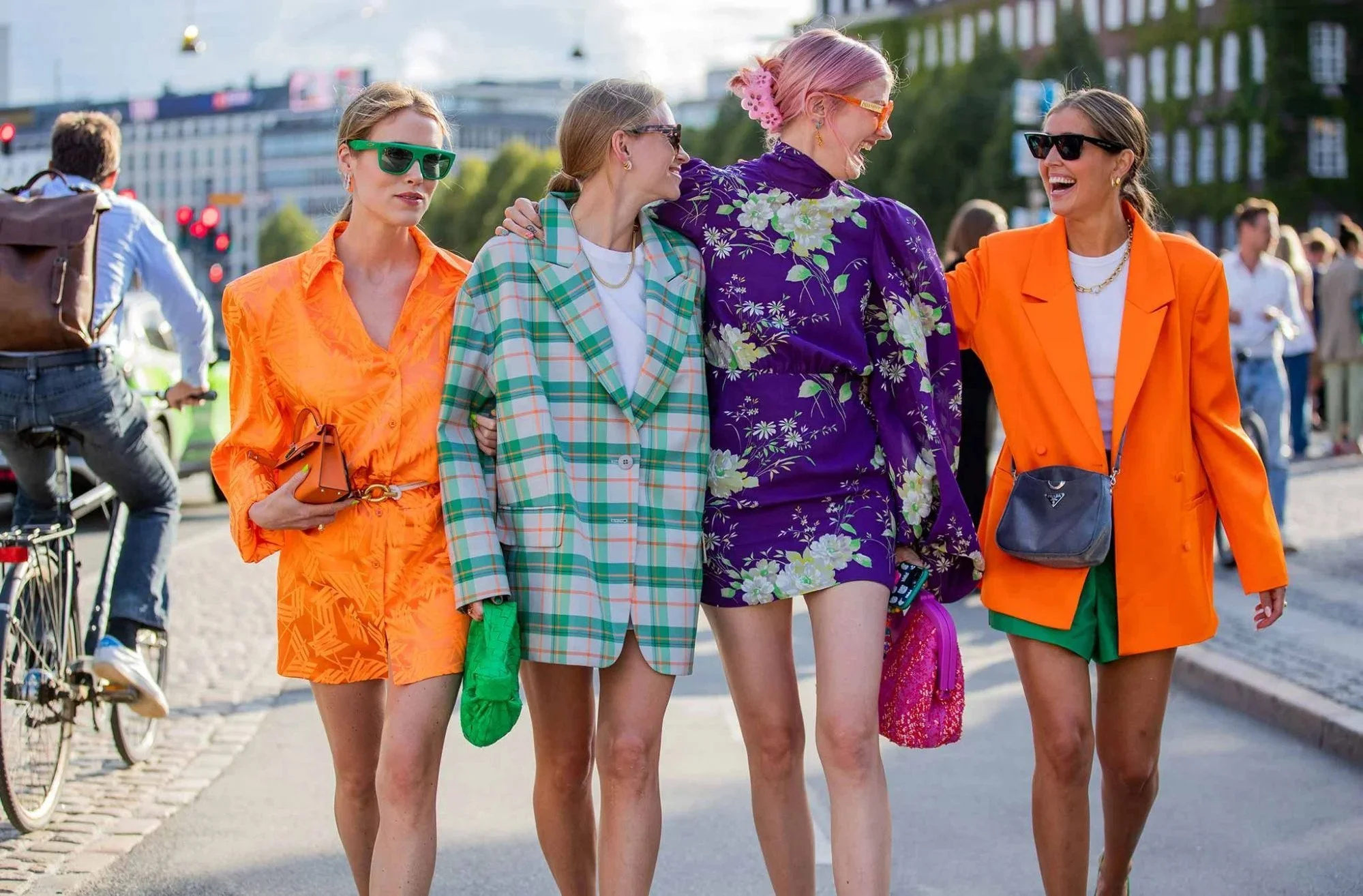
Models out and about at Copenhagen Fashion Week. Christian Vierig. CC BY-NC 2.0

An undeniable cult favorite, Copenhagen Fashion Week is the biggest such event in Northern Europe and is widely dubbed “the fifth global fashion week.” The very first fashion week in Copenhagen took place in 2006 when two pre-existing Danish clothing fairs, Dansk Modeuge and Dansk Herremodeuge, merged to create this edgy and colorful celebration of style. Uniquely, this event has always held sustainability in the fashion industry as its main focus, as its organizers look for ways to encourage fashion houses and manufacturers to keep the environment in mind during the design and creation processes. In fact, January of 2020 saw the event introduce a three-year Sustainability Action Plan which listed a number of sustainability benchmarks which brands had to achieve. This means brands as established as Ganni and as fresh as Latimmier will have to update their practices in line with the plan to host their shows during the week. The Spring/Summer 2024 iteration of Copenhagen Fashion Week is scheduled to take place from August 7 to 11 this year, with a total of 31 runway shows in addition to other events and presentations.

Tokyo

Street style is just as much of an attraction as the runway shows at Tokyo Fashion Week. Vogue. CC BY-SA 2.0

Tokyo Fashion Week has become synonymous with the epitome of street style, given the eclectic and oftentimes outrageous outfits featured both on and off the runways. While high fashion is certainly on the schedule during the Week, this fashion event is equally famous for the incredible streetwear fashion worn by audience members. With catwalks taking place in a number of equally picturesque and grungy locations around the city, acclaimed designers like Issey Miyake and Junya Watanabe showcase their designs alongside emerging local talent like Chika Kisada and Jotaro Saito. In fact, the Japan Fashion Week Organization launched a Brand Support Program just this past year to encourage and provide economic support for new talent in line with its goal of “being the gateway to global success for new designers.” Tokyo Fashion Week is returning for its Spring/Summer 2024 showings between August 28 and September 2 this year with a variety of shows and art installations for both invited audiences and the public.


Tanaya Vohra

Tanaya is an undergraduate student pursuing a major in Public Health at the University of Chicago. She's lived in Asia, Europe and North America and wants to share her love of travel and exploring new cultures through her writing.

Finding Adventure in Ecuador

A country of volcanoes and valleys, Ecuador offers travelers innumerable ways to push their limits and get their hearts racing.

Swing Jumping in Baños, Ecuador. Courtesy of Jeremy Giles.

The above picture is of me jumping into a 100 meter drop from a bridge in Baños, a city bordering the Ecuadorian Amazon. It took me three tries to actually jump; the first two times I stood on the platform, I got scared and had to come down. I probably only ended up jumping because I saw two people go before me and not die. On the third try, I took a deep breath, knowing that if I didn’t jump then I never would, and leaped off. The adrenaline pumped furiously for one of the longest, most terrifying seconds of my life. Then, of course, the line pulled taut and swung me under the bridge, stopping my fall.

Canopy, Baños, Ecuador, Rinaldo Wurglitsch, CC BY 2.0

Baños, however, is more than just a city I jumped off a bridge in. It has the Andes in the West and the Amazon in the East, making it a beautiful space to see the transition between the two, home to both forests and mountains. Even more, it is the Ecuadorian hub for extreme sports. The entire town center is filled with restaurants and travel agencies, each of the latter offering what felt like hundreds of different extreme sports. Later, on the same day I bungee jumped, I went on a beautiful 6 part zipline system called the canopy, where they let you zipline upside down and even hold hands with another rider. I did it with my friend, but I imagine that if you went with a partner it would be quite romantic.

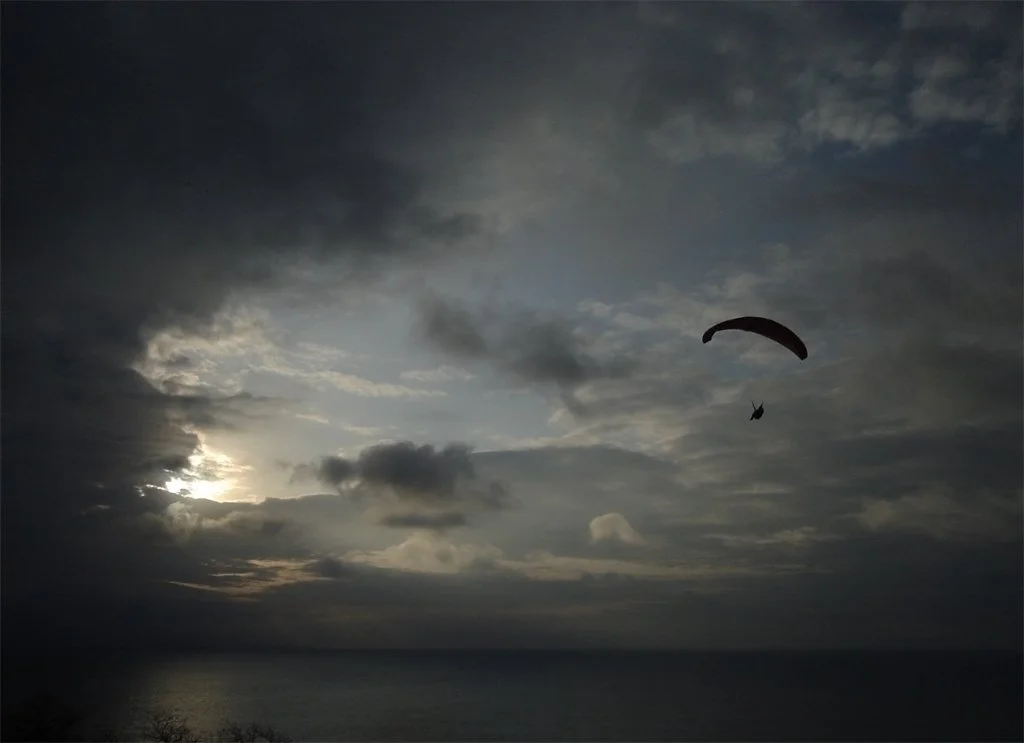
Paragliding in Ecuador, Jsan92, CC BY-SA 4.0

While Baños may be the center of extreme sports in Ecuador, it's hardly the only locale. During my first month in Ecuador I lived in Cumbaya, a suburb outside of the country’s capital Quito. One of the very first things I noticed was the steady stream of paragliders coming from a mountain behind my house. Almost every day over the next month, I’d see a few paragliders in the sky above me. Eventually I got so curious that my host dad walked me to the paragliders’ landing spot. There we learned two important things. First, while this location is good, it is also possible to paraglide on a mountain next to Quito, which is the prime location for the sport and on my bucket list of things to do when I return to Ecuador. Secondly, we saw on the ground below the paragliders a hopeful fiance-to-be had written a marriage proposal. We didn’t stay to see if the proposal was accepted, but I wish them the best of luck.

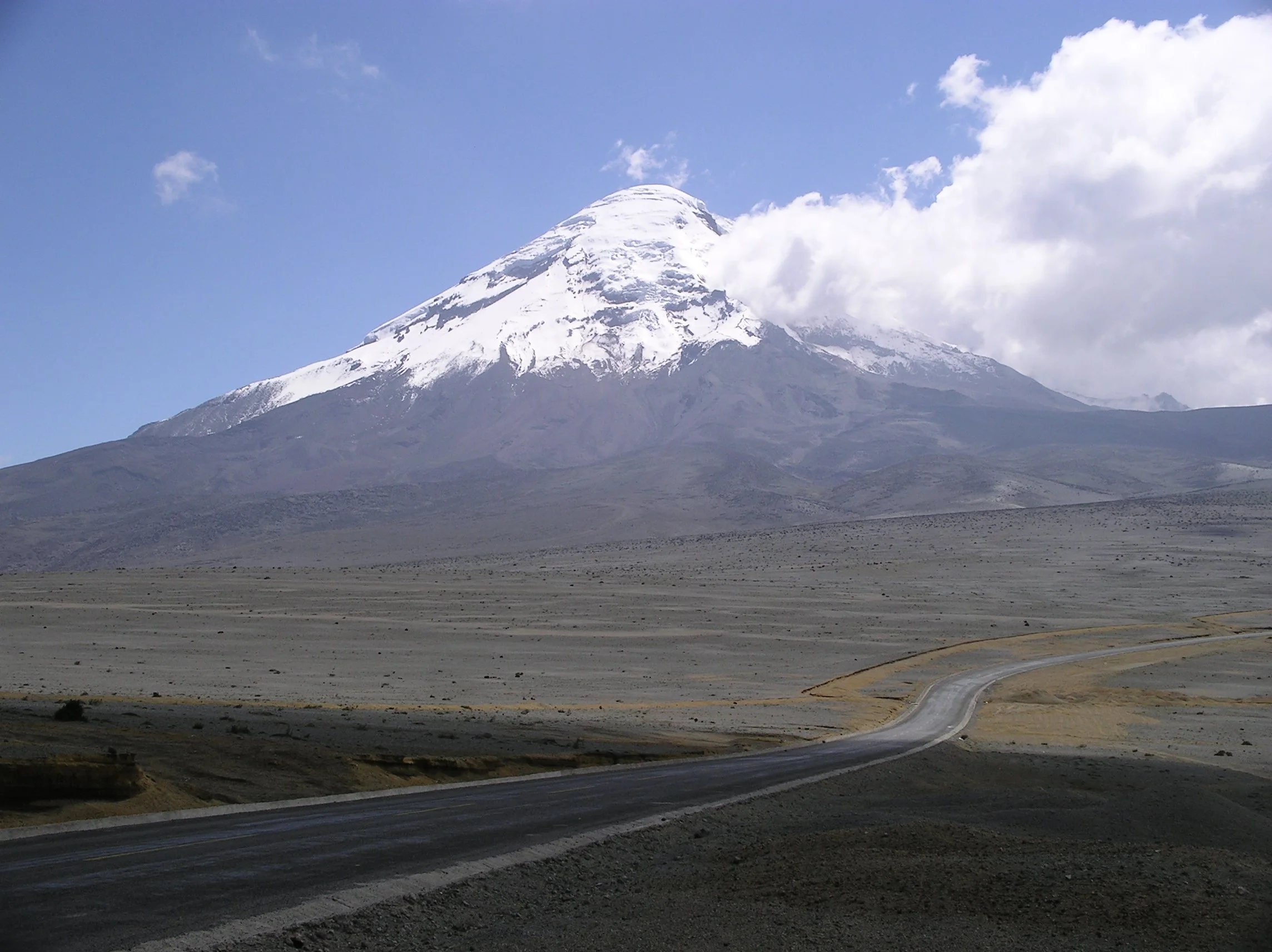
Chimborazo, Ecuador, André Hübner, CC BY-SA 3.0.

In Ecuador, a country smaller than Colorado, there are 47 volcanoes, 32 of which are on its mainland. The tallest volcano (and mountain) in Ecuador is Chimborazo, whose summit is a 6-9 hour climb, but provides such beautiful vistas as to make the trip well worth the effort. The peak of the volcano, due to the bulge of the Earth around the equator, is the farthest point from the center of the Earth on the planet’s surface. While Chimborazo was thought to be extinct, it has recently been found to be a still-active volcano. 

Cotopaxi from Iliniza, Jo Simon, CC BY 2.0.

With that said, there has never been a doubt the Cotopaxi volcano, Ecuador’s second-tallest mountain, is active. Cotopaxi has erupted at least 50 times in the last 300 years. It is perhaps the most popular climbing destination in Ecuador, and towers over Quito, making its amazing views easily accessible.

If you’re interested in these experiences, offers for them can readily be found both on-site and online. Bungee jumping and zip lining in Baños costs about $20-40 per person and the paragliding near my home in Cumbaya was approximately $60-75, although I imagine it would be a bit more in Quito itself. Mountain climbing depends on the mountain and your individual plans.


Jeremy Giles

Jeremy is a Writing Seminars and International Studies major at Johns Hopkins University. He is an avid writer and the Co-Founder of Writers’ Warehouse, Johns Hopkins’ first creative writing group. He is an advocate for Indigenous rights, and studies how Indigenous philosophies can be used to help prevent climate change. Using his writing, he hopes to bring attention to underrepresented voices in today’s world.

5 Easiest Digital Nomad Visas To Qualify For

For a lifestyle of working while traveling the world, you will need to qualify for a visa and here are the best countries to do so.

Tropical drink and laptop. Samer Daboul. CC BY 2.0.

Picture this: you’re hustling hard in front of your laptop, but are surrounded by the serene music of waves crashing against the shore, the laughter of strangers and the quiet squawking of birds from a distance. Now wouldn’t that be the kind of life anyone would aspire to achieve?

Thanks to technology and the increasingly connected world, this ideal life is possible! If this is the kind of working situation that you’re envisioning, then becoming a digital nomad may be the perfect solution for you. 

Of course, to achieve this lifestyle, you’ll need to first have the right visas in place to legally work in the countries you visit. In this article, we’ll share the five easiest digital nomad visas to qualify for, so you can start planning your next adventure. 

Before we get into that, though, let’s first take a deeper dive into the intricacies of digital nomad visas. 

What is a digital nomad visa? 

A digital nomad visa is a type of visa that allows you to live and work in a foreign country for an extended period of time. These visas are specifically designed for remote workers, freelancers and entrepreneurs who want to work from anywhere. 

What’s the difference between a visa and a resident permit? 

A visa is a temporary permission to enter and stay in a country, whereas a resident permit is a long-term permission to reside in a country. Visas for digital nomads usually fall under the former category, as they are designed for relatively short-term stays.

Who can be a digital nomad? 

Anyone who has a job that can be done remotely can become a digital nomad! Some of the most popular digital nomad jobs include software development, writing, graphic design and online teaching. If location doesn’t matter in your line of work and you’re hungry for adventure, it may be time to look into the digital nomad lifestyle! 

How can you stay covered on the road?

Of course, traveling full-time comes with its own set of challenges—like making sure you’re covered when the unexpected happens. That’s where SafetyWing comes in. Their flexible, borderless insurance is designed for digital nomads, covering everything from emergency medical care to travel mishaps. Whether you're navigating Tokyo’s bustling streets or kicking back on a beach in Bali, you can focus on the experience, knowing you’re covered.

What are the easiest digital nomad visas to qualify for? 

If you’re itching to work while experiencing a brand new culture or discovering places that will etch themselves into your heart, here are five countries where you can easily be a digital nomad:

The Bahamas 

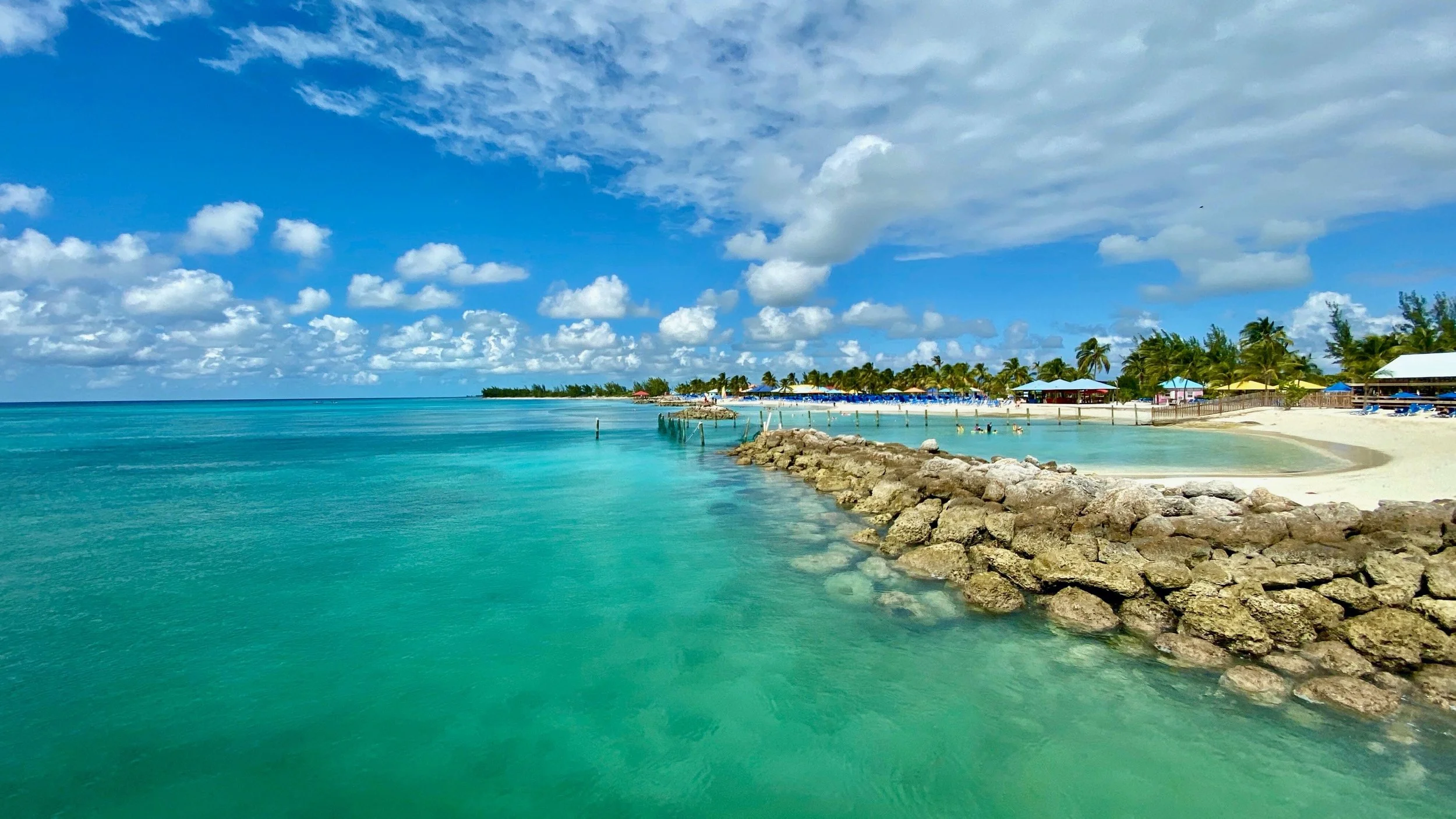
Beachside in Eleuthera, The Bahamas. iSAW Company. CC BY 2.0. 

The Bahamas offers a one-year digital nomad visa that is easy to qualify for. To be eligible, you need to prove that you have a job that can be done remotely and that you earn at least $50,000 per year. The application process is straightforward and you can expect to receive your visa within a few weeks.

The average cost of living in the Bahamas can vary depending on your location, but in general, you can expect monthly expenses to range from $2,000 to $3,000. Renting a one-bedroom apartment in a desirable area typically costs around $1,500 to $2,500 per month. 

Groceries and dining out can be slightly higher compared to other countries, with a monthly food budget averaging around $400 to $600. However, the stunning natural beauty, warm climate and vibrant culture make the Bahamas an enchanting place to call home while pursuing your digital nomad lifestyle.

For applications, visit Bahamas BEATS.

Malta 

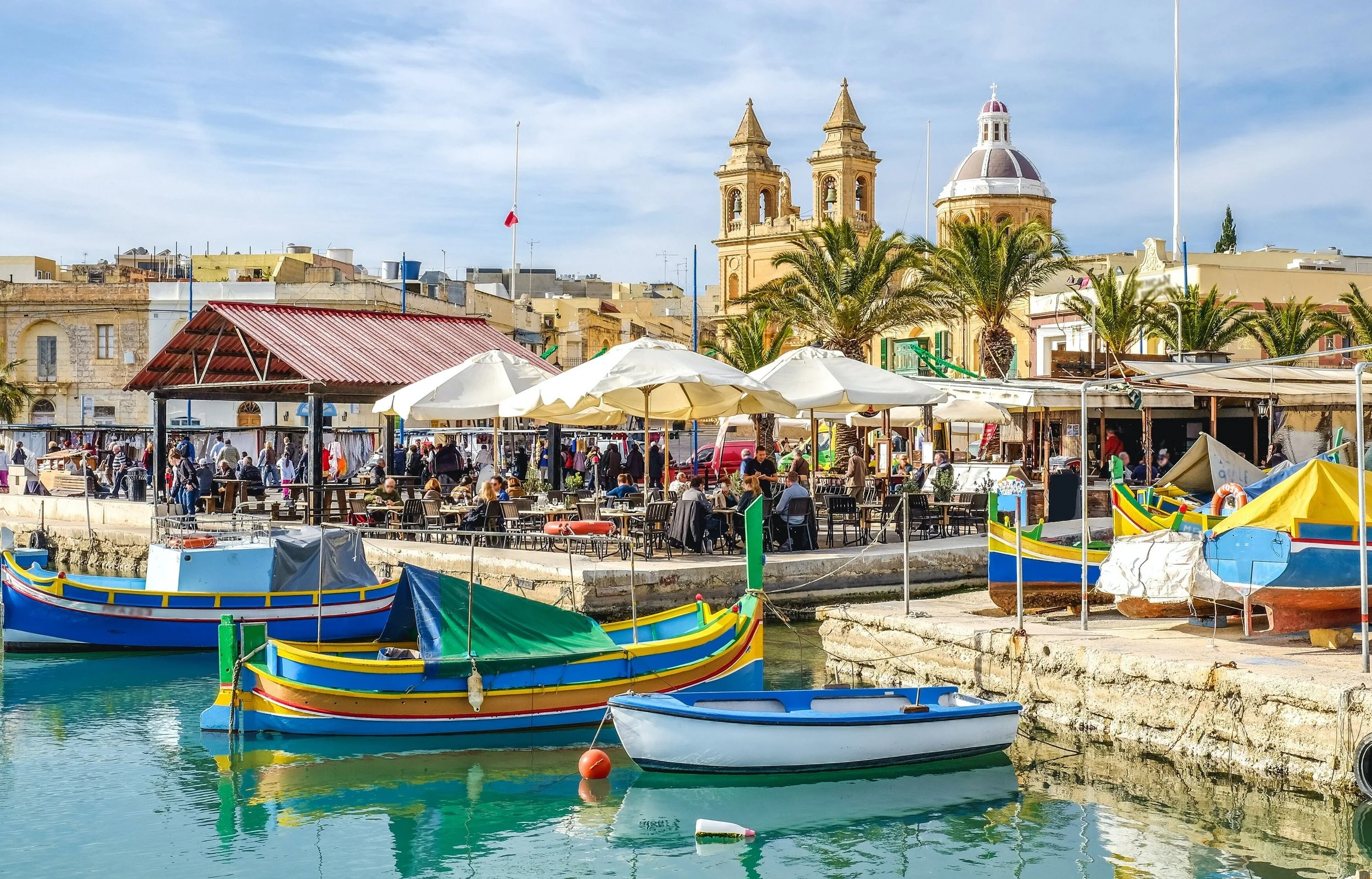
Docking port in Marsaxlokk, Malta. Calin Stan. CC BY 2.0. 

Malta’s digital nomad visa is valid for up to one year and is available to remote workers who can earn a minimum monthly income of 2,700 euros (about $3,000) or more. Malta is a popular destination for digital nomads because of its warm climate, beautiful beaches and high standard of living.

The cost of living in Malta can vary depending on your lifestyle and location, but on average, monthly expenses range from $1,350 to $2,000. Renting a one-bedroom apartment in a desirable area typically costs around $900 to $1,350 per month. Groceries and dining out are reasonably priced, with a monthly food budget averaging around $225 to $450.

Visit the Malta Immigration website for more information.

Colombia

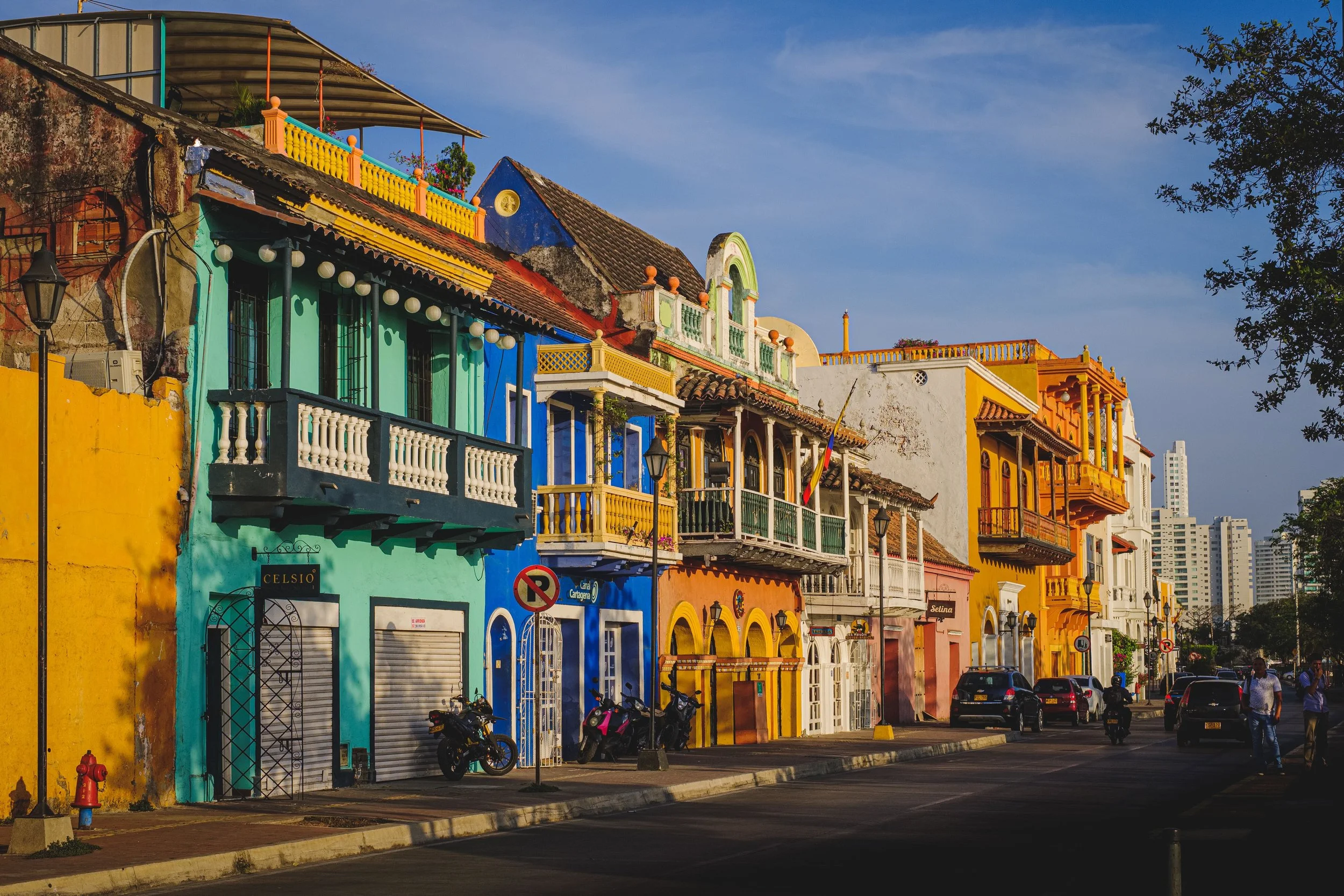
Colorful buildings in Cartagena, Colombia. Leandro Loureiro. CC BY 2.0. 

Colombia’s digital nomad visa is valid for up to two years and is available to remote U.S. workers for $177. Applicants must earn at least a minimum of $684 per month in order to qualify. The good news is that the application process is relatively simple, and you can expect to receive your visa within a few weeks.

Colombia is relatively affordable, making it an attractive destination for digital nomads. Monthly expenses can range from $700 to $1,200, depending on your location and lifestyle. Renting a one-bedroom apartment in popular cities like Bogota or Medellin typically costs around $400 to $700 per month. Groceries and dining out are reasonably priced, with a monthly food budget averaging around $150 to $300.

If you want to apply for a Colombian digital nomad visa, visit the country’s Cancilleria.

Is Colombia dangerous for digital nomads? 

While Colombia has a reputation for being dangerous, the country’s situation has significantly improved in recent years. As long as you take the necessary precautions, such as staying in safe neighborhoods and avoiding certain areas at night, you should be able to enjoy your time in Colombia as a digital nomad.

Malaysia

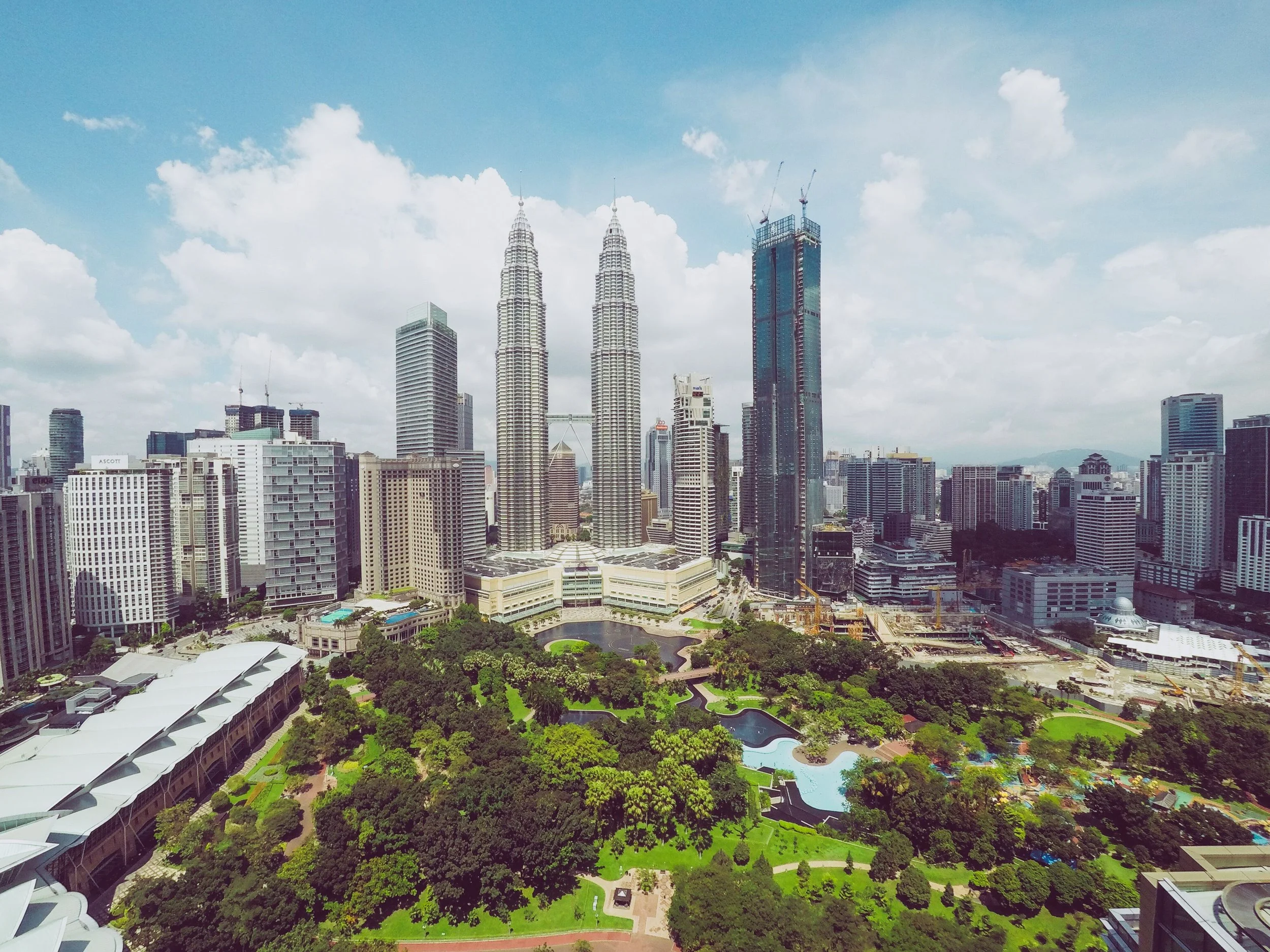
Kuala Lumpur, Malaysia. Sadie Teper. CC BY 2.0. 

Malaysia’s digital nomad visa is valid for three to 12 months and is renewable for another 12 months. This visa is available to remote workers who can earn at least 10,000 ringgit (roughly $2,400) per month. Malaysia is a popular destination for digital nomads because of its low cost of living, excellent infrastructure and diverse culture.

Monthly expenses can range from $600 to $1,200, depending on your location and lifestyle choices. Renting a one-bedroom apartment in major cities like Kuala Lumpur or Penang typically costs around $360 to $600 per month.

For applications, visit MDEC.

Hungary 

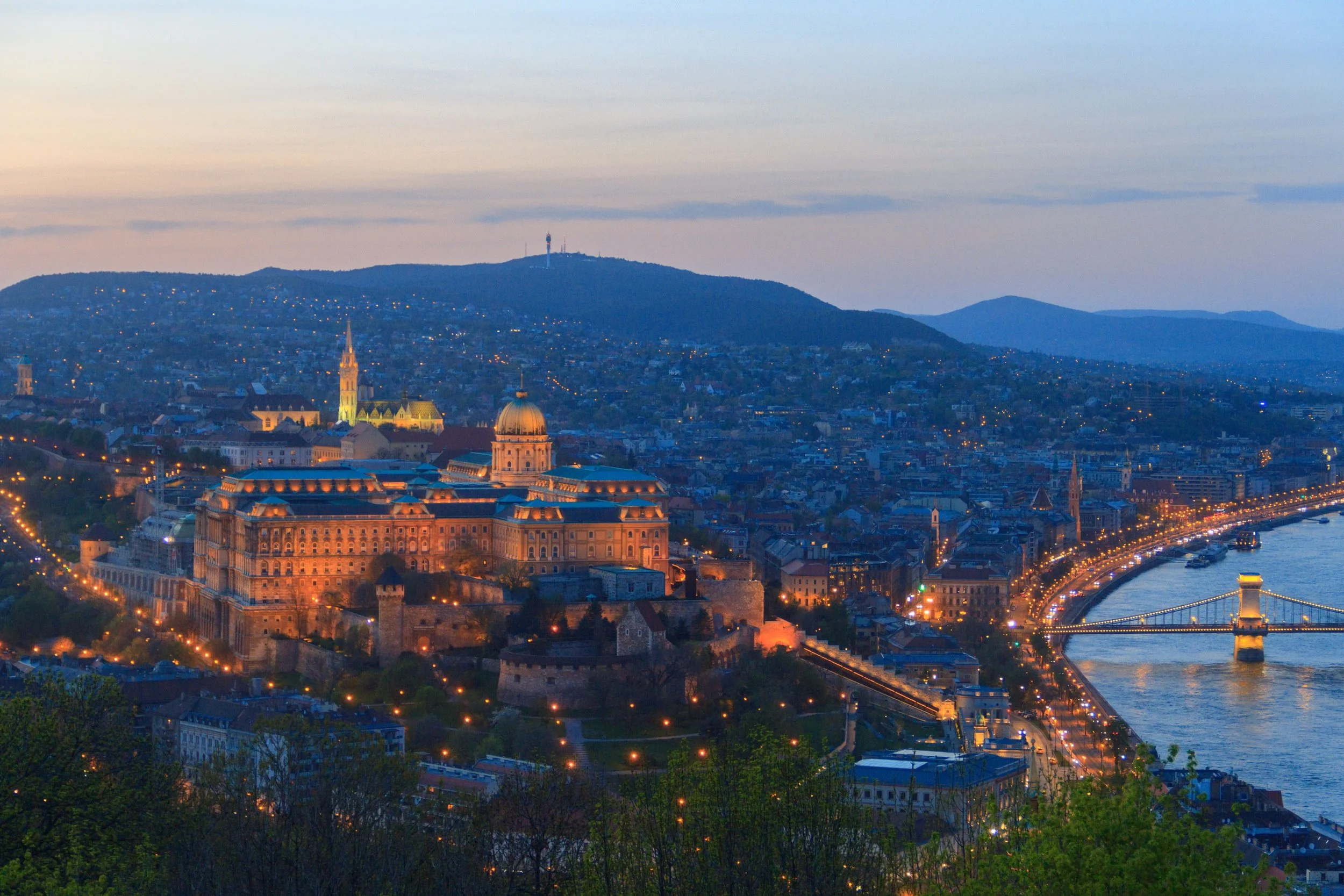
Budapest, Hungary. Henrique Ferreira. CC BY 2.0. 

Hungary’s digital nomad visa is valid for up to one year and is available to remote workers who can earn at least $2,000 per month. What draws digital nomads to this country is its beautiful architecture, rich history and low cost of living.

The average cost of living in Hungary can vary depending on the location but generally falls between $800 and $1,500 per month. Renting a one-bedroom apartment in cities like the capital Budapest typically costs around $500 to $900 per month. Groceries and dining out are affordable, with a monthly food budget averaging around $200 to $400.

To apply, you’ll need to get your White Card.

What are the best jobs for a digital nomad to have? 

The key to being a digital nomad is having a job that you can do remotely from anywhere in the world, and all you’ll need is a stable internet connection. Some of the most popular and well-paying jobs for digital nomads are freelance writer, content creator, web developer, online teacher or tutor, digital marketer and virtual assistant. 

While these are popular, there are many other jobs well-suited for aspiring digital nomads like you. Just remember to find a job that matches your skills and interests and build a strong network and reputation in your field to ensure a steady stream of work. 

U.S. Taxes and Digital Nomads 

It’s important to note that, as a United States citizen, you’re still liable for U.S. taxes even if you’re living and working abroad. This means that you must file a tax return every year and report your foreign income. Failure to do so can result in some hefty fines and penalties. 

It’s also worth noting that there are certain tax benefits available to U.S. citizens who live and work abroad, such as the Foreign Earned Income Exclusion and the Foreign Tax Credit. To ensure that you file your taxes correctly and take advantage of any available tax benefits, it is recommended that you work with an expat tax professional. 

If you’re worried about accessing your funds while abroad, there are several options available to you! A popular one is to use digital currency like USD Coin, a cryptocurrency pegged to the U.S. dollar, which can be easily transferred and converted into local currencies. To get started, simply send USD Coin from your U.S. account to your digital wallet, and you’ll be ready to make transactions in no time! 

Becoming a digital nomad sounds exciting and fulfilling, but finding the right digital nomad visa for you takes research, planning and effort. But if you equip yourself with the right mindset and resources, you can make your dreams of traveling to different places and experiencing various cultures while working a reality. 

Just remember that it is your responsibility to acquaint yourself with the tax laws and responsibilities of your home country. By being well-informed and prepared, you can embark on your new adventures with peace of mind, knowing that you have taken the necessary steps to handle any tax-related matters that may arise.


sign up for our newsletter

Myrtle Bautista

Myrtle is a journalism major, a social media marketer and is now exploring freelance writing. She's fond of anything related to health and wellness, and when she's not writing, you'll find her doing long-distance cycling, ultramarathons, hiking, or in a local cafe enjoying a good cold brew.

10 Coffee Recipes From Different Cultures

From Vietnamese egg yolk coffee to Italian chocolate espresso, discover how people around the world like their cup o’ Joe.

Different types of coffee. Rawpixel. CC0 1.0.

From lattés to cappuccinos to the standard grocery store roast, there is great variation in how individuals enjoy their coffee. To really see what’s out there, however, you will need to look beyond sovereign borders to the great international coffee traditions, some of which combine unlikely flavors. For example, Vietnamese “Cà Phê Trứng” combines eggs and coffee, while Scandinavian “kaffeost” is a mix of coffee and cheese. Here is a list of 10 different ways of making coffee from different cultures, along with recipes so you can enjoy them yourself, without hopping on a plane.

Frappé—Greece

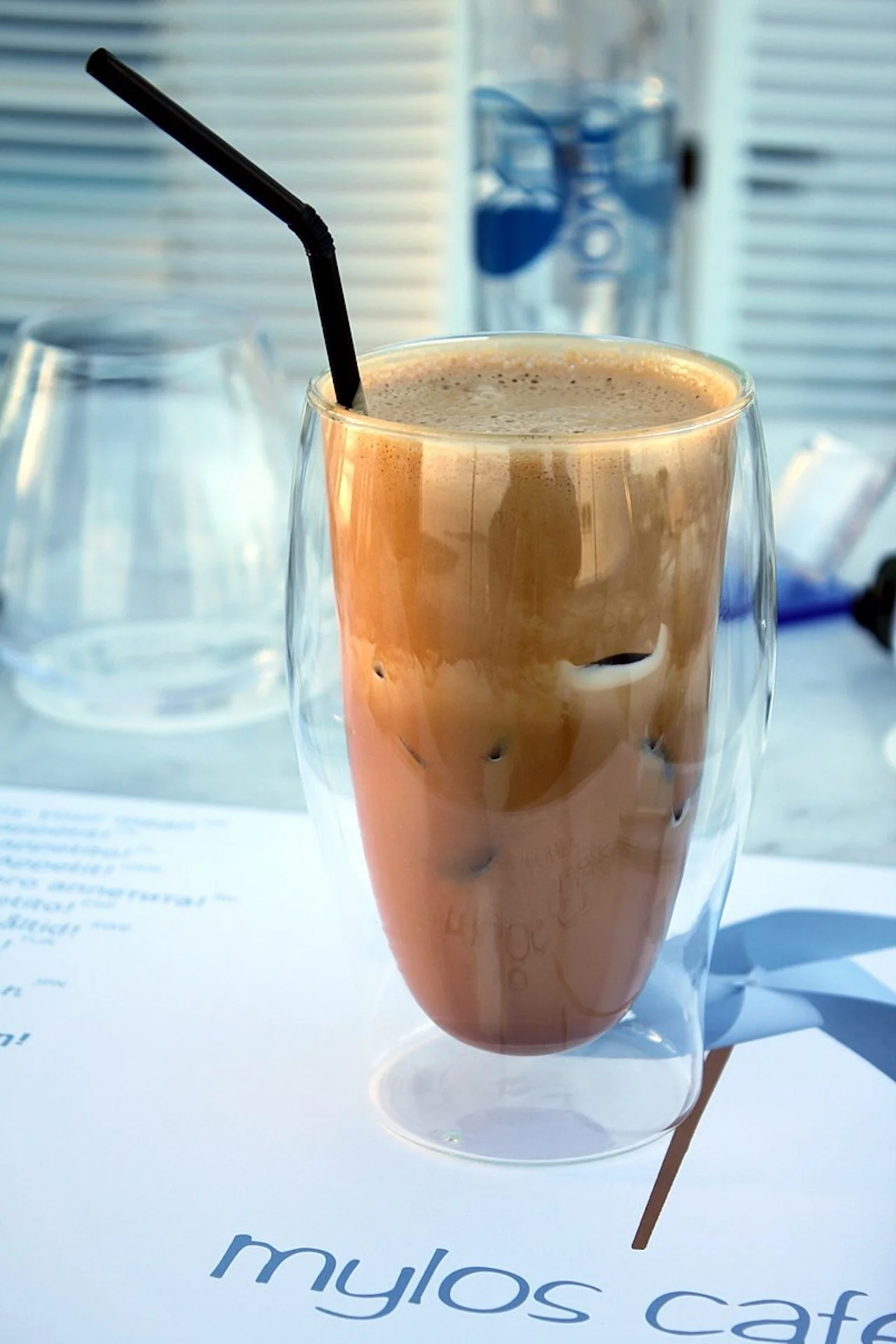
Greek frappé. Paweł Marynowski. CC BY 2.0.

Originating in Thessaloniki, the Greek “frappé” is an iced coffee that is shaken to produce a foamy texture. The drink was created when Nestlé employee Dimitris Vakondios was unable to find hot water to make instant coffee during his break, so he decided to make it with cold water and shake it. Frappés are often consumed without extra flavorings, or “Skétos,” but can incorporate milk and sugar according to individual preferences. 

How to make a frappé:

  1. Add 2 teaspoons of instant coffee and 2-3 cups of cold water to a shaker, blender or frother. If you are looking for a sweeter flavor, also add 2 teaspoons of sugar. If using a shaker, shake for 30 seconds. If using a blender or frother, mix for 15 seconds.

  2. Add the blend to a glass with ice. You can stir in milk at this point if you would like to do so.

Yuanyang—China

Yuanyang coffee. Mx.Granger. CC BY-SA 2.0.

Translating to “Lovebirds Tea,” this Chinese beverage is a mix of two common drinks: Coffee and milk tea. The exact origin of Yuanyang is unknown, but the beverage is believed to have been created by a street vendor in Hong Kong, and it continues to be a popular drink in that city today.

How to make Yuanyang:

  1. Brew black tea in 4.5 cups of water. While your tea is steeping, brew 4.5 cups of coffee. There should be a one-to-one ratio between the coffee and tea.

  2. When the tea and coffee are finished brewing, pour them in a large bowl or carafe.

  3. Add ¾ cups of half and half milk to the mix, and add sugar if desired. Stir everything together.

  4. Serve.

Buna Tetu—Ethiopia

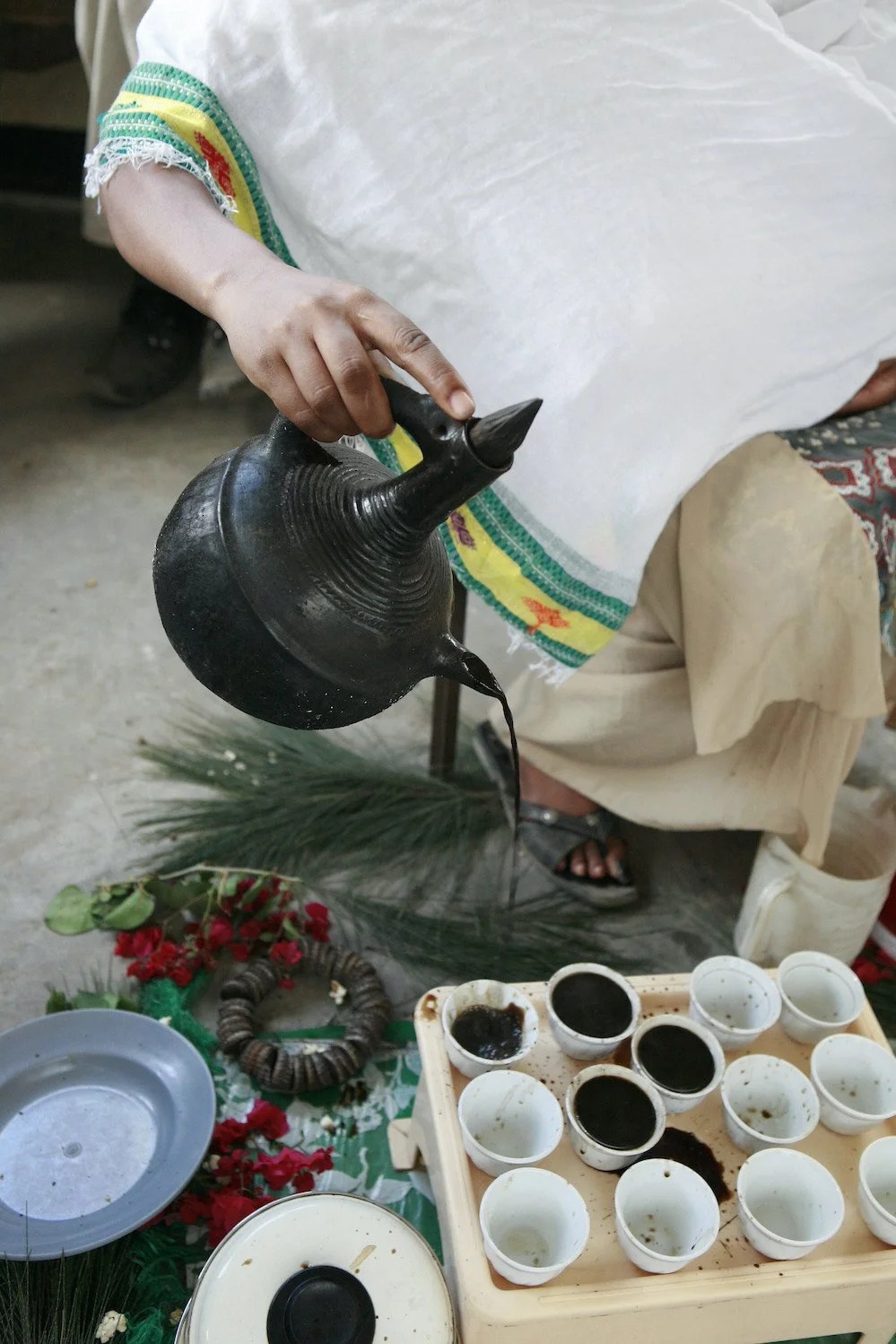
Buna Tetu ceremony. BryanBot. CC BY 2.0.

Coffee is believed to have originated in Ethiopia, and it continues to play a large role in the country’s culture. Buna Tetu is a coffee ceremony to celebrate important events and milestones. To ensure the coffee is available to guests at all times, it is typically served in three rounds, Abol, Tona and Buna. The coffee is served the strongest in Abol, and it loses strength every serving after.

How to make Ethiopian coffee:

  1. Wash ⅛ cups of unroasted green Ethiopian coffee beans. Put the beans in a pan and roast them over a source of fire, moving the pan left and right by the handle to avoid burning the beans. Let cool once roasted.

  2. Use a grinder to grind the beans to a powder.

  3. Pour 2 cups of water into an Ethiopian coffee pot, or “Jebena.” Add coffee to Jebena.

  4. Let coffee cool, then enjoy with sugar, honey, salt or even butter.

Cà Phê Trứng—Vietnam

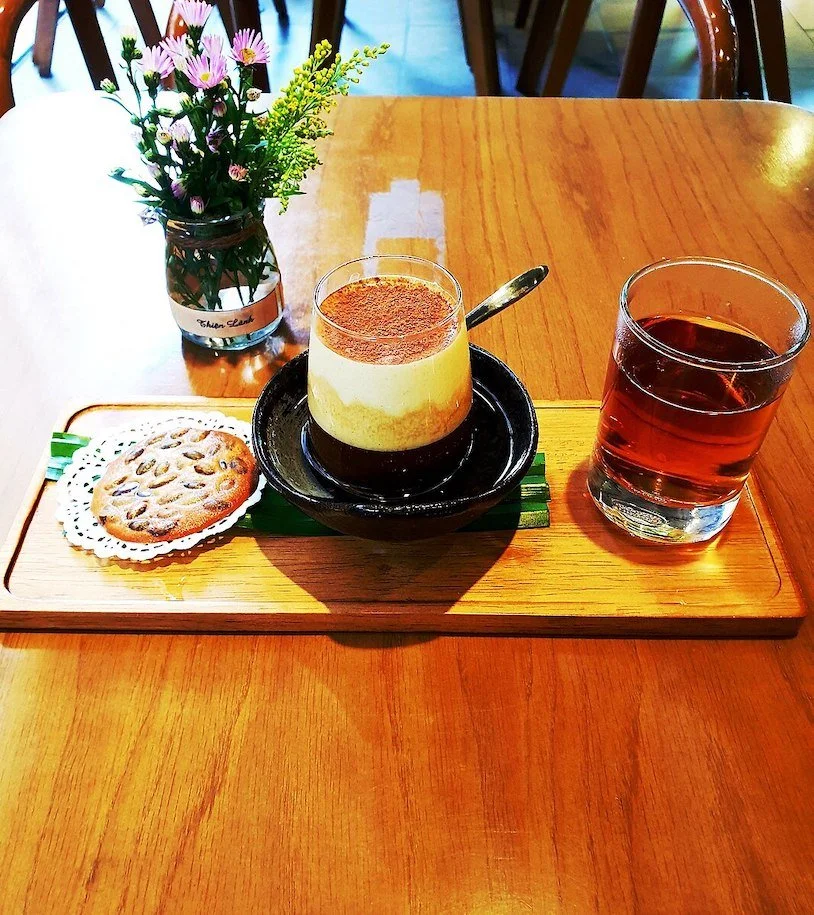
Cà Phê Trứng. Phương Huy. CC BY-SA 4.0.

Cà Phê Trứng, or Egg Coffee, was created by bartender Nguyen Giang in 1947 during a milk shortage in Vietnam. In place of milk, Giang used whipped egg yolks to create an airy consistency to the coffee. The beverage continues to be a popular drink in Hanoi, the city of its creation.

How to make Cà Phê Trứng:

  1. Put 2 egg yolks, ½ cup of sweetened condensed milk, and 1 teaspoon of vanilla extract into a mixing bowl. Whisk for 10 minutes to create a cake batter like consistency.

  2. Brew 2 ounces of ground French roast coffee in your desired method.

  3. Put half a cup of the coffee aside, and distribute the rest of the coffee into however many cups are served.

  4. Put 1 to 2 tablespoons of the whipped egg into each cup.

  5. Pour the remaining half cup of coffee into each of the cups. You can also add cocoa powder to the top of the beverage for extra flavor.

Café Touba—Senegal

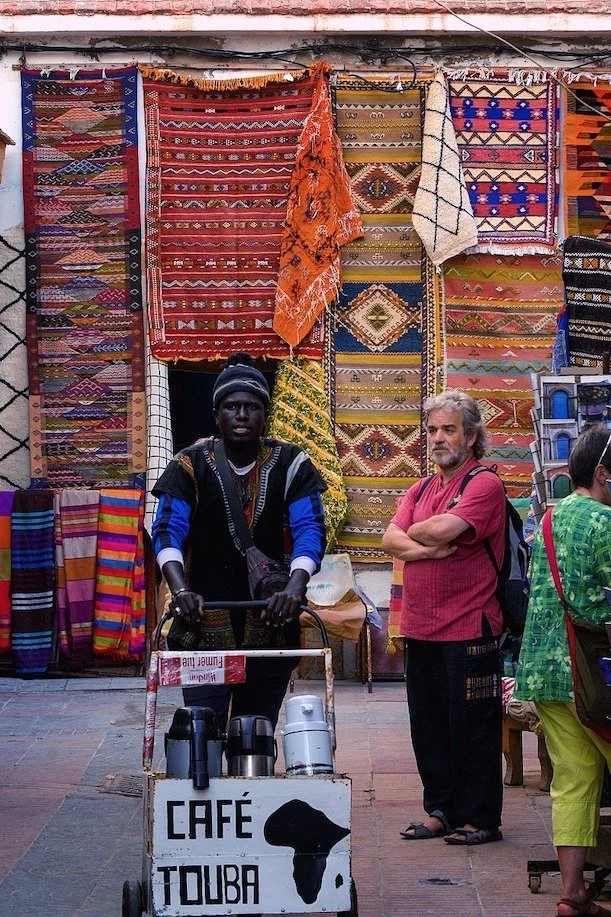
Café Touba cart. George D. Manta. CC BY-SA 4.0.

Originating in the holy city of Touba, this way of making coffee was created as a peaceful protest against French rule, as the Senegalese declared that they would make more use of the drink that was claimed to energize the colonizer. This coffee combines spices such as ginger and nutmeg to create a unique flavor.

How to make Café Touba

  1. Gather a mix of spices, such as selim pepper, nutmeg, ginger, coriander seeds, cardamom, and black pepper.

  2. Coat the bottom of your pan with avocado oil and heat on medium. Lightly roast the selim pepper.

  3. Add the roasted selim pepper to a bowl or food processor with the cardamom (removed from its pods). Add the coriander seeds, ginger, and nutmeg to mix and grind. 

  4. Add more oil to your pan and toast ground spices.

  5. Brew your coffee in your desired method and add ½ teaspoon of the ground spices. Stir and brew for 30 seconds.

Kaffeost—Scandinavia

Leipäjuusto cheese. Veikk0.ma. CC BY 2.5.

Everyone knows about wine and cheese pairing, but have you ever thought about combining coffee with cheese? This recipe originated in northern Scandinavia, and is widely enjoyed in the Nordic countries today. This simple mix of ingredients creates a unique beverage that combines the bitterness of coffee and the saltiness of cheese.

How to make Kaffeost:

  1. Cut pieces of Leipäjuusto cheese into cubes and place at the bottom of a cup.

  2. Pour freshly brewed coffee into the cup immediately after.

Café de Olla—Mexico

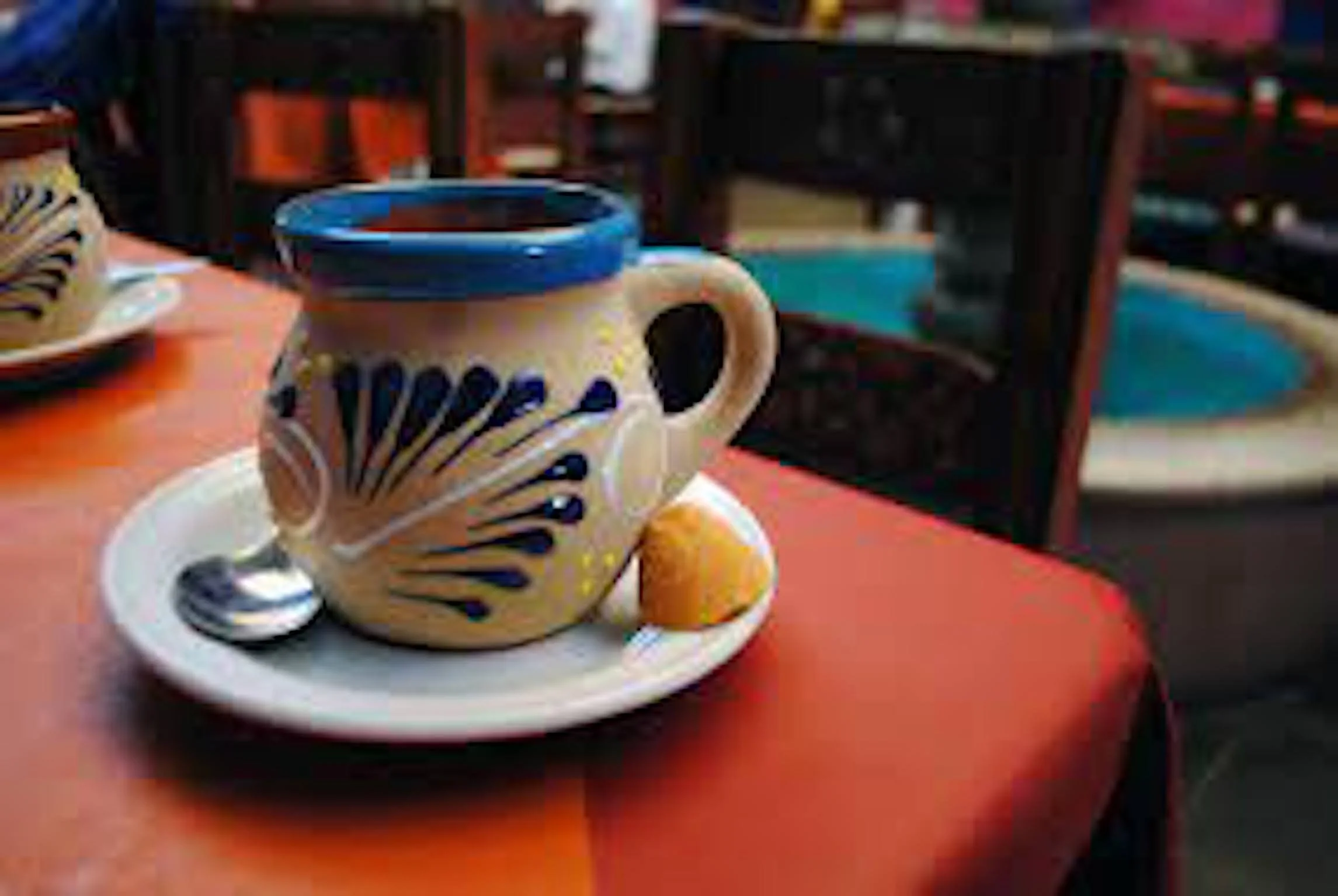
Café de Olla. Protoplasmakid. CC BY-SA 4.0.

This Mexican coffee recipe translates to “Coffee in a pot,” as it traditionally would be made in a clay or enamel pot. This beverage is often consumed in the winter, and combines coffee, cinnamon and raw, dark sugar.

How to make Café de Olla:

  1. Place 4 cups of water, ⅓ cup of dark brown sugar (Piloncillo), and ½ a stick of cinnamon into a pot. Simmer until the sugar dissolves.

  2. Add brewed coffee and stir. 

  3. Cover the pot and let steep for 5 minutes.

Kopi Joss—Indonesia

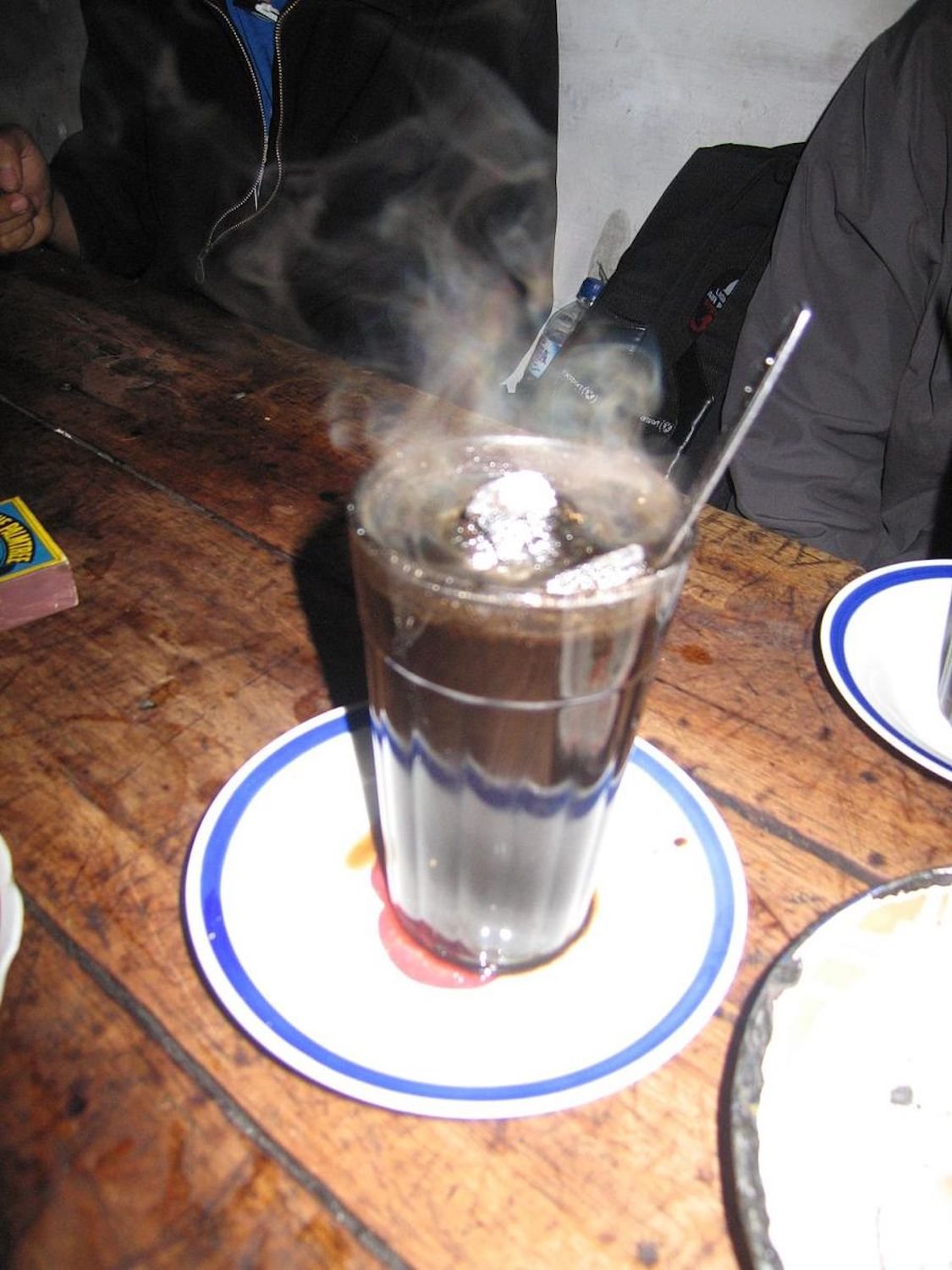
Kopi Joss. Midori. CC BY-SA 2.0.

Originating in Yogyakarta, this Indonesian beverage is made with charcoal to help balance the natural acidity of coffee. Some describe the charcoal’s effect as giving a burnt-sugar caramel flavor to the coffee.

How to make Kopi Joss:

  1. Burn a piece of charcoal until it is red in color.

  2. Put 2 tablespoons of ground coffee and 2 tablespoons of sugar into a glass.

  3. Add hot water to the glass.

  4. Add the piece of charcoal to the beverage.

Flat White—Australia and New Zealand

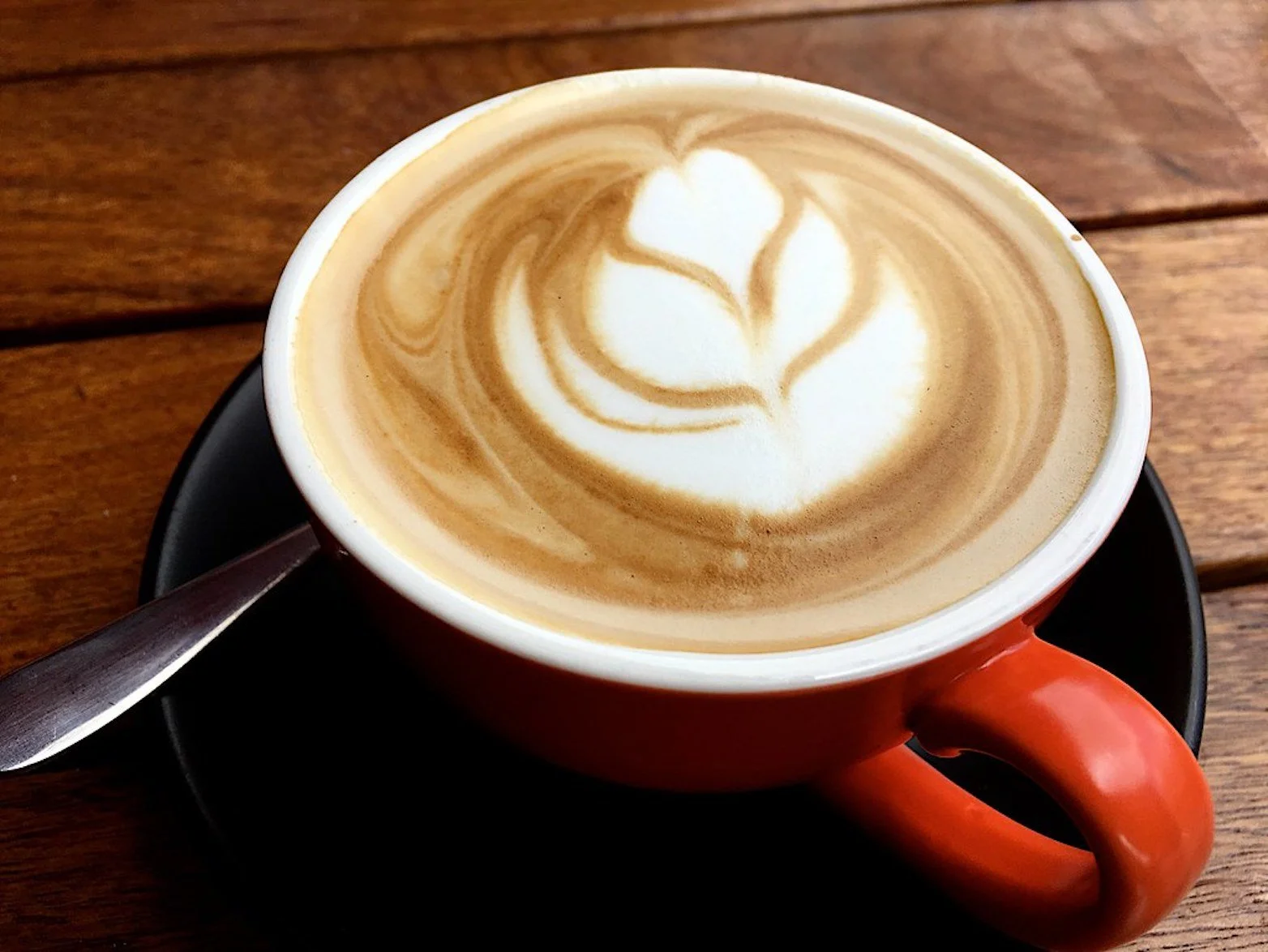
Flat White. Alan Levine. CC0 1.0.

Now a popular drink in North America, the flat white was originally served in either Australia or New Zealand; some think it may have evolved in both. The beverage resembles a latté, however it lacks a foam layer on top to embolden the flavor.

How to make a flat white:

  1. Brew 2 shots of espresso into a cup.

  2. Steam milk in a pitcher at 131-154° F.

  3. Swirl milk in pitcher to create smoother consistency.

  4. Pour steamed milk into a cup of espresso in a circular motion.

Marocchino—Italy

Marocchino. Dhinal Chheda. CC BY 2.0.

Invented in Alessandria, Italy, Marocchino coffee combines the flavors of espresso and cocoa. It was influenced by a similar variety  called “bicerin coffee,” which was common in Turin. “Marocchino” means “Moroccan” in Italian, and this word is typically used to describe leather used to make fedoras, which are popular in Alessandria. The layer of cocoa in the coffee resembles this leather, giving the drink its name.

How to make marocchino coffee:

  1. Brew a shot of espresso into a cup.

  2. Froth 3-4 oz. of milk to create a light consistency.

  3. Sprinkle a layer of cocoa over the espresso.

  4. Spoon a layer of the frothed milk on top of the cocoa layer.

  5. Sprinkle cocoa powder on top of the milk. 

  6. This beverage is meant to be layered, but you can stir at the end to combine flavors.


Alexandra Copeland

Alexandra Copeland is a student at The College of New Jersey studying psychology and journalism. She is a lover of coffee, dancing, and visiting new places. Being raised with her Greek culture has inspired her interest in cultural customs around the world. She is a passionate writer and hopes that her work will make an impact in the future.
From Ocean Voyage to Space Travel

Reid Stowe has done a 1000+ day sea voyage, and now he’s focused on opening new possibilities for humans in space.

Reid Stowe. Desmond K. Shaw. CC BY-SA 4.0

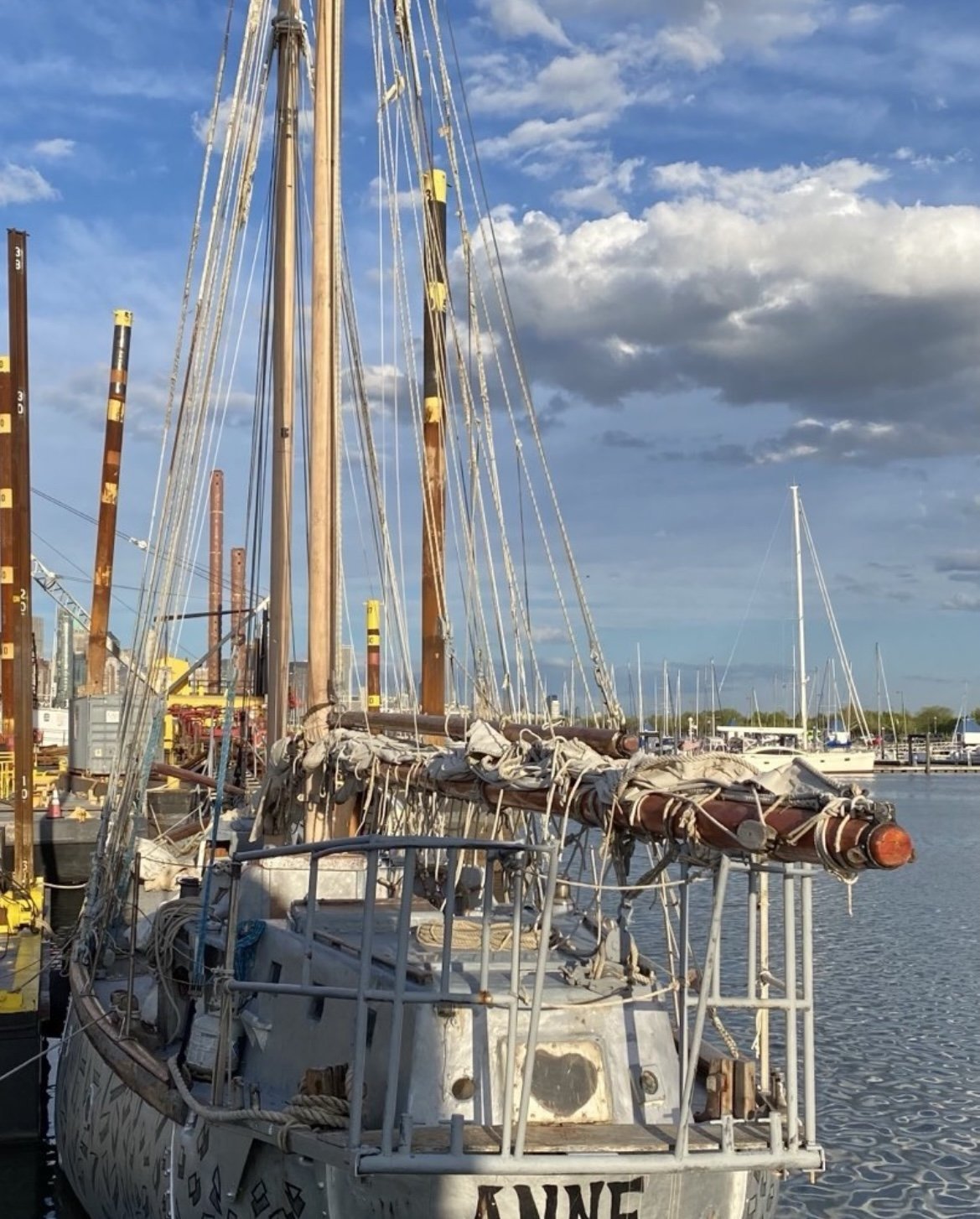
A lover of the ocean and all types of art, Reid Stowe is an American craftsman, sailor and adventurer, who completed a more than three year ocean voyage without stopping on land aboard the Anne, a gaff-rigged schooner Stowe built himself.

The iconic journey began on April 21, 2007 from the 12th St. Pier, Hoboken, New Jersey. One thousand one hundred and fifty-two days later, on June 17, 2010,Reid sailed his schooner up the Hudson River and docked at Pier 81 in Manhattan, New York  — a potential record for the longest continuous sea voyage without resupply or stepping on land. 

With all the experience Reid has built up on the ocean, the renowned sailor has started a new program, meant to help astronauts who are looking to go on a mission to Mars in the 2030s. As Reid has put it, “the deep models of today could provide a role model for space bearers tomorrow,” and plans to use his journey at sea as a blueprint of sorts to help guide these future astronauts.

Reid Stowe working on Anne. @reid_stowe_art. Instagram.

Because those going on the Mars mission will be finding themselves on the ship for almost three years, it brings the concept of “isolation” into perspective. What will they do to cope, being in an enclosed area for such a long period of time? Reid knows what that’s like. He never needed coping mechanisms to prepare himself for his sea journey. There was nothing to “cope” with, and he was always able to love what he was doing. Reid’s new program will tackle these issues and answer the question: “What kind of person will it take to survive a trip to Mars?” 

But this training initiative represents more than just valuable lessons for Reid. It didn’t matter that he was on his boat and “being turned upside down by storms,” because knowing that this journey would be worth it for everyone was more than enough.

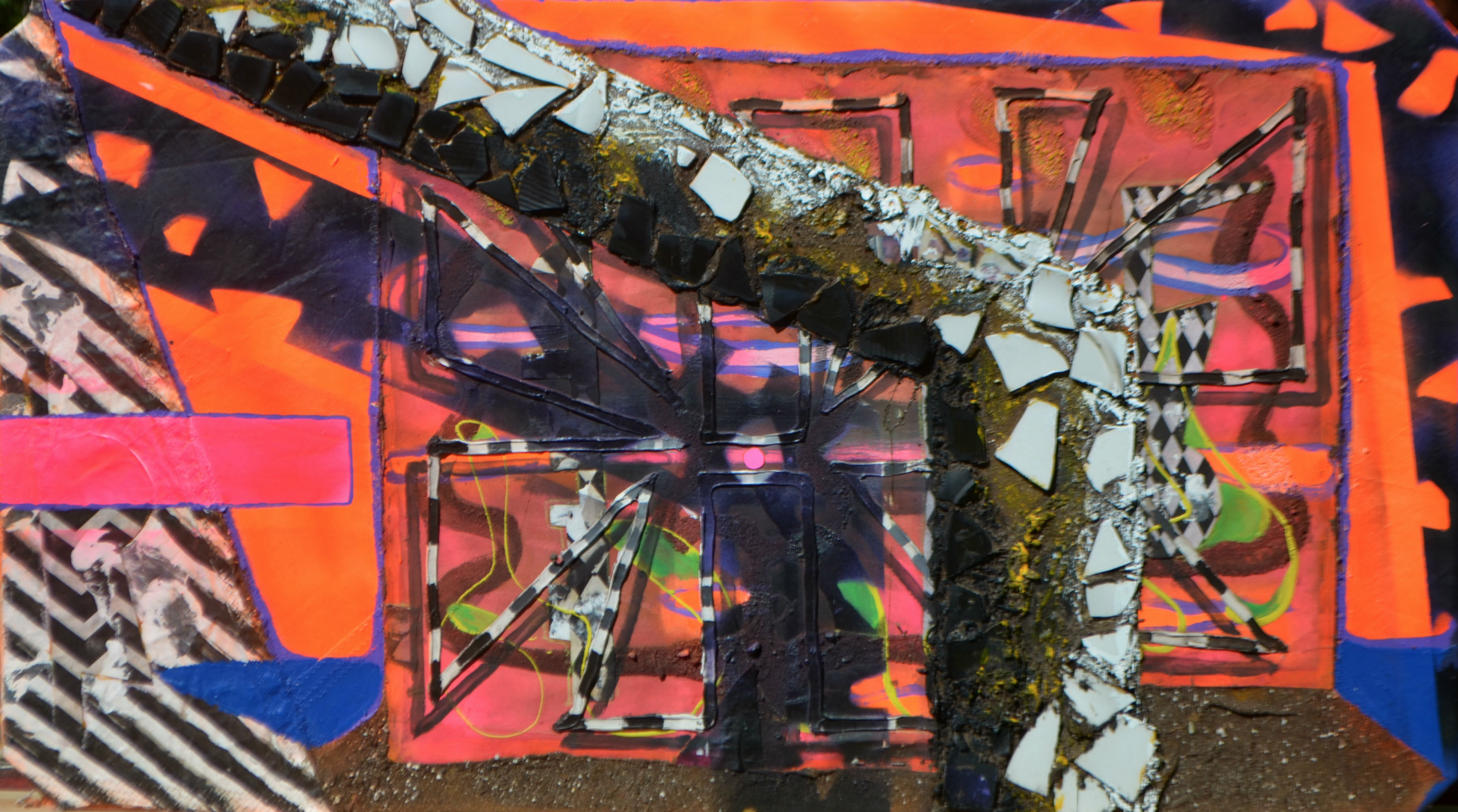
One of Reid’s recent artworks. @reidstowepaintings.com

“How did I keep myself happy and healthy?” Reid said. “Believing that what I was doing was good for all of creation. Because I was showing that humans could live in a place where I never imagined before and by opening new doors of perception for what we’re capable of.”

But sailing isn’t the only thing Reid finds passion and purpose in. His Instagram features many of his artworks in great detail. Ever since he was young, he would paint or draw boats or mariners, even before he knew he wanted to be a sailor. And as he grew up, his art became more and more integrated into his sailing — to the point where his artistic drive encouraged him to embark on the longest sea voyage in history.

Schooner Starship Anne. @reid_stowe_art. Instagram.

Each of Stowe’s paintings has layers of meaning and connection. Many of the artworks he made while at sea empowered his voyage, the same way the voyage empowered the artwork. Much more can be found on his own website.

A more than 3 year adventure at sea is an effectively unique accomplishment. But Reid Stowe was able to use his incredible feat to offer guidance, spread awareness and most importantly — tell his own unique stories to the rest of the world. 


Michelle Tian

Michelle is a senior at Boston University, majoring in journalism and minoring in philosophy. Her parents are first-generation immigrants from China, so her love for different cultures and traveling came naturally at a young age. After graduation, she hopes to continue sharing important messages through her work.

The Four Worlds of Ecuador

In a country smaller than Colorado, there are four distinct geographical regions from the coast to the Amazon, each representing its own culture.
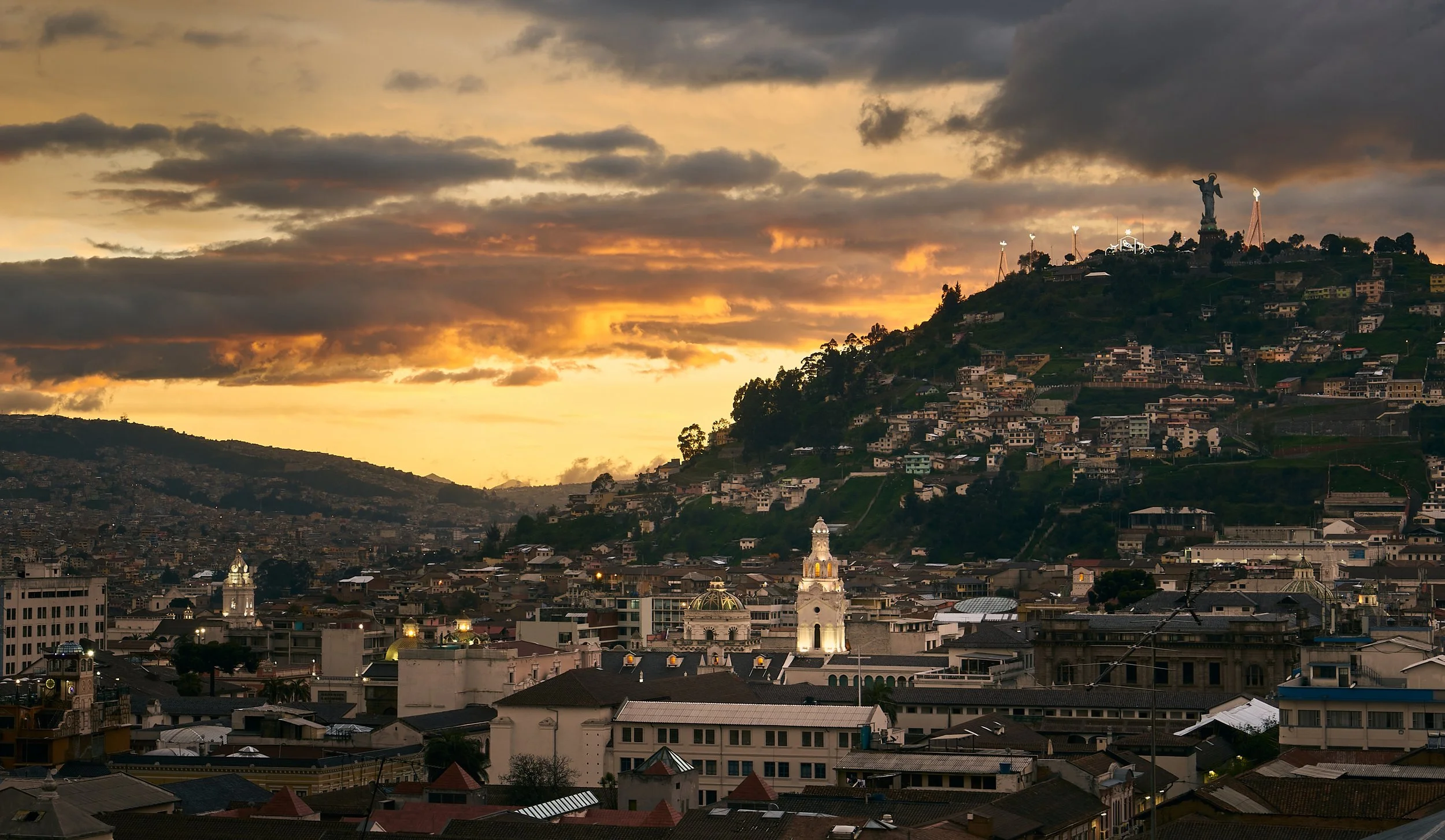
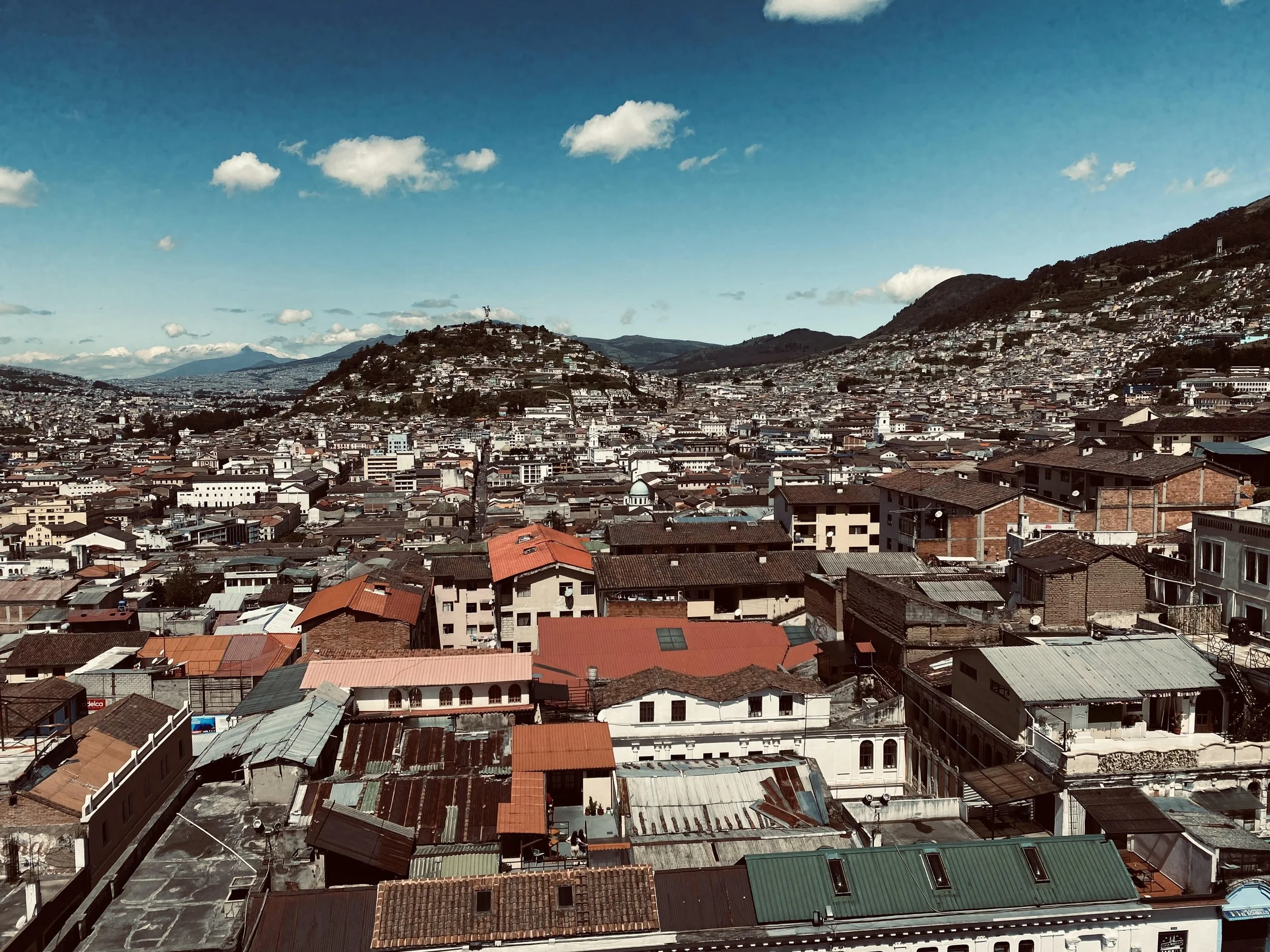
Quito Sunset, szeke, CC BY-SA 2.0.

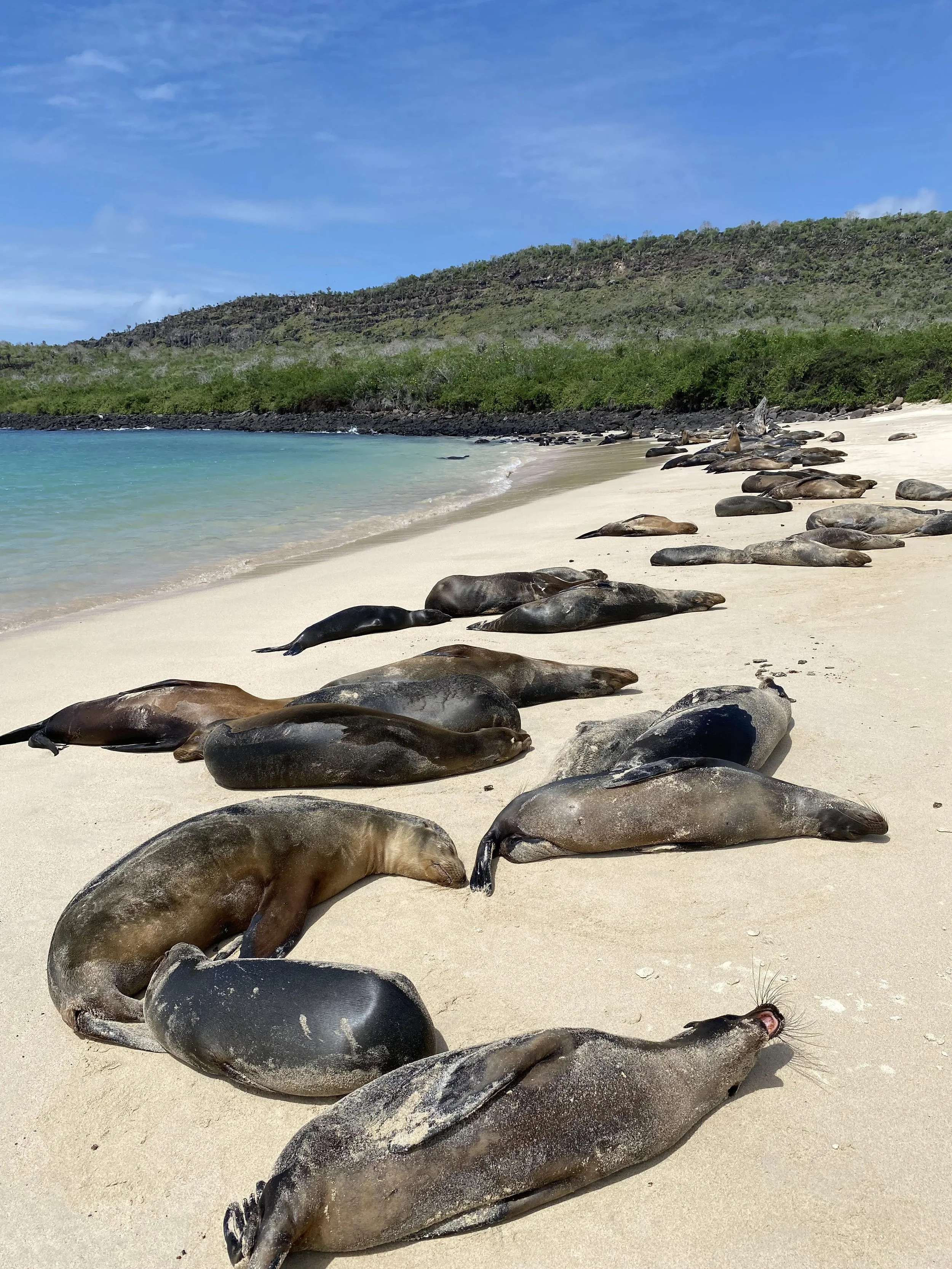
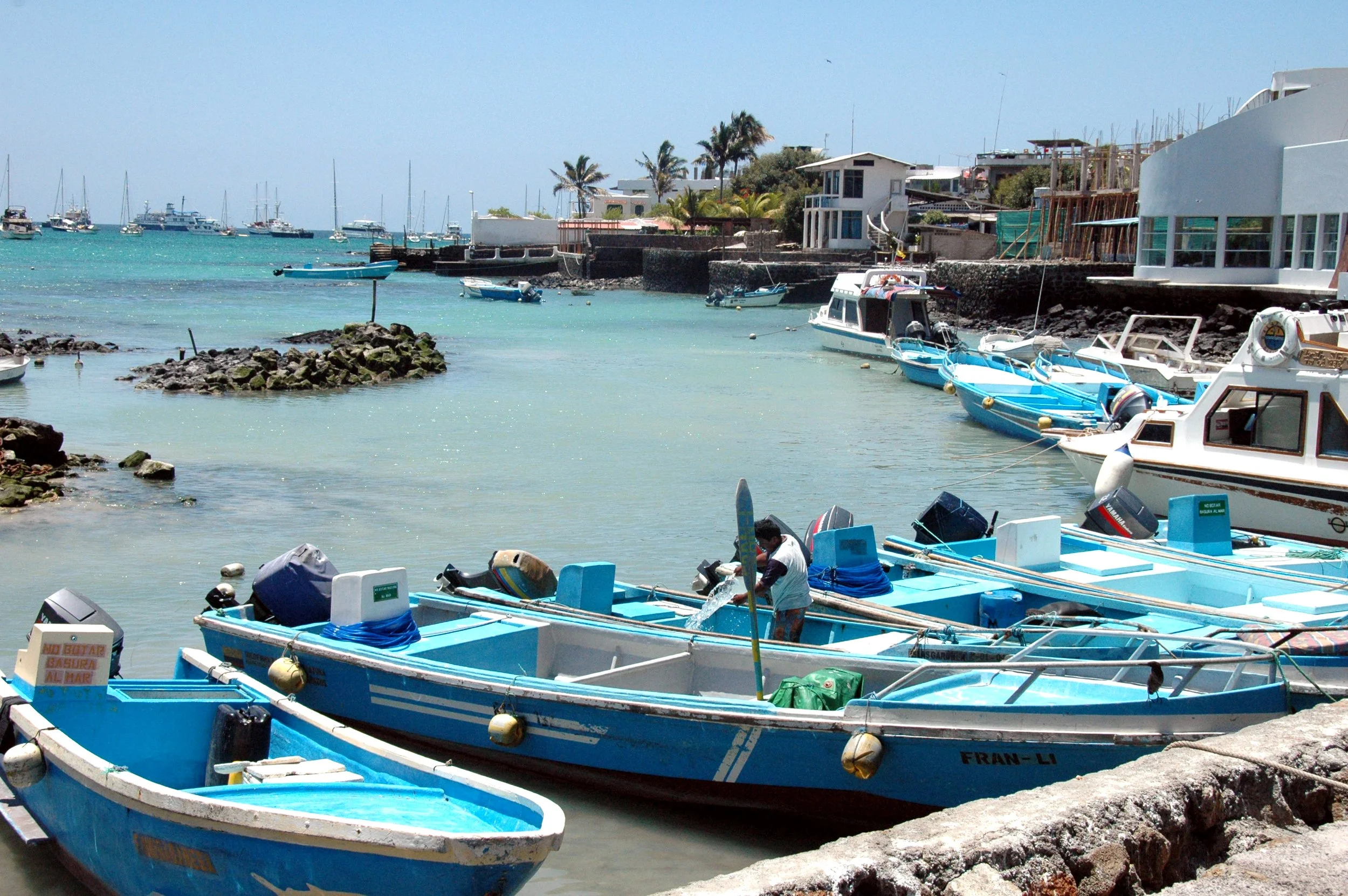
Per square mile, Ecuador is the most biodiverse country in the world. In the east lies the Amazon Rainforest, known in Ecuador as “el oriente,” or “the orient” in English. The Andes rise like a spine through the middle of the country , and are known in Ecuador as “la sierra.” It is here that Ecuador’s Capital Quito is located, making it the second highest capital in the world. Bordering the ocean is the country’s coast, known as “la costa,” home to Guayaquil, Ecuador’s largest city. Finally, about 600 miles off the coast of Ecuador is the biological treasure of the Galapagos Islands, home of the Galapagos Tortoises, the biggest tortoises in the world. 

I have spent the past 3 and a half months studying in Ecuador. During that time I visited three of the four major regions, and lived in both the Amazon and the Andes. Beyond the geographical differences, each region has its own cultures unique to itself. Based on my research and experiences, this article will discuss what makes each region special.

“La Sierra” - The Andes

Quito. Jeremy Giles

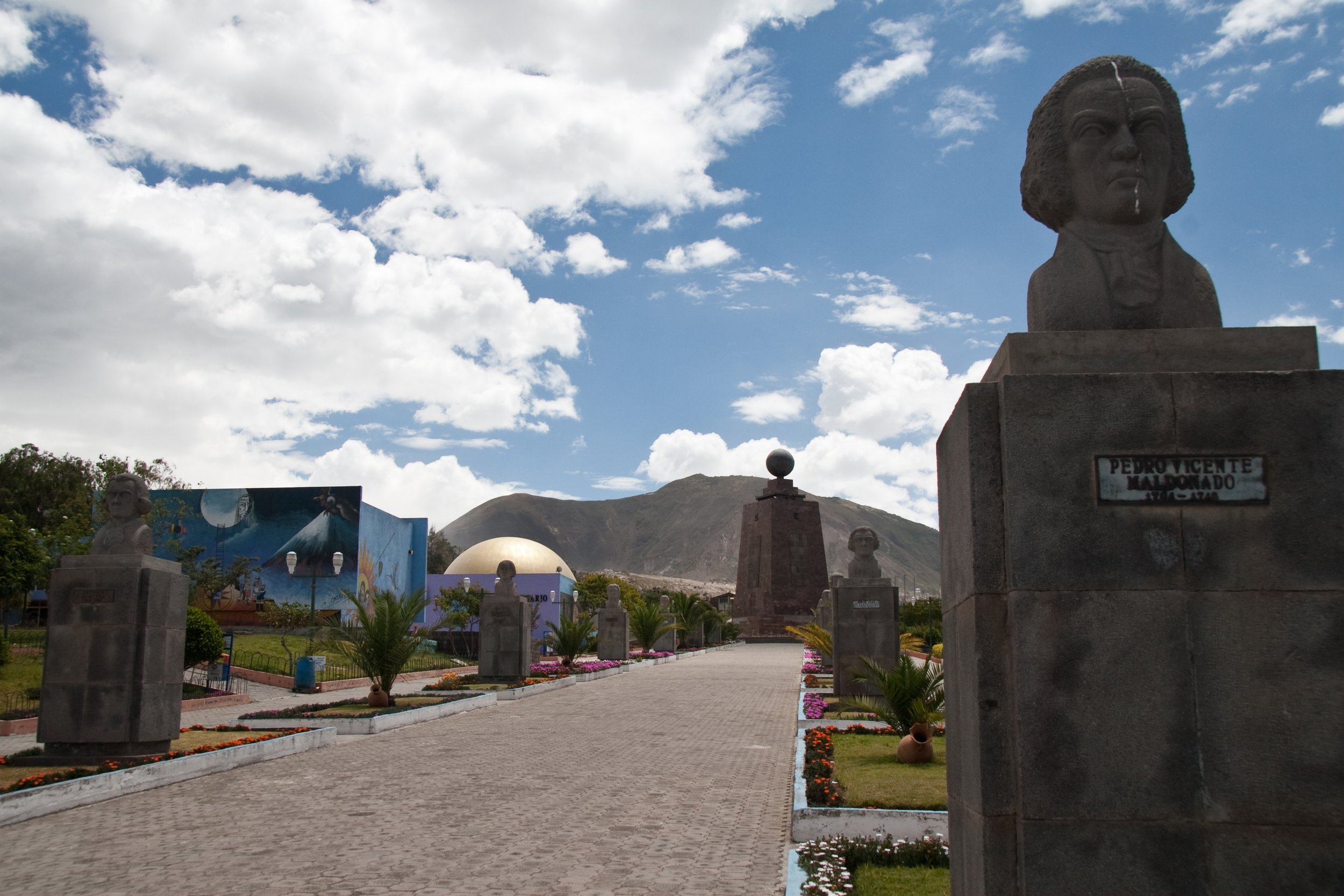
Quito, the capital of Ecuador and its most famous city, is located in the Andes at the center of not only Ecuador but also the world, positioned almost exactly on the Equator line, a fact that appeals to tourist so much that there are not one but two “centers of the world” in and around Quito. The “center of the world” is supposed to be the exact 0.0 line of Ecuador, so having two is very much not possible. Although only one of them is real, both are constantly crowded and attract plenty of visitors every year. In my opinion, the fake one, built up to the point it seems like its own little town, is actually nicer than the real site.

Fake Center of the Earth, Maros M r a z (Maros), CC BY-SA 3.0

If you drive away from Quito in almost any direction, you will run into a volcano. There are 17 volcanoes surrounding the city. Two of the most famous of the volcanoes, Pinchicha and Cotopaxi, are both very much active and occasionally release smoke. The volcanic mountains can be seen throughout most of Quito, creating beautiful vistas wherever you care to look. 

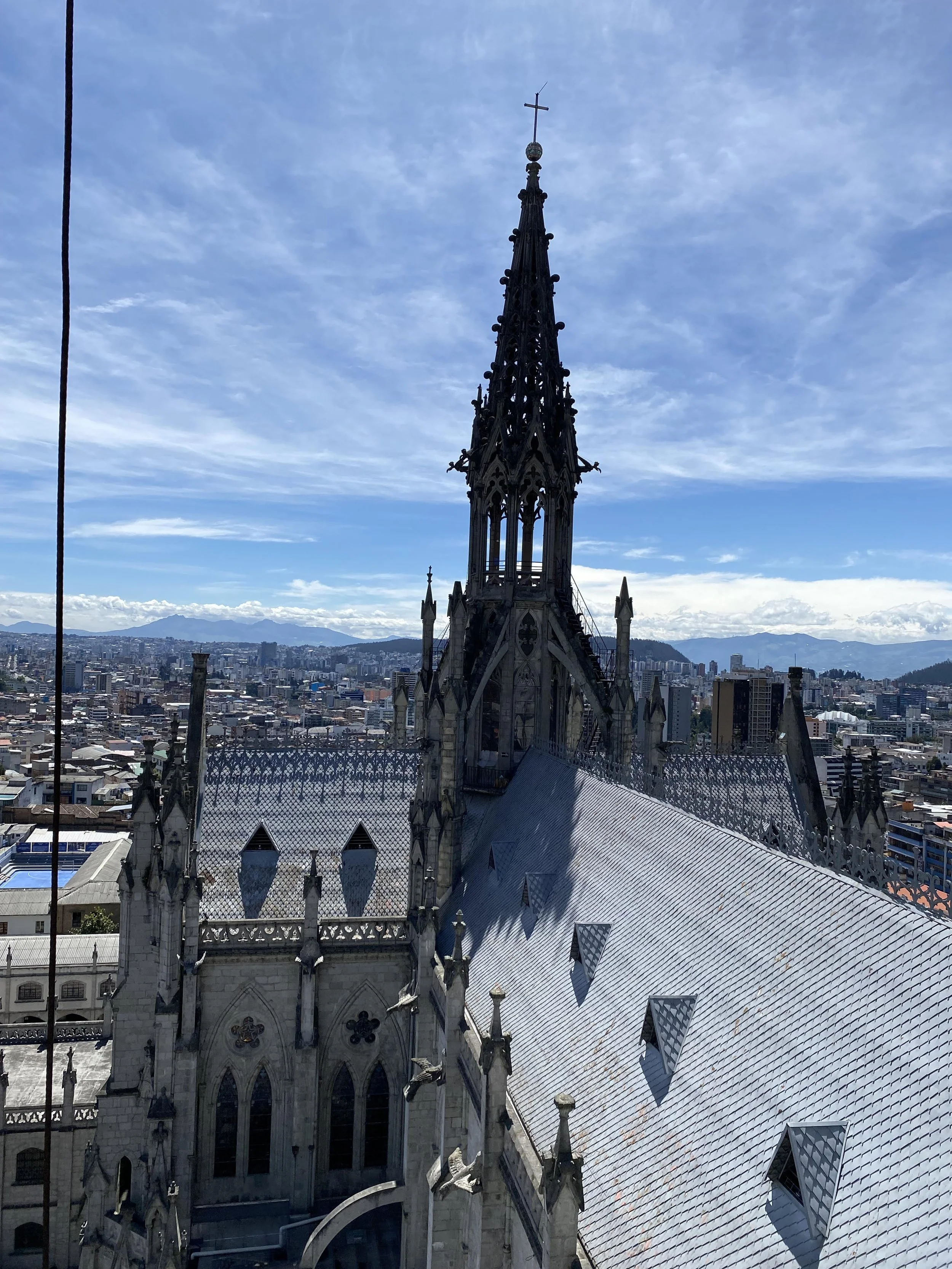
A picture from on top of the Basilica del Voto Nacional. Jeremy Giles

Within the city itself, the star is “el centro historico,” the historic and colonial center of Quito. Here the buildings are hundreds of years old, all built in a Spanish style in a wondrous variety of pastel colors, all on top of slanting roads curving with the mountains underneath it. This branch of the city is home to the Presidential Palace and many other beautiful government buildings and churches. My favorite of all is the Basilica de Voto Nacional, a huge building with two beautiful towers looming over the city, and unlike any other Church I’ve been to, you are actually able to climb up it, giving you spectacular views of the capital. Beyond this, if you look up at the Basilica from the ground, you can see that instead of Gargoyles lining it like a typical Basilica there are famous animals from all different parts of Ecuador.

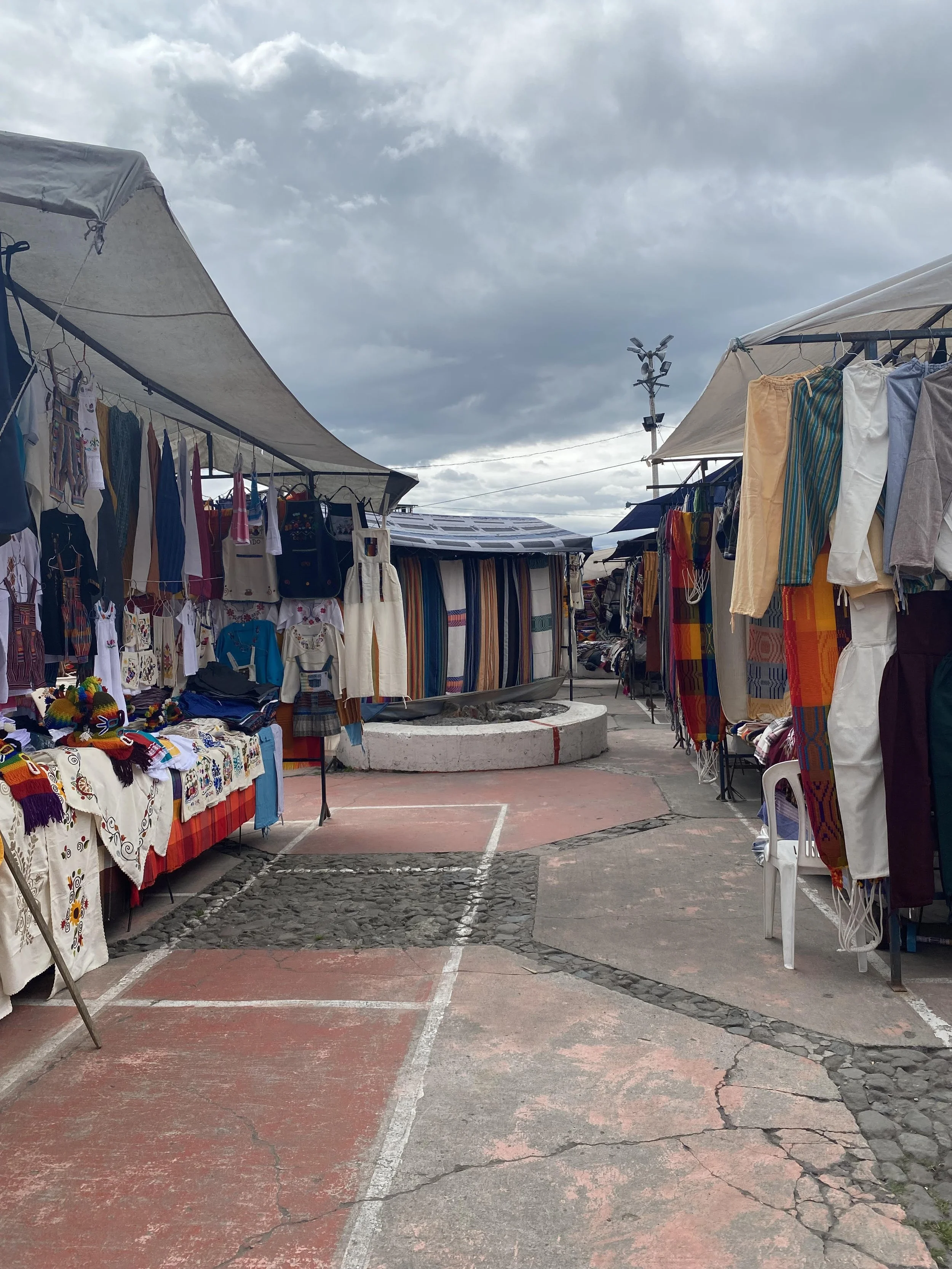
Otavalo Market, Jeremy Giles

While Quito is by far the biggest city in La Sierra, it is not the region’s only attraction. About a two hour drive from Quito is the city of Otavalo, one of the two largest Kichwa areas of Ecuador. The Kichwa peoples were part of the Inca Empire and have been in Ecuador for thousands of years. Today, their culture and language is still very much living. Otavalo is famous for its Kichwa market, where beautiful handmade blankets, sweaters, hammocks and more are created from incredibly soft alpaca wool. The prices are amazing; when I was last there I bought a beautiful alpaca wool blanket for only 20 dollars.

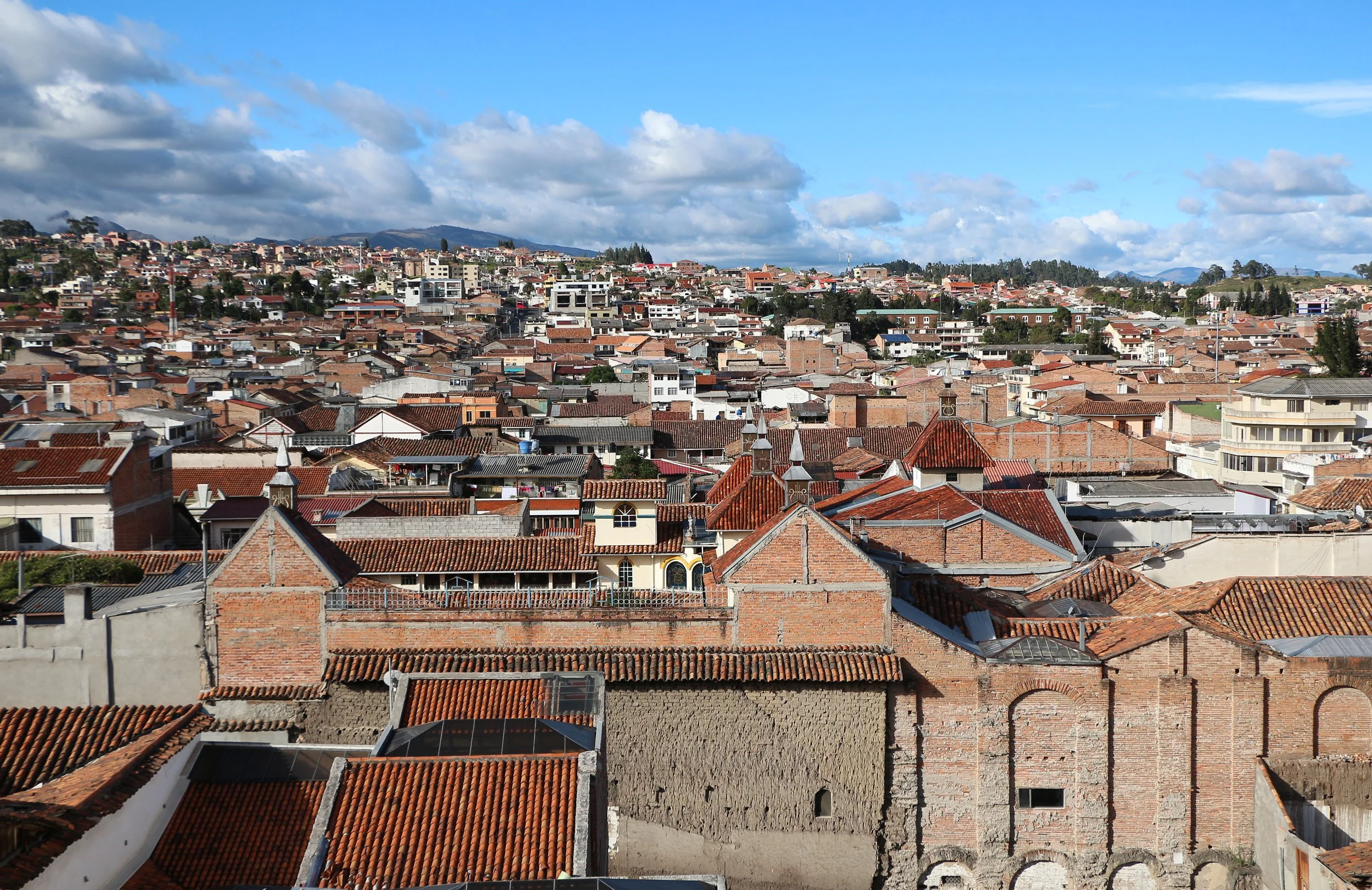
Cuenca, Ecuador, Bernard Gagnon, CC BY-SA 3.0 

While I never had the opportunity to visit it, maybe the most beautiful city in La Sierra is Ecuador’s third largest city, Cuenca. This andean city is known for its thriving culinary scene, often serving some of Ecuador’s best traditional dishes. It has an incredibly charming appeal and is home to the beautiful El Cajas National park. When I next return to Ecuador Cuenca is for sure one of the top destinations on my list.

“El Oriente” - The Amazon Rainforest

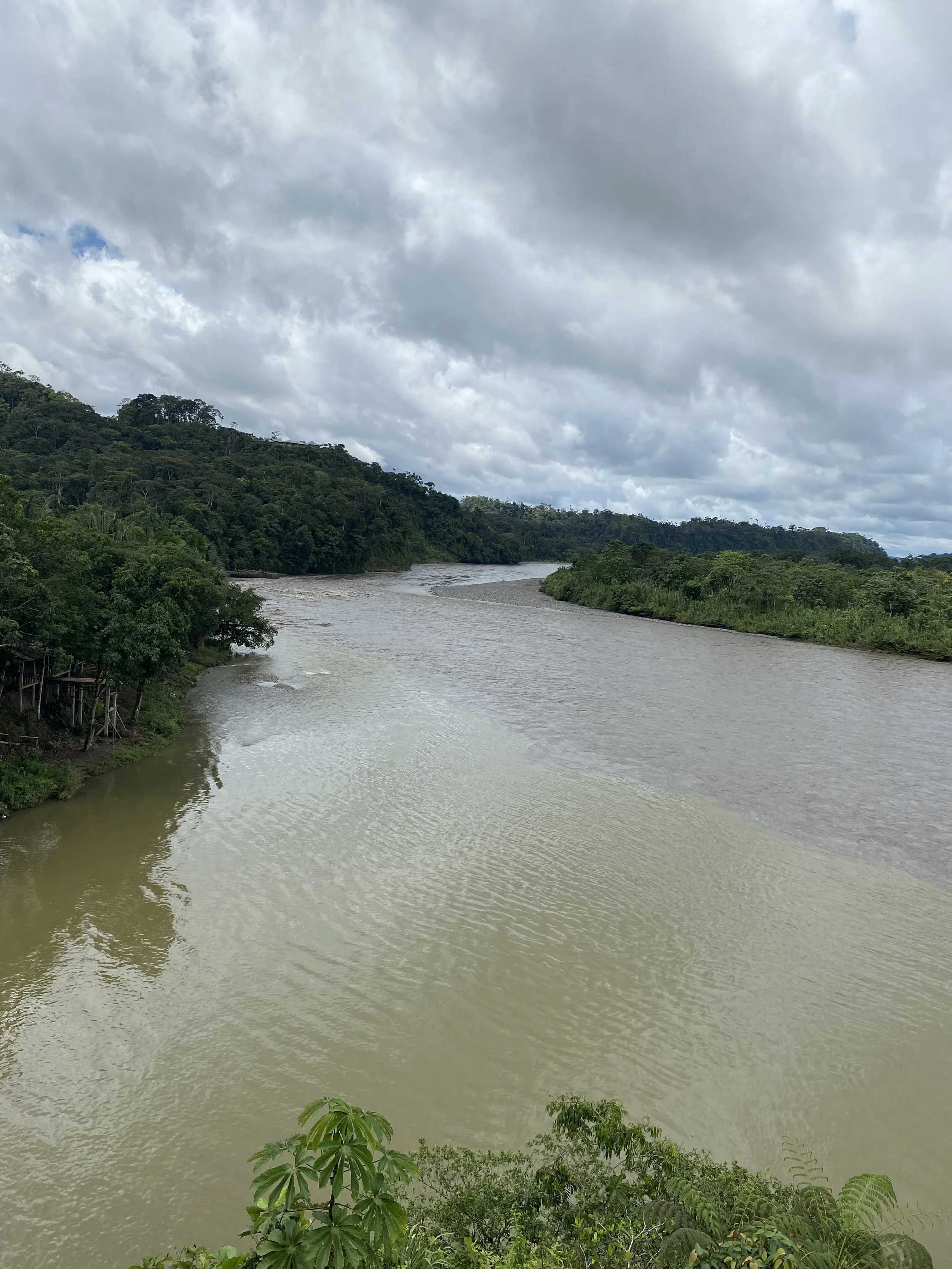
Meeting of the Rivers, Cuenca, Ecuador

To reiterate, Ecuador is known as the most biodiverse country in the world per square mile. The Ecuadorian Amazon is the center of that biodiversity. The Amazon in Ecuador has 300 different species of mammals, 350 of reptiles, 800 of fish, and 1,600 of birds. These species are some of the centerpoints of Amazonian culture in Ecuador. Per indigenous Kichwa beliefs, the Pachamama created the Earth, and the Amazon for its people. When shamans, traditional healers, die, they become a “boa” or “tigre,” general words in the Ecuadorian Amazon for a very large snake or a big cat. The latter is a false friend for English speakers; although “tigre” translates directly to “tiger,” there aren’t actually any tigers in the Amazon.

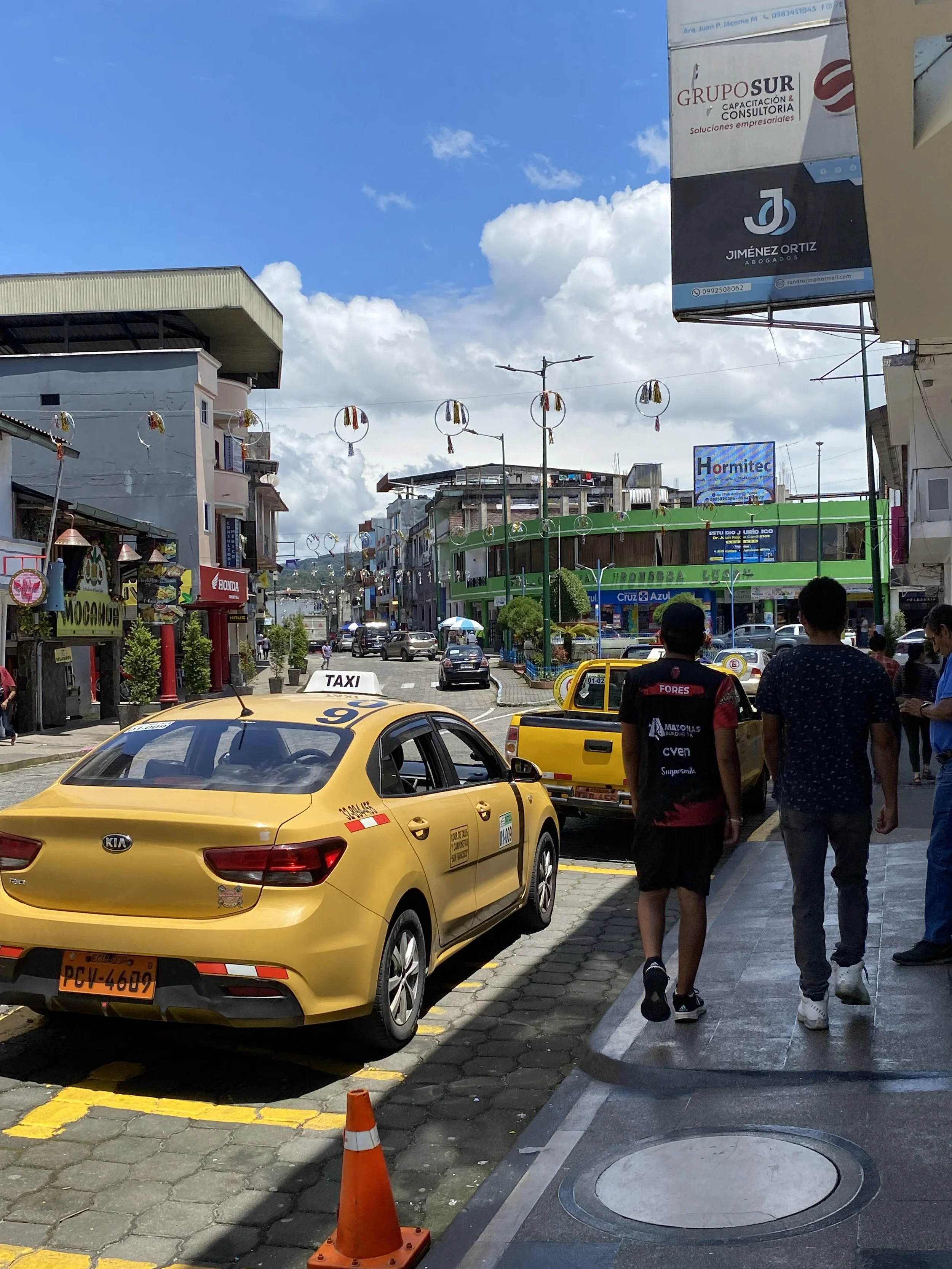
Mocahuas, David C. S., CC BY-SA 4.0

While visiting the Amazon I lived in the Pastaza province, the largest province in Ecuador, and an area almost entirely covered by the Rainforest. Somehow, Pastaza manages to be just as diverse culturally as it is biologically. In Pastaza alone, there are seven different independent Indigenous groups, each with its own separate language, culture, and customs. There are significant efforts in the region to make sure these languages survive, and in schools students learn both Spanish and their Indigenous language.

A street in Puyo, Ecuador, Jeremy Giles

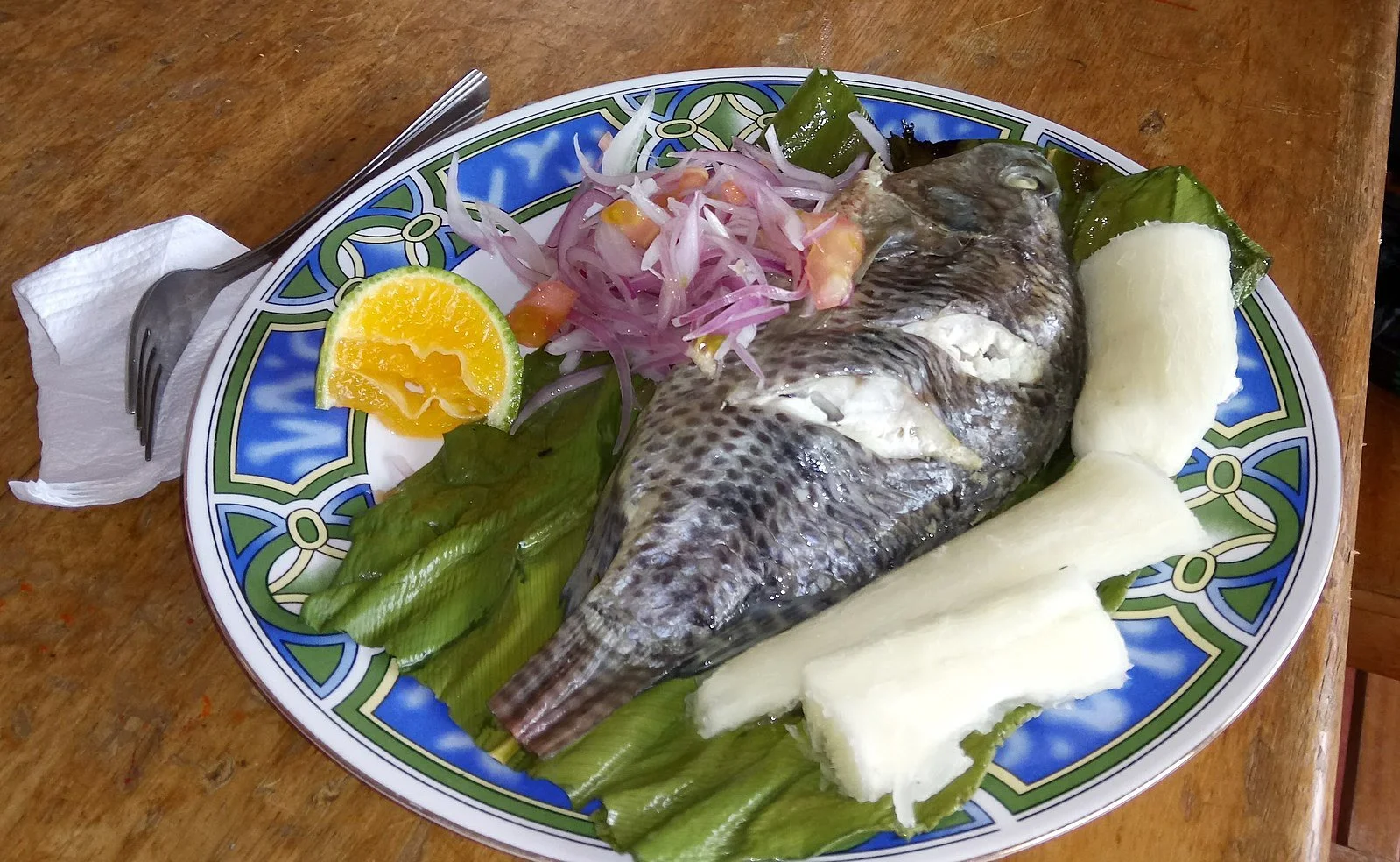
For the month I was in Pastaza, I stayed in its capital Puyo, an incredibly diverse multi-ethnic city of about 40,000 people. There, I felt as welcomed as I’ve ever felt anywhere. Through the generosity of my host families I got to experience many of the special things about Puyo. Here, I will share with you one of my favorites: the food. The Amazon river provides the families of Puyo with an amazing abundance of fresh fish, particularly tilapia, at prices even cheaper than Ecuadorian norm. Once, my host family bought nine individual portion sized live tilapia for 12 dollars.

Maito, Iestrella, CC BY-SA 4.0

After buying the fish, the typical method of preparation is to make a dish called “Maito.” When cooking Maito the family will cut down a really big leaf. They will then put the fish in the leaf and wrap it up. They put this over the fire and let the fish cook. Then they will open the leaf and serve with fish, often accompanied with grilled plantains and a potato-like root vegetable called yucca that is native to the region. Traditionally, the family does not filet fish or remove the skin and eats everything but the bones. I did this while I was there and while it is often avoided in the west, I found the skin quite rich. 

“La Costa” - The Coast

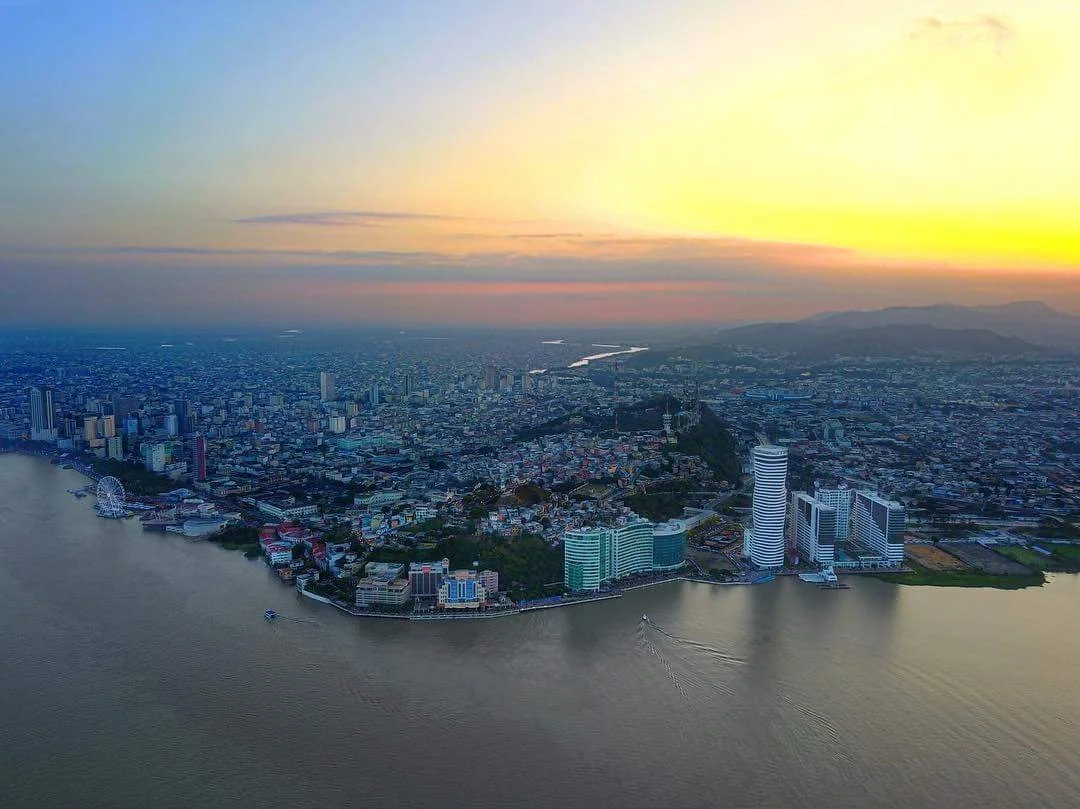
An Aerial View of Guayaquil, JorgeAlejanDroo, CC BY-SA 4.0

It's impossible to talk about the Ecuadorian coast without discussing the biggest city in all of Ecuador, Guayaquil. While Guayaquil lacks the aesthetic beauty of Quito in the Andes, it is impressive in its own right. Quito is an old city that is sprawled over many many miles, with hardly any tall buildings. Because of this, Guayaquil, a city working hard to modernize, is the home to Ecuador’s tallest building. Along with this is “la perla” or “The Pearl,” which, during its opening in 2015, was the largest ferris wheel in South America. 

Ferris Wheel in Guayaquil, Sebastian Reategui, CC0, via Wikimedia Commons

Although the star of Guayaquil, and home to said ferris wheel, is “El Malecon 2000.” El Malecon 2000, named after the year it was opened, is a gorgeous 2.5 kilometer riverfront promenade. Located along the path are plenty of attractions, including a museum of anthropology, an Imax theater and a garden, adorned with its own koi ponds.

Malecon 2000, Guayaquil, Padaguan, CC BY-SA 3.0

It should be noted, however I was in Ecuador as part of a study abroad program. During the program, in our last month, we were allowed to select almost anywhere in Ecuador to conduct an independent study. The two places we were not allowed to study were Ecuador’s border with Colombia, and Guayaquil. Ecuador as a whole has a problem with theft and crime. During my time living in and around Quito and Puyo that was always manageable. If you take common sense precautions and are careful, generally speaking, you’ll be okay, just like in a large city in the United States. The same cannot always be said for Guayaquil, especially for foreigners, who may become more of a target because of their manner of speaking and the color of their skin. Guayaquil is a beautiful city that locals frequent often for its climate, culture, and the amazing beaches of Ecuador’s coast. Foreigners can visit too, but they must exercise a considerable amount of caution.

The Galapagos Islands

Galapagos Tortoise, Mike's Birds from Riverside, CA, US, CC BY-SA 2.0

The Galapagos Islands are famous for their finches, which Darwin used to prove the existence of evolution. These birds, ironically, while perhaps the most famous species of the islands, are also one of their least impressive, looking just like small sparrows. The Galapagos’ namesake species however, the Galapagos tortoise, is a different story. These gentle behemoths are the biggest tortoises in the world, and one of the few creatures on Earth with a longer lifespan than humans, frequently living over 120 years old. 

Sea Lions laying on a beach, Jeremy Giles

To add to the tortoises, the Galapagos has a slew of amazing native species, many of which can only be found on the islands. There are native penguins and flamingos, frigate birds with huge red pouches under their throats that can blow up like balloons and a bevy of sea lions loitering across the beaches. My personal favorite is the marine iguana, the only marine lizard species in the world and one that, while swimming, looks almost like a snake with legs.

Puerto Ayora Harbor, Santa Cruz Island, Galapagos, David Broad, CC BY 3.0

In addition to the animal species, the Galapagos also has a significant population of people. Four of the 13 major islands are home to around 30,000 permanent residents. While the islands are in the same region, each one has its own individual culture and way of seeing the world. These cultures, due to the interests of foreign countries in protecting the Galapagos, are often very diverse, creating a very interesting dining scene. The biggest town in the Galapagos is Puerto Ayora on Santa Cruz Islands, with a population of more than 10,000.


Jeremy Giles

Jeremy is a Writing Seminars and International Studies major at Johns Hopkins University. He is an avid writer and the Co-Founder of Writers’ Warehouse, Johns Hopkins’ first creative writing group. He is an advocate for Indigenous rights, and studies how Indigenous philosophies can be used to help prevent climate change. Using his writing, he hopes to bring attention to underrepresented voices in today’s world.

7 Spectacular Global Theatres Stealing the Show

From Elizabethan Theatre to Peking Opera, these are 7 diverse storytelling formats that create awe-inspiring fusion of entertainment and ritual.

Peking Opera, the Legend of the White Snake. JS Dust. CC BY 2.0.

Theater stands out as an extraordinary art form that embodies the vibrant cultures spanning the globe. It not only boasts the distinction of being the oldest form of artistic expression but also captivates audiences by showcasing the essence of life and tradition. In the days preceding the advent of television and the internet, theater reigned supreme as a source of entertainment, and every aspect of it, from costumes to stage design, holds immense cultural significance. Whether we delve into the realms of renowned Greek and Shakespearean theater or venture into the lesser-known stages of India's Kathakali and Indonesia's Wayang Kulit, each theatrical masterpiece offers a profound and memorable experience.

1. Noh Theatre—Japan

Classical Japanese musical performance of Noh theater at the festival.Jim Epler. CC BY 2.0.

When exploring Japanese stage art, one’s imagination is often filled with vivid images of menacing masks, ritualistic movements, and enigmatic dialogues. Yet, these elements merely scratch the surface of Japanese performing art. Among them were the two prominent forms, Noh and Kabuki. The very term “Noh”, derived from the Japanese language, embodies the essence of “talent” and “skill.” Emerging as one of Japan’s oldest performing arts, Noh’s formalization took shape in the late 14th century, with roots in the traditional Kagura dances, a reverent homage to the gods for bountiful harvests. In stark contrast to Western theater, Noh does not have explicit plotlines, offering an abstract emotional experience. A single overpowering emotion such as jealousy, rage, or sorrow dominates the central character, portrayed through highly stylized performances. Symbolistic aesthetics play a crucial role, with distinct masks representing various character archetypes—Gods, Warriors, Women, the Deranged, and Demons. Noh explores themes of love, loss, aging, and the supernatural. UNESCO acknowledged Noh as a valuable intangible cultural heritage in 2001, solidifying its significance.

While many Noh plays are lost in history, nowadays, there are still around 200 captivating pieces that continue to enthrall audiences. Among them, “Atsumori” as a classic. This poignant tale unveils the tragic fate of Taira no Atsumori, a young warrior slain by Kumagai no Jiro Naozane during the Genpei War. As Kumagai, now a monk, revisits the battlefield, he encounters Atsumori's ghost. The story of Atsumori's demise is retold by a villager, leading to a confrontation where Atsumori realizes the absence of true enemies. Derived from the renowned “Tales of Heike,” depicting the intense struggles between the Taira and Minamoto clans, “Atsumori '' captivates Noh audiences.

2. Kathakali—India

Kathakali performance.Aleksandr Zykov. CC BY-SA 2.0.

India’s vibrant Kathakali theater enchants the senses with its dazzling array of colors, intricate costumes, and captivating dance performances. Born on the shores of Kerala over 300 years ago, Kathakali weaves together elements of dance, dramatic storytelling, and mythological traditions. Drawing inspiration from the intricate temple sculptures of the 16th century, the dance sequences in Kathakali often portray the distinct square and rectangular positions characteristic of that art form. The very term “Kathakali” signifies the art of storytelling through dance drama, and the narratives themselves have been passed down through generations via oral tradition. These tales are often related to deities, demons, and other mysterious characters. 

Kathakali performance.Aleksandr Zykov. CC BY-SA 2.0.

To bring epic stories to life on stage, Kathakali performances are typically held outdoors on a bare stage, accompanied by seasoned musicians. The heartbeat of a Kathakali production lies in the rhythmic pulse of percussion instruments like the Chenda and the Maddalam, setting the stage for the unfolding drama. As the melodies intertwine with the beats, the actors, adorned in elaborate makeup, step into their roles — a process that takes several hours to complete. The distinctive makeup style enables the performers to communicate a range of emotions through codified facial expressions, meticulously synchronized with the sung verses known as “padams.” The music serves as the lifeblood, infusing each movement and gesture with depth and meaning.

One of the most beloved tales performed in Kathakali is “Nala Charitam,” derived from the Mahabharata. This epic story spans four nights, narrating the journey of King Nalan and his beloved Damayanthi. Advised by Sage Naradan, they face plots from Goddess Kali, leading to separation. However, a hunter rescues Damayanthi, while Nalan finds solace in Kosalam. With the assistance of Kesini, they reunite, reconcile misunderstandings, and rediscover happiness. 

3. Greek Tragedy—Greece

Ancient Greek theater in Delos. Bernard Gagnon. CC BY-SA 3.0.

Greek tragedy, one of the world’s most renowned ancient performance arts, finds its origins in the sacred rituals of Dionysus, the god of pleasure, fertility, wine-making, ecstasy, and theater. Spanning from the late 6th century BCE, Greek tragedies delved into the tragic downfall of heroes due to their inherent flaws, incorporating a mix of spoken and sung narration along with divine interventions. Accompanied by the Greek chorus, the dramatic actors engaged in dialogue, typically in iambic tetrameters, a poetic meter consisting of three iambic units (unstressed-stressed syllable pairs) per line. This rhythmic structure infused the lines with a sense of cadence and harmony. The theater was accessible to the public, as the cost was kept low through subsidies provided by the polis, or city-state. Performances took place outdoors, featuring a chorus and three actors who portrayed all the roles. These plays were often staged in competitive settings, allowing the audience to vote for their favorite, reflecting the preferences and tastes of both the Greek elite and ordinary citizens.

Renowned playwrights Aeschylus, Sophocles, and Euripides have left an enduring legacy with their masterpieces of Greek tragedy. One such opus is Sophocles’ “Oedipus Rex,” also known as “Oedipus the King.” This play, believed to have been performed between 430 and 426 BCE, stands as a pinnacle of achievement in classical Greek drama.The story revolves around the haunting concept of fate’s inevitability. Oedipus, the central character, finds himself bound by a prophecy that foretells his patricide and an incestuous union with his mother. Compelled by the prophecy, Oedipus is forced to abandon his home of Corinth, and unwittingly journey to Thebes. However, this pursuit comes with great suffering, as Oedipus inevitably faces hardship as a result. “Oedipus Rex” examines profound themes of fate and truth, captivating audiences with its exploration of human nature, forcing them to contemplate their inexorable destinies. 

4. Elizabethan Theater—United Kingdom

Inside Shakespeare's Globe Theatre. Andrew_j_w.CC BY-SA 2.0.

When discussing theater, the name that immediately springs to mind is none other than William Shakespeare. However, it was the vibrant cultural landscape of Elizabethan theater that set the stage for Shakespeare’s glorious triumphs. One of the most significant accomplishments of this era was the establishment of professional acting groups, which mirrored the structure of modern-day theater and captivated audiences with their mesmerizing performances.

Scene from Winedale Shakespeare Festival.Ajleon. CC BY 2.0.

Shakespeare, undoubtedly the shining star of Elizabethan theater, embarked on his theatrical journey at an open-air playhouse in Shoreditch. It was a time when public playhouses were just beginning to emerge in the then-bustling London. Not only was Shakespeare an exceptional playwright, but he also graced the stage as a talented actor. He joined a renowned theater company and remained loyal to them throughout his illustrious career. During his remarkable tenure at The Globe Theatre, an iconic London venue where Shakespeare’s King’s Men theater company took center stage starting in 1599, debuting an extraordinary collection of over 30 plays that continue to hold a prominent place in world literature. Among his unparalleled creations are timeless tragedies like “Hamlet” and “Macbeth,” which have endured the test of time, captivating audiences with their profound exploration of human nature and themes of suffering, equivocation and remorse.

The Tempest” embodies the essence of Shakespearean plays, blending tragedy, comedy and the transformative power of art to reflect the complexities of human existence within the grand collection of Elizabethan theater. The sorcerer Prospero, a master of illusion and manipulation, orchestrates a captivating tale of shipwrecks, revenge, and redemption on a mystical island. Amidst this magical turmoil, love blossoms, treachery unfurls, and forgiveness emerges triumphant. The play’s allure lies in its openness to diverse interpretations: is it an allegory of Shakespeare's farewell to the stage, or a reflection on European colonization of foreign lands?

5. Tango Theater—Argentina

Tango show in Buenos Aires. Audrey_sel. CC BY-SA 2.0.

Coming into its own in the late 19th century, Tango has its roots in the vibrant neighborhoods of La Boca in Buenos Aires and Montevideo, where a blend of European, African, and Argentine influences converged. This fusion of diverse cultures gave birth to a unique dance that tells stories of passion, longing, and resilience. In the heart of Buenos Aires, the Tango is more than just a dance; it is an art form that embodies the spirit of the city. From its early roots in small ensembles, such as the tango sextet, with piano, double bass, violins, to the larger tango orchestras, or guitars, drums, vocalists, and tango dancers, the Tango Theatre presents a diverse range of musical expressions. Here, the Tango comes alive, showcasing its elegance, sensuality, and emotional depth.

Tango’s journey is a testament to its enduring allure. Initially shunned by mainstream Argentine society as indecent, it found unexpected recognition and adoration in the upper-class circles of Paris, thanks to Argentine intellectuals who introduced it abroad. From there, the Tango quickly swept across Europe and the Americas. As it returned to its homeland, it evolved and transformed, reflecting the changing times and influences it encountered. Famous tango theaters, such as La Ventana in San Telmo, distinguishes itself from the rest by showcasing not only tango but also a rich array of folkloric music. This captivating show offers a well-rounded experience, featuring music and dance from various regions of the country. Many Tango folk styles, from the lively rhythms of chamame to the vibrant melodies of chacarera and Zamba, come  from provinces like Salta and Santiago del Estero in the northern interior. 

6. Wayang Kulit—Indonesia

Wayang kulit from Indonesien performed at Paris.Dalbera.CC BY 2.0.

In Indonesia, master puppeteers captivate audiences with mesmerizing stories in performances of Wayang Kulit, or shadow puppetry. Meticulously crafted from buffalo hide, the puppets boasted intricate designs that brought characters to life. Traditional oil lamps gave way to modern lighting, illuminating the stage and infusing the ancient spectacle with new magic. Inspired by Hindu epics, Ramayana and Mahabharata, the performances transported spectators to mythological times. Wayang Kulit gave birth to other art forms, including three-dimensional puppets and wooden figures manipulated by rods. Through witty actions, puppeteers conveyed social and political criticisms, creating a legacy of cultural significance. Passed down through generations, Wayang Kulit wove together indigenous myths, Indian epics, and Persian heroes, forming a rich tapestry of folklore and tradition.

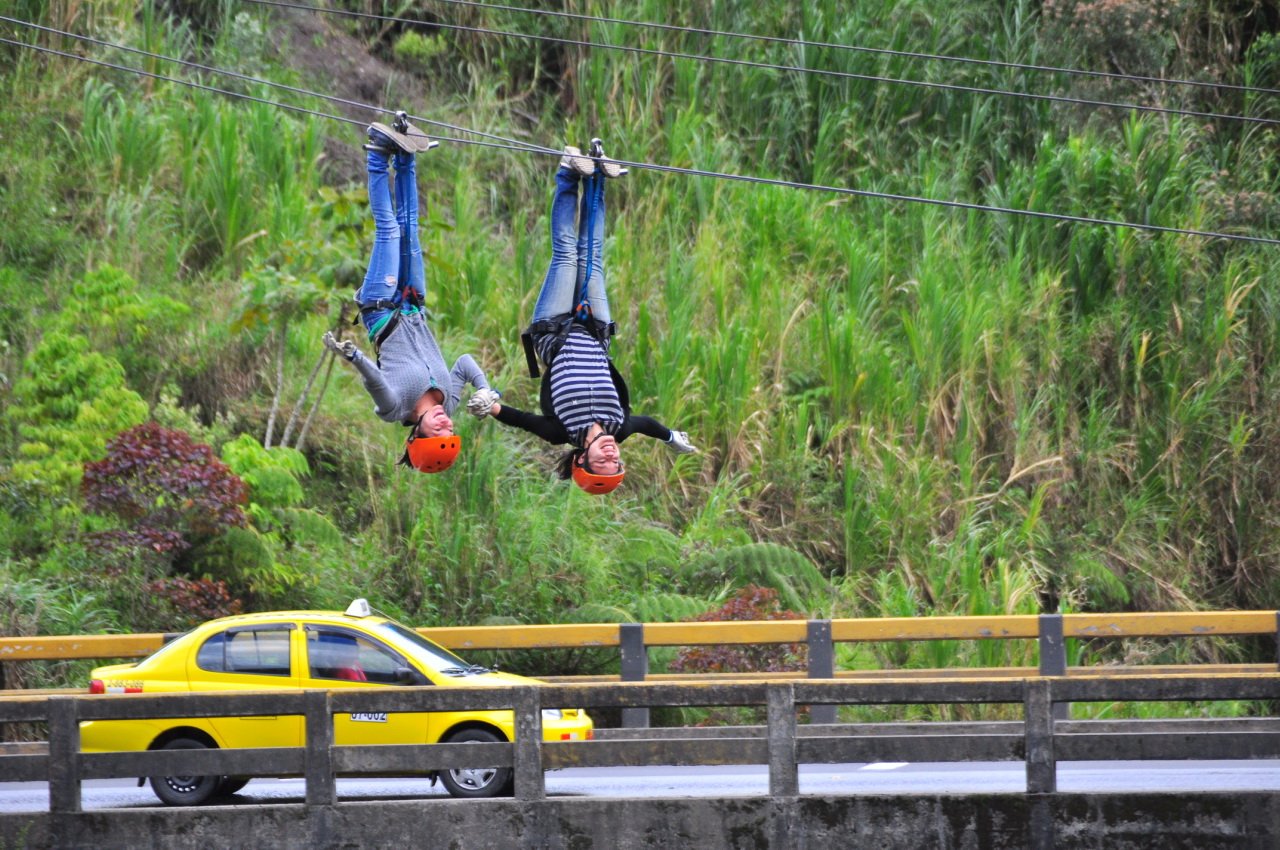
Yogyakarta, Wayang Kulit. Arian Zwegers. CC BY 2.0.

The ancient Ramayana takes center stage in the Wayang Kulit tradition. In a distant land, Prince Rama and the beautiful Princess Sita find themselves exiled to the depths of the forest. Amid the wilderness, an evil and cunning demon king named Ravana set his wicked eyes upon the exquisite Sita, devising a sinister plan to possess her. Upon discovering Sita's abduction, Rama's heartache turned into fierce determination. With unwavering courage, he embarked on a perilous journey to rescue his beloved princess. This epic battle between good and evil has become a timeless legend, celebrated through the artistry of Wayang Kulit, captivating audiences with its riveting storylines and masterful puppetry.

7. Peking Opera—China

Havoc in Heaven Peking Opera. Chenwen. CC BY 2.5.

China boasts a diverse array of over 300 opera types, and among the most celebrated is Peking Opera. Regarded as the pinnacle of Chinese art, Peking Opera has a remarkable history spanning 160 years. This captivating art form combines singing, acting, recitation, and martial arts to bring stories of history, society, and everyday life to the stage. The music of Peking Opera sets the rhythm and atmosphere, while the elaborate costumes and symbolic makeup vividly depict the personalities of the characters. Peking Opera is an art that is carefully passed down through generations via master-student training, ensuring the preservation of China's cultural heritage. Alongside Greek tragedy and Indian Sanskrit opera, it stands as one of the ancient operas of the world. Breaking free from the limitations of time and space, Peking Opera employs a unique style that blends reality and illusion, captivating audiences with stunning performances. For an authentic experience of this renowned opera, the Liyuan Theatre, located in Beijing’s Qianmen Hotel, offers a luxurious setting for up to 1000 viewers. The theater features a traditional stage where actors adorned in exquisite makeup bring the stories to life, immersing the audience in the captivating world of Peking Opera. It is an opportunity to witness the richness of Chinese culture and indulge in the beauty of this cherished art form.

One of the most significant plays in the Peking Opera tradition, “The Drunken Concubine,” is set in the Tang Dynasty, and its plot revolves around Yang Yuhuan, a beloved concubine of Emperor Xuanzong and one of ancient China's Four Beauties. The opera portrays the poignant love between the emperor and Yang. Through heartfelt lyrics, Yang expresses her emotions, symbolically embedding them onto the moon, as it rises above the island. The opera's moon-themed lyrics make it especially fitting to enjoy during the Mid-Autumn Festival. Despite cultural barriers, Peking Opera continues to captivate audiences worldwide. “The Drunken Concubine” has been performed in various countries, including Russia, Austria, and North Korea, demonstrating the art form’s international appeal.

From China’s Peking Opera to Indonesia’s Wayang Kulit, these vibrant performance arts create a magnificent fusion of entertainment and ritual. While this article highlights the emblematic theaters of specific countries, it is merely a glimpse into the vast treasure trove of world theater. Regardless of language or cultural variances, the power of storytelling resonates universally in the realm of theater, captivating audiences with its emotive depth and captivating beauty.


Hope Zhu

Hope is a Chinese international student at Wake Forest University in North Carolina studying sociology, statistics, and journalism. She dreams of traveling around the globe as a freelance reporter while touching on a wide range of social issues from education inequality to cultural diversity. Passionate about environmental issues and learning about other cultures, she is eager to explore the globe. In her free time, she enjoys cooking Asian cuisine, reading, and theater.

Indigenous Fashion is Redefining the Runway

The ‘I’ in BIPOC has remained largely absent in the fashion industry, until now. 

Models pose at Vancouver Indigenous Fashion Week. Vogue. CC BY-SA 2.0.

Once restricted to the top floor ateliers and hidden workshops of century-old brands, the world of high fashion is increasingly public. As a trillion dollar industry, one would expect fashion to have more than enough space for designers from all backgrounds to create and show their art, but as is the case, the market remains dominated by a handful of ancient European and American household names. More recently, designers of color have begun to break onto the haute couture scene as the Council of Fashion Designers of America (CFDA), among other notable fashion institutions across the world have made a strong effort to increase the visibility of BIPOC designers. The one minority notably absent, however, are Indigenous designers whose designs and culture have been repeatedly appropriated for years by brands such as Victoria Secret, Caroline Herrera, and Loewe, among others.

The First Nations Fashion and Design runway show in 2021 only included First Nations models. Stefan Gosatti. CC BY-SA 2.0

While the American fashion scene is notably lacking an Indigenous presence, Canada and Australia both hold annual Fashion Week events solely dedicated to showcasing Indigenous designers and models. In fact, the latter received a lot of positive attention in 2021 for local brand First Nations Fashion and Design’s runway show, which consisted entirely of First Nations models wearing First Nations-made garments. The show included a number of live musical performances and was interspersed with various homages to the claim of First Nations peoples to Australian land, none of which are common occurrences in Australia’s Fashion Week. The audience, however, absolutely loved it: creative designer Grace Lillian Lee along with her CEO and co-designer Teagan Cowlishaw walked out at the end of the show to a standing ovation. According to Cowlishaw, the show was about “the movement of giving our land back to its rightful owners,” a theme common among other runway shows and fashion collections created by First Nations designers.

South Sudanese-Australian model Adut Akech was named Model of the Year in 2018. Hot in Juba. CC BY-NC-ND 2.0

In parallel with this sudden increase in Indigenous fashion exploding onto the scene in the past few years, demand for models of First Nations heritage has also skyrocketed. This previously untapped pool of talent is finally receiving the attention it deserves, with Indigenous models appearing with increasing frequency in print ads, television commercials, and of course, on runways. Australian modeling agencies can’t seem to sign Indigenous models fast enough, which has created a space for agencies that only represent models of First Nations heritage. According to some, this shift began with the appearance of several South Sudanese-Australian models who have gone on to become internationally renowned, but were firstly instrumental in redefining Australian standards of beauty: tanned, blonde, and bikini-wearing hegemony has been pushed aside in favor of a much more diverse range of skin colors and body types. Thus began the growing presence of First Nations faces in fashion campaigns both in Australia, and now, across the world.

Designers on stage at the National Indigenous Fashion Awards Ceremony in 2022. NIFA. CC BY-NC 2.0

In order to further support the work of First Nations designers in Australia, the National Indigenous fashion Awards (NIFA) were launched in 2020 to celebrate the cultural diversity and traditions of First Nations artists and designers in fashion and textiles. The annual event presents awards in six different categories including a Community Collaboration Award and a Wearable Art Award, each of which aims to promote the ethical and sustainable production practiced by many First Nations designers, as well as highlight traditional textile manufacturing techniques. The winning designers receive monetary awards as well as educational opportunities both locally and abroad to further develop their skills. This year, the event will take place on August 9 in the Darwin region of Northern Australia, an area traditionally owned by the Larrakia people, an Aboriginal nation with a population of roughly 2,000. While nominations closed in April, anyone who visits the NIFA website when it opens again for next year will be able nominate their favorite brands and designers, from those catering exclusively to the haute couture market, to brands showcasing their wares on social media, so long as they are of Aboriginal or Torres Strait Islander heritage. In addition, NIFA is launching a new showcase tour initiative this year that will allow shortlisted nominees and winners of the 2023 awards to display their designs to the public at four convention centers across the country.

NIFA award-winner Philomena Yeatman pictured in her studio with one of her traditionally woven tapestries. NIFA. CC BY-NC 2.0

Among the past winners is 59 year old Esther Yarllarlla, an artist of the Kunibidji who has been practicing and perfecting her traditional weaving techniques for decades. The piece which won her the Traditional Adornment Award was commissioned by the Bábbarra Women’s Center — a mókko or traditional womenswear garment with an open back, but her work also includes delicately knotted bags woven from banyan tree fiber. Another expert weaver, Philomena Yeatman received the Textile Design Award in 2022 for fusing traditional palm fiber weaving techniques with modern materials to create beautiful tapestries that tell the stories of her people, the Yarrabah. By contrast, last year’s recipient of the Business Achievement Award was a First Nations-run organization called Clothing the Gaps which engages in various social action campaigns to diversify Australia’s fashion sector. Through their community of youth leaders and community advocates, the organization has built a large following both in person and on social media, and helped them to successfully reclaim the First Nations flag in a legal campaign that ended successfully in 2022.

The list goes on: each shortlisted and winning designer or artist has dedicated their lives to advancing their craft and sharing their culture with the wider Australian community. While there is undoubtedly still work to be done, the burgeoning First Nations presence in Australia’s fashion scene is setting a positive precedent for the road forward, championing appreciation instead of appropriation, and carving out a space for Indigenous designers around the world that should really have been there from the beginning. As the words splashed across the backdrop of that fateful runway show in 2021 announced, “This is not a moment. This is a movement.”


Tanaya Vohra

Tanaya is an undergraduate student pursuing a major in Public Health at the University of Chicago. She's lived in Asia, Europe and North America and wants to share her love of travel and exploring new cultures through her writing.

Eat for Under $15 at these 7 Global Cuisine Restaurants in NYC

Let your tastebuds travel without leaving the Big Apple.

Chinatown in New York City. Norbert Nagel. CC by 3.0.

Beyond its famous museums and fashion, New York City is recognized as the food capital of the United States. Every year foodies flock to the city’s restaurants for unique menus and interpretations of global cuisine. But this top-notch culinary environment typically comes—quite literally— with a price. New York restaurants are often criticized for their exorbitant prices. But fear not, there are plenty of restaurants in the city that offer authentic international cuisine for a reasonable price. Whether you are a college student on a budget or a lifelong fan of global cuisine looking for food made with a lot of love, these restaurants will leave both your stomach and your wallet happy.  

1. Super Taste

Hand-Pulled Noodles with Lamb. Jason Lam. CC by 2.0.

Located in the famous culinary neighborhood of Chinatown, Super Taste may be the most well-known restaurant on this list. If you find yourself craving Chinese food, Super Taste is a classic, must-go stop. The most notable dish on the menu is their hand-pulled noodles. These silky and addictive noodles can be paired with chicken, beef, or mutton at the customer’s request. But if you aren’t in the mood for noodles, the five for $10 pork and chive dumplings drenched in sweet-spicy chili oil are always a crowd pleaser. Although there is limited seating inside, Super Taste is perfect for on-the-go enjoying. Their menu can be found here

2. Pyza

Borscht topped with sour cream. Liz West. CC by 2.0.

Warm and delicious, Pyza serves Polish food so good it could be mistaken for a home-cooked meal. Located in Greenpoint, Brooklyn, this restaurant specializes in plates piled high with food that makes you feel like family. Its menu features traditional dishes like stuffed cabbage, tongue in horseradish sauce, and various types of pierogies. A stand-out dish is their chicken cutlet, breaded and paired with a dollop of sour cream. Their soups range from a reasonable $5-$8, so tuck in with a bowl of borscht and enjoy the homey atmosphere. Additional items and prices can be found here
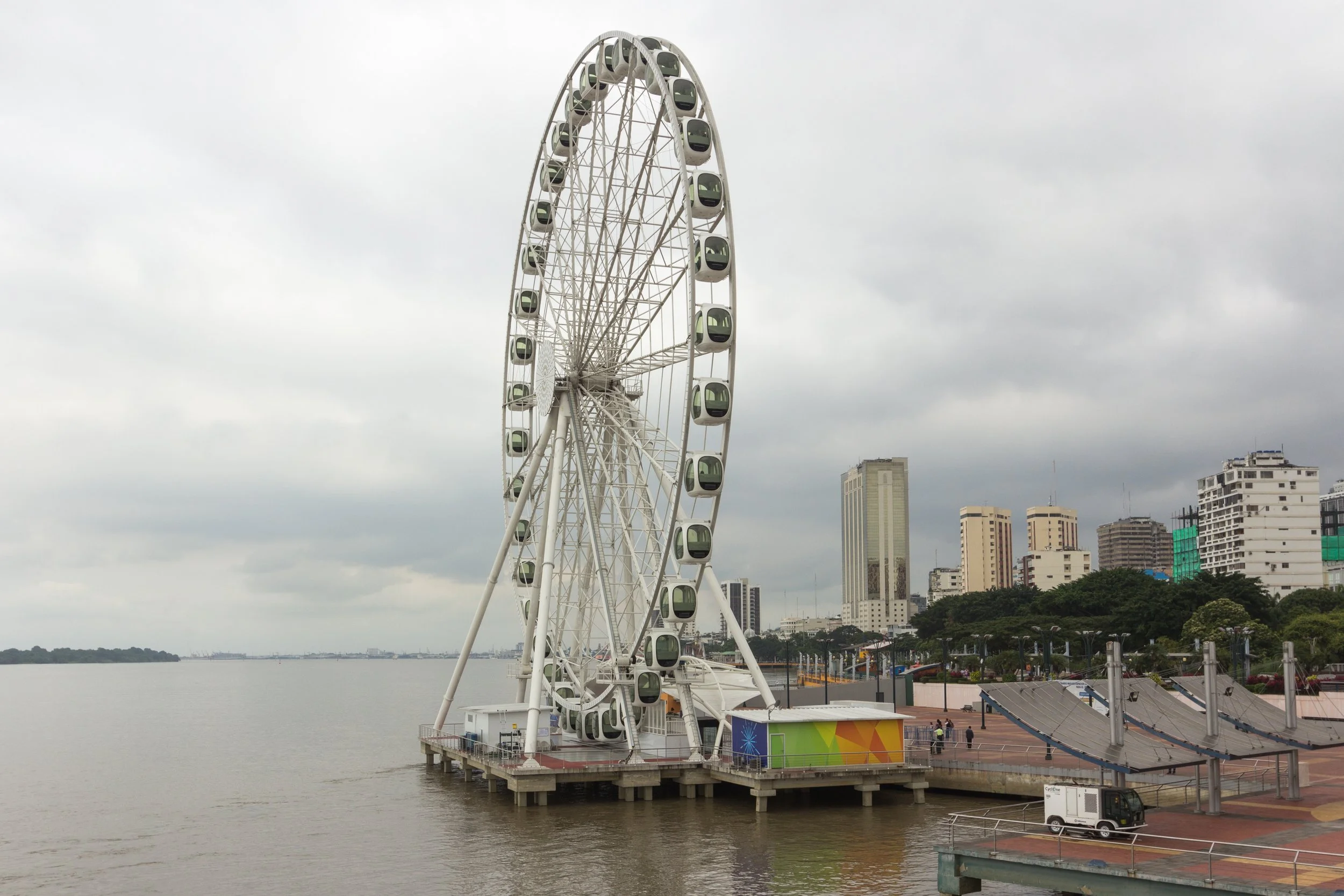
3. Birria-Landia

Brooklyn location of Birria-Landia. Andre Carrotflower. CC by 4.0.

This Mexican spot may differ from most foodies’ perceptions of a typical restaurant. Instead of a usual sit-down experience, Birria-Landia started as a single Jackson Heights food truck. The operation has since expanded to include additional trucks in the Lower East Side, the Bronx, Jackson Heights, and Williamsburg. Their specialty dish, birria, features tacos topped with fresh cilantro and salsa paired with a rich, smooth dipping broth. The meat of the tacos—often beef—is first marinated in mixtures of spices and dried chillies before being cooked low and slow in broth. This lengthy process creates mouth-watering and juicy tacos that can be enjoyed for only $4.50. In addition to their exceptional tacos, their consummé broths, tostadas, and quesadillas can be found here.
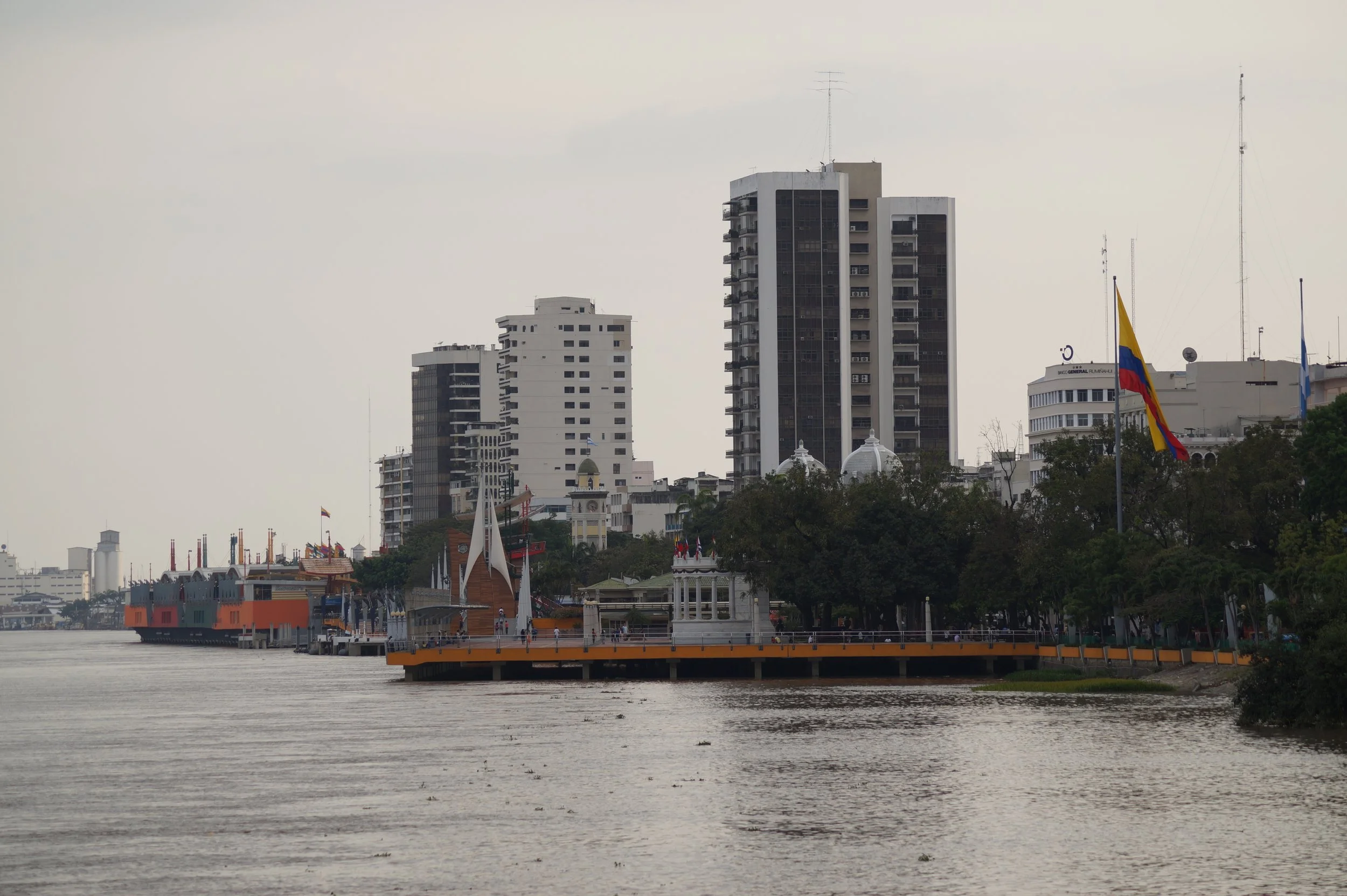
4. Kassim’s Bakery

Aalu Roti. Guarav Dhwaj Khadka. CC by 4.0.

Whether you prefer your dishes savory or sweet, there is something for everyone at this Queens restaurant. Kassim’s serves a wide variety of Caribbean lunch and dinner foods, but also offers a tasty variety of pastries and baked goods. One of the menu’s highlights is the selection of roti; each variation of the dish is under $10. Roti is a wheat flatbread that at Kassim’s is paired with beef, chicken, duck, goat, and pachownie (innards of lamb). After finishing a main dish, customers can explore Kassim’s dessert menu. Their cassava pone is perfect for those with a sweet tooth; cassava, also called yuca, has an edible root often used to make starchy desserts. More of Kassim’s sweet and savory treats can be found here.

5. Punjabi Grocery & Deli

Samosas paired with chutney. K Spoddar. CC by 4.0.

Can you claim to have visited New York if you didn’t find yourself in a deli at some point during the trip? Although it also doubles as a grocery store, this Lower East Side joint’s Indian food makes it stand out. Even better, the deli only serves vegetarian food, making it the perfect spot for travelers with this dietary restriction. At only 50 cents, Punjabi Deli might have the most affordable Samosas in the city. They also offer an assortment of rice dishes where customers can mix and match different vegetable options to create the perfect bowl for only $6 or $8, depending on if you want a small or large meal. The $2 chai is a perfect way to wash everything down. More exciting dishes and beverages can be found here

6. SVL Souvlaki Bar

Grilled kebabs. Glen Edelson. CC by 2.0.

From spanakopita to greek fries, SVL Souvlaki Bar combines tradition with innovation to create unique Greek food. They have two Queens locations, with one on Steinway Street and the other on Astoria Boulevard. Perhaps the most exciting aspect of this quick and fresh spot is their “build your own” options. You can customize salads and bowls, or even create entire plates filled with pita, kebabs, vegetables, and sauces. Their iconic SVL sauce combines sweet, tangy, and creamy flavors— it is the perfect way to top off any customized dish. Or, if the extent of customization is intimidating, you can always enjoy classic chicken souvlaki kebab for only $4.50. Even better, the Bar’s food is made with hormone-free meat and fresh produce. Read more about their ingredients, mission, and menu here

7. Bunna Cafe

Injera topped with assorted vegetables. Kurt Kaiser. CC by 2.0.

If you’re looking for more of a sit-down experience, Bunna Cafe is the perfect destination. They are a Black-owned and vegan Ethiopian restaurant located in Bushwick, Brooklyn. The restaurant’s family-style meal environment creates the perfect atmosphere for hearty food paired with good conversation. Scoops of vegetables are served in piles on injera, a fermented sourdough flatbread. Customers can select a variety of different sides, mixing to create new flavors and combinations. Or, if you’re dining alone, the $12 lunch special comes with individual scoops of four different items. Although, with such generous portions, you may want to bring a friend to share. Further details about their menu and strong variety of sides can be found here.


Carina Cole

Carina Cole is a Media Studies student with a Correlate in Creative Writing at Vassar College. She is an avid journalist and occasional flash fiction writer. Her passion for writing overlaps with environmentalism, feminism, social justice, and a desire to travel beyond the United States. When she’s not writing, you can find her meticulously curating playlists or picking up a paintbrush. 

6 Global Visions of the Afterlife

Journey through the kaleidoscope of cultural perspectives on death, from India's embrace of reincarnation to the haunting underworld of Greek myth.

Charon’s Obol, putting a coin within the deceased’s eyes as a symbolic fare across the lake of Styx in the ancient Greek underworld. Tim Pierce. CC BY 2.0.

Death, the inevitable destination for all living beings, holds different meanings in various cultures. For example, Egypt sees it as a gateway to a transformative journey, whereas India and Japan believe in ancestral worship and reincarnation. Regardless of the connotations, death reveals humanity's contemplation of life's purpose and respect for the natural world. Here, we delve into the interpretations of death in seven countries:

1. Egypt

Egyptian Mummy. Mamamusings. CC BY-SA 2.0

With a profound mythological heritage, the Egyptians held a deep belief in the afterlife, considering it a testament to the morality exhibited during one’s lifetime. They perceived death as a temporary interruption and acknowledged the importance of honoring the deity overseeing the realm of the deceased both before and after life on Earth. According to Egyptian beliefs, although the physical body may perish, the soul could transcend its mortal shell and embark on a journey to the afterlife. Mummification, a significant ritual, aimed to preserve the corpse, preventing its decay and ensuring its integrity in the realm beyond. The Egyptian concept of death, known as “Duat,” was envisioned as a five-point star encircled by the sun and stars. Within Duat existed mystical elements, including a lake of flames, enchanted trees, and formidable iron walls (perhaps mundane to modern people, but positively spectacular in the largely pre-iron Bronze Age!). Those who successfully traversed this treacherous realm could ascend as Akh spirits. However, this elevation came with two challenges: proving one’s innocence before 42 divine judges regarding their earthly life and undergoing the weighing of the heart against the feather of Ma’at, symbolizing truth and justice. Wrongdoings in life carried weight, making the heart heavier than the feather.  While the true complexity of ancient Egyptian afterlife beliefs surpasses this narrative, it captures the essence of their profound worldview.

2. Japan

The Obon festival. Cacophotography. CC BY-NC-SA 2.0.

In Japan, the perception of the afterlife emerges from the interplay between Shinto and Buddhist beliefs. The Japanese understanding of the soul, referred to as Reikon, entails its departure from the physical body upon death to reunite with ancestors. This cultural foundation has fostered a strong ancestral worship tradition, wherein children are entrusted with the responsibility of honoring their parents and forebears through extensive rituals and offerings throughout their lives. By diligently fulfilling these obligations, individuals gain protection against malevolent forces. The Obon festival exemplifies this reverence, with chochin lanterns illuminating the graves of departed family members, guiding their spirits back to the household altars. As death gradually loses its mystique in Japanese society, attitudes have evolved, becoming more open and innovative. Notably, companies like Ginga Stage offer unique services such as launching the ashes of the deceased into space and scattering them in the ocean.

3. Mexico

Day of the Dead Altar. Señor Codo.CC BY-SA 2.0.

Mexican cultural practices around death are most famous for the vibrant commemoration known as the “Day of the Dead”. While the visually stunning and emotionally touching portrayal of the Land of the Afterlife in the 2017 film “Coco” received tremendous acclaim, the actual celebration surpasses its depiction. From October 27th to November 1st, during the “Day of the Dead,” altars adorned with offerings can be found throughout plazas. October 31 marks the opening of the gates of heaven for the spirits of departed children, while November 1 is dedicated to adult spirits reuniting with their families. Mexico wholeheartedly revels in the festivities of the Day of the Dead. Elaborate altars, intricately designed sugar skulls, and vibrant symbols represent this internationally recognized event. 

Day of the Dead makeup. Robert Couse-Baker. CC BY 2.0.

La Catrina, a revered figure representing the perpetual cycle of life, stands as an indispensable icon during the Day of the Dead festivities, often brought to life through elaborate skull-like face paintings. Rather than succumb to sorrow over life’s end, Mexicans embrace death as an inseparable aspect woven into the intricate tapestry of existence.

4. India

Puja,a Hinduism ritual , held in Dashashwamedh Ghat. Ganges. Franx. CC BY-NC 2.0.

At the core of India’s perspective on death is the concept of reincarnation, the cycle of rebirth and renewal known as samsara in Sanskrit. Reincarnation serves as a common thread among Hinduism, Jainism, and Buddhism, some of the most prevalent native religions in India. The destiny of one’s subsequent life is determined by their actions, known as karma, throughout their current lifetime. Karma dictates the form into which the departed individual will be reborn. Leading a virtuous life in accordance with the spiritual teachings of sacred texts paves the way to moksha, liberation from the perpetual cycle of birth and death. Regarding the afterlife, Hindus believe in the existence of seven realms, encompassing both higher and lower planes. The righteous ascend to the upper realms, where they are rewarded for their virtuous deeds and subsequently reborn as human beings. On the other hand, those who have committed evil deeds descend to the lower realms, enduring suffering and taking birth as lower beings, such as animals and insects. 

5. Greece

The imaginary vestibule of Hades. Maxwell Hamilton.CC BY 2.0.

In the realm of Greek mythology, the underworld is governed by the fearsome duo of Hades and Persephone. Described in the Odyssey as a somber expanse encircled by the Acherusia Lake and traversed by three rivers—Styx, Kokytos (Cocytus), and Pyriphlegethon—it is the shadowy abode where most souls are believed to dwell after death. While some may perceive it as akin to a realm of torment, the Greek notion of heaven lacks a deity personifying its ethereal domains. In contrast, Hades presides over the underworld with a sense of justice tinged with cruelty. A figure so formidable that uttering his name struck fear in the hearts of many Ancient Greeks, he subjects the departed to moral judgment, where heroes may revel in rewards while villains endure the agonizing consequences of their deeds. For ordinary mortals, the passing of their souls is believed to involve a departure from their physical forms. It was the solemn duty of women to carefully dress and clean the lifeless bodies, adorning them in humble garments and placing a coin within the deceased’s eyes as fare to pay for their passage across the enigmatic River Styx into the vast underworld. At the break of dawn, the departed soul is borne away upon the back of a noble steed, embarking on a somber journey towards their final resting place.

6. Sweden

Illustration of Ragnarok. Louis Moe.C BY-SA 4.0.

Deeply interwoven within the fabric of Norse mythology, the Vikings held a faith in the existence of Valhalla—an ethereal realm reserved exclusively for those valiant warriors who, through their unwavering courage, had carved a path of honor upon the battlefield. Battle-hardened Vikings aspired to secure their rightful place in Valhalla through honorable deaths in combat. Once admitted to this hallowed sanctuary, known as the dwelling of the Einherjar, the fallen warriors did not languish in lifeless repose. Instead, they fervently engaged themselves in preparations for the impending Ragnarok, the final battle between the mighty Gods of Asgard and the frost giants. Such epic clashes have since become a recurring theme in the realms of video games and movies, captivating the imaginations of countless enthusiasts. 

In the myriad perspectives on death across the globe, its significance is similar to that of life itself. Amid the tumultuous tides of change happening in the world these days, bidding a proper farewell remains an immensely pertinent subject. The imagery of heaven, a sanctuary for the virtuous, and hell, a place of punishment for the malevolent, is just one of many ways cultures have conceptualized an afterlife both past and present. The commemoration and even celebration of death can rival the jubilation accorded to the birth of a new life.


Hope Zhu

Hope is a Chinese international student at Wake Forest University in North Carolina studying sociology, statistics, and journalism. She dreams of traveling around the globe as a freelance reporter while touching on a wide range of social issues from education inequality to cultural diversity. Passionate about environmental issues and learning about other cultures, she is eager to explore the globe. In her free time, she enjoys cooking Asian cuisine, reading, and theater.