• Travel Features
  • Global Action
  • Find A Trip
  • Travel Guides
  • Bookshop
  • Podcast
  • About
Menu

CATALYST PLANET

  • Travel Features
  • Global Action
  • Find A Trip
  • Travel Guides
  • Bookshop
  • Podcast
  • About
No results found

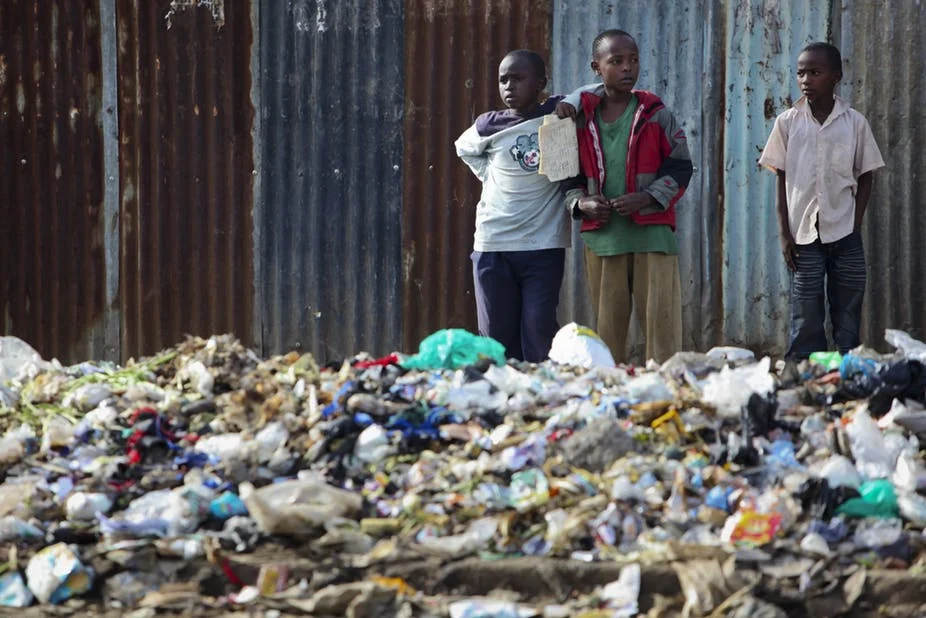
Nairobi’s current waste disposal system is fraught with major problems. EPA/Dai Kurokawa

How Nairobi Can Fix Its Serious Waste Problem

March 30, 2018

Uncollected solid waste is one of Nairobi’s most visible environmental problems. Many parts of the city, especially the low and middle-income areas, don’t even have waste collection systems in place. In high income areas, private waste collection companies are booming. Residents pay handsomely without really knowing where the waste will end up.

The Nairobi county government has acknowledged that with 2,475 tons of waste being produced each day, it can’t manage. Addis Ababa Ethiopia has a similar size population but only generates 1,680 tons per day.

Nairobi’s current waste disposal system is fraught with major problems. These range from the city’s failure to prioritise solid waste management to inadequate infrastructure and the fact that multiple actors are involved whose activities aren’t controlled. There are over 150 private sector waste operators independently involved in various aspects of waste management. To top it all there’s no enforcement of laws and regulations.

Nairobi’s waste disposal problems go back a long way and there have been previous efforts to sort them out. For example in the early 1990s, private and civil society actors got involved, signing contractual arrangements with waste generators. They often did this without informing or partnering with the city authorities.

More recently other strategies were put in place, some of which left parts of the city clean. They worked for a period, but unfortunately they weren’t sustainable because no institutional changes were made.

But there’s hope on the horizon with a new Nairobi Governor – Mike Sonko Mbuvi. He should learn from the mistakes of the past and put a new regime in place that addresses the structural problems that have plagued the city. This would include an improved improved collection and transportation plan that incorporates the private sector.

Learning from the past

In 2005 John Gakuo took over the management of city affairs as the Town Clerk. During his tenure (2005-2009) he made a deliberate effort to introduce new approaches.

When he took over the city only had 13 refuse trucks. They were able to collect a paltry 20% of the waste produced by the city. To overcome this, the authorities contracted private waste collection firms to collect, transport and dispose waste at Dandora dump site which is the biggest and the only designated site. This quickly boosted the total waste collected with levels oscillating between 45%-60%.

Other changes included:

  • The development of a proper waste collection and transportation schedule with market operators. This meant waste from open-air markets was brought to identified collection points on specific days.

  • A weighbridge to measure amounts of waste disposed at Dandora was introduced. An important way to know disposal levels vis-a-vis collection and generation.

  • Enforcement officers were deployed to prevent dumping in parts of the city that were notorious for waste accumulation.

  • Over 2,000 arrests were made, making residents aware that indiscriminate dumping was illegal and punishable under the city authority laws.

All these efforts paid off – for parts of the city. For example, the heart of the city, the Central Business District, was cleaned up and waste was brought under control.

But crucial elements that would have ensured that the changes were sustainable were left out. For example, no new physical infrastructure, like the construction of waste transfer centres and proper landfills, were built, nor was new equipment bought.

After Gakuo’s regime, the next one worth a mention is Evans Kidero’s regime (2013 - 2017). It can be credited for trying to fast-track the implementation of the Solid Waste Management Master Plan which assessed the waste management problem of Nairobi and developed projects that could be implemented to ensure a sustainable system was in place.

This ensured that while the private sector needed to help with waste collection and transportation, the government was key to institutionalising waste management services.

Thirty waste collection trucks were bought and serious investment was made into heavy equipment. And in an effort to streamline waste collection a franchise system of waste collection was rolled out. This involved dividing the city into nine zones to make it easier to manage waste.

The franchise arrangement gave private operators a monopoly over both waste and fee collections, but relied heavily on the public body for enforcement of the system.

The franchising system failed due to a lack of enforcement by the city. In addition, in-fighting broke out between the private waste collection firms that had individual contracts with waste generators and the appointed contractor.

But other changes introduced during this period were more successful and had longer lasting effect. For example new laws were introduced designed to create order in the sector. These included the solid waste management act in 2015. This classified waste and also created a collection scheme based on the sub-county system. It also put penalties in place.

In addition, in 2016, 17 environment officers were appointed and posted to the sub-counties to plan and supervise waste management operations alongside other environmental issues.

These changes planted the seeds of an efficient and working waste management system. But the regime fell down when it come to enforcement. This meant that the gains that had been made were soon lost.

What needs to be done

Expectations are high for the new regime that has taken over. It should look to fast-track the following programmes:

  • Implement an improved collection and transportation plan that incorporates private sector and civil society groups;

  • Establish a disposal facility to reduce secondary pollution from the city’s dumps;

  • Decommission the Dandora dump site;

  • Implement the re-use, reduction, and recycling of waste;

  • Establish intermediate treatment facilities to reduce waste and its hazards;

  • Create an autonomous public corporation;

  • Put in place legal and institutional reforms to create accountability;

  • Implement a financial management plan, and

  • Implement private sector involvement.

Nairobi can fix it’s waste disposal problems. All it needs is focused attention, good governance and the implementation of systems that ensure changes outlive just one administration.


This article was originally published on The Conversation.

 

LEAH OYAKE-OMBIS

Part-time lecturer and Director of the Africa Livelihood Innovations for Sustainable Environment Consulting Group, University of Nairobi
In Kenya, Environment and Sustainability, Africa, News and Social Action, Global Health & Crisis Tags nairobi, kenya, trash, cities, Environment, Sustainability, Global Health, Global Poverty, Africa
Comment

Photo credit: Waves for Water

Update from Waves for Water's Efforts Post-Hurricane Matthew in Haiti

October 22, 2016

Jon Rose, founder of the non-profit Waves for Water, sent CATALYST an update on recovery efforts in the wake of Hurricane Matthew.

It’s been just about two weeks since Hurricane Matthew made landfall on the South Western tip of Haiti. Two long, hard weeks for millions of people affected by this catastrophic event. In retrospect, I went into this one a little cocky, I think, mostly because I feel so comfortable in Haiti. It felt like no matter how bad it was going to be, it was happening in a place that feels like a second home. I thought the relief plan/action would also be easier because we have such a solid, extensive local network and team there. And I thought my own psychological capacity would be more balanced on this one because I had gone through it before, in the same country. I assumed a bunch of things… 

Well, the universe sure has a way of humbling us. In other words, I was mistaken on just about everything.

By day two on the ground, our W4W country director, Fritz Pierre Louis, and I, sat shaking our heads in disbelief. We basically had to throw everything that we thought we knew or expected out the window – to start fresh, as if this was an entirely new country. It is a different beast entirely than the 2010 earthquake that leveled Port-au-Prince.

Why? Many reasons, but I’ll list a few:

Photo credit: Waves for W

1. Scope of Destruction - 

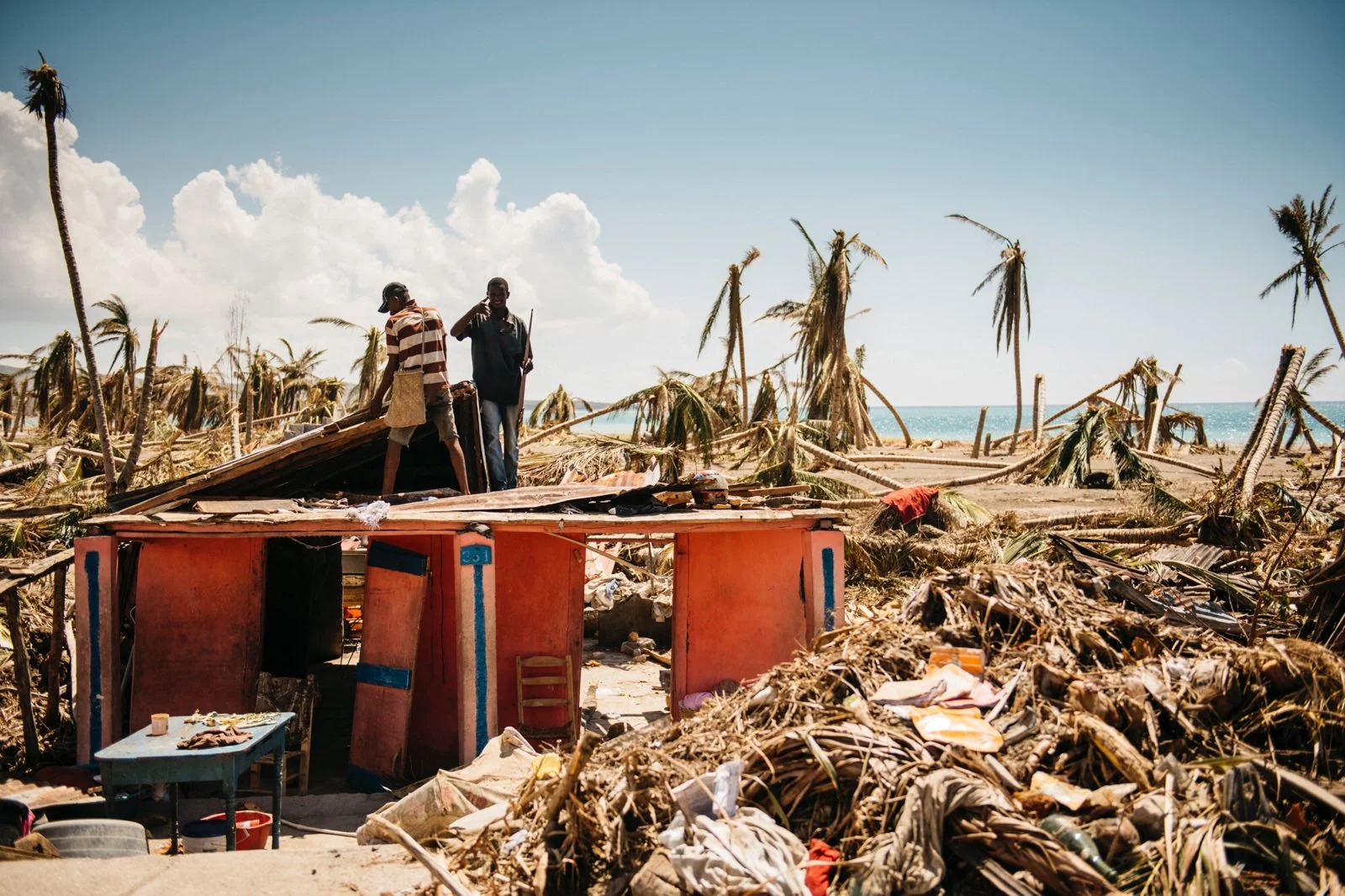
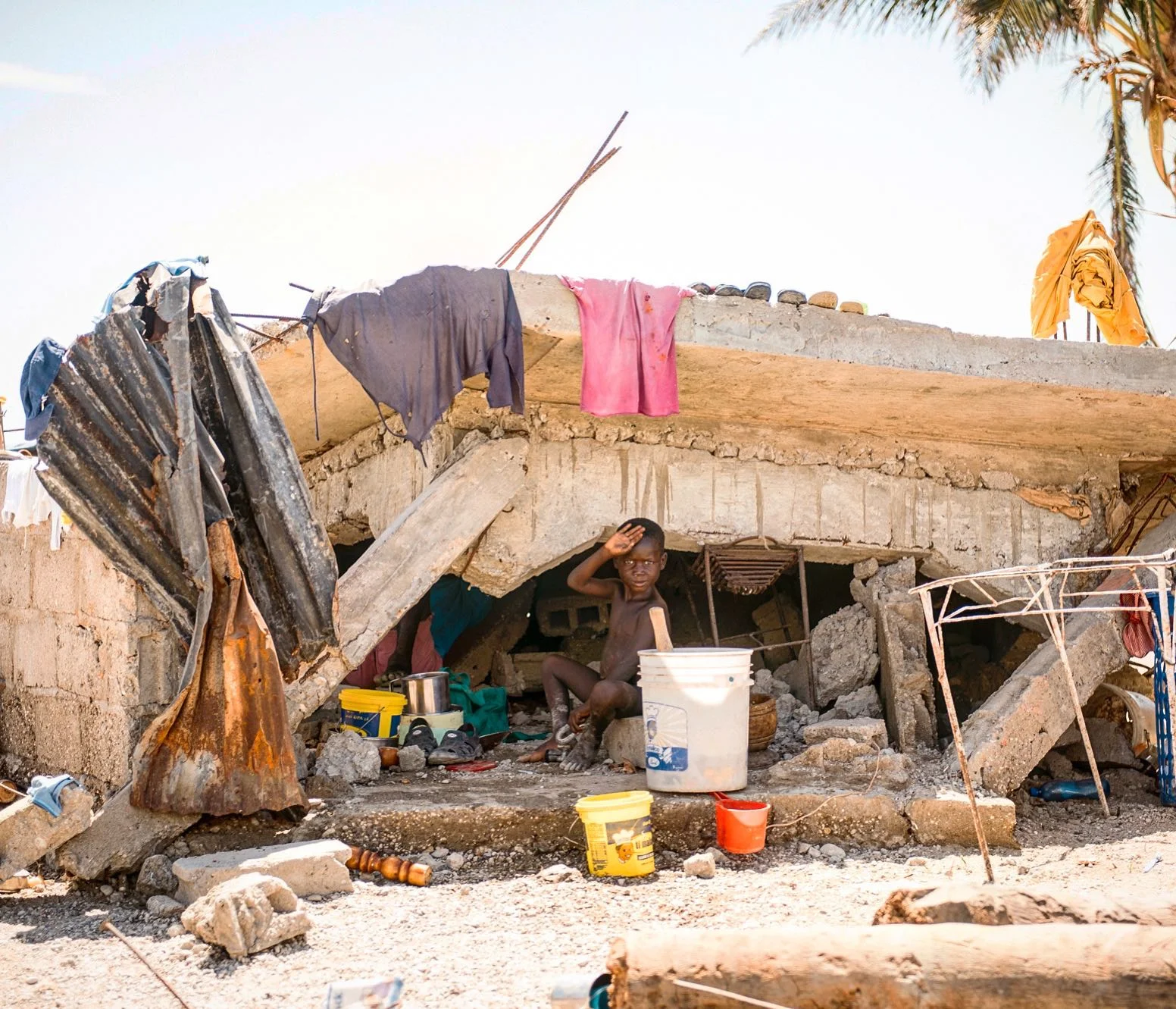
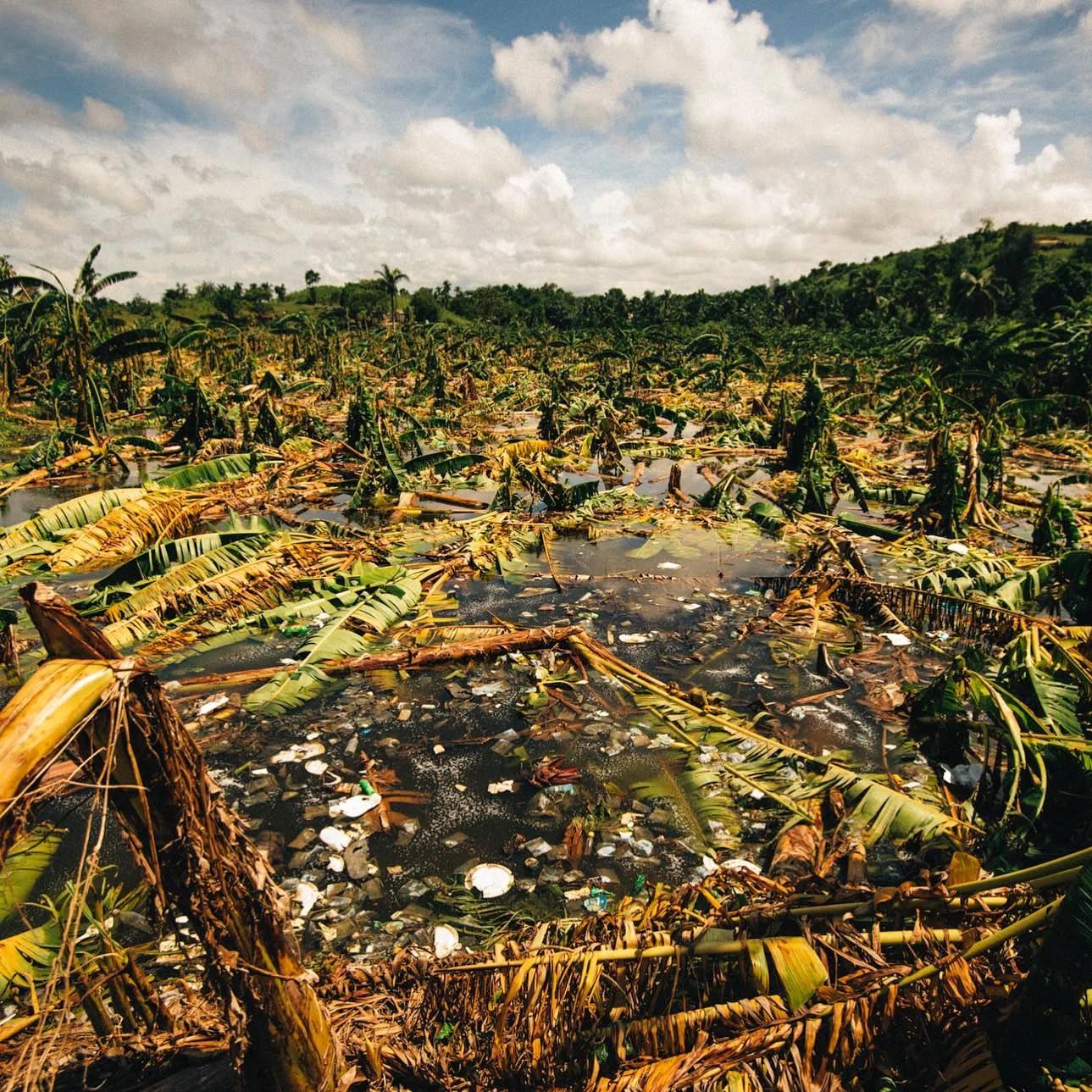
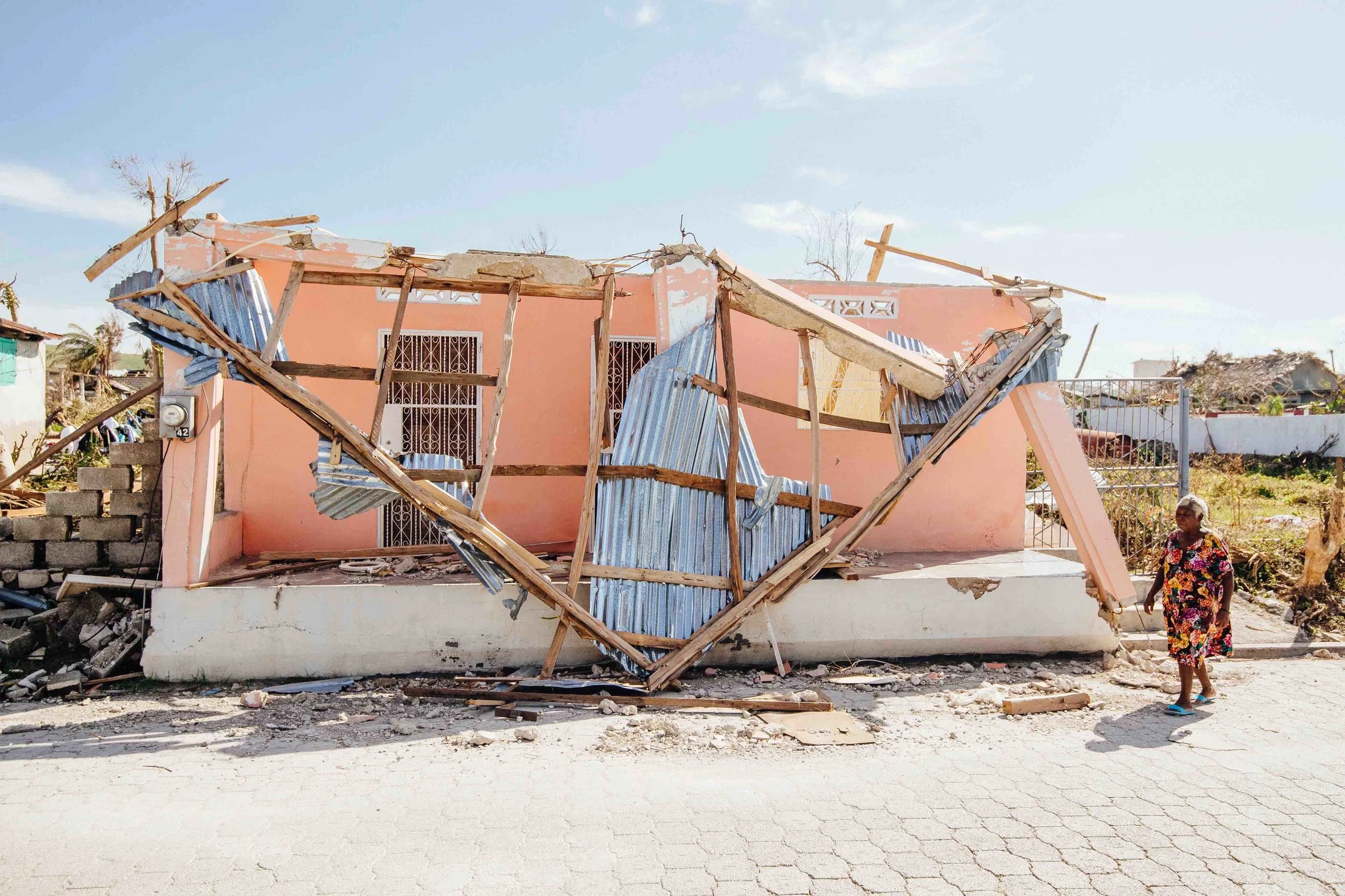
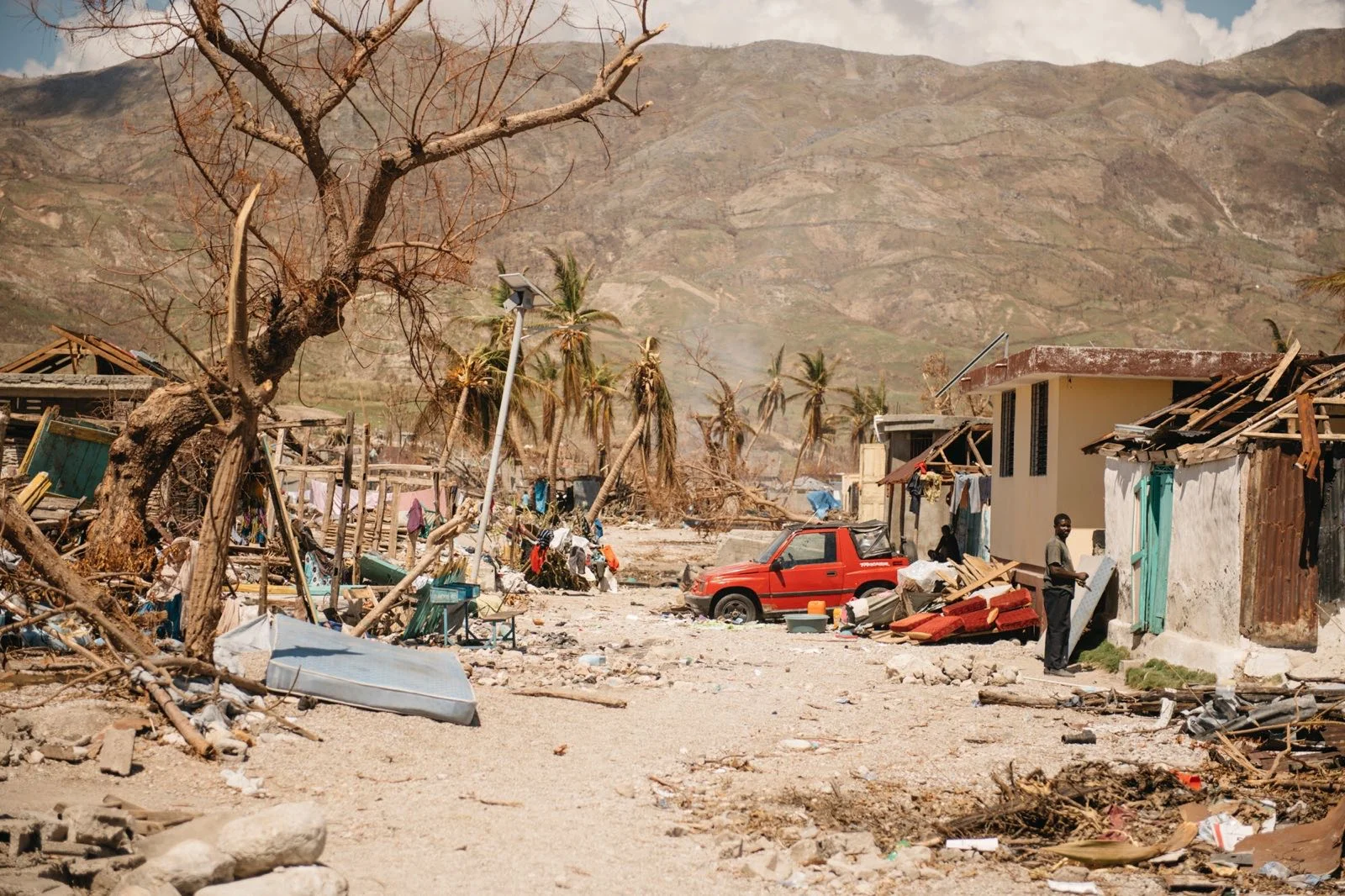
Earthquakes have an epicenter – a narrower, more pinpointed area of impact. With hurricanes of this size the swath of destruction can cover hundreds of miles in all directions, leaving town after town after town leveled. The mountain villages see tornado-force winds (140 mph) with flash flooding that turns each valley into a violent river, destroying anything in its path. The coastal towns get the worst of it with those same tornado-force winds mixed with a 15-20 ft+ storm surge (aka tsunami). Basically a storm like Hurricane Matthew is like if a tsunami and a tornado got in a fight. The sheer scale of devastation, the widespread scope, has left many very experienced relief agencies (including us) with the very hard decision of where to start first.  

2. Remote Area - 

The majority of the Southwestern tip of Haiti is quite rural. Which means that most of the towns that got hit hardest are small and hard to get to on a normal day – windy coastal roads or mountainous dirt roads the only way in or out. This was before the storm. Now, most of those roads have been compromised, leaving relief capabilities at a bare minimum. For many of these places, supplies can really only be dropped by sea or air, which both tend to have limited payload capacity. This limits not only the speed with which supplies can come in, but the quantity. And with the massive amount of need, quantity is everything at the moment. Normally, relief initiatives will set up a solid distribution outpost in or around all the ground zero areas and then create a regular flow of supplies to feed those outposts (almost always by convoys of large trucks). This just isn’t possible for many of these places, and it won’t be for some time – bridges and roads are washed out, making them only passable via 4x4 vehicles that can traverse the riverbeds.  

3. Base of Operations -

In any good, large-scale/long-term disaster relief initiative, a solid BOO (base of operations) is imperative. This is the place from which teams can do all their planning/staging. It is basically home, office, and everything in between for the duration of the initiative. It needs to be close to ground zero, but with enough breathing room to create a habitable environment. It can often be a scenario as simple/rugged as a camp with tents, or commandeering an old building, or in the best case there are hotels or private rentals available. But in all these cases, we find a way to ensure the teams are safe and have what they need to do their job – power, cell and internet service, food, water, etc. In this case, the only real option was in the city of Les Cayes, which got hit really damn hard itself. But there is an airstrip, it has some hotels still operating on generators, cell service is in and out, and there is water and food accessible. The problem is some of the hardest hit areas are 4-5 hrs drive on 4x4 roads, so the amount one team can do per day, staging from so far away, is incredibly limiting. Until some of the major infrastructural issues in that part of the country are restored (roads, power, etc), which will be months, it’s nearly impossible for relief teams to set up proper long-term operations in those hardest hit areas. The only exceptions are small, targeted teams that can travel lightly in 4x4’s because they don’t have bulky supplies, such as ours (we can carry 200 water filtration systems and 100 solar powered LED lanterns, in two 4x4 vehicles), or medical triage teams. We have seen some of the medical teams already posted up throughout the region, in whatever buildings are still standing. But those aren’t long term operations, as medical is mostly needed in this initial stage.           

These are all things I’ve encountered (individually) before, over the many disasters we've worked. But it’s the combination of them all at once that is making this thing such a beast. The only other one I’ve seen with a magnitude like this was Typhoon Haiyan in the Philippines, which is still known as the largest storm ever recorded. If Haiyan is the largest, then Matthew was its equally evil twin brother, whose only difference is being a few seconds younger.

So, what does all this mean for W4W? After two weeks of traversing the whole Southwest, we now have a very accurate assessment of the hardest hit zones and a good plan to serve them. I shall note, unlike the majority of our other disaster relief initiatives, this one will include a few new categories of relief beyond our normal focus of access to clean water. 

Despite all challenges, W4W has hit the ground running with an action plan that focuses on access to the following essentials:     

1. Water - 

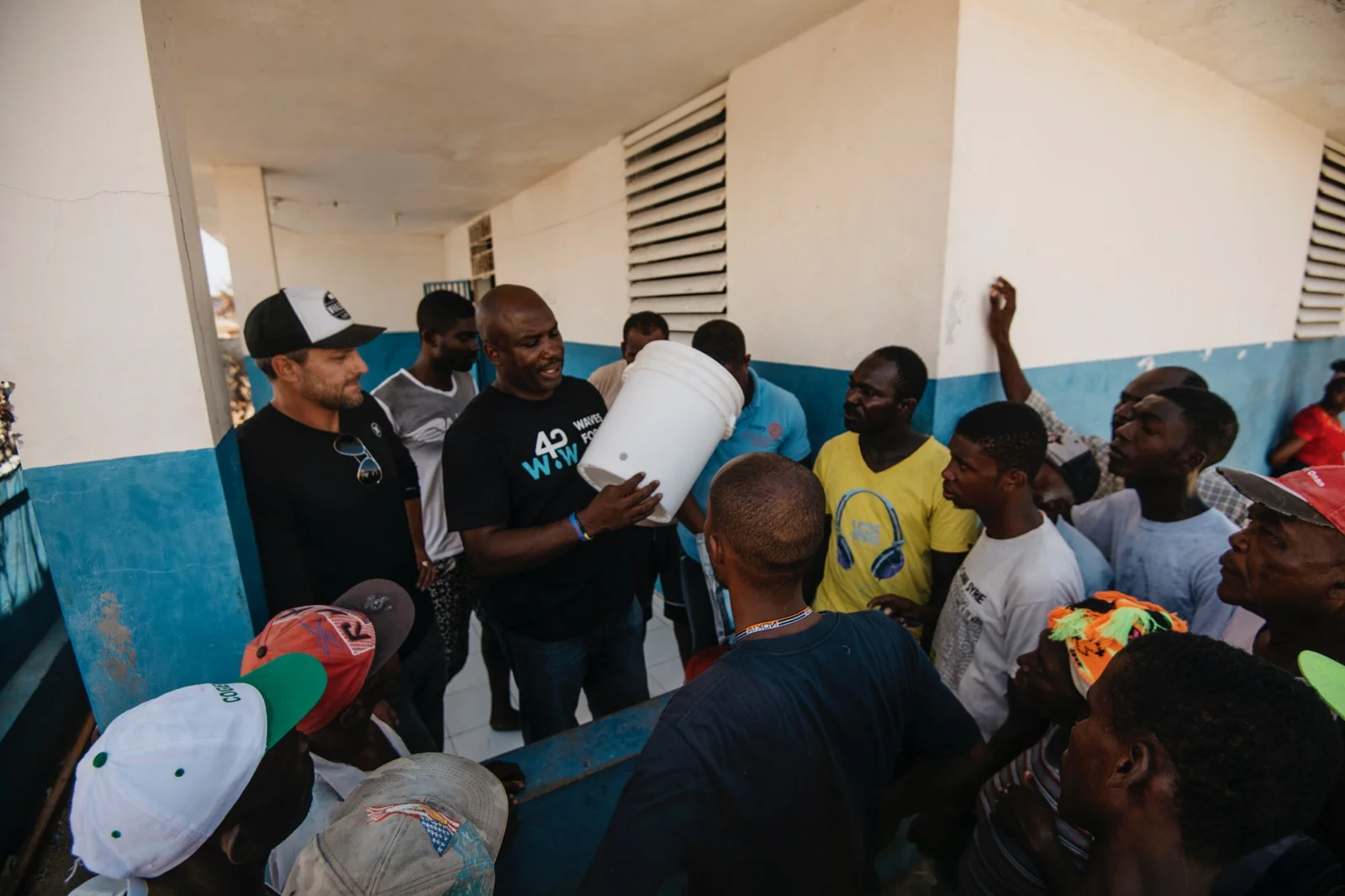
Access to clean water will still be our main focus, with a targeted implementation strategy aimed almost entirely on cholera hotspots. There have been over 20 new (Matthew related) cases of cholera that have popped up and these numbers are expected to rise dramatically in the coming weeks. Clean water is kryptonite for waterborne diseases such as cholera, so the more we target the areas where it is starting to spread, the better chance we have of curbing the amount of cases popping up, and prevent new ones. We did a very similar program in 2011, when the first outbreak happened in the Artibonite department of Haiti. In partnership with UN’s CVR division, we implemented 4,000 water filtration kits, with a full WASH (water, sanitation, hygiene) education protocol/training, directly in two of the epicenters of the outbreak (Mirebalais and Saint Marc). Shortly thereafter, reported cases leveled out. The implementation strategy for our program this time will be very similar – we’ve identified five areas where confirmed cases have popped-up, or ones we feel are most susceptible to developing them. We will focus the majority of our water filter supply on these areas. We realize that so many places need access to clean water (even before the storm), but since we have limited resources and can’t help everyone, we feel that the best way for us to make the biggest impact is to target our efforts, by tackling the cholera issue head on.

2. Light - 

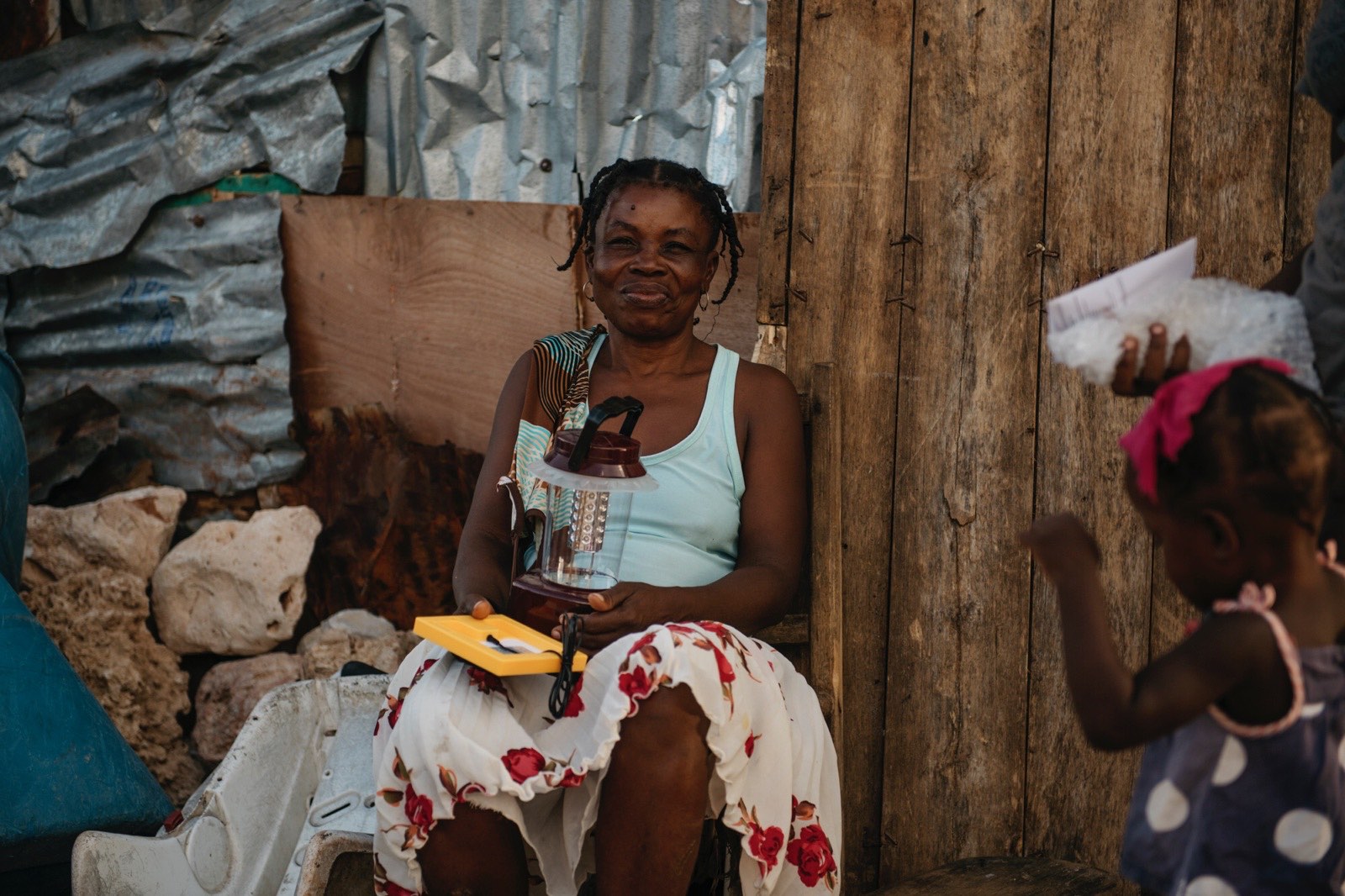
One of the main things that we feel is being overlooked is lighting. The power is out in all of these areas and will be for months. This means that once the sun goes down it is pitch black. There are obvious reasons why this is a challenge, but one of the major issues is safety. Light = community, people gather around any light source when it’s dark. To put it bluntly, a good light source dramatically cuts down the scenario of young women being alone/vulnerable in whatever dark shelter they’re staying. Right now, some families are burning small fires, inside or near their makeshift shelters. Which brings up other safety concerns in terms of breathing in smoke in a confined space, not to mention the incredible discomfort from the added heat alone. It’s already extremely hot, even at night. All of these points, we’ve witnessed personally, and has now brought this topic to the forefront for us. We feel that it is imperative to add this facet to our Matthew Relief Initiative. The lights we are implementing are solar powered LED lanterns that also have a USB port to charge a cellphone, as well as a built in radio (one of the primary ways that rural communities get their news/information). As a last little added bonus, we’ve sourced the lights in-country – so by adding them into our program, we are also contributing to the local economy.

 3. Cash for Work - 

We are establishing small scale CFW (cash-for-work) programs, focused primarily on rubble/debris removal from, starting with roads and community centers. These types of programs are widely used in development and disaster initiatives around the world. In a disaster situation, it’s a good way to help spark the local economy and fill some of the gaps left from the vacuum that follows a catastrophe such as this. The bottom line – everything has been stripped from these folks (including their jobs) and they need money, so rather than just give straight hand-outs, it's best to employ them, as there is so much to be done and they want/need the work. It's an honest job for services rendered, just like many of them had before. Local residents are already rallying and working for free to help their communities as best they can, but that doesn't put food on the table at the end of the day. The whole thing is overwhelming for them, so something like this helps to restore at least a little normalcy. 

Given the conclusions I’ve come to from the last two weeks on the ground and our vast experience in this field, I feel like we are well equipped to not only handle this, but to create a large-scale, long lasting, impact.

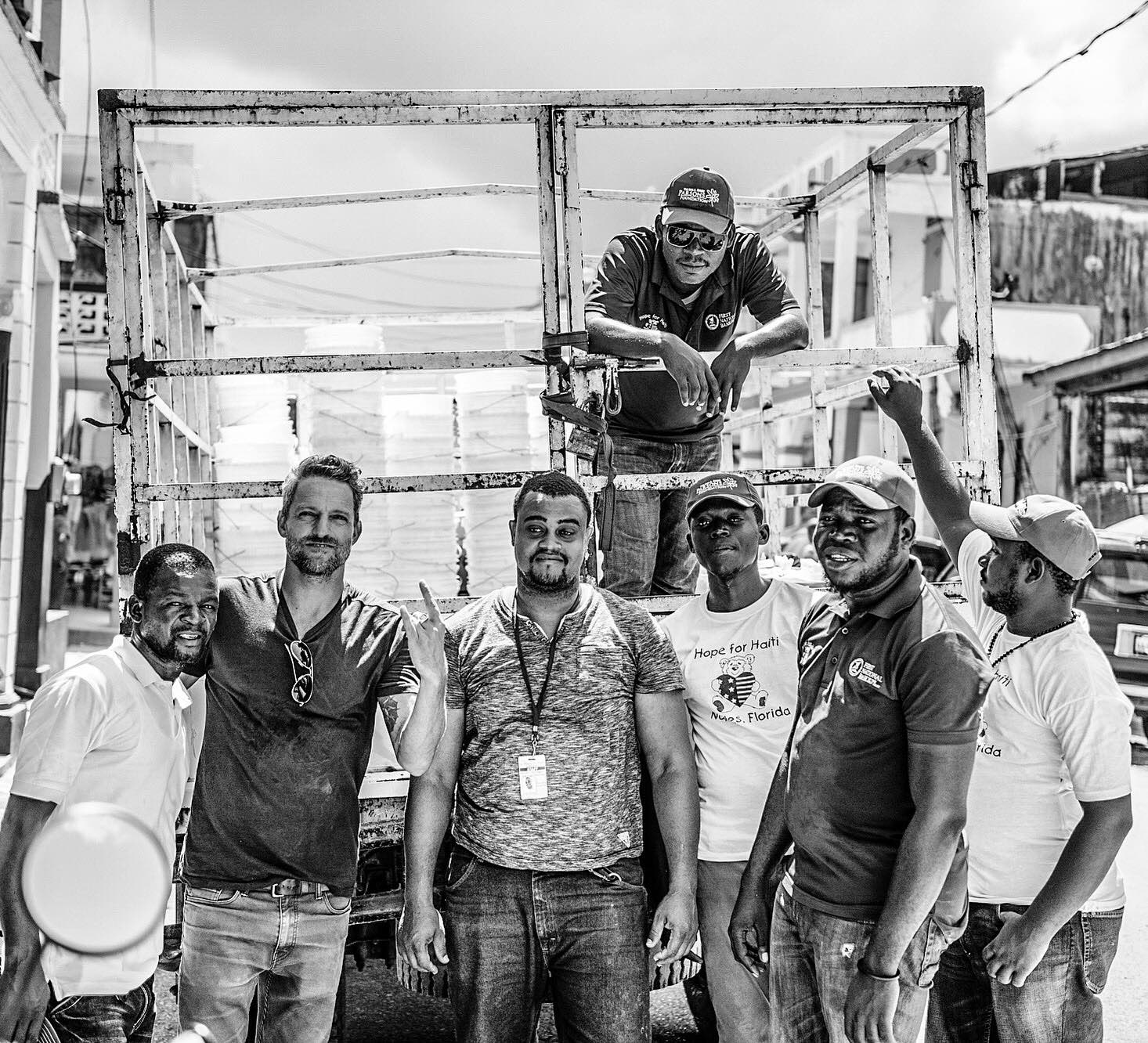
I will also note that even though these first two weeks were primarily focused around assessing the situation on the ground, we also started implementing of all three facets of the program. At this point, we've already distributed 500 water filtration systems and 300 solar lanterns in eight communities — Port Salut, Chardonnieres, Port-a-Piment, Coteaux, Les Cayes, Aquin, Jeremie, and Leogane. We've done this through some of our existing local networks and in collaboration with NGO partners such as (Les Cayes based) Hope for Haiti and local Rotary Club chapters. Lastly, in terms of our CFW (cash-for-work) initiative, we kicked things off with the clearing of rubble/debris on the main road in Chardonnieres. 

As our programs gain more traction in the coming weeks/months, more updates from us will follow. Thanks to all of you who have supported and believed in this initiative so far… this stuff simply doesn’t happen without you.

Look out for updates from W4W on their website: www.wavesforwater.org


Jon Rose

@wavesforwater

Jon Rose is the founder and CEO of Waves for Water, a non-profit organization that helps bring clean water to areas that lack consistent access to it. W4W does this through its Clean Water Courier program, which is based on a Do-It-Yourself humanitarian model. 

In Humanitarian, Haiti, News and Social Action, North America, Global Health & Crisis Tags haiti, humanitarian, Disaster Relief, Human Rights, North America
Comment

VIDEO: SolarAid Gives Light to Millions of Africans

July 16, 2015

Throughout Africa, hundreds of millions live without access to electricity. For light, many use toxic and expensive kerosene lamps; simultaneously harming the environment while keeping families within the grips of poverty. SolarAid is aiming to disrupt this market by providing those in need with cheaper and safer solar lights. Solar lights are more safe for the environment as well, which is important when combating climate change. With more than one million lights sold, that change is becoming tangible.

CONNECT WITH SOLARAID

In News and Social Action, Africa, Video, Global Health & Crisis, Environment and Sustainability Tags Global Poverty, Climate Change, Sustainability, Africa
Comment
← Newer Posts

Also check out...

Featured
Vietnam’s Floating Markets Are Disappearing
The Supernatural Role of Masks in Nigeria’s Yoruba Tribal Culture
Opening the World to Deaf Travelers with Lily Yu

Featured trips

Featured
Explore Kerala on a Birding Expedition
Travel From Phnom Penh to Bangkok
See the Best of Uganda and Its Mountain Gorillas

Sign up for the CATALYST newsletter

Sign up for our newsletter to get the scoop on international travel, global social impact insights, our latest podcast releases, and more from around the world, all delivered right to your inbox!

We respect your privacy.

Thank you!
Newsletter Sign Up | Advertise | Careers + Internships | Privacy Policy | Submissions | Contact Us

Copyright © 2025, MISSION MEDIA LLC. All rights reserved.