
In Bolivia, the glaciers are melting. Samuel, an old ski lift operator, is looking out of a window on the rooftop of the world. Through generations his family lived and worked in the snowy mountains, but now snow fails. While scientists are discussing and measuring ominous changes Samuel honors the ancient mountain spirits. Clouds continue to drift by.
What You Need to Know About Water and Sanitation
Water, Sanitation and Hygiene, or WASH, are issues that affect the health and wellbeing of every person in the world. Everyone needs clean water to drink. Everyone needs a safe place to pee and poop. And everyone needs to be able to clean themselves. For many people, WASH concerns are taken for granted and their combined impact on life isn’t always appreciated.
But for hundreds of millions of others, water, sanitation and hygiene are constant sources of stress and illness. The quality of water, sanitation and hygiene in a person’s life is directly correlated to poverty, as it is usually joined by lack of education, lack of opportunity and gender inequality.
What's the scope of the problem?
780 million people do not have regular access to clean water.
2.4 billion people, or 35% of the global population, do not have access to adequate sanitation.
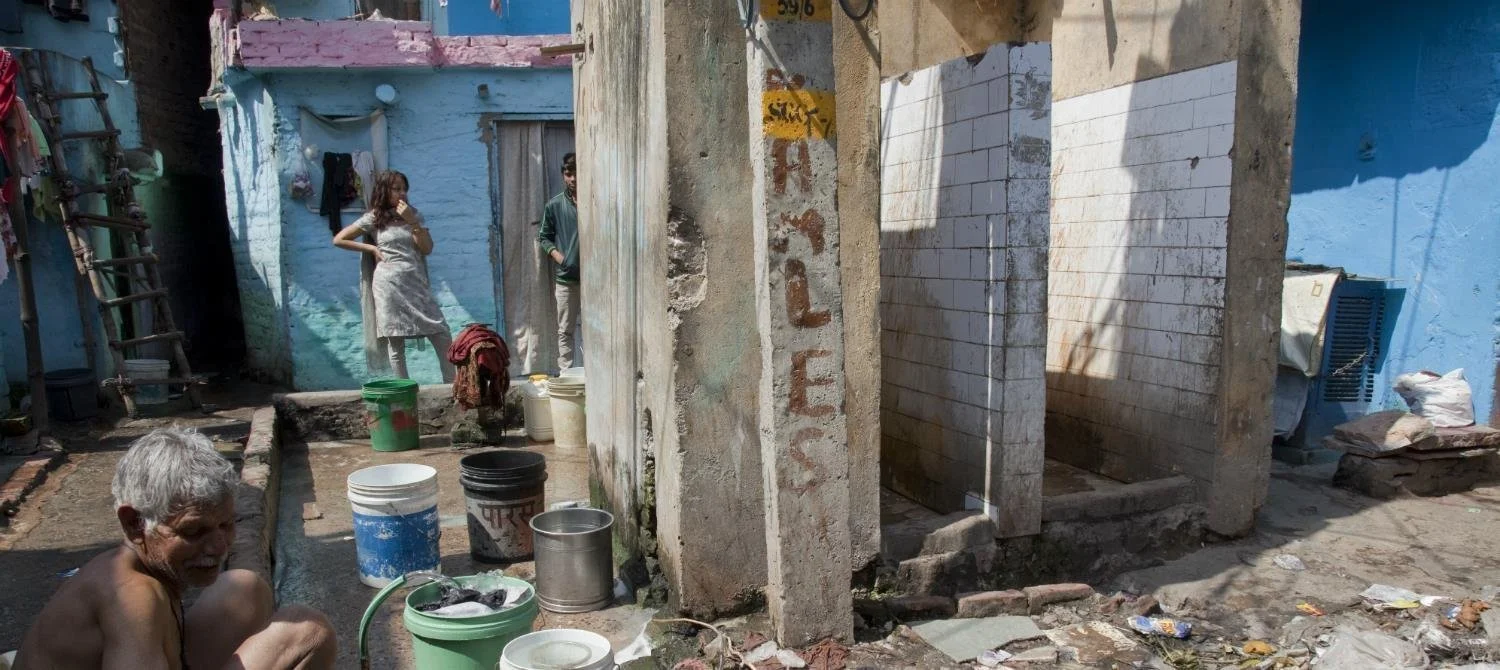
Photo credit: Flickr - Gates Foundation
Inadequate sanitation generally means open defecation. When people defecate in the open without a proper waste management system, then the feces generally seeps into and contaminates water systems. Just standing in an open defecation zone can lead to disease, if, for instance, the person is barefoot and parasites are there.
The problem is concentrated in Sub-Saharan Africa, Southern Asia and Eastern Asia. The country with the most people lacking adequate WASH is India.
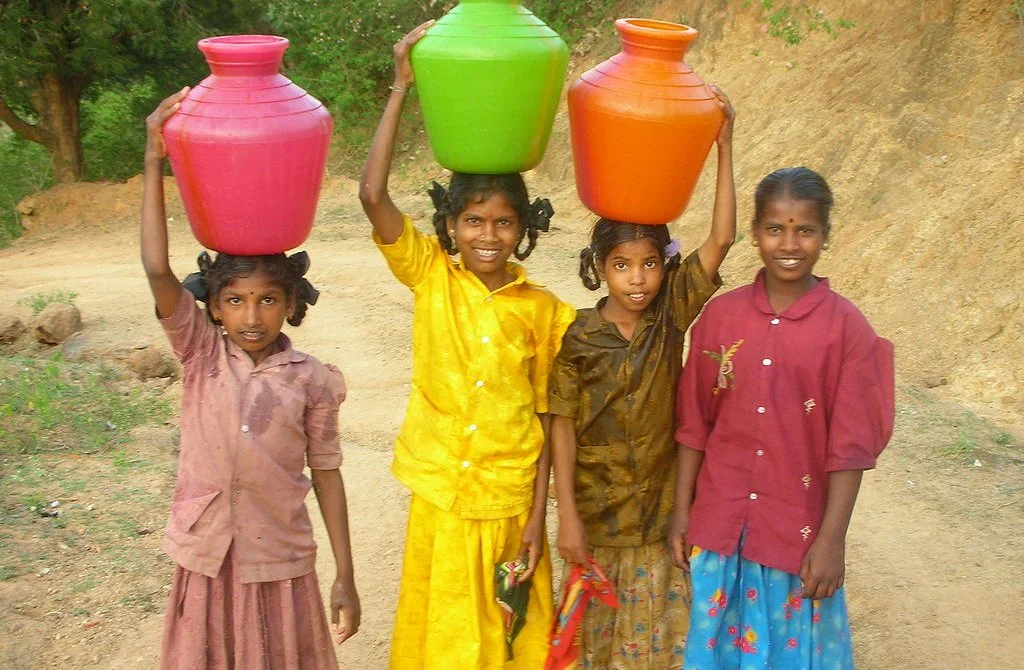
Girls are the hardest hit by lack of clean water and sanitation for a few reasons. When schools lack functional toilets or latrines, girls often drop out because of the stigma associated with periods. Also, when families don’t have enough water, girls are generally forced to travel hours to gather some, leaving little time for school. This lack of education then contributes to higher poverty rates for women.
What are the health risks?
There are a lot of health risks associated with inadequate WASH. Just imagine what it would be like if you were drinking contaminated water and everyone in your community defecated in the open.
801,000 kids under the age of 5 die each year because of diarrhea. 88% of these cases are traced to contaminated water and lack of sanitation.
More than a billion people are infected by parasites from contaminated water or open defecation. One of these parasites is called the Guinea Worm Disease, which consists of worms up to 1 meter in size that emerge from the body through blisters.
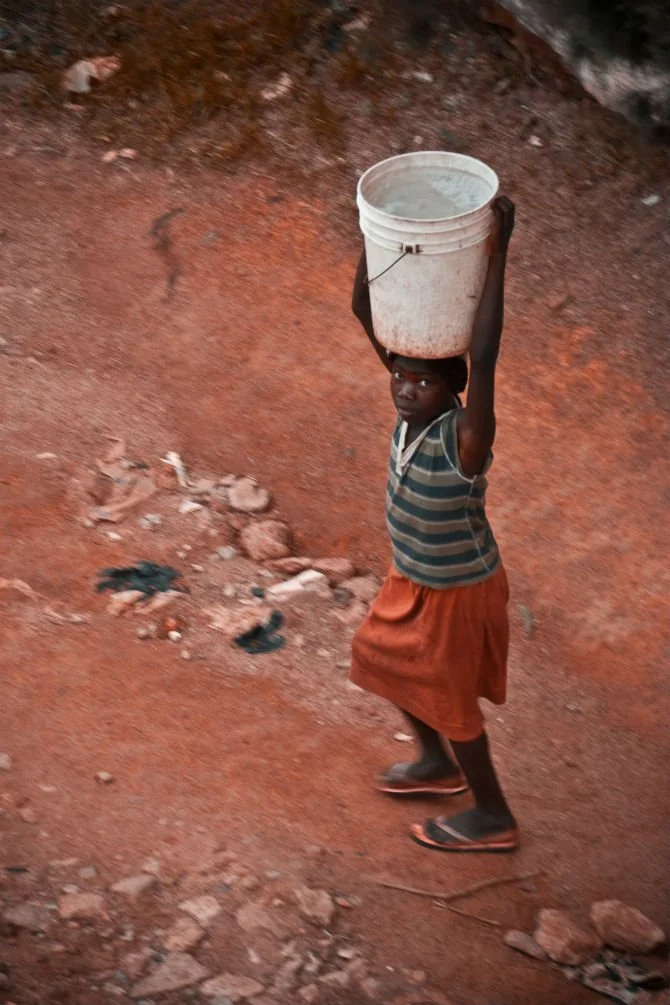
Photo credit: Flickr - Andrew Moore
The bacterial infection Trachoma generally comes from contaminated water and is a leading cause of blindness in the world.
Other common WASH-related diseases include Cholera, Typhoid and Dysentery.
And, again, step back to consider what life without clean water and adequate sanitation would be like. A lot of your time would be spent trying to get clean water and avoid sanitation problems in the first place. And the hours not revolving around these concerns would probably be reduced quality of life because of the many minor health problems associated with poor water quality. Ultimately, inadequate WASH leads to reduced quality of life all the time.
What's being done?
For every $1 USD invested in WASH programs, economies gain $5 to $46 USD. In the US, for instance, water infrastructure investments had a 23 to 1 return rate in the 20th century. When people aren’t always getting sick, they’re more productive and everyone benefits.
While the numbers are daunting, a lot is being done. And the economic benefits of WASH investments make the likelihood of future investments and future progress much higher.
Some investments are small-scale, others are large-scale. On the smaller side of the spectrum, investments can go toward water purification methods, community wells or sources of water and the construction of community latrines.
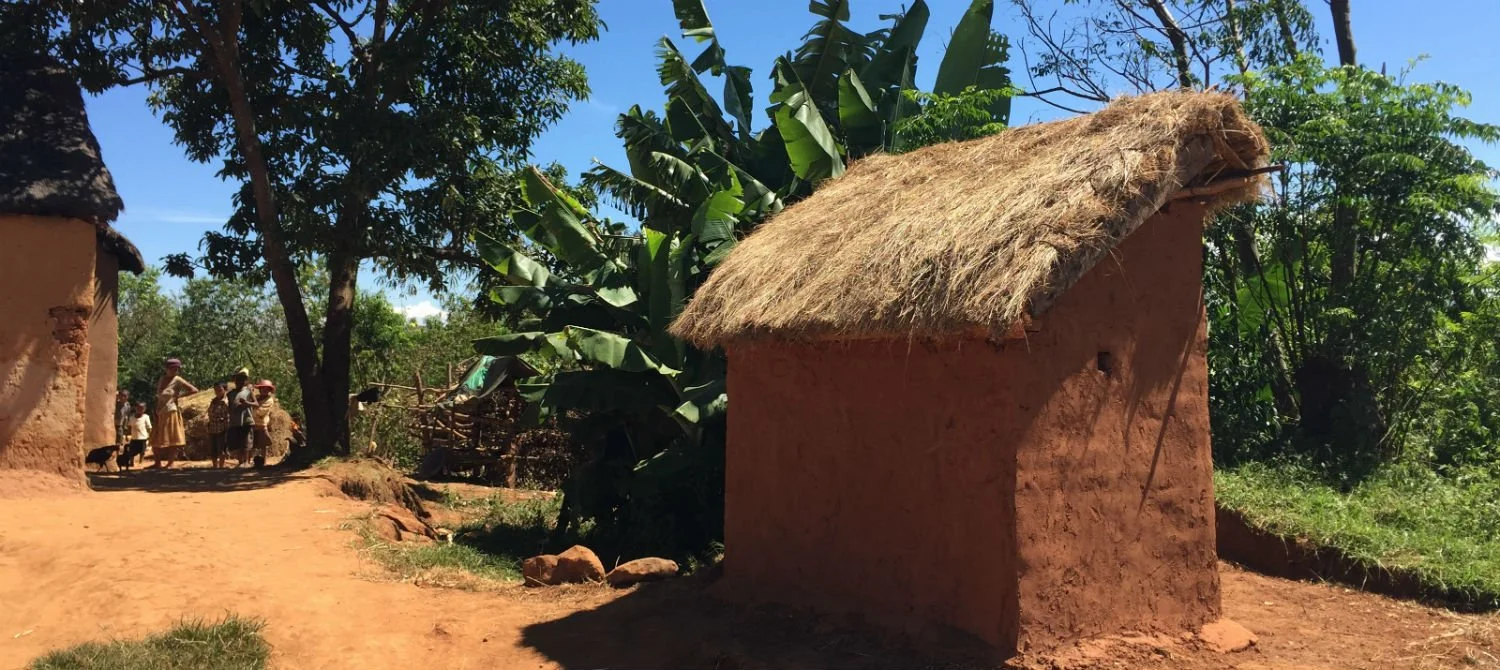
Photo credit: Michael Sheldrick
For instance, in a slum in Nairobi, Kenya, the government recently installed ATM-style water dispensers that provide clean water to the whole community.
Larger scale investments include piped household water connections and household toilets with adequate sewage systems or septic tanks.
An often overlooked aspect of WASH involves behavioral hygiene, and, more specifically, hand washing. Simply washing your hands with soap can reduce the risk of various diseases, including the number 1 killer of the world’s poorest children: pneumonia.
What progress has been made?
In 1990, 76% of the global population had access to safe drinking water and 54% had access to adequate sanitation facilities.
In 2015, even though the population had climbed by more than 2 billion people, 91% of people had access to safe drinking water and 68% had access to improved sanitation.
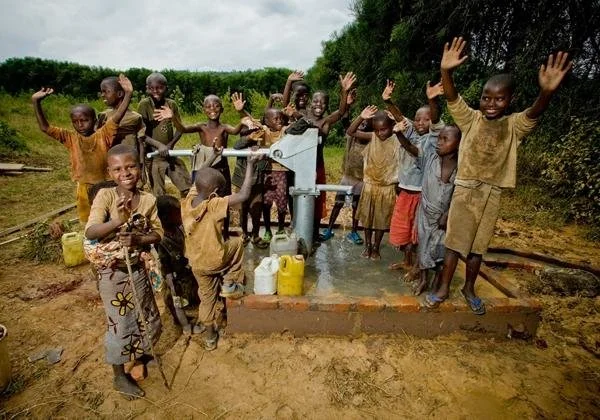
That means in 25 years, 2.6 billion people gained access to safe drinking water and 2.1 billion gained access to improved sanitation.
India is currently in the process of an unprecedented WASH investment program. At the 2014 Global Citizen Festival, Prime Minister Narendra Modi committed to end open defecation in the country and has since mobilized substantial resources with the help of The World Bank.
What role does Global Citizen play in all this?
Global Citizen puts pressure on world leaders to focus on and direct money to poverty solutions around the world. When it comes to WASH, global citizens have helped raise awareness of the various associated problems and motivate politicians to invest in specific programs.
ORIGINALLY PUBLISHED ON GLOBAL CITIZEN

JOE MCCARTHY
Joe McCarthy is a Content Creator at Global Citizen. He believes apathy is the biggest threat to creating a more just world and tries his hardest to stay open-minded and curious. Living in New York keeps him aware of how interconnected our world is, how every action has ripples.
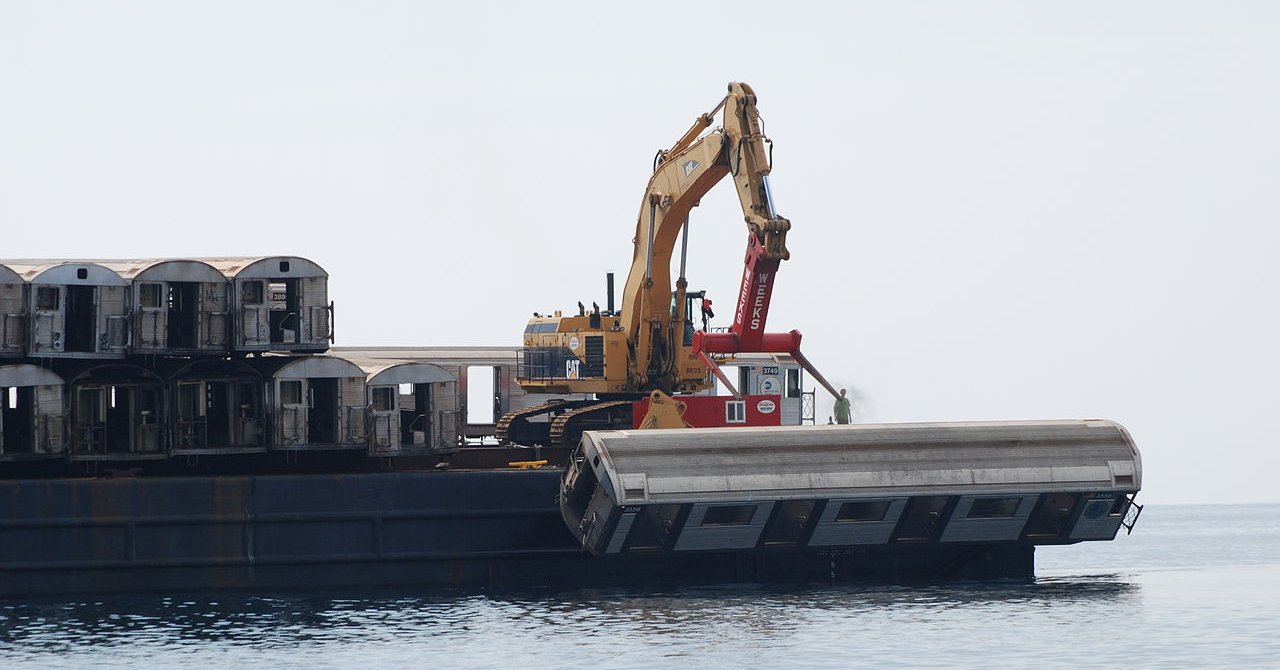
Photo credit: Wikipedia Commons - scdnr
VIDEO: Old Subway Cars and Planes Get a Second Chance Underwater as Thriving Ecosystems in the USA
We’ve have all heard the phrase, “one man’s trash is another man’s treasure,” but New York's Metropolitan Transit Authority has turned their trash into a marine treasure.
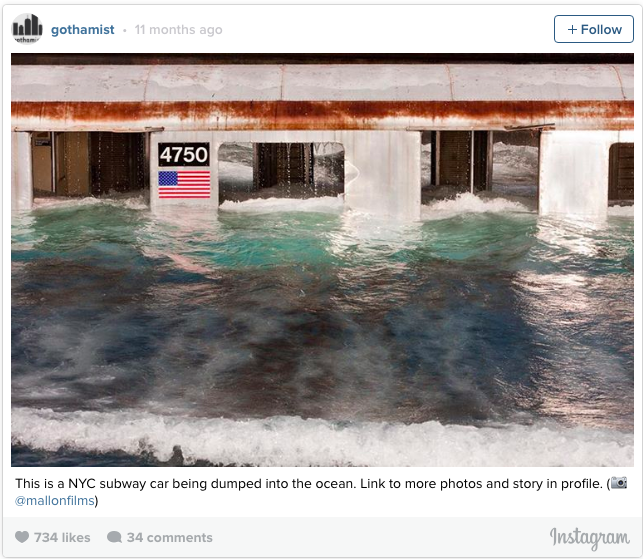
Over 2,500 retired New York City subway cars have been hauled out to the the deepest, coldest parts of the Atlantic ocean and thrown overboard one by one into the ocean using a hydraulic lift. But before you panic, it’s okay. It’s actually a good thing!
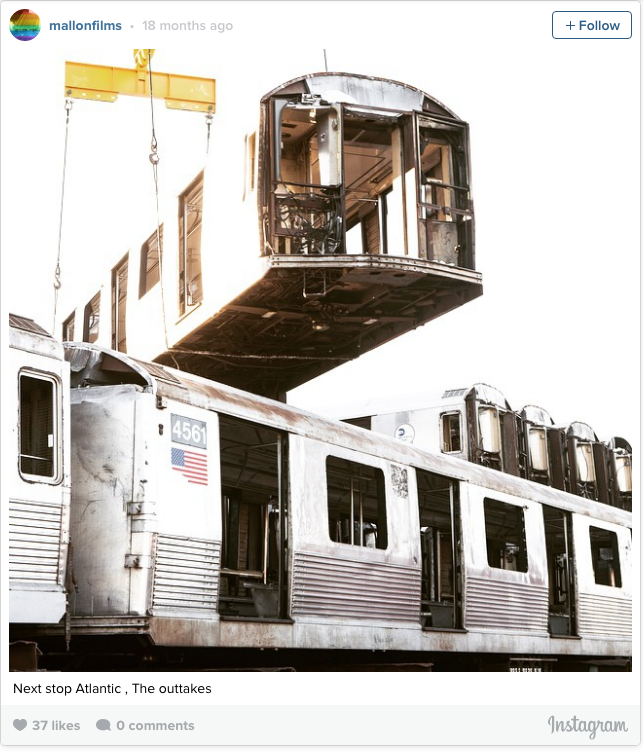
As these stripped carbon steel subway cars reach the darkest lows of the ocean floor they are warmly welcomed by their soon-to-be marine life inhabitants. Over time, the cars become part of the underwater ecosystem, creating an artificial reef system, providing surfaces for invertebrates to live on and shelter for fish playing hide and seek with their predators.
The Subway cars act as “luxury condominiums for [the] fish,” providing more surface area for food and marine life to grow and flourish.
Though the project ended in 2010 and no new cars have been taken to sea, the Delaware Department of Natural Resources and Environmental Control has reported a 400% increase in the amount of marine food available per square foot. While this particular project only ran for 10 years, the changes it sparked are self-sustaining and the benefits will last much longer than that.
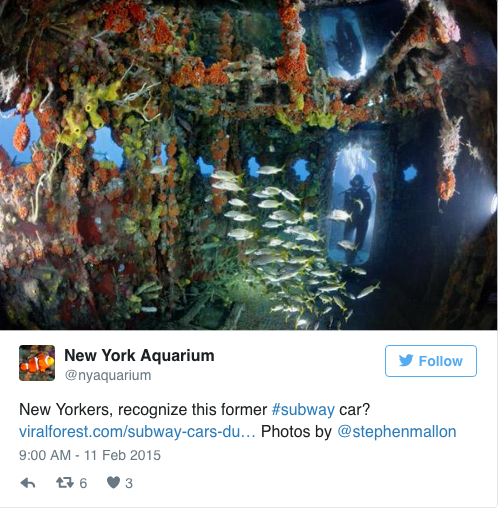
Restoring the ocean’s reefs helps to restore balance to marine ecosystems that have been damaged by pollution, coral bleaching, and overfishing which can allow algae to overtake and smother reefs.
Oceans make up 97% the world’s water, produce half of its oxygen, provide food and livelihoods, and regulate climate. But we’re damaging reefs and polluting the water. It’s important that we work towards restoring our oceans and reefs to preserve marine life and return balance to the system.
The benefits of creating artificial reefs from retired subway cars are two-fold. Sinking these cars is a great way to recycle them, without sinking the MTA’s budget, and goes a long way toward restoring reefs.
It’s worked so well that Turkey just put a plane into the water in the hopes of creating a thriving artificial reef and capturing the attention of experienced divers.
Now don’t you wish you could get a little subway car or plane for your fishbowl?
ORIGINALLY PUBLISHED ON GLOBAL CITIZEN

ZAIMAH ABBAS
Zaimah Abbas is a social media associate at Global Citizen.

DANIELE SELBY
Daniele Selby is a freelance writer for Global Citizen. She is currently a Master's of International Affairs candidate focusing on human rights and humanitarian policy at Columbia's University's School of International and Public Affairs. She believes that education and equal provision of human rights will empower change.
4 Ways Climate Change Is Affecting Food Security Right Now
1. The people who are causing the least emissions are suffering the most

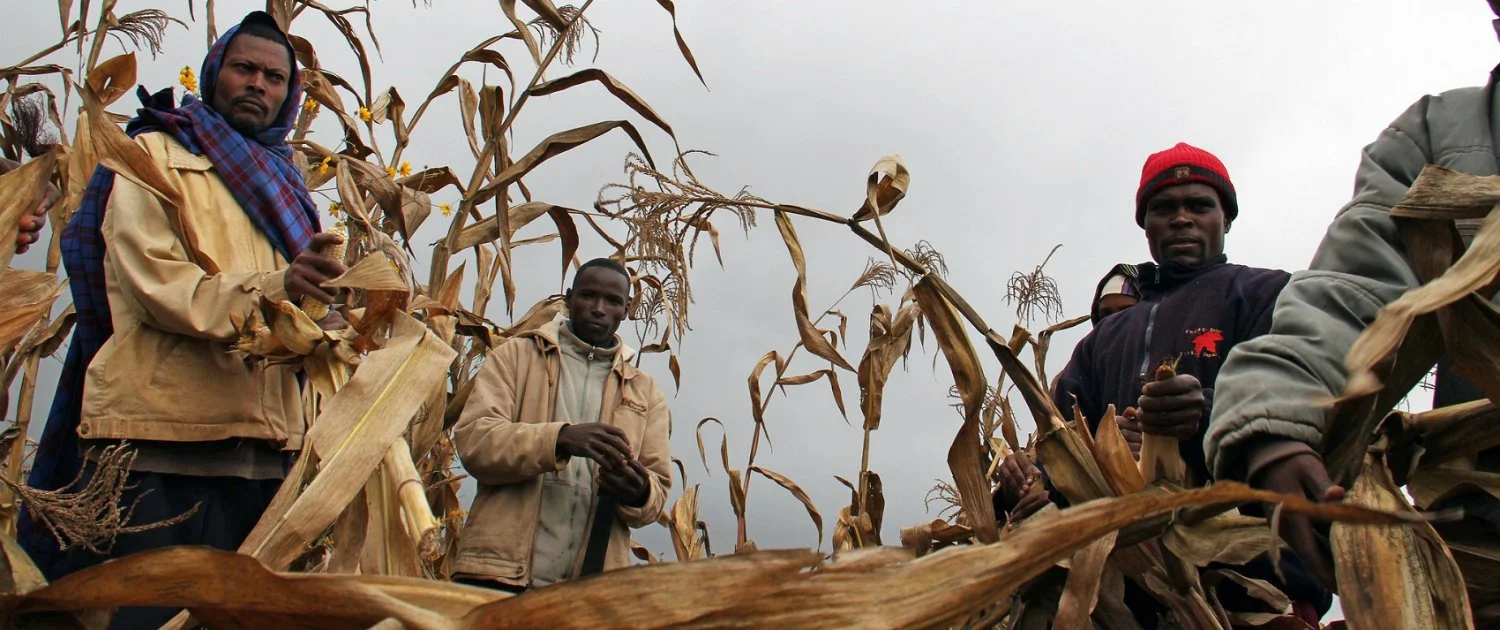
More extreme weather conditions are already producing unprecedented droughts and flooding across the developing world. Just this month the severity of the El Nino weather system threatens to leave 4 million people in Papua New Guinea without water. The nation is one of the poorest countries in the world 83% of its food is produced in-country, meaning severe weather could be catastrophic for food security.
2. Poorer women are bearing the brunt of this suffering
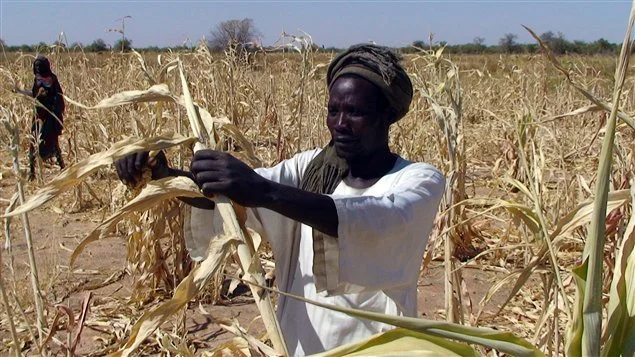
Given that in many of the world’s poorest countries women are acknowledged as owners of crops rather than land, when extreme weather conditions hit they are more vulnerable to destitution. For example, a yield of crops can be totally washed away by a flood but the land it’s on cannot, so the crop owner is worse-off while the landowner does not lose their asset.
Women also lack access to timely climate information. For example, when El Nino struck Peru in 2002, only fishermen were informed due to its potential to affect fish supplies, despite women managing all household budgets.
3. It's affecting how many fish there are in the sea
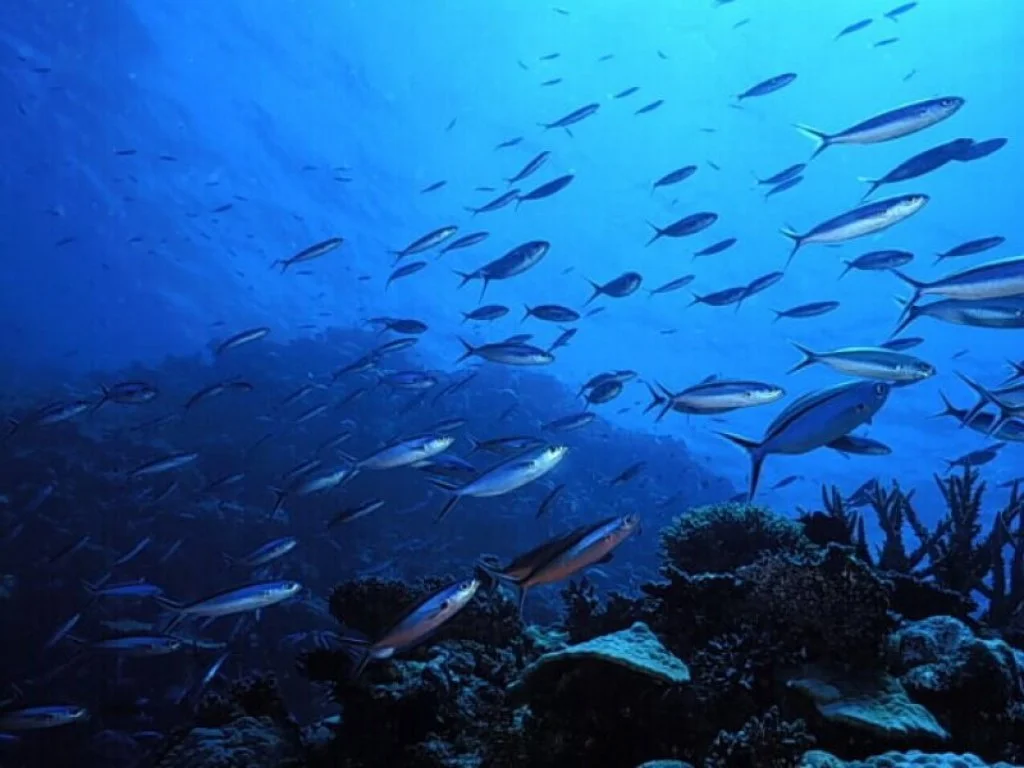
According to a recent report from the UN climate panel, extreme changes in weather and ocean conditions have meant that fish catches in some of the tropics are down between 40 and 60%.
4. Prices are increasing, which means political instability
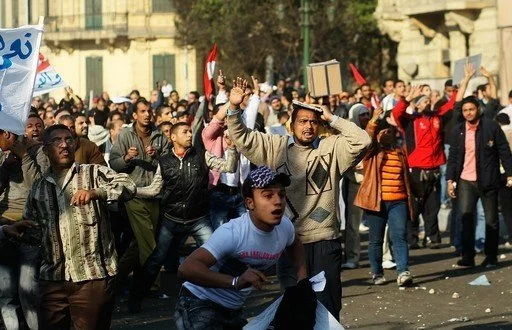
Food prices were seen as a contributing factor to the Arab Spring Uprising in 2011.
The decline in water availability caused by climate change, as well as erratic flood-drought patterns, has already led to increasingly unstable food prices across the world. Many developing countries are having to rely on food imports, which is particularly expensive given global transportation costs are rising as well.
Many have suggested an increase in food prices were at the root of such recent political upheavals as the Arab Spring. While political change is not always a bad thing, it does pose a risk- an IMF report charting food prices from the 1970’s argues that there is a strong link between rising food prices and ‘deterioration of democratic institutions.’
This trend is only likely to get worse- estimates from the Institute for Food Policy Research suggest prices for certain foods, including maize and sorghum which are the staple diet for a majority of sub-Saharan Africans, could increase by over 100% by 2050.
ORIGINALLY PUBLISHED ON GLOBAL CITIZEN

SAM JONES
Sam Jones is a Campaigns Assistant for The Global Poverty Project. He has a background in public affairs and communications, and his writing has previously been features in New Statesman and Global Citizen. In his spare time, he is a committed campaigner for social and gender equality and plays in a hardcore punk band. Once, he saw Woody Allen coming out of a hotel, but was too scared to talk to him.
See How It Feels to Be an Ocean Animal Stuck in a Plastic Bag
Imagine being trapped inside a huge plastic bag. Each year, more than a million marine creatures and other birds and animals die from plastic trash.
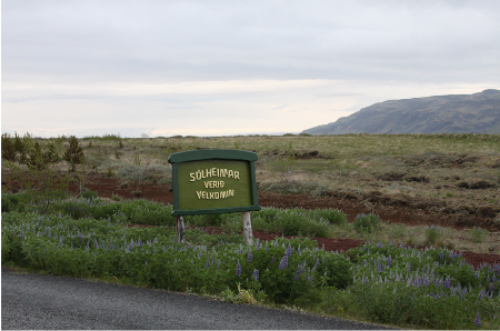
ICELAND: Home of the Sun — My Stay in an Eco-Village
We stood in a circle, holding hands. The early morning dew clung to and soaked the bottoms of my shoes, and I shivered from the wind and the excitement at welcoming the day with the people of Sólheimar. My eyes followed the held hands around, taking in a couple of young twenty-year-olds embedded in between more sober looking adult leaders of the community and the elderly.
Earlier, as groups made their way over to the morning meeting, the warmth with which the young and old greeted each other warmed me up despite the cold and the constant overcast sky. Here in the middle of farmlands and sheep, Sólheimar is an eco-village, an intentional community where the abled live along the disabled in a sustainable manner.
Sólheimar owes its founding to Sesselja Hreindís Sigmundsdóttir in 1930. Ahead of her time, especially in pre-industrial Iceland, Sesselja created the first orphanage at Sólheimar for children who are mentally disabled. She believed strongly in encouraging artistic expression in the mentally disabled, a novel concept from Rudolf Steiner in Germany. Sesselja, regarded as crazy by some in the Icelandic government for her insistence on allowing interactions between normal and disabled children and her equally important work in biodynamic farming, experienced significant roadblocks in the establishment and expansion of Sólheimar, but she overcame the judgment of the skeptics and eventually secured funding and approval from the government for her work.
The village of a hundred inhabitants sits snuggly and unassumingly in the geothermal region of southwestern Iceland; its location keeps it far-removed from the bustle of the modern capital of Reykjavik. Instead, people at Sólheimar farm and make crafts to sustain their peaceful lifestyle. Today, the President of Iceland scheduled a visit. The occasion has sent all the residents of Sólheimar busy bustling in preparation. Compared to government opposition to the project during Sólheimar’s early history, this occasion reveals that much has changed in the way Iceland perceive ideas of sustainability and social equity.
Sólheimar has embraced the concept of reverse integration where abled people accommodate and structure their lives around the disabled. Every inhabitant of Sólheimar is employed in some way in the village, whether it is cooking, taking care of the greenhouse vegetables, or making candles in the craft workshops, so everyone has a stake in the wellbeing of the community.
The first thing that caught my eye when I walked into the guest rooms was the extensive recycling system, consisting of five or six multicolored buckets each labeled with a different type of material. Sólheimar strives to function with 100% sustainability on all three pillars — environmental, economic, and social. Nevertheless, waste remains, and Sólheimar depends on outside funding.
Socially, the society functions like a well-oiled machine. The residents are the friendliest people I’ve ever met. The four-day stay here is filled with smiles, offers to try the cucumbers in the greenhouse, sharing their artwork. In the corner of the village sits a troll garden, and the dim light makes you believe that maybe, just maybe, fairies live here.
ORIGINALLY PUBLISHED ON THE YALE GLOBALIST

JINCHEN ZOU
Jinchen is an undergraduate at Yale University from Houston, Texas. As a contributor to The Yale Globalist, she is an avid traveler. Jinchen also contributes to TheProspect.net, a culture/lifestyle magazine that includes helpful resources for college applicants.
The World From Space
As citizens of a global community, it is important to be reminded of what it means to be "home."
VIDEO: Expedition to The End of The World Explores Greenland
The film, The Expedition to the End of World, is a snapshot of the participating artists and scientists or their projects on the schooner Activ in northeast Greenland. A snapshot representing the filmmakers’ use of this unusual opportunity, the film explores what life is like in the arctic Greenland. Artists and activists were involved in the film. No obligations or performance contracts, the film shows just pure exploration of the worlds of nature, science and art.
CONNECT WITH EXPEDITION TO THE END OF THE WORLD
VIDEO: SolarAid Gives Light to Millions of Africans
Throughout Africa, hundreds of millions live without access to electricity. For light, many use toxic and expensive kerosene lamps; simultaneously harming the environment while keeping families within the grips of poverty. SolarAid is aiming to disrupt this market by providing those in need with cheaper and safer solar lights. Solar lights are more safe for the environment as well, which is important when combating climate change. With more than one million lights sold, that change is becoming tangible.
CONNECT WITH SOLARAID
Wild Rivers Survive HidroAysen Dam Plan
Patagonia Sin Represas ! ! !
Good news recently in wild ecosystem preservation, and hopefully for sustainable energy in South America. This development came out of a fight we encountered two years ago . . . in a land far, far away . . . .
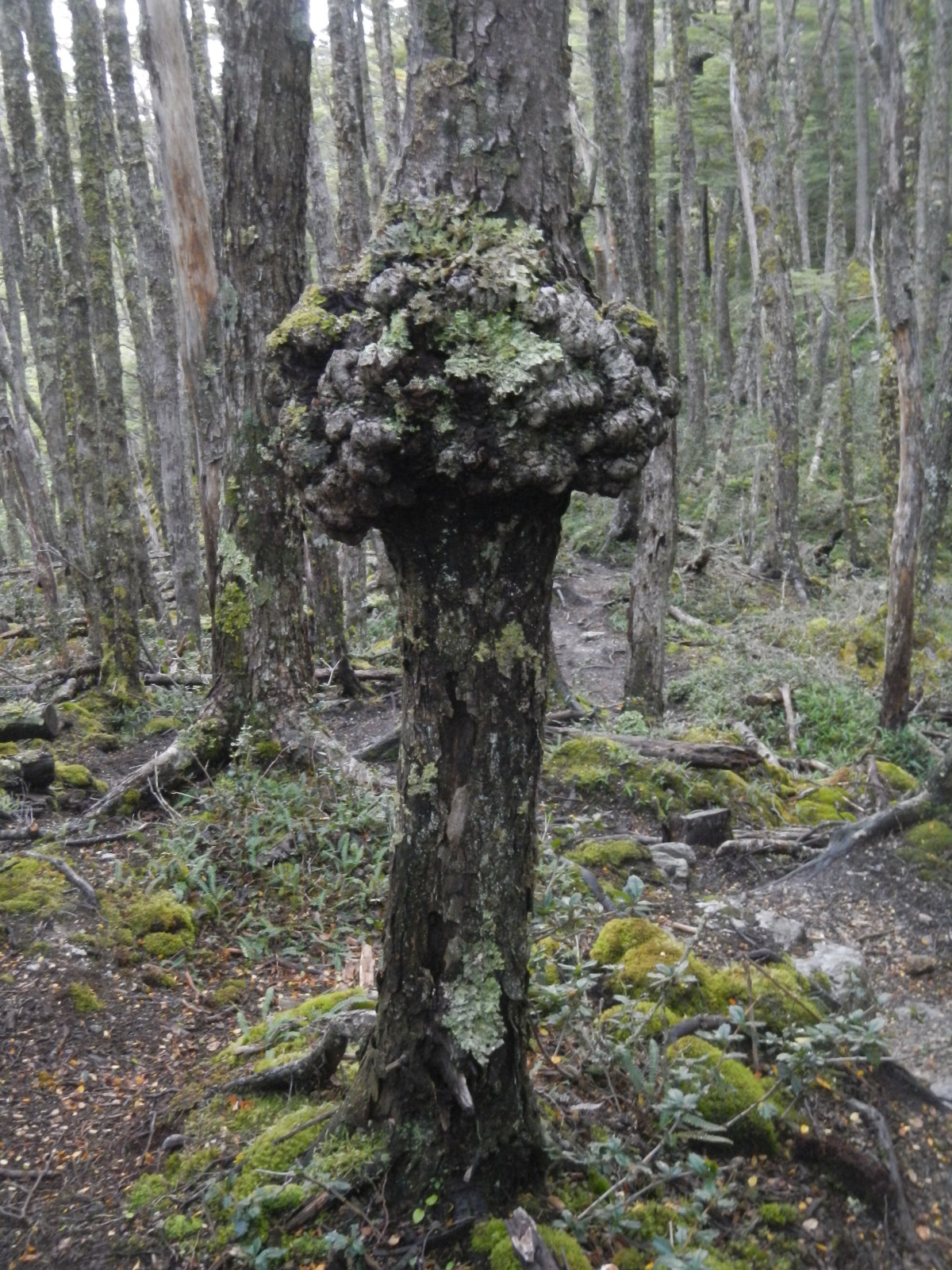
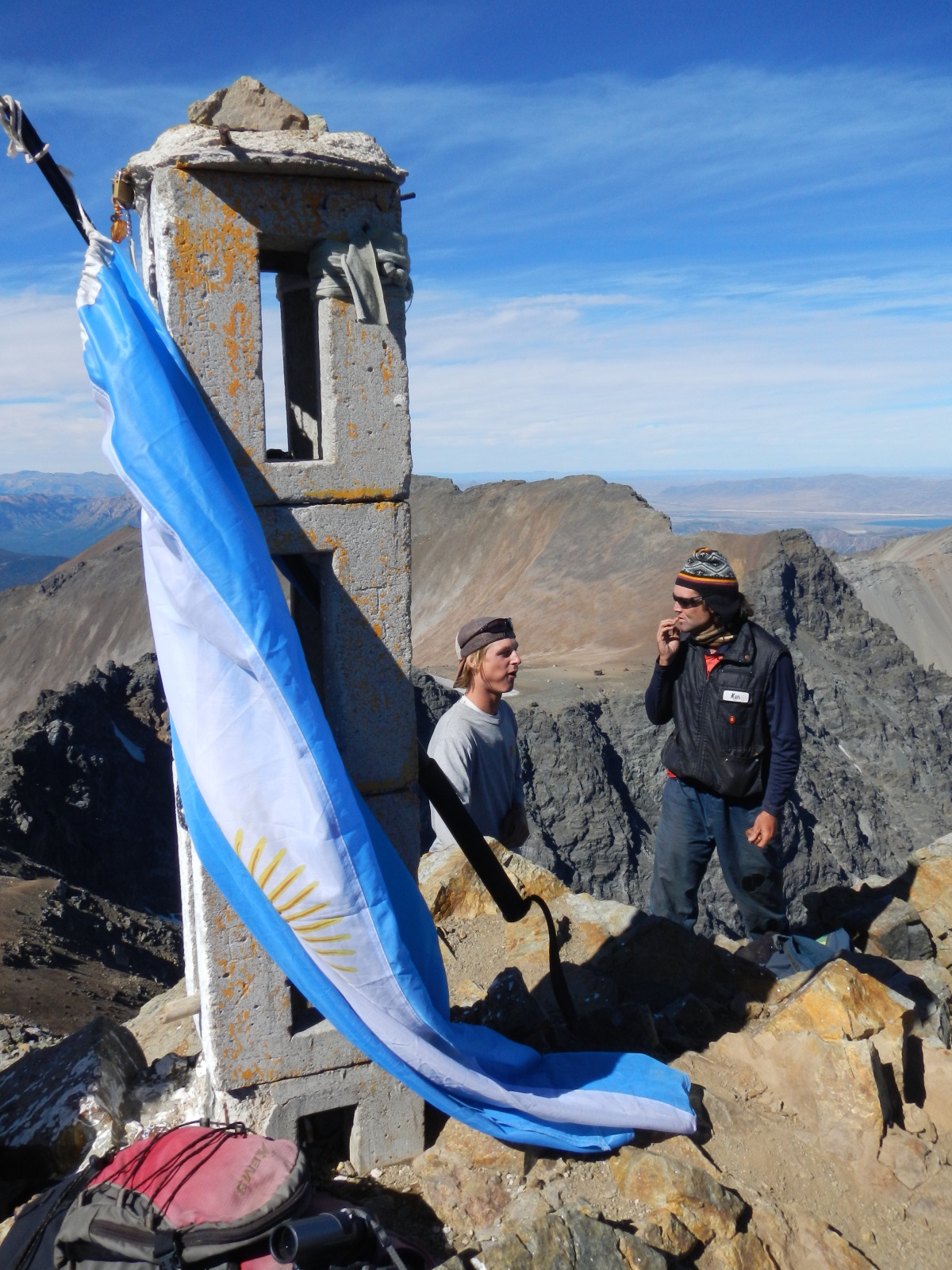
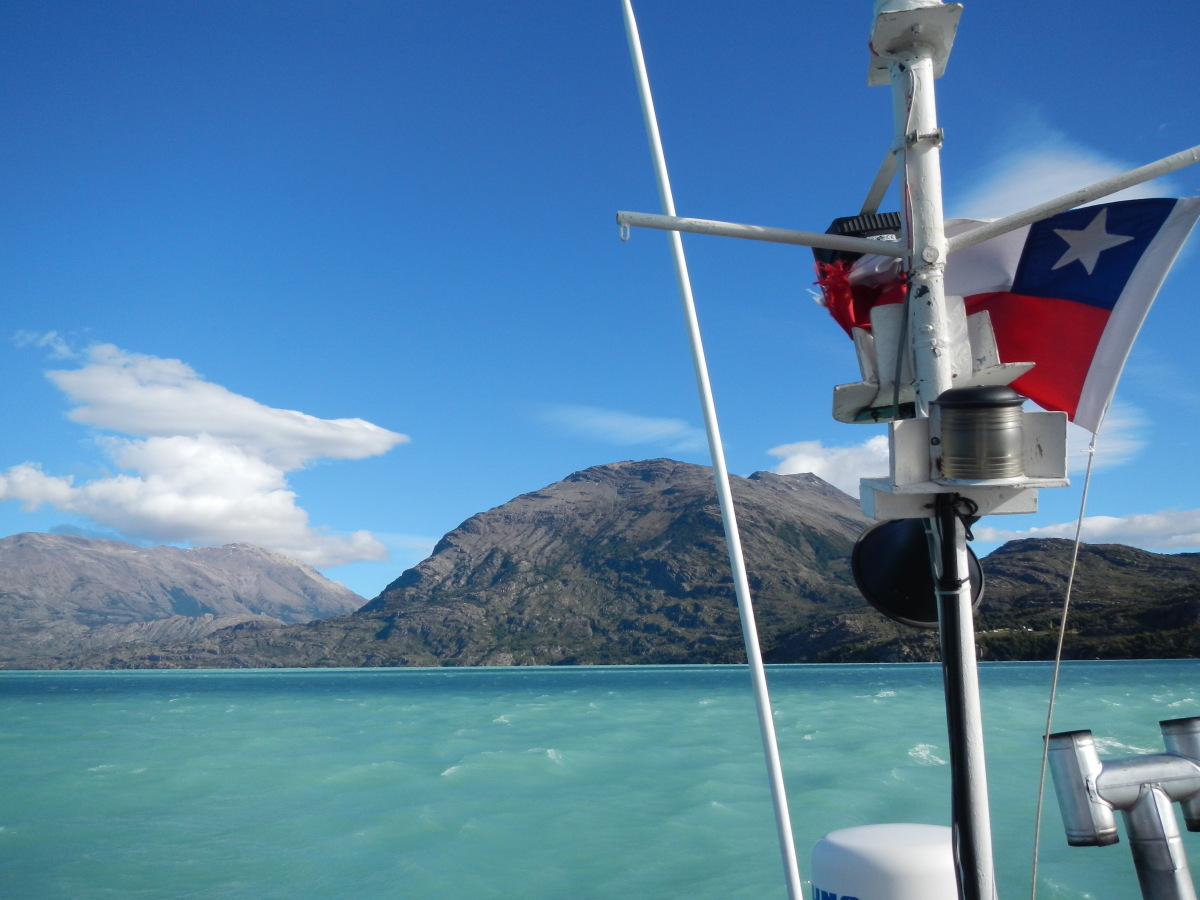
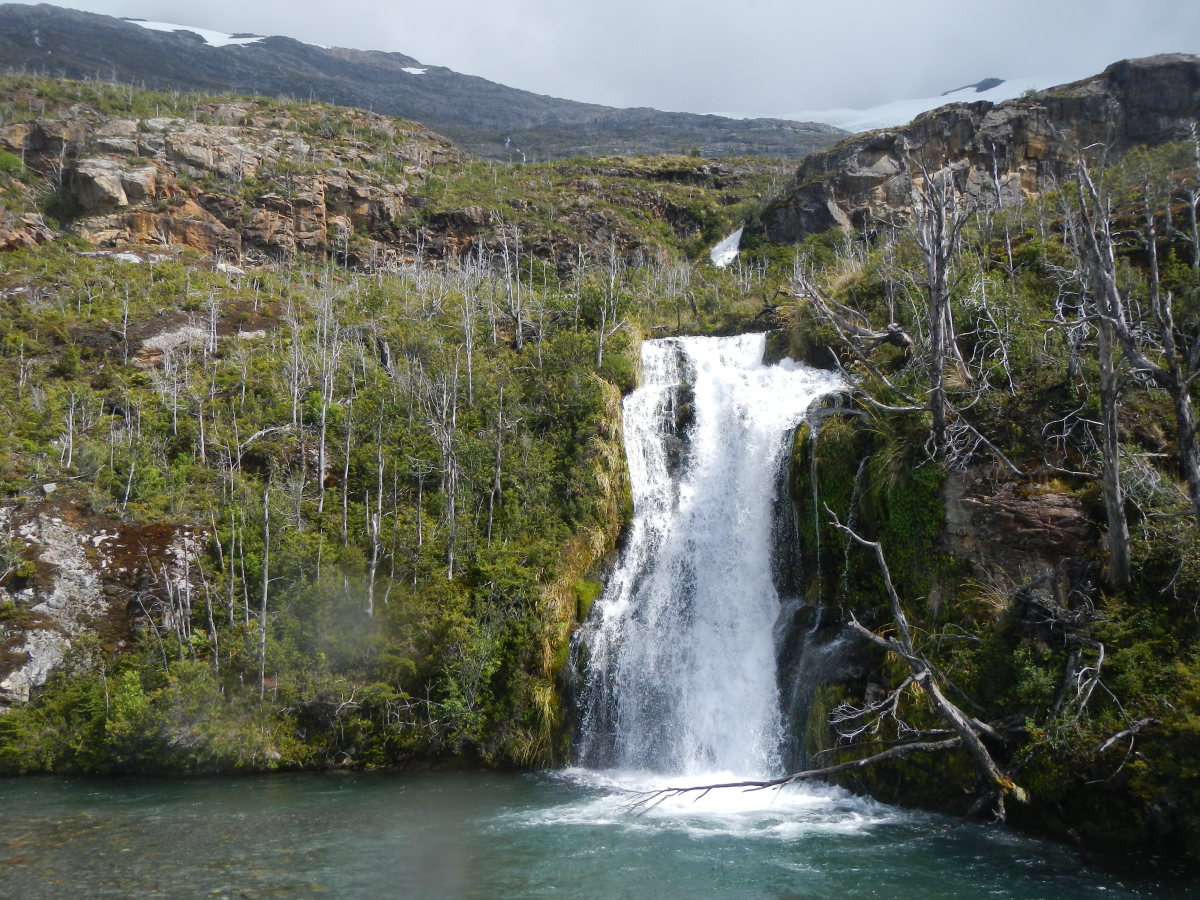
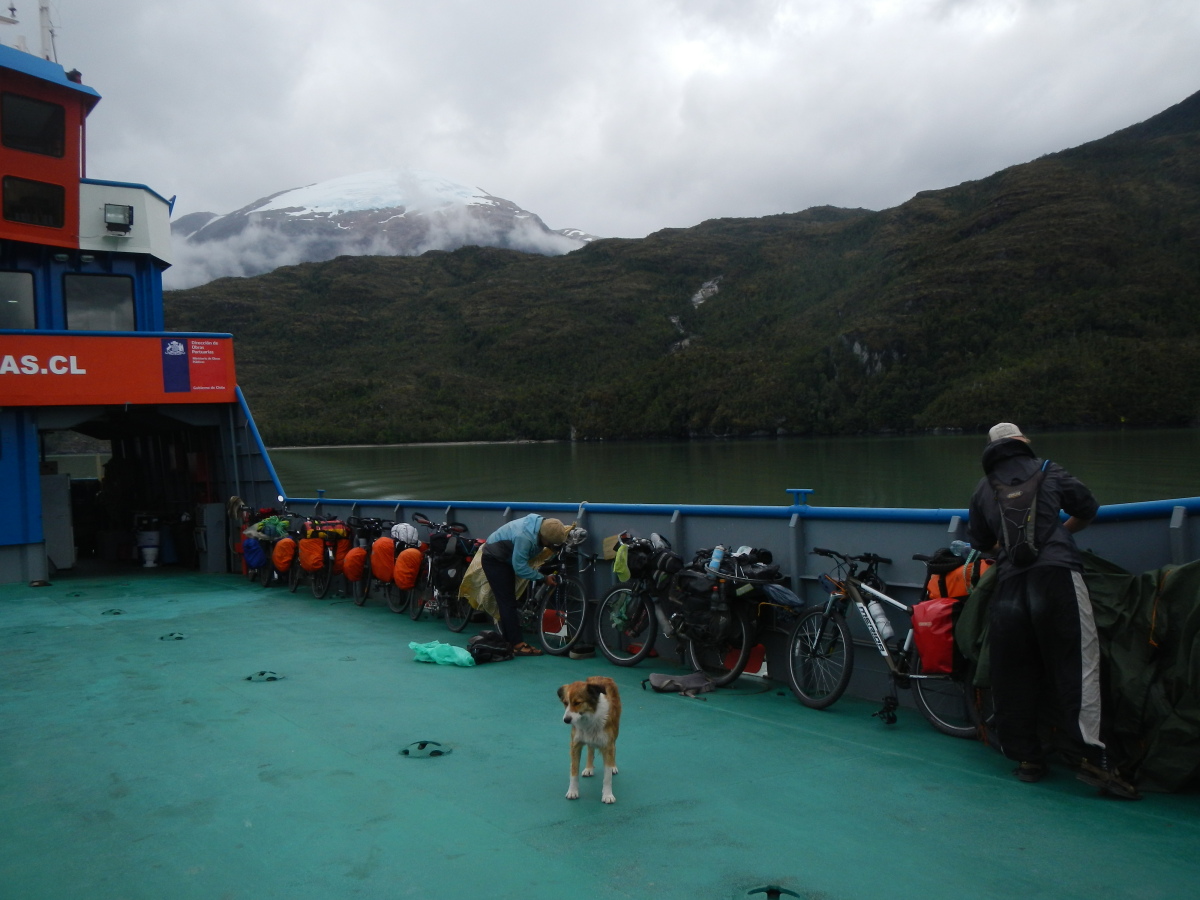
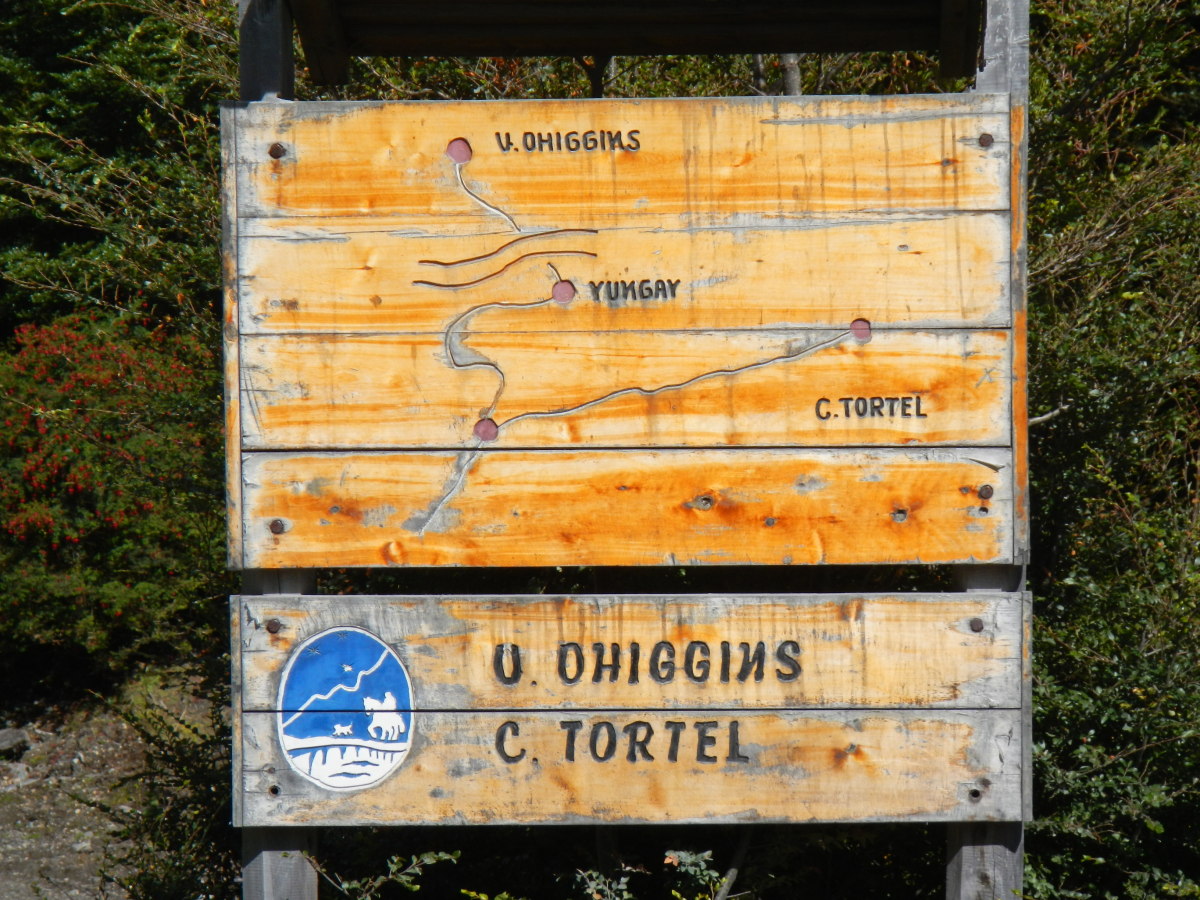
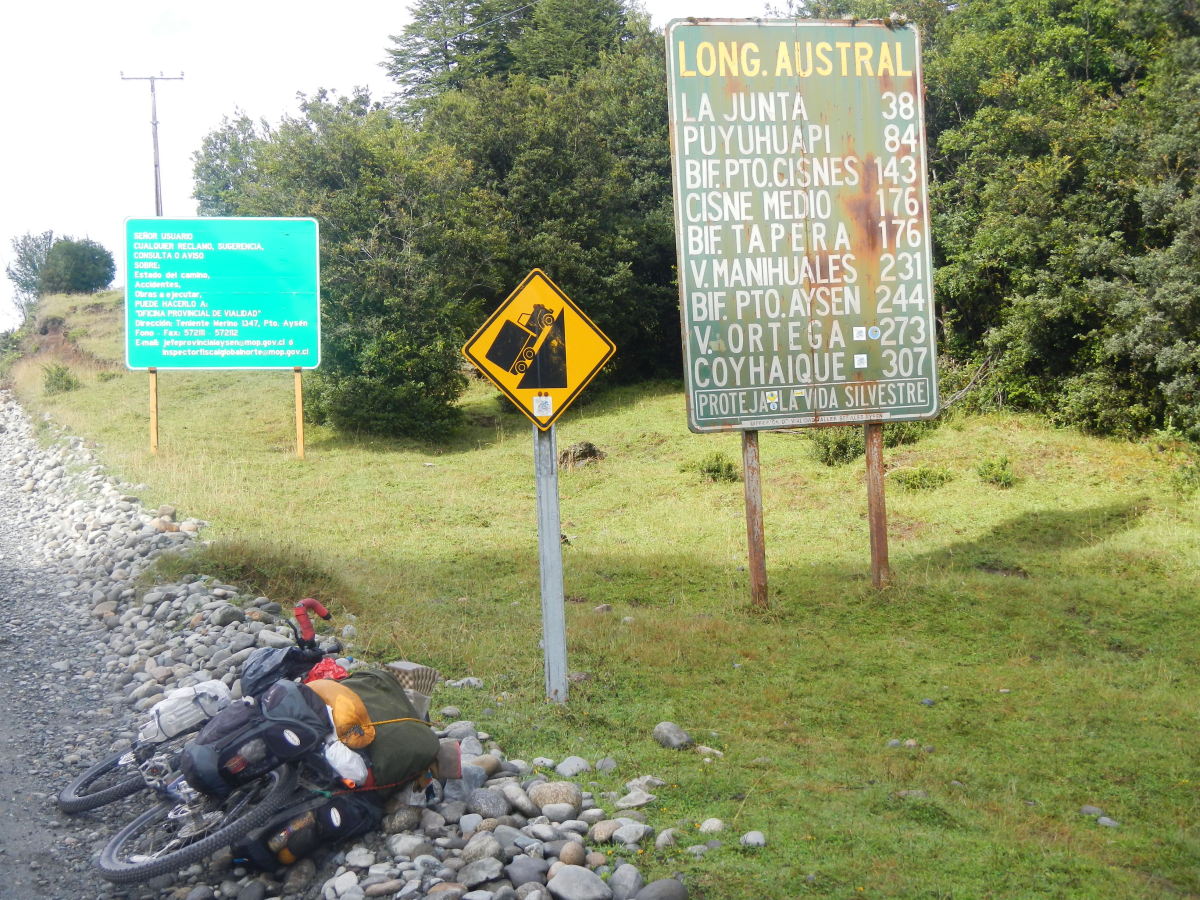
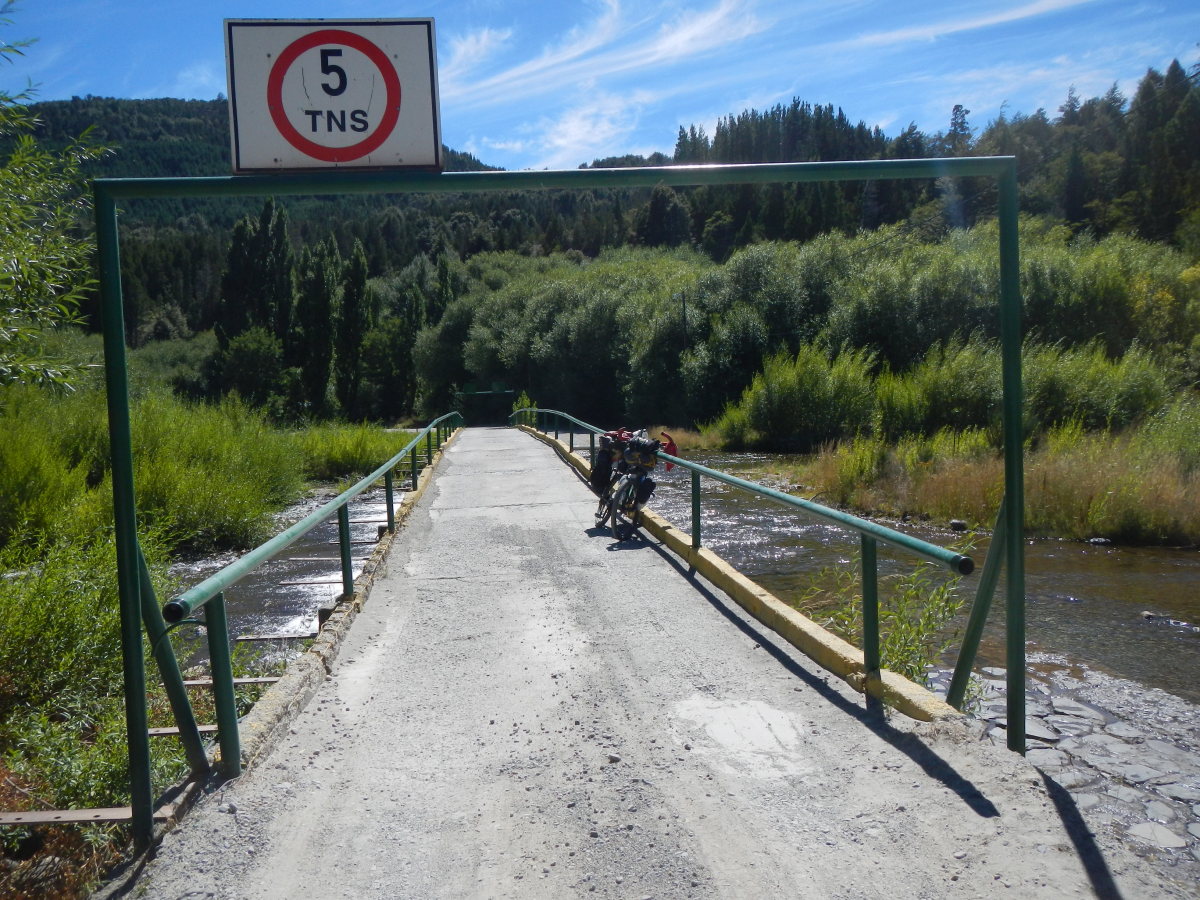
In 2012, during the waning weeks of the southern summer, I was weaving my way towards Tierra del Fuego on a mountain bike, touring through the wilderness of the southern Andes. After heading south from Bariloche, Argentina, we passed through El Bolson, Parque del los Alerces, and Trevelin before reaching the Chilean border at Rio Futalaufu. We were headed for the fabled Carretera Austral, a 1,240 km long north-south route revered for its stunning scenery as it cuts through the remote Aysen region of southern Chile.
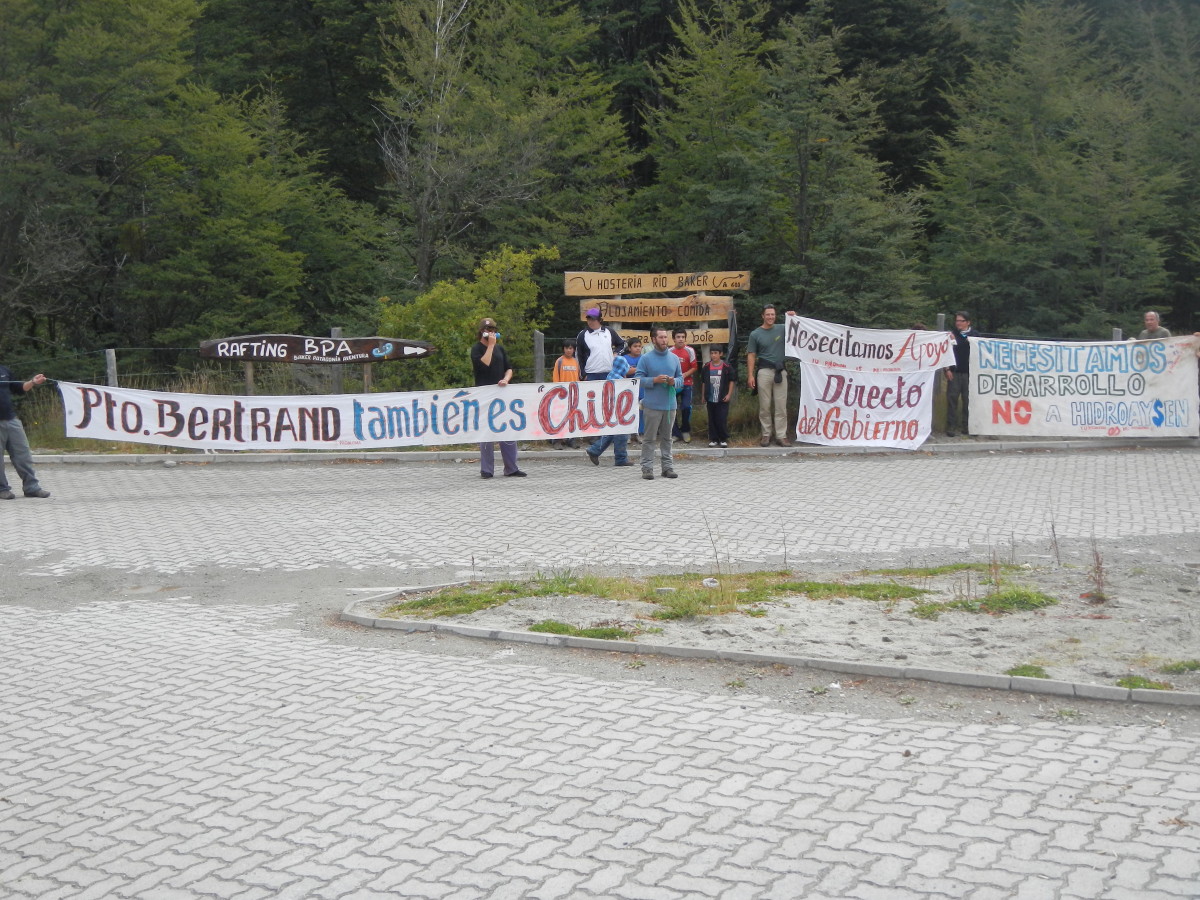
The roadway was a project begun by the dictator Carlos Pinochet to connect disparate communities and develop the far flung region. In 2012 the province (officially the "11th Region" of Chile, also the least populated) was fomenting under a simmering rebellion. The local authorities had called for a general strike, petitioning for a host of economic supports and funding assistance for social programs from the central government.
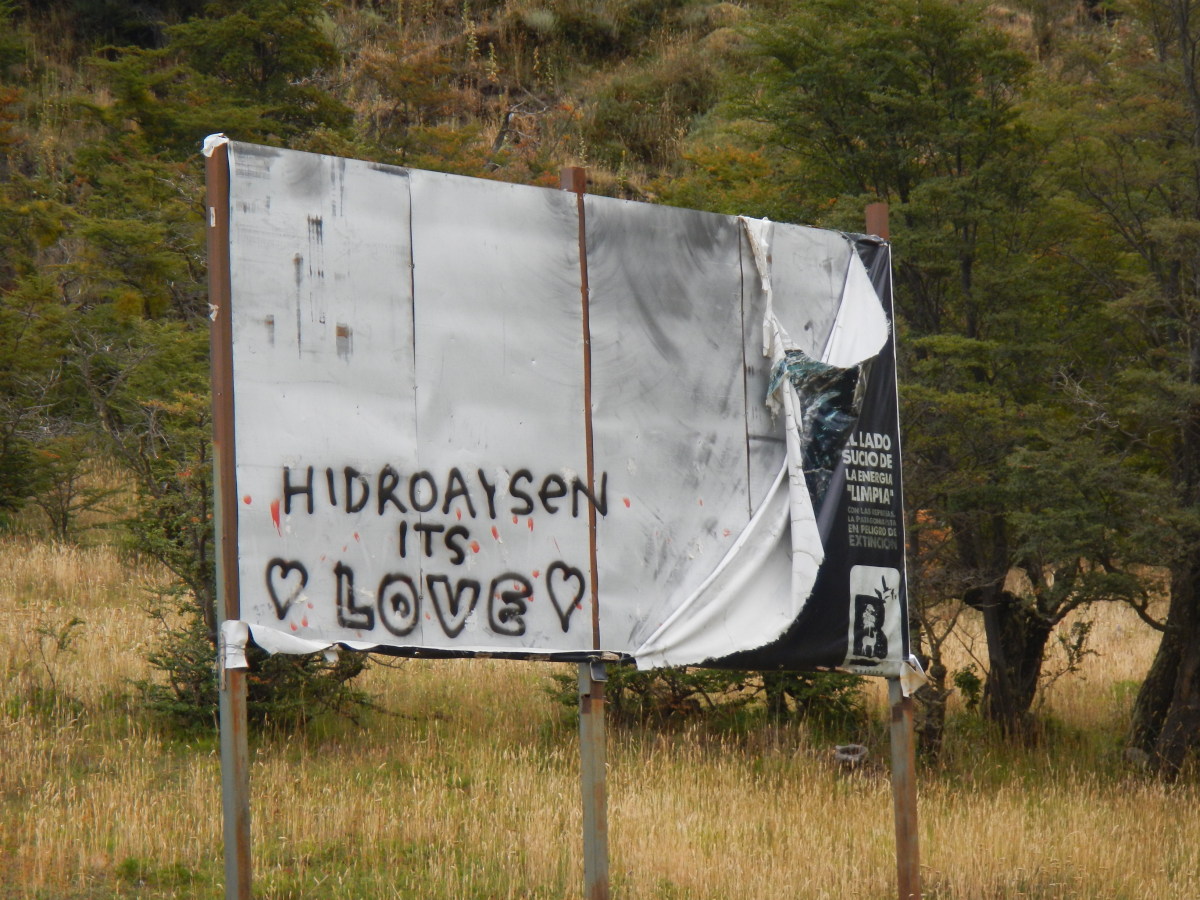
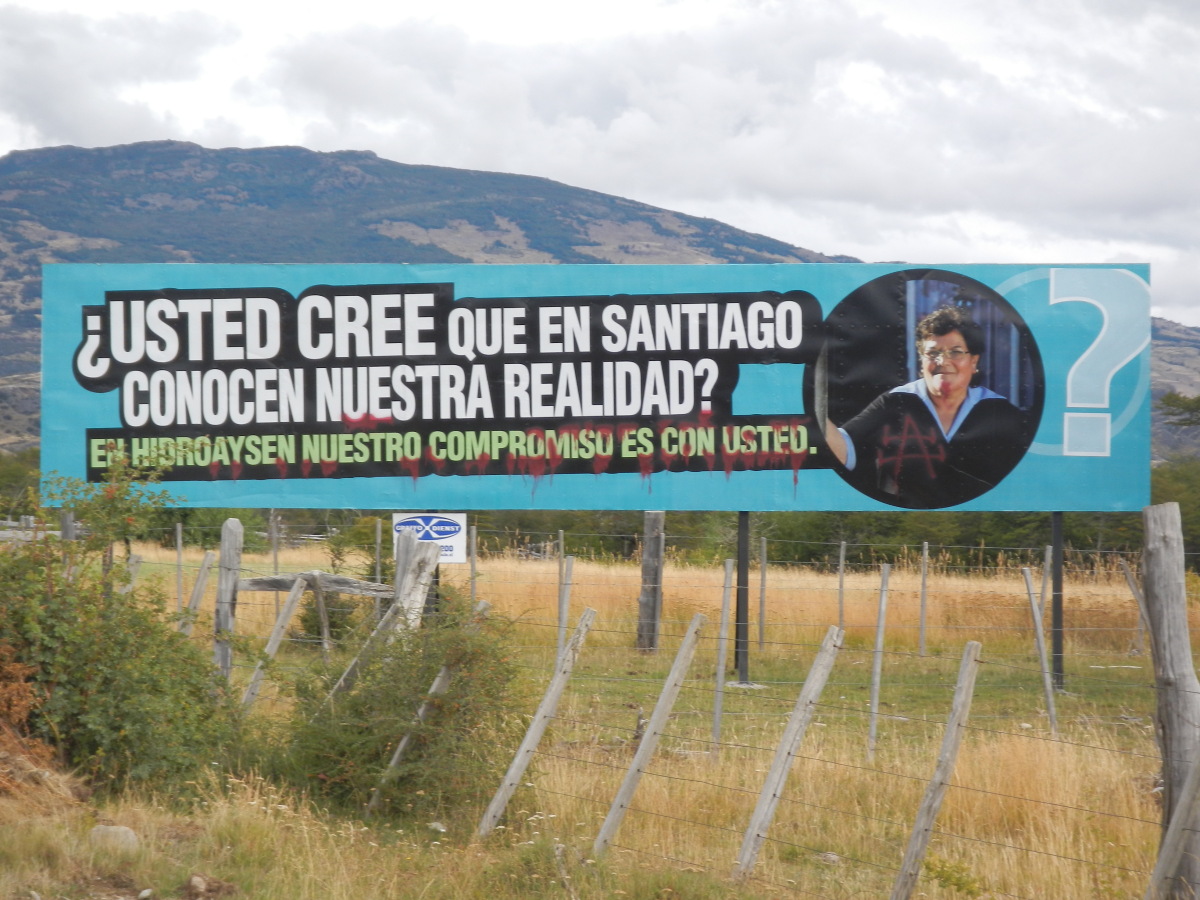
Behind the tensions was HidroAysen, a plan to build a gargantuan hydro-electric power complex, to be linked with Santiago via a 2,200km power conduit. Giant billboards touting the project (the slogan translated: "In HidroAysen our commitment is with you") lined the roadway. The quid-pro-quo appeared to be that Aysen would be granted all sorts of assistance if those running it would clear the way for the dam project to move forward. Based on what we heard from the locals, however, it seemed as if the government had recently turned the screws on the region, cutting funding and allowing fuel prices to rise, backing its frontier denizens into a corner.
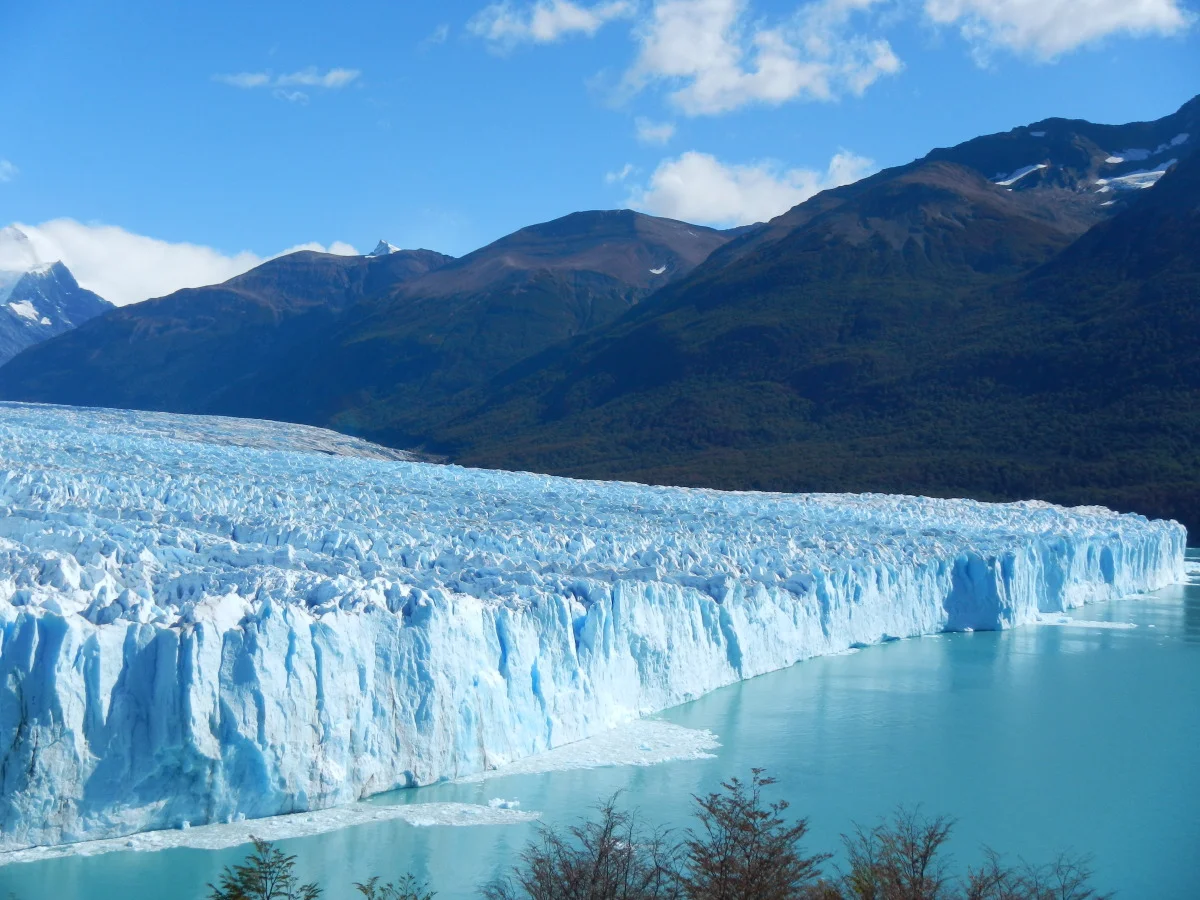
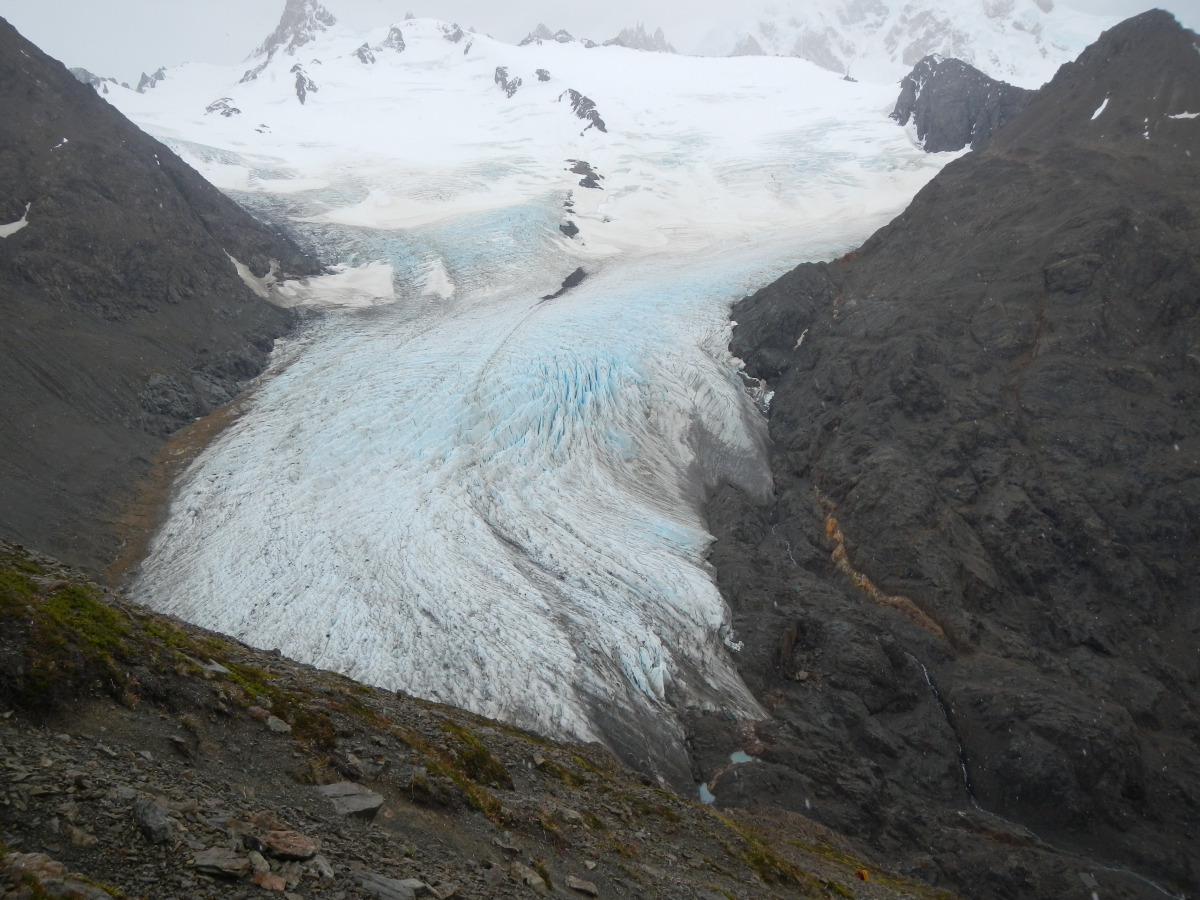
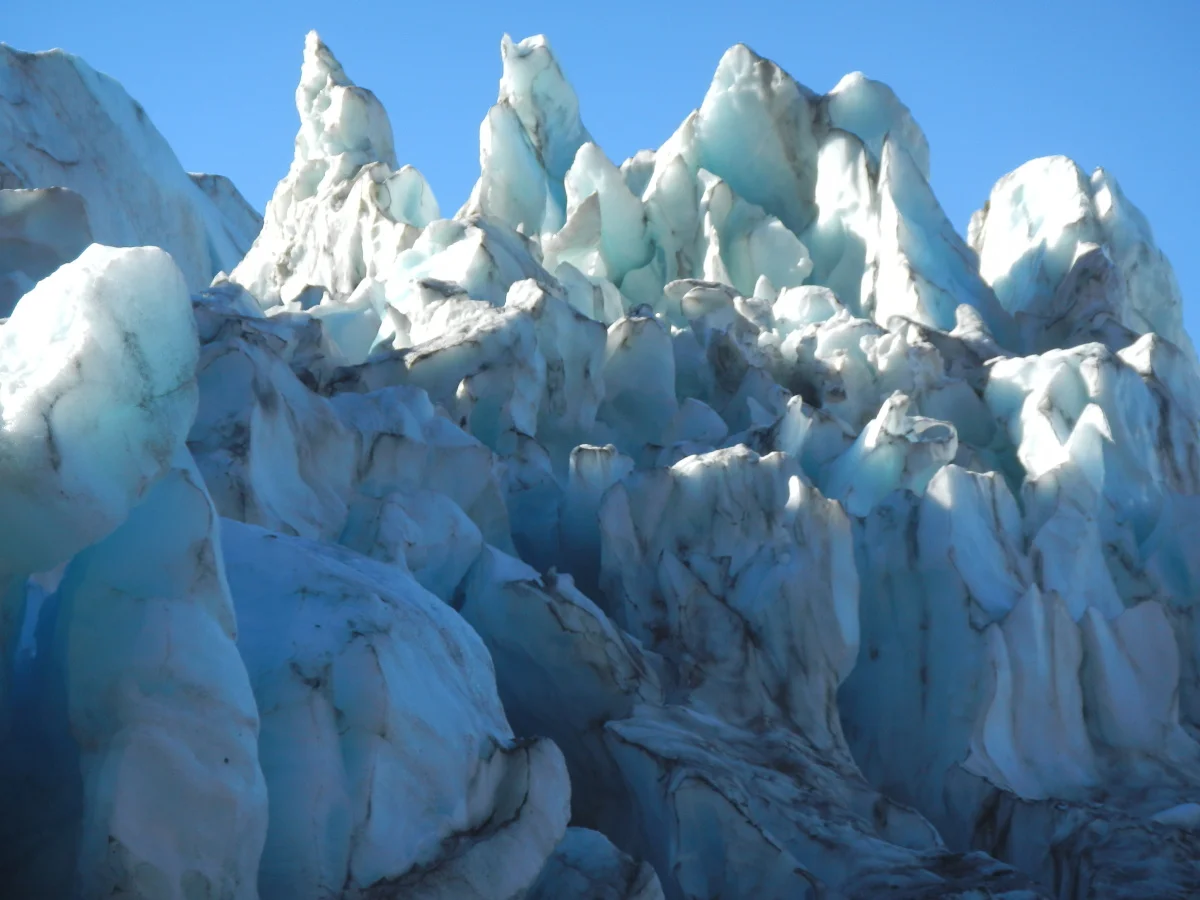
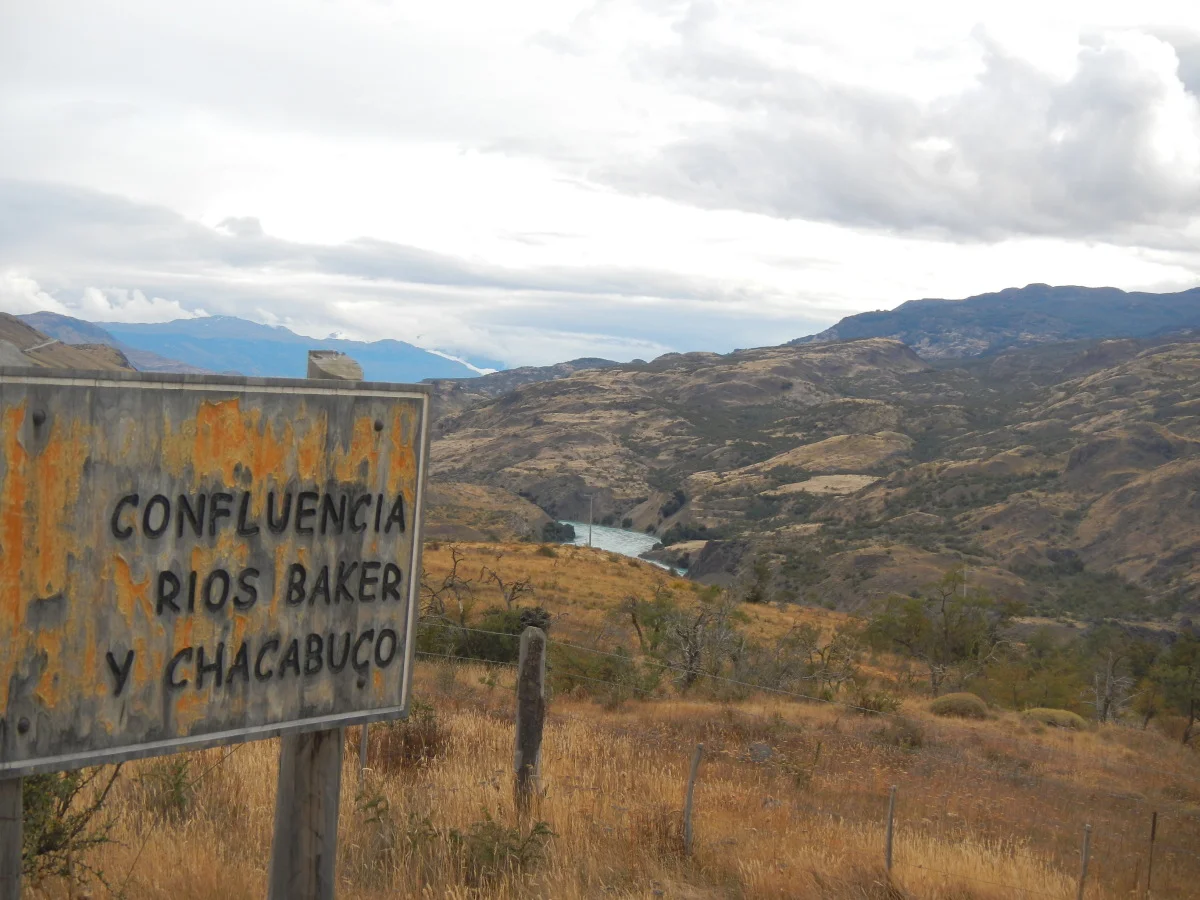
The appeal of the region to the power developers is no surprise. While many hydro-electric projects depend upon water sources that fluctuate year-to-year due to weather cycles, Aysen contains “Los Campos de Hielo Norte y Sur” (or Northern & Southern Patagonian Ice fields) which feed dozens of glaciers. Together they form the largest contiguous ice field outside of Antarctica & Greenland. The five planned dams of HidroAysen were to be built on the two major rivers that drain these ice fields. If there was ever a virtually unlimited water bank to fuel a power project, this was it.
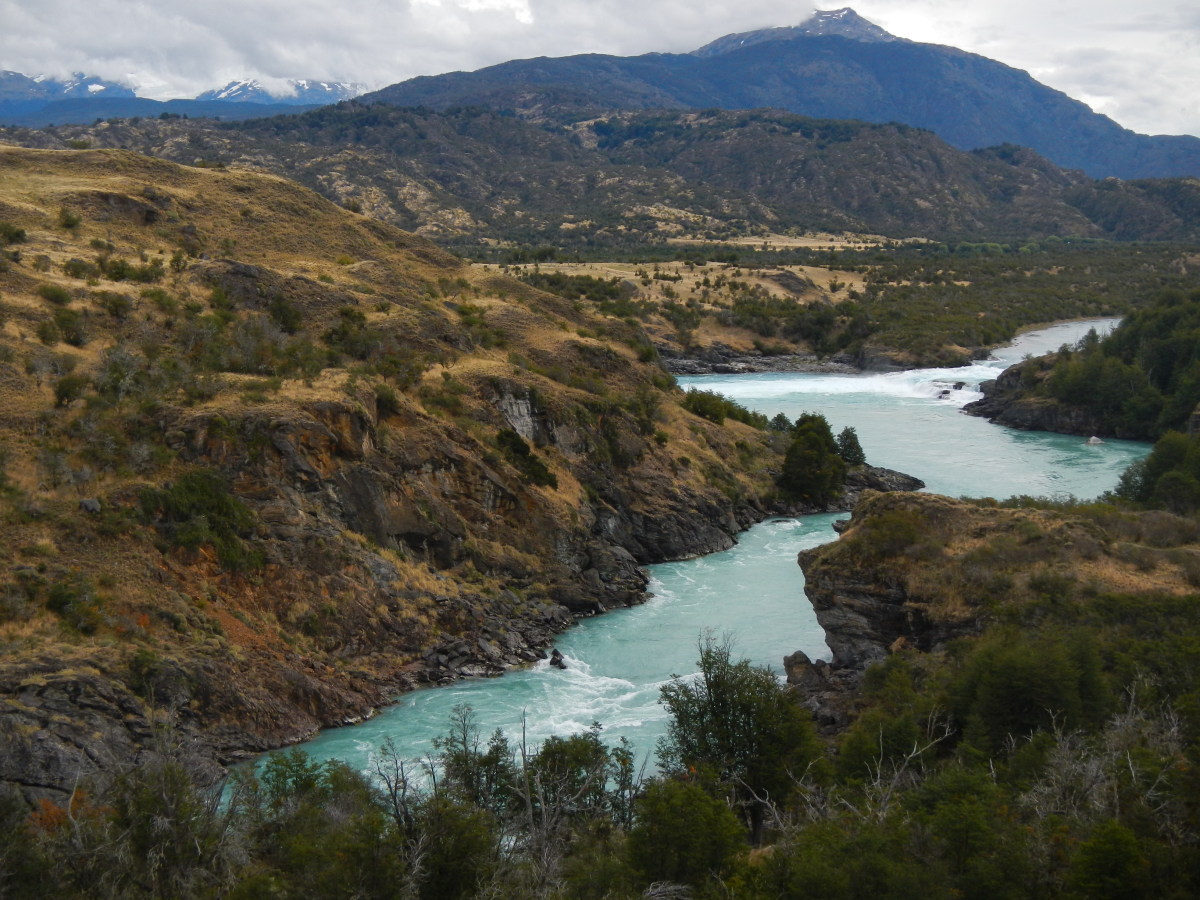
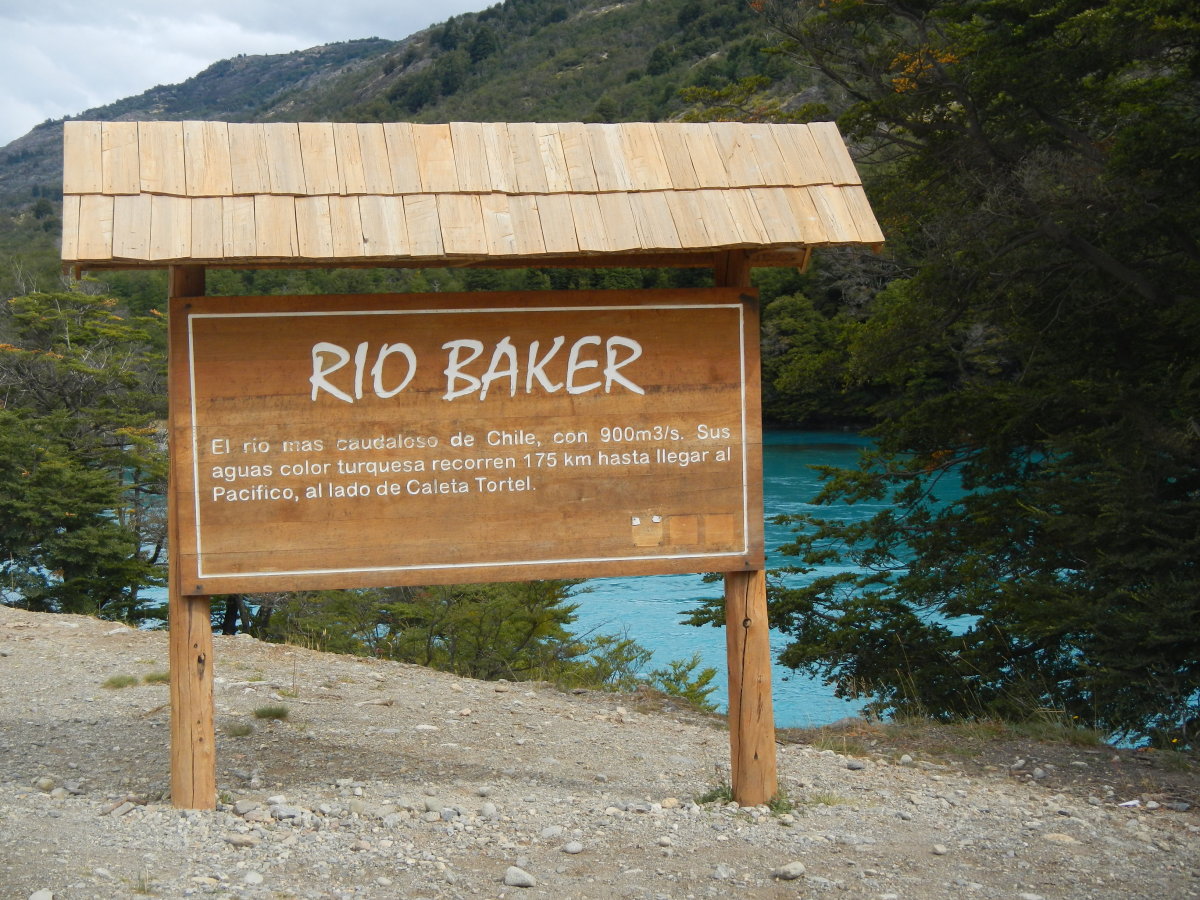
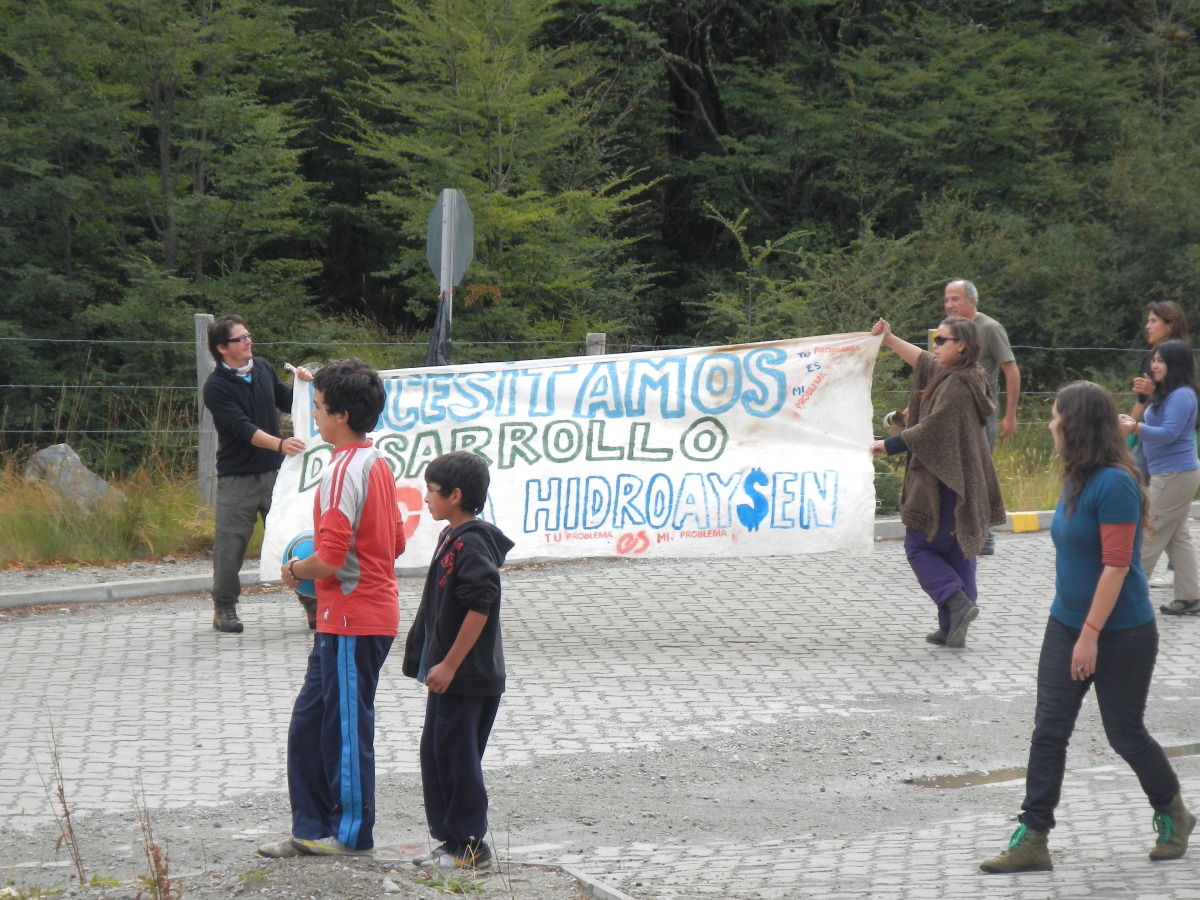
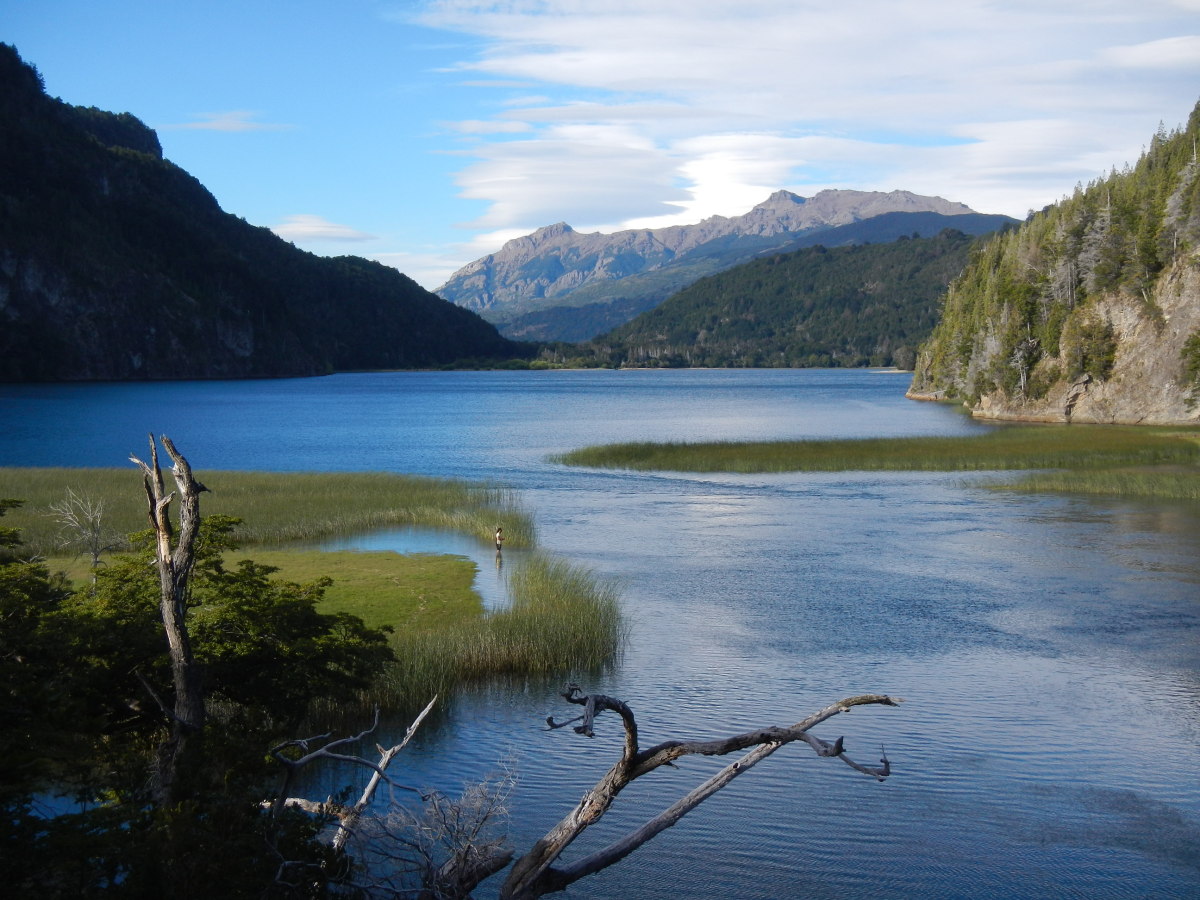
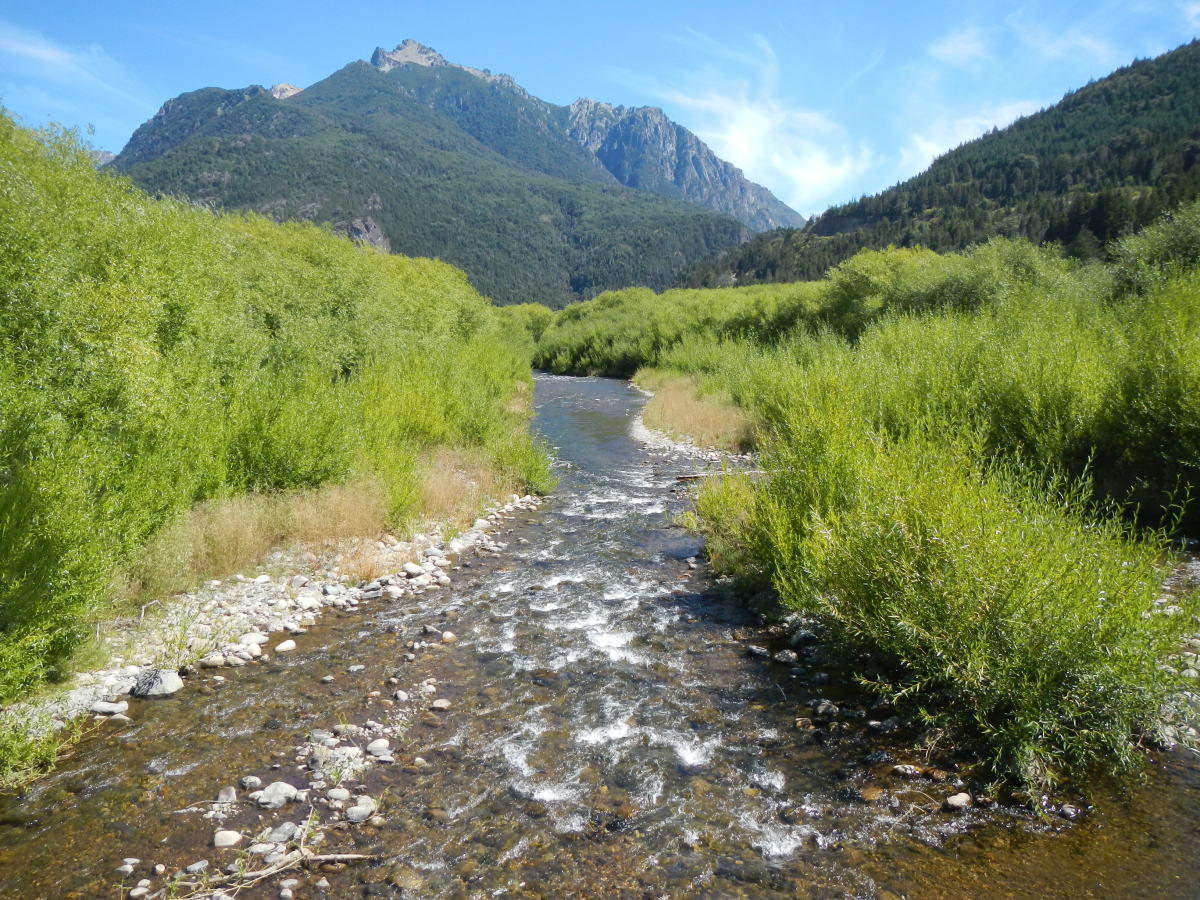
The dams would also have been situated in pristine riverine territory, revered by those who appreciate the wild nature of the area. Aysen has become a prime ecotourism destination, drawing many to the stellar rafting and kayaking. We were travelling along the Baker River while protests against the project were being held, one that I joined. It truly was a stunning and remote area, and the thought of its stark beauty beset by a massive construction project was upsetting to say the least.
While the government had pushed hard, resistance (aided by support from the Patagonia clothing company & its leaders) to the project was entrenched, and it appears they have prevailed as the government recently decided to finally veto the project. In the end the required power line was the Achilles heel, as it had to travel through a long restricted corridor. At one point all the dams had been approved, but the opposition focused on blocking the power line, without which the power would have been stranded.
The cancellation will likely place future strain upon the country's energy sources, but presents a golden opportunity to spur investment in sustainable renewables and efficiency. Lacking fossil fuels, the country has recently been developing solar projects on a larger scale, and is moving towards more progressive energy solutions. You can read more about how Chile will address its energy needs here.
Along with writing by Patagonia’s Director of Environmental Programs as she visited the region in 2006 and witnessed the initial stages of HidroAysen.
You can see our cycling journey documented at the site www.volksonbikes.blogspot.com
GREGORY ALTMAN
@GregAlt
Greg has etched a winding path around the world over the years, at times doing photo documentary projects, more recently engaged in the international development field. He finds cycle touring to be the ultimate mode of travel to experience a land to its fullest. This native New Yorker's passions include art, natural food & cooking, genuine foreign cultures, and cycling.