Wakhan, An Other Afghanistan

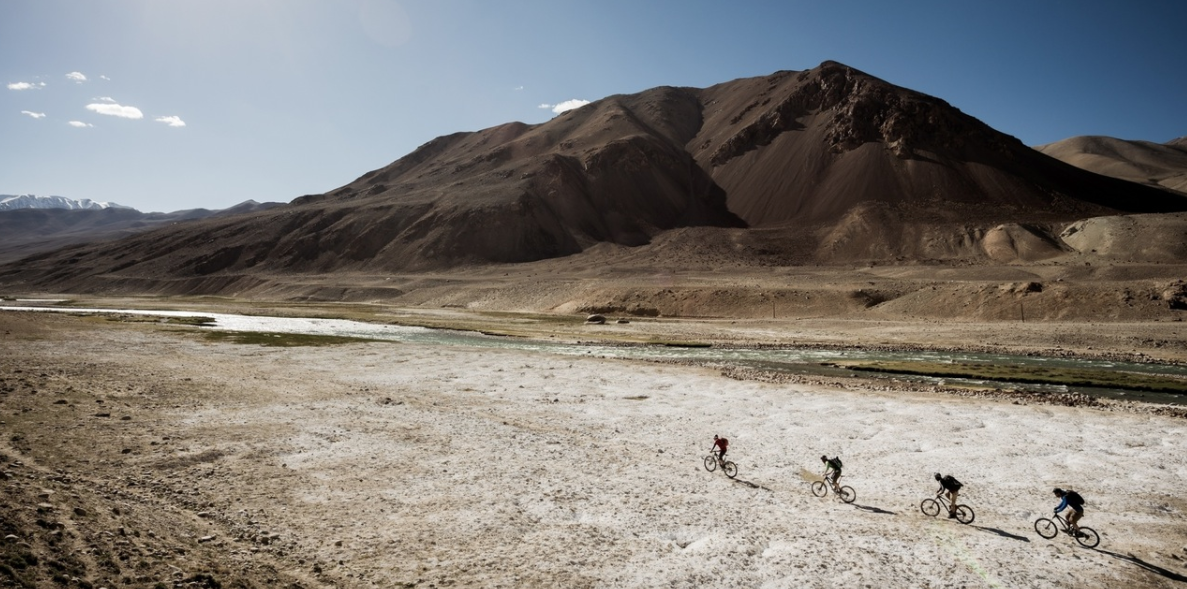
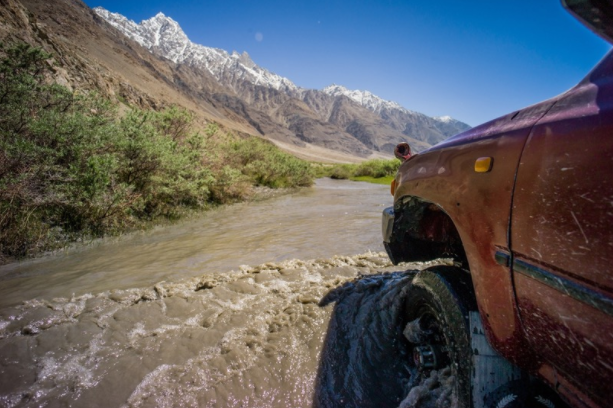
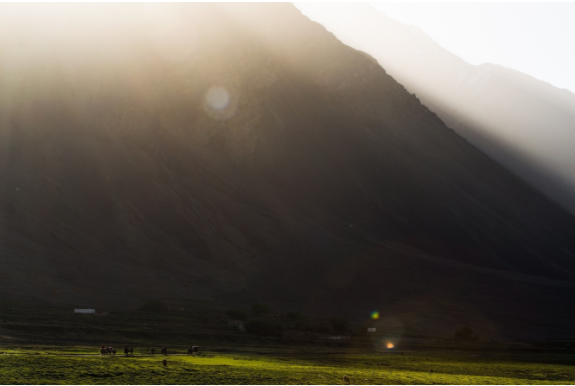
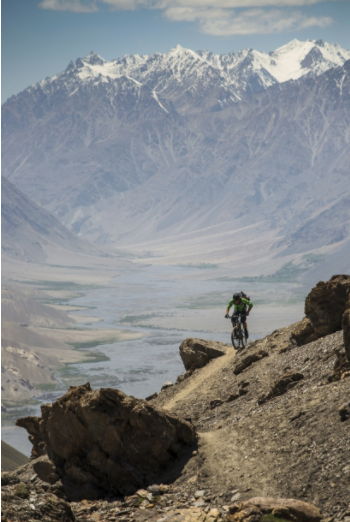
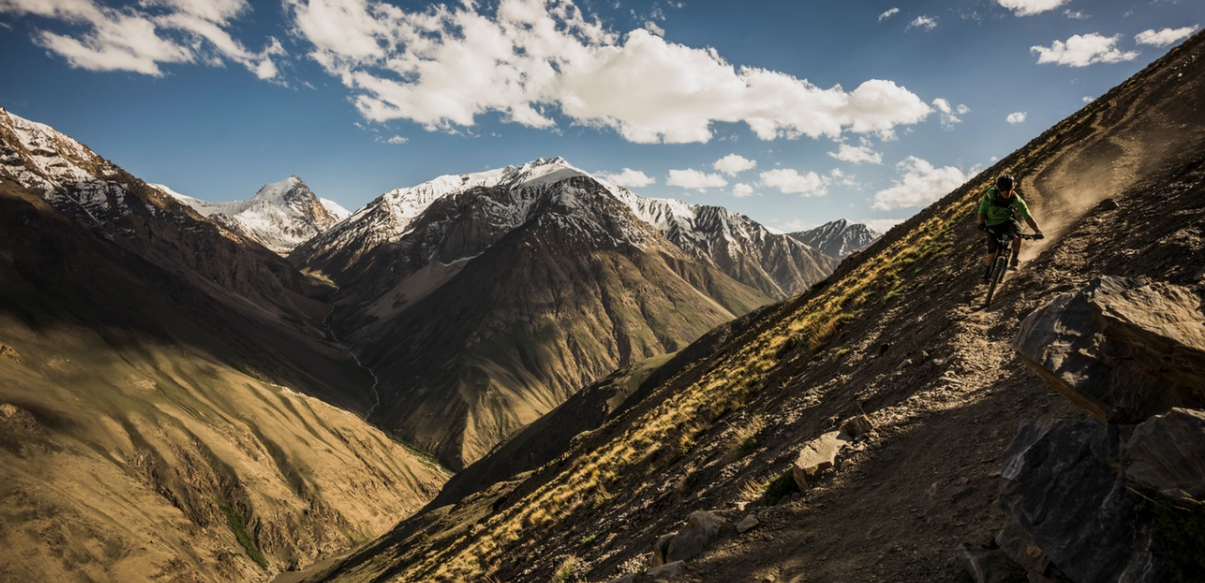
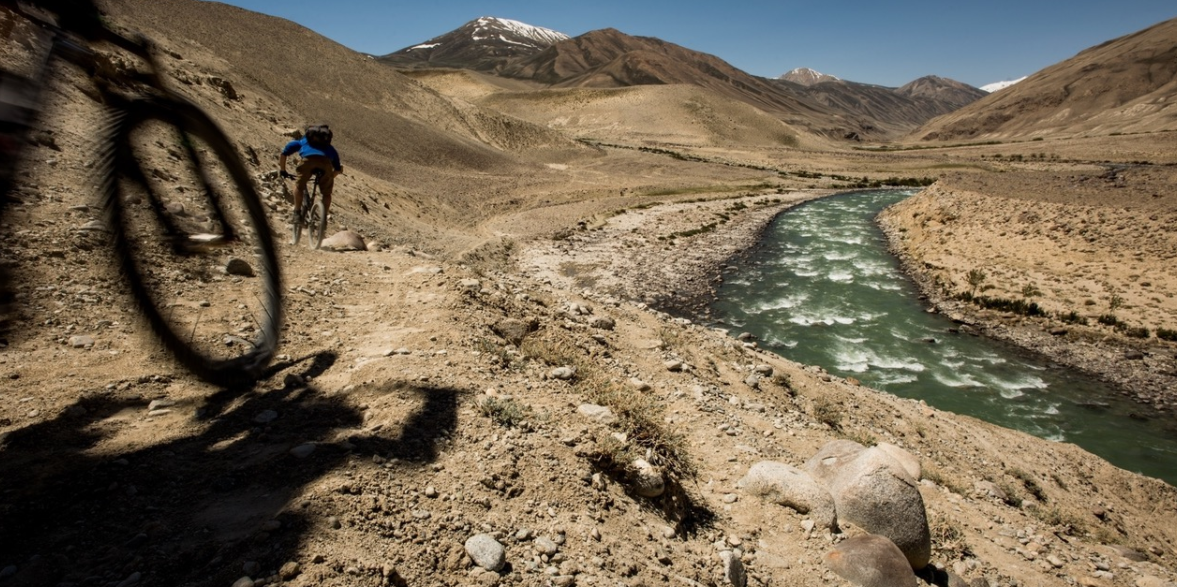
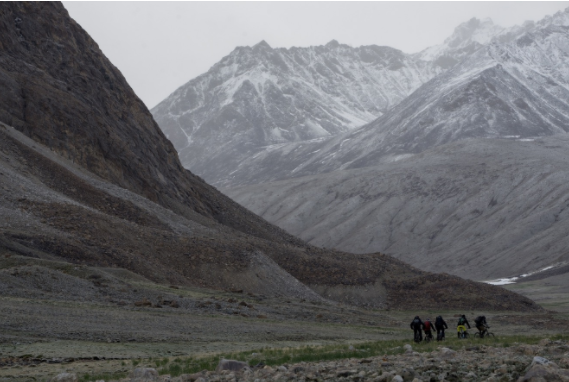
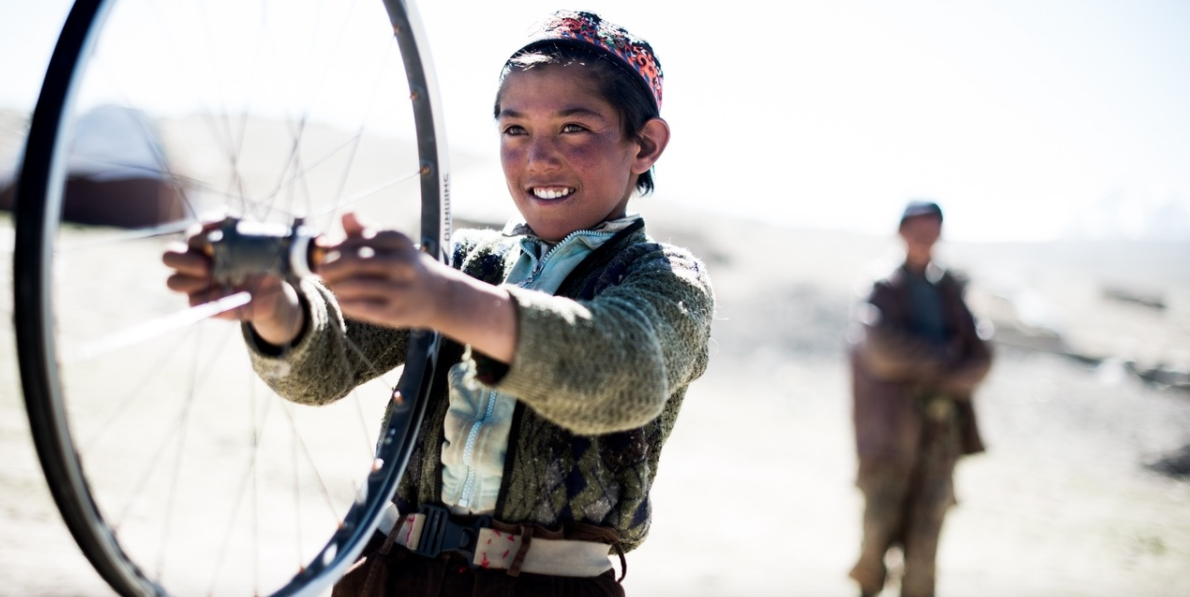
Journeying through a remote region of northeastern Afghanistan, untouched by the war and preserved from the Taliban regime, this story pays tribute to the ancient culture of this land, which has never disappeared but which has simply been forgotten.
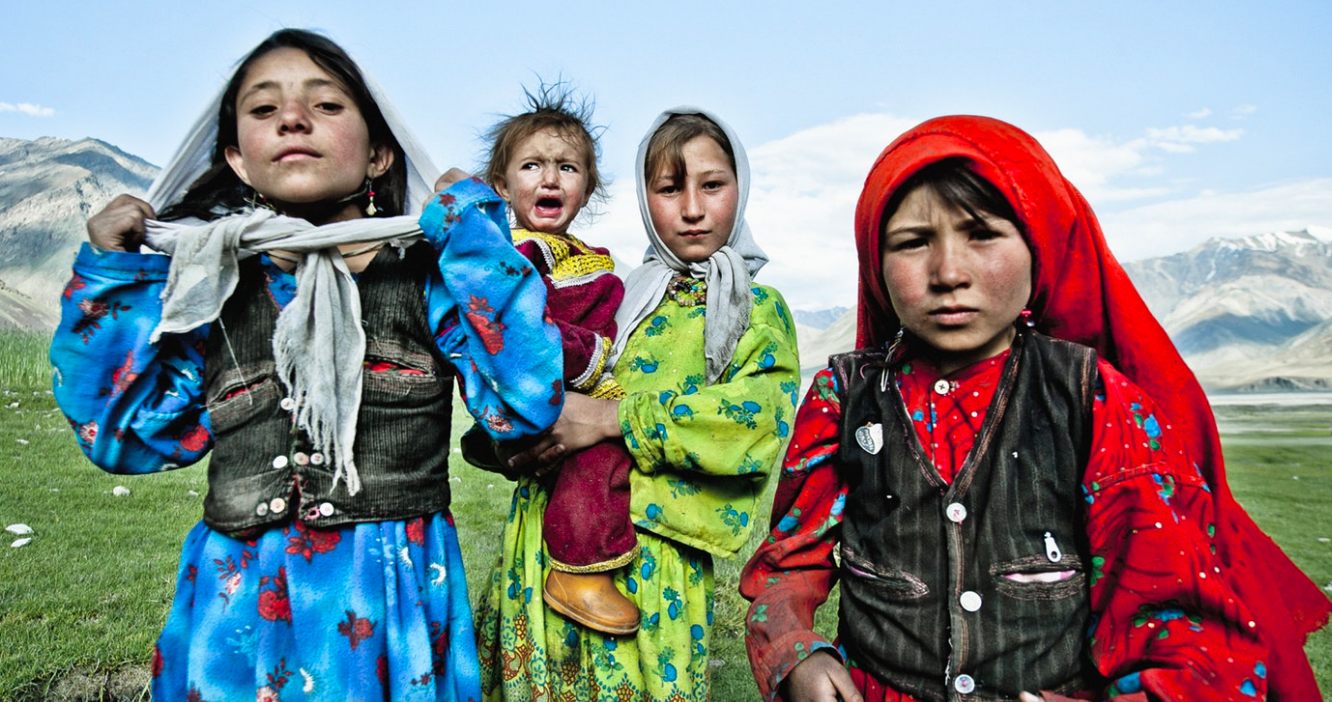
This narrative serves as an introduction to my multi-platform project, ‘Wakhan, an other Afghanistan’. One of the photos from this project won first prize in the 24th annual National Geographic Traveler Photo Contest, and the 78-minute film ‘Wakhan’ was selected as one of the firm favourites to feature in the Etonnants Voyageurs Festival in St-Malo, France.


My mind takes me back to 8 August 2011. It must have been around 2 o’clock in the afternoon, but in any event, time here takes on an alternative dimension, something which we have been discovering and settling into since the beginning of our journey.

Then I remember a young Afghan saying to me a few weeks earlier, “You have your watches, and we have the time.”
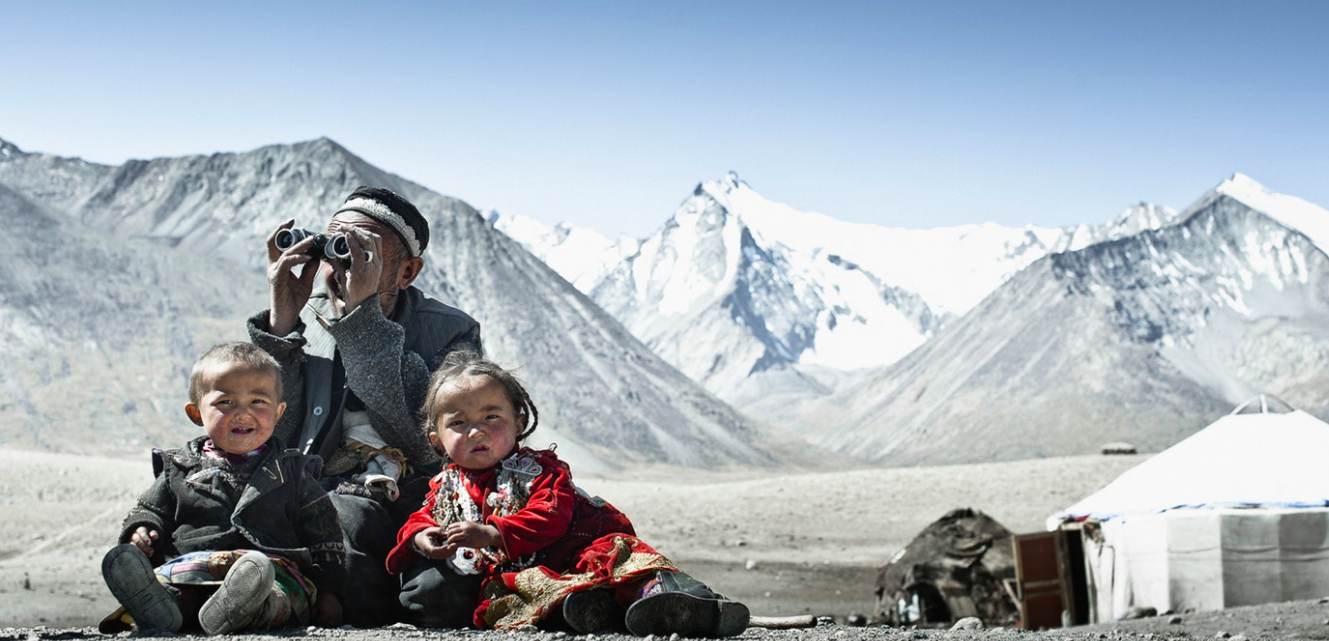
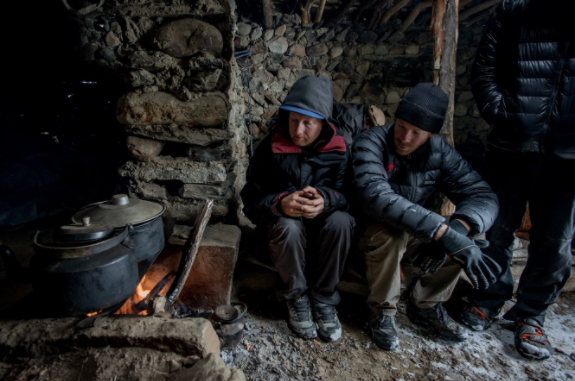
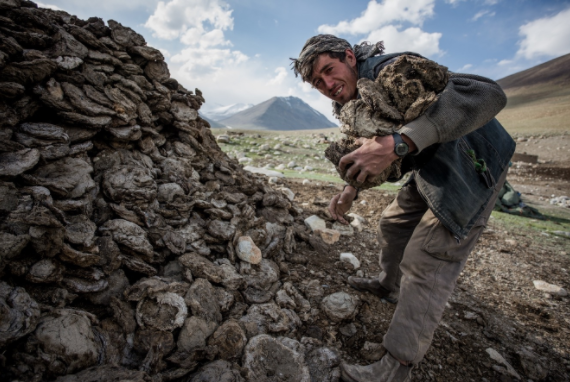
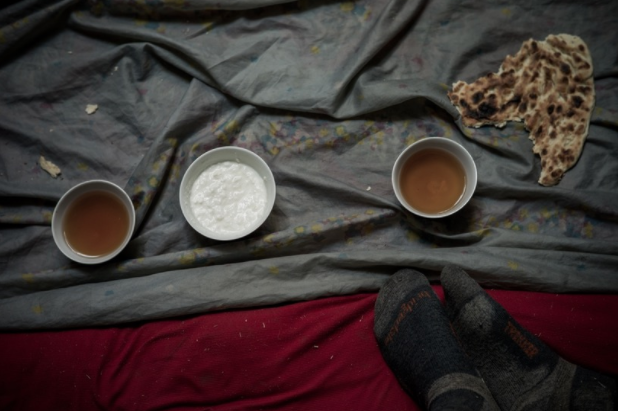
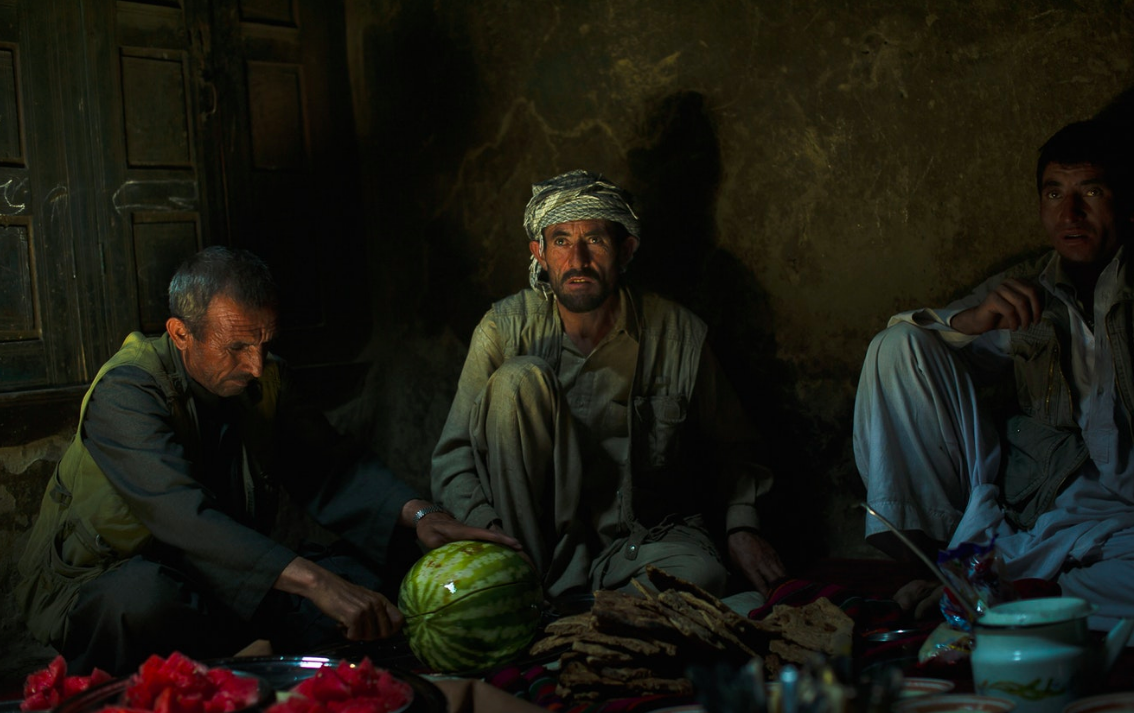
Under the arborescent canopy of a small shelter made with stones and yak excrement, Fabrice and I wait for our hosts to bring us bread and tea, which has been our sole source of nutrition morning, noon and night for more than three weeks. Dates, energy bars, dried fruit — these are a thing of the past, and I have already lost 15 kilos.

We had planned ahead with two people in mind, forgetting on market day at Ishkashim — the village on the border between Tajikistan and Afghanistan — that we would be accompanied by one guide or several for this expedition along the Wakhan Corridor, as far as China.
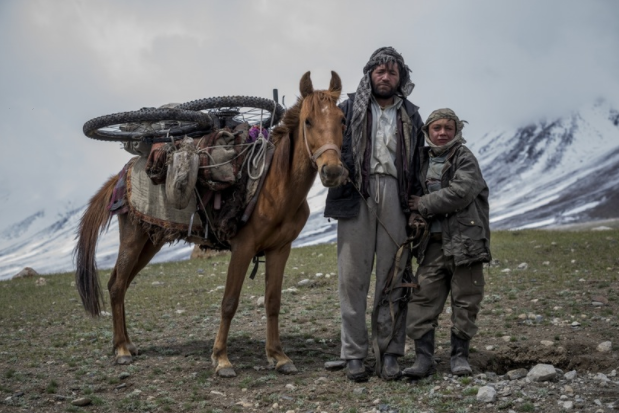
We travel for a month in the company of Amonali and Souleman, two Ismaili Wakhis of twenty-four and thirty-two years of age, who are taking care of our horse and our donkey. A last-minute addition to the group is QuarbonBek, a twenty-year-old Sunni Afghan and real ‘city boy’, who we have picked up at Ishkashim to fill the role of interpreter.
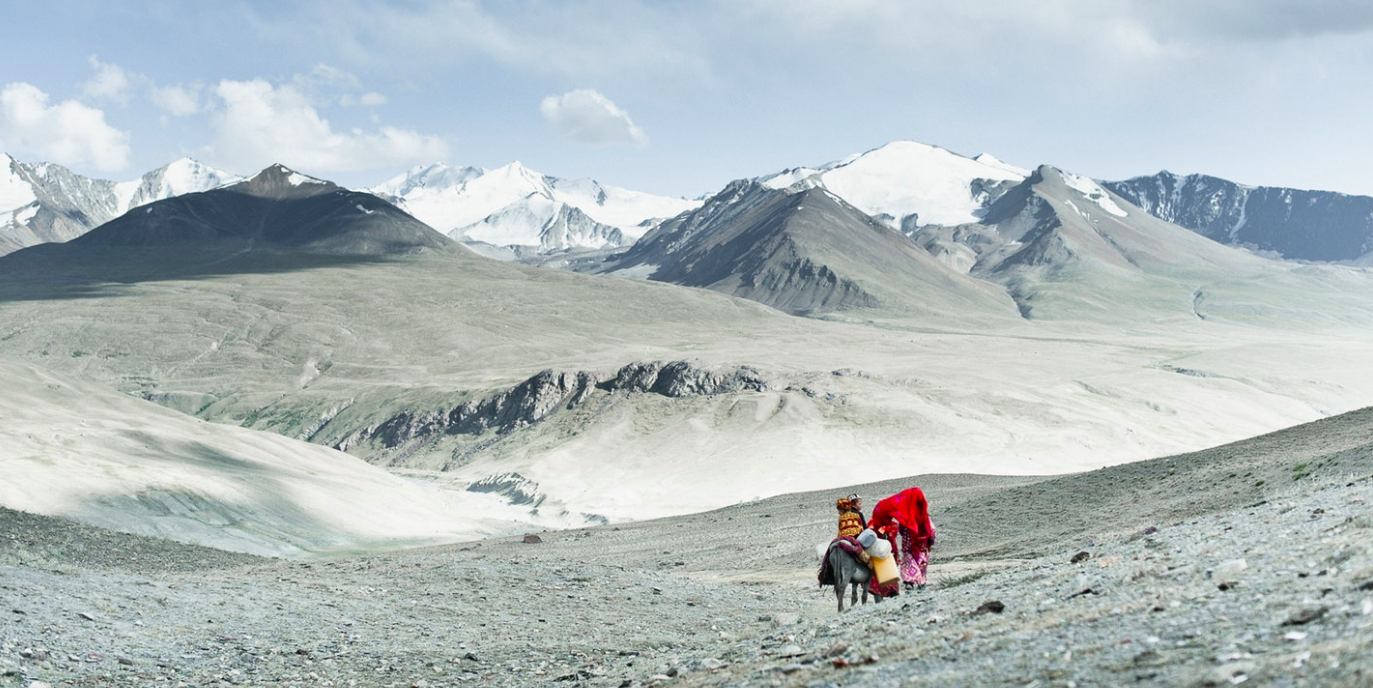
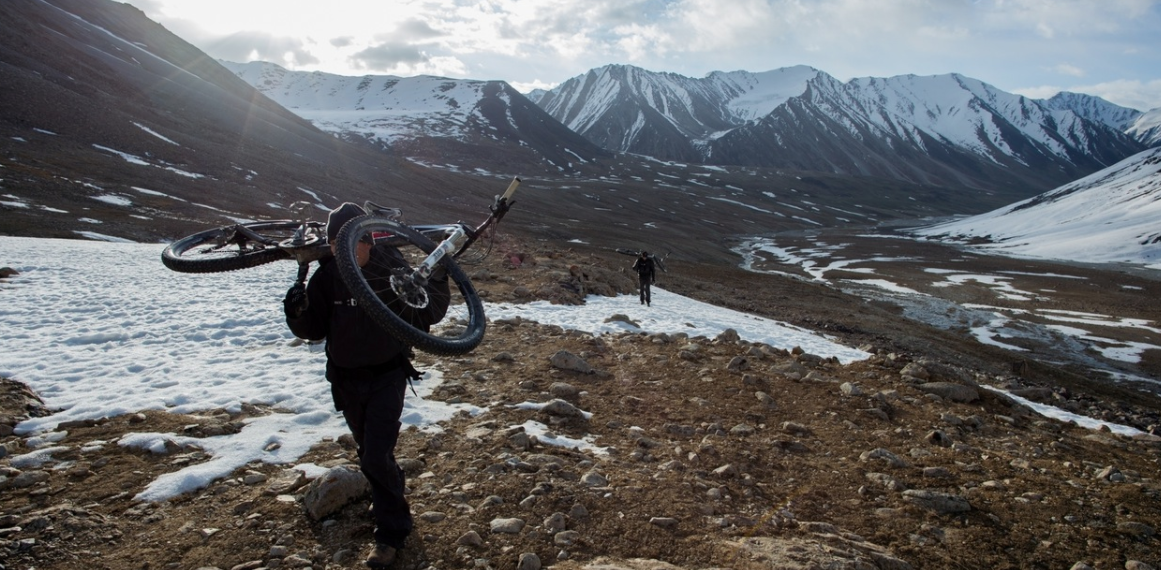
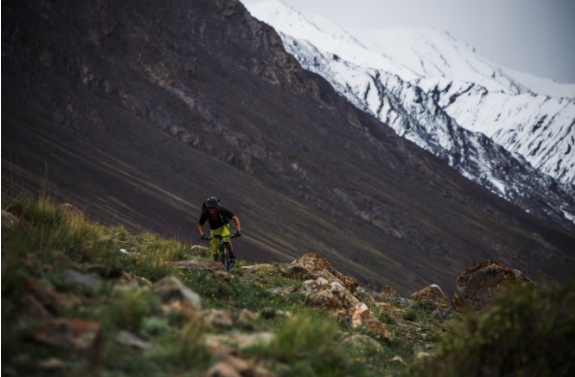
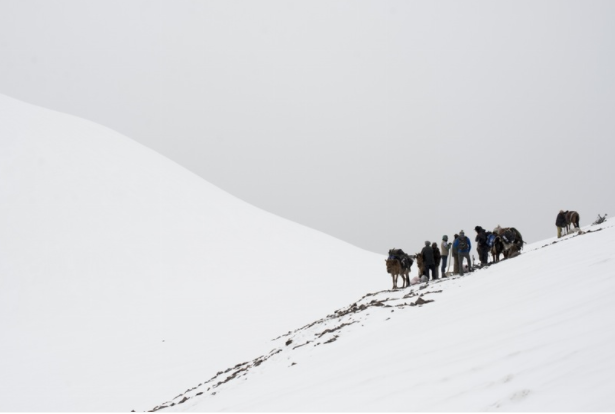
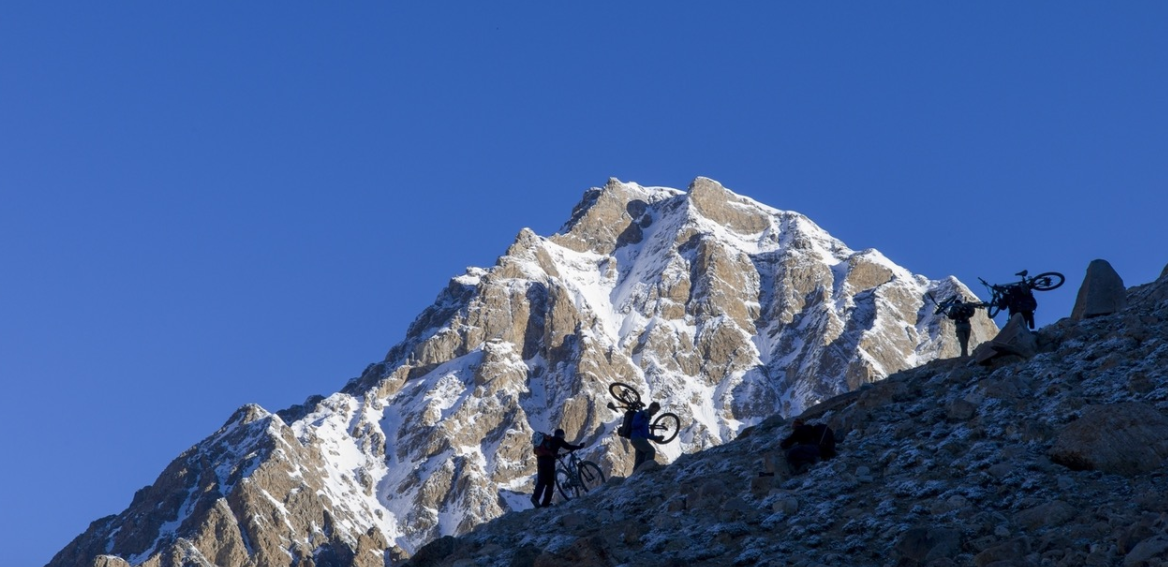
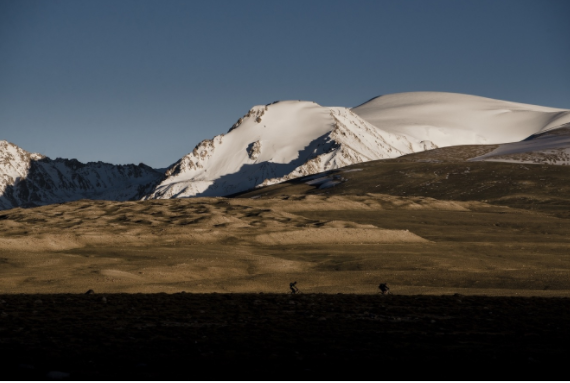
After the first week of hiking across the Hindu Kush at 3,500 to 5,500m above sea level, we have exhausted all our supplies, and from now on we have to satisfy ourselves with the low-calorie diet of bread and tea with yak milk which is provided — and which we can buy — in every village. We have chanced upon small quantities of rice here and there, and then three days ago some lamb for the first time, which has ended up making us all ill, as if our bodies were rejecting the meat.

Humbly and respectfully we have been adapting for three weeks to the local diet, experiencing firsthand the process of survival to which all these families remain inextricably bound. Every encounter and every meal reminds us that in this region, which fully awakens the senses and intensifies the emotions of the traveller, life expectancy stops short at 50 and the infant mortality rate verges on 60% — the highest in the world.

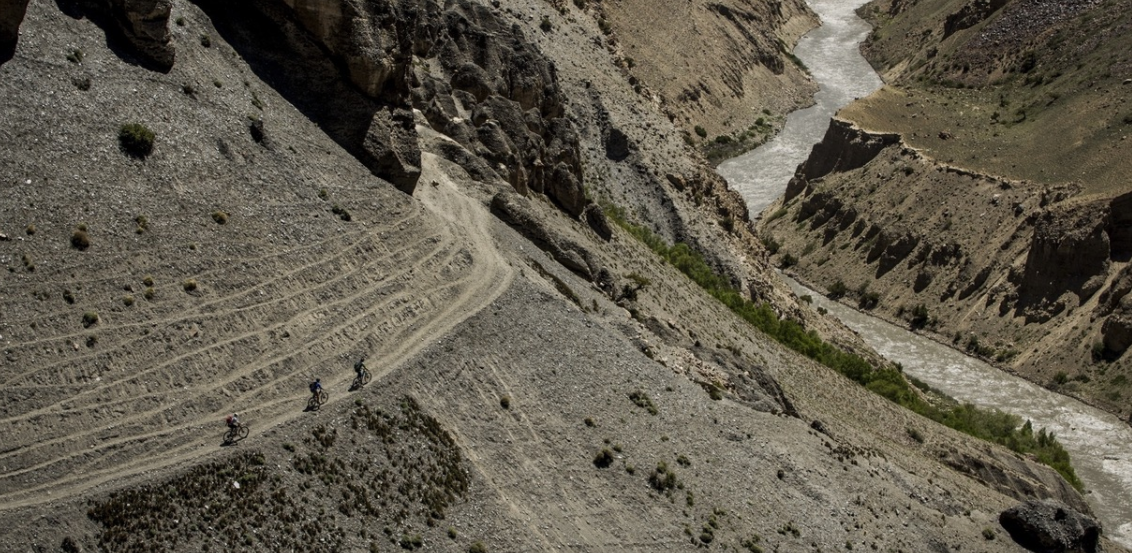
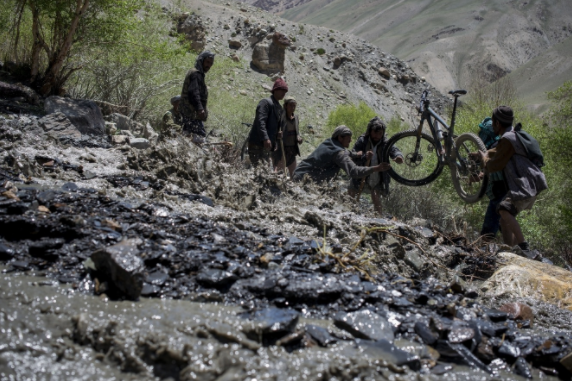
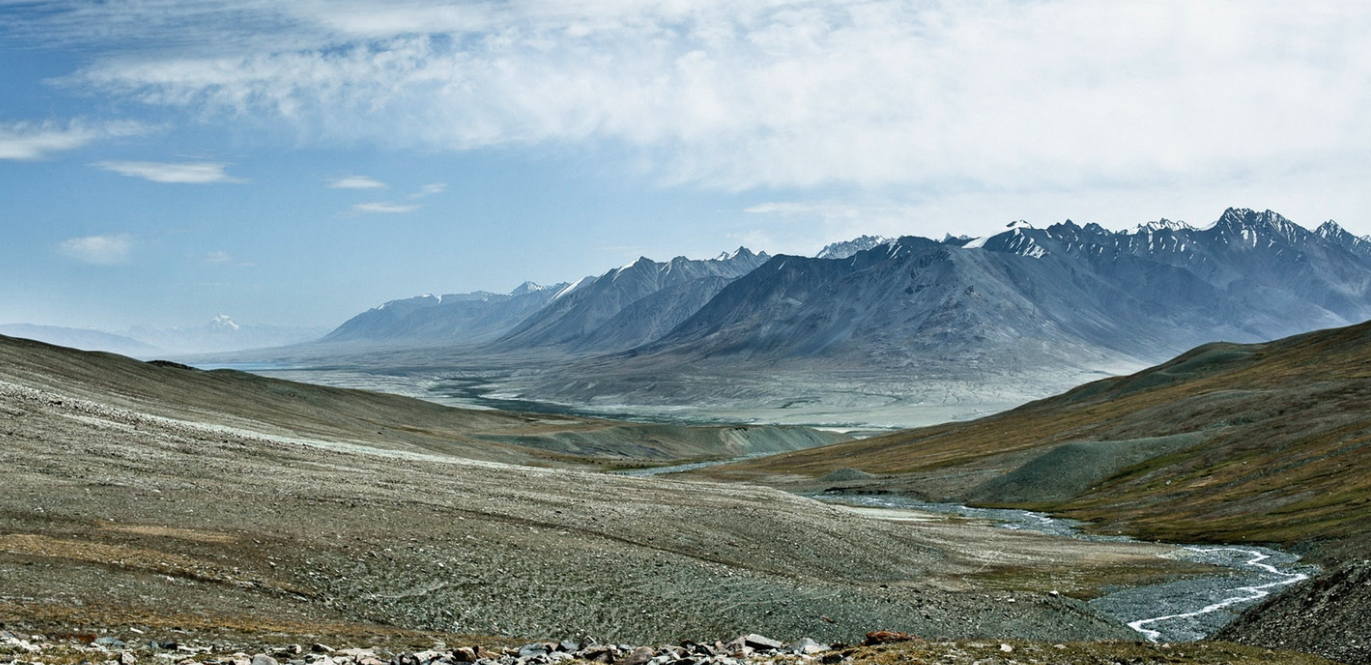
We pause for several hours in one of the villages situated along the Corridor ‘high route’ that is the pathway for the return journey, making a transition from the lands of the Khirghizes to Wakhi territory. From Ishkahim to Erjhail — one of the last of the Corridor villages to border with China — we will probably walk more than 450 kilometres over the course of 30 days, following in the footsteps of Marco Polo and Alexander the Great in crossing the entirety of the Wakhan Corridor.
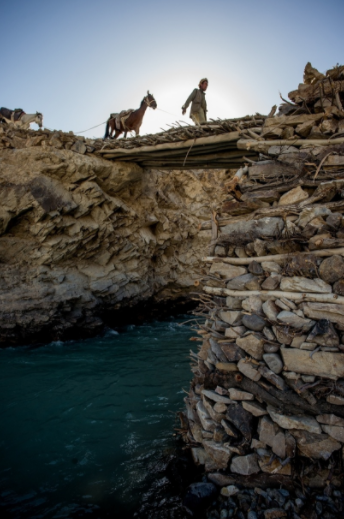
Our horse carries the rucksacks, tent, sleeping bags, camping stoves and gas cylinders, as well as the few additional clothes we have — outer-layers, rather than spare garments — while our donkey is loaded with 40 kilos of photo, video, sound and IT equipment, wrapped in two flexible solar panels, an essential for recharging all the batteries in a region which we assume to be completely without power.

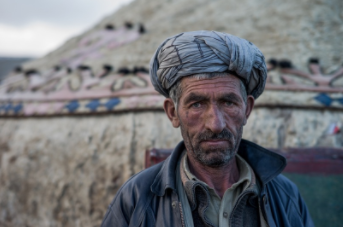
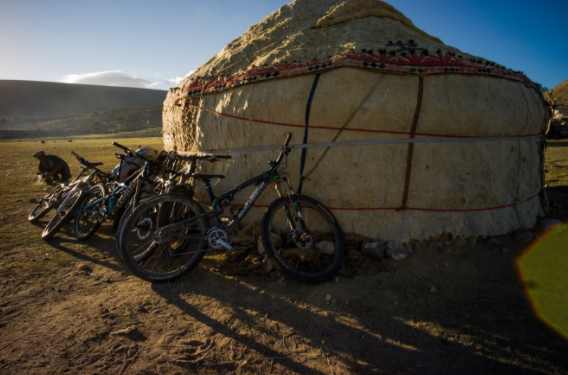
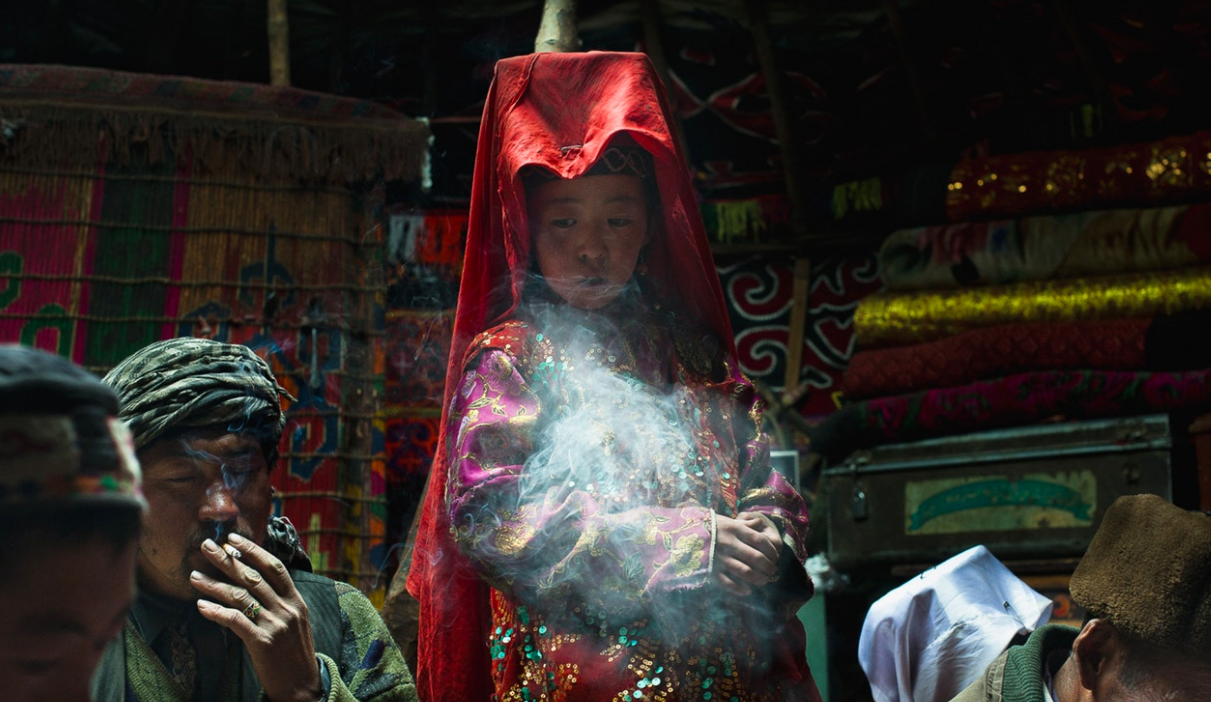
Yet to our astonishment, the Khirghizes — a nomadic people of Mongolian aspect, the last remaining descendants of Genghis Khan, living on the highest plateaux of Wakhan, several weeks’ walk away from any of the main Pakistani, Afghan, Tajik or Chinese villages — have solar panels, satellite aerials, television sets, and an impressive array of batteries, cables and chargers. And when Oji Ossman, the chief Kyrgyz in the village of Kashch Goz, produces a mobile phone from his military jacket — even though obviously there is no network coverage —  in order to take our photograph, all our assumptions about these tribes, the idea that they are still leading the lives of their ancestors, seem absurd and unfounded.
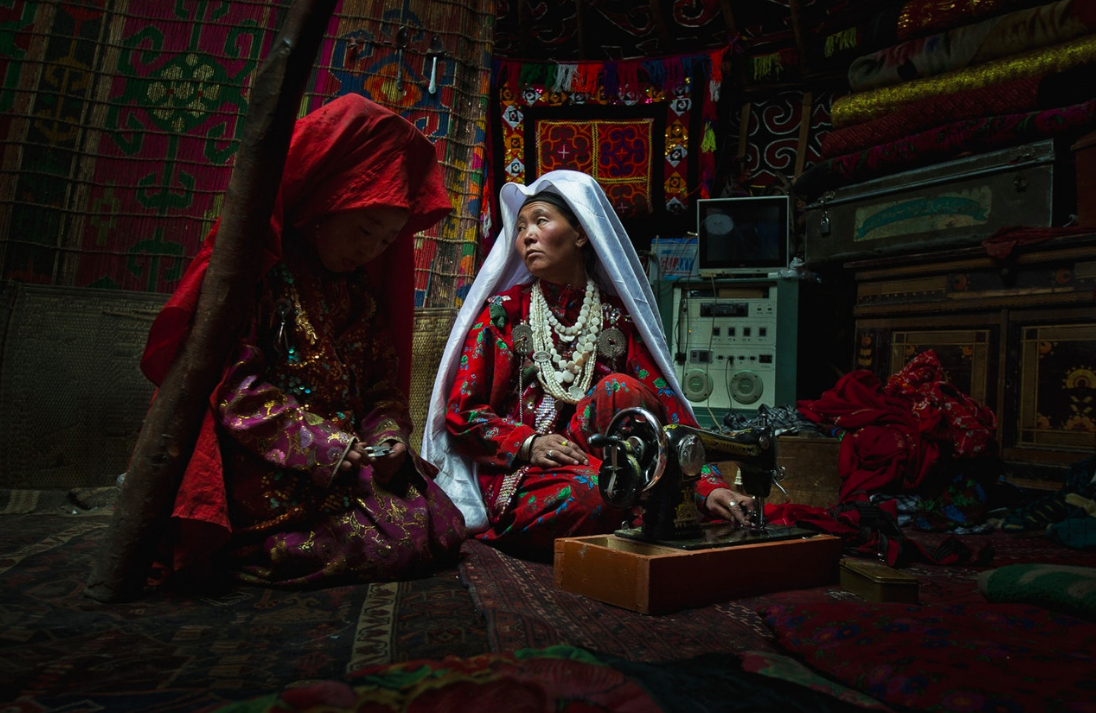
People in this part of the world are undoubtedly feeling the effects of new technology, a process triggered by the exchange of goods.

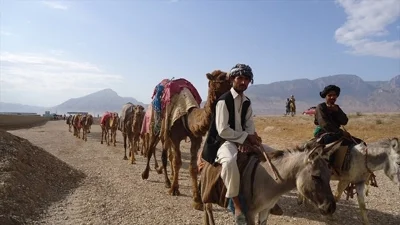
The Wakhan Corridor, as part of the Silk Road, has been established for centuries as a route for traffic and trade of all kinds. Pakistanis, Afghans and Tajiks still spend weeks at a time traversing the mountains, on foot or on horseback, to purchase from the Khirghizes the herds of yak, goats and sheep which have always been at the root of their livelihood.
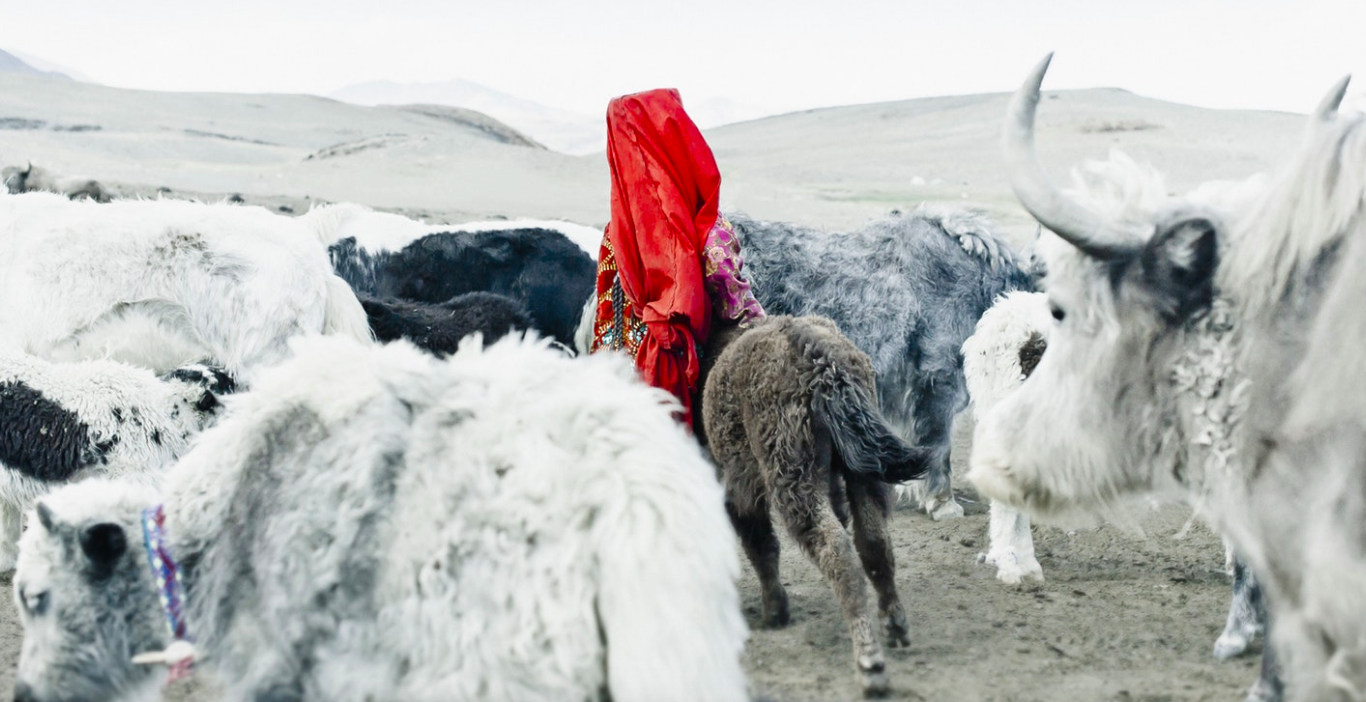
We shared the guest yurt in KashGoz with three Pakistani herdsmen, who had come from the Hunza Valley with the intention of obtaining a herd of goats in exchange for a television satellite aerial, several solar panels, and some sacks of rice and flour.

In Erjhail, we encountered Ramine and his brother, two young Afghans who had walked in excess of four weeks from Kabul to buy around one hundred goats and ten yaks from the village chief. We would go on to spend two days in their company before travelling together for several days on the journey home, until our paths went their separate ways.
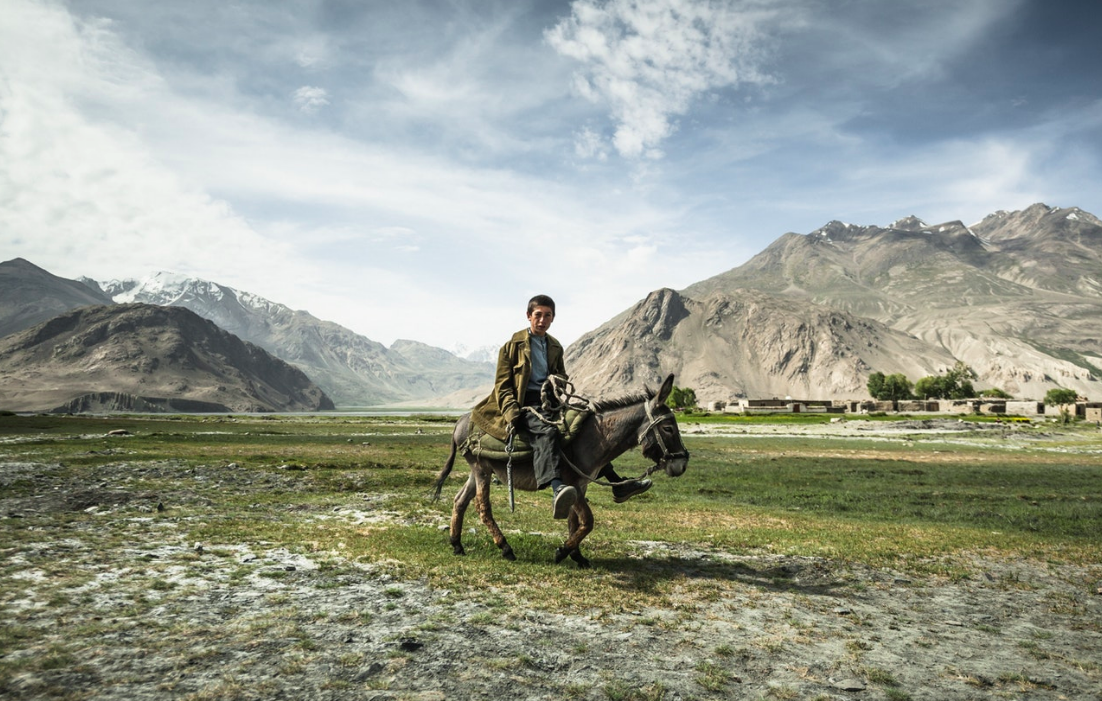
As always, the looks we attract from the four herdsmen in the Wakhi village perched high in the mountains, where we rested for a few hours, are benevolent, but also perplexed. They are asking themselves, “What are these two strangers doing here?” “A report about us” is the most likely answer from Souleman, pointing out with his finger the camera and video equipment placed on a piece of cloth on the ground.

Of course, we are the foreigners, the exotics — and sometimes even the object of complete incomprehension. “Why do they come and live like us in such hardship?” is the feeling we often detect in our conversations.

Our hosts frequently thank us for coming to meet them and for taking an interest in their lives. Repeatedly we feel the sadness in their gaze as they watch us leave again. I have the feeling that they are somehow counting on us from the moment we are welcomed.
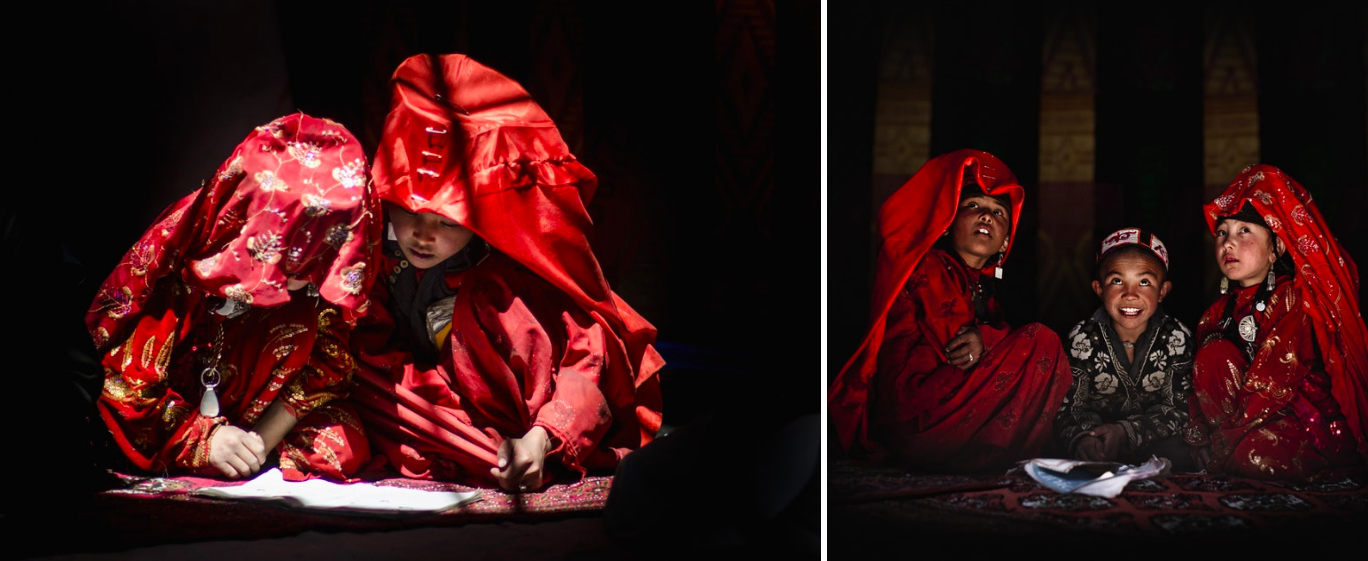
We are now in a relatively advanced state of physical and mental fatigue, and the distance separating us from each other is immense. Throughout the whole journey we have felt ourselves connected, part of a shared experience and a brotherhood.

But at this exact moment, our facial expressions and the breakdown of our appearance betrays the disconnection. Even though we know exactly where we are on the topographical map, in our heads it is the first time that we are feeling so distant, maybe even lost?

Considering the original motivation behind an experience like this, what have we truly uncovered in the Wakhan? What will we be able to share on our return, and through our photographs?

What stories to tell? There are so many.
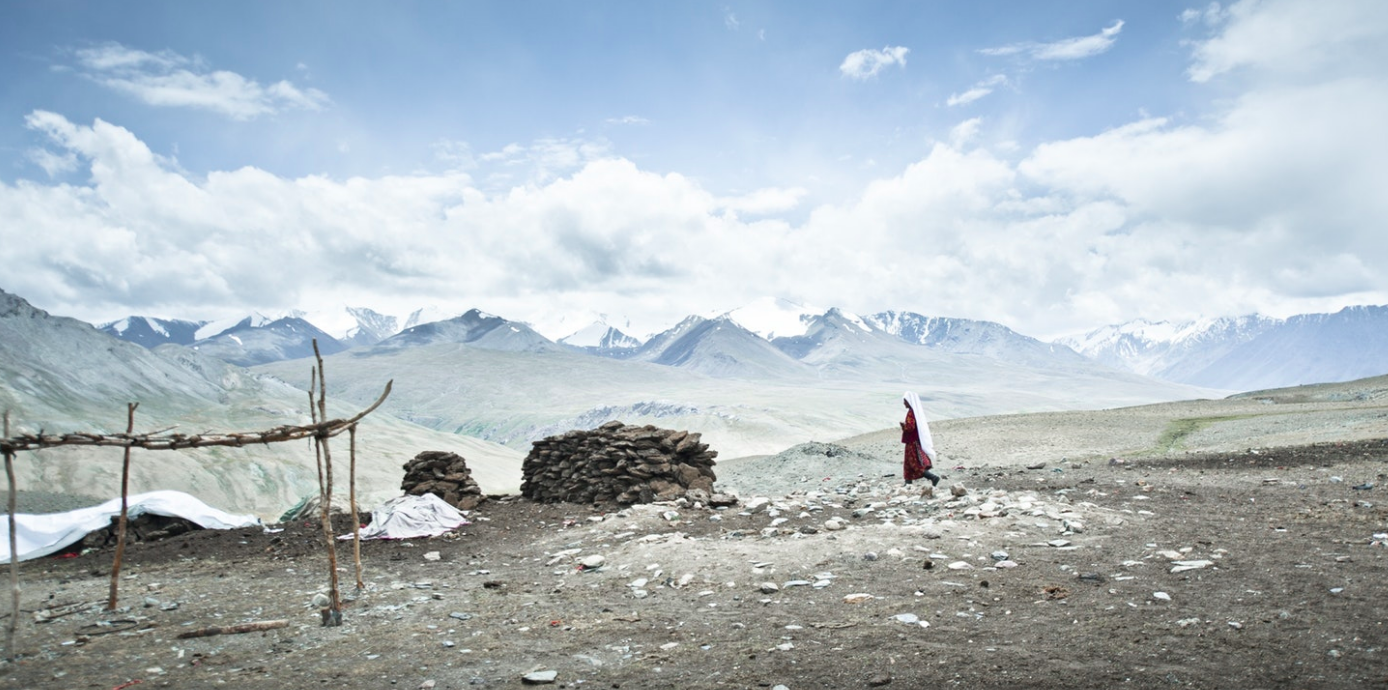
At the heart of a journey devoted to documentary, it is the personal and professional questions which confront each other, providing answers and sometimes shedding light on one another. And when I look at Fabrice, who is silent as I am, my companion of days gone by, of this moment and always, I feel myself reconnecting.

There we are, the two of us. We have been searching for something, and only now do we find its presence — a profound sense of humility.

We have never been consciously afraid, neither of the mountains, nor of all that we have witnessed in Afghanistan in more than 20 years, yet the self-knowledge of this moment is deeply reassuring.
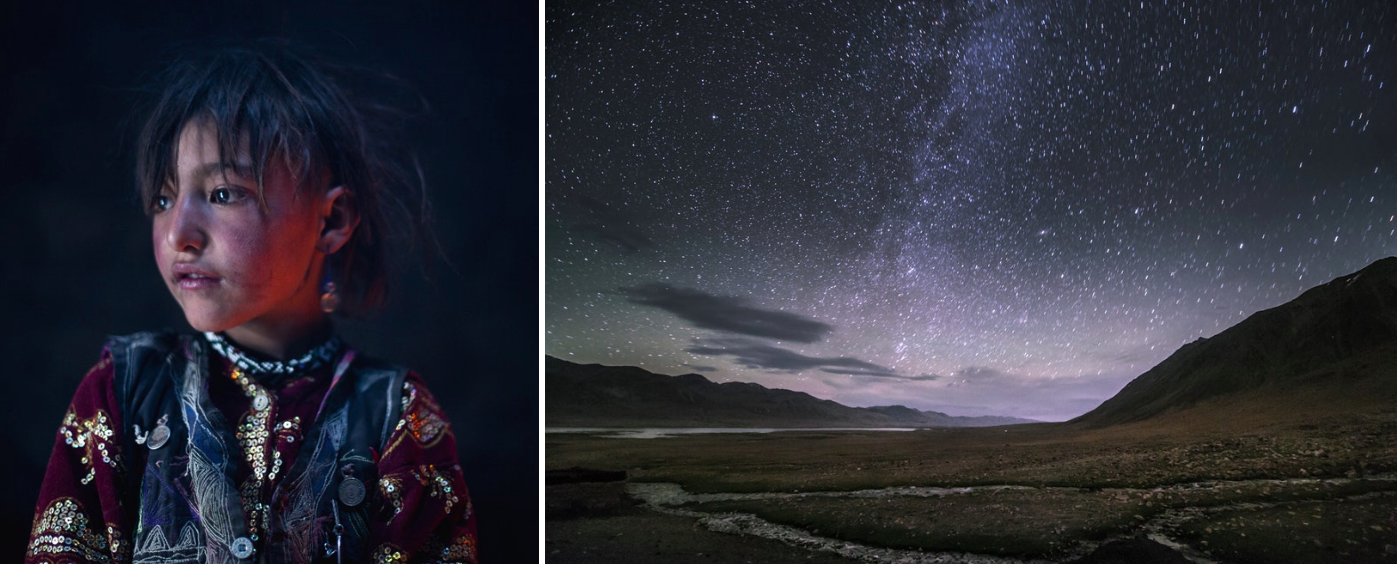
Because if I ever shut down — something which I feel capable of right now — he will be there to restore me. By shutting down, I mean cutting the cord, and no longer being able to endure the weight of escalating hardship, a burden which grows hour after hour, days and weeks on end.

As a humanist, it pains me to see so many men, women and children living under such extreme conditions, and myself unable to endure any longer the psychological torture of knowing that the next bit of potato or piece of fruit is a mere three weeks walk away.
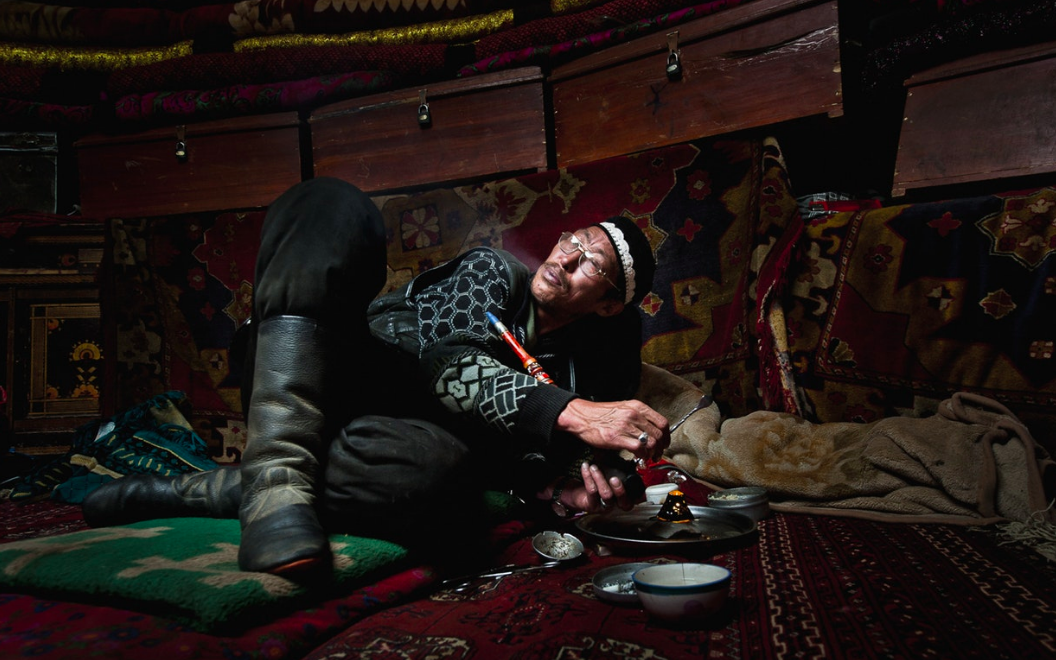
Have we become psychological prisoners of our own investigation? I watch Souleman, crouched down opposite me. This young man, who seems ten or fifteen years older than his thirty, is smiling, supporting me now as he has done for the last three weeks, in such a way that with every gesture I make, I can feel his watchful presence.

I cannot allow myself to betray the trust he has placed in us both, since the start of this journey, and which we feel on so many levels.

I sense that it is not just the traveller that this young man is supporting and protecting, but also the writer, who has promised, with all his photographic and cinematic recording kit, to uncover to the rest of the world his very existence, that of his loved ones and of his community as a whole. We cannot afford to show any sign of weakness.
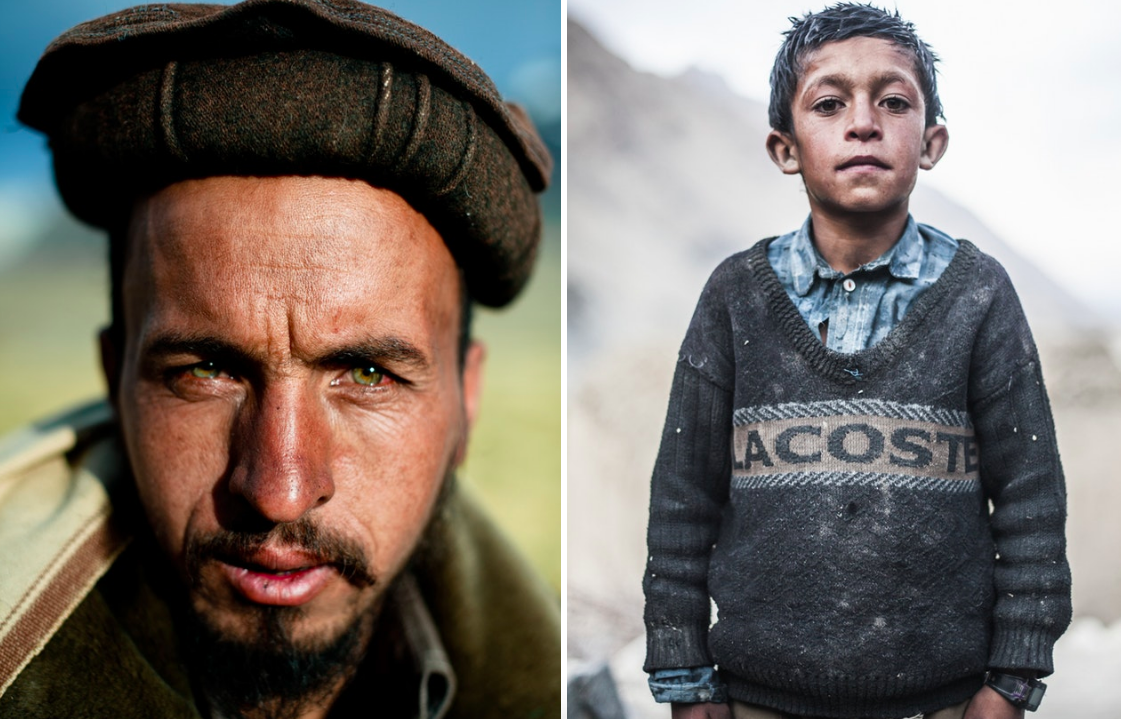
So when the bread and tea are eventually served, bringing us back to our senses and to the harsh reality, I look at Souleman and smile at him in my turn. Through this knowing smile, a mutual promise is made.

He will keep me safe and sound until the end of my journey, and I will pay homage on our return to all those we have encountered, opening the world’s eyes to an other Afghanistan, which has never disappeared but which has simply been forgotten.
THIS ARTICLE WAS ORIGINALLY PUBLISHED ON MAPTIA

VARIAL CÉDRIC HOUIN is a photographer, creative director, writer, explorer, seeker. He has put his artistic chops in the service of the planet.

www.varialstudio.com


AFGHANISTAN: No Burqas Behind Bars

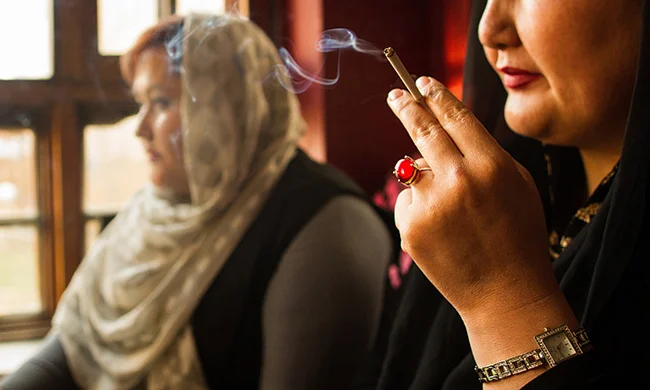
In this upcoming, feature-length documentary by Nima Sarvestani, the viewer is taken inside one of the world's most restricted environments: an Afghan women's prison. Through the prisoners' stories we explore how "moral crimes" are used to control women in post-Taliban Afghanistan. And no — full burqas are not allowed inside the prison gates! 

Why You Should Ski in Afghanistan

Afghanistan.

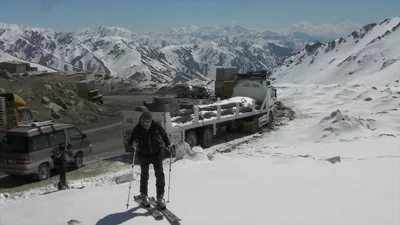
Just the mention of the word sends images into the mind. Military units driving through deserts, windswept mud brick villages and broken arid urban landscapes. When I mention the possibility of going skiing in Afghanistan it can get some strange responses. Forget about the risk, the first question is, “Is there any snow?”

Whilst it is true that much of Afghanistan is desert or semi-desert and that it hardly ever rains, it does snow. In the mountains it snows a lot. The snow is the lifeblood of Afghanistan. As it melts, it flows through the rivers that fill the canals that irrigate the fields.  A good snowfall ensures that the people of small rural communities will have a good harvest and can feed their families and livestock. A poor snowfall often leads to a drought and a famine. However, the snow in Afghanistan is both a blessing and a curse. Heavy snow cuts off villages in the mountain and every winter people freeze to death or are crushed by avalanches.

Families wait for the snow to melt hoping to survive the winter until they can reap the reward that the snow will bring in the summer. For thousands of years there has been nothing for the people to do in the winter except wait for the spring... until now.

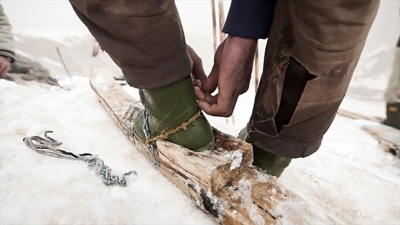
This winter young men from the villages of Kushkak, Jawzari, Ali Baig, and of the valleys of Qazan and Dukani and Foladi will pull on home made skis, crafted from wooden planks, with edges made from flattened tin cans and with poles snapped from a nearby tree. Some will be selected for training to represent their valley in a competition to see which valley can produce the best skier. They will be given modern ski gear to use. They’ll be taught how to ski, and they’ll receive basic training in first aid and avalanche awareness — skills they can take back to their village and potentially use to save lives.

A handful of young men from Bamian, in Central Afghanistan have already begun guiding foreign skiers—both ex-pats from Kabul and visitors from around the world who are trickling into the region to try out Afghan skiing first hand.

So how did this happen? 

At the beginning of the winter of 2010 almost no one had skied in the province of Bamian. The valley's chief claim to fame had been the giant Buddha statues carved into the cliffs overlooking the town of Bamian. Tragically the two statues—which were about 1400 years old—were destroyed by the Taliban in 2001 robbing the world of two of its most important ancient Buddhist relics, and robbing the people of Bamian of one of their key sources of tourist income. For Afghans, Bamian province was also well known for the lakes of Band e Amir  —a series of five lakes formed by natural travertine dams, that appear like a mirage in this high, arid landscape. In the summer Kabuli families come here to picnic and to escape the dust and heat.

Bamian is also home to the Hazara people. The Hazaras are recognisable by their Mongoloid features. They’re Shia Muslims, unlike most Afghans, who are Sunni. In popular tradition they are reputed to be the remnants of the Mongol armies who came to the region with Genghis Khan. Historically they have been looked down upon by the ethnic Pushtuns and Tajiks who make up most of Afghanistan’s population. Some radical Sunnis—such as the Taliban—have seen them as heretics because of their Shia faith. Modern Afghanistan has always been ruled by Pushtun kings or Pushtun dominated governments who have tended to overlook the Hazaras. However, there have been important changes in Bamian since the fall of the Taliban in 2001. It is no Shangri-La—there is little electricity, the province is one of the poorest in the country and by any standard it ranks as one of the least developed places on the planet. However, for the first time in decades there are signs of progress and positive change.

Ten years ago, Bamian province had never had a hospital, a paved road, or a university. Now these all exist. There are still many problems, of course, but the Bamian valley is relatively secure and there is none of the anti-government fighting that plagues large parts of the rest of Afghanistan.

An international development agency, the Aga Khan Foundation, saw the potential of promoting tourism in Bamian as a way of giving the people of the province an additional source of income. The Foundation has helped to develop guest houses, organise cultural festivals and provide information about the places of interest in and around Bamian.

That’s fine in the summer when tourists come to the valley, but what about the winter, when guest houses lie empty? Well, the people of Bamian fall back on their timeless winter pastime of just surviving and waiting until the Spring.

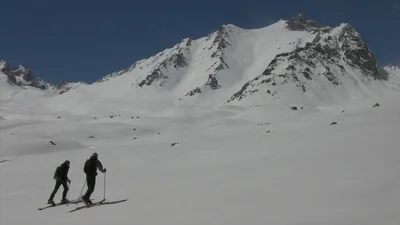
But taking their cue from other mountainous developing countries it was clear that any winter income was better than none so the Aga Khan Foundation began the Ski Bamian programme. With no infrastructure or lifts, the idea was to make the Koh-e-Baba mountains a new destination for ski-touring. 

In 2010 two American skiers were employed for the winter to map out potential routes. They brought only their own equipment so the Afghans had to get creative if they too wanted to ski along with them. Anyone with a small knowledge of Afghan military history will tell you that not having state of the art equipment never stopped the Afghans with competing with foreign powers.  Skiing with no ski equipment was not an insurmountable problem. Strips of wood with battered oil tins for edges were formed—so, the bazaar ski was born.

It quickly became clear that the mountains of Bamian were perfect for skiing and in 2011 a foreign ski trainer arrived to train the first batch of Afghan ski guides. It was early in 2011 that Ali Shah met Nando the Italian ski trainer at his village of Khushkak. Ali Shah was fit, young and spoke good English. Nando asked him what he wanted to be?

“An engineer” said Ali Shah.

“Why you wanna be an engineer? In Kabul there are a thousand engineers. You shoulda be a mountain guide. It's the best job in the world. You spend your whole life in the mountains with beautiful women.”

It may not have been a textbook interview but Ali Shah is now Afghanistan’s best ski guide and Nando's singular teaching style set the basis for the success of the project.

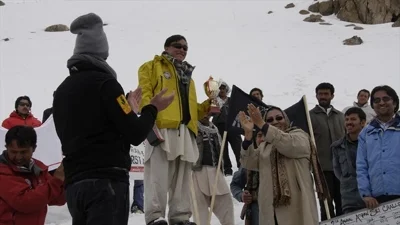
During 2011 and 2012 the annual Afghan Ski Challenge race (Rule number one — no weapons) was organised by a Swiss journalist and has became a focal point for the ski season (www.afghanskichallenge.com). With most Afghan Challengers having only one month’s ski training the Swiss organisers thought it an unfair challenge. They divided the race into Afghan and non-Afghan categories. The challenge is a classic ski touring route which includes skinning up as well as skiing down. They were right to divide the competition as most of the Afghans had finished before the foreigners had even got to the top.

With donations from western organisations like gear4guides (www.gear4guides.com) there is now a well equipped ski rental shop in Bamian serving the local community and the ex-pat and international skiers that trickle in.

My connection with skiing in Afghanistan began in 2009 when I bumped into a Scottish lad who worked for an Afghan aid agency. Ken was hiking with his girlfriend in the Wakhan region of Afghanistan in the far North East and I was leading a group of trekkers. The Wakhan region is the only other part of Afghanistan safe enough to consider these types of outdoor trips.

He told me of a group of British and French skiers working in Afghanistan who regularly skied near Kabul in the winter and if I was serious about being an Afghan tour operator then I should be offering ski trips to Afghanistan. I said I'd join him on a trip that winter.

On the first trip I made we took one of our regular drivers, Ali. For someone who has never skied it is quite hard to explain what we planned to do. Once we loaded up the poles and skis he had a rough idea of what we were up to and wanted to help. At the bottom of the Salang Pass, which crosses the spine of the Hindu Kush, Ali stopped at a small teahouse and ordered food for all of us. As any Afghan will tell you the best thing for breakfast if you are going to spend all day in the snow is Cow’s Foot. Boiled for hours, this gelatinous lump of bone, fat and gristle is never appealing to non-Afghans and the French skiers particularly do not like it. We made a quick note that for the commercial trips, we wouldn’t let the drivers choose the dining options.

But it was then that I saw how skiing was something that really appealed to all the Afghans who saw it. Standing next to Ali as we watched Ken fly down the slopes, he was awestruck. “He is a Djinn,” was Ali's response. Hazaras believe there are mountain spirits and clearly Ken was one. 

In the tea house where we stopped on the way back, Ali regaled the owners with the tale of Ken's exploits. Ken was described as a Djinn and I as a Boz (a goat). I hoped it was a way to describe my sure footedness in the mountains but I think it was more to do with my erratic skiing style. 

In keeping with Afghan tradition, the story was heavily exaggerated but it started a long discussion about skiing, mountains, snow conditions, avalanches and Afghanistan’s future.

It was not only Ali who became a convert. I realised that, Cow’s Foot aside, this was an awesome way to experience Afghanistan in the winter. Skiing was something that was very foreign but the snow and the mountains was a common factor that could bring people together as it had done in that tea house. I also thought Bamian could be the perfect place for skiing. 

It has not always been smooth. A few elders in one or two villages are suspicious about the skiing fuss. They worry the young men will hurt themselves—preventing them from doing the hard farming work—or that skiing will be the thin end of the wedge and they'll get caught up in other foreign un-Islamic ways. This generally does not stop the young boys from hiking up the hills and skiing. “The only say it is bad because they don't know how to ski,” said one boy from Jawzari village.

All the trailheads start from the villages and we have a code of conduct to help ensure that skiers behave properly. The Aga Khan programme representatives have discussed the skiing idea with all the local villages. We pay our respects to the village leaders and maybe take a cup of tea. There are many ways in which thoughtless skiers can cause offence, generally to do with women. In a country where the majority of people are illiterate and there is very limited access to the media, in these isolated rural communities, rumour is often taken as fact. If someone tells a man that the foreigners took a photo of his wife and put it on display in Kabul he will probably believe it. So Rule Number One is—Don’t take pictures of the women. Ever. 

Cultural sensitivity is key to the future of skiing in Afghanistan.
 
When guiding a group of snowboarders last winter we spent a good hour discussing with the headman of one village what we wanted to do in their valley. The snowboarders were professional and were heading to a steep area that had not been ridden, so the villagers were suspicious. It took a great deal of persuasion until he agreed and let us pass around his village. 

As we walked around the village we were watched closely by the men on the rooftops, with no smiles or handshakes. We travelled far up the valley and soon the snowboarders were making jumps from the top of large cliffs. On the second attempt one of them failed to make his landing and crashed in a huge cloud of snow. Suddenly huge cheers rang out from the village below. All the village stood watching on the house rooftops. They liked all the action, but they liked the crashes best of all.

On the way back down there was still staring and silence but we knew the ice had been broken.

We went back to that area for three days and by the end we were inside drinking tea and joking with the local people. 

The key to a successful trip is that the Afghan villagers have a positive experience as well as the visiting skiers.

Afghanistan has always presented a contrast of lifestyles. An abiding memory of my first visit back after years away was of an old man and a young boy herding sheep down an unmade road. With his turban and billowing shalwar-kameez—a long, loose shirt and trousers, the man looked almost Biblical. A closer inspection revealed that his son was wearing a Megadeath t-shirt (presumably a charitable donation). The road they were walking along had a traffic calming feature—a half buried tank caterpillar track to stop cars speeding through the village. Introducing skiing to a small valley in the Hindu Kush seems to build on such contrasts. 

A typical night is spent in rooms heated by wood fire stoves called Bukharis. These are very efficient heaters. You fill them to the maximum before bedtime. It might be -25C outside but we would be sitting in our rooms in shorts and a t-shirt. As the night passes and the fire burns out the temperature plummets in the room and at dawn we'll be inside sleeping bags and the glass of water by the bed will have a layer of ice.

Breakfast could be eggs or pancakes. Where we stay, the cook was trained at a US agency guesthouse. He knows exactly what hungry Westerners like to eat. Recently married, he returned to Bamian from working in Helmand province. The wages are much lower in Bamian but it is safer. In Helmand he always had to carry his ID card to get into the compound. However, if the Taliban stopped him and found this ID card he would be killed.

On a very cold night the diesel will freeze in the vehicles used to take us to the mountains. We'll drink tea whilst a fire is built under the engine to defrost it, and perhaps watch the daily UN helicopter coming in to land at the Bamian military base, managed by the New Zealand army.
 
Once in the villages at the top of the valleys, when we start to skin up we'll be invited in for tea by the village elders. Depending on the weather we'll either accept or continue uphill to make the most of the snow. I'll remind people that they should always remove their shoes when entering a house, never speak directly to the women—and above all, no matter how serious their latest case of Kabul Belly, NEVER to fart in a room with their Afghan hosts. This is perhaps the greatest social faux pas of all.

Often we'll be joined for all or part of the day by the local youths on their home-made skis. Making light work of skinning up and paying little or no attention to our avalanche warnings. they just laugh – “Inshallah” – if God wills it

There is not much to do in the evenings. Alcohol is forbidden, but there is plenty of hearty traditional Afghan food and drink—kebabs, rice and hot drinks. With alcohol forbidden, we like to call this the Apres-Tea scene.

Skiing will not solve all the problems in Afghanistan. It won't solve the problems of Bamian but in a few small valleys in the Hindu Kush they are making a small positive impact to a handful of people and that is something worthwhile.

ORIGINALLY PUBISHED ON TETON GRAVITY RESEARCH


KAUSAR HUSSAIN

Kausar has travelled every inch of Pakistan and Afghanistan and has friends almost everywhere from the bustling bazaars of Kabul to sleepy, poppy growing villages in the Tribal Areas. When not leading tours and running Untamed Borders. Hussain works as a photographer and journalist. He is the chief reporter for "World Problems" magazine and also works freelance. For ten years he has worked with foreign correspondents allowing them access to restricted areas in Afghanistan and Pakistan. He also works with Prince as part of the "World Welfare Organisation", a Peshawar based NGO. He speaks 9 languages and for the last 5 years spends time teaching English to Afghan refugees based in the camps that surround Peshawar. He arranges ski trips to Bamian every year through http://www.untamedborders.com