
By Azhar Kantayeva
Discover the people, food and traditions that give Kyrgyzstan its place in the center of Central Asia.

Kyrgyzstan. TeamA.live. CC BY-SA 4.0.
When people think about Kyrgyzstan, they often picture snow-covered mountains, green valleys and the clear waters of Lake Issyk-Kul. These are some of the country’s most recognizable sights, but traveling around Kyrgyzstan also offers a chance to discover the way people have lived across its mountains and open countryside for generations.
Nomadic life has shaped Kyrgyz food, hospitality, horse culture and traditional homes. Although many people now live in towns and cities, visitors can still encounter these elements while traveling outside Bishkek.
One destination to include on a Kyrgyzstan itinerary is Cholpon-Ata, a resort town on the northern shore of Lake Issyk-Kul, about 165 miles east of Bishkek. The town is known for its location between the lake and the mountains and is a popular base for exploring the surrounding area. During my visit to Kyrgyzstan, I spent time in this part of the country and experienced some of its local customs firsthand.
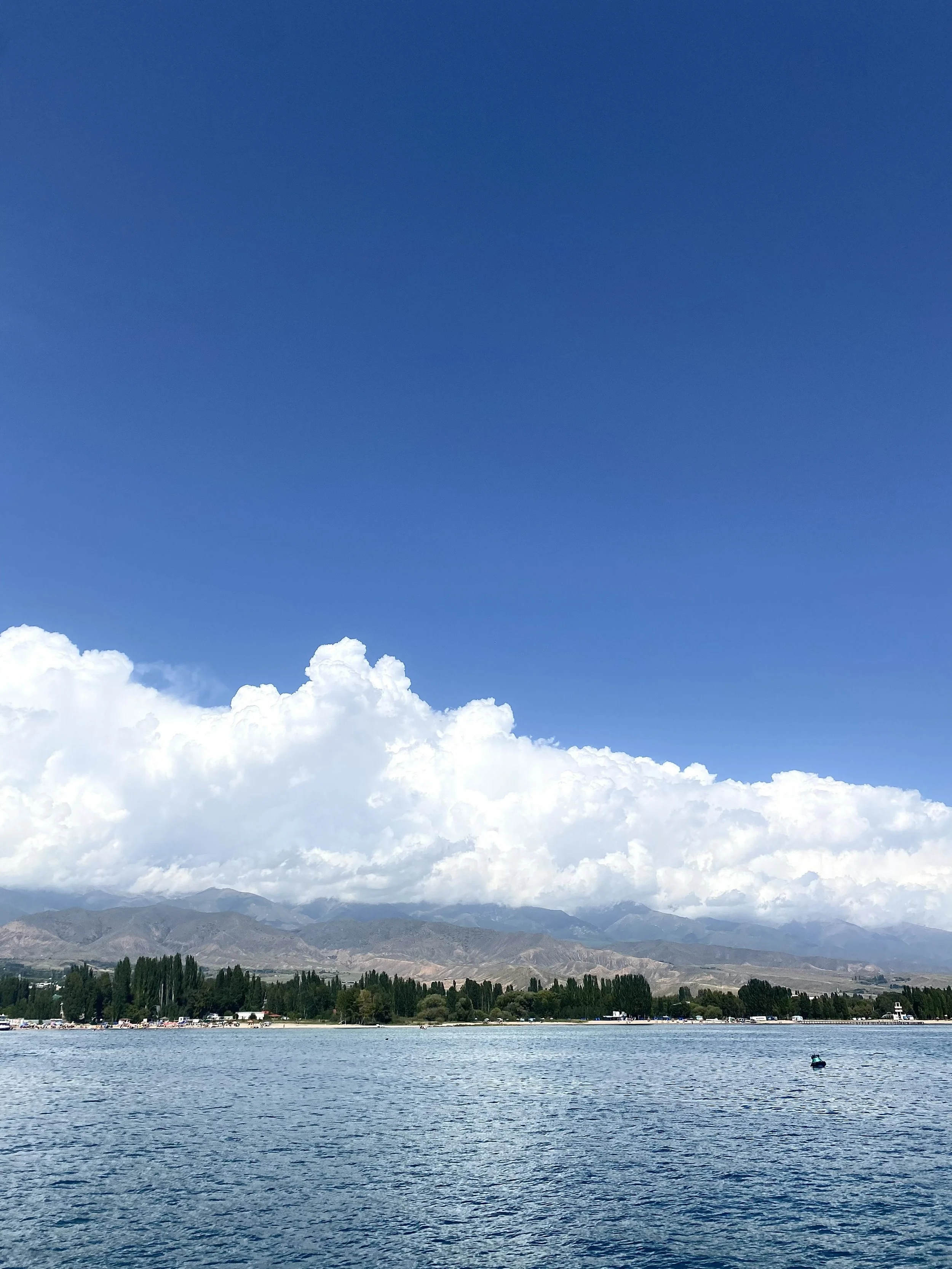
Lake Issyk Kul, Kyrgyzstan. Azhar Kantayeva.
1. Spend a Night in a Yurt
A yurt is one of the most recognizable features of Kyrgyz life. These round, portable homes were traditionally used by families who moved between seasonal pastures with their livestock.
Their design was practical for a mobile lifestyle. A yurt could be taken apart, transported and rebuilt in another location without requiring a permanent structure.
For travelers, staying in a yurt offers something different from a standard hotel. Many yurt camps are located in rural or mountainous areas, allowing visitors to spend a night close to the countryside. Inside, traditional decorations and handmade items provide a glimpse into the craftsmanship associated with Kyrgyz homes.
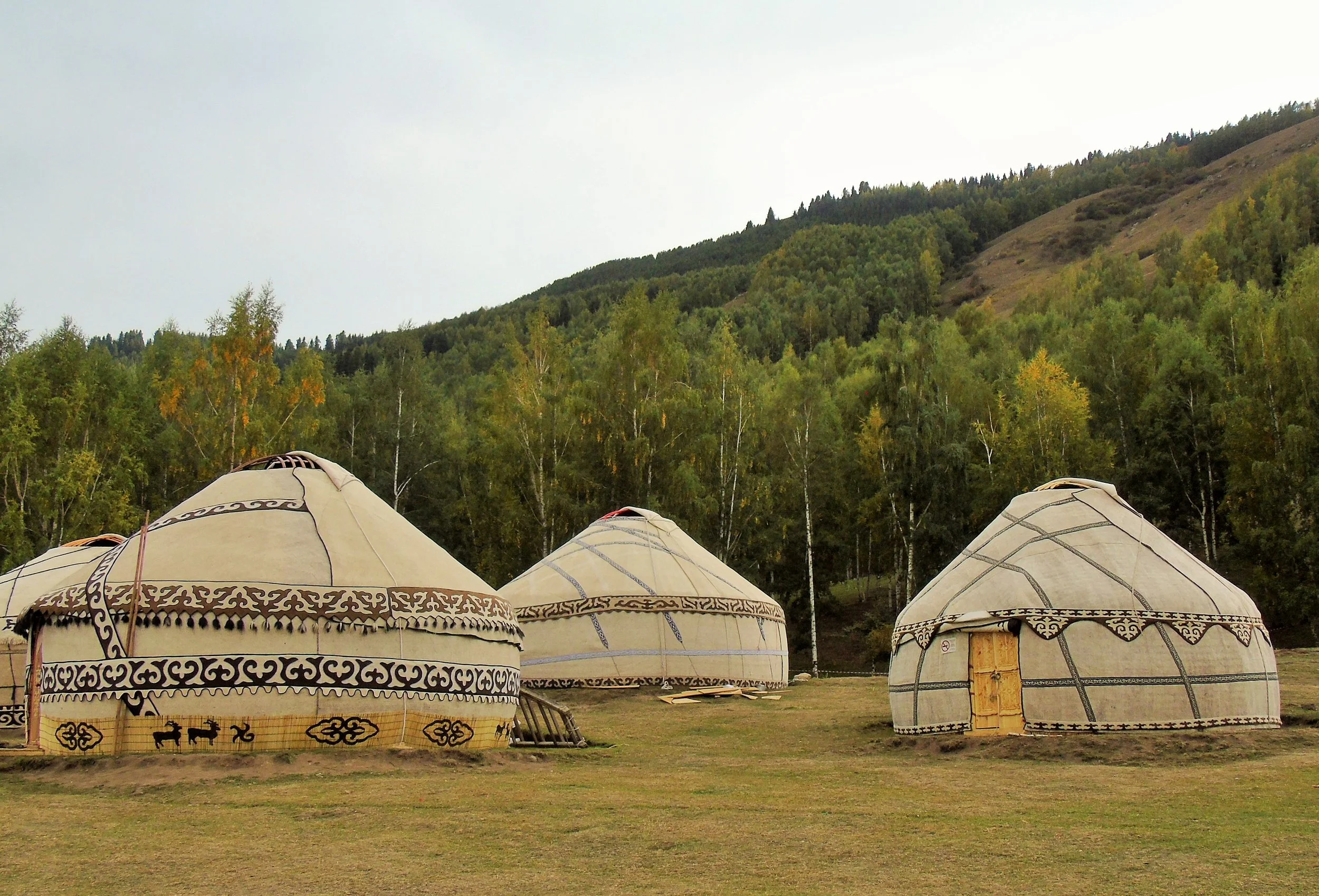
Yurts in Kyrgyzstan. Helen Owl. CC BY-SA 4.0.
2. Try Food From the Region
Food provides another introduction to Kyrgyz culture. Traditional dishes often reflect the country’s pastoral history, with meat, noodles and dairy products appearing in many meals.
During my visit, I tried traditional Kyrgyz dishes as well as kymyz, a fermented drink made from mare’s milk. The drink has long been associated with communities that kept horses and lived a mobile lifestyle.
Travelers may also find that meals are an important part of meeting local people. In smaller communities, sitting down for tea or sharing a meal can be a simple way to learn about daily life and local hospitality.

Traditional meal: Beshparmak. Sharon Hahn Darlin. CC BY 4.0.
3. Explore on Horseback
It is difficult to discuss Kyrgyzstan without mentioning horses. They have played an important role in transportation, work and recreation for generations and remain closely connected to life in the countryside.
Horseback riding is also a popular way for visitors to explore rural areas. I had the opportunity to ride a horse during my trip, following routes through the countryside rather than traveling only by road.
Local guides can arrange rides for different experience levels, from shorter trips to longer journeys through mountain areas. For visitors, this can be a practical way to reach places that are difficult to access by car.
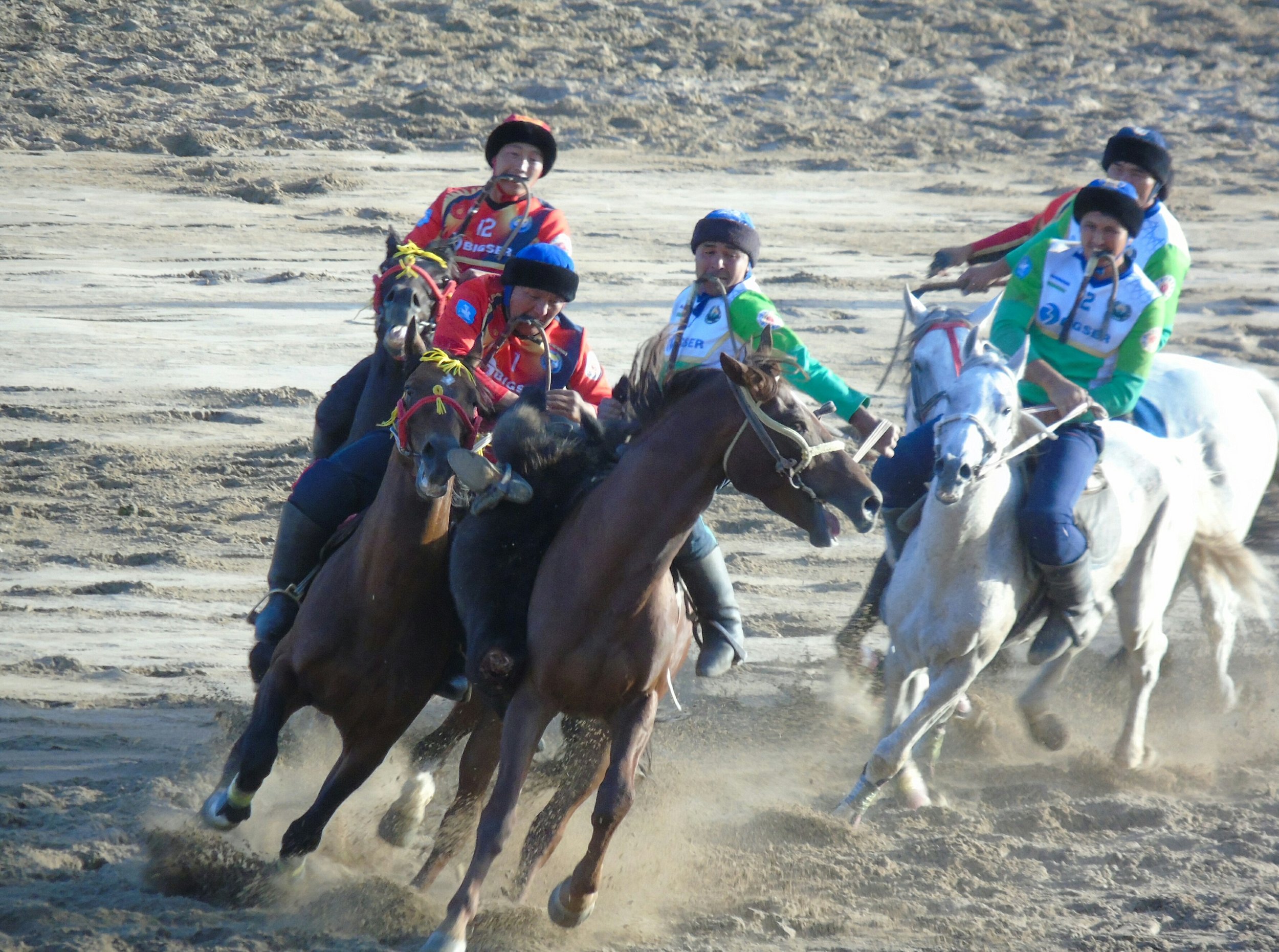
Kok-boru, a traditional equestrian game, held in Cholpon-Ata, Kyrgyzstan. Helen Owl. CC BY-SA 4.0.
4. Spend Time With Local Communities
Traveling through Kyrgyzstan can also mean spending time with people who continue to practice parts of the lifestyle associated with the country’s past.
Depending on the destination, travelers may visit local families, observe traditional crafts, learn how certain foods are prepared or take part in everyday activities. These encounters are often less structured than a typical sightseeing tour and can provide a more personal look at life outside the country’s main cities.
Hospitality is particularly important in Kyrgyz culture. Sharing tea, food or conversation with a host can turn a short stop into a meaningful part of a journey.

Kyrgyz family in a yurt. Hardscarf. CC BY-SA 3.0.
5. Look Beyond the Capital
Bishkek, the capital and largest city of Kyrgyzstan, is a lively starting point for exploring the country. Known for its tree-lined streets, open-air markets and mix of Soviet-era and modern architecture, the city offers an introduction to everyday life in Kyrgyzstan. But many of the country’s cultural experiences are found farther from the capital. A journey to places such as Cholpon-Ata and the surrounding areas of Issyk-Kul can combine time by the lake with opportunities to discover local food, yurts, horses and rural communities.

Kochkor, Kyrgyzstan. Peretz Partensky. CC BY-SA 2.0.
For travelers, these experiences offer a way to move beyond sightseeing. Rather than simply passing through the country, visitors can take part in activities that have long been connected to life in Kyrgyzstan.
A yurt stay, a shared meal, a cup of kymyz or a horseback ride can become small but memorable parts of a journey through the country; experiences that show Kyrgyzstan through the people, places and everyday activities encountered along the way.

Azhar Kantayeva
Azhar is International Relations student at Dokuz Eylül University in Türkiye and an emerging writer with a passion for journalism, travel, culture, and global affairs. She has experience writing about international issues, destinations, and cultural perspectives. Alongside her studies and writing, she works as an English and Turkish teacher. Her work is driven by curiosity, cultural exchange, and a desire to connect people through stories.