The Hidden Cost of Counterfeit Luxury

Zoe Lodge

Though the price tag might be tempting, counterfeit goods have a broader negative societal and environmental impact than many realize.
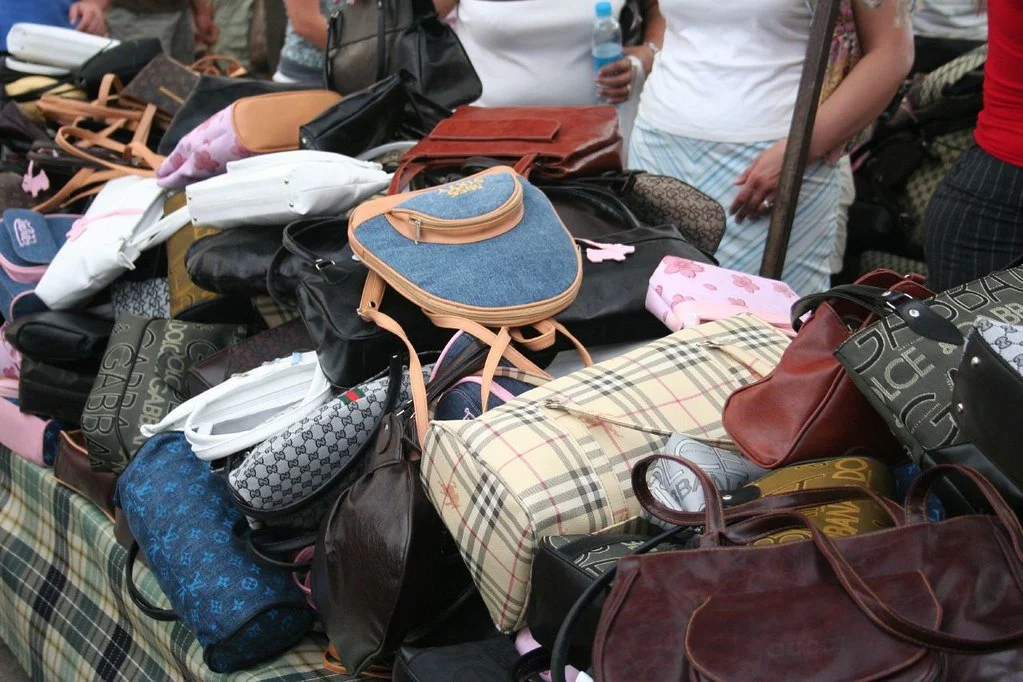
Counterfeit Bags in Pile

Street stand selling counterfeit bags. Nick Adams. CC BY-NC-SA 2.0.

The counterfeit goods market has expanded dramatically in recent years, moving far beyond street vendors in tourist hotspots to major online marketplaces like Temu, AliExpress and DHGate. Emma Warbey, Detective Chief Inspector of the Police International Property Crime Unit in London, noted that “it’s becoming easier for counterfeit goods to enter the marketplace, with online sales portals, social media, and apps.”

What was once a niche market has become a booming industry, driven in part by social media influencers showcasing “dupe hauls” of fake designer bags, shoes and clothing, promoting the overconsumption of counterfeit luxury goods. While these “dupe” items offer an affordable way to mimic luxury, the reality of their production and ethical impact is far less glamorous.

Luxury fashion is synonymous with exclusivity, as high-end designer items remain out of reach for most consumers due to high prices and limited availability. Through nearly identical copies of luxury items sold at a fraction of the price, counterfeit goods offer an illusion of prestige without the financial burden. Social media influencers have only fueled this trend by normalizing the purchase of fake goods, often describing them as “budget-friendly” alternatives rather than illegal imitations. 

Growing demand has created an underground economy that thrives on accessibility and affordability. According to Keith Goldstein, the president and COO of VerifyMe, “the total amount of counterfeit goods sold each year comes in at around $1.7 trillion to $4.5 trillion, which would make counterfeiting at least the tenth largest economy […] It’s also responsible for 2.5 million jobs lost globally.”

Despite their popularity, purchasing counterfeit goods comes with a number of ethical issues. First and foremost, they are illegal to manufacture, sell, and, in many cases, even possess. Many countries have strict intellectual property laws prohibiting the production and distribution of fake designer products, with penalties ranging from hefty fines to imprisonment. Luxury brands invest significant resources in protecting their designs through trademarks, and counterfeit operations directly undermine these efforts.

Additionally, the quality of counterfeit goods is often leagues below the original. Many are made from cheap materials that do not match the durability or craftsmanship of genuine designer pieces. While the items may look similar at first glance, they can fall apart and show signs of wear after minimal use, making them a poor investment even at a lower price point.

Beyond the personal drawbacks of purchasing counterfeit items, the industry itself has serious ethical and environmental implications. Counterfeit production often relies on exploitative labor conditions, including underpaid workers, child labor and unsafe workplaces. Many counterfeit factories operate in countries with weak labor regulations, allowing manufacturers to cut costs and skirt the law at the expense of workers’ rights and safety.

The industry’s environmental impact is equally concerning. Counterfeit goods are frequently produced using toxic materials, synthetic dyes and low-quality plastics that contribute to pollution and waste. The sheer volume of goods produced and shipped worsens global overconsumption, contributing more products to landfills. Unlike reputable brands that are increasingly prioritizing sustainability and ethical sourcing, counterfeit manufacturers have no incentive to follow environmental guidelines. The result is a shadowy industry that promotes unsustainable practices while flooding the market with disposable, low-quality goods.

As counterfeit luxury items continue to gain popularity, consumers must be mindful of their purchasing decisions. The short-term benefit of a cheap designer look comes at the considerably higher cost of legal risks, poor quality, exploitative labor and environmental harm. 

GET INVOLVED:

Instead of opting for counterfeits, consumers can explore ethical alternatives by shopping at second-hand luxury markets, designer rental services and brands that prioritize affordability without compromising quality or ethics.

For example, The RealReal is a verified online retailer featuring secondhand designer goods at reasonable prices, allowing consumers to shop at lower cost to both their wallet and the environment. 

Apps and websites such as Pickle, Rent the Runway and Nuuly offer short-term rentals of designer items at a fraction of the cost, enabling a cyclical and sustainable use of well-crafted fashion items.


Zoe Lodge

Zoe is a student at the University of California, Berkeley, where she is studying English and Politics, Philosophy, & Law. She combines her passion for writing with her love for travel, interest in combatting climate change, and concern for social justice issues.
First Amendment Freedoms in Danger: Greenpeace Ordered to Pay $667M to Oil Company

Julia Kelley

A North Dakota jury has ordered environmental group Greenpeace to pay Dakota Access Pipeline’s operating oil company in a case sparking controversy around Americans’ right to freedom of speech and protest. 

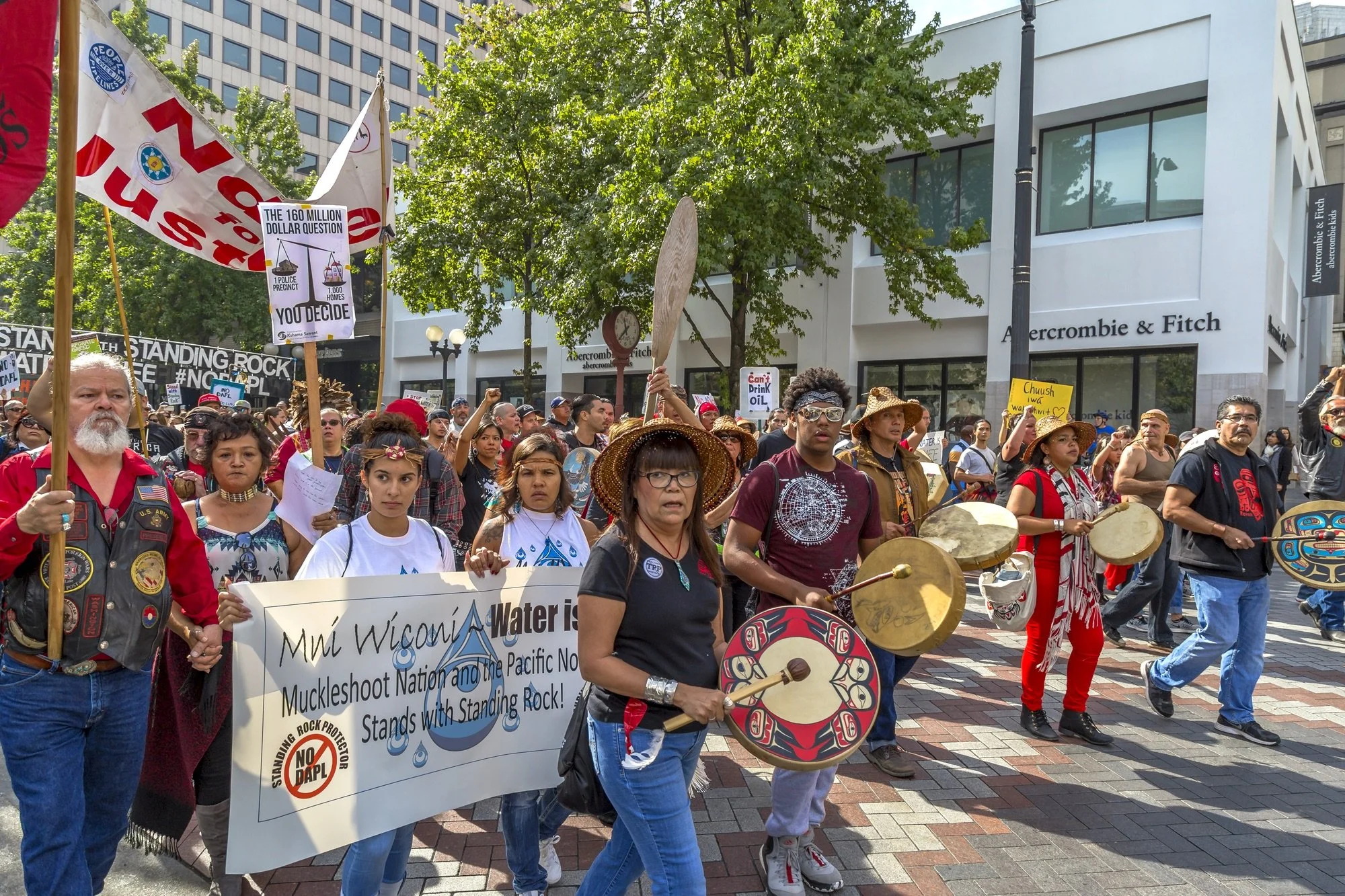
Dakota Pipeline Protest

Protest Against Dakota Access Pipeline. John Duffy. CC BY 2.0

On March 19, 2024, a North Dakota jury found Greenpeace, a global environmental nonprofit network, guilty of defamation and destructive protest action against the Dakota Access Pipeline, ordering the nonprofit to pay its operating oil company $667 million. This decision comes after years of national pushback against the Dakota Access Pipeline due to the project’s potential environmental hazards; the 1,172-mile-long underground pipeline transfers crude oil from North Dakota to an oil terminal in Patoka, Illinois. Moreover, the pipeline stretches within a half-mile of the current Standing Rock Sioux Reservation boundaries, posing potential risks to significant cultural and burial sites. As such, since its approval in 2016, protests led by Native tribes and environmental groups such as Greenpeace began sprouting up around the pipeline’s construction sites and sacred Native American areas. In many instances, demonstrations resulted in violence between protesters and law enforcement. It is because of these protests that the builders of the pipeline, oil company Energy Transfer, praised the jury’s March 19 decision, echoed in its counsel’s statement: “Peaceful protest is an inherent American right; however, violent and destructive protest is unlawful and unacceptable.” 

In response to this decision, however, environmental activists and Tribal nations have taken a much different position. Contrary to Energy Transfer’s sentiment, many have determined this verdict to be an attack on First Amendment rights rather than a protection against unnecessary violence and destruction. Those associated with Greenpeace have even named the case a Strategic Lawsuit Against Public Participation, or a suit that intentionally targets those speaking out against public interest issues in an attempt to intimidate critics and force them to spend money. To those opposing the pipeline, not only has this lawsuit silenced years-long appeals for environmental safety and Native land protection, but has also cost Greenpeace an immense amount of money to defend its position, thus delaying progress in such areas. Despite being a major nonprofit, Greenpeace has previously warned that losing this case could potentially lead to bankruptcy. Those involved now fear that this could be a reality, as financial reports demonstrate that its total assets from 2023 may not be enough to ensure a supersedeas bond, in which a surety insurer would put up the bond necessary to pay the court-ordered amount. If not, then Energy Transfer would be able to begin seizing Greenpeace’s assets, including all cash needed to keep it operating.  

Moreover, Greenpeace has come to represent freedom of speech and protest in general. In an interview with Democracy Now, Steven Donziger described the trial as a way to “silence people’s legitimate constitutionally protected right to speak out,” founded on a false narrative that protesters were violent while it was actually “law enforcement agencies […] hired by Energy Transfer that were really committing violence.” Critics warn that this will have effects that go beyond support for environmental and Native protections, potentially posing detrimental risks to nonprofit work as a whole. With a rise in anti-protest bills since 2017 mirroring a rise in major protest movements, much of this newly proposed legislation calls for increased liability against organizations not directly involved with protests but who offer support, including nonprofits or religious groups. In addition, the potential bankruptcy of Greenpeace, a substantial and largely influential organization, signals even fewer protections for smaller nonprofits, who may not have the same amount of financial support or as wide of a network. This could significantly decrease charities’ ability to speak out on various issues, for fear that they could easily be sued by larger corporations. Such concern would halt imperative support for causes across the country, a major blow to many movements. . 

In the wake of the lawsuit, supporters of Greenpeace, environmental protection and the Standing Rock Sioux Tribe have critiqued and denounced the jury’s final decision. Despite the shock that the trial has caused, such advocates find hope in Greenpeace’s intention to appeal the case, as the organization declared in a statement released a day after the verdict. In addition to this, Greenpeace also highlighted the increased support it has gained over the past year, as opposed to a dissolution of its movement risked by the court case. The statement’s overall message affirms Greenpeace’s continued efforts as well, signaling that their work is still not over: “we will not be silenced, and our movement will endure.” 

GET INVOLVED:

For those looking to get involved with environmental protection in the United States, researching local or state legislation is a great place to start. Looking into advocacy on a federal scale can be powerful as well, especially through staying updated on EPA regulations and making comments. In addition, check out organizations like the Environmental Defense Fund, The Nature Conservancy, We Act For Environmental Justice or the National Environmental Education Foundation, all of which are focused on making environmental change and expanding awareness through public policy support and education. Those interested in supporting Native American rights can look into the Native American Rights Fund, the Association on American Indian Affairs, the American Indian Policy Institute or Cultural Survival


Julia Kelley

Julia is a recent graduate from UC San Diego majoring in Sociocultural Anthropology with a minor in Art History. She is passionate about cultural studies and social justice, and one day hopes to obtain a postgraduate degree expanding on these subjects. In her free time, she enjoys reading, traveling, and spending time with her friends and family.

The Price of Preservation: Famous Sites Limit Tourism

By: Zoe Lodge

As overtourism threatens popular sites, the only solution seems to be restricting access, a controversial move. 

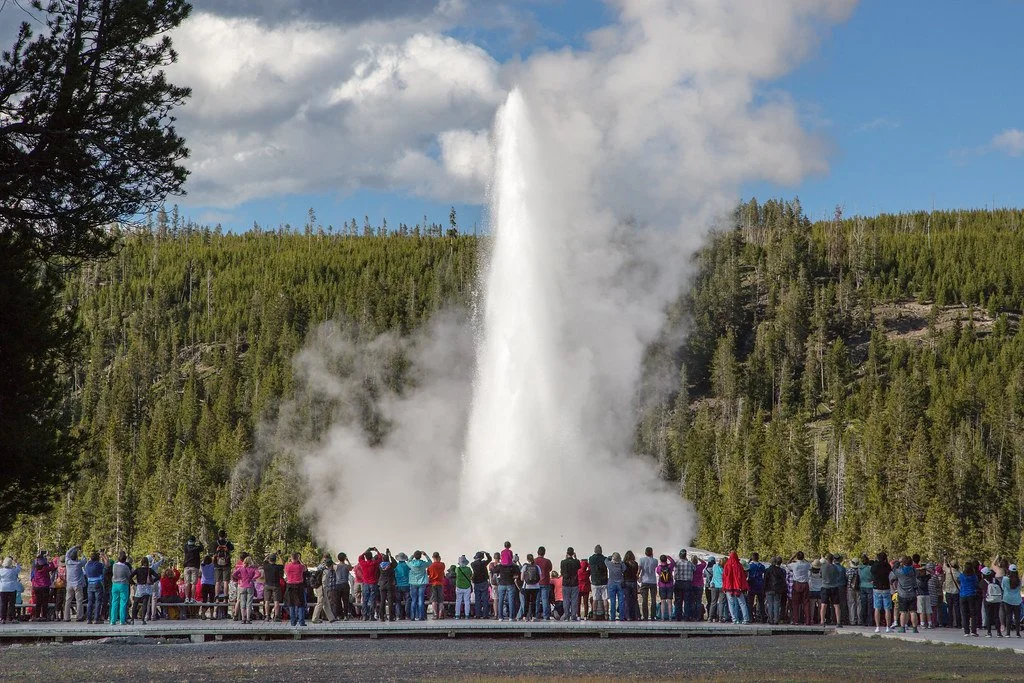
yellowstone crowd at geiser

Tourists crowd Yellowstone National Park. Neal Herbert. PDM 1.0.

From Yosemite to Machu Picchu, many of the world’s most incredible natural wonders and historical landmarks are facing the complex challenge of overtourism. While these destinations attract millions of eager visitors who enable economic circulation, the surge in foot and vehicle traffic has led to environmental, cultural and infrastructural concerns. To combat these issues, many national parks and heritage sites have implemented reservation systems and strict visitor limits, measures that while frustrating to some, are essential for long-term preservation.

National parks and global historical landmarks are not merely attractions; they are delicate sites that require careful management. Overtourism can lead to severe consequences such as soil erosion, damage to plant life, disruption of local wildlife and even structural harm to historical sites. In places like Yellowstone National Park, off-trail hiking, wildlife harassment and increased vehicle traffic have led to environmental destruction and tourist injury. Similarly, Machu Picchu has suffered from footpath erosion, instances of vandalism and structural strain due to the high number of daily visitors. Without intervention, these sites risk being permanently damaged or potentially lost to future generations.

Recognizing these risks, many national parks and historical sites have begun introducing reservation systems and ticketing policies to manage visitor numbers. These restrictions help reduce congestion, minimize environmental damage and ensure more responsible tourism. While ticketing specific attractions is not a new concept, regulations limiting the number of people allowed in a park or site at a given time are becoming increasingly common. Yosemite National Park, for example, has experimented with reservation-only entry during peak seasons to control the flow of tourists. Zion National Park has implemented a permit system for some of their most popular hiking routes to prevent environmental damage and danger caused by overcrowding. Similarly, Peru has imposed strict daily limits on visitors to Machu Picchu and even restricted access to certain trails to prevent excessive wear.

Some travelers have voiced frustration with these limitations, arguing that they complicate trip planning and reduce the chance for spontaneity. However, these restrictions exist precisely because the unrestricted flow of visitors has contributed to significant degradation of these sites. Unlimited access to national parks and heritage sites might seem appealing, but unregulated tourism is not worth the cost, causing irreparable damage to the landscapes, historical structures and environments that make these destinations so remarkable.

Beyond preservation, limits ultimately enhance visitors’ experience. With fewer crowds, tourists can enjoy these sites in a more serene environment, appreciating natural and cultural significance without the chaos of overcrowding. Less congestion also means improved safety and reduced strain on park staff and infrastructure, an already complicated issue in the United States. 

While restrictions on tourism might be inconvenient for some, they are a necessary measure to protect the world’s most cherished natural and cultural landmarks. Managing visitor numbers is not about keeping people out but about protecting the environmental integrity of these sites. Ultimately, it is for the good of the sites, the world and visitors, as they will then have to deal with less traffic, fewer crowds and be able to enjoy these locations more in tune with the way that nature intended.


Zoe Lodge

Zoe is a student at the University of California, Berkeley, where she is studying English and Politics, Philosophy, & Law. She combines her passion for writing with her love for travel, interest in combatting climate change, and concern for social justice issues.
Racketeering in the Rainforest: How Gangs and Illegal Gold Are Taking Over the Amazon

Gangs in the Amazon Rainforest are increasingly finding that money does grow on trees and the local flora, fauna and Indigenous groups are paying the price.   

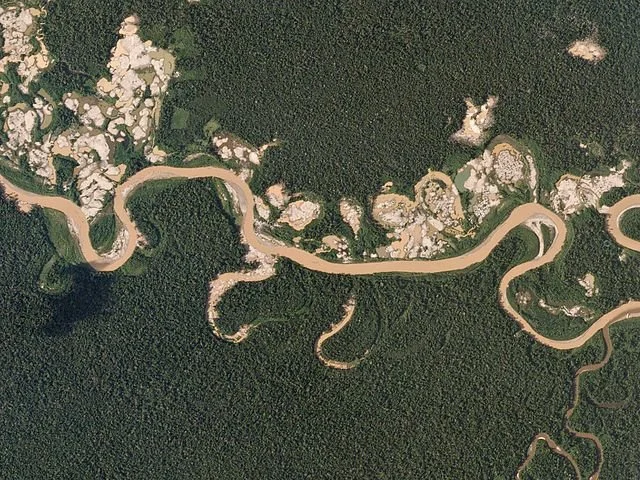
An aerial shot of the deforestation caused by illegal mining in the Amazon Rainforest. Planet Labs, Inc. CC BY 4.0. 

Covering 6.7 million square kilometers of South America, the Amazon Rainforest has long been heralded as one of the world’s most beautiful natural wonders. But recently, as gang activity, illegal gold mining and deforestation continue to rise, this natural beauty is under threat. 

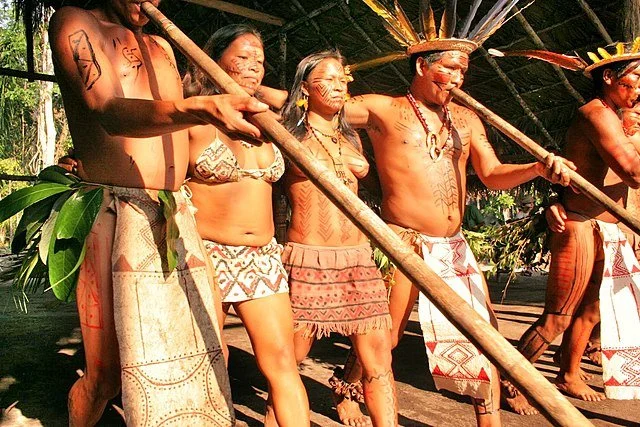
Although concentrated mostly in Brazil, the Amazon spans nine different countries, including Peru, Colombia, and Ecuador. The world’s largest rainforest, the region contains 10% of Earth’s known species, making it a hotspot for wildlife and biodiversity. Scientific American notes that the Amazon is also a beneficial carbon sink; absorbing a significant amount of heat-trapping greenhouse gases in the atmosphere, the rainforest helps mitigate the effects of climate change. Further, the Amazon is home to nearly 2.7 million Indigenous Amazonians, according to the World Wildlife Fund (WWF). Among almost 400 Indigenous ethnic groups, the WWF reports that 60 live in voluntary isolation in order to protect their land and ways of life from outside influences. 

Tukanos, an Indigenous Amazonian group.

Tukanos, an Indigenous Amazonian group. James Martins. CC BY 3.0.  

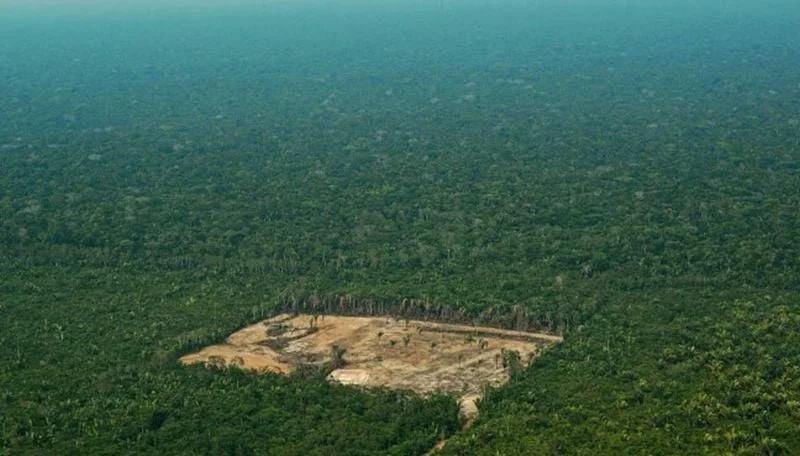
However, as the Council on Foreign Relations (CFR) states, since “the 1960s, when government incentives to clear land for production coincided with more effective tools such as chainsaws and bulldozers,” the Amazon has undergone alarming rates of deforestation. Especially under former Brazilian President Jair Bolsonaro, the emphasis on profits at the expense of environmental and/or Indigenous protections grew abundantly clear as new mining and cattle ranching initiatives took hold. “Deforestation hit a 15-year high during his [2019-2022] term,” the Associated Press reported. As President Bolsonaro “weakened environmental agencies” and “prioritized agribusiness expansion,” he left the rainforest vulnerable to outside exploitation.

In their September 2024 report “Gold, Gangs, and Governance,” Amazon Watch “highlights the increasing influence of organized crime” in the Amazon rainforest. Indeed, the Brazilian Forum on Public Safety affirmed that as of December 2024, “gangs were present in 260 of 772 municipalities in the region, compared with 178 in 2023.” The presence of criminal organizations like Familia do Norte (FDN) and First Capital Command (PCC) has escalated crime and deforestation to the point where homicides have increased by 574% and deforestation by 300%. According to Amazon Watch, both of these rates far exceed the Latin American average. Amazon Watch specifically points to illegal gold mining as a driver of much of this instability. “Due to institutional weakness” and the minerals’ “lack of traceability,” illegal gold is a highly lucrative commodity, bringing in between $800 million and $1 billion in exports for “over 500 shell companies” in 2022. Many gangs feel incentivized to then “reinvest [their] profits from drug trafficking into this activity,” the report found. Although drugs have indeed made the Amazon a violent “smuggling domain,” as The New York Times confirms, illegal mining activities are also responsible for transforming many rainforest cities into zones of conflict by escalating “territorial control disputes” and “strengthening the criminal groups that control mining enclaves.”

Deforestation in the Amazon.

Deforestation in the Amazon. Free Malaysia Today. CC BY 4.0. 

These cycles of violence have detrimental impacts that reach far beyond the gangs they involve. Amazon Watch found that from  2015 to 2021, “7,495 hectares of rainforest were lost [...] due to illegal mining.” Per Reuters, this damage puts more than 10,000 species of plants and animals at high risk of extinction. This increased deforestation also threatens the rainforest’s aforementioned status as a carbon sink: “Scientists say parts of the forest now emit more carbon dioxide than they can absorb,” the CFR reports. Rather than mitigating the effects of global warming, then, the Amazon could now exacerbate them. Sarah Brown of Mongabay estimates that deforestation will ultimately generate economic losses “seven times higher than the economic gain” of commodities produced through deforestation. Therefore, Brown argues, “deforestation for commodity growth is less valuable than rainforest preservation.” 

Economics aside, the human costs of illegal mining are even higher, and they’re already rearing their head. Of the 1,519 instances of illegal mining reported between 2019 and 2024, Amazon Watch found that 46.7% occurred on Indigenous lands, disproportionately affecting the health of Indigenous Amazonians through the contamination of “rivers with heavy metals such as copper, iron, lead, and mercury.” Further, as governments try to combat these illegal activities with increased militarization, they have only provoked “increased violence in Indigenous communities” in the process. As their Amazon Watch affirms, between poisoning resources and outright death threats, gangs in the Amazon and the surrounding governments are “eroding [Indigenous] identity and threatening their cultural and physical survival.” Illegal mining in the Amazon has become a deadly enterprise on multiple fronts. 

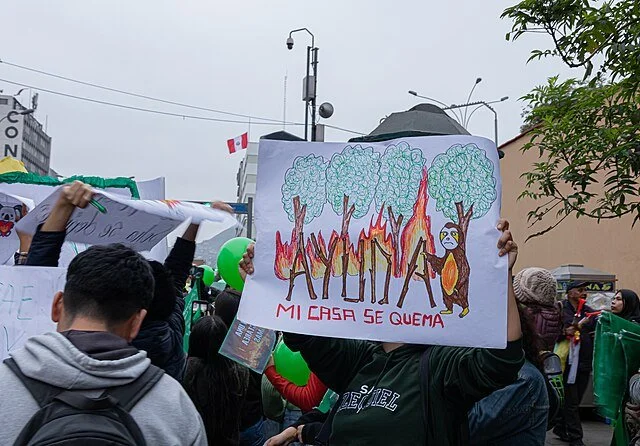
An environmentalist protest sign that reads “My house is burning” in Spanish.

An environmentalist protest sign that reads “My house is burning” in Spanish. Candy Sotomayor. CC BY 4.0 

To get involved, people can support Amazon Watch and their calls for greater institutional strengthening and increased awareness from the global community. The organization also notes that a societal cutback on beef and dairy consumption would help curb the strain of cattle ranching. Nonprofits including the WWF and the Amazon Emergency Fund also work to support sustainability projects and uplift Indigenous communities. From an administrative standpoint, some steps are being made toward these ends: deforestation in 2024 dropped by nearly 31% compared to 2023, and some international governments like the Biden administration pledged funds to support conservation efforts. But until there are strong, long-lasting initiatives that prioritize environmental and Indigenous protections, activists continue to urge the global community to continue raising awareness and applying public pressure on local governments. As Indigenous activist Allessandra Korap told the Associated Press, that “is our top priority, along with the expulsion of illegal miners.” 


Bella Liu

Bella is a student at UC Berkeley studying English, Media Studies and Journalism. When she’s not writing or working through the books on her nightstand, you can find her painting her nails red, taking digicam photos with her friends or yelling at the TV to make the Dodgers play better.

Sacred Duty: Religious Groups Fighting Fossil Fuels

As the climate crisis continues to worsen, religious climate justice organizations are taking a stand against environmental degradation.

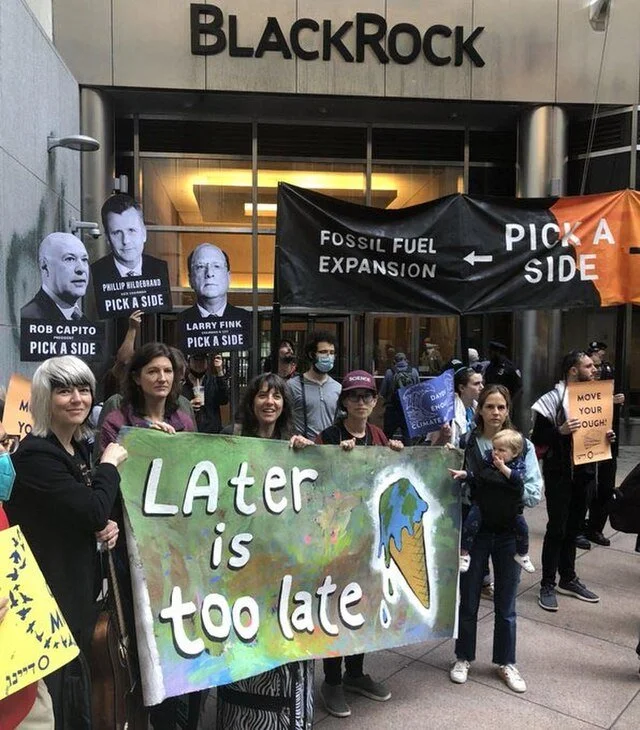
A climate action protest group outside of BlackRock building. In the foreground, the group holds a green banner saying "Later is too late" with a cartoon melting Earth ice cream cone. Signs of executives' faces and names, stating "Pick a side"

GreenFaith protesting outside of BlackRock in 2022. Felton Davis. CC 2.0.

Over the past few years, the environmental crisis has begun to spiral out of control. As droughts and wildfires compete for attention with raging hurricanes across the United States, sometimes it can feel like the world is ending. But in the face of these natural disasters, people have started to come together, calling for an end to policies aggravating the climate crisis.

Religious teachings surrounding the sanctity and sacredness of Earth have long been folded into protests against the warming climate. Since the 1970s, religious organizations in the United States (primarily Christian and Jewish, although a few Islamic groups have also begun to speak out) have decried humanity’s destruction of the planet. Some, like the National Association of Evangelicals, have gone so far as to denounce those engaging in climate change-fueling activities as sinners.

It is important to note that many religious institutions remain largely disconnected from the climate crisis, with several organizations and churches denouncing it as a hoax. The groups mentioned in this article, and those like them, are largely outliers. Climate change continues to be a divisive topic at best in larger religious dialogues, as many consider the crisis a part of God’s plan or even an outright lie. However, religious climate change advocacy has grown in recent years, with small groups cropping up all over the United States.

Over the past few decades, these groups have grown more and more vocal. From organizing movements to protect the Endangered Species Act to founding an interfaith collective for climate justice, religious leaders and organizations across the United States have continued to take environmental action over the past four decades. Recently, in the summer of 2024, Christian and Jewish protesters in New York City made some of the greatest progress so far.

GreenFaith, an interfaith climate justice organization based in New Jersey, spent much of the summer of 2024 on Wall Street protesting against Citigroup. One of the largest banks in the United States, Citigroup released a statement in 2021 pledging to reach net zero emissions in 2050. However, independent researchers have pointed out that in the years since this pledge, the corporation has instead become the second-biggest investor in fossil fuels.

In response, several organizations joined together in the Summer of Heat demonstrations. Forty major protests were held outside Citigroup’s headquarters, led by a collection of religious leaders from  GreenFaith, Dayenu (a Jewish organization comprised of longtime activists), and several other groups. The protests were held according to religious practices — songs replaced chanting, many of the protestors brought candles and demonstrators gathered in the early morning to block the doors of the banks. In an inspiring moment, a group of protestors arrived with signs displaying various religious symbols, representing the star of David, crosses and Islamic peace symbols.

These protests ultimately caught the attention of Citigroup’s administration, culminating in a sit-down between Citigroup’s chief sustainability officer and four leaders of the involved religious groups. According to reports, Citigroup rejected the protester’s proposals outright, refusing to answer whether or not they would change their commitment to funding fossil fuel companies.

However, this rejection does not diminish the Summer of Heat’s influence. These organizations gathered together and staged one of the longest climate protests in recent history. In addition, the actions of GreenFaith, Dayenu and the other involved groups gave a tremendously loud voice to their concerns, capturing the attention of many major news networks and eventually working their way into Citigroup itself. While their efforts may not have produced the results the groups hoped for, the Summer of Heat has nonetheless called an immense amount of attention to the climate crisis and the multicultural, interfaith movements working to protect the planet.


Ryan Livingston

Ryan is a senior at The College of New Jersey, majoring in English and minoring in marketing. Since a young age, Ryan has been passionate about human rights and environmental action and uses his writing to educate wherever he can. He hopes to pursue a career in professional writing and spread his message even further.

Dry Spell: Drought Endangers Lives Across South America

With rainfall still scarce, Colombia has begun taking drastic measures to conserve what little water they have left.

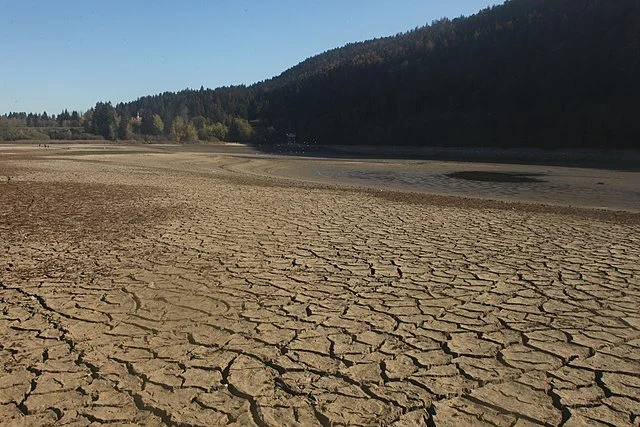
Cracked brown mud and dirt, characteristic of a drought, spans across the image. Hill of dark coniferous trees in the background.

The parched earth characteristic of a drought. Pmau. CC BY-SA 4.0

2024 has been one of the driest years in Colombia’s history. The summer months are usually the rainiest in the country, but this year has seen an alarming lack of precipitation and a drastic reduction in rivers and reservoirs. As the country slowly dries up, officials have started implementing policies to ration water, which will only become more severe as the drought continues.

In the last three months, the Chuza Reservoir (one of the largest in Bogota, Colombia) has lost a huge portion of its water supply. During the 2023 dry season, the reservoir was reduced to 58% capacity; as of mid-September 2024, it dropped to just 36%. This led to the second implementation of water rationing this year (the first was enacted in April 2024) but as rainfall remains scarce, these regulations have grown even more stringent. Currently, citizens are prohibited from washing their cars, irrigating gardens, and using fountains or other water decorations. However, as water supplies continue to dwindle, the city has also enacted a system by which residents will have to spend 24 hours without water once every nine days.

Colombian officials have stated that the nation’s only real hope is the return of regular rainfall. Reservoirs cannot fully recover without precipitation, and without reliable water stores, cities will be forced to reduce their water consumption even further. The severity of this drought has also inspired fears of reaching “Day Zero,” the point at which a city’s water supply falls below the necessary amount to support daily life. As of Oct. 10, 2024, Bogota’s Chuza Reservoir is just 7% above this cutoff point.

Columbia is not the only South American country experiencing drought. The majority of the continent is drying up, generating a variety of other crises, including a drastic increase in wildfires. Additionally, the Amazon River is experiencing an alarming dry spell, jeopardizing the lives of the communities that depend on it for food and water. Endangered species such as river dolphins are also threatened by the mass evaporation, which has reduced the river to about 10% of its previous size.

Although officials have stated that there is little that can be done for Bogota (and Colombia at large), several nonprofits around the world have taken action to provide aid for affected civilians. These include WaterAid, a company that focuses on providing clean water for underprivileged communities. During this drought, their efforts are more needed than ever. Interested parties can donate to their various projects here. Another such organization is Water Fund Bogota, which focuses specifically on restoring and maintaining natural sources of clean water like rivers and lakes.


Ryan Livingston

Ryan is a senior at The College of New Jersey, majoring in English and minoring in marketing. Since a young age, Ryan has been passionate about human rights and environmental action and uses his writing to educate wherever he can. He hopes to pursue a career in professional writing and spread his message even further.

Mistimed Migrations: Climate Change is Disrupting Birds

The rising global temperature is having some strange effects on the migratory patterns of birds around the world.

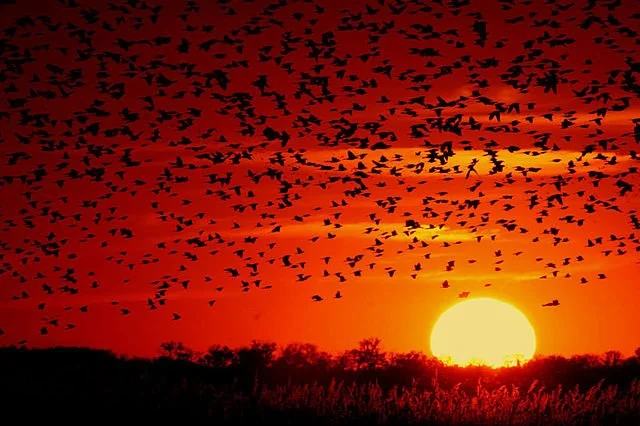
Silhouettes of a flock of birds flying over a red sky and meadow at sunset.

A flock of redwing blackbirds in Kansas. Jerry Segraves. CC0

Warming temperatures, glacial melts, ocean acidification and dozens of other crises are all clamoring for the attention of the global public. Although many are already exhausted by the near-constant onslaught of bad news, there’s still one more factor to add to the pile.

An astonishingly high number of bird species are annual or semiannual migrators, heading from cold to warm weather to follow their insect prey during fall and winter. While far from the only animal to migrate, birds are perhaps the most famous ever to do it. Now, scientists are discovering the ways in which climate change has even managed to wreak havoc on their yearly vacations.

Although birds migrate annually, their departure and arrival times vary based on weather conditions. Their exodus does not follow an arbitrary determination of season but simply begins when the weather turns cold. Scientists have argued that rising global temperatures are causing spring to arrive earlier in the year. This change has a few effects on the more transitive part of the world’s bird populations.

Studies conducted on 90-year-old data have suggested that birds are now leaving later in the year, as warm weather lingers well into the fall. This means that birds frequently arrive too late for peak insect season, missing out on the food they have come to rely on for the winter. This also disrupts their egg-laying patterns, resulting in birds breeding further north and gradually shifting the population.

Other migratory birds have been traveling far from their typical homes, with some traditionally “tropical” birds appearing much further north than they have ever been documented. Between this location shift and delayed egg-laying, scientists have suggested that migratory changes could cause many bird species to run out of land to migrate to in the next few decades.

More recent studies have shown a rising variance in departure times compared to 23 years ago.  Researchers attribute the abnormality on the East Coast to substantial atmospheric disturbances called Rossby waves, which shift warm air from tropical areas up north to the poles while returning cold air down towards the equator. As temperature changes occur worldwide, these waves have become weaker over time as the poles warm.

Other scientists have suggested a connection between the recent increase in severe weather events and migration disruption. In 2023, a pair of flamingos was spotted in a small Ohio town after being blown off-course by a hurricane. These birds typically travel from Cuba to the Yucatan Peninsula, but after being swept up in the storm, around 150 were documented across the southern United States. Similar natural disasters disrupting migratory patterns have cropped up in recent months as what experts have called “the worst hurricane season on record” kicks into high gear.

Birds are one of the most iconic and beautiful animals in the world, and their annual migrations are seen as a symbol of seasonal change and the arrival of autumn. However, with the climate in crisis, even a seemingly consistent rule of nature is thrown into turmoil. In the next few decades, some scientists have hypothesized that birds might run out of room and simply stop migrating altogether.


Ryan Livingston

Ryan is a senior at The College of New Jersey, majoring in English and minoring in marketing. Since a young age, Ryan has been passionate about human rights and environmental action and uses his writing to educate wherever he can. He hopes to pursue a career in professional writing and spread his message even further.