
By Jeremy Gordon
Over 1,700 people were killed by massive 7.2 and 7.5 magnitude earthquakes striking within one minute of each other.
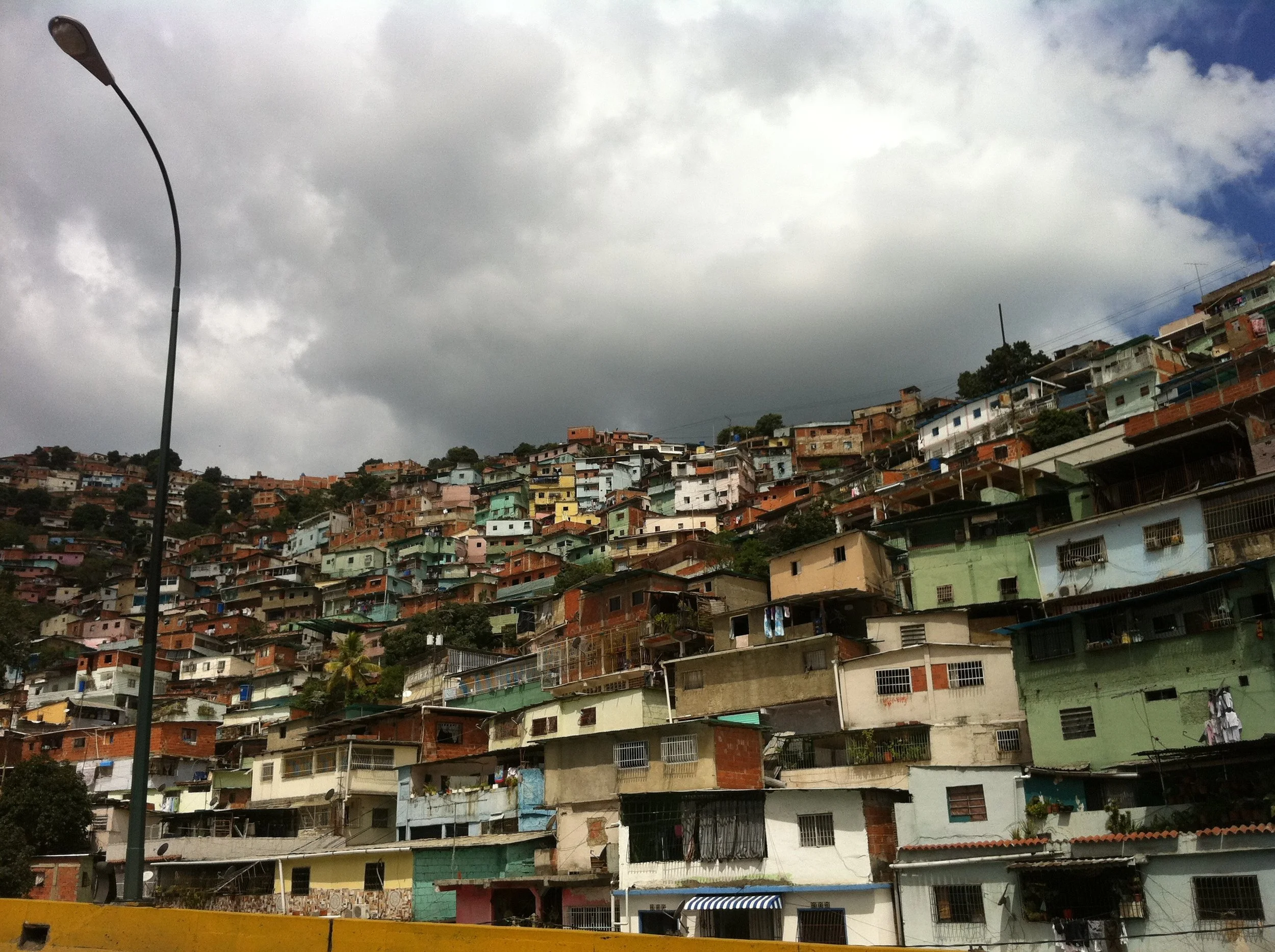
Hillside homes in Caracas, Venezuela. Pixabay. CC0.
On Wednesday, June 24, Venezuela was hit by twin earthquakes less than one minute apart from each other. At 7.2 and 7.5 magnitudes, they were two of the strongest earthquakes to have hit the country in over a century. As of Monday afternoon, over 1,700 people have been confirmed dead, and more than 50,000 are missing. The United Nations Development Programme estimates the physical damage to be worth $6.7 billion, around 6% of Venezuela’s GDP. This rare double-disaster could not have come at a worse time for the country, which saw its political system dramatically upended earlier this year.
On Jan. 3, a team of U.S. Army Delta Force commandos descended upon the compound of Venezuelan President Nicolás Maduro in Caracas and captured the president and his wife. This capped off a year of escalating tension between the Maduro regime and the Trump administration, which had imposed blockades on Venezuela and authorized military strikes on alleged drug-trafficking boats off the Venezuelan coast. After the raid, Maduro was transported to the Metropolitan Detention Center in Brooklyn, New York, where he currently awaits trial for narco-terrorism and drug trafficking charges.
For a brief moment after the arrest, it appeared Maduro would be replaced by opposition leader Maria Machado, who fled the country in fear for her life after the stolen 2024 election. But the Trump administration chose instead to allow Maduro’s vice president, Delcy Rodriguez, to succeed him. She has proven amenable to U.S. interests, repairing ties with global lenders and oil companies. The country was moving toward stability, although it was still grappling with record inflation and poverty.
Then the catastrophic earthquakes hit. The government was seemingly caught off guard by the disaster, failing to mobilize soldiers, firefighters, police and the military with appropriate speed and scope. In many cases, it has fallen to the citizens to organize their own rescue efforts, clearing rubble from the streets and searching for survivors through the remnants of homes and buildings. All the while, the Rodriguez administration has been accused of weaving a false narrative of a robust government response, organizing photo-ops and touting the rescue efforts on state television.
To make matters more chaotic, Maria Machado and her party have also sought to capitalize on the disaster, criticizing the administration’s response and mobilizing their own volunteers to collect donations for survivors. Soon after this began, however, National Police were deployed to shut down the charity drive, claiming that only the federal government could channel donations. Authorities also blocked off all unauthorized citizens from making aid deliveries to La Guaira, the hardest-hit coastal area.
Critics of the Rodriguez government have called this an act of political repression, preventing the opposition party from receiving credit for the humanitarian response. They fear the administration is using the crisis to establish legitimacy and stay in power longer. It is still unclear how and when Venezuela’s next leader will be chosen. The Trump administration, which has had significant influence over the Venezuelan political system, has supported Delcy Rodriguez as the interim leader until the eventual restoration of democracy and fair elections. That timeline has never been concrete, and this latest disaster threatens to kick the can down the road indefinitely.
Countries from across the world, as well as the United Nations and the International Federation of Red Cross and Red Crescent Societies, have sent search-and-rescue teams and humanitarian aid to Venezuela to assist in their recovery efforts. With thousands still missing and billions of dollars in damage, the country can use all the help it can get. But with an interim president, an outspoken opposition, an unstable political situation and a flailing economy, this disaster could not have come at a worse time. And, as is often the case when politicians vie for power and credit, struggling citizens are caught in the middle.
Jeremy Gordon
Jeremy is a graduate student at Johns Hopkins University studying Creative Writing. He graduated from the University of Maryland with a bachelor's in Criminology and Criminal Justice and worked for four years as an Investigative Specialist with the Public Defender Service for DC.