
By Cove Johnson Rabidoux
Designed to combat desertification, the Great Green Wall is transforming landscapes and livelihoods across Africa.
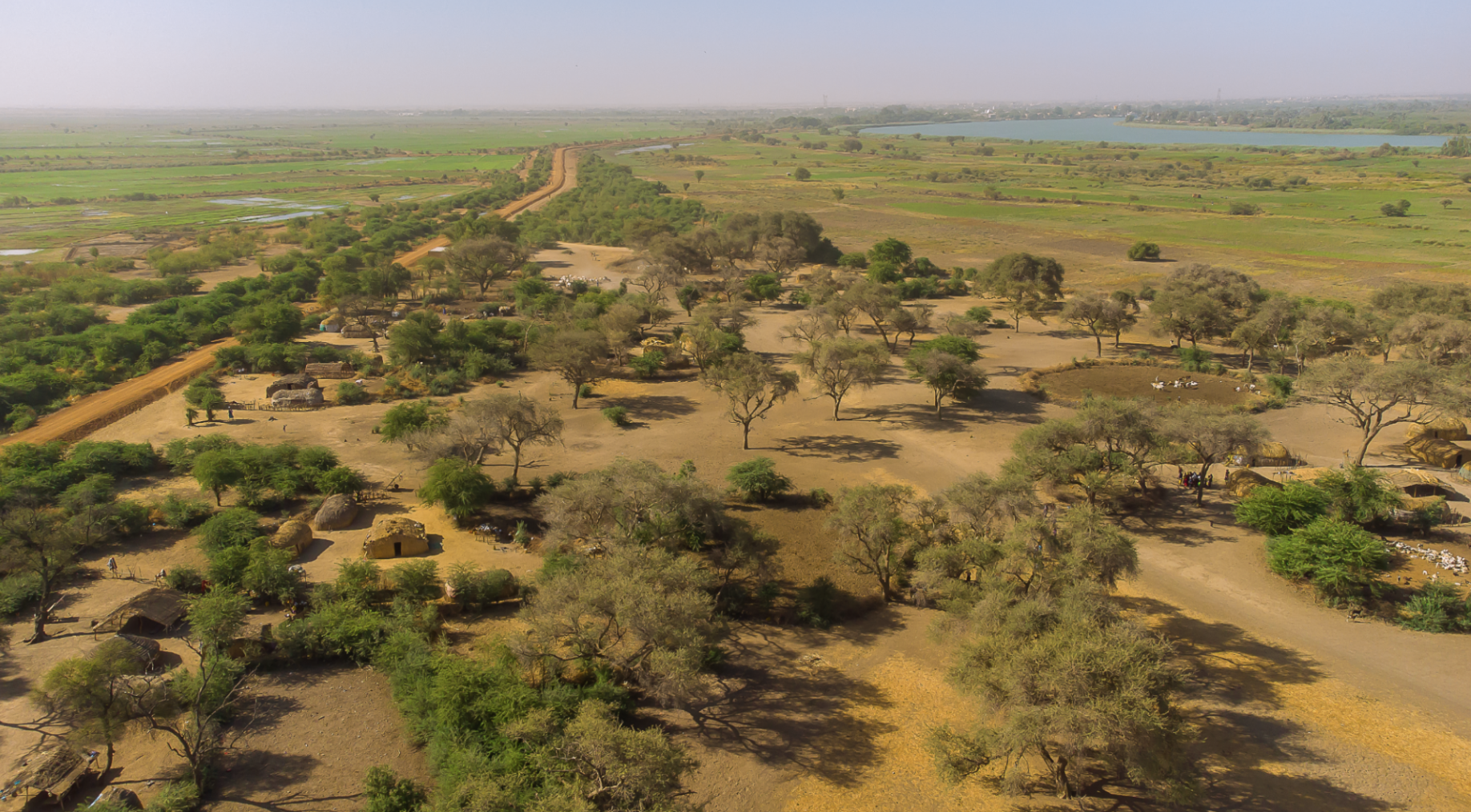
The Goumel village in Mali. Massowka. CC BY-SA 4.0.
You’ve likely heard about the Great Wall of China, but did you know that there’s a lesser-known “great wall” in northern Africa?
Unlike its ancient stone counterpart, the Great Green Wall is a recent, massive environmental restoration initiative. Spanning Africa’s Sahel region, the project aims to restore land by planting trees and other vegetation across the continent. Beyond combating desertification, the Great Green Wall seeks to improve food security, create “green jobs” and strengthen communities facing the effects of climate change.
The African Union launched the project in 2007, intending to restore the continent’s deteriorated land. Eleven African countries united to plant trees across the Sahel landscape to transform the arid region. They sought to create a "wall" of trees that spanned the entire width of Africa; over 4,000 miles long and 10 miles wide.
The need for the Great Green Wall came after decades of droughts caused by climate change. The lack of water ultimately led the Sahel’s once-fertile, healthy land to wither into a barren landscape. Crops died, topsoil was stripped and livelihoods were disrupted. As a result, about 46% of African land is now degraded.
So, the Great Green Wall initiative was born.
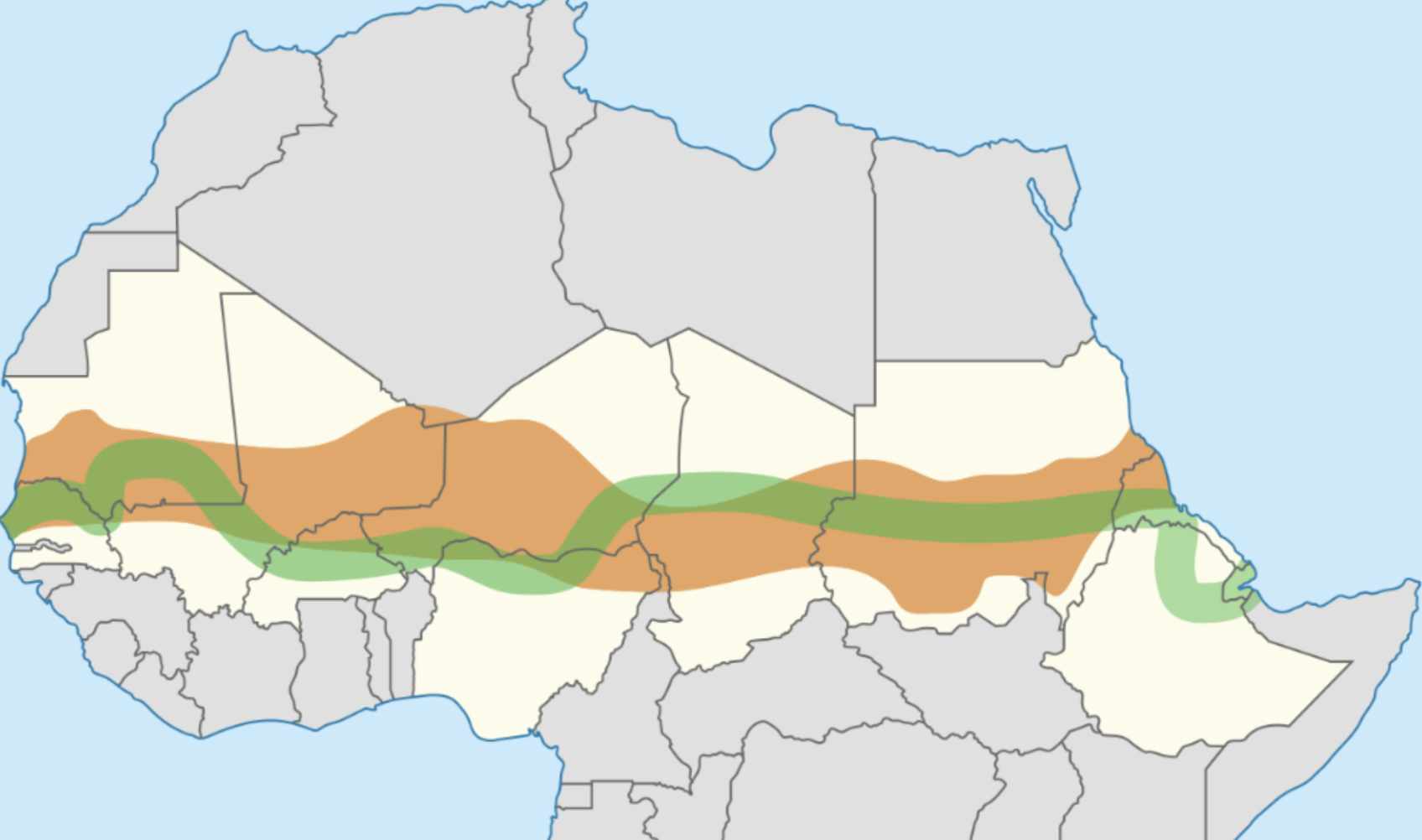
Map of the Great Green Wall Region. Sevgart. CC BY-SA 4.0.
Since its inception, the project has evolved beyond simply planting trees. Today, the initiative emphasizes restoring entire ecosystems through sustainable farming, water conservation and the planting of native vegetation. As overgrazing and overfarming can exacerbate land degradation in the drought-stricken region, the project partners work with local communities to encourage more sustainable practices.
Ultimately, by working alongside local communities, the project aims to ensure that the restored landscape can support both wildlife and the people who depend on it.
However, planting trees across thousands of miles is no small task, and the Great Green Wall has faced significant challenges. A lack of funding, political conflict, inadequate coordination and severe climate conditions have all slowed the project. In many cases, planted trees would die instantly due to a lack of water or because they were the incorrect species for the region.
"Scientifically, it was a disastrous idea," agronomist Dennis Garrity told NPR. He explained that large-scale planting projects in low-rainfall regions often lead to "absolutely disastrous failure, over and over again."
It’s partially due to this that in 2021, African organizers revamped the project with the “Great Green Wall Accelerator.” The Accelerator promised more funding and generated greater participation from neighboring countries.
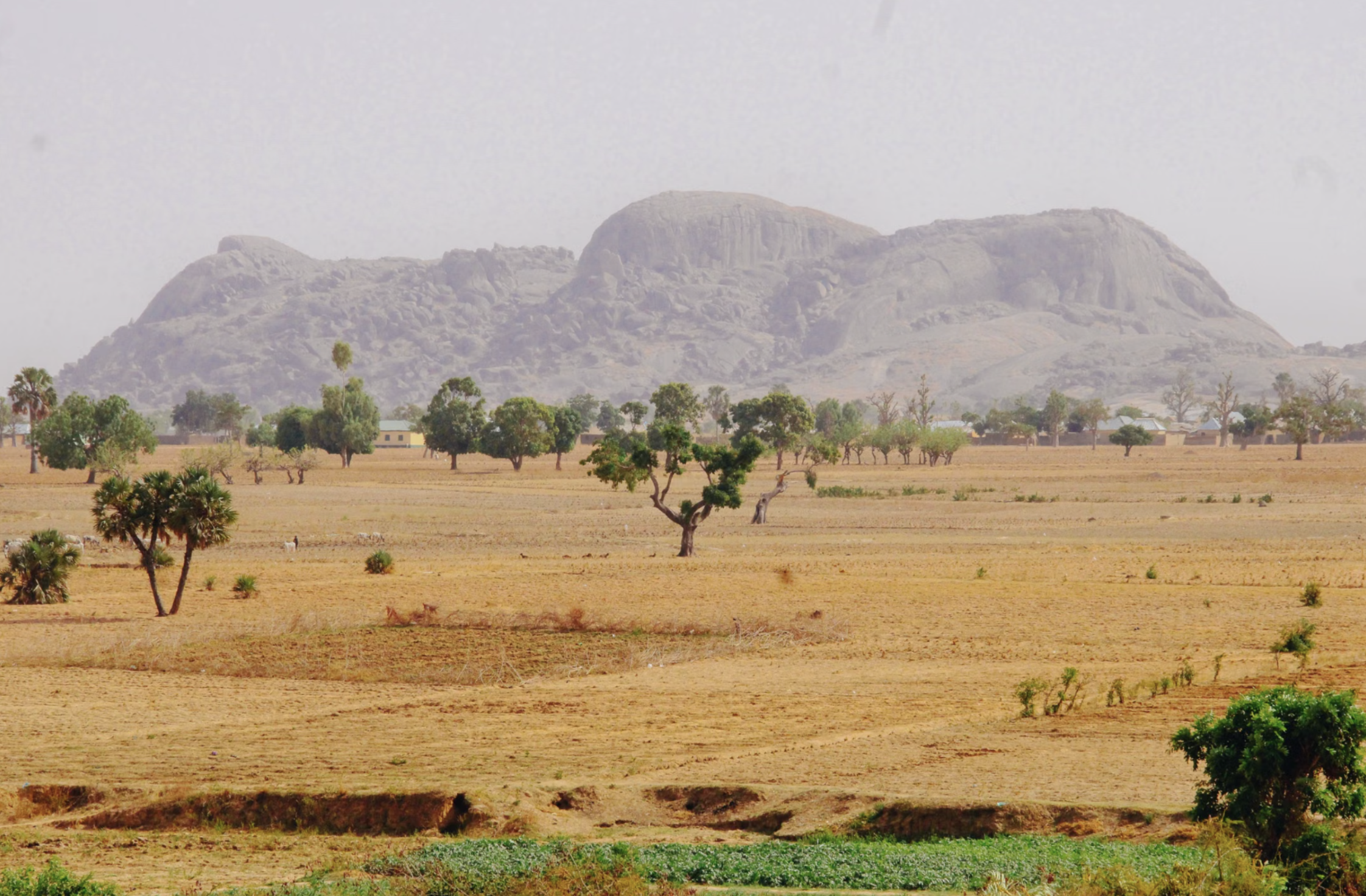
Some researchers, though, critique the Great Green Wall for the colonialist narrative through which it’s been framed. Portraying the Sahel as a decimated landscape in need of outside intervention can overlook the region's ecological diversity and the knowledge of communities who have managed these landscapes for generations.
Despite critiques and challenges, the project continues. As of 2026, millions of hectares of degraded land have been restored, and communities across the Sahel have adopted more sustainable farming practices. While the project remains far from complete, it has become one of the world's largest ecosystem restoration efforts. Once complete, the Great Green Wall will be three times bigger than the Great Barrier Reef, making it the planet’s largest living structure.
GET INVOLVED:
Sign the Great Green Pledge to encourage more support for the Great Green Wall. Help local families by purchasing ethically sourced, fair-trade products from the Sahel region. Support Tree Aid by gifting trees to the region. Raise awareness of the project on social media.

Cove Johnson Rabidoux
Cove is an English student at the University of California, Los Angeles. Her writing can be found in the Daily Bruin, The Teen Magazine, Piece of Cake Magazine, and other publications. In her free time, she enjoys reading and traveling.