
By Kate Dawson
From pine-dark mountains to Venetian-influenced shores, Montenegro reveals a rich blend of biodiversity, history and eco-minded travel.
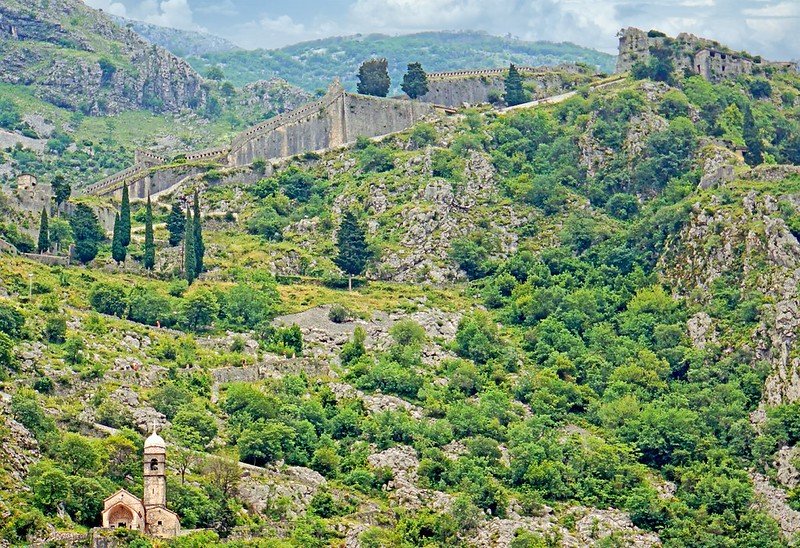
Architecture throughout Kotor, Montenegro. Dennis Jarvis. CC BY-SA 2.0.
Montenegro remains a location where geography shapes identity. Translating to “Black Mountain,” Montenegro connects back to the dark, pine-covered slopes of Mount Lovcen that early sailors spotted from the Adriatic Sea.
Those mountains fostered a proud, clan-based society rooted in honor, bravery and oral epic poetry. Meanwhile, the coastline became a melting pot for Venetian, Ottoman and Slavic influences that created a cultural mosaic visible through its stone architecture, religious traditions and cuisine.
Montenegro’s small size can be deceptive to travelers. Nearly 10% of its territory is protected, which is a strong commitment for a country with over 600,000 people.
It has remarkable biodiversity, acting as a home to thousands of plant species, including rare and endemic varieties found nowhere else on Earth. In Durmitor National Park, glacial lakes shimmer beneath jagged peaks, while Lake Skadar’s wetlands shelter rare birds and quiet fishing villages. These landscapes are more than scenic; they are heavily protected ecological zones that lie at the center of Montenegro’s environmental identity.
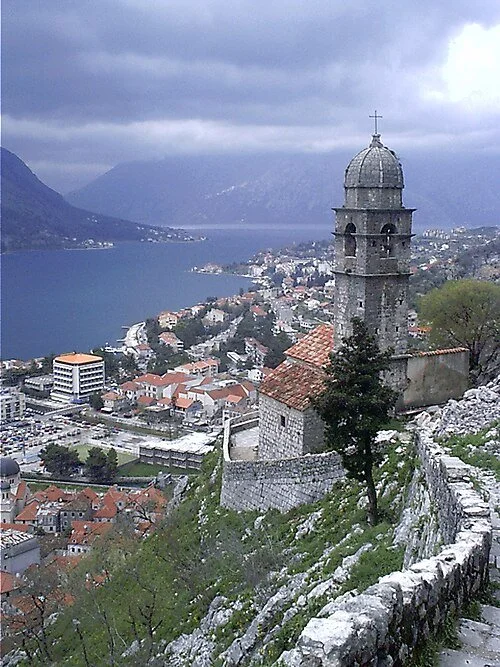
View of a Montenegro village. Guerretto. CC BY 2.0.
As tourism grows, Montenegro chooses to prioritize sustainability over marketing. Eco-friendly lodging is increasing, with more properties receiving green certifications for their energy efficiency, waste reduction and responsible land usage. This shift reflects a national effort to make sure tourism strengthens rather than strains the environment.
Montenegro’s rural, locally owned stays, including ethno-villages scattered across the countryside, create a space for travelers to slow down. The small clusters of wooden cottages and stone houses are a blueprint for low-carbon living: farm-to-table meals, solar power and activities that connect visitors to the land rather than exploit it. Staying in these villages becomes less about amenities and more about immersion.
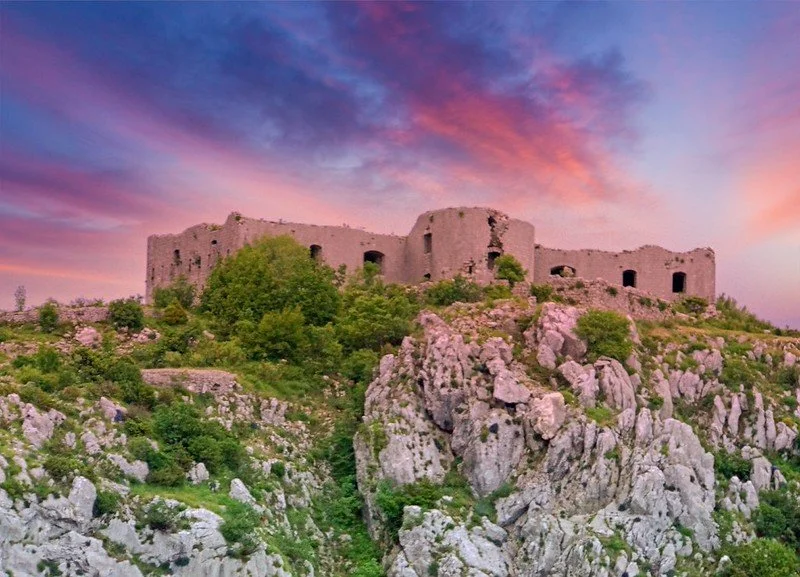
An Austrian fortress along the cliffside. Dennis Jarvis. CC BY 2.0.
Montenegro’s cultural richness deepens the travel experience. Coastal towns such as Kotor and Perast contain centuries of maritime history. Inland regions preserve folklore, music and festivals that continue to celebrate the country’s diverse heritage. By booking a family-run cottage or farmstay, travelers can take part in authentic cultural immersion that directly supports local economies.
Low-impact activities with small carbon footprints, such as hiking, kayaking, and wildlife watching, are Montenegro’s way of welcoming travelers to its eco-destinations and encouraging them to immerse themselves in protected landscapes.
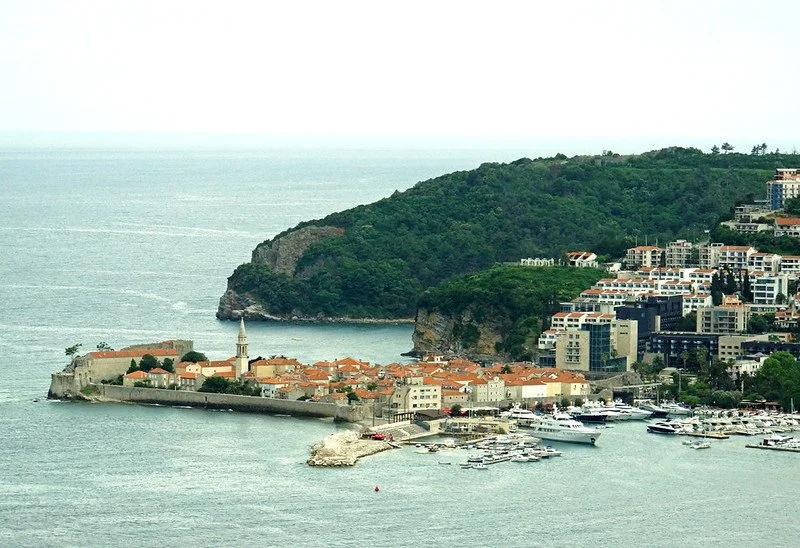
Budva coastline. Dennis Jarvis. CC BY-SA 2.0.
The country became one of Europe’s leading ecotourism destinations for many reasons. With its self-declaration to become an "ecological state” in 1991, sustainable tourism is an integral part of Montenegro’s national identity.
Whether watching the sun rise over Durmitor’s peaks or the waves against Kotor’s centuries-old walls, travelers discover that Montenegro is not just a scenic destination but a country with a commitment to protecting the landscapes and traditions that have shaped it for generations.

Kate Dawson
Kate is a student at the University of North Carolina at Chapel Hill, double majoring in Public Policy and Journalism. Her passion to share stories and love for environmental justice inspires her writing. She hopes to change the world by empowering others.