
By Jeremy Gordon
The organization tasked with regulating the global gold market has been compromised, according to a recent New York Times investigation.
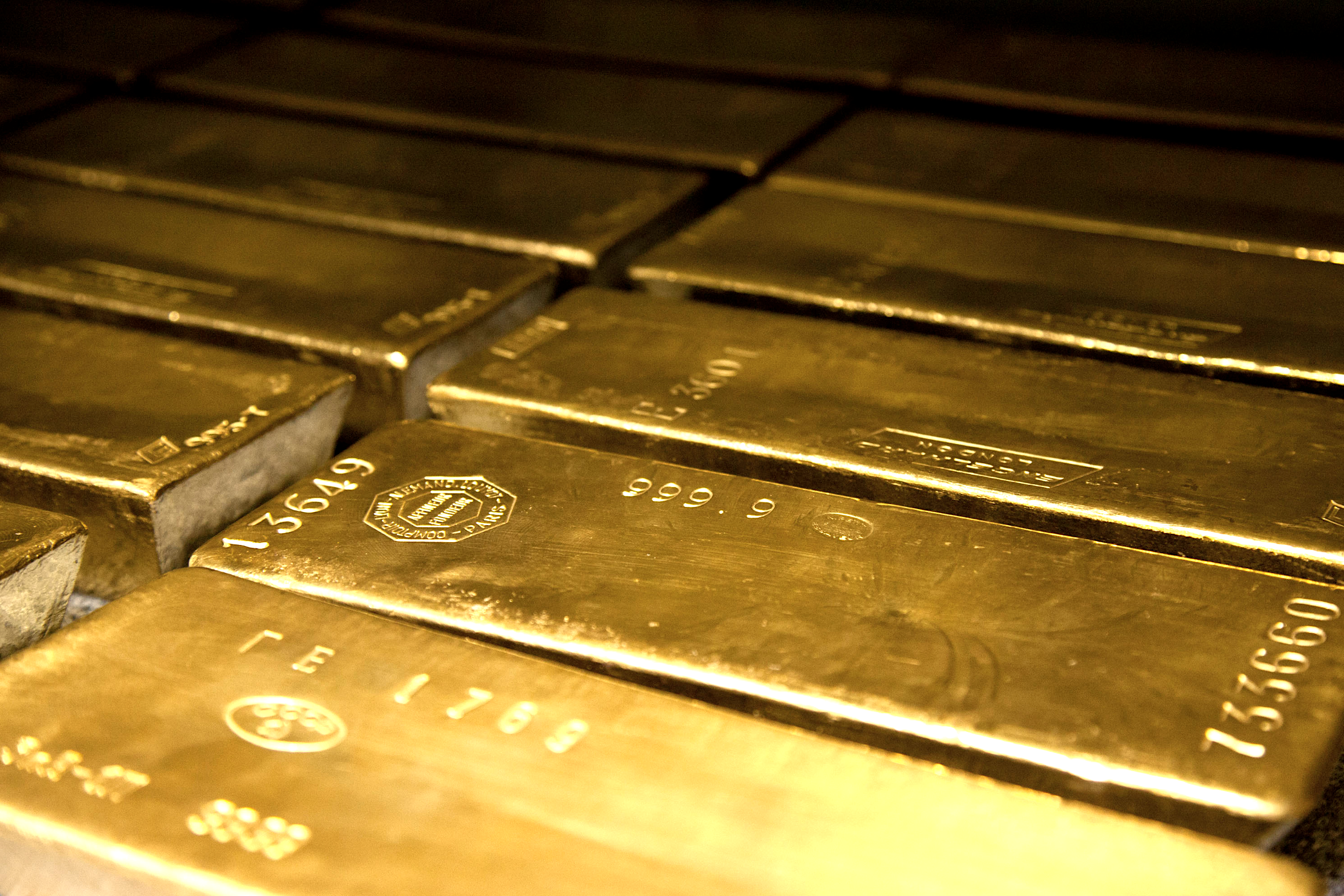
Gold bullion in bars. Andrzej Barabasz. CC BY-SA 4.0.
Gold is a precious metal that requires no introduction. It is ubiquitous in our lives as a symbol of wealth, prosperity and financial stability. Over the past 20 years, the price of gold has increased from around $600 per ounce in 2006 to around $3,800 now, even rising above $5,000 earlier in 2026. And as a recent New York Times investigation uncovered, this increase in demand has opened the door for blacklisted gold to enter the global market.
The global gold market is essentially regulated by one standard-setting organization: the London Bullion Market Association. Financed by some of the industry’s biggest players, the LBMA has the power to blacklist gold refiners. This typically occurs when a refiner receives gold from suppliers that employ child labor, engage in abusive work practices, violate environmental law or circumvent financial sanctions. The LBMA, and therefore the international marketplace, only accepts gold from 67 approved refiners.
But a New York Times investigation by reporter Justin Scheck has revealed the extent to which the LBMA has shirked its self-granted responsibilities and allowed for what should be illegal gold to enter the global market.
One glaring example in Scheck's report was Madagascar, an island off the southeastern coast of Africa with rich natural gold deposits. In 2023, Madagascar’s central bank decided to start a national gold stockpile. The bank bought up gold from around the country, including from mines that employed children as young as 10. These children endure horrible working conditions, drinking from wastewater pipes while panning for gold in pools of raw sewage and crocodile-infested rivers.
With all that gold acquired, Madagascar’s central bank governor Aivo Andrianarivelo sent his gold chief to Switzerland to find a refiner for the bank’s gold. Refiners are responsible for melting gold, removing impurities and forming it into bars to sell on the global market. No Swiss refiner accepted the Madagascar gold, suspect as it was for its disreputable origins. But with gold prices soaring higher and higher, it was only a matter of time before they found a buyer: the Istanbul Gold Refinery, certified by the LBMA. Madagascar gold began melting into the global market.
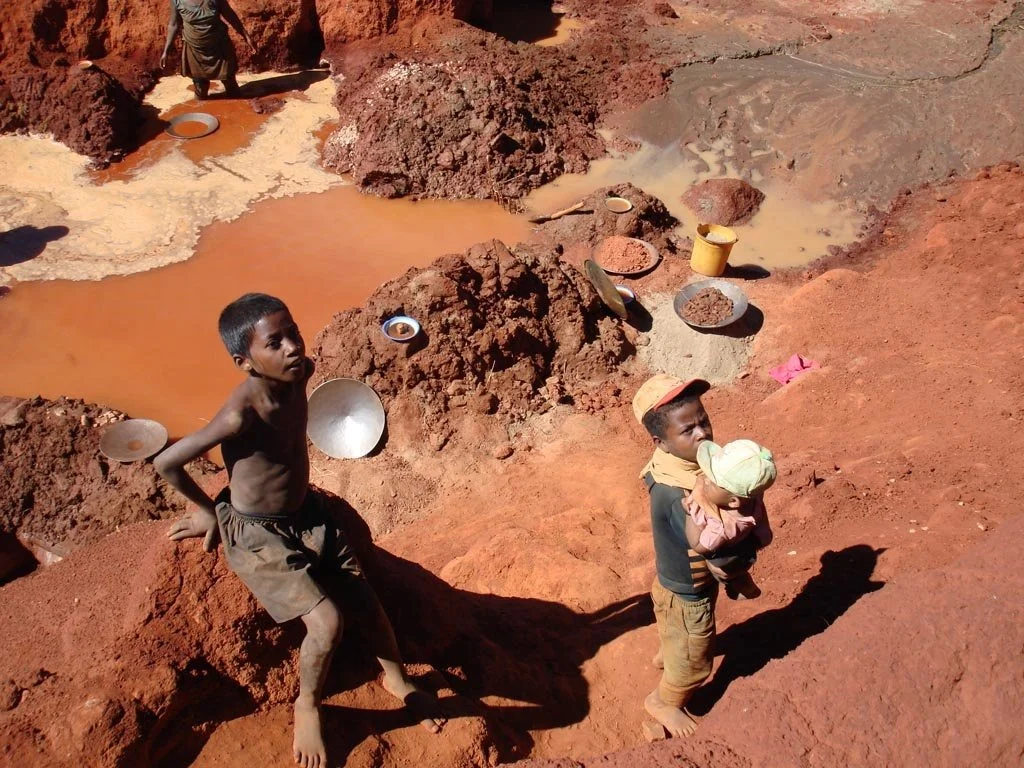
Children working at a gold mining operation in Madagascar. Global Environment Facility. CC BY-NC-SA 2.0.
But then a snag occurred. While the European Union was considering certifying the LBMA for a new oversight role, an inspector raised concerns about the Istanbul Gold Refinery’s arrangement with Madagascar and alerted the LBMA.
In response, the LBMA worked with the Istanbul Gold Refinery to cover up the problem. They helped the refiner falsely backdate a report that made it seem steps had been taken to scrutinize the gold before it entered the supply chain. The report concluded that, contrary to the New York Times’ findings, no child labor was used in the Madagascar gold mines from which the refinery received its gold.
When called out for this by the NYT, LBMA chief executive Ruth Crowell acknowledged that there were “non-conformances” in the process and assured the reporter that the LBMA had mandated a corrective plan for the refiner. But the refiner revealed that all it had been required to do was update the report to include the false backdating, and the matter was considered closed.
With the price of gold increasing to dizzying heights, refiners have become less discerning about the sources from which they accept their gold. This is concerning, considering that gold has recently been used by terrorists, warlords and hostile governments, including Iran and Russia, to fund violent actions across the globe. The LBMA is the closest thing the industry has to an international regulator tasked with stopping this suspect gold from entering the global market. And as the NYT investigation revealed, the organization has been compromised.

Jeremy Gordon
Jeremy is a graduate student at Johns Hopkins University studying Creative Writing. He graduated from the University of Maryland with a bachelor's in Criminology and Criminal Justice and worked for four years as an Investigative Specialist with the Public Defender Service for DC.