
By Joseph Morales
As demand for critical minerals grows, Indigenous communities throughout Oceania are organizing legal challenges and water protests to protect the Pacific Ocean.
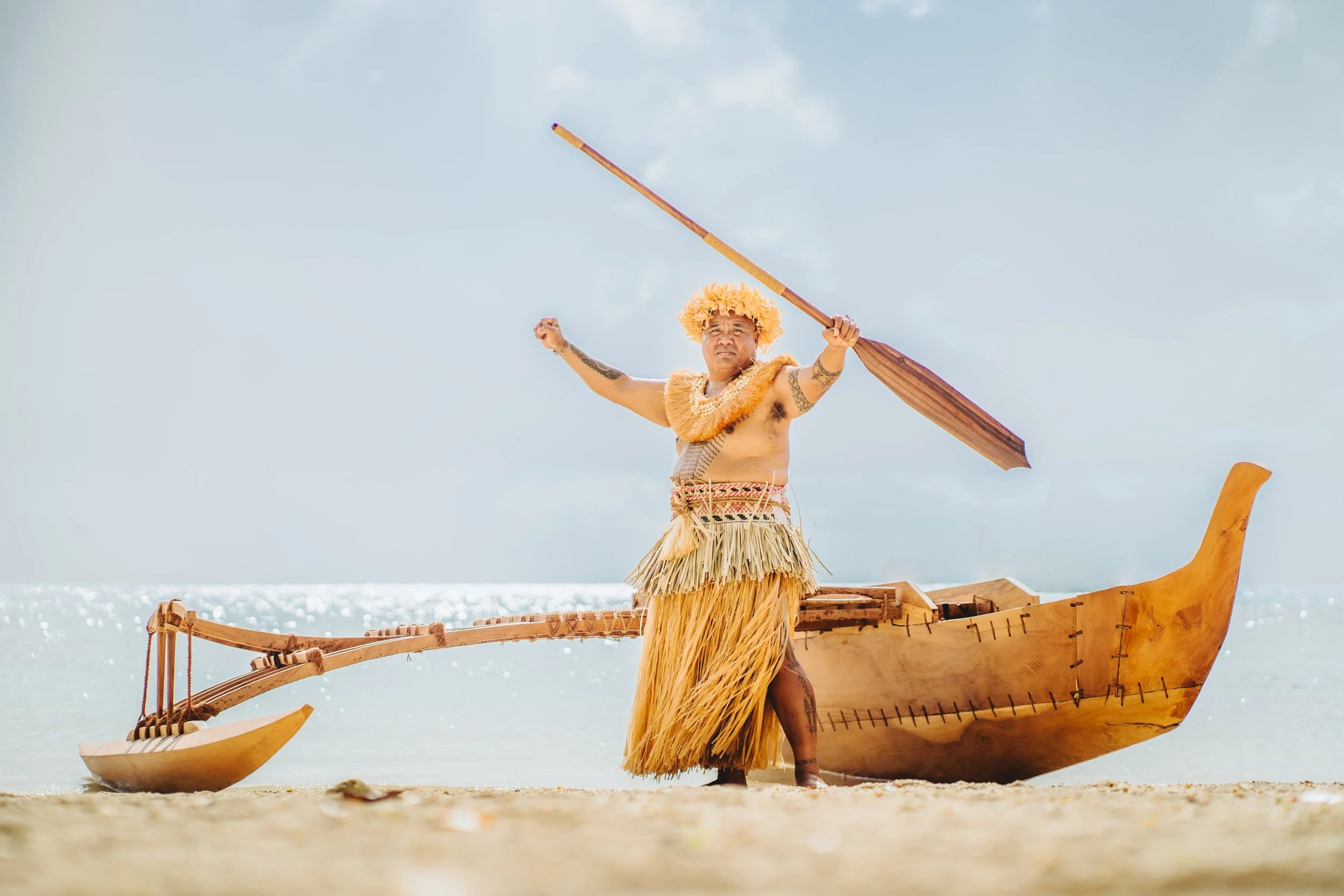
Pacific Climate Warriors raise paddles during a water protest. 350. CC BY-NC-SA 3.0.
As international mining corporations push to extract metals from the Pacific Ocean floor, a coordinated coalition of Indigenous communities across the Pacific Islands is mobilizing global campaigns to halt deep-sea mineral exploration. The primary focus is the Clarion-Clipperton Zone, an oceanic region stretching between Hawaii and Mexico. Spanning approximately 4.5 million square kilometers, it contains massive deposits of nickel, cobalt, manganese and copper, metals used in batteries and other technologies. In response to recent efforts from corporations trying to accelerate critical mineral sourcing, regional leaders are coordinating campaigns across multiple islands to assert their ancestral jurisdiction. These tribal efforts aim to block commercial licenses and preserve fragile marine habitats.
Indigenous organizers are using traditional ancestral knowledge to disrupt exploratory activities on the water. Native Hawaiian, or Kanaka Oiwi, cultural practitioners and environmental advocates have repeatedly staged peaceful actions on the water. They take to the ocean to intercept large corporate exploration vessels that enter local waters. Regional advocacy groups, such as the Ocean Ancestors collective in the Cook Islands, have launched their water protests by kayak to intercept foreign-funded research ships docking in regional ports. Through these actions, local communities reject the industrialization of shared ocean corridors.
These ideas of opposition to industrialization and mining of the shared ocean are found throughout the Pacific. There is a focus on introducing Indigenous scientific data and cultural knowledge into international policy negotiations. At International Seabed Authority meetings in Kingston, Jamaica, government representatives gather to decide the future of deep-sea mining. Indigenous leaders emphasize the importance of including Indigenous voices and recognizing that the Pacific is a place of creation; in other words, it is a home for these communities. It highlights the deep sea as a sacred place rather than a corporate resource pool. In a piece by the Environmental Justice Foundation, Solomon Pili Kahoohalahala, a Native Hawaiian elder stated, "If mining companies start using the ocean floor for profit, they do so knowing that they are decimating sacred and cultural connections."
This defense of cultural territory is driving a wave of legislation aimed at protecting Pacific ecosystems and communities from international extraction. Indigenous communities in the Pacific are turning traditional ocean stewardship into modern laws. For instance, islands like Guam are enacting strict nearshore mining bans to stop critical corporate seabed mining activities. Rather than allowing external economic pressures to dictate the future of the blue frontier, island nations are utilizing policy and their voices to solidify their roles as the definitive guardians of the ocean.
GET INVOLVED:
The Deep Sea Mining Campaign works with frontline Pacific Island communities to resist industrial seabed extraction. Their platform offers direct ways to support ocean actions and advocate for a global mining halt.
The Deep Sea Conservation Coalition partners with international groups to protect the ocean floor by opposing commercial licenses at global policy meetings. They provide educational tools, action alerts and resources for public donations.

Joseph Morales
Joseph Morales is an enrolled member of the Tohono O’odham Nation and an English major at Arizona State University. Through his education he has built years of experience in digital media and tribal journalism, focusing on representation and community storytelling.