
By Kate Dawson
Forty percent of the world’s languages are at risk, and many Indigenous languages in Australia’s Northern Territory face severe threats.
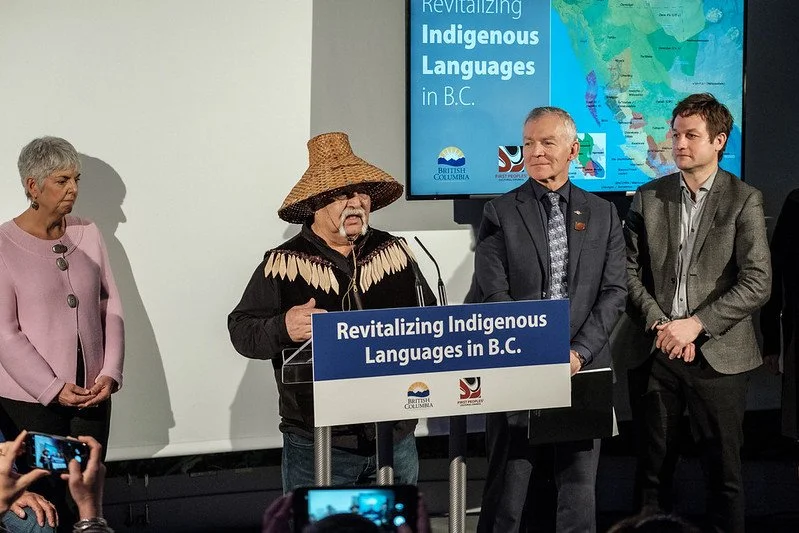
British Columbia outreach for Indigenous languages. Province of British Columbia. CC BY-NC-ND 2.0.
What used to be a traditional passing down of ecological and cultural knowledge has slowly dissipated into a mere memory. Of the 250 Indigenous Australian languages, only 12 are still actively being taught to younger generations.
The constant preservation efforts fall consistently on the shoulders of senior custodians, of which only a few remain.
This creates an overwhelming pressure placed on the language custodians and Indigenous leaders across Australia’s Northern Territory. They must continue to meet and issue formal statements demanding expanded funding for local cultural centers and bilingual public services.
Much of the loss of Indigenous languages comes from years of colonization. Suppression and government policies often forced the local communities onto missions and reserves. This relocation led to the banning of traditional languages, while children and adults were often punished or shamed when using their first language. Older generations stopped passing their languages on to children due to concern.
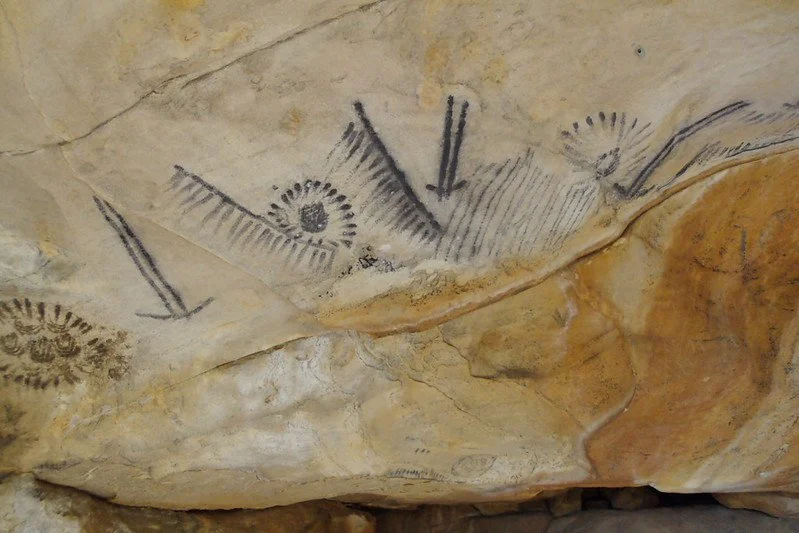
Aboriginal cave art. Denisbin. CC BY-ND 2.0.
The United Nations even released a warning that Australia was facing a threat of extinction. Multiple languages are being lost, and the communities often lack the support needed to revive them.
Rarrtjiwuy Herdman, an organizer for the Top End Languages Forum, has been working to keep her native language of Dhangu alive in northeast Arnhem Land. She fears that the younger generation is becoming lost without their language.
“The sense of responsibility to continue our languages is something that our elders and leaders are worried about, and particularly for our clan languages,” Herdman shared.
This worry among elder clan members stems from the belief that, for younger people, their languages are no longer relevant because they are absent from mainstream social media. However, the problem persists because culture is inseparable from language.
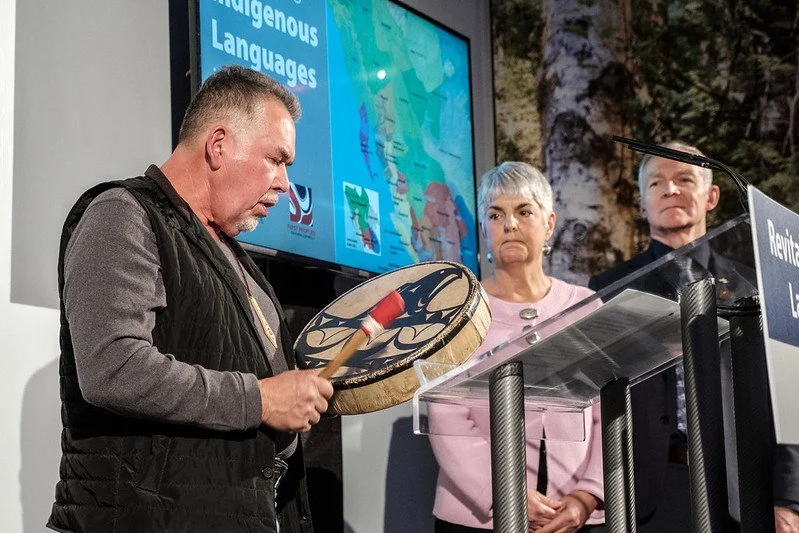
Language revitalization meeting. Province of British Columbia. CC BY-NC-ND 2.0.
Languages, according to the Australian Institute of Aboriginal and Torres Strait Islander Studies, are living things that connect people to Country, culture and ancestors. The land is what gave birth to these dying languages.
The connection between the two is what makes language survive. As so many Indigenous communities in Australia’s Northern Territory have experienced, the threats to their very identity have the potential to erase generations' worth of human history.
GET INVOLVED:
There are various archival and transcription opportunities with the Center for Australian Languages and Linguistics (CALL). Their Indigenous language project’s localized bases in regions such as Belyuen, Wadeye, Ti Tree and Papunya attempt to reverse the impacts of colonization by creating safe spaces for locals to learn literacy, translation skills and to develop resources.
Living Archive of Aboriginal Languages is a digital archive platform that works directly with local language preservation groups. Vulnerable literature, educational materials and transcriptions are made available to the local communities.
Direct support comes in the form of government aid. Individuals can support, donate and collaborate with community-driven language centers. These regional centers help revitalize the languages with the First Nations custodians, keeping the language in the hands of the people they shape.

Kate Dawson
Kate is a student at the University of North Carolina at Chapel Hill, double majoring in Public Policy and Journalism. Her passion to share stories and love for environmental justice inspires her writing. She hopes to change the world by empowering others.