
Jono Moehlig went on a trip to Rwanda and found that the people he encountered there were some of the most amazing people he has ever met. Watching wartorn killers that have been released and loved by the neighbors they once destroyed, he learned what peace really is.
VIDEO: Facts That Will Make You Want To Travel
Fact: There is no time like the present. Fact: Studies have found that money spent on travel will make you happier than money spent on material goods. Not convinced yet? Watch the video.
VIDEO: Scuba Diving in the Heart of Yap
Julie Hartup, part of Manta Trust, a non-profit organization, recently went to Yap to begin a long-term monitoring and research program. This footage was complied over four days of scuba diving at a shallow cleaning station with help from the Manta Ray Bay Resort.
CONNECT WITH MANTA TRUST
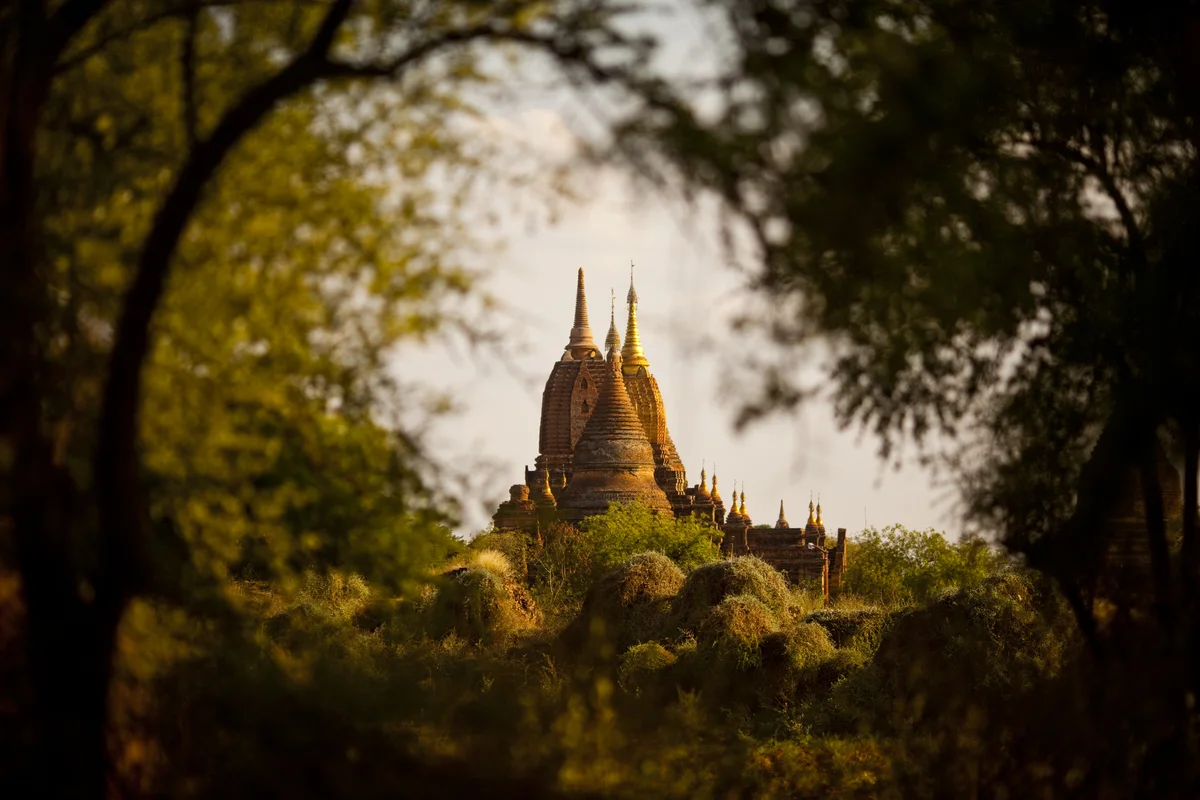
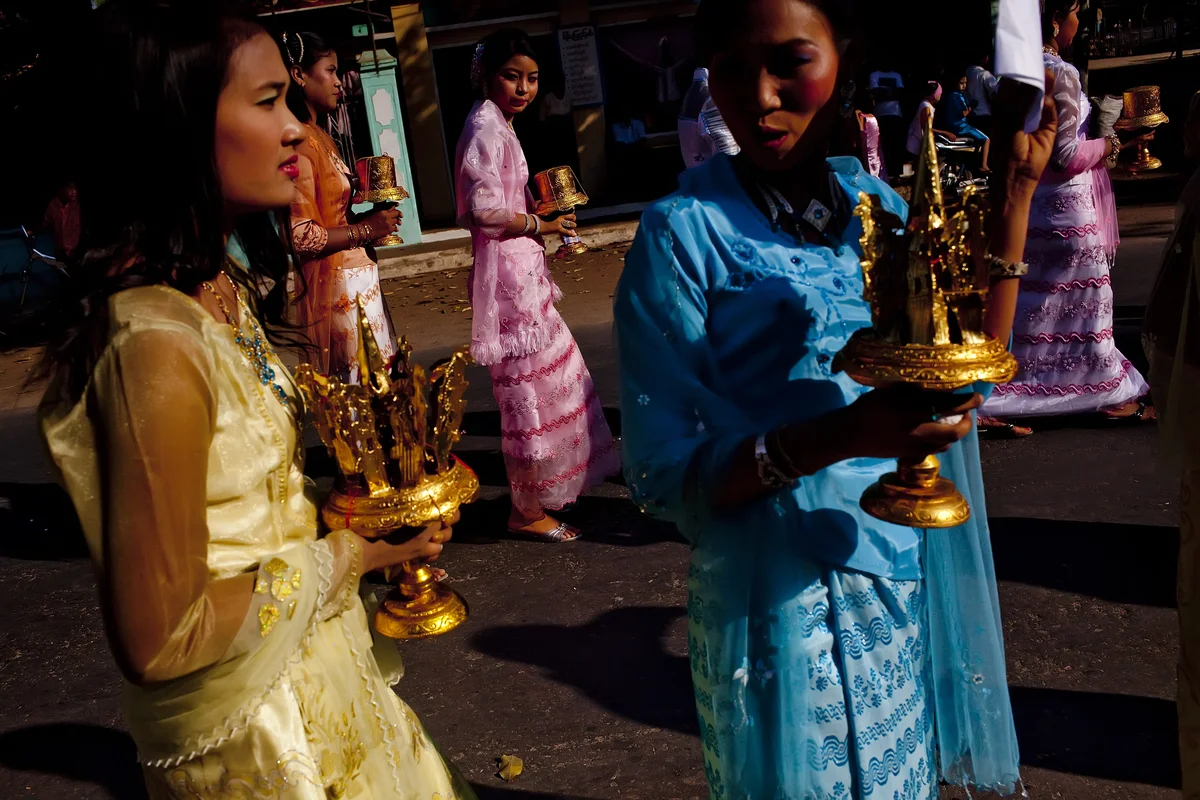
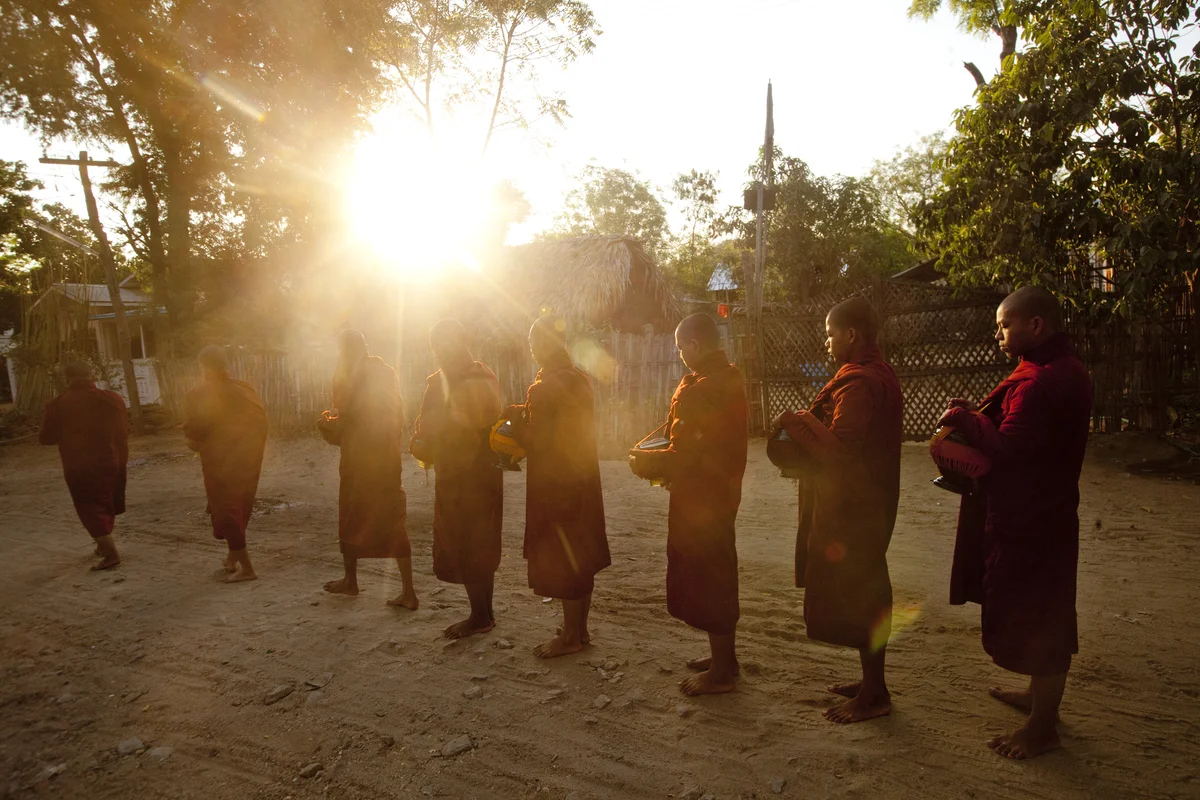
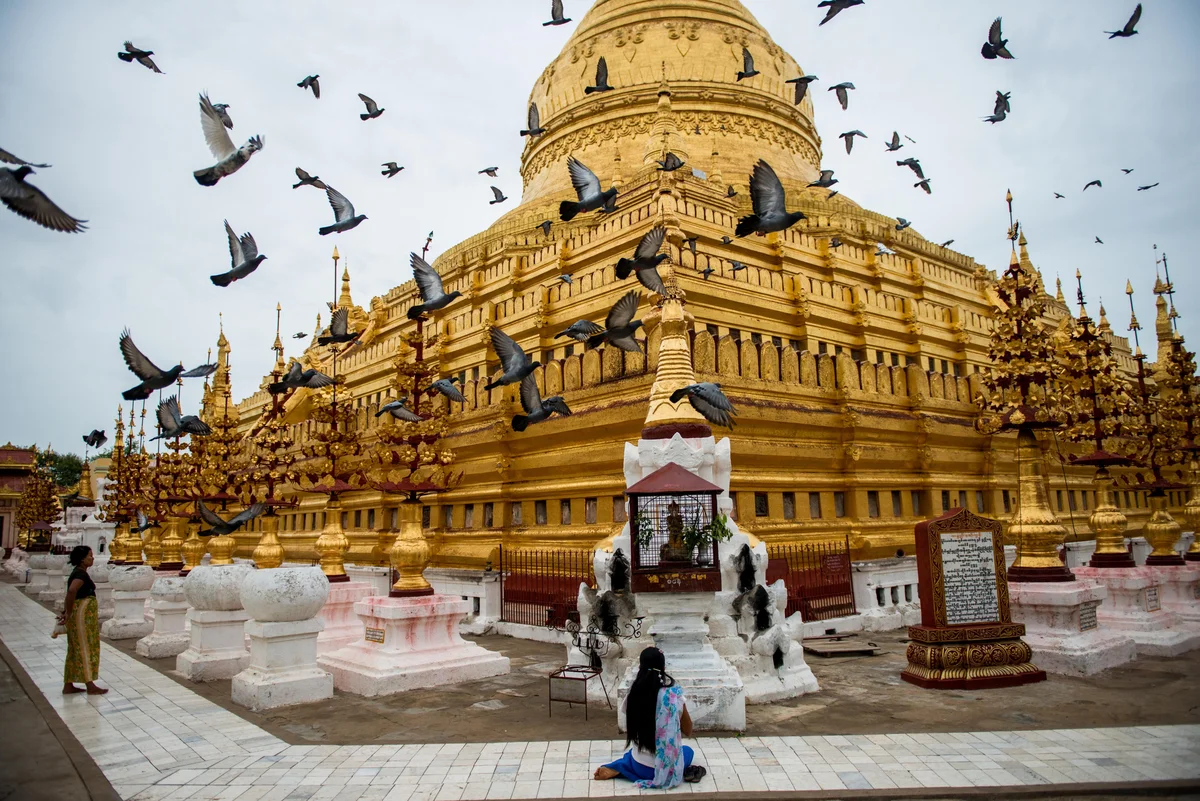
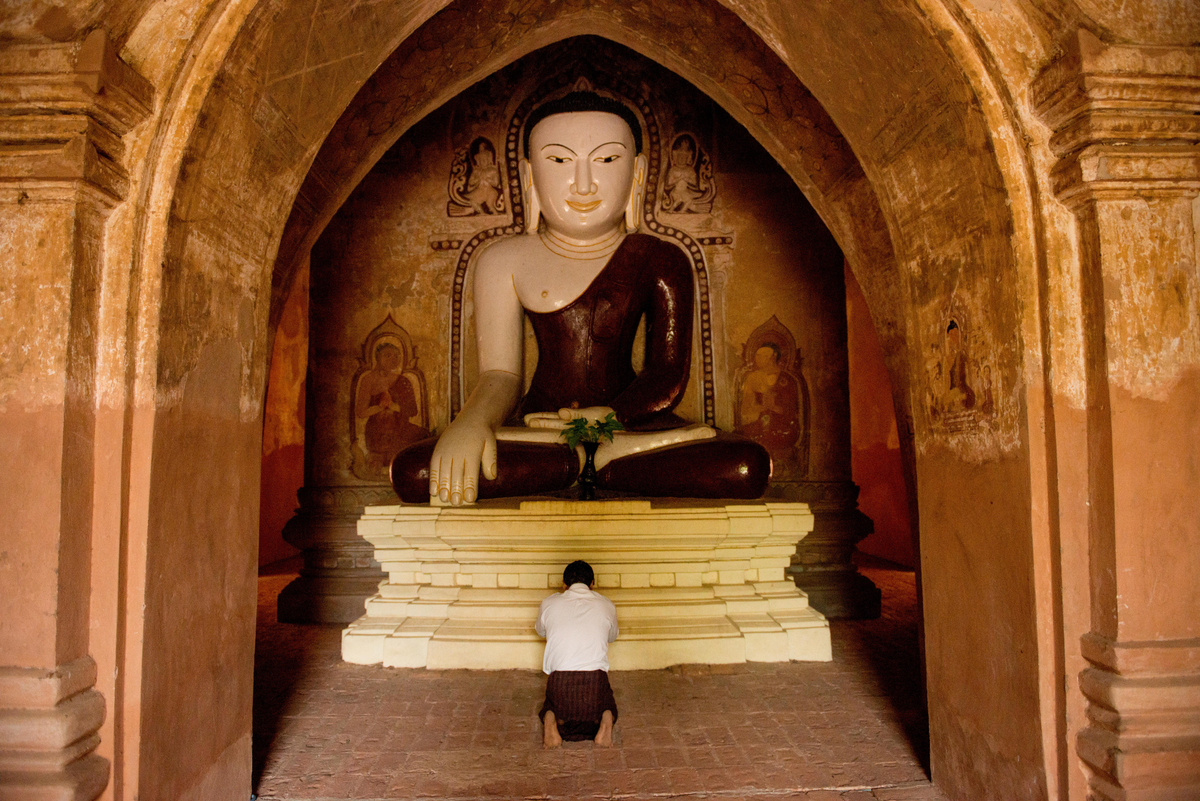
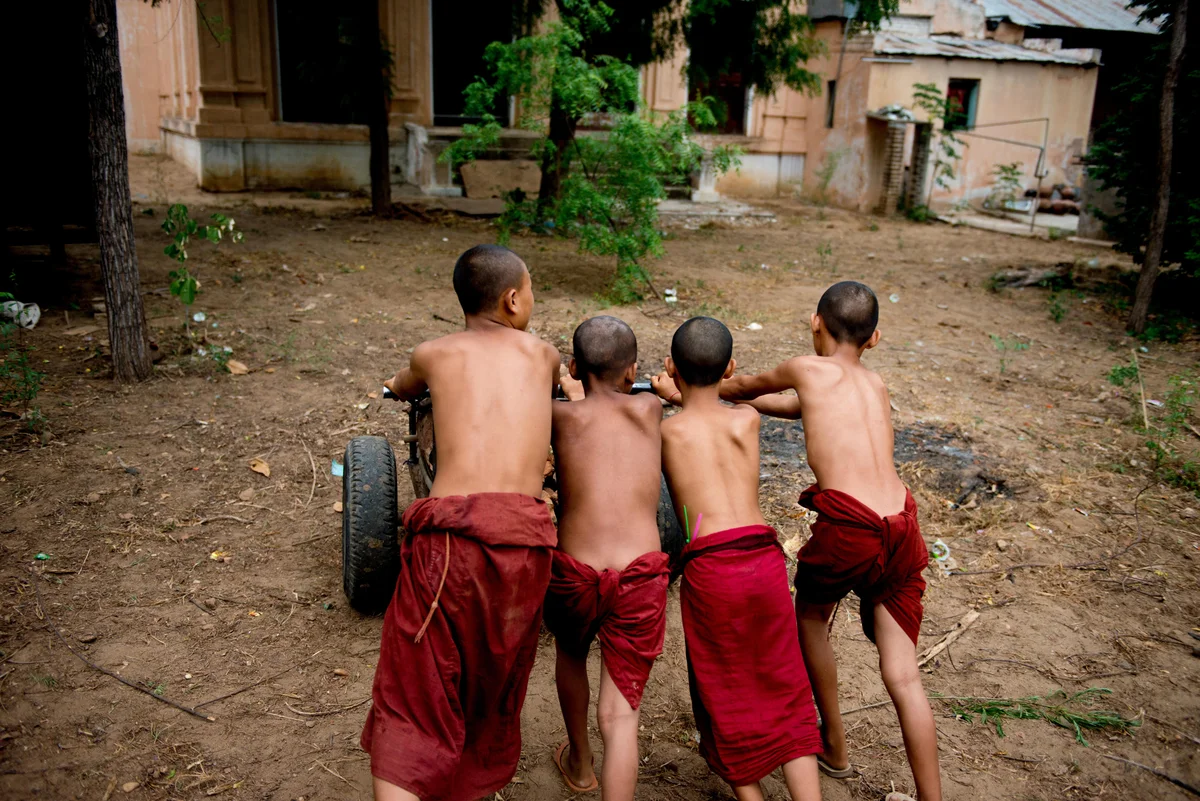
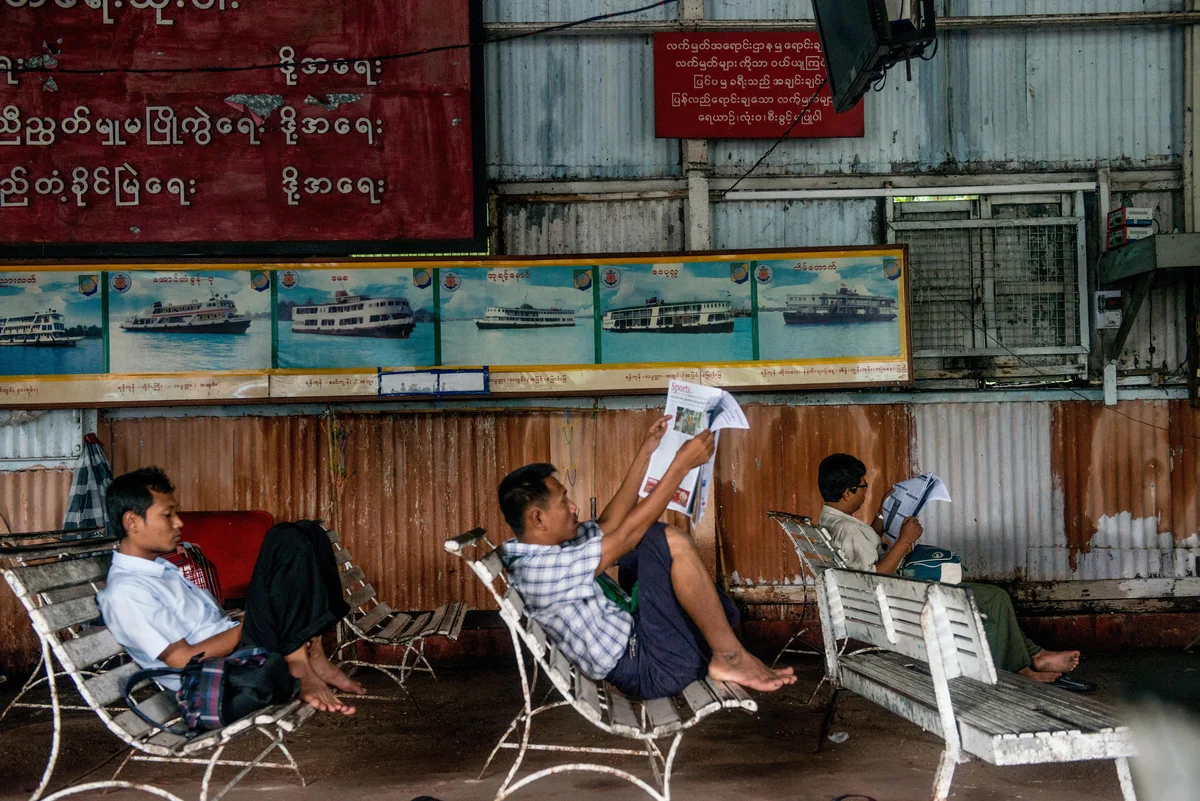
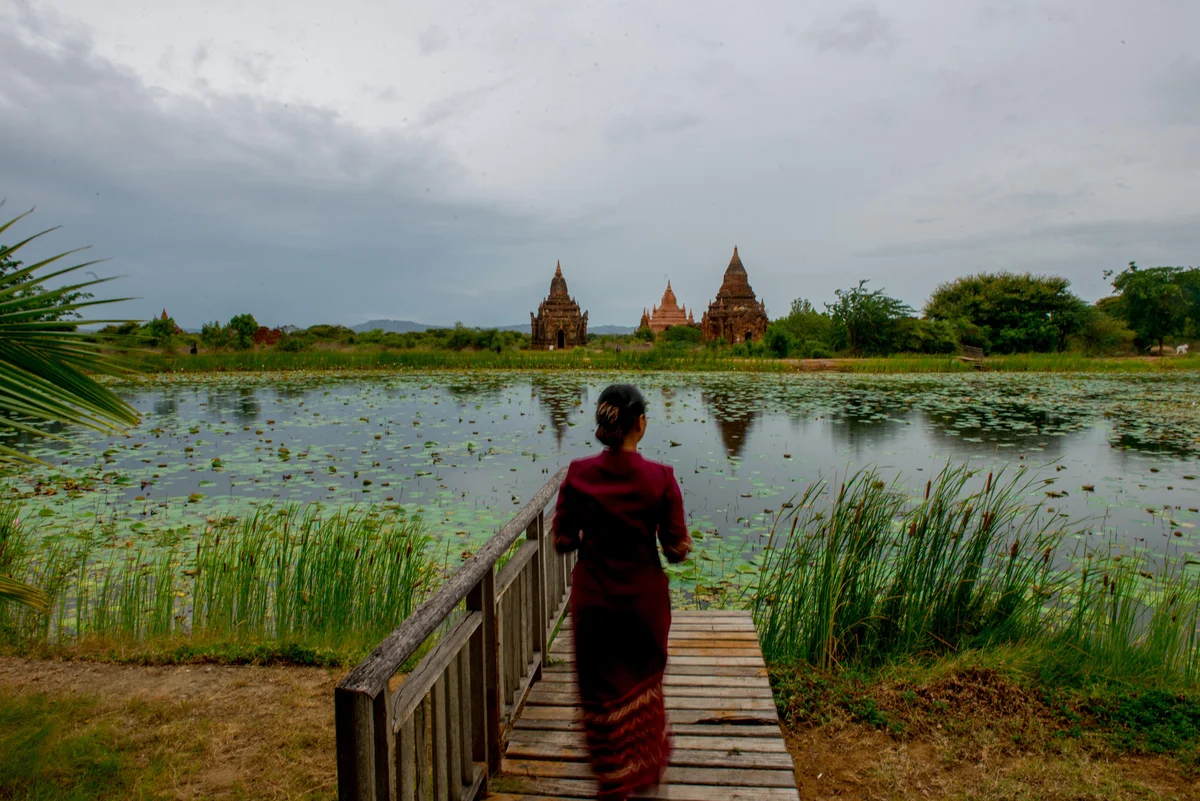
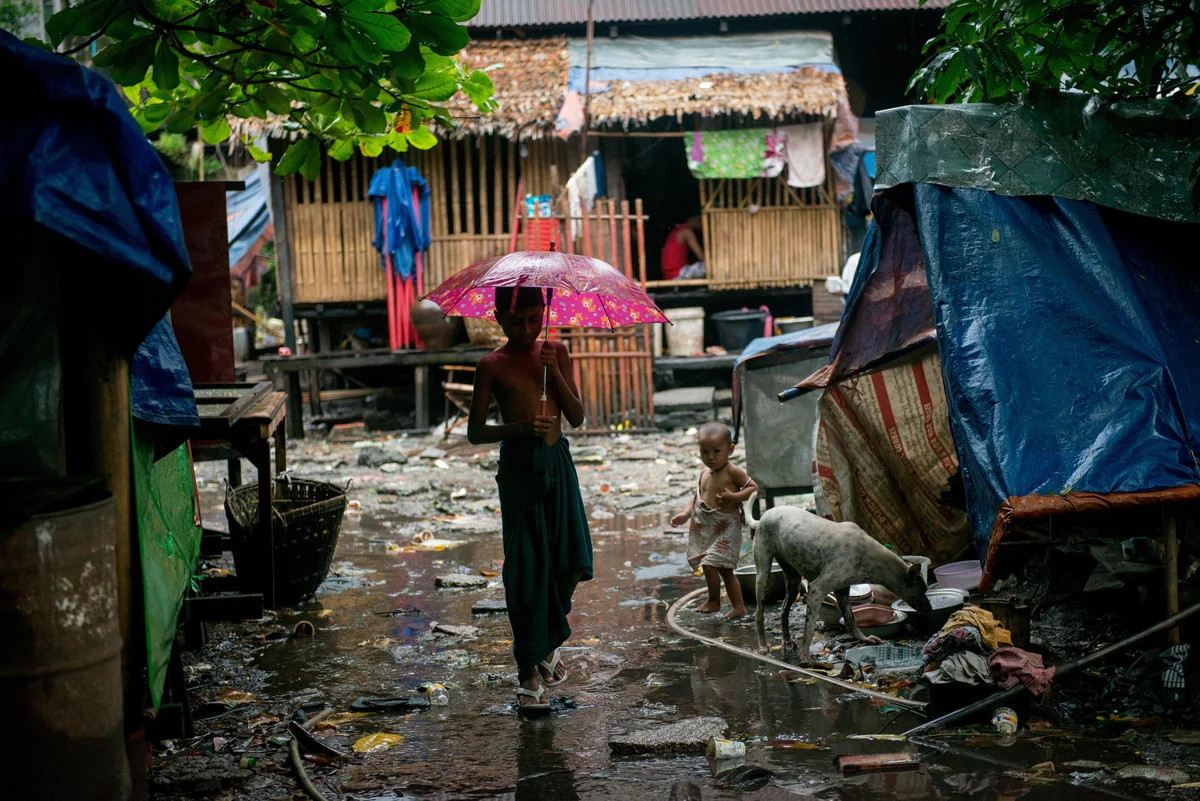
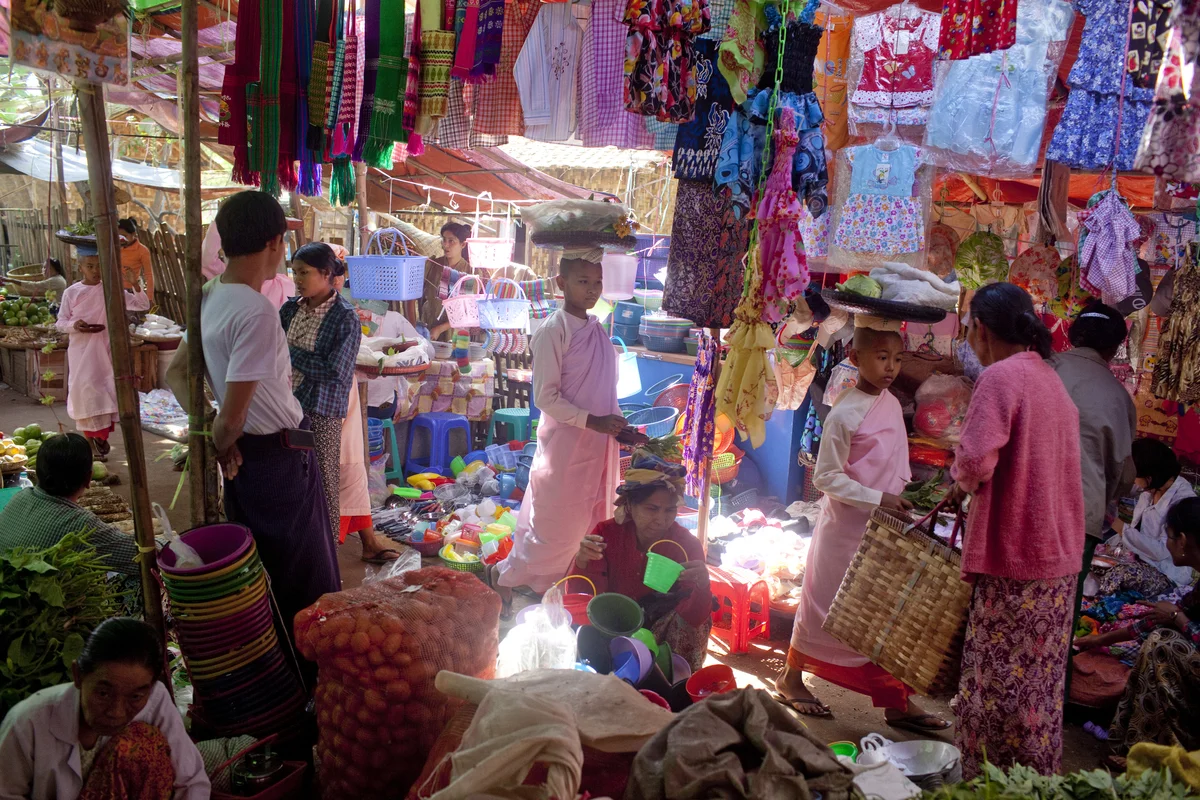
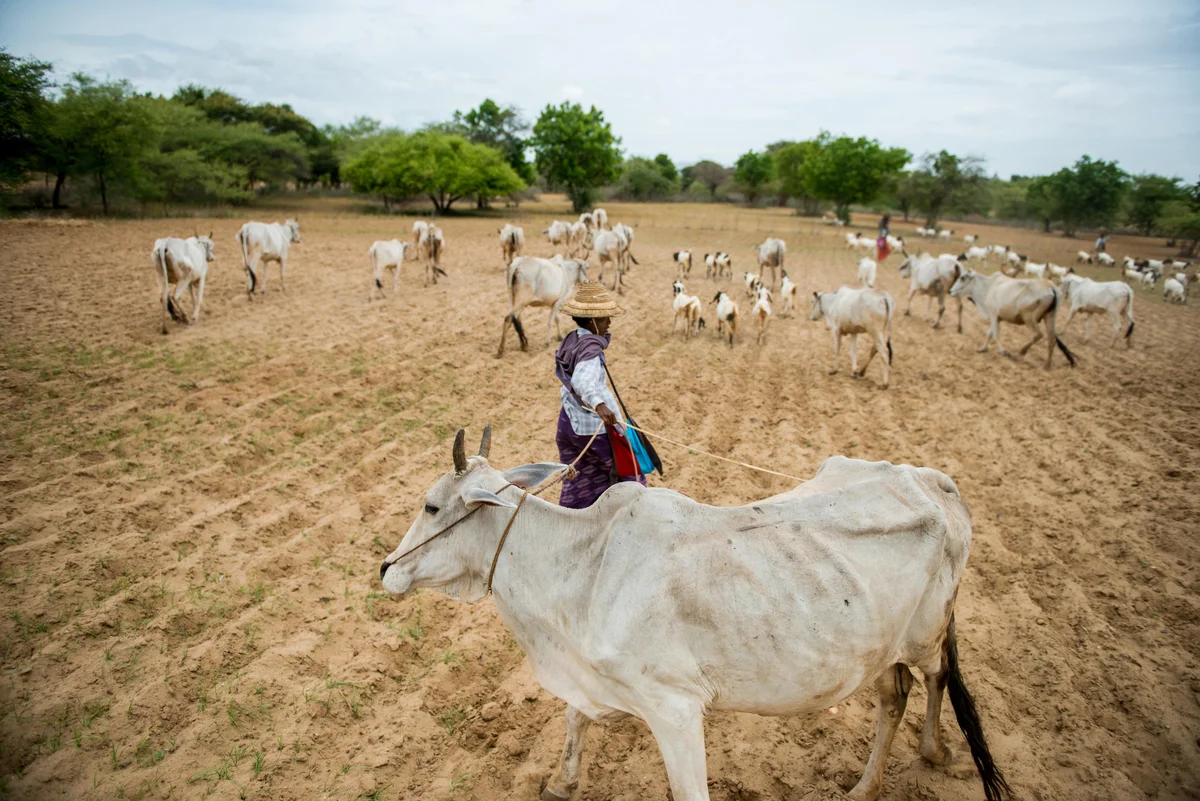
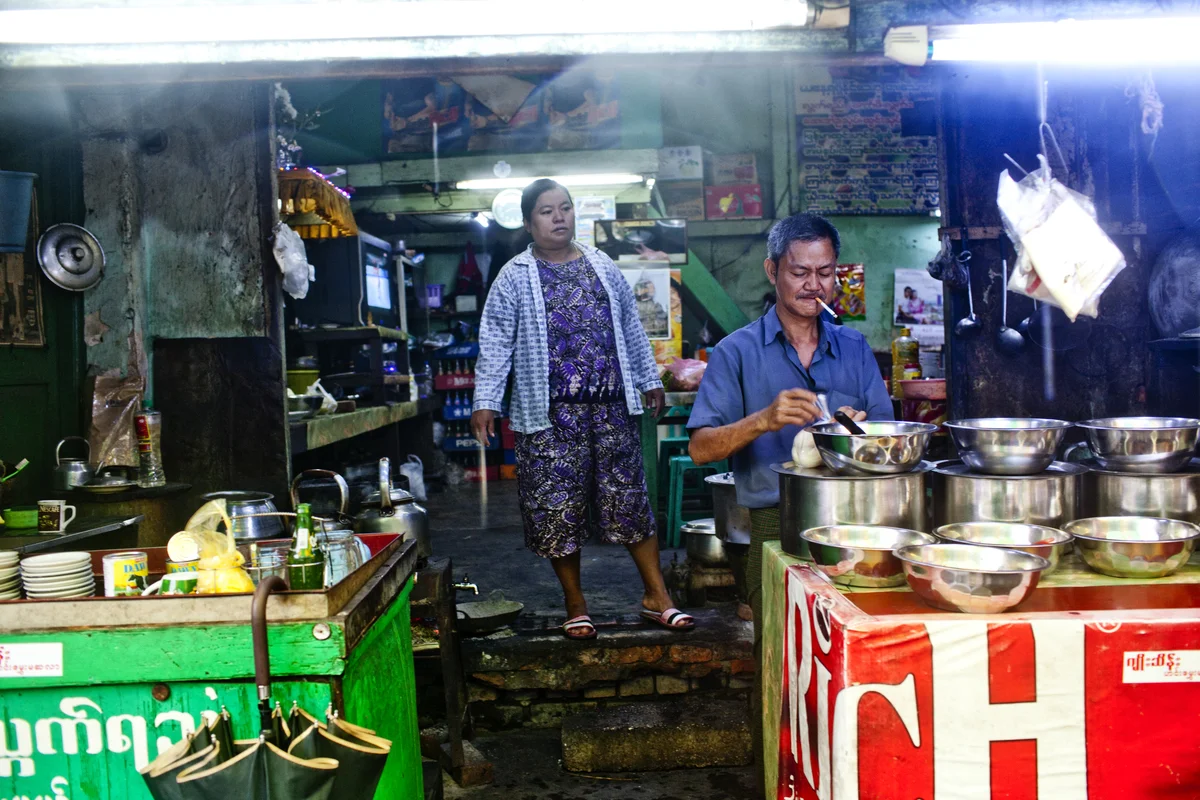
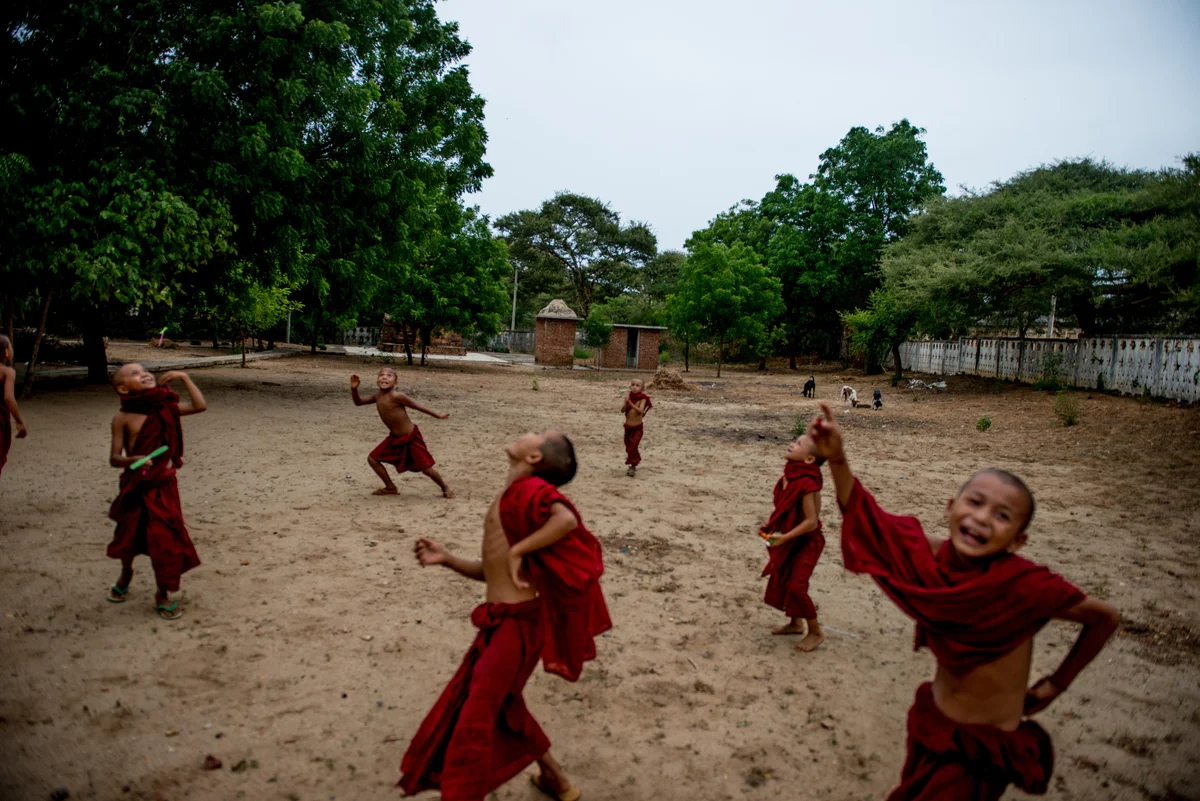
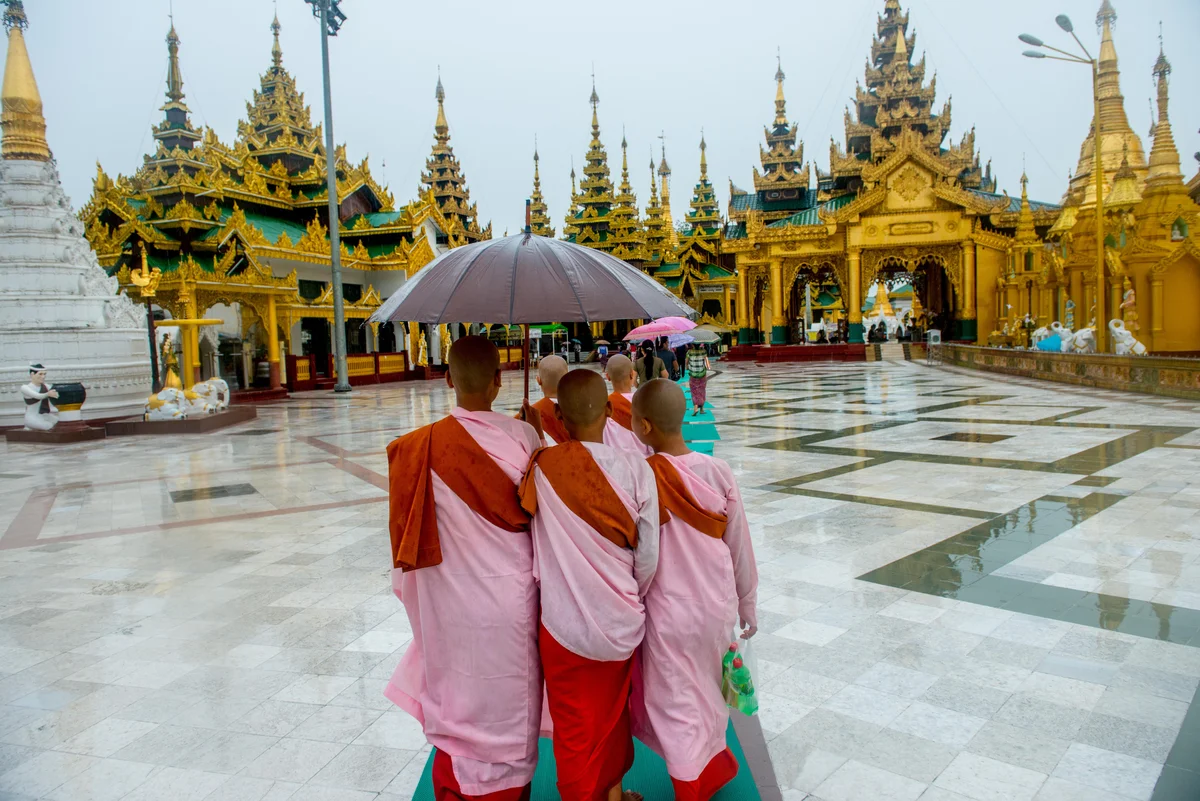

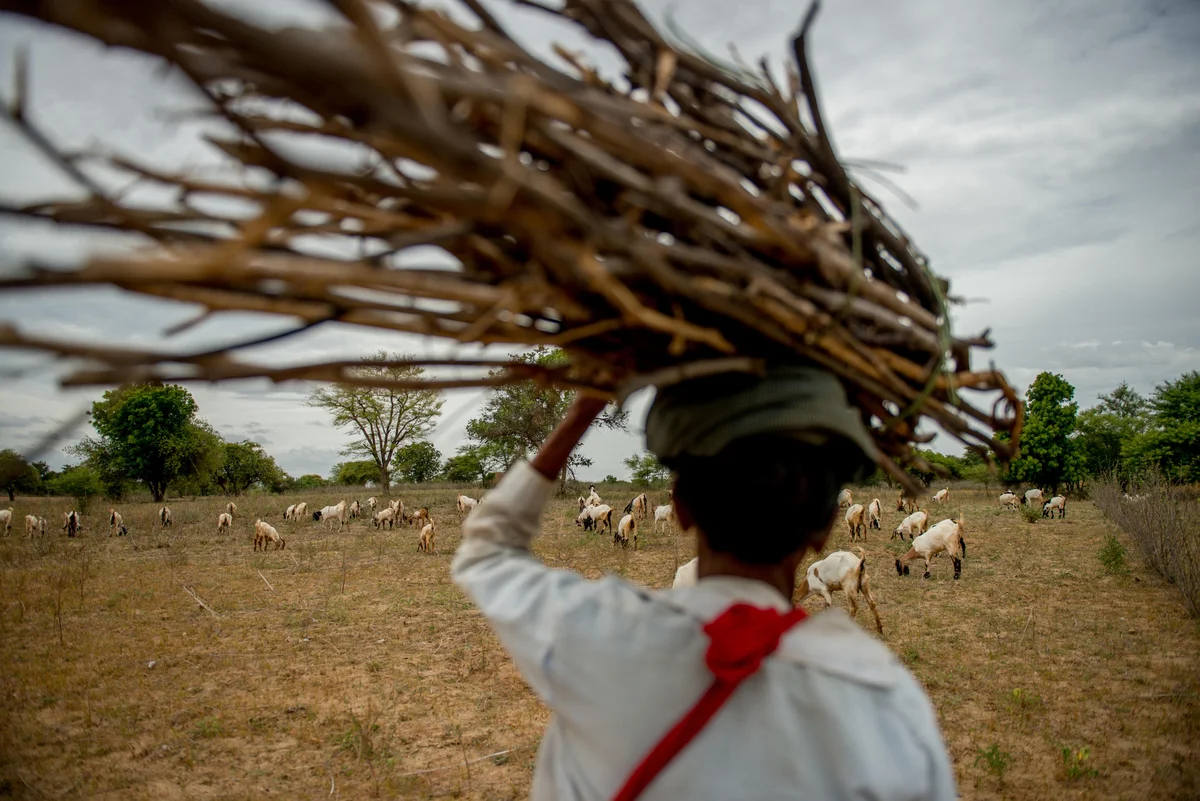
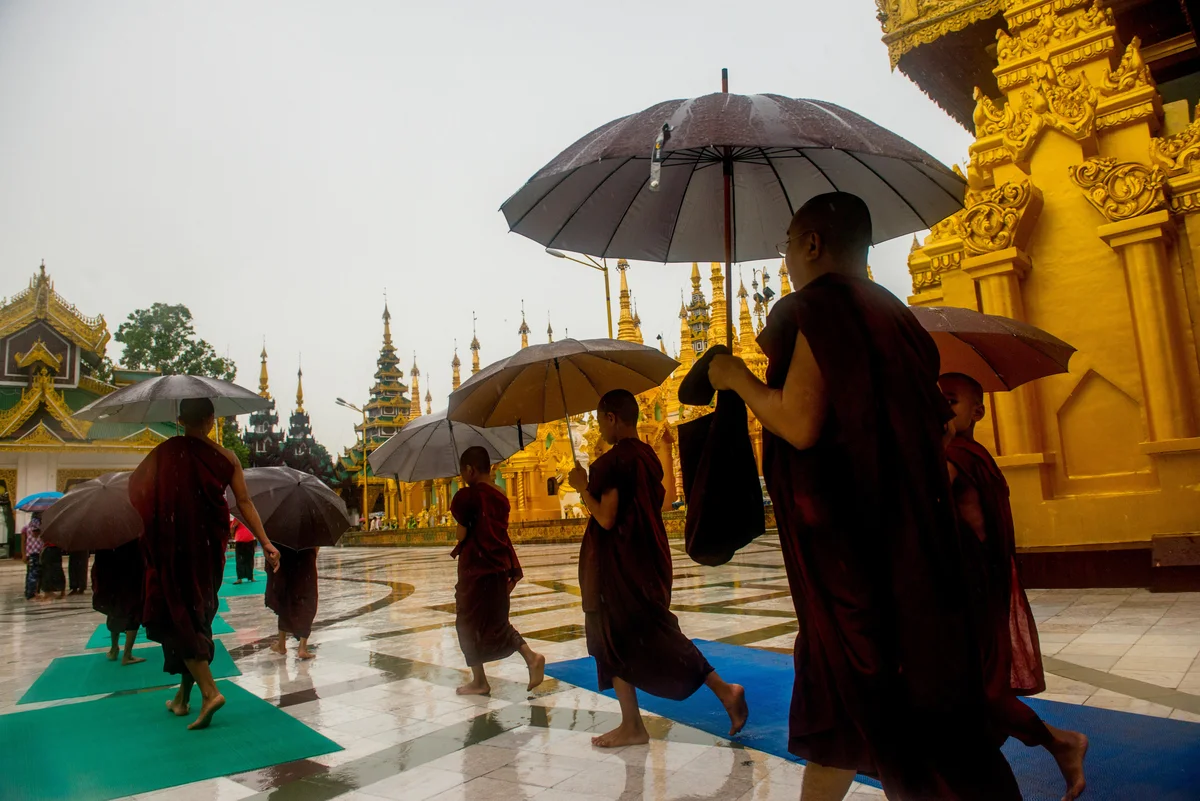
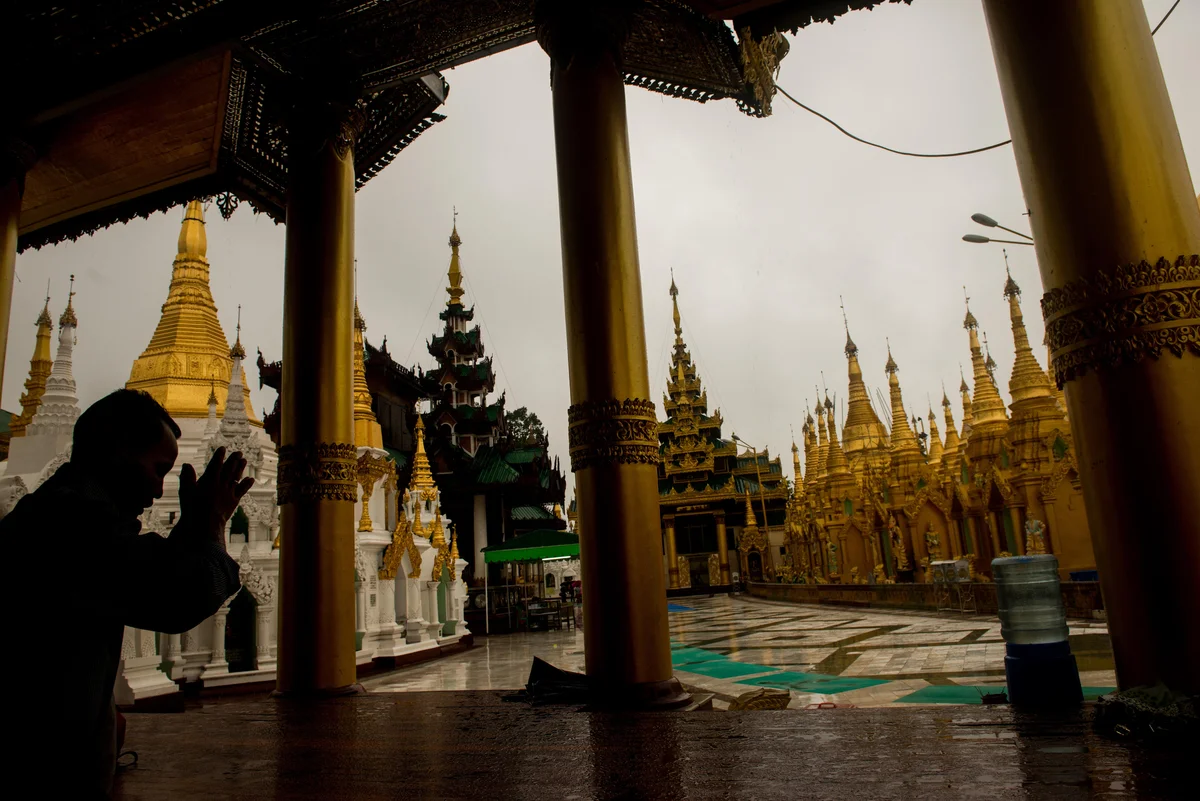
A Glimpse at Myanmar
The military junta has ruled Myanmar since 1962; challenges to the junta are quickly thwarted with a heavy hand. Information coming and going is monitored closely. Journalists cautiously sneak in and out, but many are blacklisted after reporting about the political situation.
The former capital city of Yangon, while not without its beauty, is developmentally stalled in the past with beat down cars cruising by crumbling buildings. No ATM’s can be found; a visitor must bring all the money they need with them.
It’s easy to forget the 2007 Saffron Rebellion. It’s easy to forget that the country’s beloved Nobel Peace Prize recipient, Aung San Suu Kyi, was under house arrest for the better part of the past two decades before her release in November of 2011. But regardless of its troubled past, you will rarely have a smile unreturned wherever you go. It’s easy to have a look around and feel that everything is just fine and dandy.
JUSTIN MOTT @jmott78
Justin is an editorial and commercial photographer born in Rhode Island, USA. He is living in Hanoi, Vietnam and working throughout SE Asia on personal projects and assignments. In 2008 his work on Agent Orange orphans was recognized in the PDN Annual and was awarded the Morty Forscher Fellowship for humanistic photography given out by the Parson’s School of Design in NYC.
For more on Justin and his photography visit: Mott Visuals
PHOTO ESSAY CURATED BY: Nelida Mortensen
Morocco: The Color of Tough
It was the cemeteries that first spoke to me.
Read More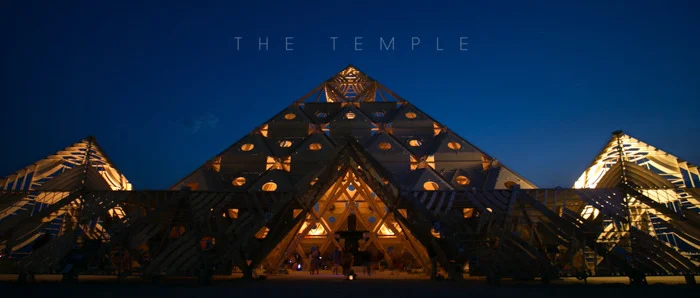
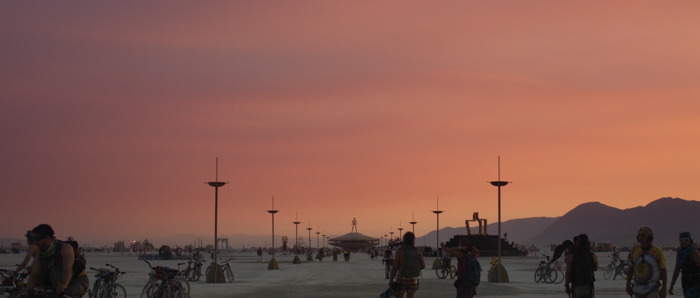
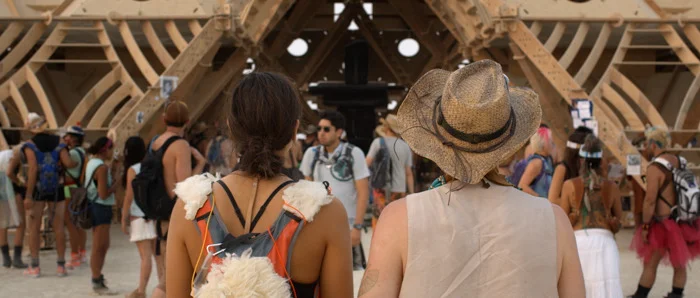
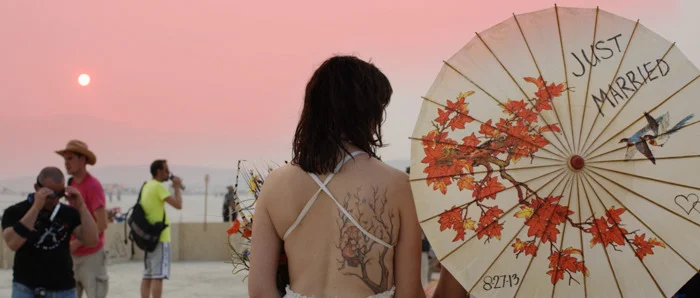
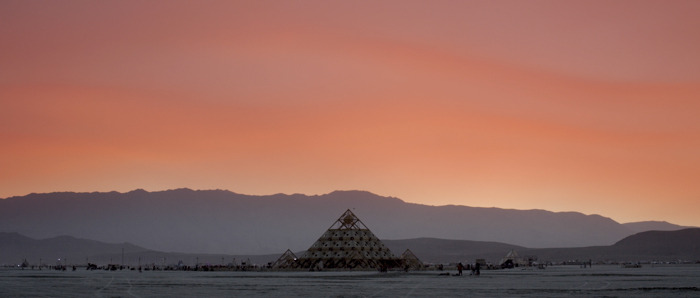
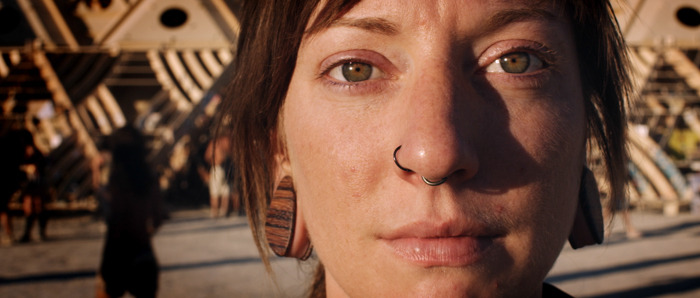

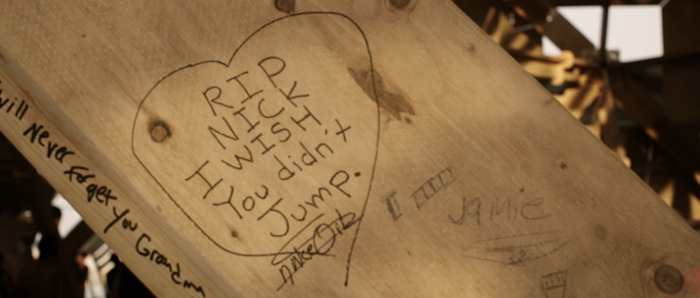

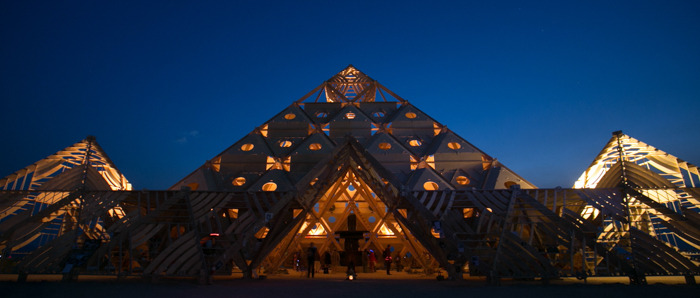
The Burning Man
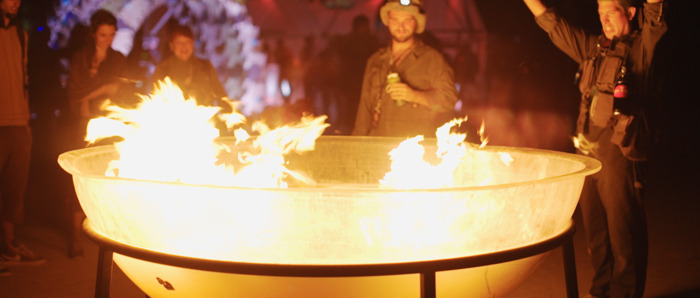
For close to three decades now, Nevada’s desert landscape has been annually transformed into the phenomenon that has come to be known as Black Rock City, home to the Burning Man. While the essence of Burning Man is often mislabeled as a massive party with excessive drug use, it is best described as "pop up society." One, which after a years worth of work, dedication, and preparation is burnt down to the desert floor, leaving it just as it was before its temporary inhabitants arrived.
Regardless of the stereotypes about the “hippy subculture” that Burning Man has been built upon, the festival embodies a spirit of collective freedom that is seldom seen in our world today. It has evolved into a place of worship, innovation, radical self-reliance, and authentic freedom of expression; where anyone can reinvent themself into whomever they want, without the stresses of acceptance and judgment from the “real world”.
Amongst the plethora of art installations, participatory campsites, and whatever else Black Rock City births, Michael Marantz, Founder / Director of Already Alive, was inspired by one in particular, “The Temple”. In his mind, the installation of The Temple, “explores modern spirituality in a contemplative and personal manner; touching on ideas of self-discovery, letting go and meaningful human connection that transcends a simple party in the desert.”
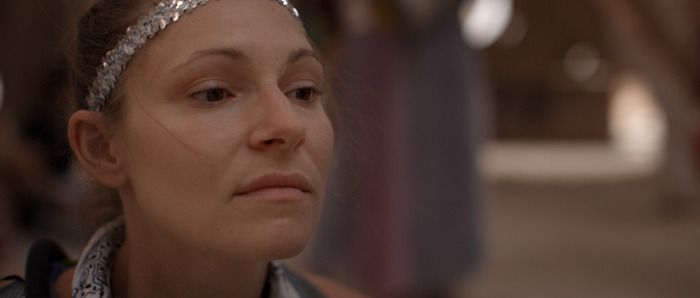
Marantz’ inspiration led him to contribute to Burning Man’s consistent theme of a “gift economy” by producing a short film about it. Fortunately, Michael was able to capture the film in a series of still images, allowing those unable to participate in the experience of Burning Man, to have a taste of what it is like to reside in the world of Black Rock City.




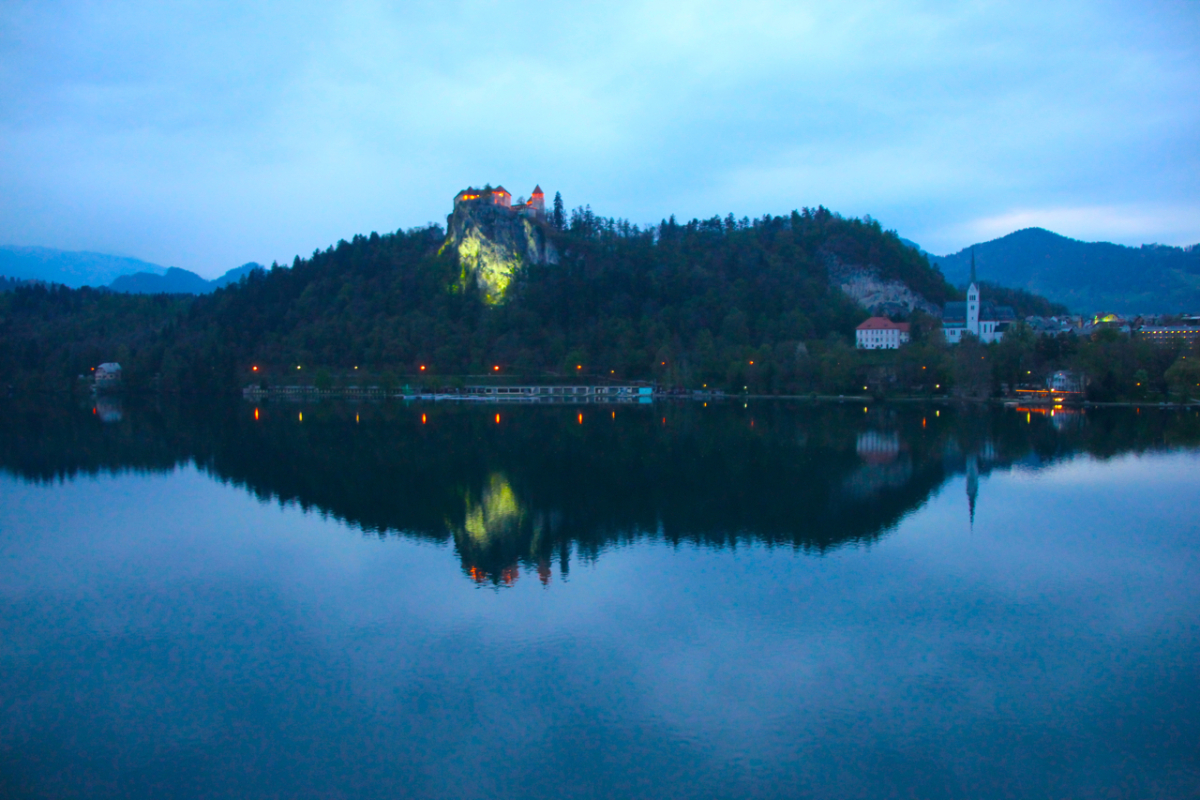


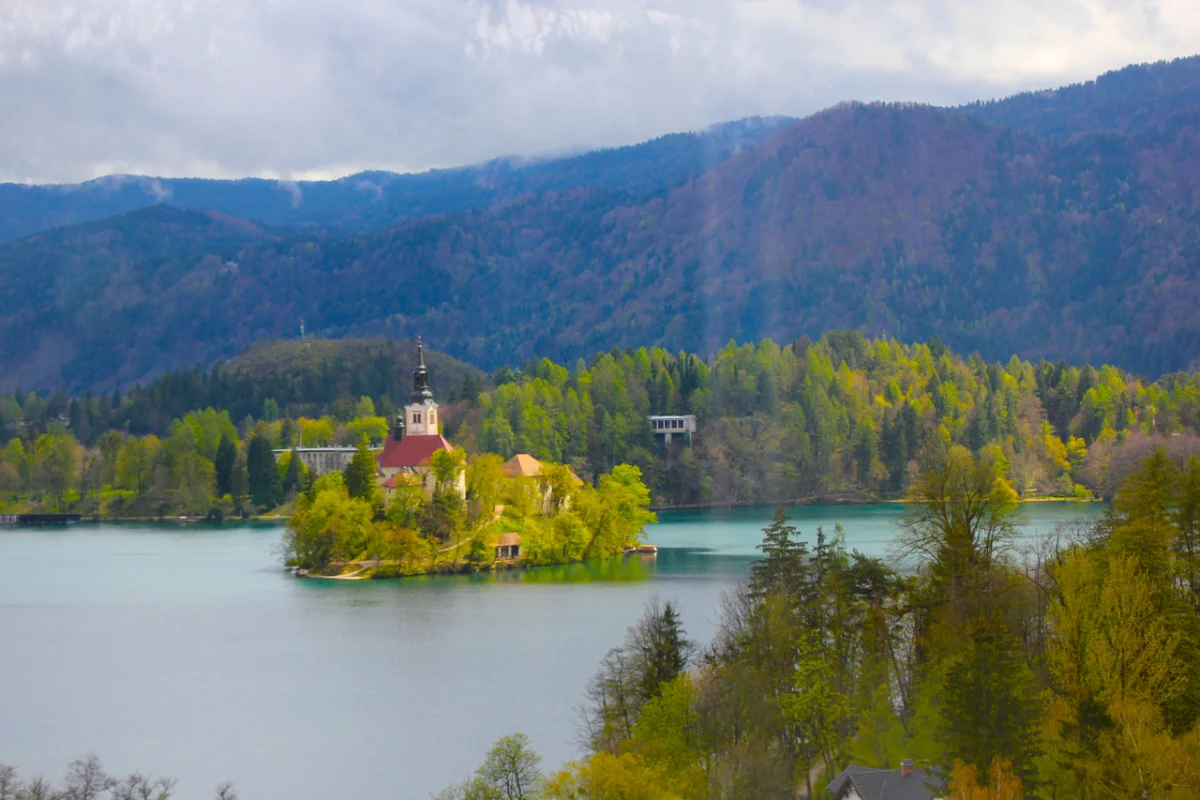


Getting Lost in Slovenia
Photos & Text by, CRISTINA NEHRING
Photo Essay Curated by, NELIDA MORTENSEN
This is what Hansel and Gretel felt like, I mused as I erred through an opaque wood. Except that I had forgotten the breadcrumb trail; I had forgotten the bread. Just an hour ago, after all, my daughter and I had been at a café on the sea. A hundred-odd hairpin turns later in a tiny car and the world had changed, darkness was upon us, the trees were impassive.
Slovenia is a country of extremes. Extreme sports, extreme combat, extreme resilience, extreme beauty. Tucked away tightly between Italy, Austria and Croatia, Slovenia shares an opening onto the Mediterranean and a big chunk of the Alps. Only half the size of Switzerland--and with a population of just 2 million--it packs an abundance of micro-climates into a tiny space. When Slovenia was part of Yugoslavia (until 1991), it accounted for a mere 8% of the land and population of its mother country, but 60% of its industry. Once independence was declared (Slovenia was the first of Yugoslavia’s six republics to split off, and to do so essentially without bloodshed), its economy and industry only took off.
Today, it is The Little Country that Could. In the Soca River Valley where many hundreds of thousands lost their lives during World War I (as recounted, in part, by Hemingway in A Farewell to Arms), locals now receive tourists for river-rafting, canyoning and paragliding. And yet the ghosts have not gone. Gingerbread-houses feel like they are just around the corner, haunted-seeming castles emerge every few miles, and every rock and rabbit appears to have a story to tell.
My girl and I gripped each others hands tightly, and kept forging ahead until the light reappeared. Like the Slovenian people have done so many times. And there’s very little more radiant than Slovenia under the sun.
CRISTINA NEHRING
Cristina is an American author, journalist and photographer. Her work has appeared in Condé Nast Traveler, The New York Times, The Atlantic Monthly, Harper’s, Slate, The Nation and elsewhere.Her books are A Vindication of Love: Reclaiming Romance for the Twenty-First Century (HarperCollins) and Journey to the Edge of the Light: A Tale Of Love, Leukemia and Transformation (Amazon Kindle Singles).Her photo exhibits include “The Sky is Falling” and “Found Love” (Chico, California).She lives in Paris with her now 5-year-old daughter, Eurydice, who has Down Syndrome, and often serves as her model. For photo purchases and other inquiries visit her website at: www.cristinanehring.com