
The More Than Me Academy is on a mission to make sure education and opportunity, not exploitation and poverty, define the lives of the most vulnerable girls from the West Point Slum of Liberia. When she graduates, she will decide what comes next for her life.


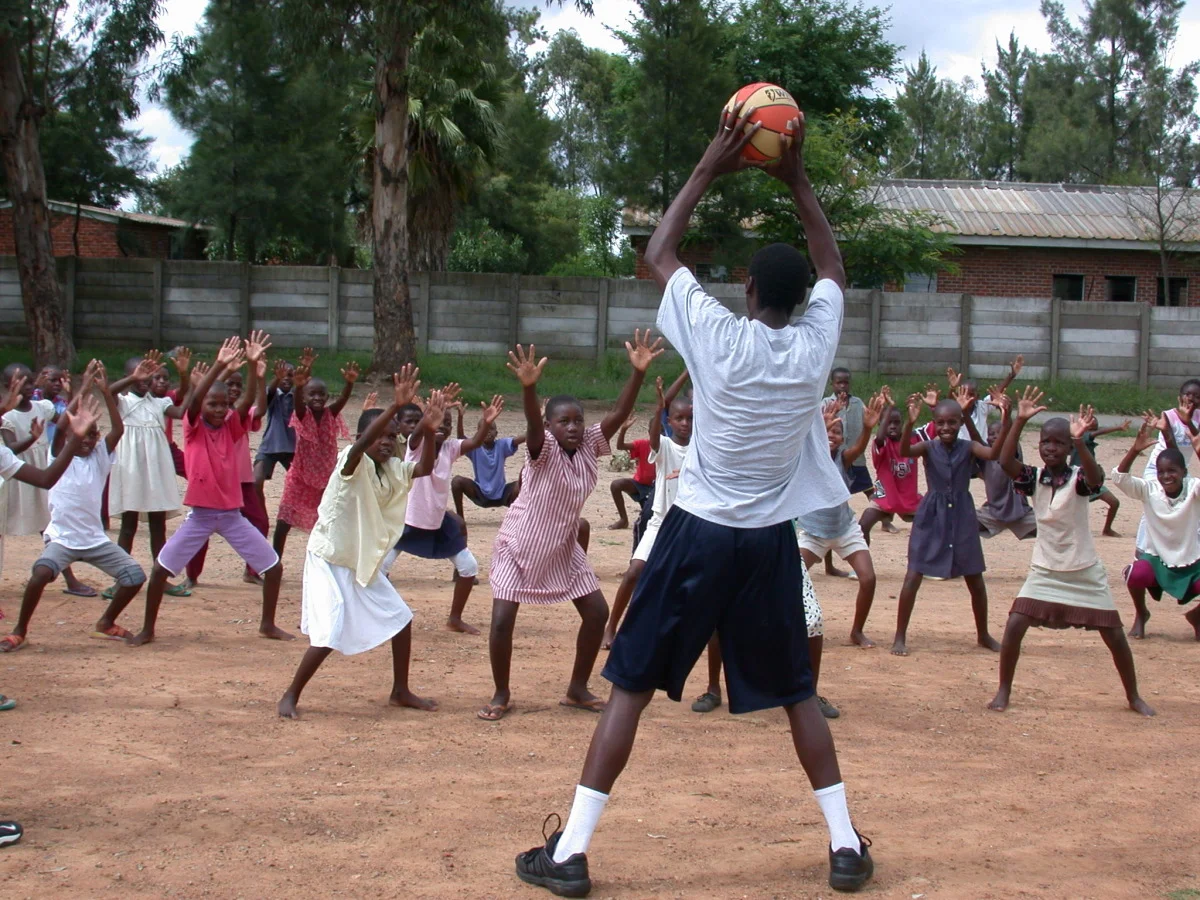


Hoops4Hope
There are few elements across the spectrum of humanity that bind and connect us as people, no matter our age, race, or cultural background. They validate our bond as humans and in many cases, drive the most profound change that is occurring across the globe, bringing us together as a global community. The sport’s friendly competition does exactly this.
This is where Hoops 4 Hope (H4H) comes into play. Since 1995, H4H is an international non-profit organization, which has utilized the “power of sport to create sustainable long-term positive impact for youth, equipping them with the tools to manage the social, health and economic related challenges they face.” — Mark Crandall, H4H Founder & Director More
As the sister organization for Soccer 4 Hope, Hoops 4 Hope utilizes the medium of basketball to provide empowering sports programing to youth across Zimbabwe and South Africa. The organization’s mission is to educate youth with life skills necessary to survive; it has flourished in communities that struggle with poverty, unemployment, HIV/AIDS, violence, crime, substance abuse, and gender inequality.
Over its 18 years of existence, H4H has seen many of its youngsters receive sports scholarships to high schools, coaches being chosen for overseas cultural exchanges, and even have a Zimbabwean athlete now playing professionally in the Euro League. Furthermore, various H4H courts have been graced with visits from German Chancellor, Angela Merkel, along with NBA Star and member of the Chicago Bulls, Luol Deng, amongst many others.
This photo essay highlights Hoops 4 Hope as our NGO of the Week, taking you to the on-site project locations throughout Zimbabwe and South Africa, many of which were made possible through collaborations with local schools, shelters, and community organizations.
Connect with Hoops 4 Hope here.
ANDREW BRIDGE is a global enthusiast with a passion for the road less traveled. As a frequent collaborator with World Hip Hop Market and Nomadic Wax, Andrew has worked with numerous socially conscious artists from around the world in the pursuit of inspiring cultural understanding and exchange through entertainment. This fascination with the world at large has taken him to over 20 countries (so far) through studying, volunteering, and writing about his travels, with no signs of slowing his globetrotting nature down. Connect with Andrew at @Bridgin_TheGap
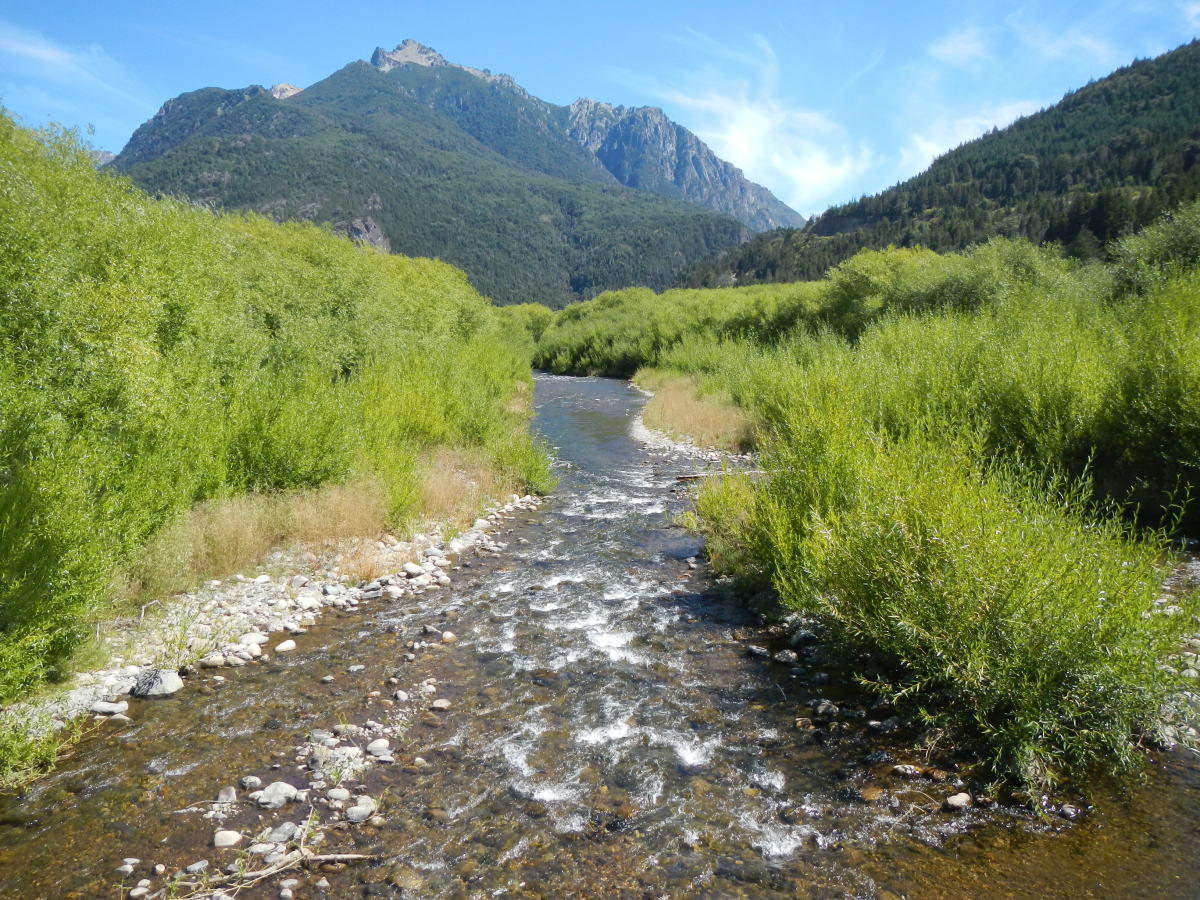
Wild Rivers Survive HidroAysen Dam Plan
Patagonia Sin Represas ! ! !
Good news recently in wild ecosystem preservation, and hopefully for sustainable energy in South America. This development came out of a fight we encountered two years ago . . . in a land far, far away . . . .
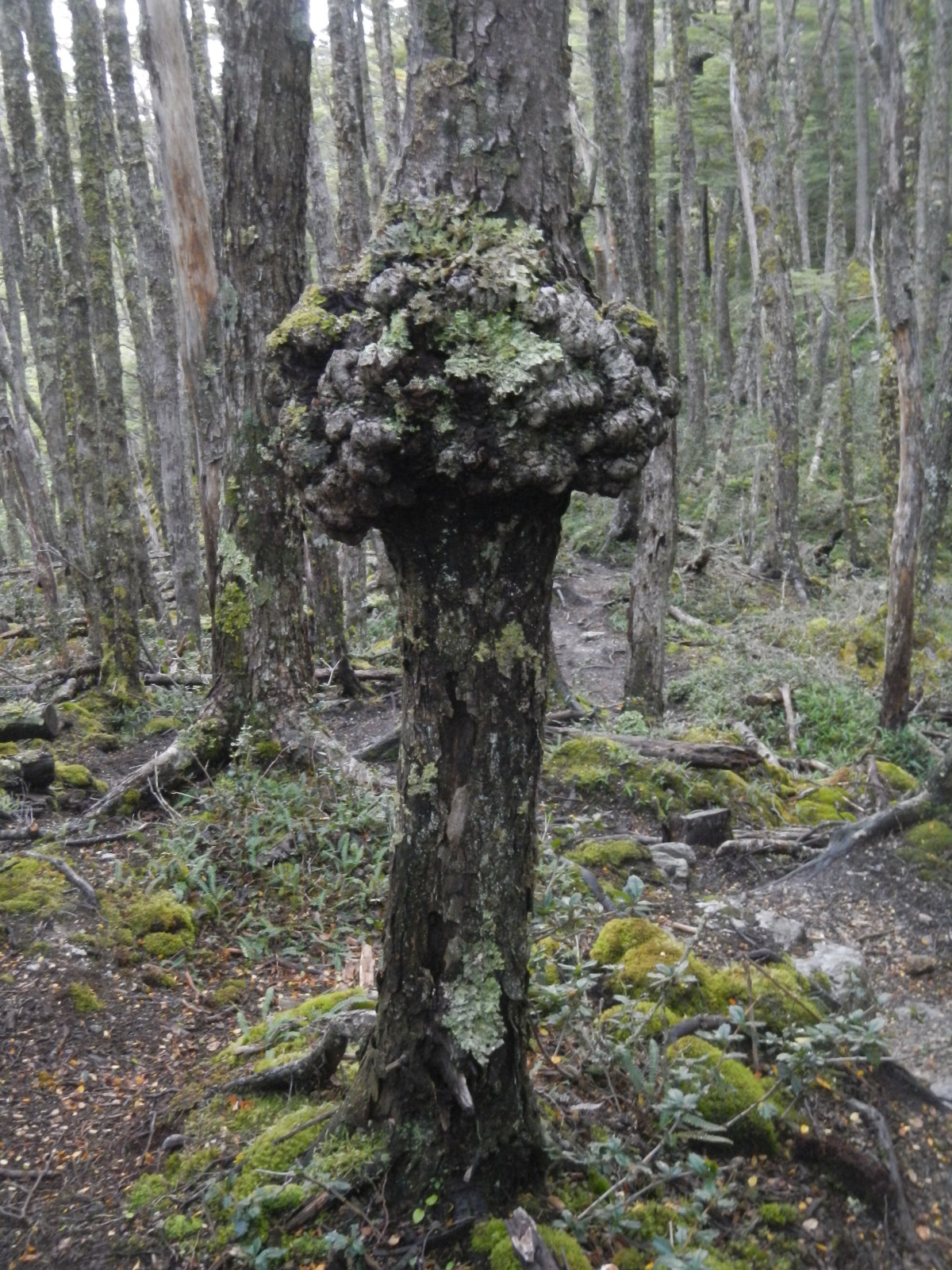
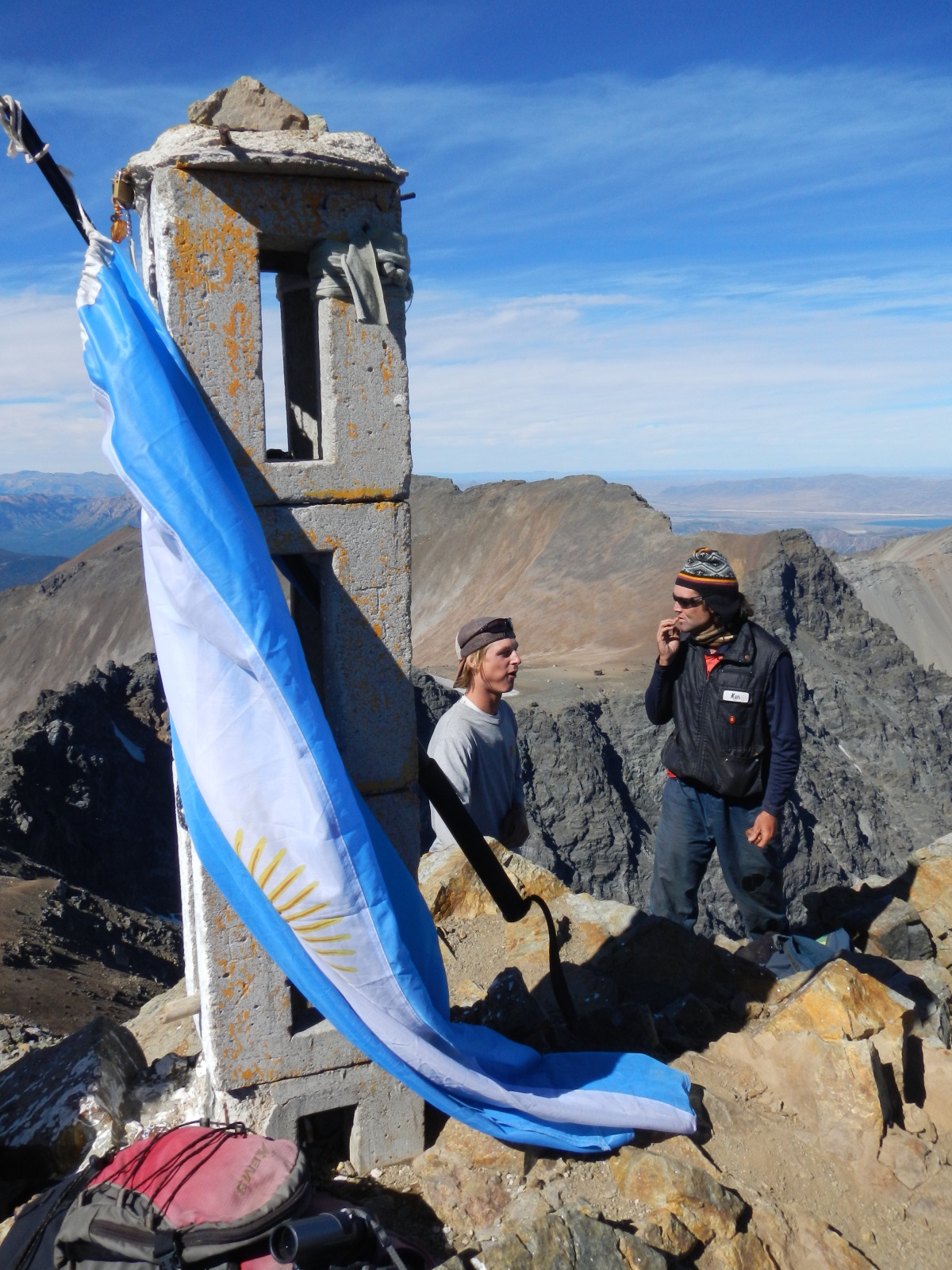
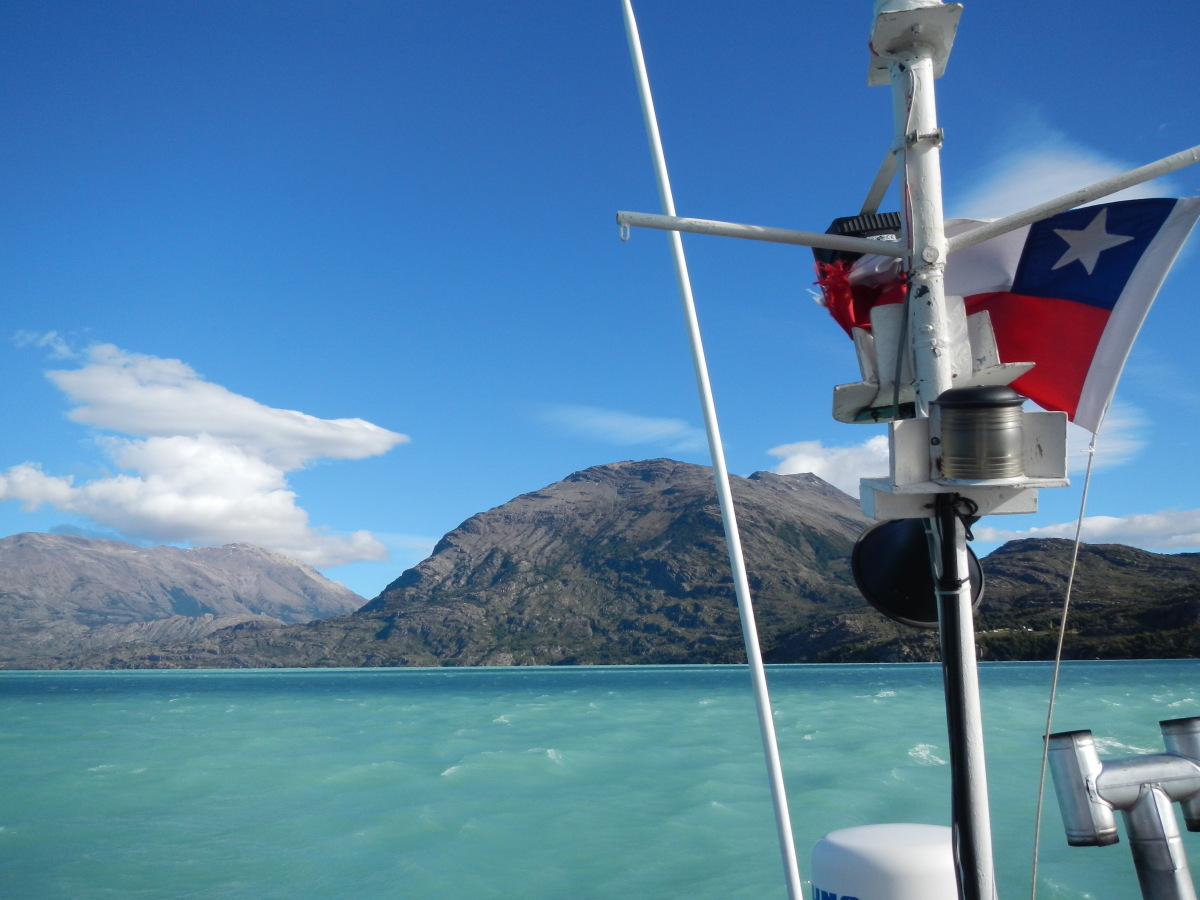
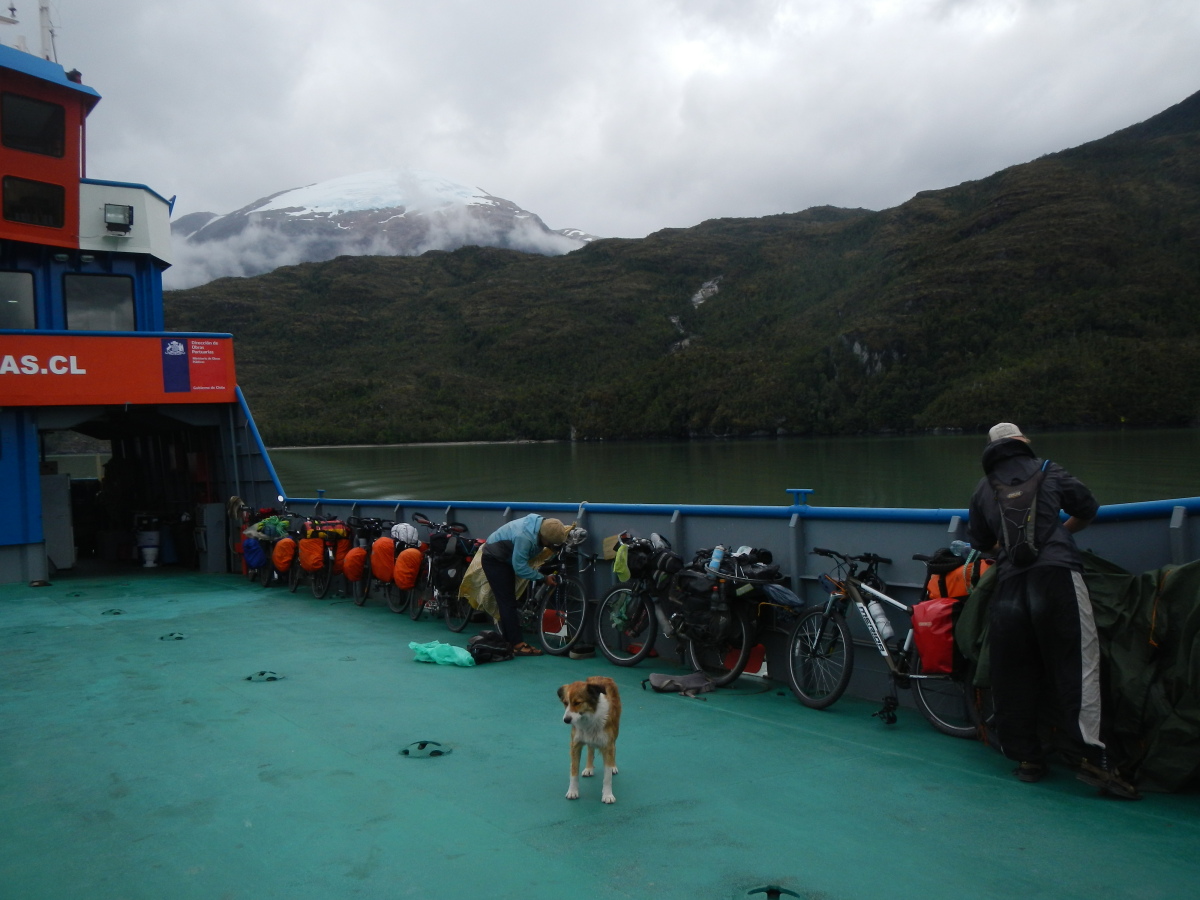
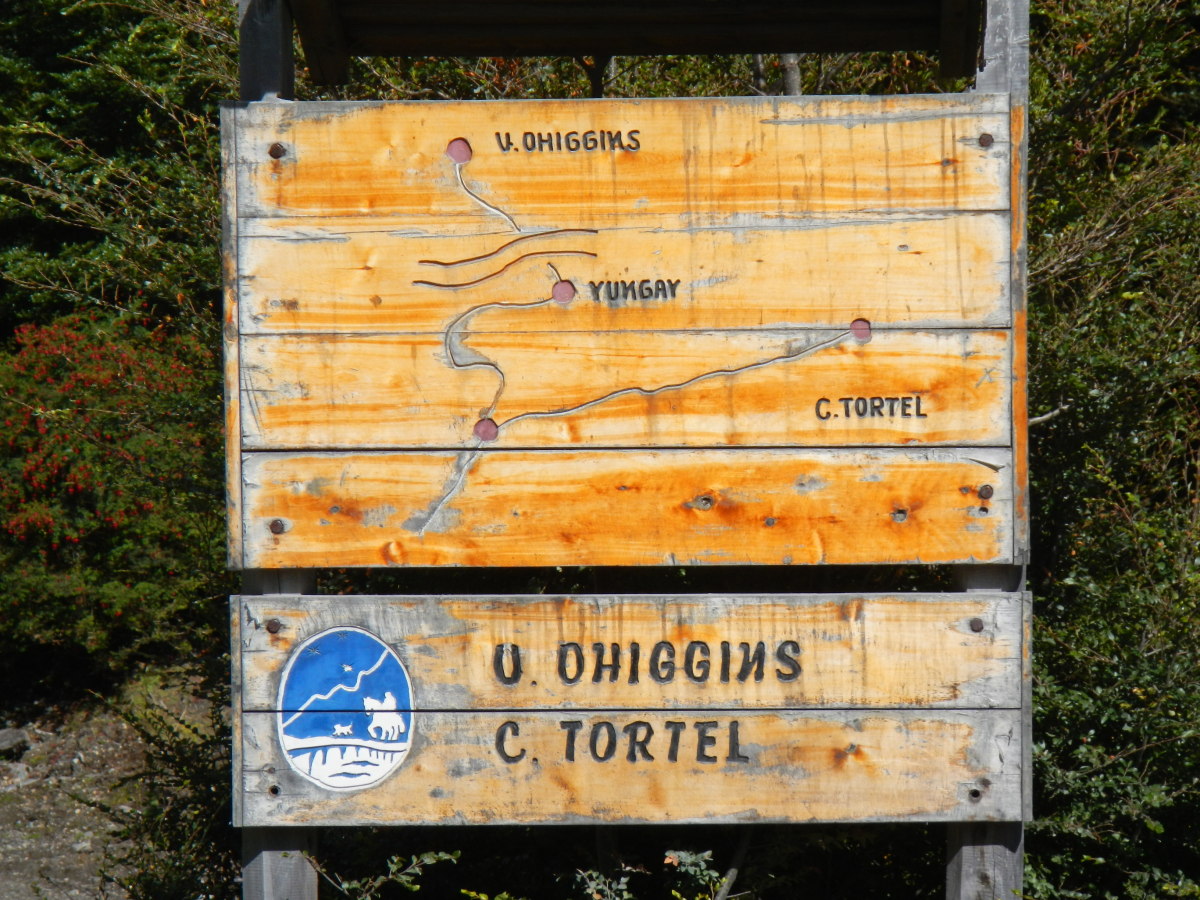
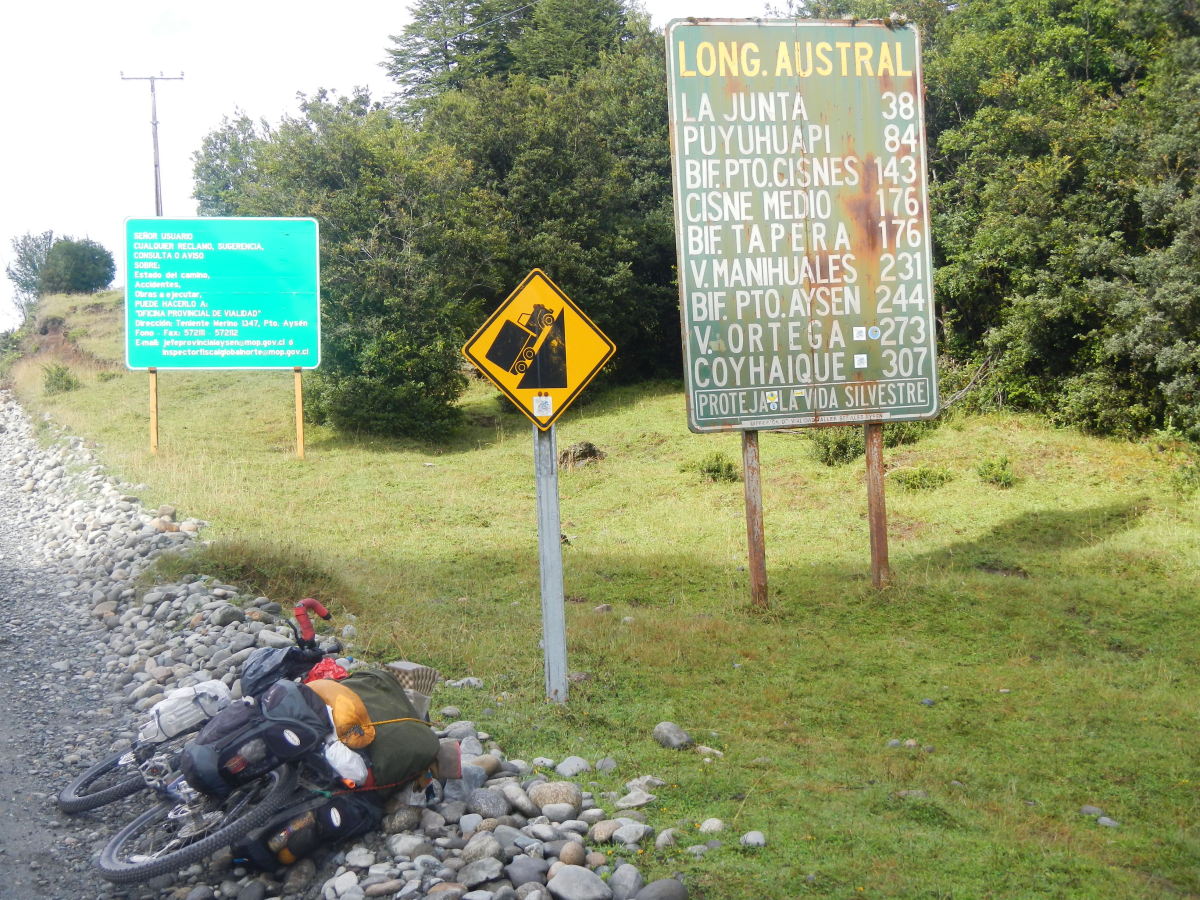
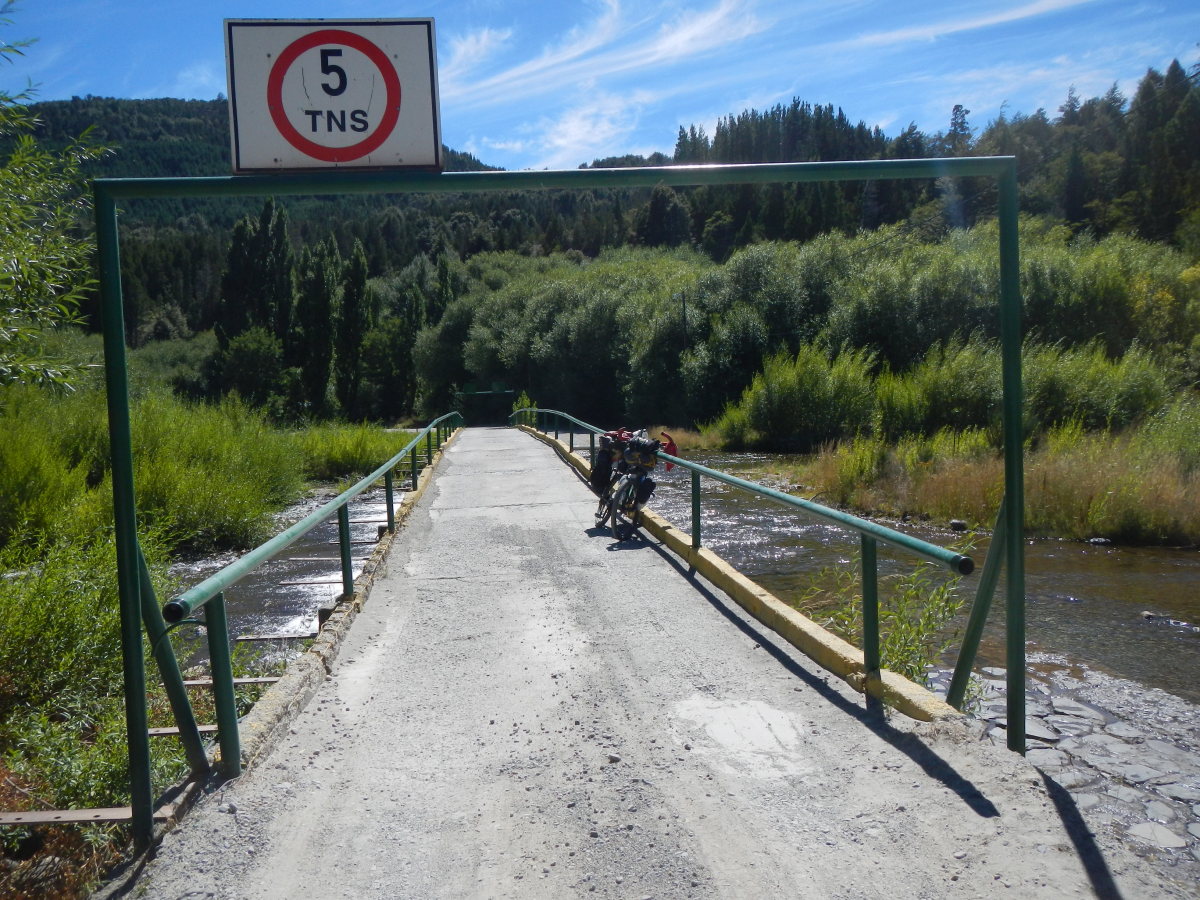
In 2012, during the waning weeks of the southern summer, I was weaving my way towards Tierra del Fuego on a mountain bike, touring through the wilderness of the southern Andes. After heading south from Bariloche, Argentina, we passed through El Bolson, Parque del los Alerces, and Trevelin before reaching the Chilean border at Rio Futalaufu. We were headed for the fabled Carretera Austral, a 1,240 km long north-south route revered for its stunning scenery as it cuts through the remote Aysen region of southern Chile.
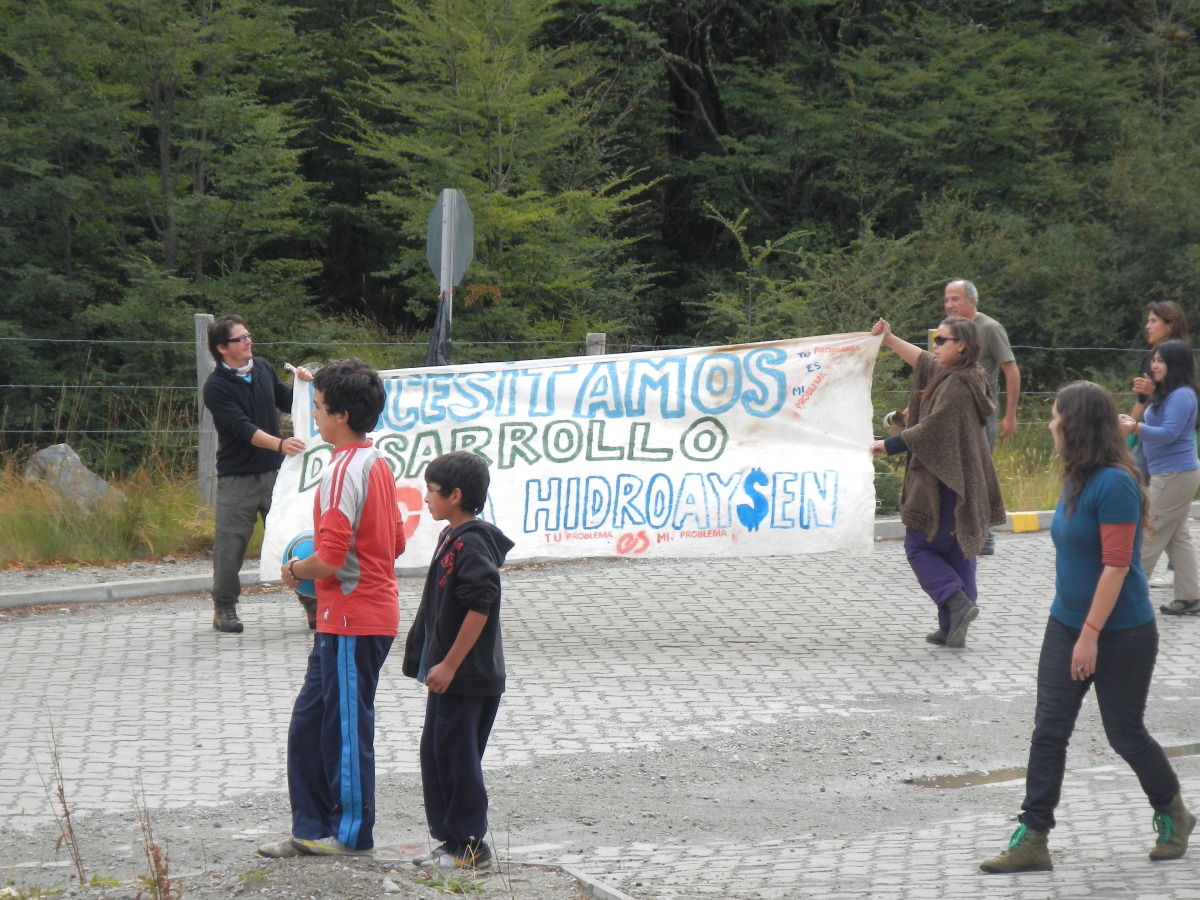
The roadway was a project begun by the dictator Carlos Pinochet to connect disparate communities and develop the far flung region. In 2012 the province (officially the "11th Region" of Chile, also the least populated) was fomenting under a simmering rebellion. The local authorities had called for a general strike, petitioning for a host of economic supports and funding assistance for social programs from the central government.
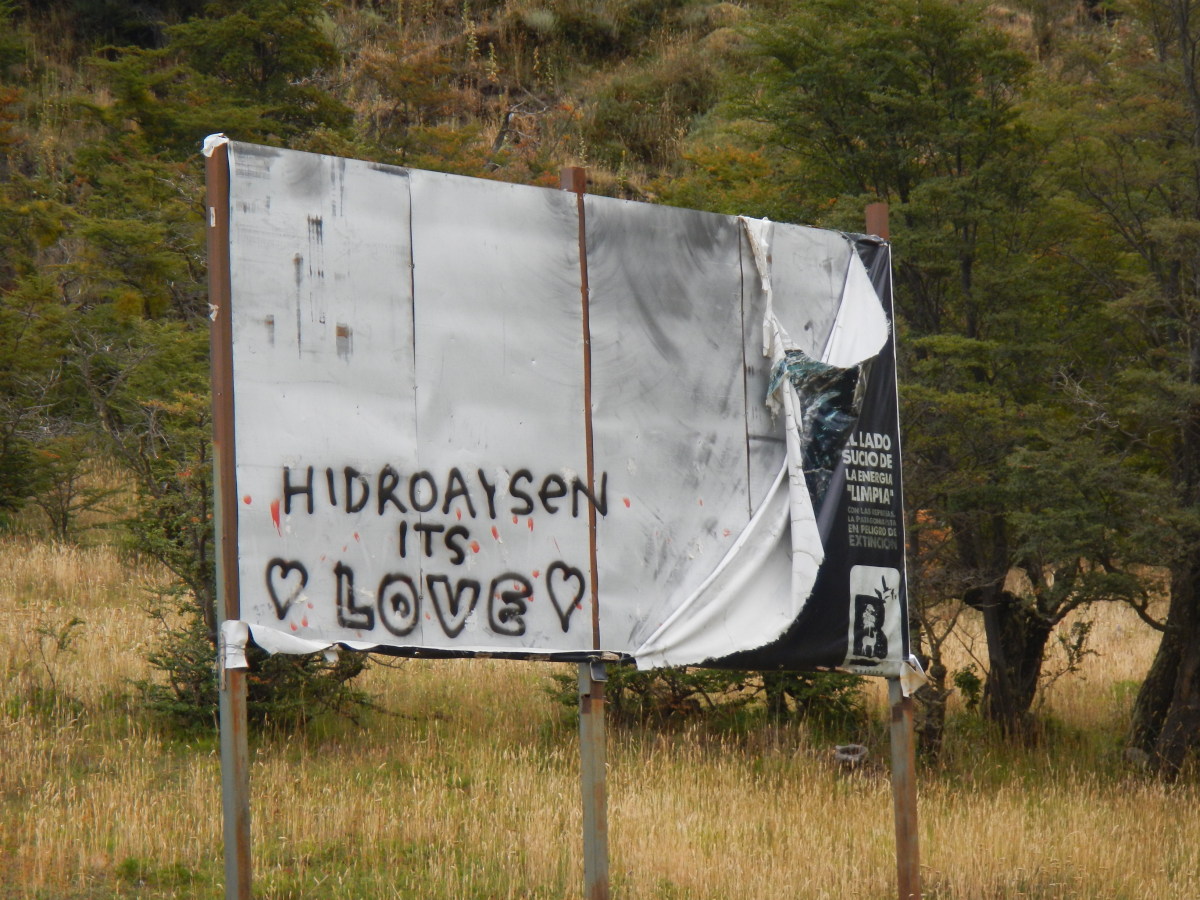
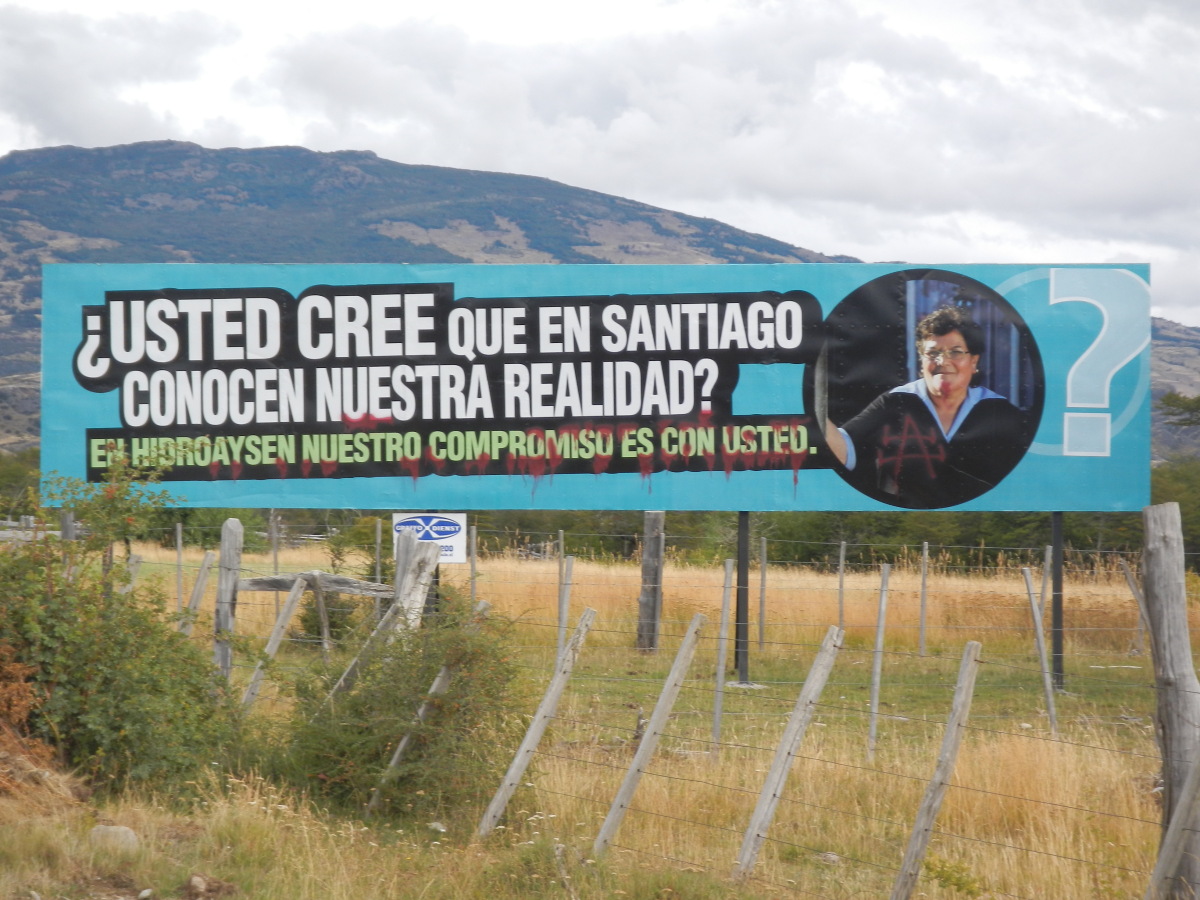
Behind the tensions was HidroAysen, a plan to build a gargantuan hydro-electric power complex, to be linked with Santiago via a 2,200km power conduit. Giant billboards touting the project (the slogan translated: "In HidroAysen our commitment is with you") lined the roadway. The quid-pro-quo appeared to be that Aysen would be granted all sorts of assistance if those running it would clear the way for the dam project to move forward. Based on what we heard from the locals, however, it seemed as if the government had recently turned the screws on the region, cutting funding and allowing fuel prices to rise, backing its frontier denizens into a corner.
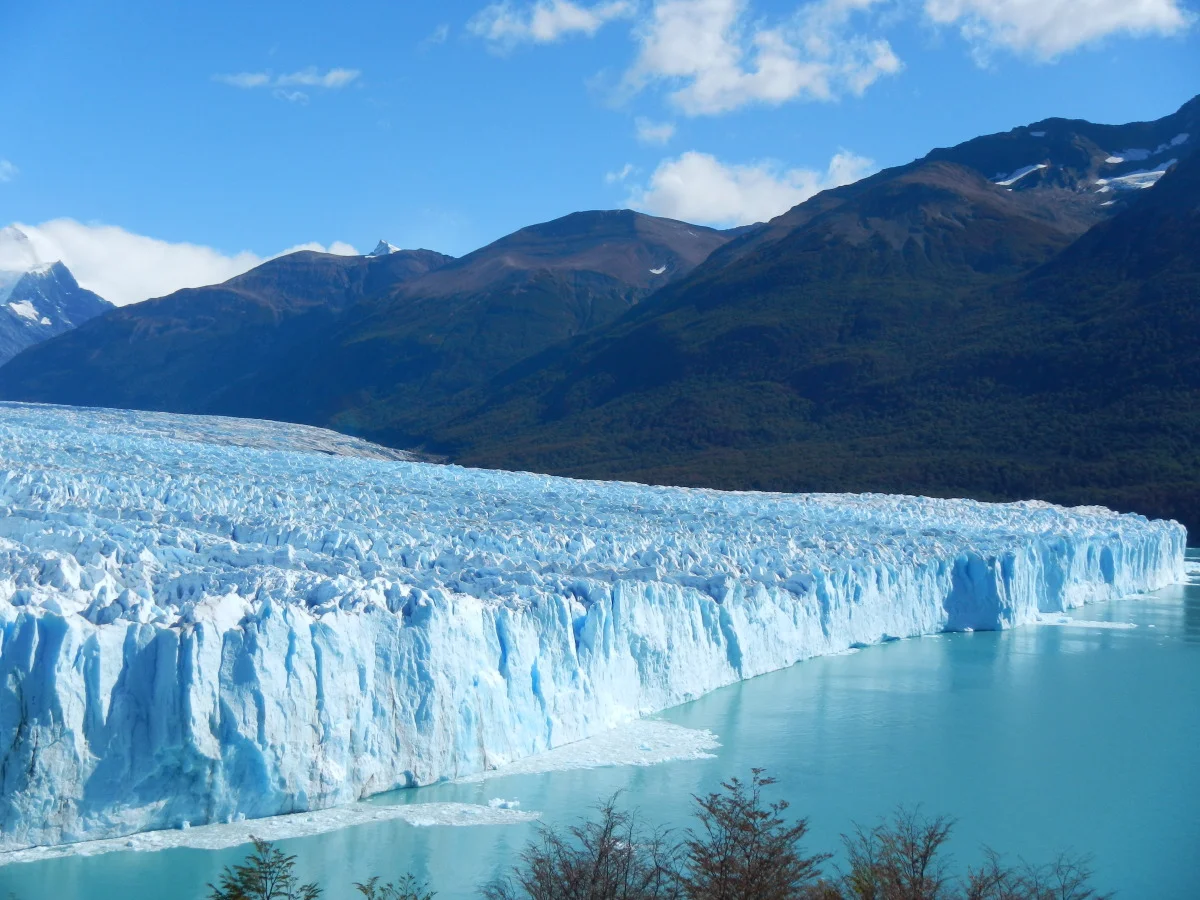
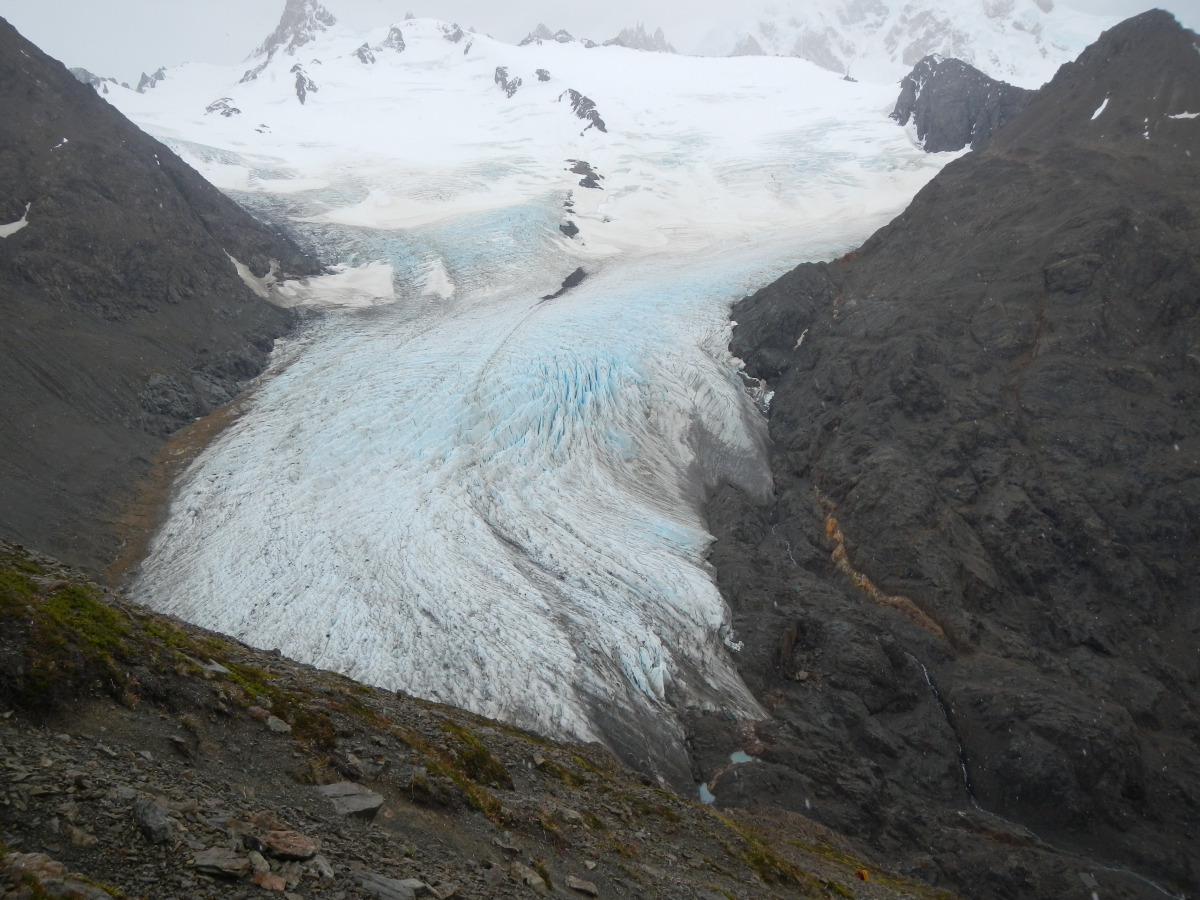
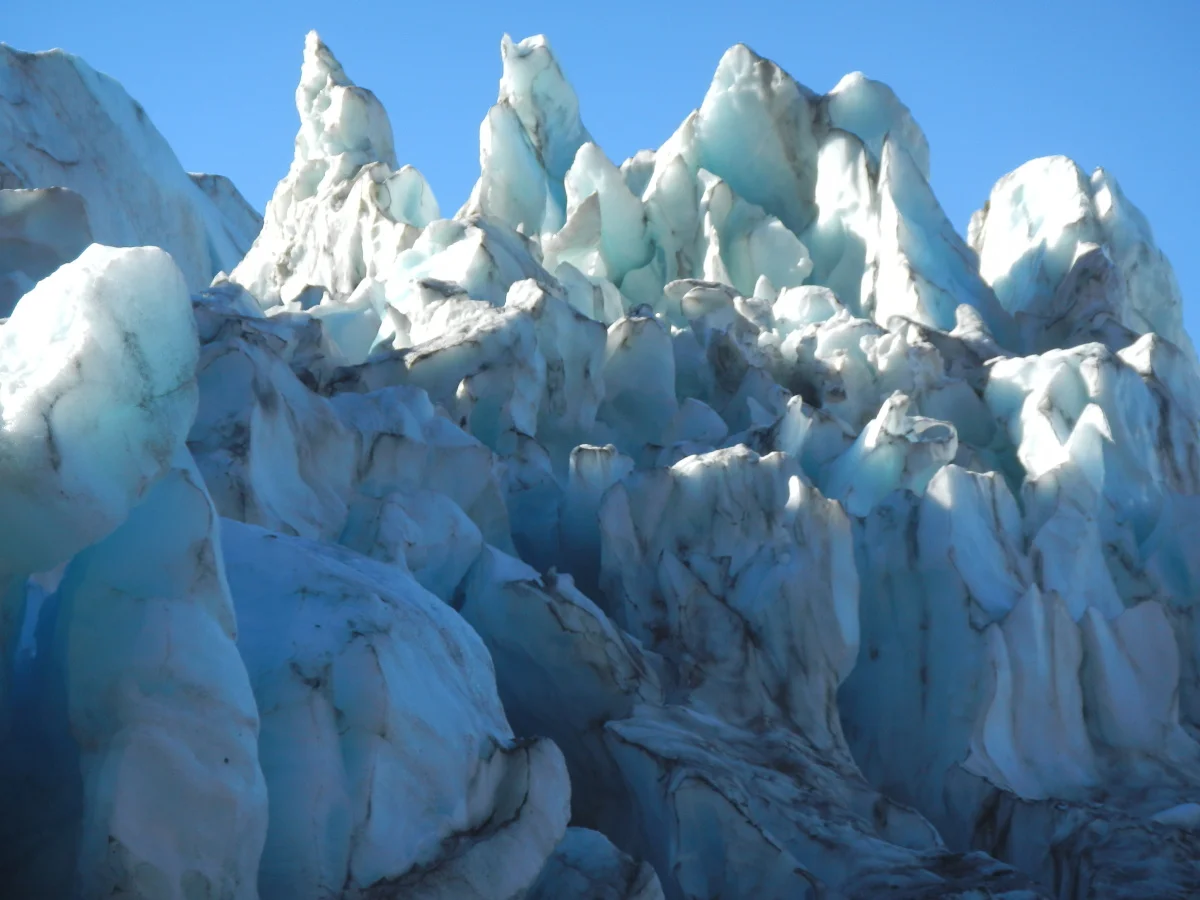
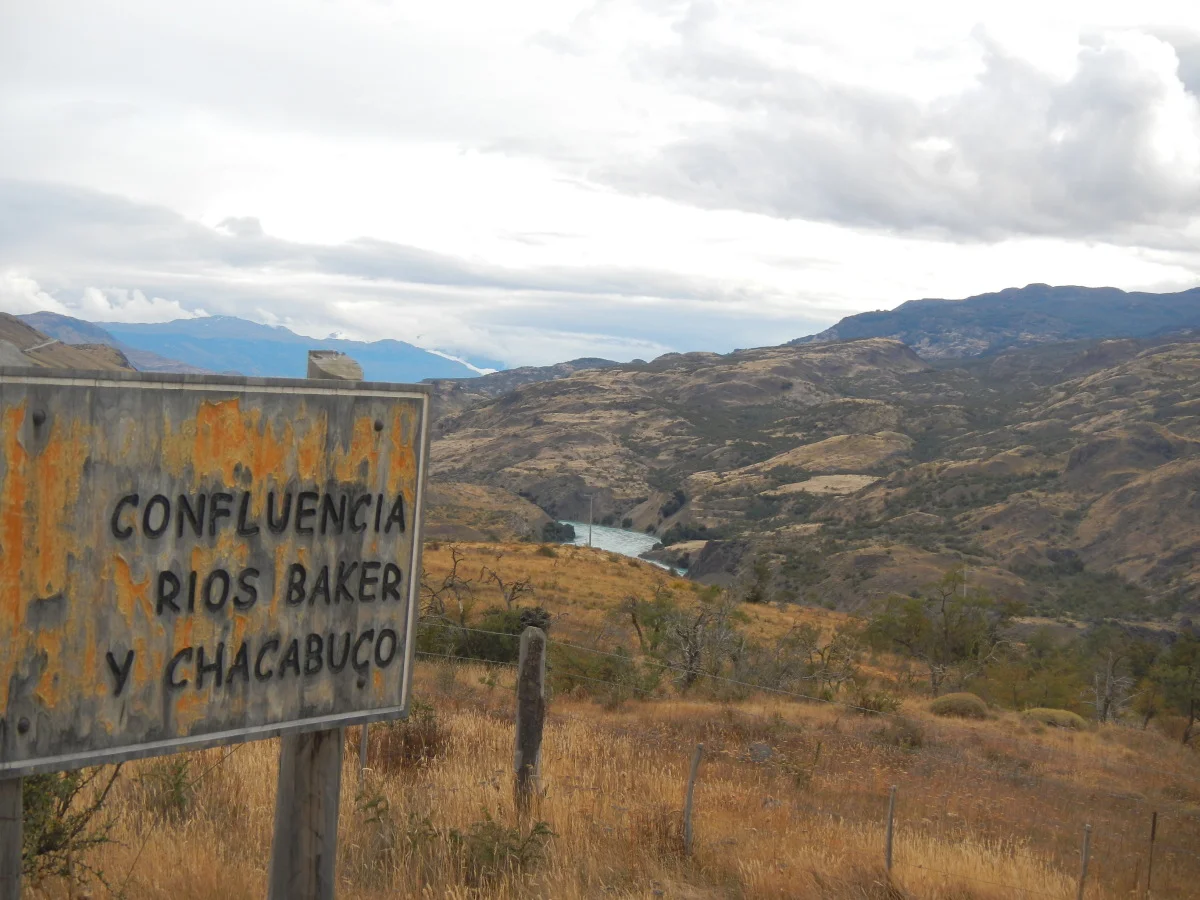
The appeal of the region to the power developers is no surprise. While many hydro-electric projects depend upon water sources that fluctuate year-to-year due to weather cycles, Aysen contains “Los Campos de Hielo Norte y Sur” (or Northern & Southern Patagonian Ice fields) which feed dozens of glaciers. Together they form the largest contiguous ice field outside of Antarctica & Greenland. The five planned dams of HidroAysen were to be built on the two major rivers that drain these ice fields. If there was ever a virtually unlimited water bank to fuel a power project, this was it.
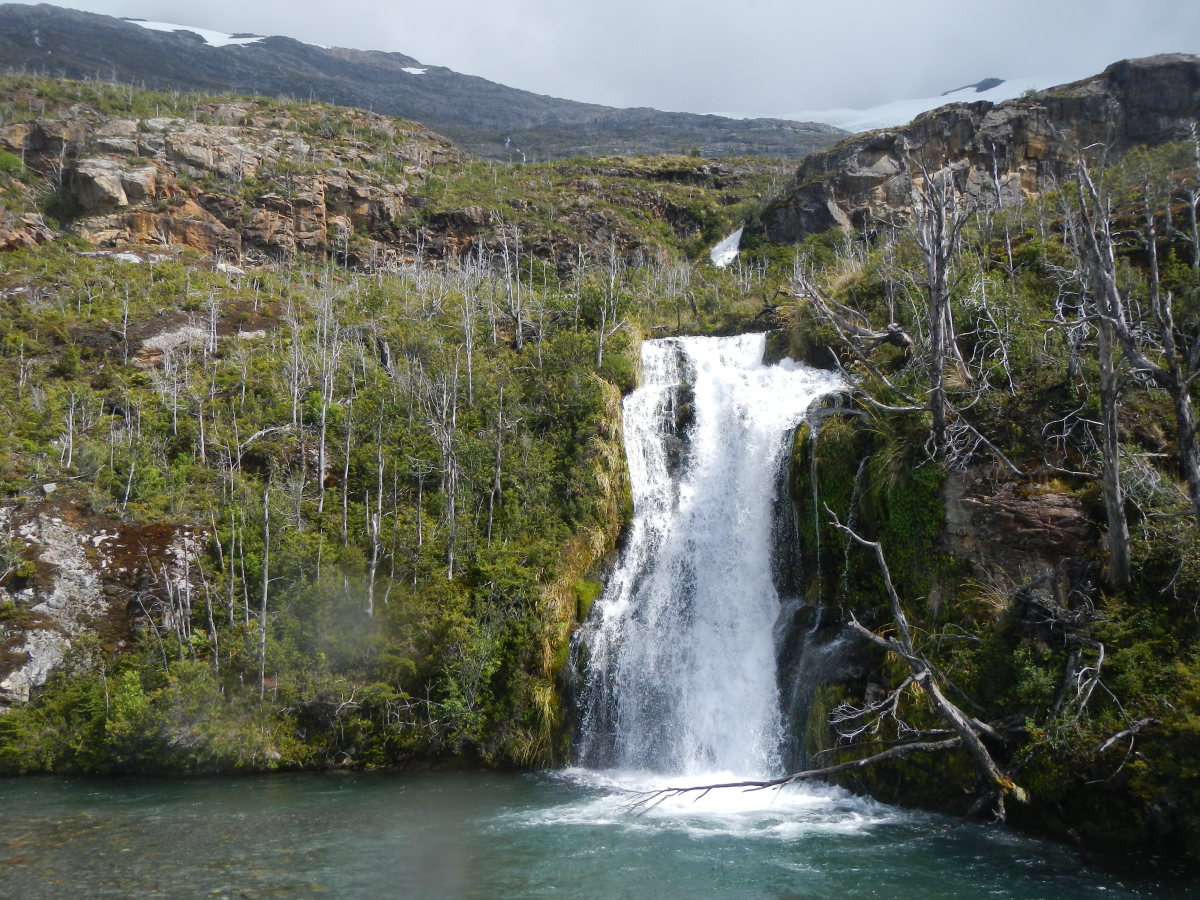
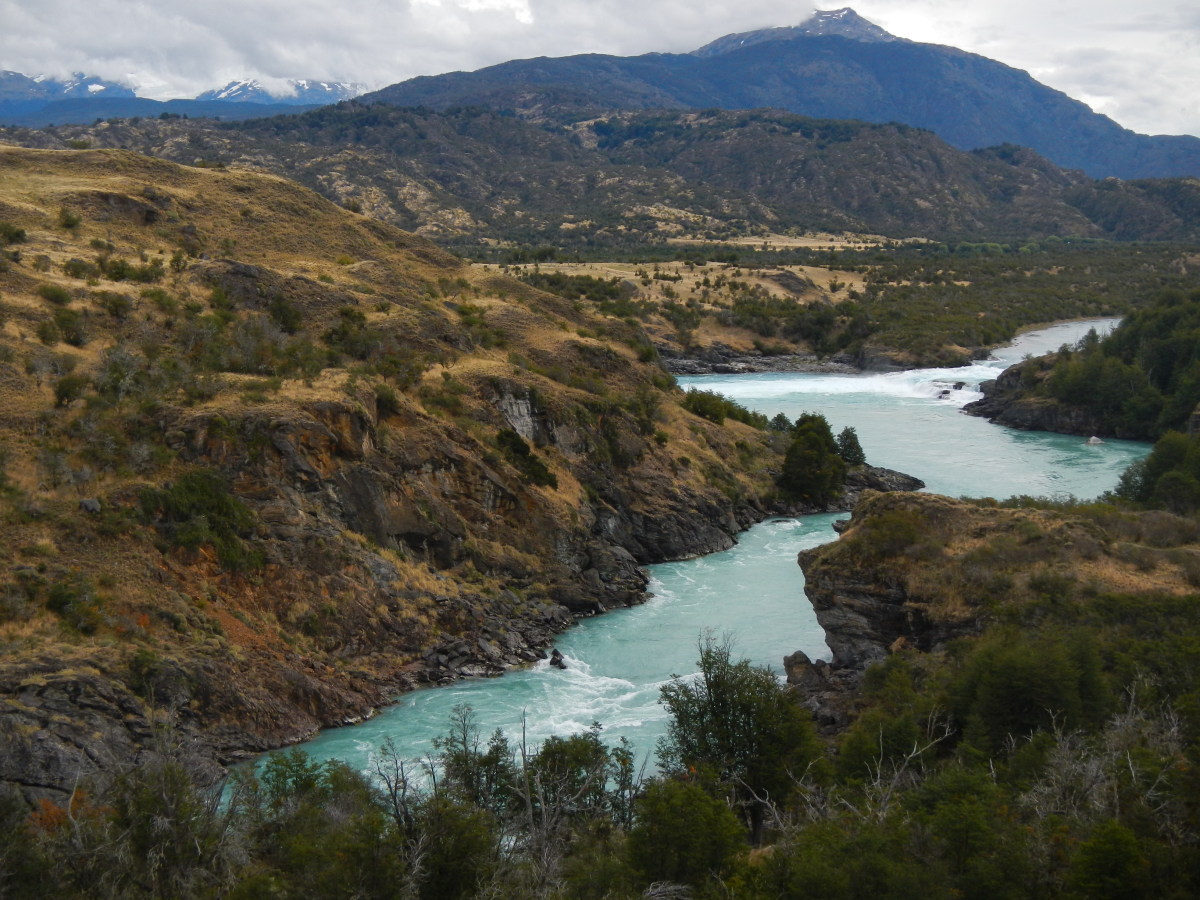
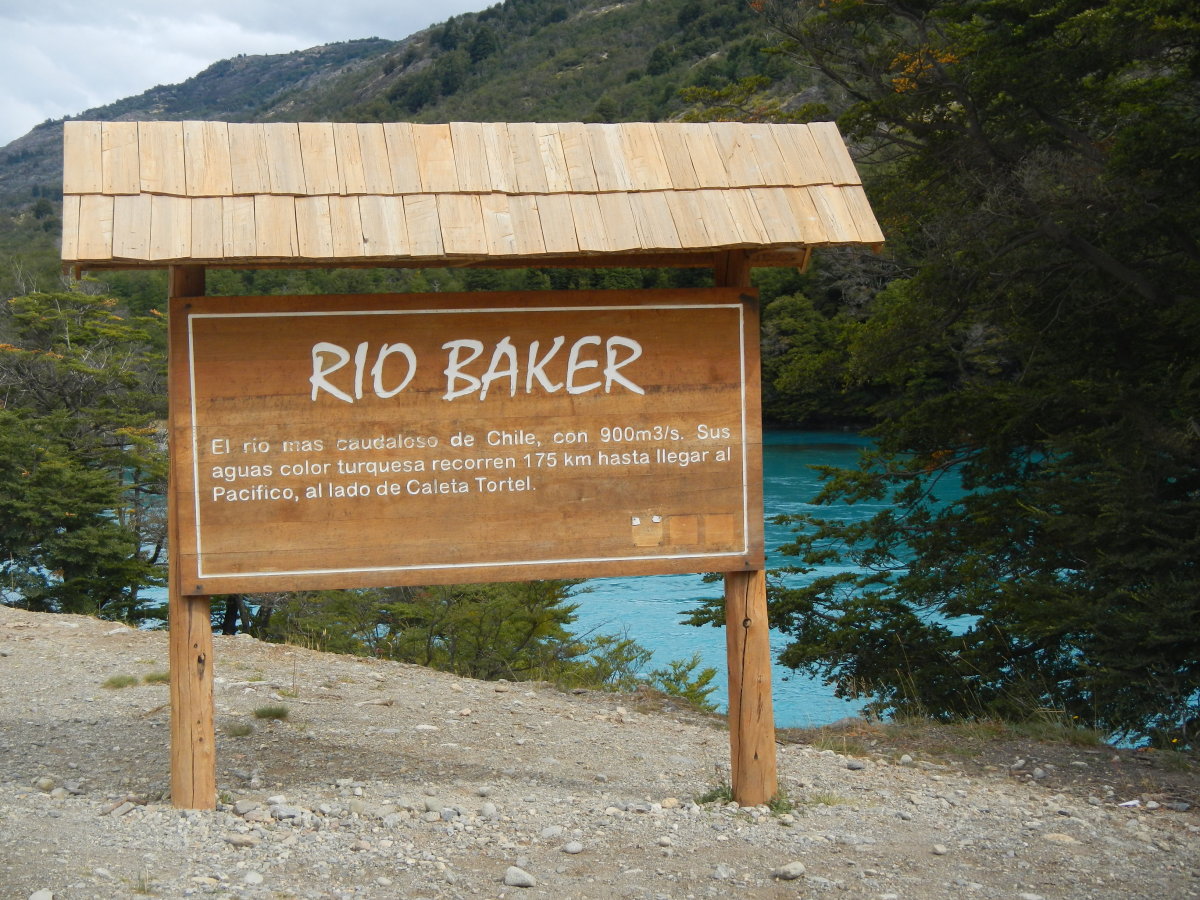
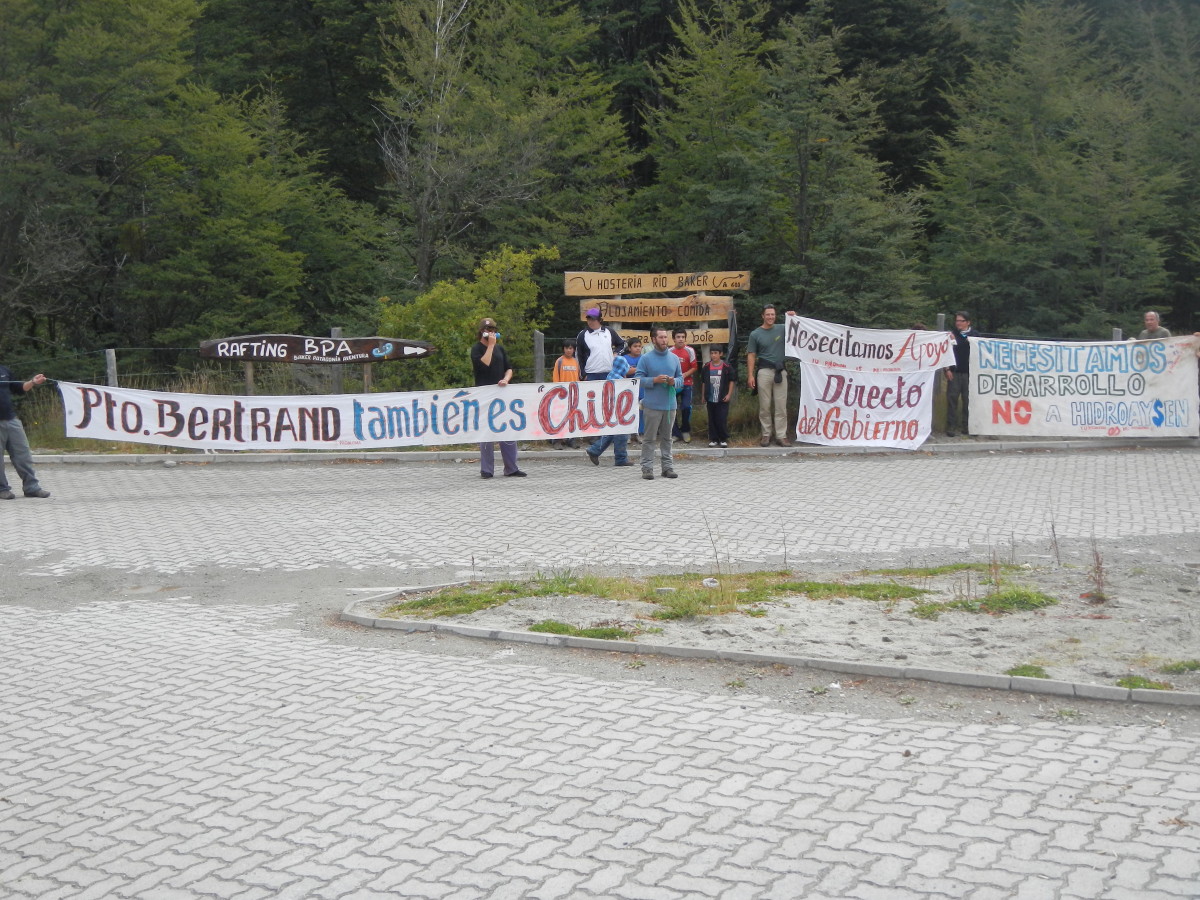
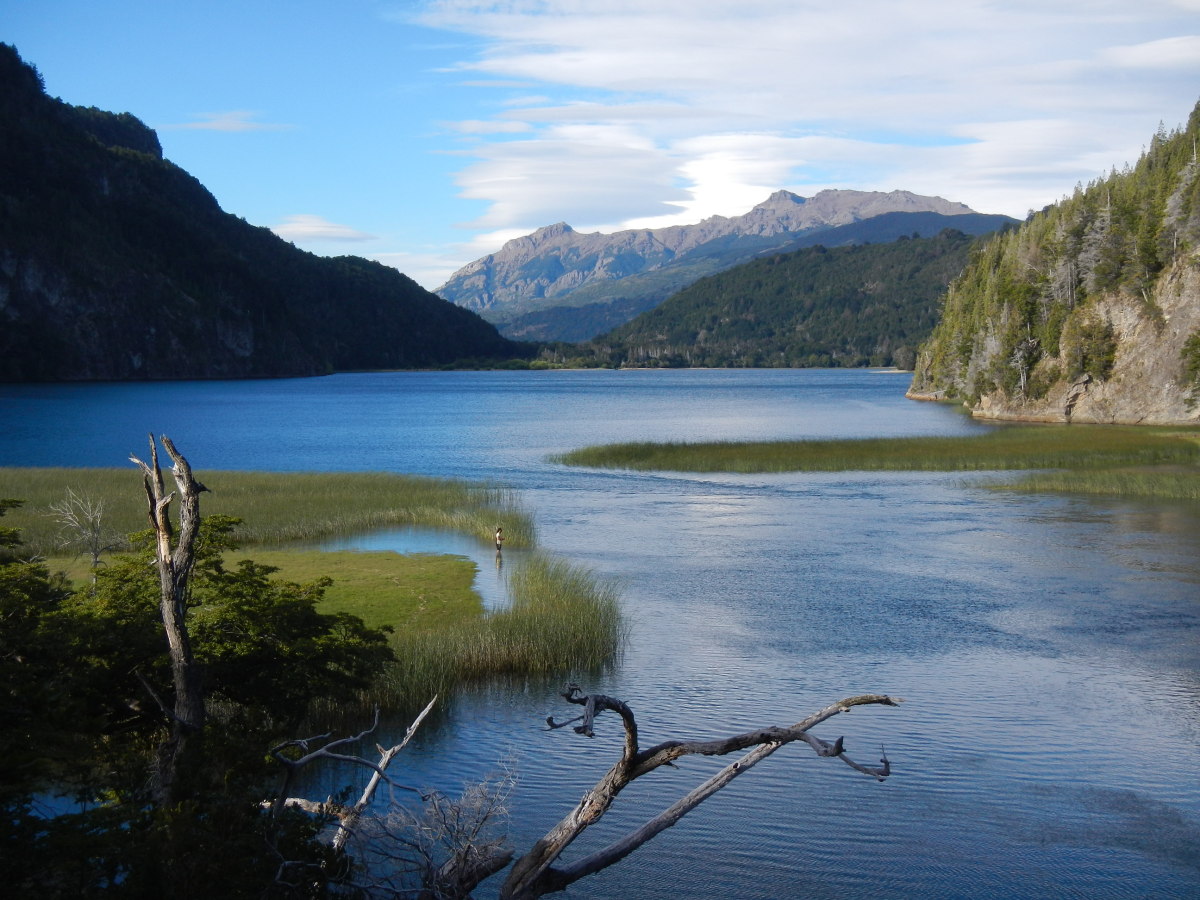
The dams would also have been situated in pristine riverine territory, revered by those who appreciate the wild nature of the area. Aysen has become a prime ecotourism destination, drawing many to the stellar rafting and kayaking. We were travelling along the Baker River while protests against the project were being held, one that I joined. It truly was a stunning and remote area, and the thought of its stark beauty beset by a massive construction project was upsetting to say the least.
While the government had pushed hard, resistance (aided by support from the Patagonia clothing company & its leaders) to the project was entrenched, and it appears they have prevailed as the government recently decided to finally veto the project. In the end the required power line was the Achilles heel, as it had to travel through a long restricted corridor. At one point all the dams had been approved, but the opposition focused on blocking the power line, without which the power would have been stranded.
The cancellation will likely place future strain upon the country's energy sources, but presents a golden opportunity to spur investment in sustainable renewables and efficiency. Lacking fossil fuels, the country has recently been developing solar projects on a larger scale, and is moving towards more progressive energy solutions. You can read more about how Chile will address its energy needs here.
Along with writing by Patagonia’s Director of Environmental Programs as she visited the region in 2006 and witnessed the initial stages of HidroAysen.
You can see our cycling journey documented at the site www.volksonbikes.blogspot.com
GREGORY ALTMAN
@GregAlt
Greg has etched a winding path around the world over the years, at times doing photo documentary projects, more recently engaged in the international development field. He finds cycle touring to be the ultimate mode of travel to experience a land to its fullest. This native New Yorker's passions include art, natural food & cooking, genuine foreign cultures, and cycling.