
By Arianna Kaplan
In 1992, Deep Forest’s “Sweet Lullaby” became an international hit, but it samples stolen music from the Solomon Islands without credit.
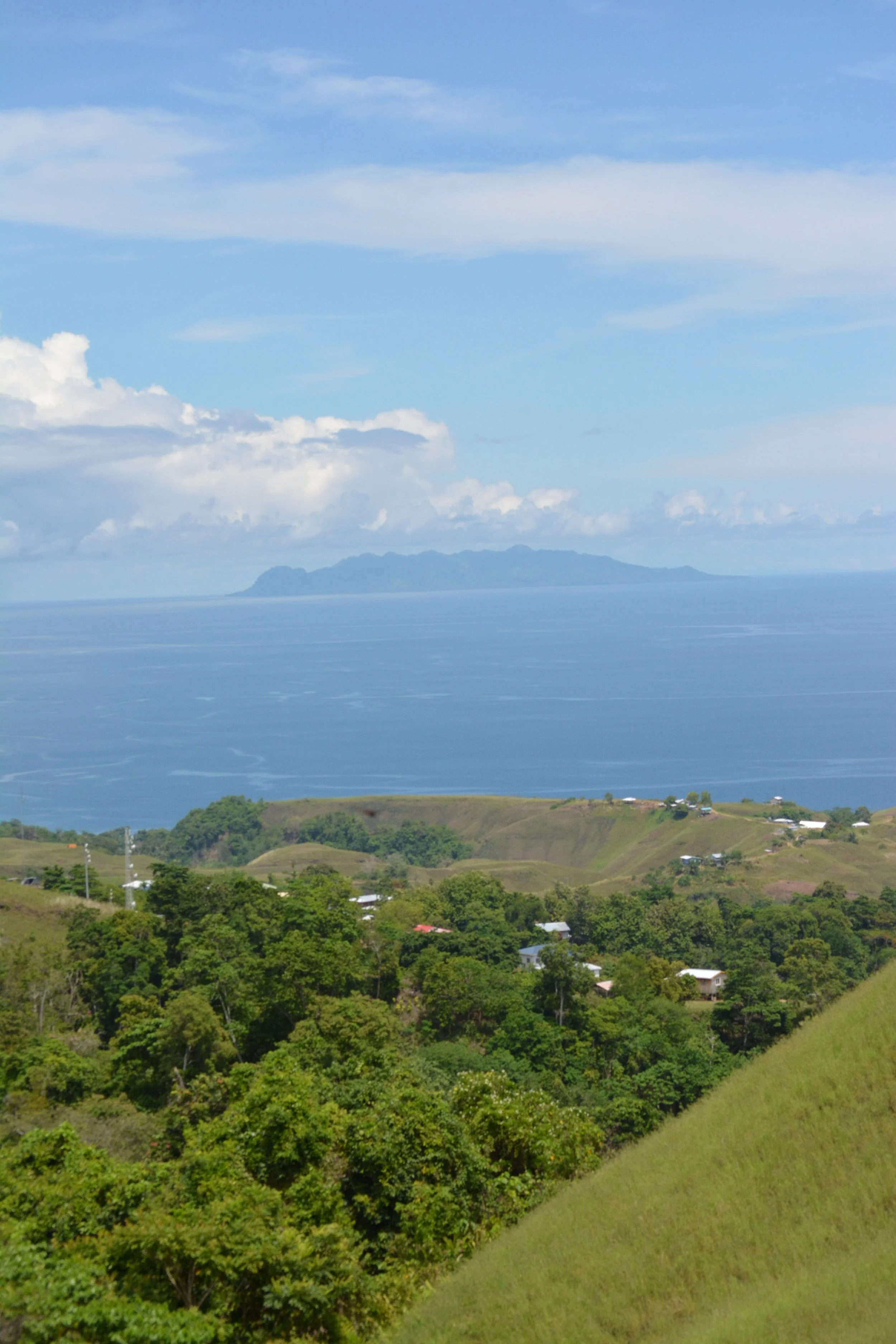
A view of the Solomon Islands. Cheap Gear Photography. Pexels.
In 1992, French ethnic electronic music duo Deep Forest released the track “Sweet Lullaby,” which appeared on their self-titled debut album. The song became an international success, reaching the top 10 and top 20 in multiple countries around the world, including the United Kingdom, Australia, the Netherlands and Norway. The problem, however, is that the track had been sampled from a woman named Afunakwa from Baegu, an Indigenous ethnic group on Malaita Island in the Solomon Islands. Neither Afunakwa nor the Solomon Islands were ever credited.
In 1969, ethnomusicologist Hugo Zemp traveled to the Solomon Islands accompanied by French anthropologist Faniel de Coppet to study local musical traditions and record the music of the local people. Along the way, in a village called Fulinui, a traditional Baegu lullaby called “Rorogwela” was sung by a woman named Afunakwa and recorded by Zemp; it is a comfort lullaby sung by an older sibling to a younger child after the loss of their parents.
The song was released by UNESCO on vinyl in 1973 on the album Solomon Islands: Fateleka and Baegu Music from Malaita, and then was re-released on CD in 1990. Eric Mouqet and Michel Sanchez of Deep Forest discovered the CD by chance in a music shop in Paris, and “Sweet Lullaby” became a worldwide hit by the end of 1994.
“Imprinted with the ancestral wisdom of African chants, the music of Deep Forest immediately touches everyone’s soul and instinct,” says the liner note on the 1992 Deep Forest album. However, “Sweet Lullaby” isn’t African. It’s Solomonese.
In its attributions, Deep Forest miscredits “Sweet Lullaby” to African tribal music, rather than crediting the Solomon Islands or Afunawka; the original music video shows an African woman with her son. The song was also made using an unauthorized sample: neither Zemp nor Afunakwa authorized the sample. Deep Forest claimed permission had been granted by the label. Additionally, Afunakwa, who passed away in 1987, and her family received no credit, royalties or financial compensation from the millions of dollars that the track generated.
Afunakwa died in 1987, a year after Cyclone Namu struck the Solomon Islands, but her legacy continues postmortem. Her family would like to see royalties for their grandmother’s song. For them, while they are proud that a voice from the Solomon Islands is enjoyed by a broader community, they ask for recognition for the “humble beginnings” that brought the music about.
The story of Afunawka has garnered international attention after a documentary by Australian-based electronic musician Matt Singmin and filmmaker Jonathan Jenkins released “Searching for Afunakwa: The Story Behind Deep Forest’s ‘Sweet Lullaby’’ in early October. The film, which features Clement Iata, Tony Kwaomae and Celsus Talifilu, Solomonese community members and Afunawka’s living descendants, seeks to raise awareness about the complicated history of the song.
While other documentarians have come to Baegu over the years to try and find Afunawka to capture her story, this documentary serves as the catalyst for the movement to demand recognition for the song and credit it to the Baegu people. The documentary helped start The Afunakwa Foundation, which aims to bridge this gap.
To some residents, the Deep Forest’s “Sweet Lullaby” sounds nothing like the original and has lost all its meaning. But for others, the song is a symbol of pride. Both sides, however, want Afunakwa, the Baegu people and the Solomon Islands to be recognized.
GET INVOLVED:
Visit The Afunakwa Foundation’s website, run by Celsus Talifilu, Clement Iata, Tony Kwaomae and Cladus Iluga, Baegu community members and grandsons of Afunakwa. The website is open to donations, offers a translation and a link to the traditional “Rorogwela” lullaby on Spotify, and an email address along with other contact information.
Arianna Kaplan
Arianna is in her final year at Scripps College, part of the Claremont College consortium in the Los Angeles area. She writes in a variety of genres but most enjoys creative nonfiction and place-rooted narrative. Writing at Catalyst, along with The Student Life Newspaper offers a perfect outlet for her zest for life, and she's beyond excited to be here. In the future, she plans on pursuing a career in journalism.