
By Jayden Barrington Henry
Tropea lies on the Calabrian coast as a perfect jewel of tranquility.
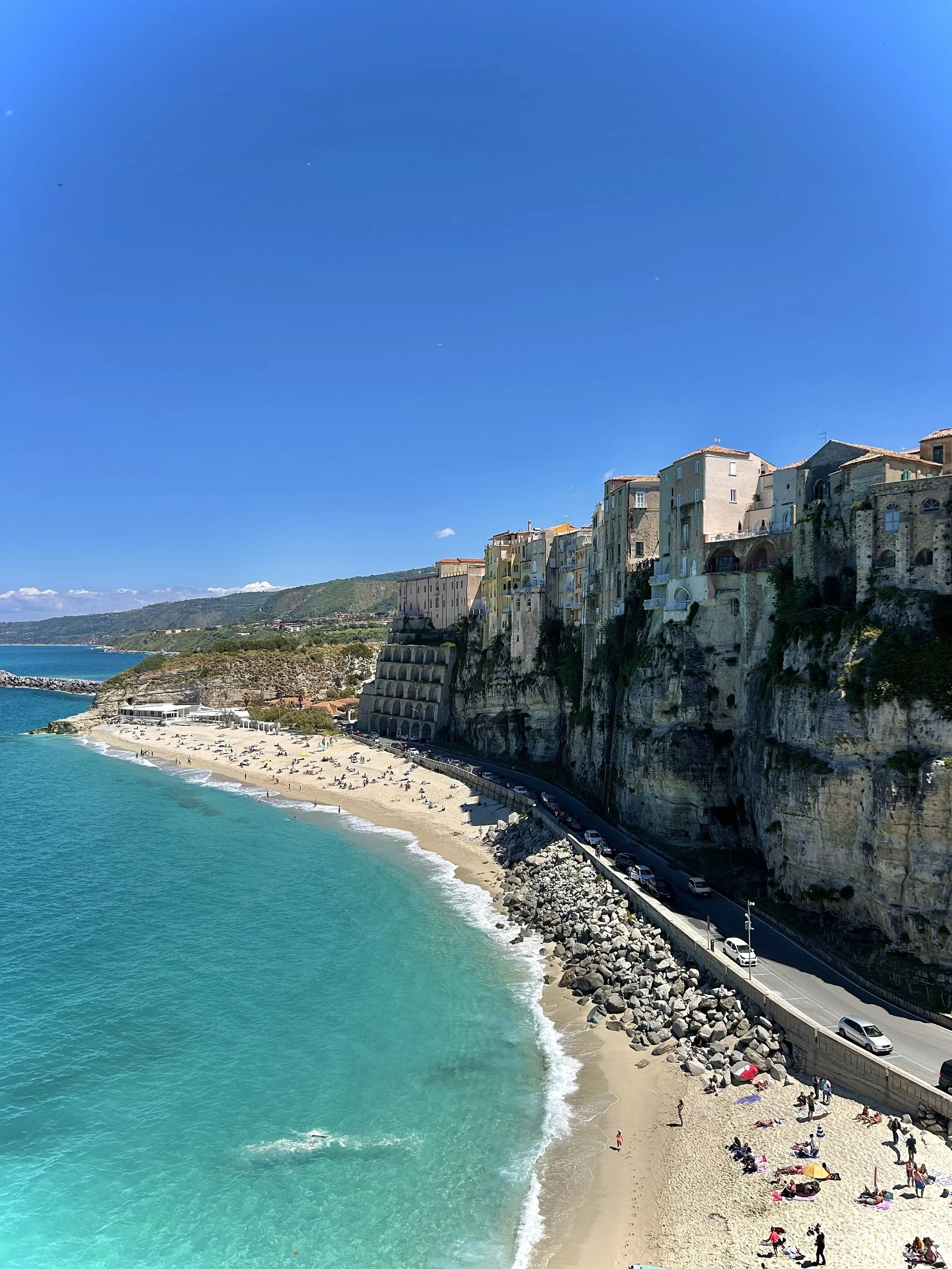
Spiaggia della Rotonda in Tropea. Jayden Henry.
On my last weekend of traveling during my semester abroad, after four months of visiting Europe’s most storied and vibrant cities, I chose to take one last trip to a quieter locale. I took a much-needed beach trip to Tropea, Italy, one of the hidden jewels of the Mediterranean. My first trip that semester had been to Milan, to visit a friend and attend the Winter Olympic Games, so it felt quite fitting to end my travels in Italy as well. Tropea, situated on the craggy cliffs of Calabria overlooking the Tyrrhenian Sea, is not nearly as well-trodden and overexposed as Cinque Terre, the Amalfi Coast or Sicily, so it still retains a great deal of the rustic charm that makes it a great place to visit during the early summer.
Tropea is one of the oldest human settlements in Italy, dating back as far as the Neolithic period. According to legend, the town was founded by none other than Heracles following his return from his labors on the Iberian coast, and during Roman times it was an important port for goods traded throughout the Mediterranean. Today, Tropea is the highlight of the Costa degli Dei, or the Coast of the Gods. More and more people are learning of its beauty, but it has yet to be as frequented as the larger beach towns on Italy’s coast.
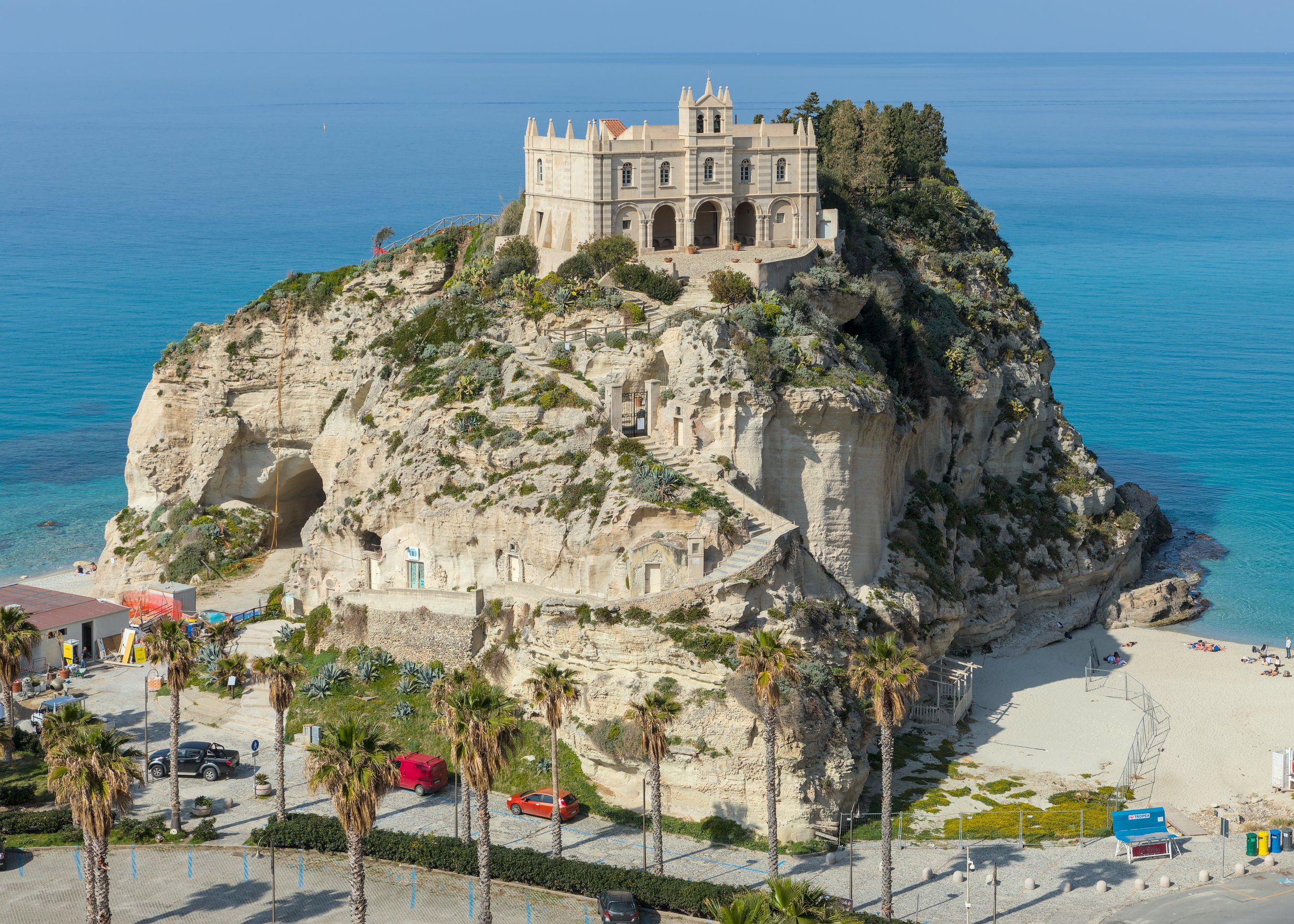
Sanctuary of Saint Mary of the Island. Benjamin Smith. CC BY-SA 4.0.
I came into Tropea on a morning train from Lamezia Terme, a transit city in Calabria, and I was pleasantly surprised by the town’s small scale. Although it was May 1, a national holiday in Italy and most European countries, the town in no way felt overcrowded. From the bustling town squares and decorated storefronts and restaurants, one could tell Tropea obviously made its money from tourism, but these establishments still felt intimate, not overcommercialized.
After setting down my things at a bed-and-breakfast overlooking the sea, I went straight to the beach, Spiaggia della Rotonda, where I lay for about six hours, a welcome respite from the constant chill of Prague. Just beside the beach is the Sanctuary of Saint Mary of the Island. This small church has been sitting on the rock for more than a thousand years, although it has had many different facades. It has a tiny garden where one can sit and look out into the sea. After sampling the local cuisine, including Tropea’s famed red onions, which are sweet enough to enjoy an entire salad of them, and nduja, the Calabrian spicy meat spread, I went on an excursion to the Aeolian Islands the next day. Lunch on Lipari, where I had a small plate of linguine topped with Mazara shrimp tartare, and a midday granita dessert in Panarea were fine additions to my trip, but the highlight was after dinner in Stromboli. Stromboli is one of the most active volcanoes in the world and is almost constantly erupting. I was lucky enough to see the volcano gush lava and light up the twilight and the dark sea. It was a truly special show of the raw power of nature.
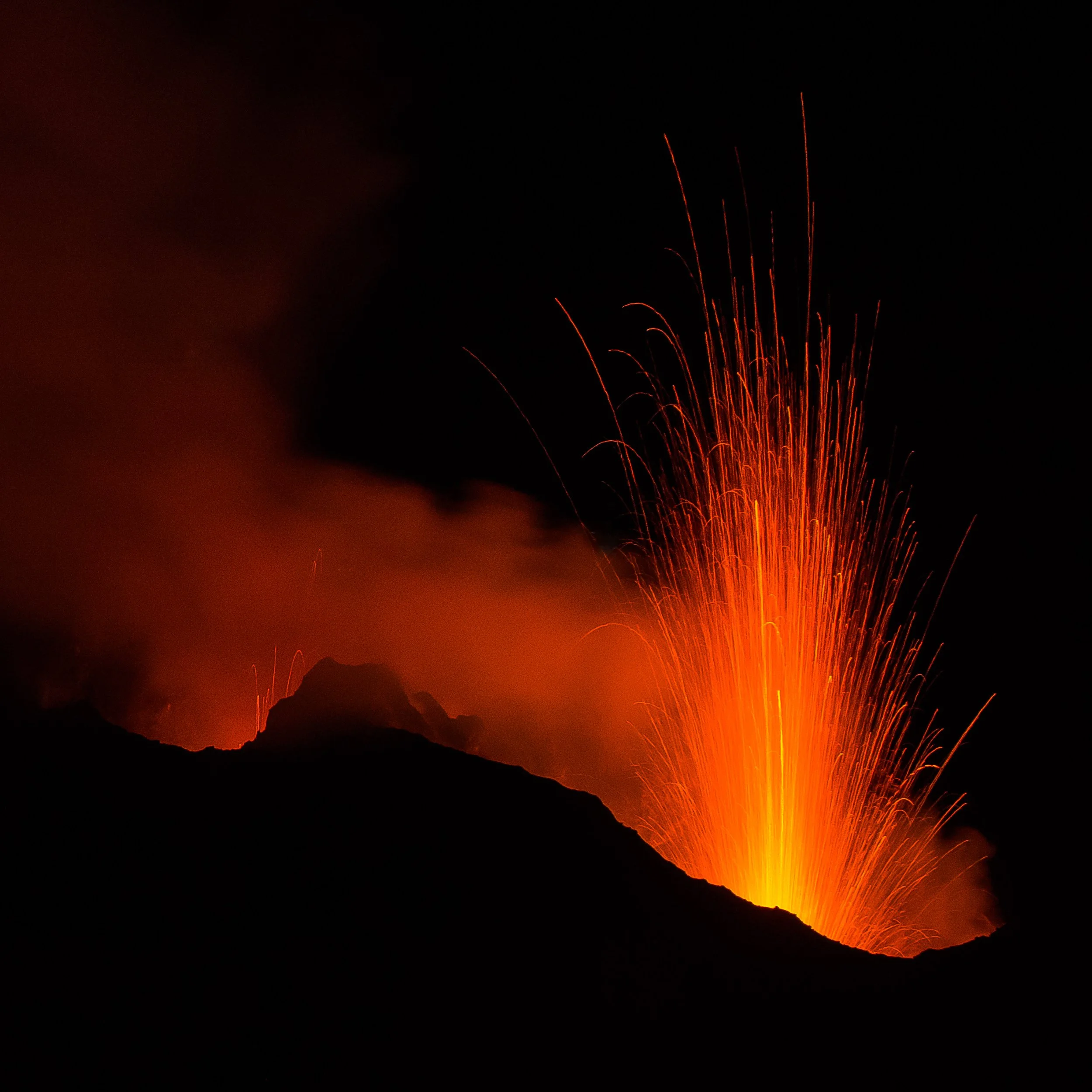
Eruption of Stromboli, much like the one the author witnessed. Michael Kuhn. CC BY 2.0.
Tropea and the Aeolian Islands were a marvelous final addition to what I like to think of as my own Grand Tour. It felt at once bucolic and full of grandeur. I can’t help but feel that I was meant to spend my last trip in such a special place.
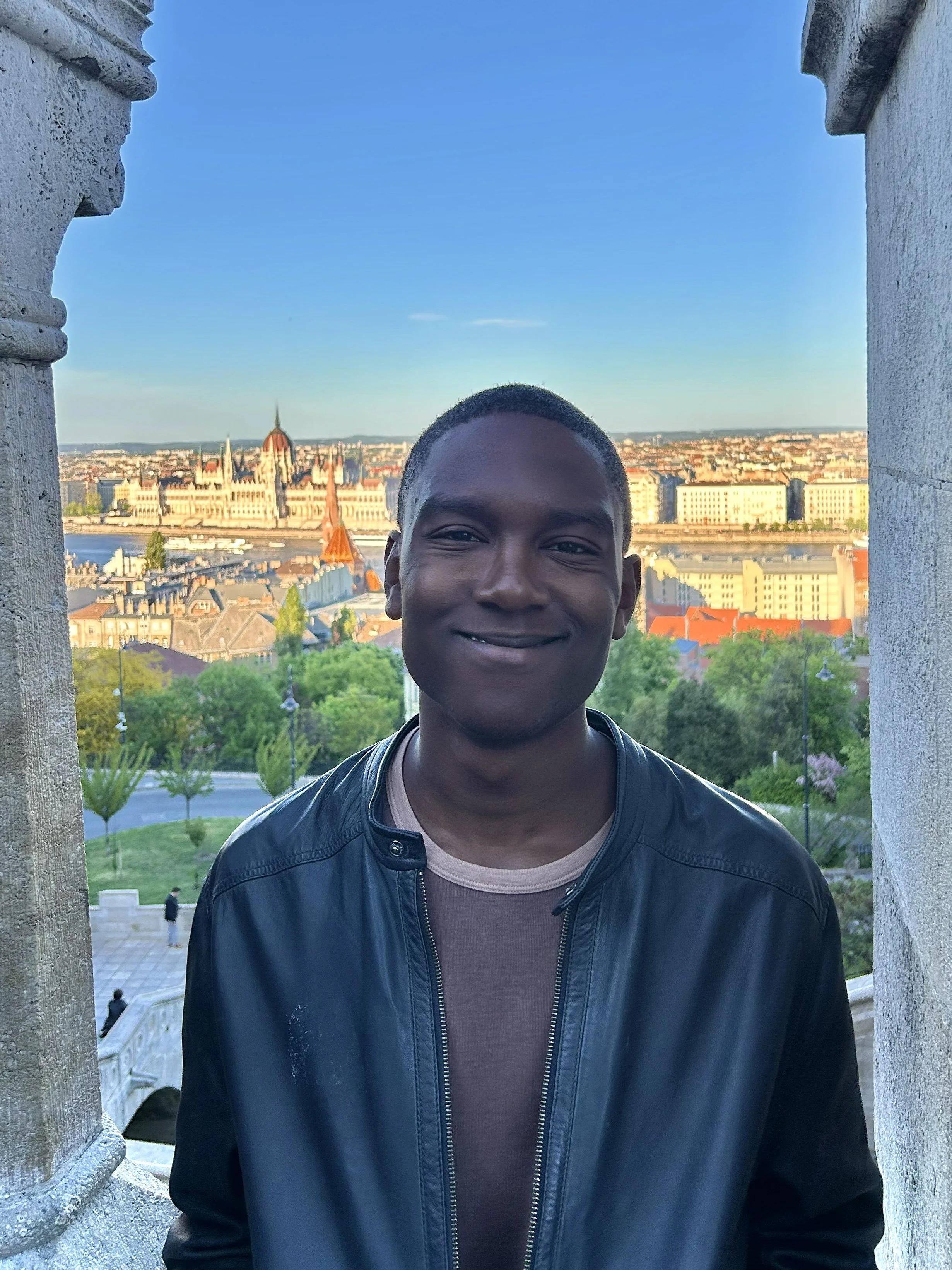
Jayden Barrington Henry
BARRINGTON JAYDEN HENRY is from the Atlanta area and is a senior at Vanderbilt University, studying political science and history. Jayden is also the host of the weekly radio program I Want to Tell You Something on WRVU Nashville. In his free time, he enjoys playing tennis, reading, and going to museums.