
By Julia Sassaman
More than a third of countries ban same-sex relationships and many do so under laws influenced by colonial rule, such as those implemented under the British Empire.
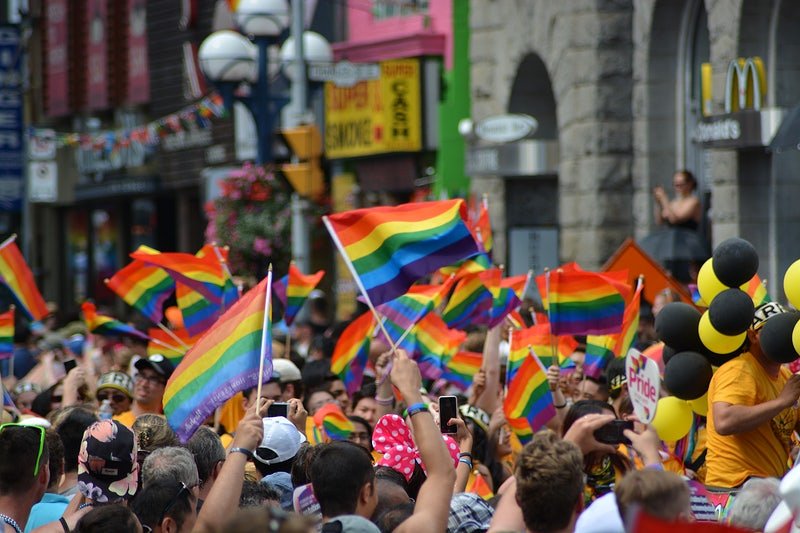
NYC June 2017 Pride Parade Celebration. CC0.
Millions gathered across the globe to celebrate LGBTQ+ Pride in June, although 64 countries still criminalize same-sex relationships, accounting for over a third of all nations. Across healthcare, workplaces, education and social settings, LGBTQ+ individuals face systemic discrimination, particularly impacting those who are disabled, impoverished, migrants, refugees and people of color. Without legal protections, these communities remain vulnerable to targeted violence, hate speech, torture, forced sterilization, sexual violence and kidnapping.
Transgender and nonbinary individuals, whose gender differs from the sex assigned to them at birth, face additional challenges, such as laws that prohibit cross-dressing and restrict gender-affirming care and self-expression. Intersex people, born with biological characteristics that do not strictly fit into male or female categories, continue to face infanticide and medical interventions that aim to change non-conforming traits unnecessarily.
Many of the countries that still restrict same-sex relationships and gender expression are former British colonies. In Britain, the Buggery Act of 1533 prohibited sexual relations between men, punishable by death. Though same-sex marriage in the UK was legalized in 2014, British policies exported to its former colonies continue to impact LGBTQ+ people today.
In 1861, the British Empire enacted Section 377 of the Indian Penal Code, prohibiting “carnal intercourse against the order of nature.” This provision was enacted across colonies to uphold the Christian values of the empire. Methods of enforcement included heightened surveillance, state brutality and imprisonment of individuals who strayed from heteronormativity.
In 2018, India’s Supreme Court ruled Section 377 unconstitutional as it applied to consensual same-sex relations between adults, effectively decriminalizing homosexuality. This decision is widely viewed as a rejection of colonial-era legal influence. However, the right to same-sex marriage and gender expression in India remains unrecognized by the courts. The colonial legacy that banned same-sex relationships under Section 377 persists in countries such as Pakistan, Bangladesh, Malaysia, Sri Lanka and Myanmar. Although these laws originated over 160 years ago, colonial-era policies still dictate the lives of LGBTQ+ people globally.
Religion served as an important tool through which many colonial empires reinforced social control and promoted conformity within their colonies. During the late 19th century, the British Empire introduced colonial penal codes that criminalized same-sex intimacy, including Nigeria’s Criminal Code Act of 1916. Similar laws were applied across British colonies in Africa, with the assistance of colonial administrators and Christian missionaries who promoted the empire’s moral code. According to Pew Research Center, the Christian population in sub-Saharan Africa rose from 9% to 63% between 1910 and 2010. Today, 31 African countries continue to criminalize same-sex relations. Religious and legal narratives from colonial history influence public perceptions and the recognition of LGBTQ+ people across the continent.
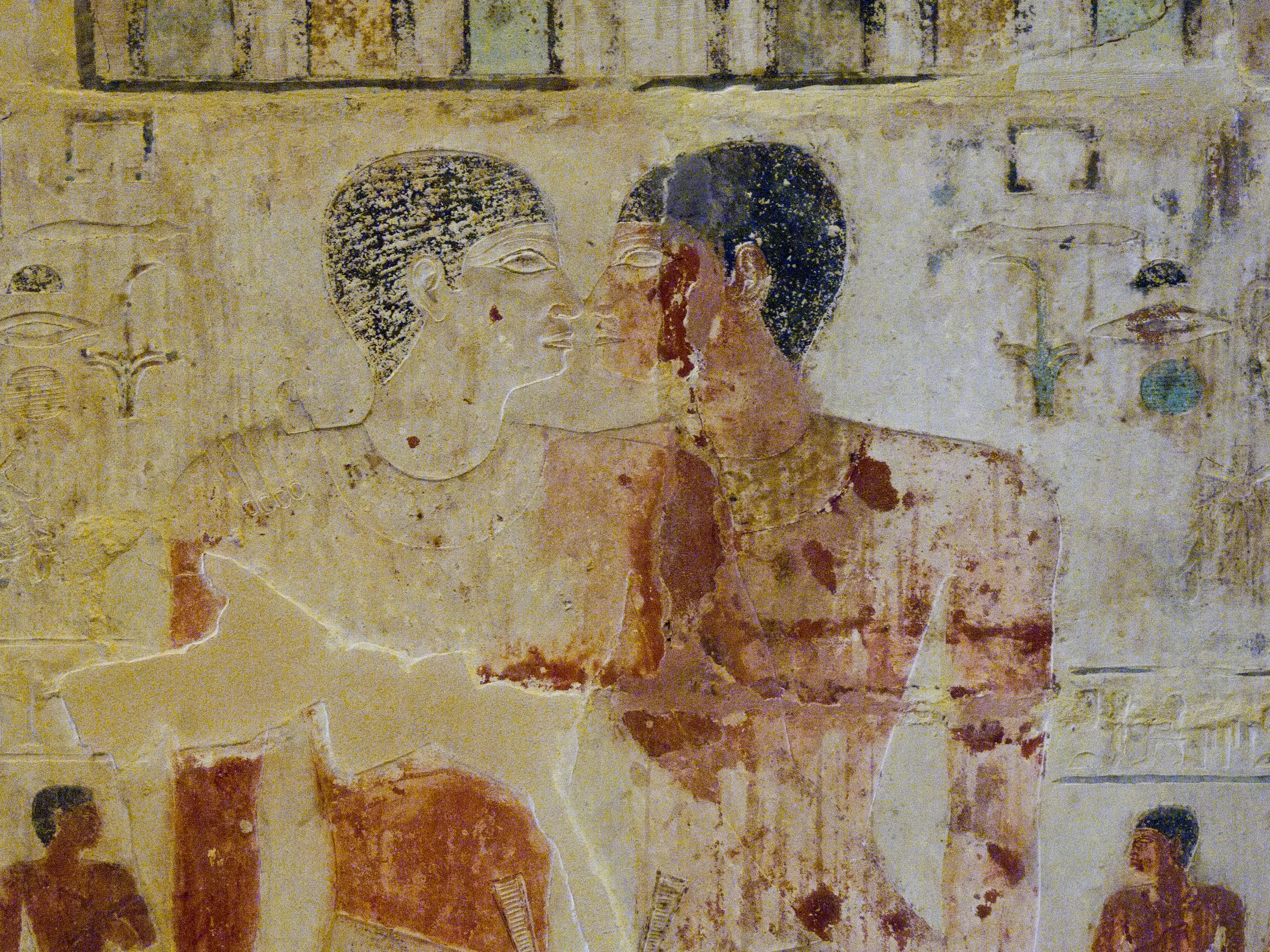
Ancient Egyptian lovers: tomb of Niankhkhnum and Khnumhotep. Kairoinfo4u. CC BY-NC-SA 2.0.
Egypt illustrates a similar dynamic through depictions of gender-fluid deities celebrated by ancient Egyptian civilizations prior to British colonization. A tomb from 2400 B.C. is speculated to represent two male lovers, due to their positioning, common among couples. Today, same-sex relations in Egypt are prosecuted under laws like the 1961 Anti-Prostitution Law, and transgender identities carry no legal recognition, blocking access to gender-affirming care. Additional precolonial civilizations that respected diverse identities included the Two-Spirit people in North America, the Zuni people in New Mexico, the Bakla in the Philippines, the Hijra in South Asia and the Chibados in Angola, among many others.
Colonization has profoundly affected the laws and perspectives of people and governments around the world. For some precolonial societies, cultural life embraced diverse gender identities and sexual orientations. Colonial empires’ criminalization of LGBTQ+ people resulted in the exclusion of such identities and created lasting barriers to marriage and gender rights in their colonies. Understanding this history provides essential context, allowing advocates, policymakers and global communities to more effectively address LGBTQ+ rights today.
GET INVOLVED:
Rainbow Railroad: Contribute to an organization that provides direct services to at-risk LGBTQ+ individuals across the world and stay informed through their regularly published reports and news stories that amplify these communities.
Outright International: Explore their global map database to learn more about bans on same-sex conduct and the colonial legacy behind them and support their work documenting human rights violations against LGBTQ+ people worldwide.
ILGA World: Engage with a global federation that campaigns for the decriminalization of LGBTQ+ rights through grassroots organizations, producing quality research and supporting a global network of advocates.
GayCities: Locate Pride events near you or around the world through the Pride Finder database, support local LGBTQ+ businesses and organizations and follow along with their frequent reporting.
Human Rights Campaign: Participate in grassroots mobilization efforts and support the largest civil rights organization in the United States, working to achieve LGBTQ+ equality, with advocacy efforts that extend to global communities.

Julia Sassaman
Julia is a fourth-year student at the University of Michigan studying political science and international studies. She recently studied abroad in Geneva, Switzerland, researching post-conflict tourism and international human rights law. After graduation, she hopes to move to Europe to pursue a career centered on global human rights. In her free time, she enjoys painting, baking, journaling, and reading.