
By Arianna Kaplan
Here are 3 must-see cities in the Algarve that are well worth a visit.
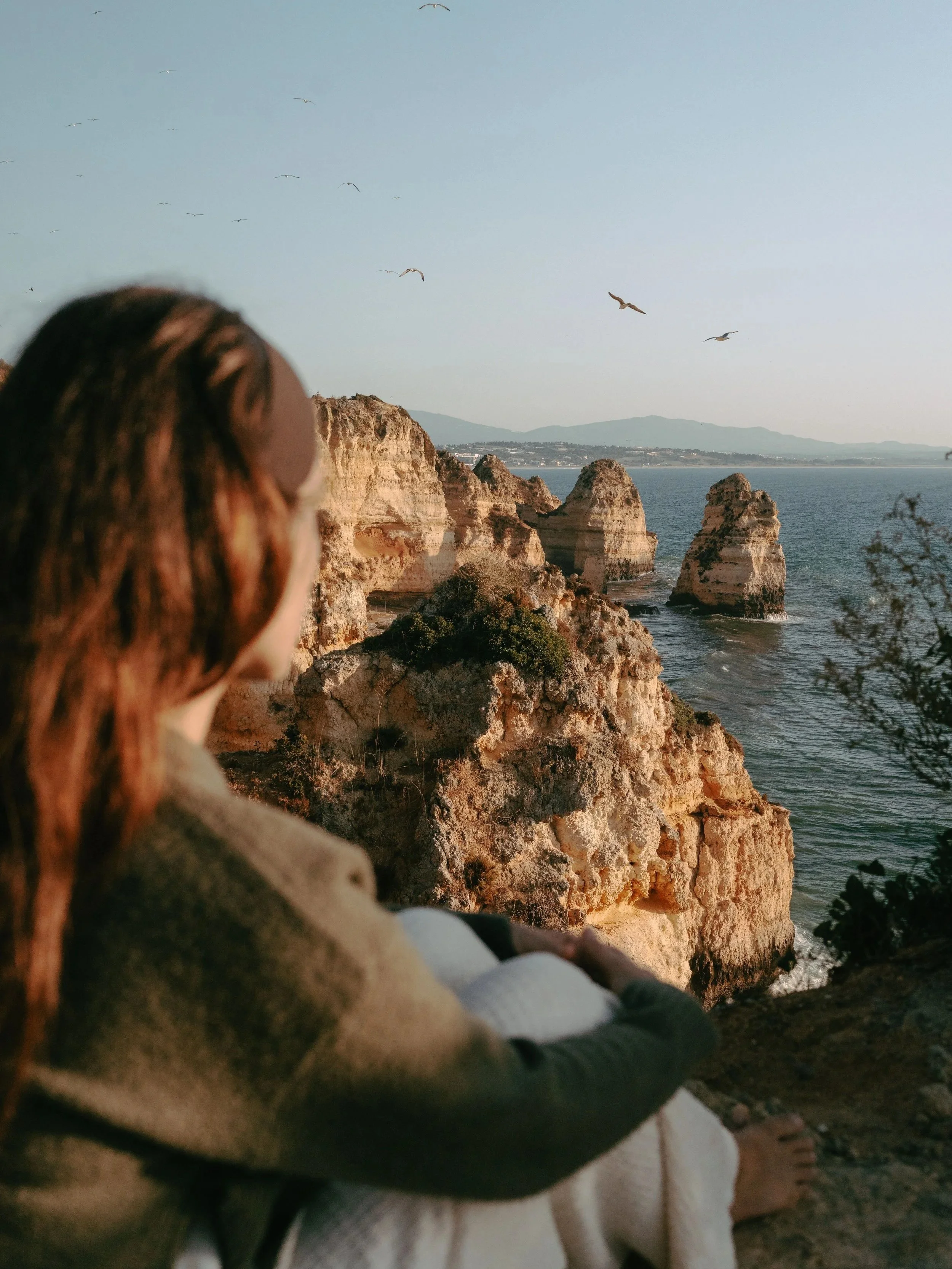
A woman gazing out over the scenic sandstone cliffs of the Algarve. Marius Henkel. Pexels.
When people think of Portugal, they most likely think of its capital city, Lisbon. Lisbon is fantastic, but if you haven’t already, it might be time to consider Portugal’s Algarve region as the spot for your next trip. Located on the Mediterranean basin, the Algarve region covers the southernmost part of Portugal, and is a vast expanse of beach resorts, traditional fishing towns and nightlife hubs with never-ending scenic walks, beaches and caves to explore. With 300 days of sunshine a year, the Algarve is truly a hidden gem. Below are three cities worth visiting to experience the magic of the Algarve.
1. Lagos
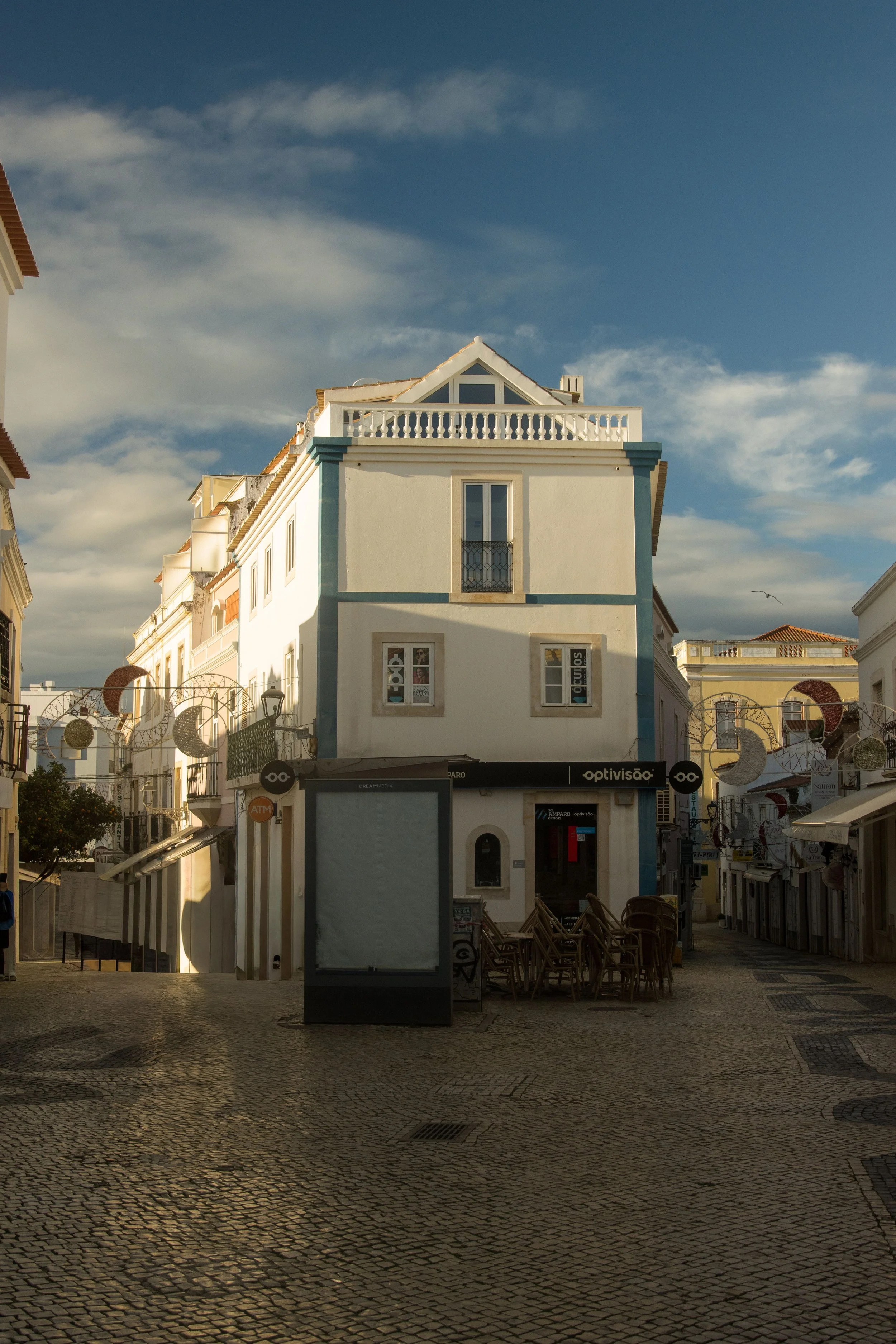
Historic architecture in Lagos’ Old Town. Efrem Efre. Pexels.
Lagos is the most well-known city in the Algarve, and for good reason. If it is your first time visiting the Algarve, it is certainly a must-see because of its dramatic natural scenery, historic Old Town, forts and churches, beach resorts and lively nightlife atmosphere. There is something for everyone in Lagos; it combines centuries of history with modern amenities and fun activities within a walkable city.
One of the best things to do in Lagos is to explore the beaches. Characterized by rocky cliffs, hidden coves and white sand, Lagos draws surfers and casual beachgoers alike. Notable mentions include the sandy Duna Beach, the dramatic Estudantes Beach with looming cliffs above and the rocky Camilo Beach.
The historic old town of Lagos is known for its famous whitewashed houses and narrow cobbled streets, which are filled with restaurants and cafes. The city feels protected and cozy because it is enclosed by 16th-century walls, including seven gates and nine artillery towers. The walls were constructed to defend against pirates, and are well-worth a visit to discover 2,000 years of maritime history for yourself.
Lagos is also known for its hiking. Starting at Pinhao Beach, you can walk 3 kilometers along the coastal cliffs all the way to Ponta de Piedade, a series of rock formations, caves and sea arches that make up one of the most famous tourist attractions in Portugal. Besides walking to it, there are also guided cave tours by motorboat or kayak.
Because of Lagos’ location in the center of the Algarve, it is perfect as a home base for day trips to other cities and towns.
2. Tavira
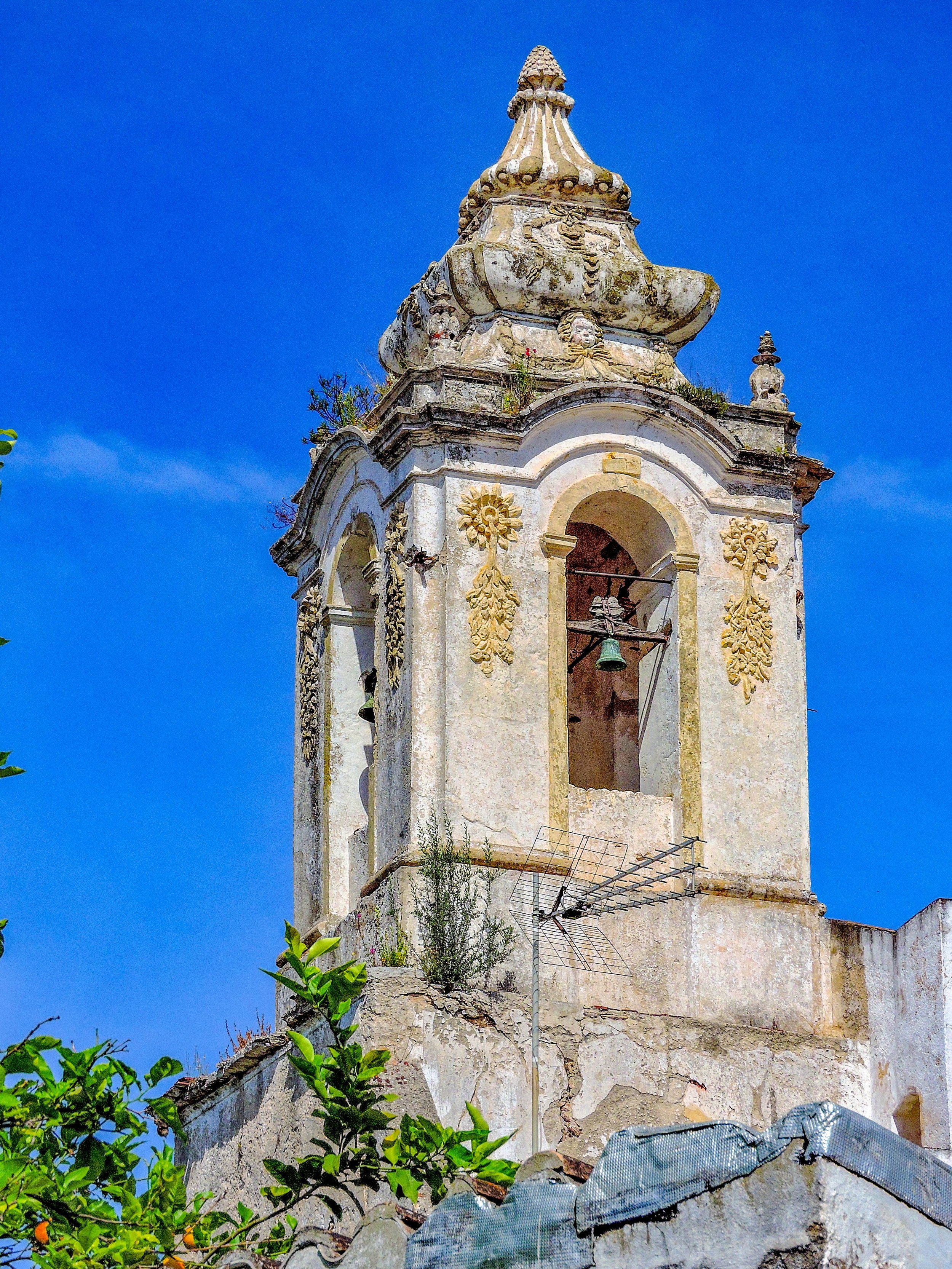
Historic architecture in Tavira. Emilio Sanchez Hernandez. Pexels.
Tavira is one of the Algarve’s most picturesque and traditional towns. It is known for its relaxed atmosphere, historic Moorish architecture and natural scenery. The city sits along the Gilao River, on the eastern coast of the Algarve, and offers a more peaceful vacation experience than the central or western Algarve.
The historic downtown was originally a Roman seaport, and so its architecture is a mix of Roman infrastructure, such as the Ponte Romana bridge, Moorish influences, whitewashed residences and Portuguese tilework. It has over 30 historic churches to visit, along with neighboring quaint villages to daytrip to, such as Santa Luzia, famous for its octopus dishes and known as the “Capital of the Octopus.”
Also worth seeing is Tavira Castle, which offers panoramic views over the town, and of course, it’s necessary to spend time at its many beaches and in nature. Many of the beaches are accessible only by ferry, some of which are part of the chain of barrier islands and peninsulas that protect Ria Formosa Natural Park. The Park is a protected area that covers more than 18,000 hectares and extends over 60 kilometers, and includes the islands of Cabanas, Bareta, Culatra, Armona and Tavira.
The landscape is unique among all the other locations in the Algarve because of its coastal lagoons and wetlands that act as a natural barrier against the ocean. It also boasts white sand dunes and saltpans.
3. Sagres

The lighthouse at the “End of the World” in Sagres. Jakob Schlothane. Pexels.
Known as the “End of the World,” at least, of Europe, Sagres is a more tranquil city in the Algarve known for its world-class surfing, 60-meter coastal cliffs and sunset views. Its emphasis is on nature rather than the bustling resort vibe, as some of the other cities in the Algarve do.
Many people describe Sagres as “raw.” Its vibe is surfers, hikers and a general nature-loving crowd. It’s a small city; however, there is still much to do and see. For one, the Sagres Fortress is a 15th-century fort that sits on the headlands with dramatic cliffs on three sides. The grounds are expansive and walkable and offer stunning views of the Atlantic.
There is also Cape St. Vincent, where a red lighthouse is battered by strong winds year-round and, according to travel writer Nina Ragusa, gives “that feeling of genuinely being at the edge of the world.”
Sagres has four main beaches, each with entirely different vibes: Praia da Mareta, which is a perfect swimming beach; Praia do Tonel, the main surfing beach; Praia do Beliche, which is rocky and ideal for serious surfers; and Praia do Martinhal, a hidden gem where visitors can take surfing lessons.
There are lots of whale- and dolphin-watching opportunities where the west and south coasts of Portugal meet, and visitors can spot common and bottlenose dolphins, fin whales and orcas.
Downtown Sagres is small, which is often the point of going. Start at the central square, Jardim de Sagres, and wander around and see the restaurants, market, skate park and bars.
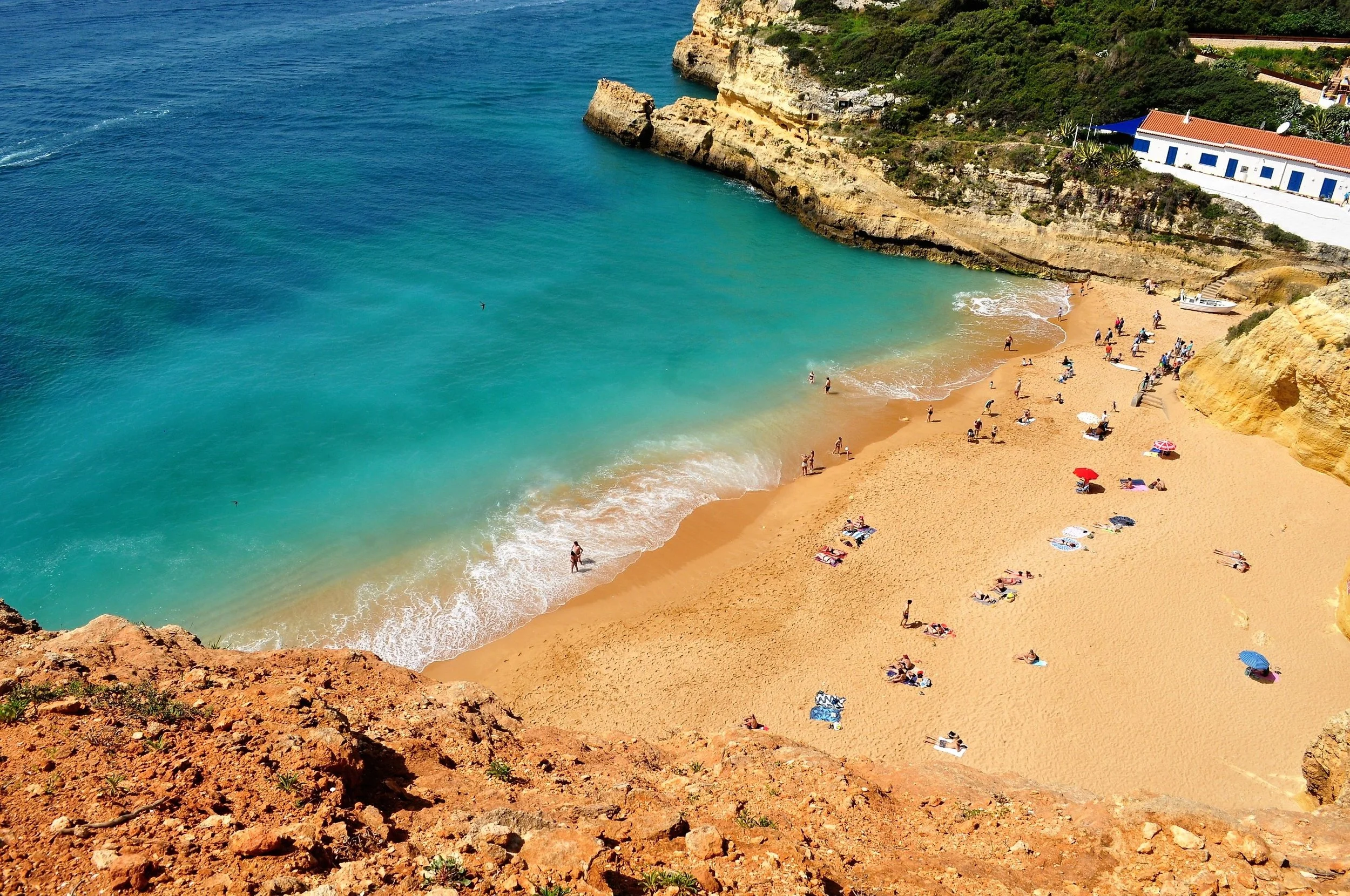
A stunning beach in the Algarve. Leo Pekaar. Pexels.
Whether it’s your first time visiting the Algarve or you’re a returning visitor, these destinations should certainly be on your radar. Starting with the most well-known spots, such as Lagos, and moving to the lesser-visited regions, such as Sagres, is a great way to get many different perspectives of a spectacular region. Safe travels!

Arianna Kaplan
Arianna is in her final year at Scripps College, part of The Claremont Colleges in the Los Angeles area. She writes in a variety of genres but most enjoys creative nonfiction and place-rooted narrative. Arianna currently resides in New York, where she won’t rest until she’s walked down every street and peeked into every alley. Writing at Catalyst, along with The Student Life Newspaper and The {C} Magazine, offers a perfect outlet for her zest for life and discovery, and she’s beyond excited to be here. In the future, she plans on pursuing a career in journalism.