
By Arianna Kaplan
Hawaii is one of the most well-known destination spots in the world. Some Native Hawaiians are begging us not to come.
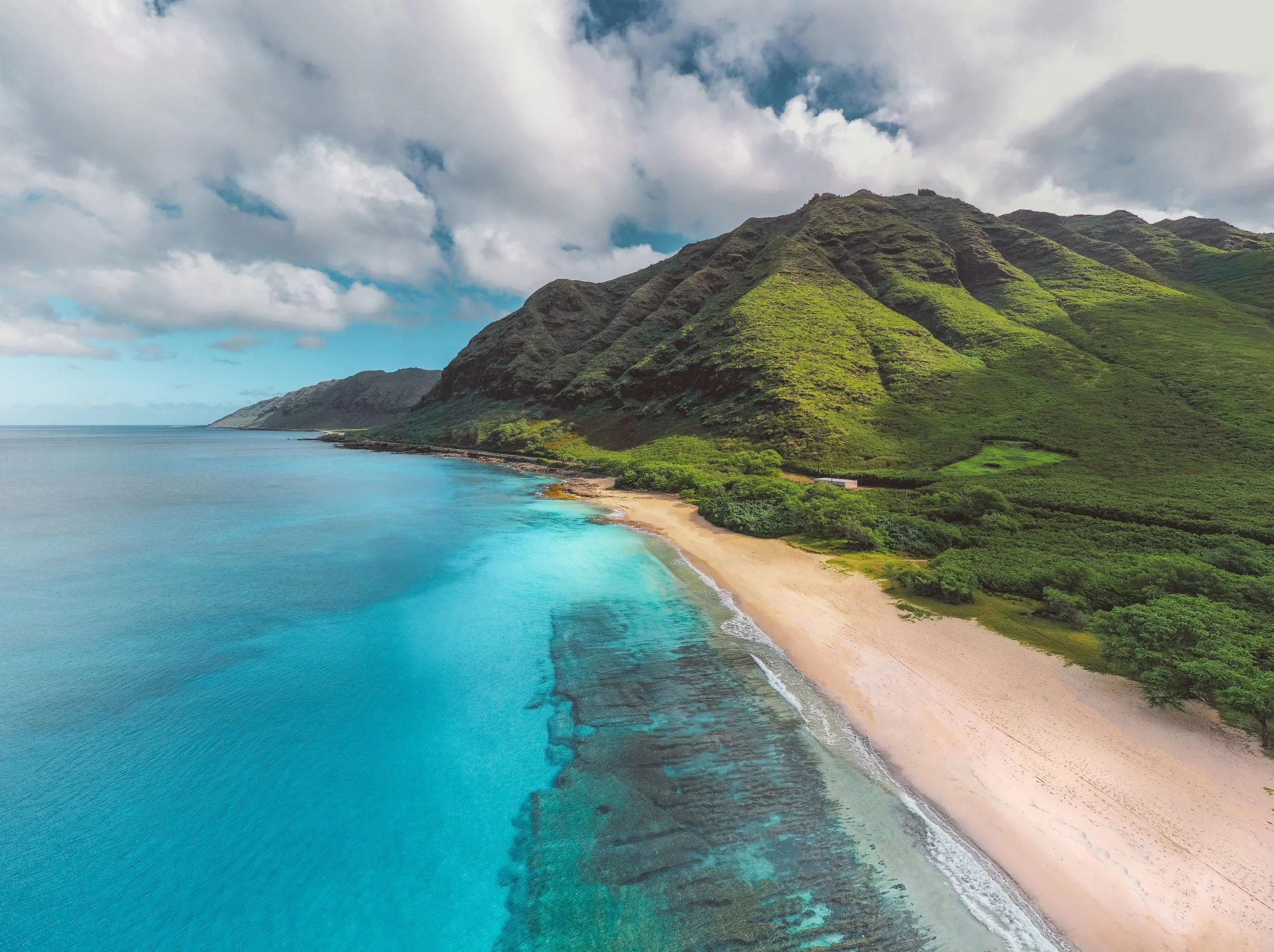
A view of a Hawaiian coastline. Jess Loiterton. Pexels.
Hawaii is one of the most well-known tourist destinations in the world, and it’s not hard to see why: it boasts active volcanoes, lush greenery, surfing, and a rich history and culture. Between 9 and 10 million tourists visit Hawaii each year to experience the major islands: Hawaii, Oahu, Maui and Kauai. However, some Native Hawaiian residents have been making pleas for visitors, including mainlanders, not to come, and it might be time that we listen.
One major argument against visitors coming to Hawaii is a sense that even though Hawaii is a U.S. state, it is still widely considered by Native Hawaiians as an occupied territory, and having visitors is a constant reminder of centuries of colonization. The Hawaiian Kingdom was overthrown in 1893, was formally annexed in 1898 and was admitted as the 50th U.S. state on Aug. 21, 1959. While this timeline is commonly taught in high school curricula across the United States, it doesn’t capture how, by 1920, the native Hawaiian population decreased from almost 700,000 to under 24,000, or how, after the overthrow of the kingdom, teaching and learning Hawaiian was sharply restricted. This censorship of culture and loss of life is considered a cultural genocide against Native Hawaiians, and a sentiment that while they might technically be “American,” they are not privy to the same respect and belonging that mainlanders are.
In her article “Hawaii is not and will never be your vacation ‘paradise’” for The Daily Princetonian, Gisele Bisch argues that Hawaiian culture has been romanticized and commoditized to an unsustainable degree: About 10 million people visit Hawaii each year, more than seven times its entire residential population. Bisch says that Native Hawaiians are and should be considered Indigenous peoples, and having that many visitors puts a strain on daily living, such as driving up housing prices, and also on vulnerable ecological sites that are subject to damage by disrespectful tourists.
One crucial problem with overtourism in Hawaii is the high cost of living for the native Hawaiians due to hotels and Airbnbs, contributing to mass homelessness. In 2022, 3,951 Hawaiians on the island of Oahu were unhoused, 60% of whom were staying on the streets. Hawaii’s tourism industry has been primarily centered on big hotels and resorts, which directs tourist dollars away from supporting local Hawaiian businesses and instead supports big consumer chains. In fact, very few hotels are owned and operated by anyone of Native Hawaiian descent on the island of Oahu, according to a TaiSwim article, which sparked massive backlash in the comment section.
In their blog post titled "Hawai'i doesn’t want visitors right now, or ever. here’s why,” the anonymous Native Hawaiian authors behind the Hawaiian swimwear brand TaiSwim argue that the tourism industry doesn’t directly benefit people of Native Hawaiian descent and that instead the influx of visitors creates channels for environmental disrespect, lack of cultural empathy and the appropriation of Hawaiian symbols such as the hula skirt or the lei.
Additionally, many Hawaiians are concerned about the environmental implications of having tourists visit. Hawaii is well-known for its nature, and the heavy foot traffic from an oversaturation of visitors, even if they are well-intentioned, can erode soil and destroy native plants, while litter can pollute the environment around it. Some of Hawaii's most famous faces, such as sea turtles and Hawaiian monk seals, need space to breed, lay eggs and rest, but crowded beaches force uncomfortable proximity between wildlife and humans.
The comments in response to the article ranged from readers who had been unaware of the concerns surrounding tourism in Hawaii and vowed to stay away, to past visitors who say they would not return, to others who argued that Hawaii is now an American state and as such they are entitled to visit if they so please, and to those who say that they would continue to visit but would make an effort to “do it right” to be as respectful as possible on their next trip.
Some visitors have described different experiences visiting Hawaii, some citing that “not once did [they] experience an incident that would support the idea that Hawaii is broadly anti-tourist right now. There were no confrontations, no shaming, and no moments where we felt unwelcome for simply being there. Not in any way.”
In their opinions, there seems to be a split between online rhetoric against tourism to Hawaii and what visitors actually experience.
However, in a 2024 report, the percentage of Hawaii residents who thought that the benefits of tourism outweighed its problems was 56%, down from 79% in 2010, where 75% of those who thought tourism brought more problems than it was worth cited higher living costs and 69% cited disrespect for culture. Simultaneously, 80% of Hawaiians surveyed maintain that tourism provides job opportunities and supports local businesses. Thus, a tension exists between a concern about tourism’s impacts and a recognition that the economic benefits are substantial for some industries.
The verdict seems to be that even when visitors come and do it “right,” staying in locally owned vacation rentals, staying away from the resort chains and supporting only Hawaiian-owned businesses, their presence may still be unwelcome to Native Hawaiians; they are asking visitors not to come.
GET INVOLVED:
Instead of visiting, there are other ways to support Hawaii from afar. As seen on the TaiSwim website, here are some reputable charities that they endorse:
Hawaii Community Foundation: The Hawaii Community Foundation is a philanthropic organization that supports a wide range of causes throughout Hawaii, including education, the environment, health and the arts. It works with donors to create customized giving plans and provide grants to organizations that are working to improve the lives of people in Hawaii.
Malama Maunalua: Malama Maunalua is a nonprofit organization that is dedicated to restoring and preserving the health of the Maunalua Bay in Oahu. It works to remove invasive species, replant native plants and educate the community about the importance of protecting the bay.
The Aloha United Way: The Aloha United Way is a nonprofit organization that brings together community resources and supports a range of causes throughout Hawaii, including education, financial stability and health. It works with local businesses, nonprofit organizations and individuals to create positive change in the community.

Arianna Kaplan
Arianna is in her final year at Scripps College, part of The Claremont Colleges in the Los Angeles area. She writes in a variety of genres but most enjoys creative nonfiction and place-rooted narrative. Arianna currently resides in New York, where she won’t rest until she’s walked down every street and peeked into every alley. Writing at Catalyst, along with The Student Life Newspaper and The {C} Magazine, offers a perfect outlet for her zest for life and discovery, and she’s beyond excited to be here. In the future, she plans on pursuing a career in journalism.