
By Maliha Khan
A nature center in Thailand works to protect an elephant corridor while confronting the environmental costs of tourism in fragile ecosystems.
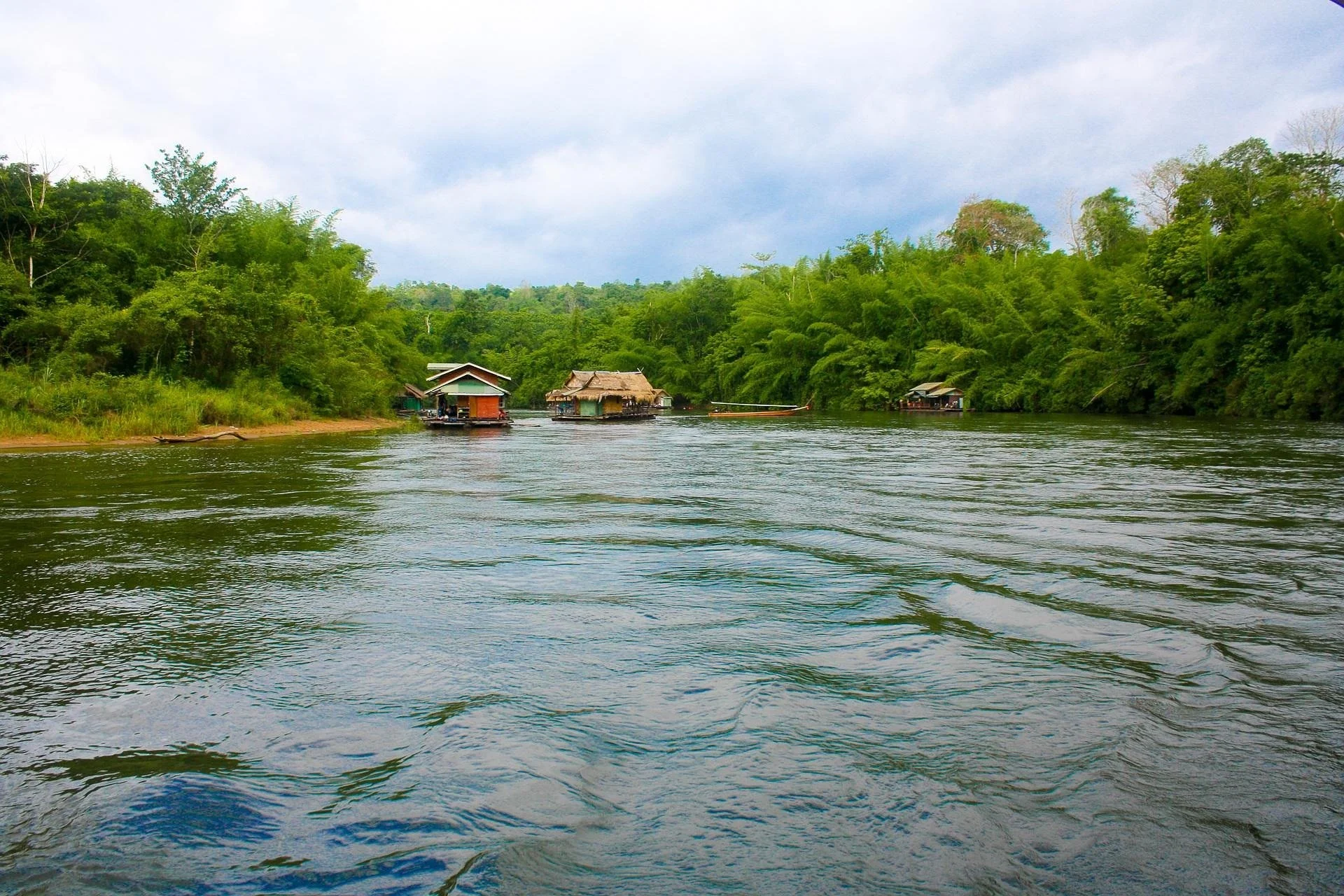
The River Kwai in Thailand. Danai Sookcharoen. Pixabay.
Beyond the neon lights of Bangkok and the crowded beaches of Phuket lies a very different side of Thailand. On the edge of Thailand’s Western Forest Complex, in Wang Dong, sits OurLand, a nature and sustainability education and research center. What began as an escape to live in harmony with nature has now grown into a space for conservation and alternative travel experiences, where travelers can explore the landscape while supporting efforts to understand and protect it.
The journey into nature begins long before visitors reach OurLand. Instead of driving to the center, visitors float down the river for around 40 minutes, eventually arriving at a quiet stretch of water where elephants come to drink, offering an early glimpse of the wildlife that calls this landscape home.
Founded by Vijo Varghese and Anshuman Tripathy, OurLand grew from a desire to protect the landscape while helping people get closer to nature and understand the ecosystems within it. These ideas shape the way people experience nature at OurLand. Visitors learn about the ecosystem and wildlife through forest walks and farm tours. They take part in caring for the ecosystem, working with local communities to plant trees, care for seedlings in the wild tree nursery and even disperse seeds using slingshots.
But why should we care about a nature retreat in Thailand? With growing globalization, travel has become deeply integrated into our world. While this has brought positive benefits, including support for local economies, the growing demand for tourism has also placed immense strain on natural resources and ecosystems around the world. Unsustainable travel has contributed to pollution, excessive waste and the degradation and disappearance of flora and fauna. This raises a larger question: Do we need to rethink the way we travel?
Places such as OurLand offer one possible answer through ecotourism, a form of “responsible travel to natural areas that conserves the environment, sustains the well-being of the local people, and involves interpretation and education,” according to the International Ecotourism Society. Travelers move from being mere spectators and consumers to active participants, immersing themselves in the ecosystem.
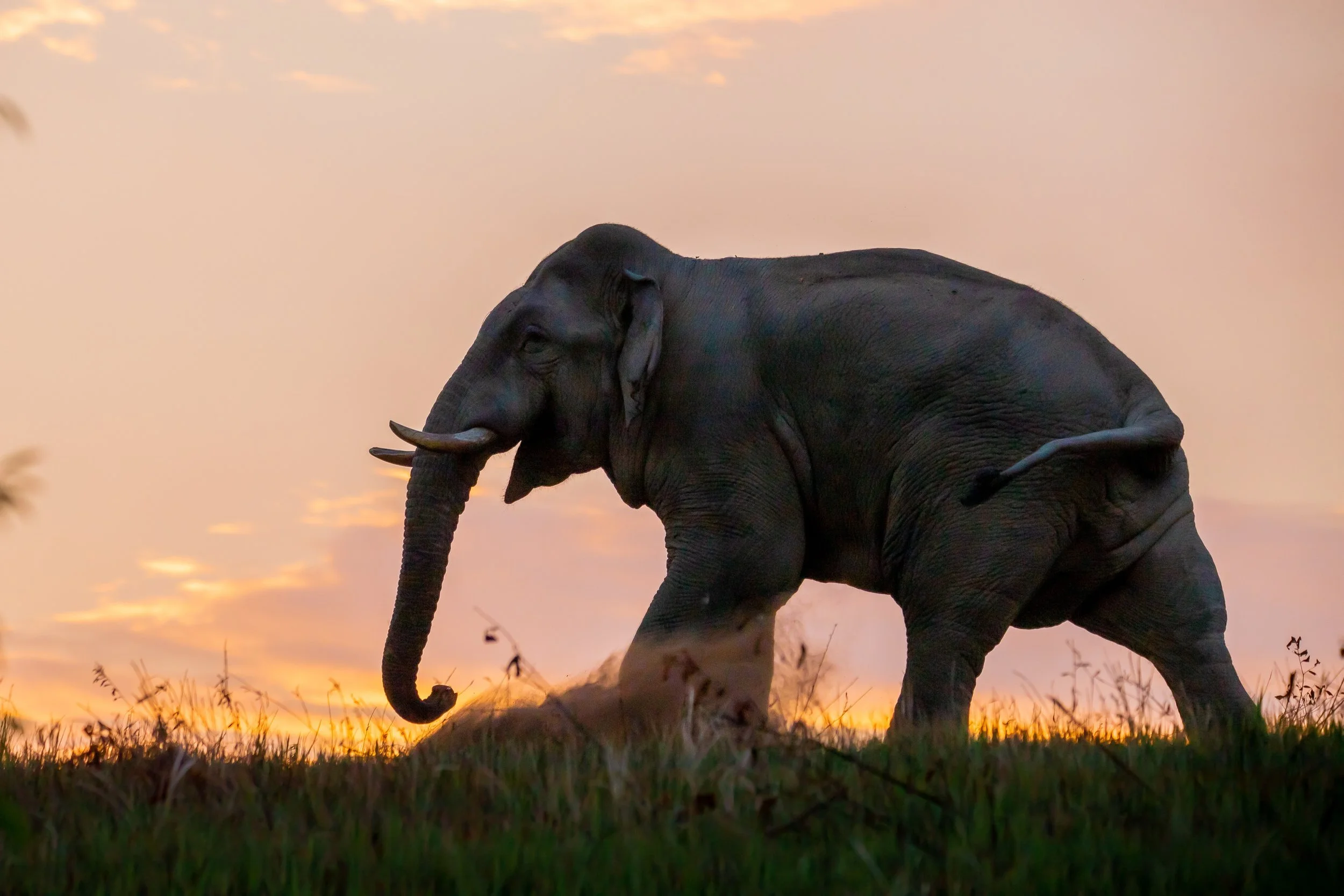
An elephant in a natural setting in Thailand. Nevige Tom. Pixabay.
At OurLand, this approach is closely tied to the elephants that move through the landscape. The center sits within an elephant corridor connecting the Salakphra Wildlife Sanctuary to the Kwae Yai River, providing elephants with a route to the river. Deforestation, rapid urbanization and farming endanger this corridor, preventing elephants from reaching the river. OurLand seeks to protect it. So far, the center has acquired approximately 27 rai, or 11 acres, of the corridor, with plans to secure larger portions and protect this passage for wildlife. OurLand has also worked with the local government to install streetlights along parts of the corridor, helping reduce the risk of collisions between vehicles and elephants.
Ethical ecotourism can offer a different way to travel. One that improves local economies by generating income and employment while protecting natural ecosystems. For travelers, experiencing an ecosystem up close can create a stronger sense of connection and responsibility toward the natural world.
But these benefits are not automatic. Ecotourism still depends on bringing people into natural environments and can create pressure on resources. It also risks greenwashing, as landscapes are turned into commodities, while poorly managed encounters can disturb wildlife. The challenge, therefore, is to design travel around the needs of the ecosystem, rather than reshaping the ecosystem around the needs of travel.
As more travelers seek out ecotourism, the risk of greenwashing grows alongside it. The bigger question, then, is not how many more nature retreats we can create, but how we can make sure these places remain more than destinations and continue to thrive as living ecosystems alongside travel.
Maliha Khan
Maliha is a graduate of Georgetown University Qatar, where she studied Culture and Politics with a minor in English. She is passionate about storytelling and is particularly interested in gender, migration, and climate. In her free time, she enjoys watching movies and filming videos.