
By Jeremy Gordon
Five years into Taliban rule, Afghanistan has relative stability and grave human rights violations.
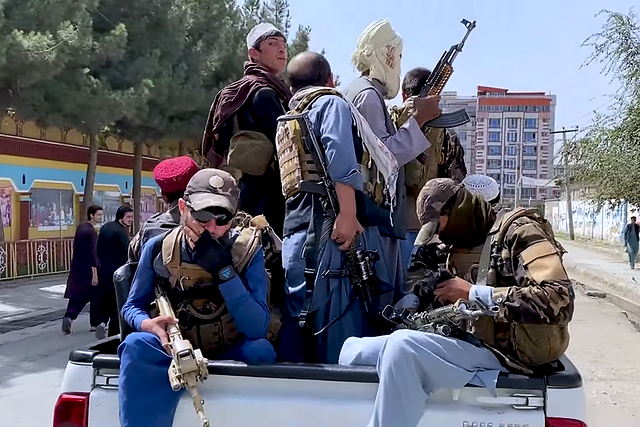
Saturday, Aug. 15, marked five years since the Taliban regained control of Afghanistan after a hasty U.S. retreat. It was an embarrassingly fast and highly successful operation, sweeping across Afghanistan in ten days, returning the extremist organization to power for the first time since 2001.
Now, five years on, the Taliban runs the show. They issue laws, levy taxes, build infrastructure, facilitate relations with other nations and keep their citizens, particularly women, in brutal check. Here is a snapshot of how they have been doing in their half-decade back in power.
Stability
This has been the Taliban’s crowning achievement. They have brought about a level of domestic security not seen for decades, stamping out rival groups like the Islamic State in Khorasan and the Afghanistan Freedom Front in Badakhshan. Afghan civilians can now travel through much of the country without fear of death, something that has not always been a guarantee.
But recent months have seen scattered attacks from rival groups, particularly in the north. In July, the Afghanistan Freedom Front launched a series of attacks in Zebak, seizing strategic military positions and killing Taliban fighters. Senior regional officials have been assassinated. Social media has emerged as a new front, with a multitude of rebel groups making their presence known and claiming responsibility for various attacks, sometimes multiple groups claiming responsibility for the same attack. The Taliban has downplayed the instability, claiming that it is primarily confined to the online sphere, posing little threat in real life. But it remains to be seen if these uprisings will escalate.
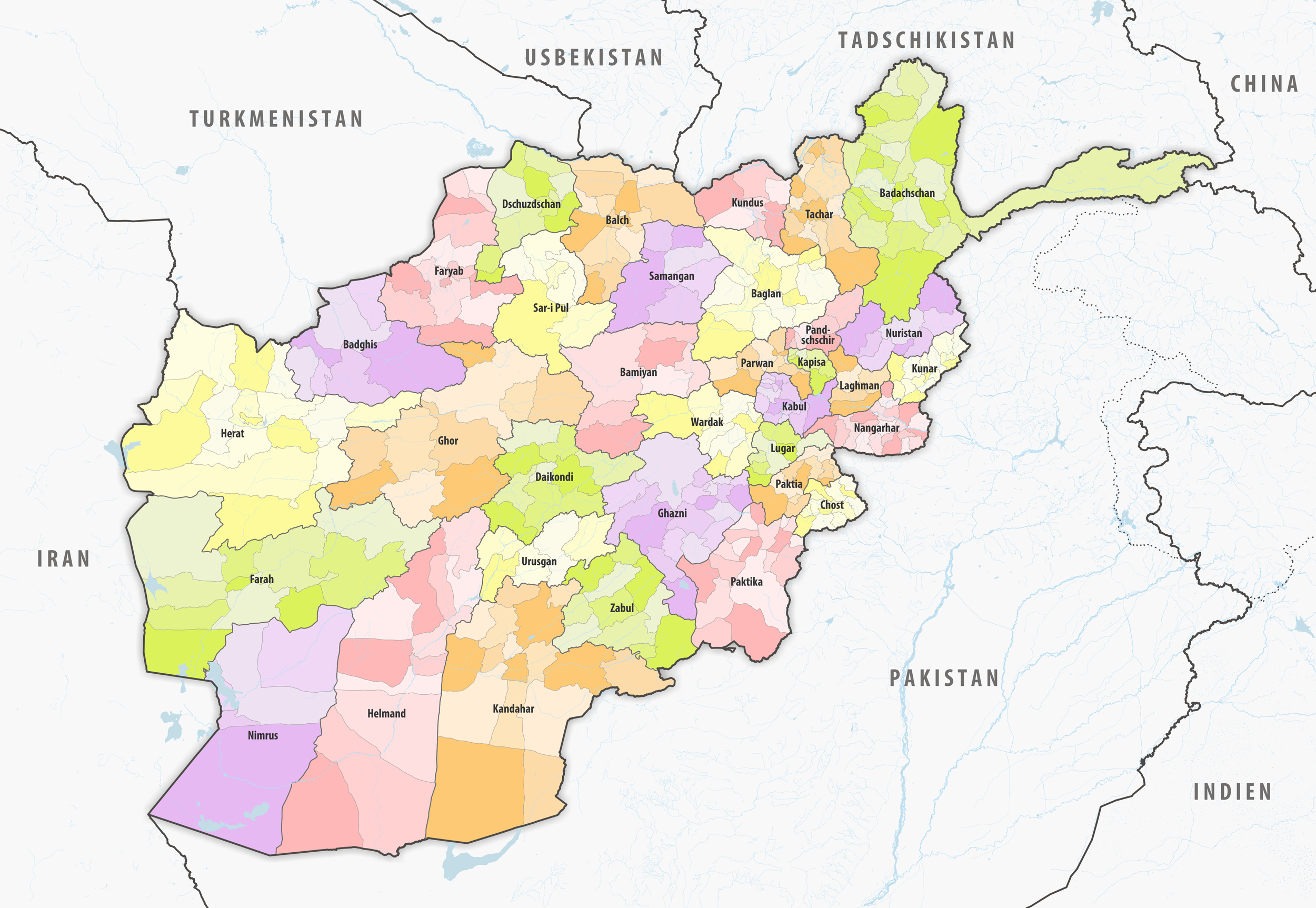
Map of Afghanistan. Badakhshan in the northeast is where many of the attacks have taken place. Tschubby. CC BY-SA 3.0.
Economy
The nation is in a low equilibrium state, enjoying a fragile stability many did not expect. The GDP is approximately $18 billion in 2024, and its currency is surprisingly stable. That stability has allowed for increased economic activity, including natural resource extraction and investment from returning refugees and Afghans abroad. The Taliban has improved taxation methods and increased trade with neighboring countries.
However, they remain largely isolated from the global economy and face problems that stem from rapid population growth. They have 13% unemployment and a severe education crisis, especially among girls, who are banned from receiving education past sixth grade. These restrictions have contributed to widespread poverty and a shortage of professionals in crucial fields like science and medicine. There is also a massive food shortage after foreign aid cuts by the Trump administration.
International Relations
The Taliban government lacks broad recognition on the world stage, particularly from the U.S. and other Western nations. They do, however, maintain pragmatic ties with many of their neighbors and some major global powers. They recently signed a defense partnership with Russia and work closely with China regarding regional security. They have publicly invited the Trump administration to invest in their economy and reopen the U.S. embassy, though that seems unlikely.
The country is close to an all-out war with neighboring Pakistan. Pakistan, which once sponsored the Taliban, has come to blame the Taliban for not reining in the country’s militants, whose attacks often spill across the border. They have conducted dozens of air strikes in the country, and 500 Afghan civilians have been killed in cross-border fighting since last October. Tensions are running extremely high and the situation could explode at any moment.
Human Rights
This front is by far their worst. Afghan women and girls face the harshest restrictions anywhere on the globe. They are banned from higher education and face strict controls on movement, dress, work and access to public spaces. Often, women require a male guardian just to leave the house. These restrictions have sunk many women into deep poverty and forced them to lead lives of silent fear.
Religious minorities in the country have seen their places of worship forcibly shuttered. Rights workers, journalists and critics of the regime have been imprisoned, and many have disappeared. The U.N. summed up the situation in March by calling the country a “graveyard for human rights.”
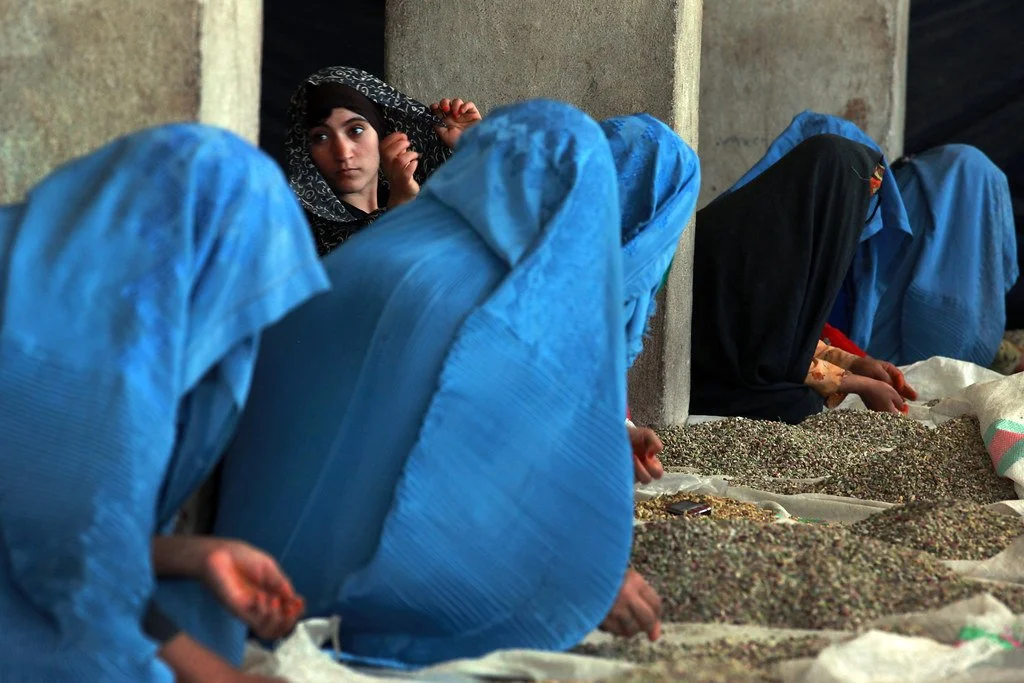
Women sorting pistachios by hand in a factory in Herat, Afghanistan. United Nations Photo. CC BY-NC-ND 2.0.
So that is where we stand. Five years after seizing power, the Taliban have themselves a country with relative domestic and economic stability, and a horrendous record on human rights. But with growing food insecurity, economic warning signs, scattered rebellions and a brewing war with Pakistan, they are in a precarious position. Only time will tell how they will continue to shape their country and deal with these mounting issues.

Jeremy Gordon
Jeremy is a graduate student at Johns Hopkins University studying Creative Writing. He graduated from the University of Maryland with a bachelor's in Criminology and Criminal Justice and worked for four years as an Investigative Specialist with the Public Defender Service for DC.