
By Azhar Kantayeva
The workers who make cheap clothes often struggle to afford basic necessities, and communities near textile factories live with polluted rivers and canals.
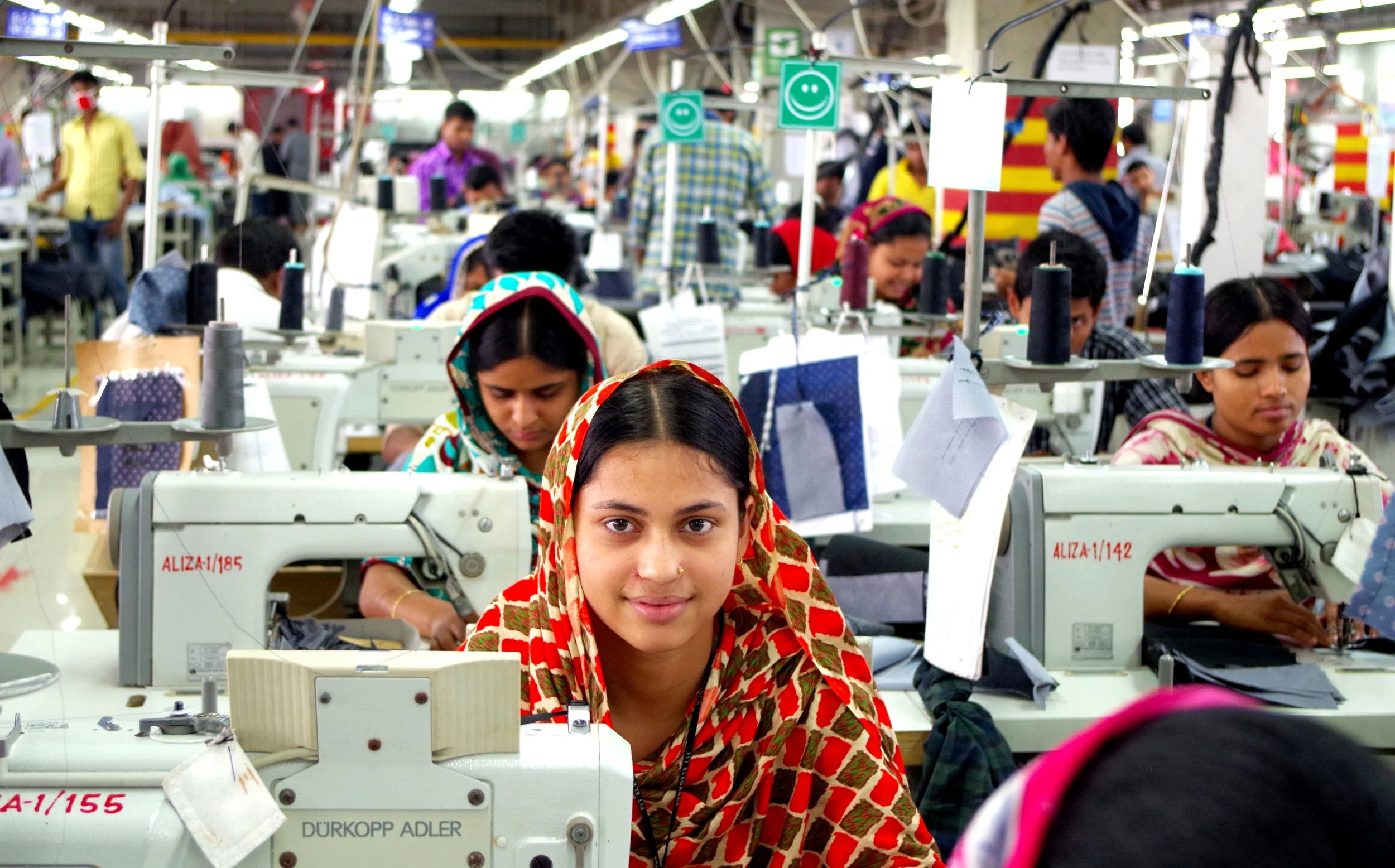
A garment worker at a factory in Gazipur, Bangladesh, in 2015. Solidarity Center. CC BY 2.0.
A new shirt can cost less than lunch. Next week, the same shop may have a whole new set of styles. That’s how fast fashion works. Brands bring out new clothes frequently and sell them at prices many shoppers can afford. For someone on a tight budget, a cheap shirt can be a practical choice. In Bangladesh, a major supplier to global clothing brands, some of the workers who make those clothes struggle to cover their own basic expenses.
Before heading to a garment factory in Gazipur, an industrial city near Bangladesh’s capital, Shilpi Khatun cooks over a wood fire because her family cannot afford gas. She told Reuters that she earns about $128 a month with overtime. Even with the extra hours, her pay rarely lasts until the next payday.
Making Clothes, Making Ends Meet
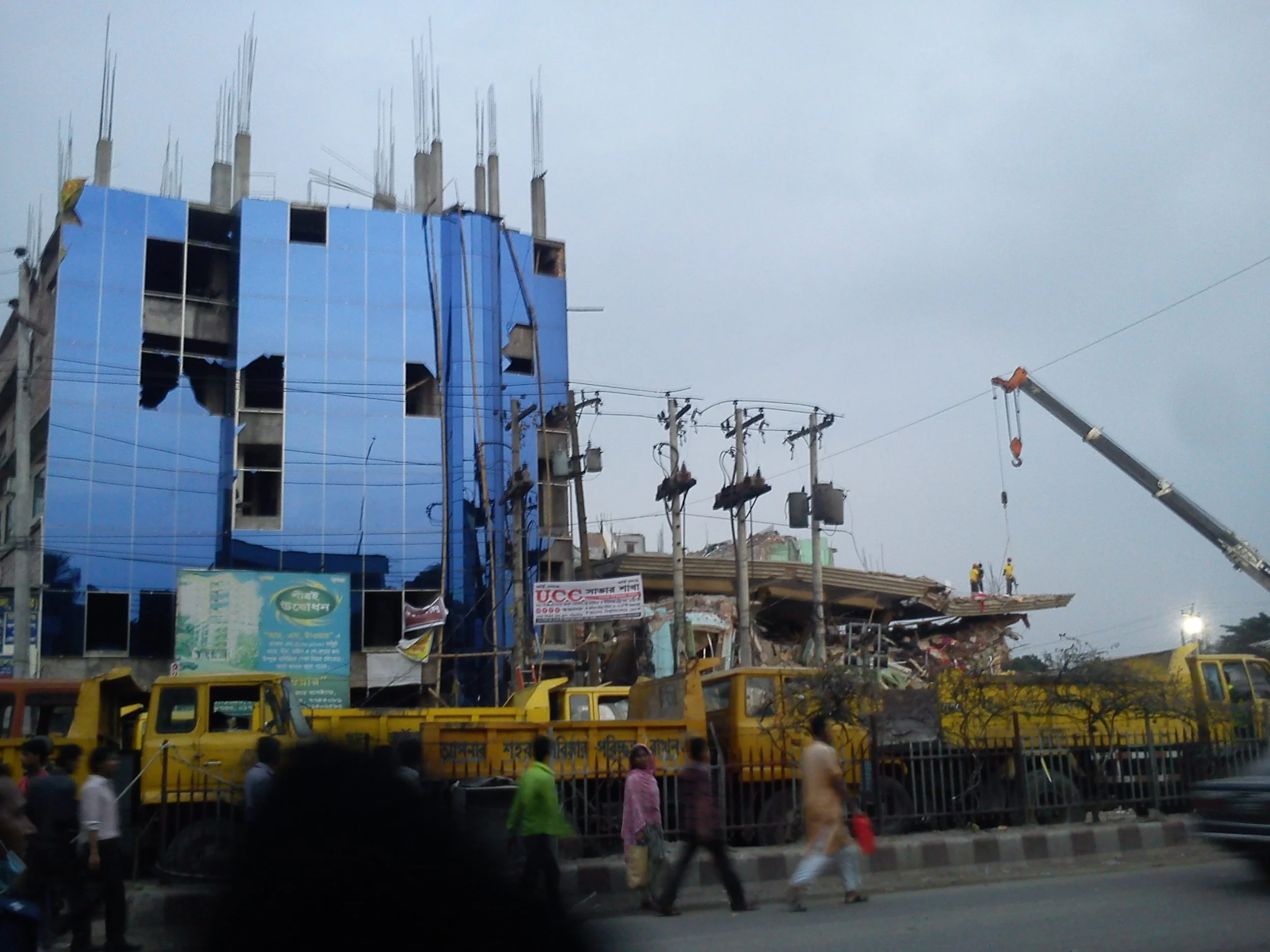
Rescue efforts at Rana Plaza in Savar, Bangladesh. Sudipta06. CC BY-SA 3.0.
Women make up most of Bangladesh’s garment workforce. For many, a long shift is followed by more work at home, where they care for children or other relatives. A 2026 survey by the Clean Clothes Campaign found that 70% of the more than 1,000 garment workers surveyed had borrowed from friends or family to get by. Some also took out loans or worked extra hours. Workers have organized protests for higher wages as everyday costs have risen.
Factory safety is one place where workers and brands have already secured changes. In 2013, the Rana Plaza building collapsed near Dhaka, killing more than 1,000 people. Trade unions and clothing brands went on to sign a legally binding agreement on factory safety. Its successor, the International Accord, requires participating brands to help address hazards found during inspections. Workers can also report safety concerns through a complaints process.
Where the Water and Clothes Go
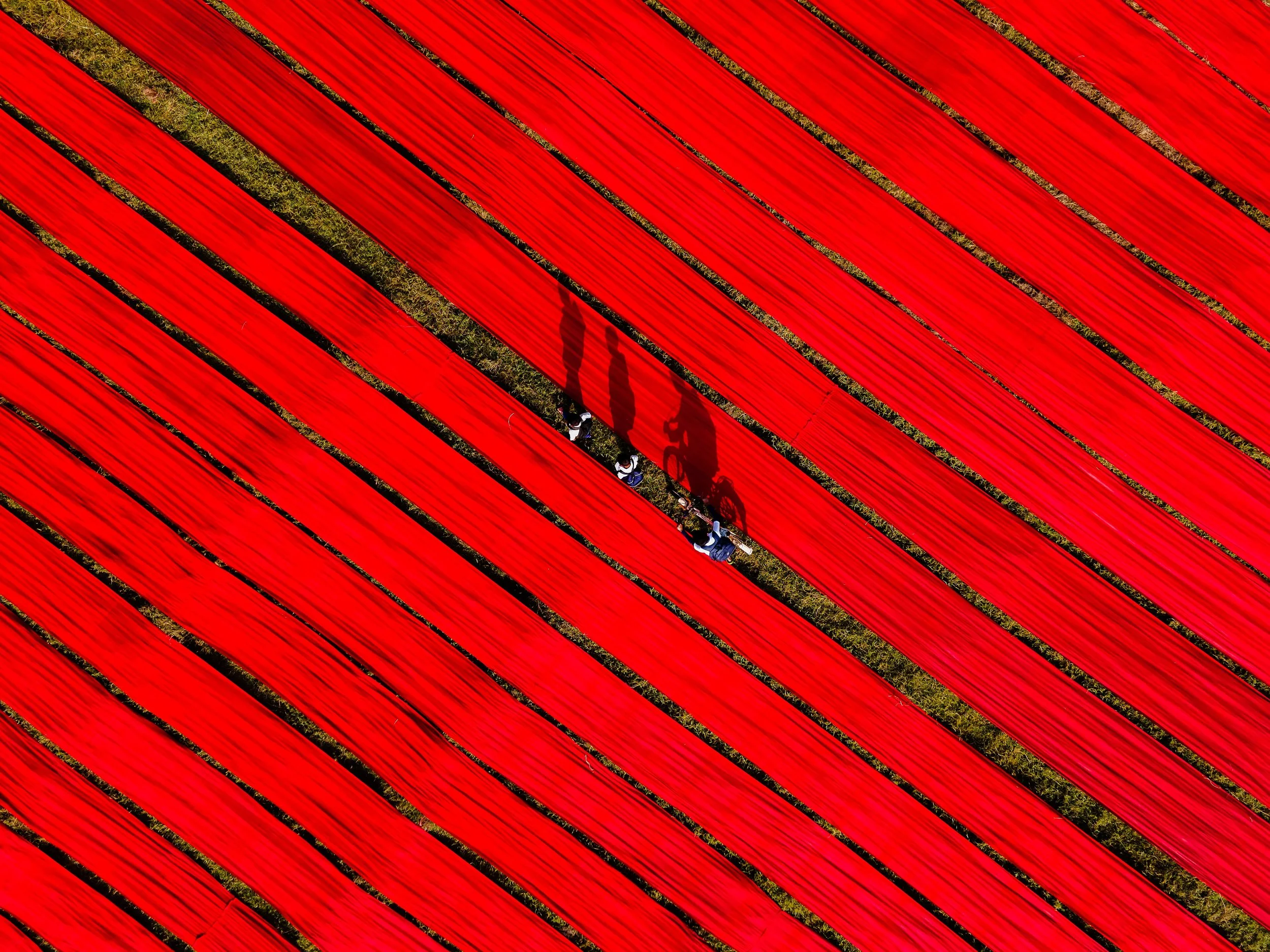
Red fabric dries in a field near Narsingdi, Bangladesh. Muhammad Amdad Hossain. CC BY-SA 4.0.
The environmental costs begin with the fabric. Washing and dyeing it takes large amounts of water. Around Dhaka, untreated wastewater from textile factories and other industries enters rivers and canals, creating health risks for nearby communities. Some factories in Bangladesh are starting to treat and reuse wastewater. Reusing water means a factory can draw less fresh water the next time it dyes a batch of fabric.
Producing more clothes than stores can sell creates another kind of waste. In a study of unsold stock and customer returns, the European Environment Agency estimated that 4% to 9% of all textile products placed on the European market were destroyed before they could be used. All the water and energy that went into making those items was spent on products that never served their purpose.
Used clothing can travel far after it leaves a wardrobe. Much of the clothing and other used textiles exported from Europe go to Africa and Asia. Some items find a second life through resale or recycling. Others are dumped or burned in the open, leaving communities far from the original shops to deal with the waste.
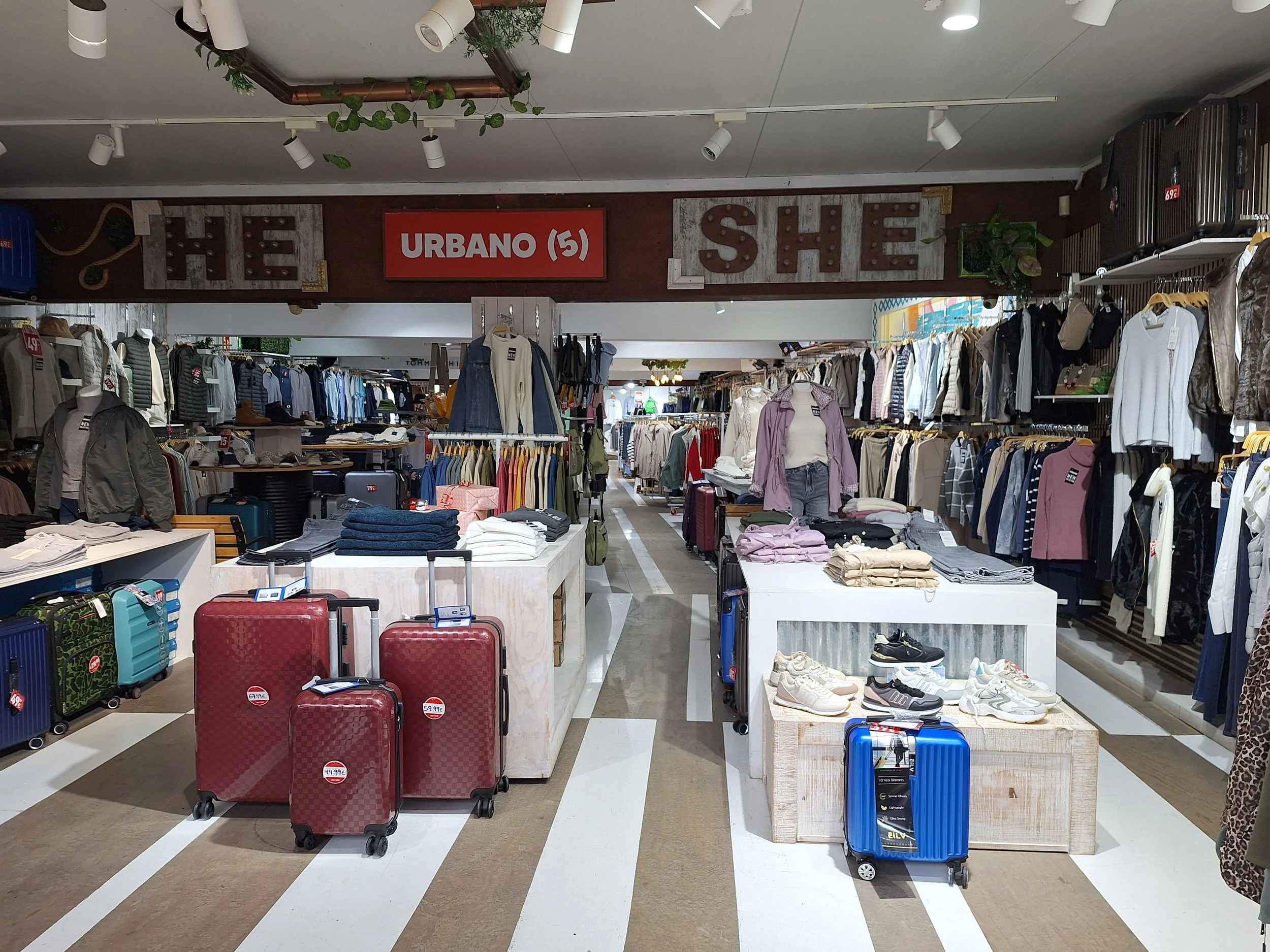
Clothes on display in a shop in Cala Millor, Mallorca. Steffen Mokosch. CC BY-SA 4.0.
Long before a shirt reaches the checkout, the brand decides how many to order, how quickly it needs them and what it will pay the factory. Those decisions affect what suppliers can afford to pay workers and how many clothes may go unsold. For Shilpi Khatun, a fairer deal would make a difference she could feel at home. She could buy cooking gas and still have enough money to make it to payday.
GET INVOLVED:
Use the Clean Clothes Campaign to urge brands to back higher wages for garment workers in Bangladesh. You can also donate to the Awaj Foundation, a local organization led by garment workers, or join Fashion Revolution in asking brands to disclose where their fabrics are made. To see whether a brand has signed the safety agreement, check the Bangladesh Safety Agreement signatory list.

Azhar Kantayeva
Azhar is International Relations student at Dokuz Eylül University in Türkiye and an emerging writer with a passion for journalism, travel, culture, and global affairs. She has experience writing about international issues, destinations, and cultural perspectives. Alongside her studies and writing, she works as an English and Turkish teacher. Her work is driven by curiosity, cultural exchange, and a desire to connect people through stories.