
By Grace Willliams
The rise of populism in Great Britain marks a search for national renewal.
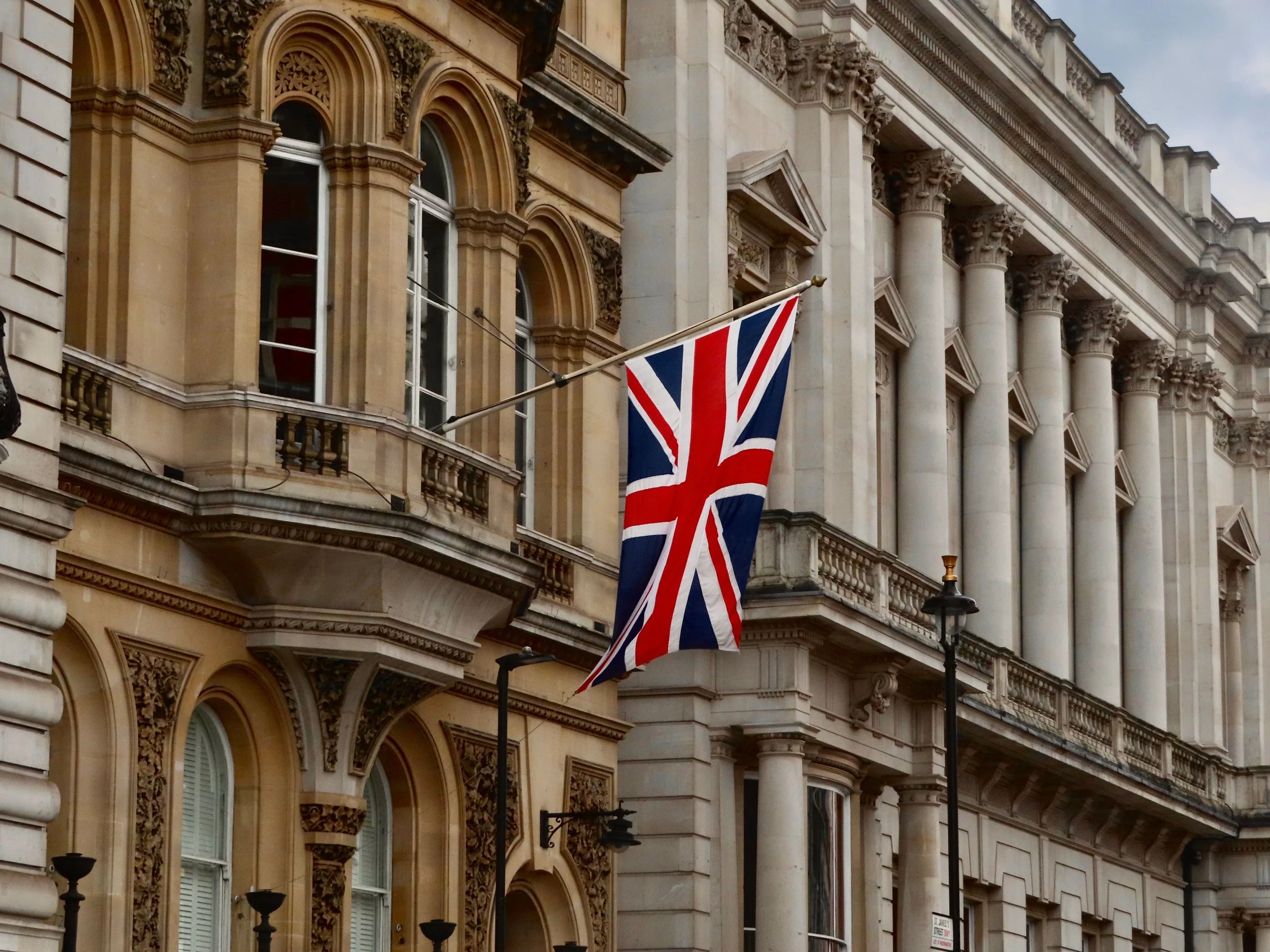
Union Jack flying in London. Cleo Beater. Pexels.
This past month, thousands of protesters gathered in the streets of central London under the slogan “Make England Great Again” (MEGA), a movement that mirrors the elements of the populist and nationalistic politics seen in the United States. The rally expressed the emerging frustration among some Brits over the economy and immigration, as well as general discontent with Prime Minister Keir Starmer and his administration. Nearby, pro-Palestinian groups gathered for the annual Nakba commemorations, underscoring the increasingly divided nature of political activism within the United Kingdom.
The movement, led by controversial far-right activist Tommy Robinson, has gained attention following his gathering last September, which drew around 150,000 attendees. Many supporters resonate with the Trump-coined slogan MAGA because of its emphasis on the struggle toward a more prominent national identity, increased border security and the perceived disconnect between political actors and citizens. The movement’s branding and messaging highlight the influence of global populist trends on British politics.
Robinson passionately encouraged demonstrators to become more politically involved in future elections, especially in 2029, warning that without action, they would “lose our country forever.” He described the campaign as a cultural movement rather than a simply political one. Additionally, Robinson praised billionaire and former de facto Department of Government Efficiency (DOGE) head, Elon Musk, stating, “None of this would have happened if it wasn’t for one man. Thank you Elon on behalf of Great Britain.”
While marchers differed in their reasons for gathering, many organizers at the most recent march hailed Union Jack flags and displayed slogans like “Starmer Out” and “Christ is King,” describing the event as a patriotic demonstration and reunification of the Kingdom. Opponents, however, pointed to ethnonationalist messaging and Islamophobic chants as evidence of the movement's far-right character.
The demonstrations come at a time when Britain faces several challenges, including debates over immigration, housing affordability and economic growth. These issues have fueled political frustration across the ideological spectrum and created opportunities for protest movements to gain visibility. Similar trends have grown throughout Europe, including the Brothers of Italy, anti-immigration measures and Spain’s Vox movement, the third-strongest political force in Spain, which advocates for centralized state power, anti-feminist policies and strict borders. These movements have attracted support from voters who feel dissatisfied with the current governments.
Whether MEGA represents an enduring political force or a temporary surge in activism remains unclear. Its future will likely depend on broader political and economic developments both within Britain and across Europe. However, the size of recent demonstrations suggests that questions surrounding identity, immigration and political representation will continue to shape public debate in the United Kingdom. As competing groups take to the streets to advocate for sharply different visions of the country's future, Britain's political divisions are becoming increasingly visible.

Grace Willliams
Grace is a rising junior at Wake Forest University, where she is majoring in Politics and International Relations with minors in Spanish and Latin American Studies. She is passionate about political pluralism, human rights, culture, and journalism. In her free time, Grace enjoys playing tennis, watching movies, and reading.