
By Nina Esteghamat
Australia’s pink lakes are a shocking natural anomaly, but their striking hue has been slowly draining.
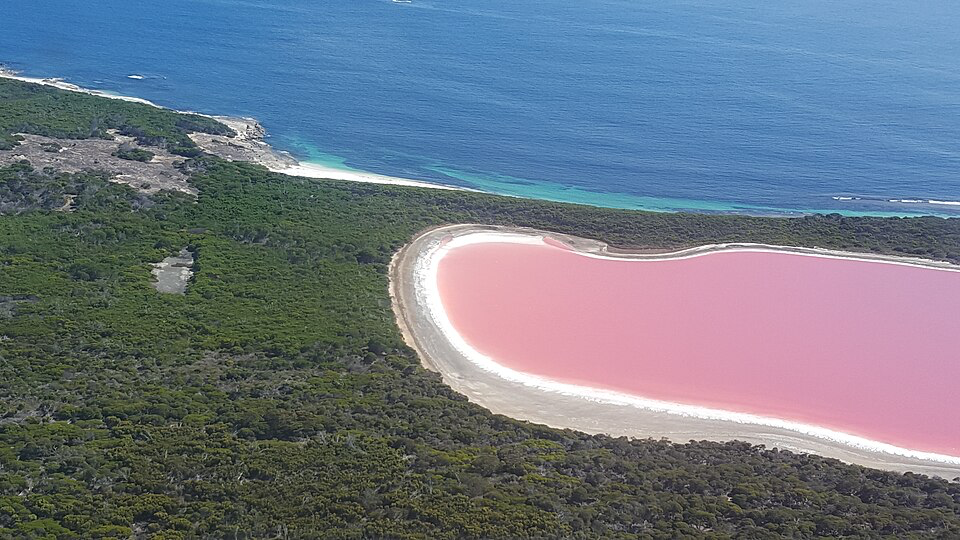
Western Australia’s Lake Hillier in 2016. Yodaobione. CC BY-SA 4.0.
While pink lakes can be found across the globe, including the United States, Mexico and Senegal, Western Australia is a hot spot for these stunning waters.
The Lakes
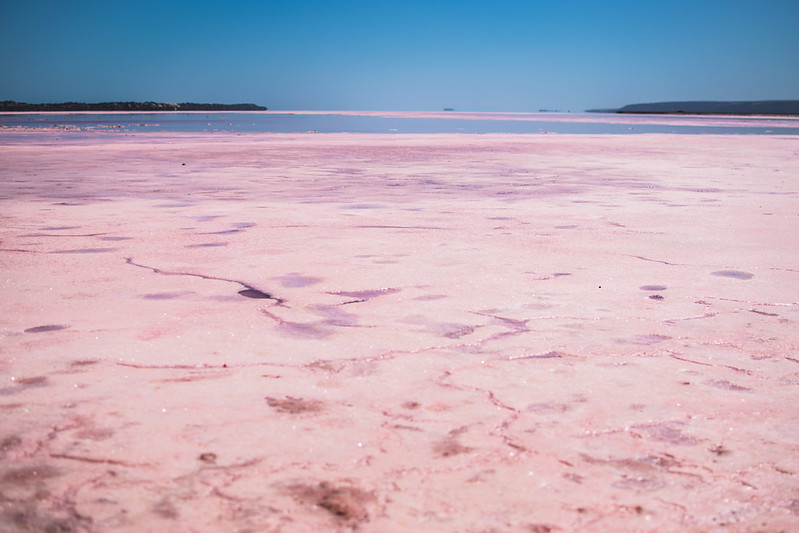
Hutt Lagoon in April, 2019. Trevor Dobson. CC BY-NC-ND 2.0.
Hutt Lagoon is one of Australia’s most famous pink lakes, located in the picturesque fishing town of Port Gregory. Travelers can drive along the Coral Coast Highway to view the lake, or take a helicopter ride to experience the beautiful contrast with the neighboring Indian Ocean.
Lake Hillier, another iconic lake, sits on Middle Island off the coast of Western Australia. The lake itself is rather small, measuring just around 37 acres, and is situated next to the Southern Ocean. The contrast between the pink lake and the blue open waters is stunning.
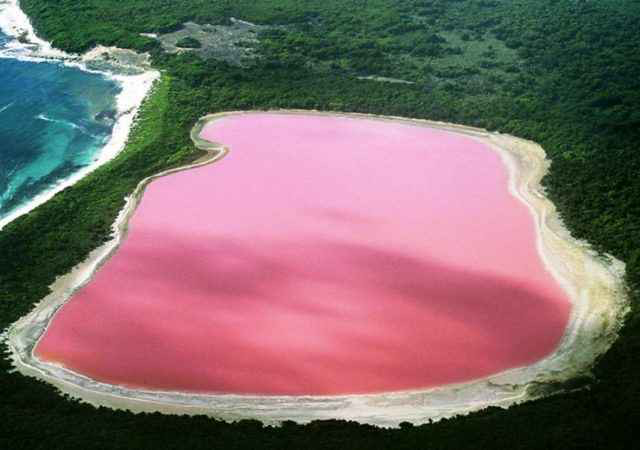
Lake Hillier in 2017. Viaggio Routard. CC BY 2.0.
The third pink-lake area is the Rainbow Lakes in Esperance, Western Australia. Around a dozen pink lakes with varying hues are nestled among green, grassy flatlands. Unfortunately, the land itself is inaccessible, but travelers can take aerial tours to view the lakes from above.
Salty Waters
The vibrant hues of a pink lake are a delicate recipe of high salt levels, bright sunlight and salt-loving microorganisms such as the alga Dunaliella salina. This alga is high in beta carotene, the same pigment that gives carrots their orange color.
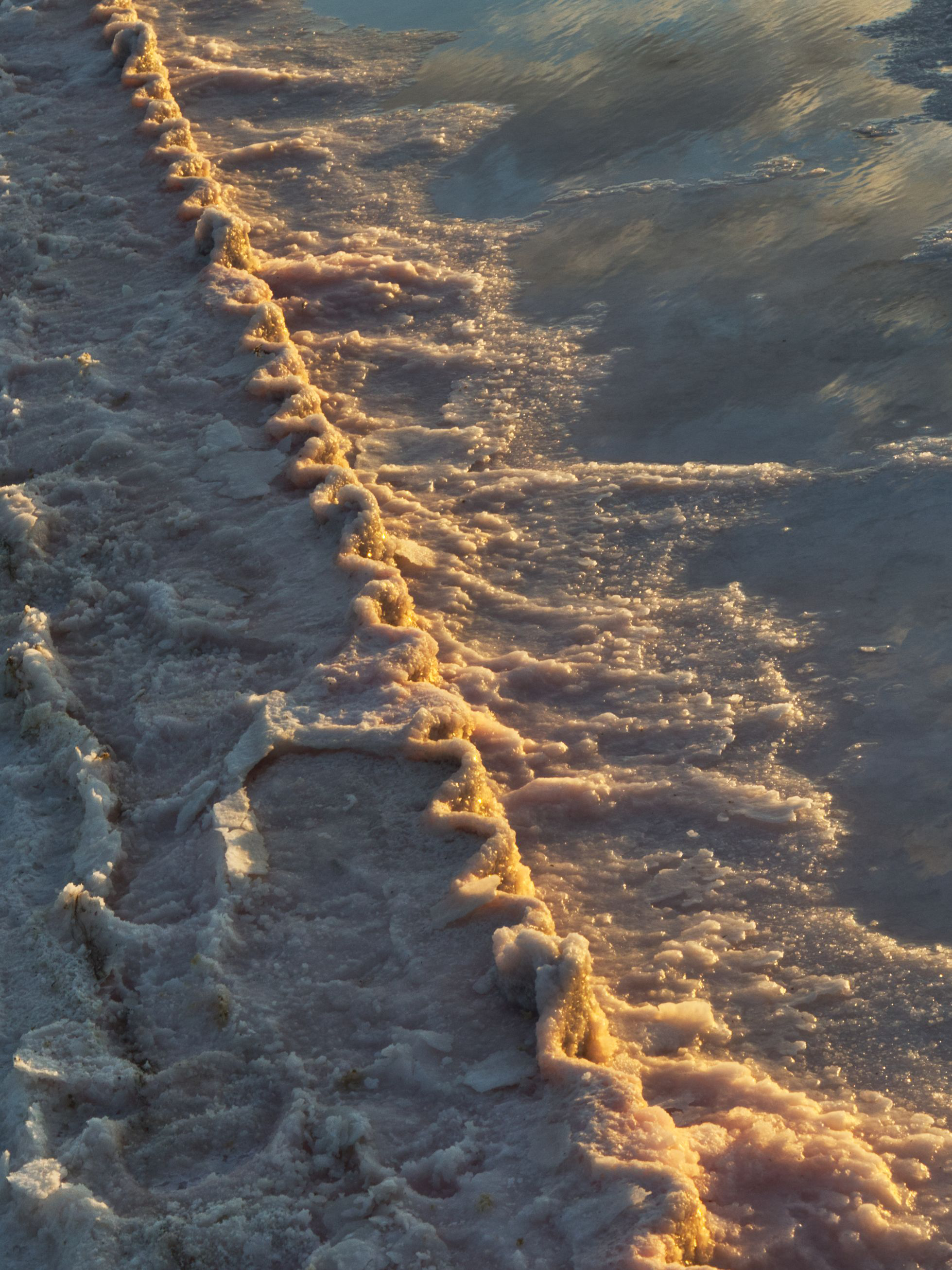
Salt deposited along the lake in Victoria, Australia. Abdus Samad Mahkri. Pexels.
However, there’s more to the molecular story. According to an article by the Australian Broadcasting Corp., molecular biologist Ken McGrath explains that the bigger influence is actually Salinibacter ruber, a red-pigmented bacterium that exists in high-salinity solutions.
McGrath worked with the Extreme Microbiome Project, a team of scientists studying organisms in extreme conditions. Officially, the organization has not recognized a source of the pink color at Lake Hillier, but McGrath’s evidence is compelling: a sample of lake water sat on a sunny spot on his desk, drawing all the algae to the side of the bottle. What remained? Pink water, with an orange algae ring on the side, pointing to Salinibacter ruber as the source of pigmentation.
Paling Pink
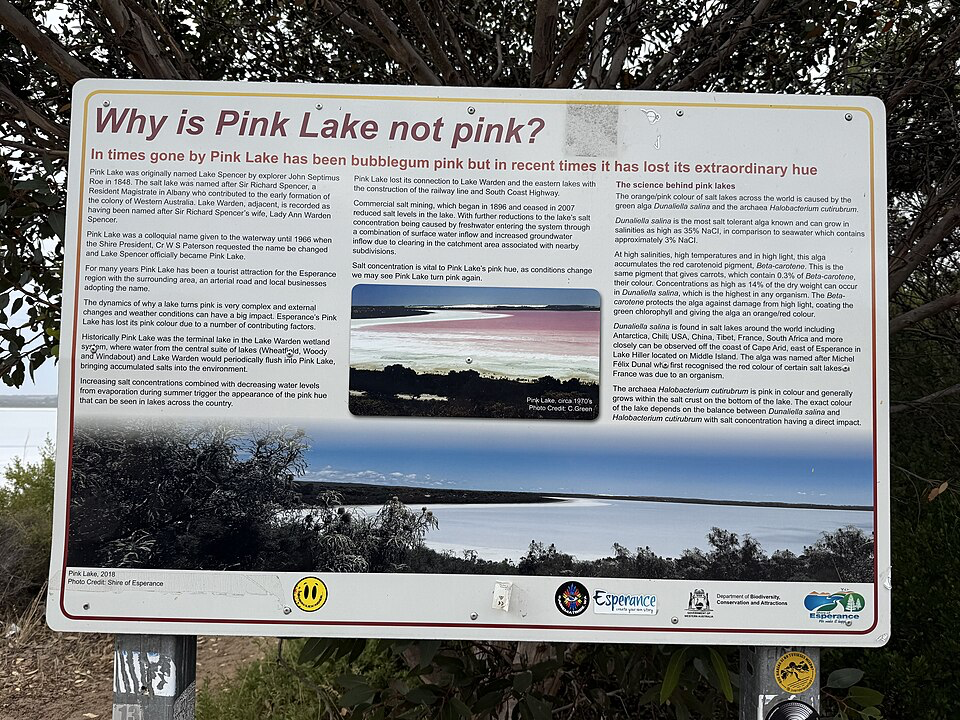
Informational sign about the lake’s color in Esperance, 2015. DaHuzyBru. CC BY-SA 4.0.
The pink hues have been vanishing. The declining color is likely due to a mix of human involvement and natural desaturation. The lakes were first recorded by Europeans in the 1800s, although Indigenous Australians knew these landscapes long before European records. People later began mining the Pink Lake for salt. As National Geographic notes, in the early 2000s, the overmining of salt led to desaturation: the pink, “salt-loving extremophiles lost their biological footing to green photosynthesizing organisms like blue-green bacteria.”
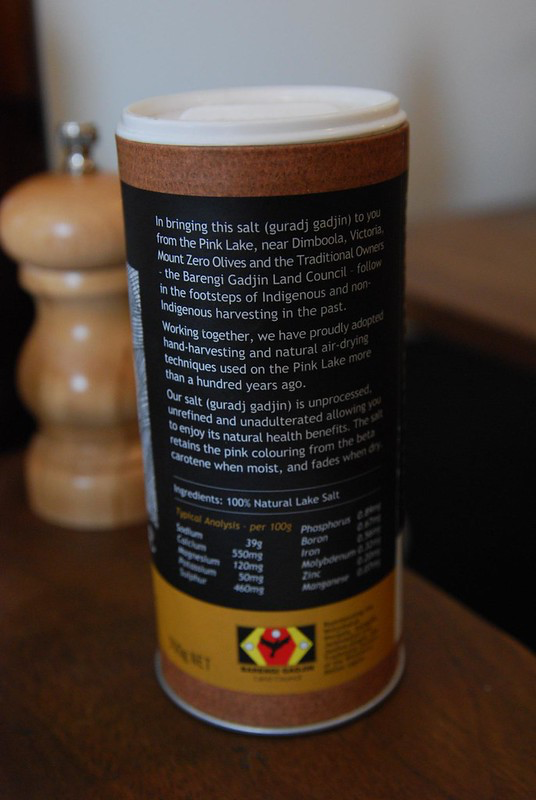
Salt canister of lake-mined salt. Alpha. CC BY-NC-SA 2.0.
It isn’t just mining that’s causing issues, however. Heavy rains can also lower the salt content of the lake and diminish its populations of halophilic bacteria.
It’s important to be aware of how both direct and indirect human interactions are changing some of the most incredible natural sceneries; overmining and climate change are affecting lakes across the world, not just in Australia.
Luckily, there is hope to re-saturate Australia’s pink lakes. In 2020, environmental scientist Tilo Massenbauer prepared the Esperance Pink Lake Feasibility Study, suggesting that Western Australia take salt from nearby Lake Warden to re-salinate the Pink Lake.
While the pink lakes are not as vibrant as they could be, scientists and activists like the Extreme Microbiome Project and Tilo Massenbauer are crucial in reviving nature’s magic, and thanks to them, these pink lakes are on their way back to brightness.

Nina Esteghamat
Nina is a student at Smith College, where she is double-majoring in English Literature and the Study of Women, Gender & Sexuality. She is passionate about bringing global awareness and a human lens to storytelling.