
By Charles Costal
What began as a small volunteer workshop in the Netherlands has become a global movement helping communities reduce waste, challenge disposable consumer culture and learn practical repair skills.
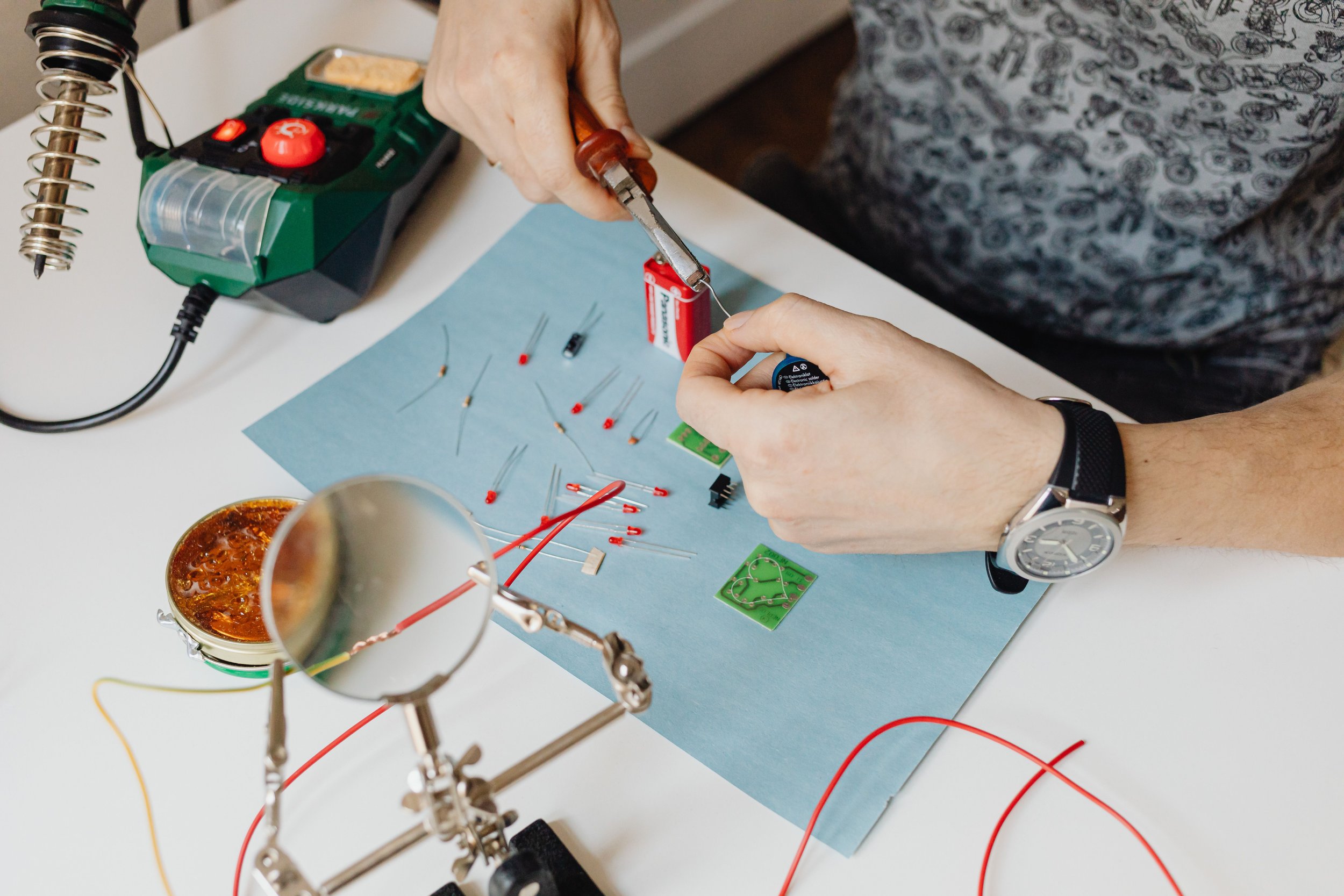
A circuit board being repaired at a soldering station. Kaboompics. Pexels.
A broken lamp, a torn jacket or a dead toaster often come with the same question: is it even worth fixing? In many homes, the answer has become no. When replacement feels faster, cheaper or simply easier than repair, everyday objects quickly move from kitchens and closets to curbs and dumpsters. Repair cafes are trying to slow that cycle.
The History and the Mission
Inside these community-run workshops, visitors bring broken household items and sit beside volunteer “fixers” who help diagnose the problem, take the object apart and, when possible, put it back into working order. The repairs are usually free. The setting is casual. And the goal is larger than saving one lamp or laptop from the trash. Repair cafes challenge the idea that broken things are automatically disposable, even though not every repair is successful.
The movement began in the Netherlands in 2009 when Dutch journalist and environmental advocate Martine Postma organized the first Repair Cafe in Amsterdam. Since then, it has spread across continents. Recent reporting from the Associated Press puts the number of repair cafes at more than 4,000 globally, with nearly 850,000 items repaired each year. Repair Cafe International also describes the movement as one that brings together visitors and skilled volunteers to repair items in a shared, hands-on learning process.
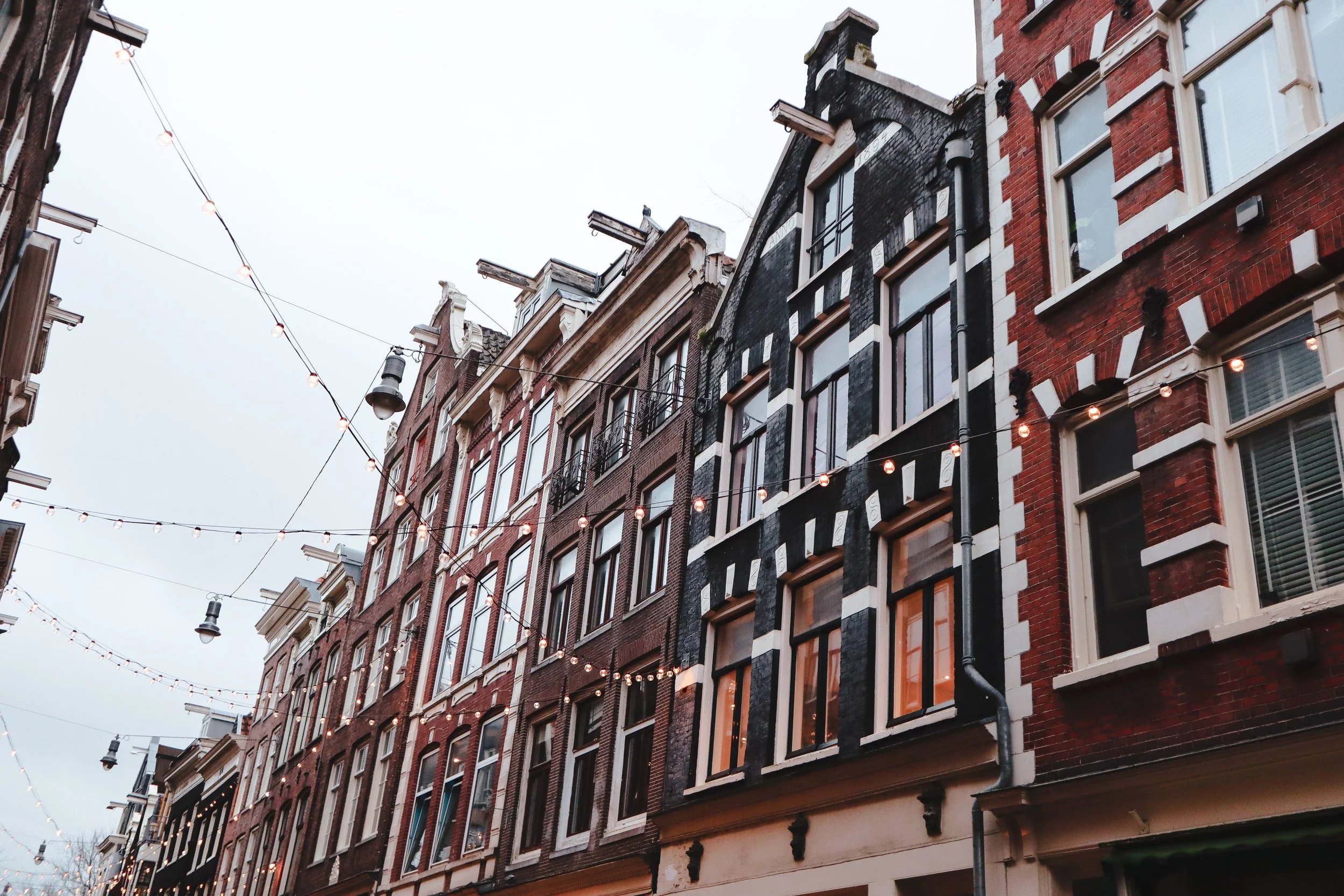
A street in Western Amsterdam. Camille Brogniart. Pixabay.
That mission comes at a time when global waste is becoming harder to ignore. The United Nations Environment Programme estimates that municipal solid waste generation could rise from 2.1 billion metric tons in 2023 to 3.8 billion by 2050. The direct cost of managing that waste was estimated at $252 billion in 2020, but when the costs of pollution, health impacts and climate damage are included, the cost rises to $361 billion. Without urgent change, UNEP projects that annual global waste costs could reach around $640 billion by 2050.
Political and Social Impact
Repair cafes certainly do not solve the global waste crisis on their own. A volunteer with a screwdriver cannot redesign an economy built on constant replacement. But these spaces make an abstract problem visible. They transform waste from a distant landfill statistic into familiar objects on a table: a fan with a loose wire, a backpack with a broken zipper, a phone with a failing battery.
Repair cafes connect directly to the broader right-to-repair movement, which argues that consumers and independent repairers need access to spare parts, manuals, tools and repair information. This concept has recently gained government traction, especially in the European Union. There, the European Union adopted a directive promoting the repair of goods in June 2024, requiring member states to comply by July 31, 2026. The directive is meant to encourage repair over replacement, making it easier for consumers to seek repairs and reduce waste for certain products.
That policy shift matters because many products are difficult to repair by design. Some are sealed with glue instead of screws. Others require specialized software, brand-specific parts or repairs that cost nearly as much as replacement. These barriers help explain why community repair spaces are both practical and political. They give people a way to keep objects useful while also exposing the systems that make repair harder than it needs to be.
The movement also has a social value that statistics cannot capture. In many communities, repair cafes operate out of libraries, schools, churches, makerspaces and neighborhood centers. Visitors do not simply drop off an item and return later. They usually sit with the fixer, watch the process and learn what went wrong. That shared process turns the repair into a form of education.
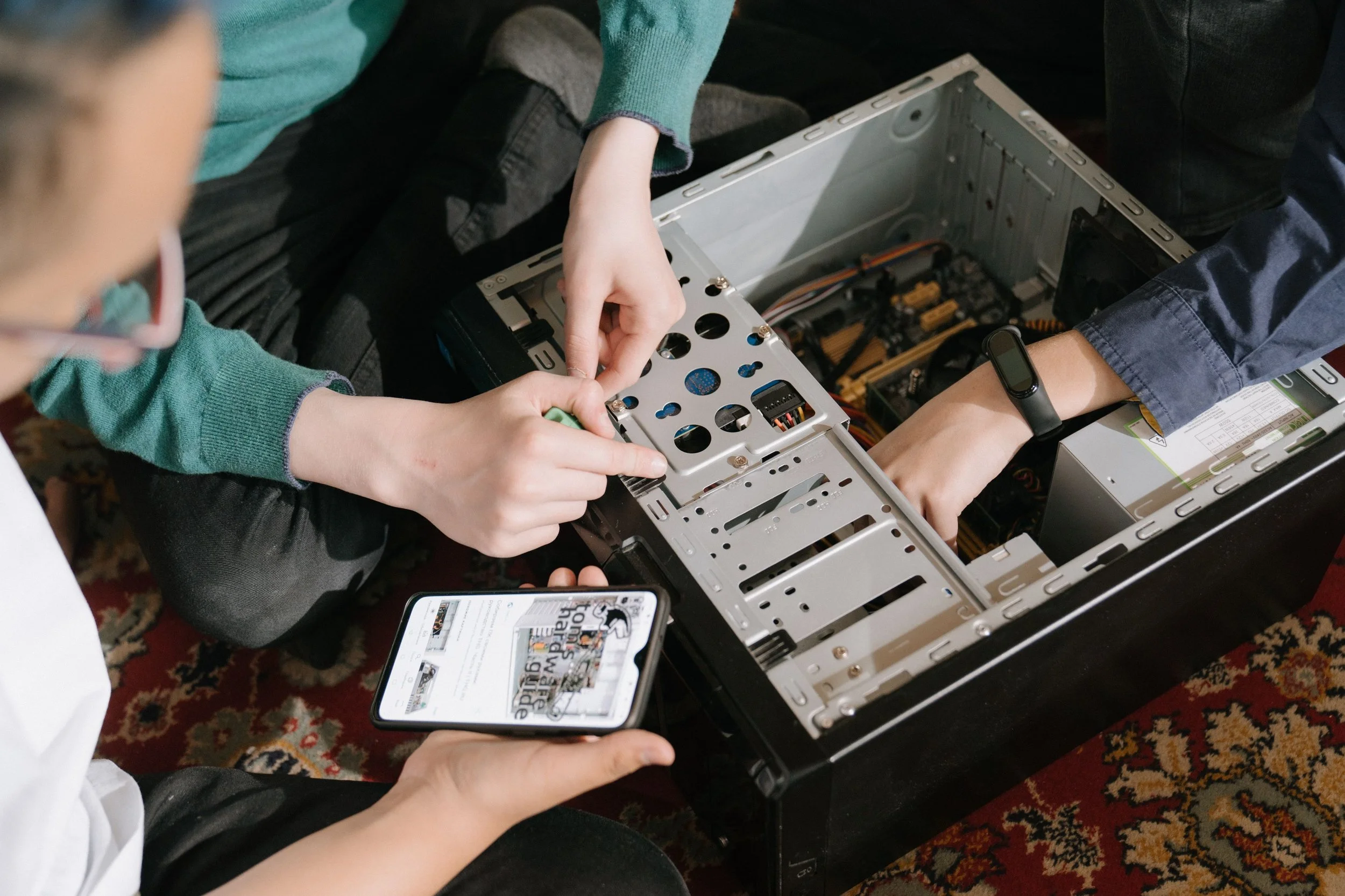
Many hands working on a computer repair. Cottonbro Studio. Pexels.
For older volunteers, the cafes can provide a way to pass down skills that were once more common in daily life. For younger visitors, they can make repairs feel less intimidating. For households facing rising costs, a fixed appliance or mended coat can provide real financial relief. In this way, repair cafes sit at the intersection of climate action, mutual aid and practical community resilience.
The model fits into a larger shift toward circularity, a framework that aims to move economies away from “take-make-waste” systems and toward reuse, repair and recycling. UNEP describes circularity as a way to redesign economies, especially in high-impact sectors like electronics, textiles, construction, plastics and mining. Repair cafes represent one of the most accessible versions of that idea: instead of waiting for corporations or governments to act, communities can create small circular systems of their own.
In a world producing billions of tons of waste each year, this shift matters. A repaired lamp will not end the global waste crisis. A mended backpack will not dismantle planned product obsolescence. But each repair keeps one object in circulation, teaches one person a practical skill and makes the throwaway economy feel a little less inevitable.
GET INVOLVED:
Readers interested in visiting a repair cafe can start with Repair Cafe International’s online directory, which allows users to search for nearby events. Visitors are typically encouraged to bring one item, stay with the fixer during the repair and understand that success is not guaranteed. Even when an item cannot be fixed, the process can help people learn whether replacement parts are needed or whether the object can be repaired safely.
Those with practical skills can also volunteer as fixers. Many cafes are in need of people who can sew, repair bicycles, sharpen tools, mend jewelry, troubleshoot electronics or simply help organize events. Nontechnical volunteers are often needed for check-in tables, publicity, photography, translation and setup.
Communities can also start their own repair cafe. Repair Cafe International offers a starter kit for local organizers, including guidance on finding repair experts, choosing a location, gathering tools and promoting the event. Libraries, schools, universities, climate groups, neighborhood associations and community centers can all serve as possible hosts.

Charles Costal
Charlie is a senior at the University of North Carolina at Chapel Hill currently pursuing a degree in Journalism and Public Policy. He is also an avid traveler, writer, and performer. His work at CATALYST aims to spread awareness on environmental sustainability and responsible traveling.