
By Charles Costal
The August 2026 solar eclipse will draw travelers from the Arctic to the Iberian Peninsula, offering remote communities an opportunity for tourism revenue but testing their ability to support it.
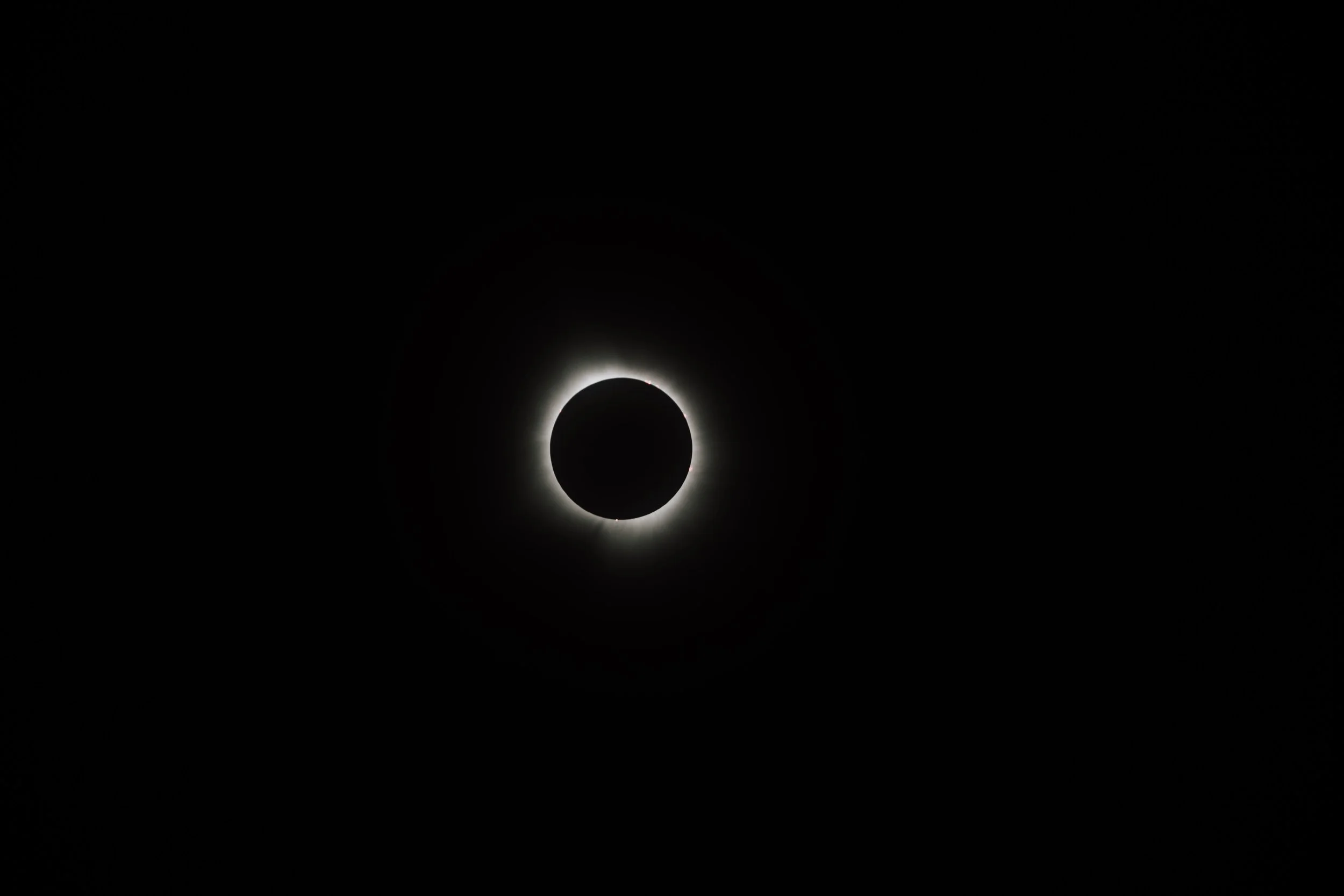
The moon’s silhouette during a solar eclipse. K. Pexels.
On Aug. 12, the moon’s shadow will cross Greenland, western Iceland, northern Spain and a small corner of northeastern Portugal. Depending on the viewing location, totality will last only around one to two minutes. Reaching it may require flights, cruises, rental cars and accommodations in communities with limited capacity.
Though the celestial event disappears almost immediately, the environmental and economic effects of the journey can remain much longer. For eclipse communities, the change is not simply attracting viewers. It is directing them toward transportation, businesses and viewing areas that can handle the attention.
Stay put instead of chasing clear skies
Eclipse travelers often move at the last minute in search of better weather. In Iceland, including Reykjavik, the Reykjanes Peninsula, Snaefellsnes and other western areas, authorities expect significant traffic and will introduce road restrictions beginning at 8 a.m. Some streets and viewing areas will be closed to vehicles, while access to the Island of Grotta will be prohibited because of dangerous tides. Freight companies have even been asked to limit travel through the western half of the country.
The responsible approach is therefore to choose one official viewing area and reach it early rather than racing across Iceland in search of clearer skies. Visitors can stay several nights, use designated parking or organized transportation and spend money on local accommodations and guides. That makes the eclipse part of a longer Icelandic journey rather than a one-day road trip scramble. Visit Iceland offers advice for responsibly navigating eclipse cities and tips to secure accommodation.
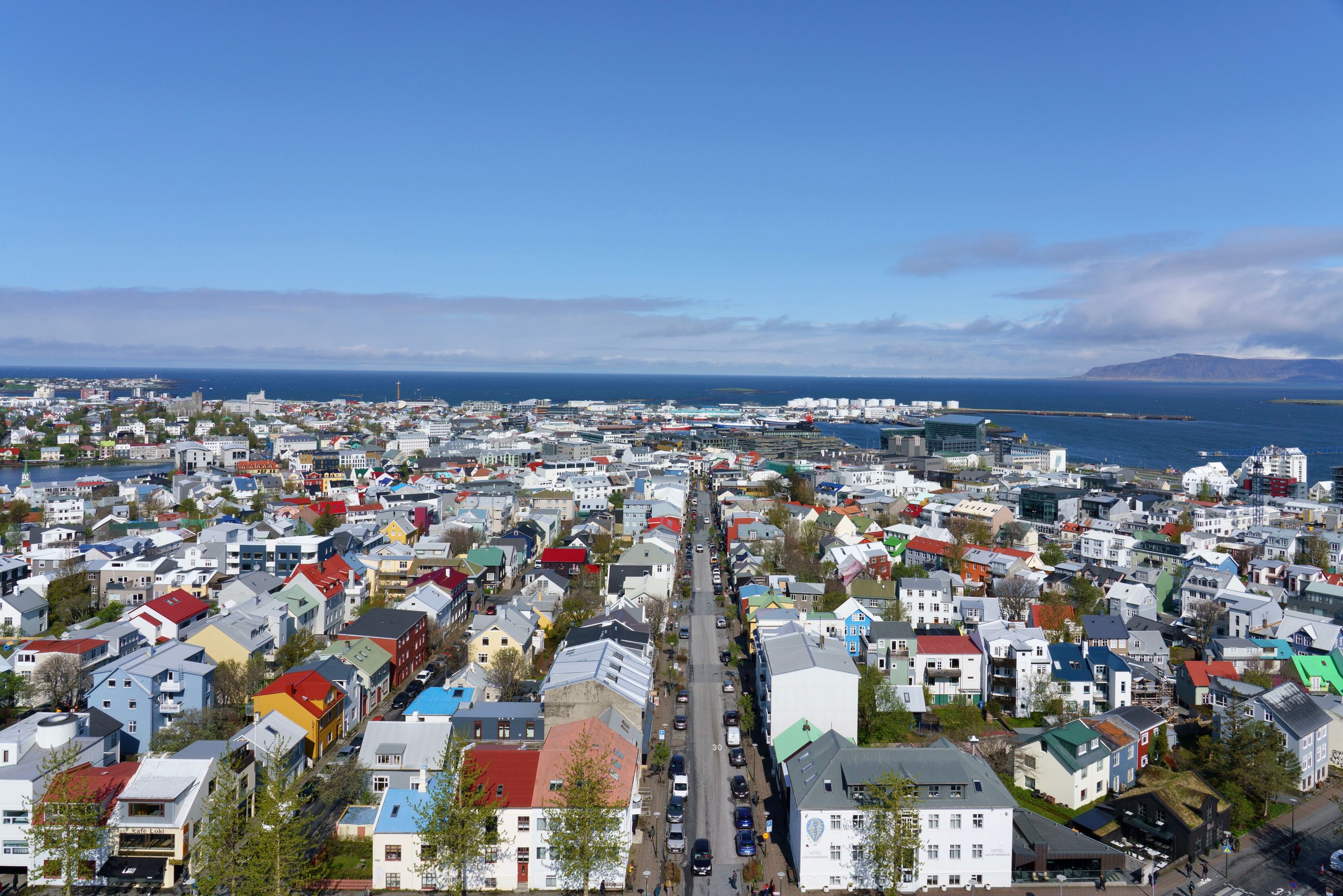
Residential Reykjavik. Susanne Jutzeler. Pexels.
Protect the landscape beneath the eclipse
Many of the eclipse’s most attractive viewing locations are also environmentally vulnerable. Icelandic moss can take decades to recover from trampling, while Arctic tundra and coastal vegetation in Greenland may be damaged by only a small number of visitors leaving established paths.
Travelers should use designated viewing areas, carry out all trash and avoid moving rocks or disturbing cultural remains. Drones should only be used where permitted, and should be avoided near wildlife, residential areas and crowded gatherings. The eclipse may feel like a once-in-a-lifetime event, but the landscapes hosting it should remain long after the visit.
Take wildfire restrictions seriously
In Spain and Portugal, the eclipse arrives during the hottest and driest part of the year. Large crowds, roadside parking and unfamiliar visitors can increase wildfire risks, especially when cars are left on dry grass or when people enter closed natural areas. Considering that over 221,000 hectares of Spanish land have already burned in 2026 as of early August, each and every visitor has a responsibility to mitigate fire risk.
Travelers should check regional emergency alerts on eclipse day and treat fire restrictions as essential safety measures rather than inconveniences. Cigarettes, grills, campfires and anything capable of creating a spark should be avoided. Visitors should also carry water, know their evacuation route and leave roads open for emergency vehicles.
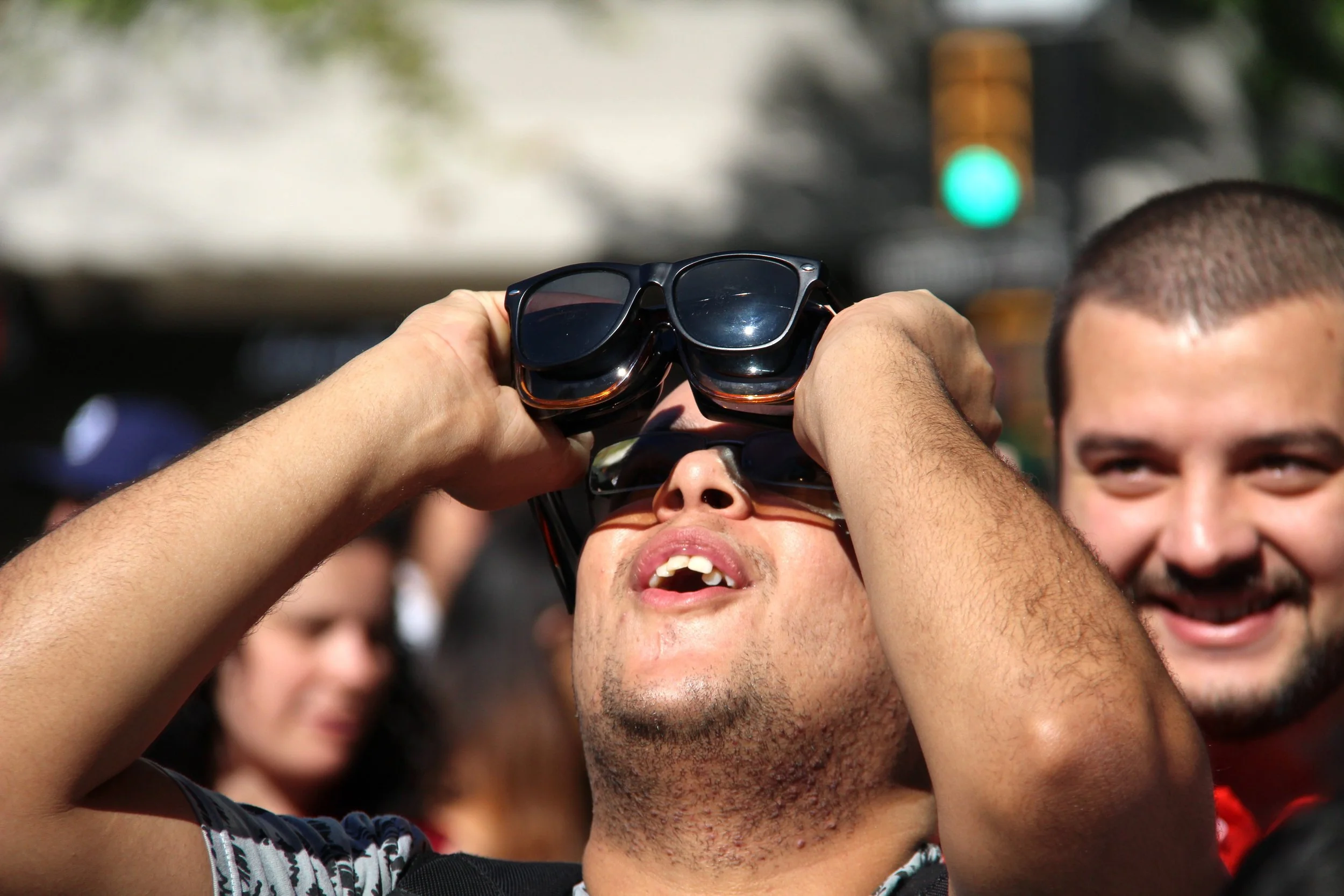
Spend money where the eclipse is happening
Eclipse tourism can deliver meaningful income to rural communities, but only when visitor spending reaches local businesses. Travelers can prioritize independent restaurants, locally owned accommodations, community guides and regional shops instead of relying entirely on international tour packages centered on the eclipse.
Responsible spending also means respecting inflated demand without taking advantage of limited local resources. Visitors should avoid hoarding groceries, fuel or water in small communities and remain patient with businesses operating beyond their normal capacity. Staying an extra day after the eclipse can also help spread spending beyond a single crowded afternoon.
Respect residents
For visitors, the eclipse is a spectacle. In Portugal, thousands of solar-viewer-donning visitors are expected in just the small northeastern area reached by the eclipse. For local residents, however, it may mean traffic outside their homes, crowded stores and disrupted routines. Travelers should avoid entering private land without permission, blocking farm roads or treating villages as viewing platforms. Although respect for residents is mandatory no matter the trip, it is especially important during the eclipse, when many travelers will seek off-the-beaten-path viewing areas.
Noise should also remain limited, particularly during early arrivals and late departures. Asking before photographing residents, cultural sites or private property is especially important in smaller Greenlandic and Icelandic communities where tourism can feel unusually intrusive.
TRAVELING THERE:
Responsible eclipse travel is no longer primarily about choosing where to go. For thousands of visitors, that decision has already been made. What matters now is how they behave once they arrive. The moon’s shadow will disappear within minutes; the best travelers will leave almost as little behind. For more information, the European Space Agency offers an eclipse map and best practices for viewing the eclipse. Information by host country can be found below:
Iceland: SafeTravel Iceland offers regional weather, road and outdoor safety alerts and emergency information. It is operated by the Icelandic Association for Search and Rescue.
Spain: Spanish Civil Protection and Emergency Alerts offers current heat, wildfire and emergency guidance.
Greenland: The Association of Arctic Expedition Cruise Operators offers detailed regulations for protected Arctic areas, wildlife distances and cultural heritage across Greenland.
Portugal: The National Authority for Emergency and Civil Protection hosts current emergency notices and wildfire alerts for residents and travelers.

Charles Costal
Charlie is a senior at the University of North Carolina at Chapel Hill currently pursuing a degree in Journalism and Public Policy. He is also an avid traveler, writer, and performer. His work at CATALYST aims to spread awareness on environmental sustainability and responsible traveling.