
Daud Azfar
14 million lives could be lost by 2030, according to a study by The Lancet, as a result of defunding USAID.
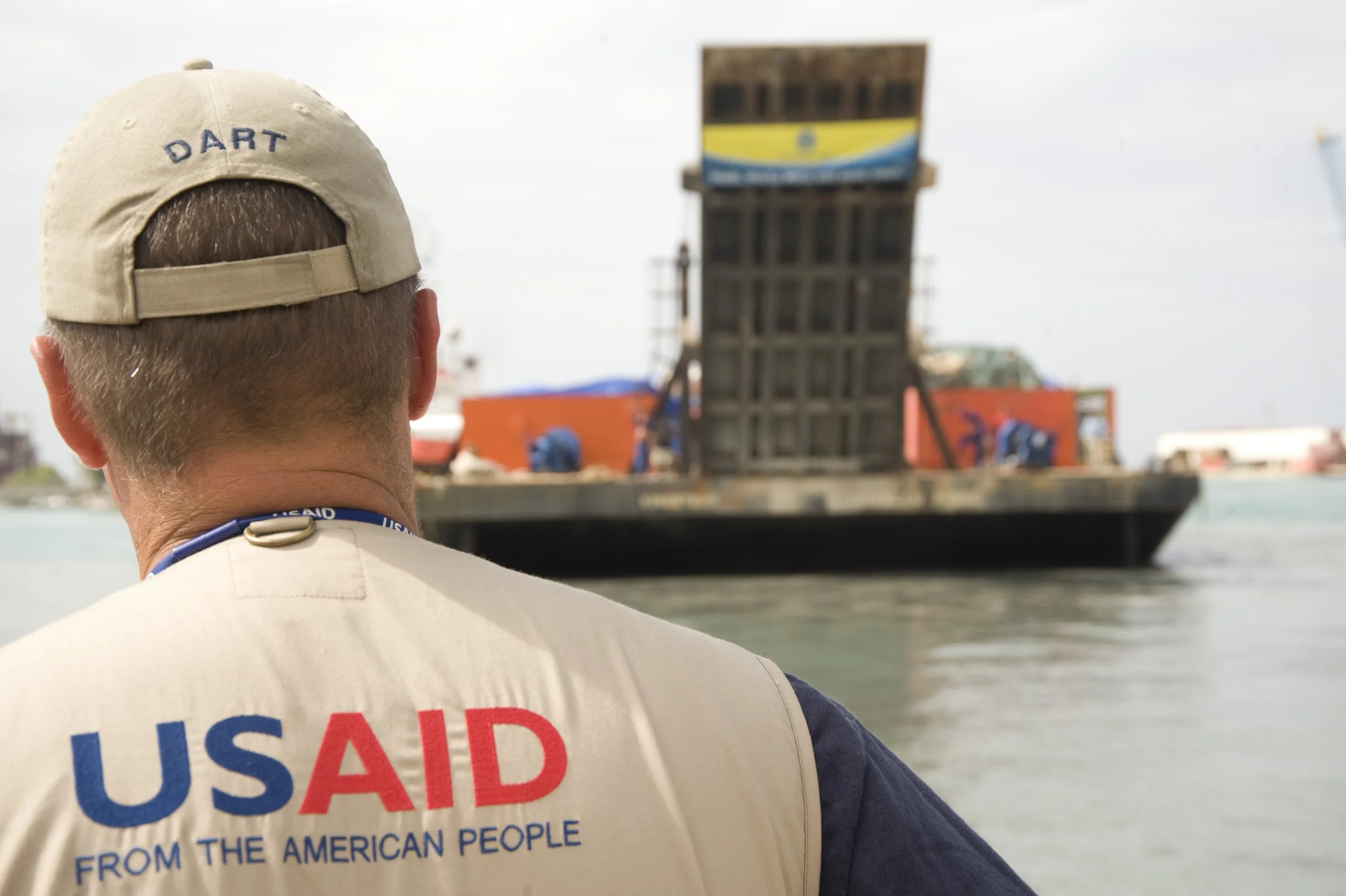
Relief supplies arriving in Port-au-Prince, Haiti. Chris Lussie. CC BY-SA 2.0.
After more than 60 years of operation, the main international aid organ of the U.S., USAID, or the United States Agency for International Development, has shut down. The U.S. Secretary of State, Marco Rubio, announced in a post on Substack, "As of July 1st, USAID will officially cease to implement foreign assistance," while heavily criticizing the organization’s operations over the last few decades for their high cost, inadequate achievements and failure to further “an American First foreign policy.” This official announcement came after both President Trump and the former DOGE director, Elon Musk, lambasted USAID as corrupt and ineffective. The administration downsized the organization through large firings and furloughs, as well as budget cuts overseen by DOGE and an executive order in January that froze nearly all foreign aid, through which USAID operates, for 90 days. These measures made operating USAID virtually impossible, causing the decades-old organization, which a study from the medical journal, The Lancet, claims has prevented some 91 million deaths from 2001-2021, to shut down.
USAID was set up in 1961 by President Kennedy’s executive order during the Cold War, following the passing of the Foreign Assistance Act by Congress. The establishment of USAID put all non-military foreign aid under one umbrella, with Kennedy stressing his desire to approach foreign assistance with “a more logical, efficient and successful long-term plan.” Prior to this, there were several government agencies and departments responsible for foreign aid distribution, largely coordinated by the U.S. Department of State. Crucially, the organization was seen as a means of fighting communist influence with development aid, incentivizing developing countries to “choose” the U.S. The transcript for a planned speech at the Dallas Trade Mart, which he was on his way to give on the day he was assassinated, reads, , "The success of our leadership is dependent upon respect for our mission in the world as well as our missiles—on a clearer recognition of the virtues of freedom as well as the evils of tyranny."
Foreign assistance programs allot the U.S. positive attitudes from abroad, which has provided an important and perhaps easily overlooked part of the process through which the U.S. overpowered the Soviet Union and became the global hegemon. USAID was at the forefront of the AIDS/HIV crisis, the Haiti earthquake, the Bangladesh cyclone, and the COVID-19 pandemic, to mention a few. Many would say the favorable outlook much of Africa, as well as Latin America and parts of Asia, like the Philippines and Indonesia, has of the U.S. owes a lot to the soft power of USAID, helping countries to see the U.S. as an ally and morally conscious superpower. Michael Schiffer, a U.S. foreign and defense policy expert and formerly a top-ranking official in USAID, is one of many to point out that the end of USAID will “leave the field wide open” for China and even Russia to expand their influence.
Why then was the Trump Administration so keen to get rid of USAID? The President has described the organization as “corrupt,” and his administration has criticized it for “waste and abuse.” His rhetoric indicates a primary concern that USAID didn’t prioritize American interests and wasn’t making effective use of the billions given to it. A 2024 performance audit conducted by the independent accounting firm Williams, Adley & Company, which was commissioned by USAID, did highlight inefficiencies and bureaucratic problems regarding overhead costs. Also, many point out that the U.S. has for decades been the largest donor of international aid, giving almost double the $32 billion from Germany, the second-highest donor country. Supporters of the President argue that these billions should be spent to promote development and alleviate poverty within the United States before going to foreign countries.
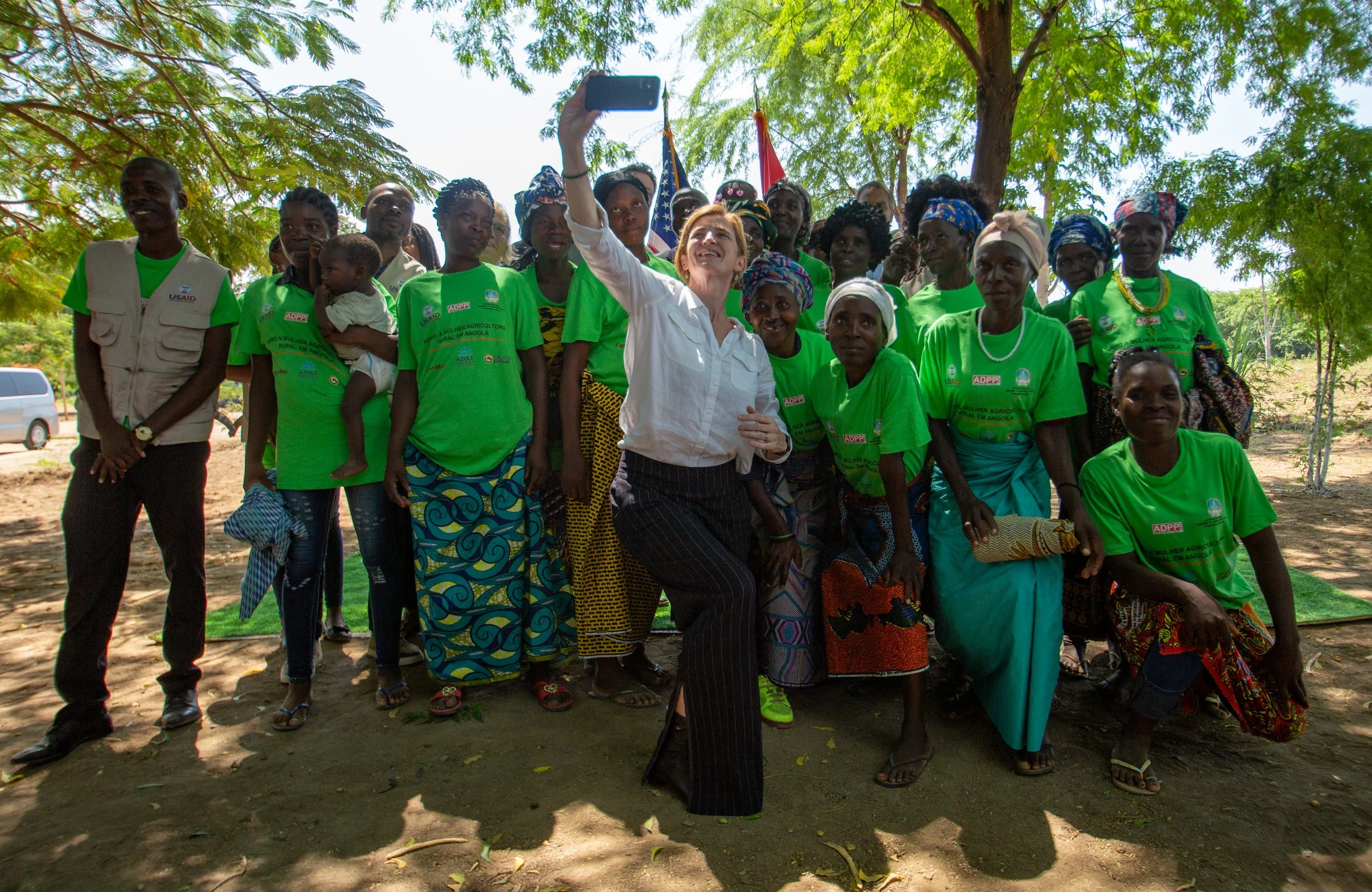
USAID administrator with female farmers in Angola. USAID U.S. Agency for International Development. CC BY-NC 2.0.
Nonetheless, it is hard to deny the extensive humanitarian work USAID has done and how damaging these cuts to foreign aid by the U.S. will now be. The same report from The Lancet, cited at the beginning of this article, says that the funding of USAID could lead to 14 million deaths by 2030. The U.S. has been by far the largest provider of foreign aid in absolute terms, and the support USAID provided to low and middle-income countries, especially in the fight against infectious diseases, has saved countless lives. With the majority of USAID programs cancelled and some critical programs still running under the Department of State, it seems tough for anyone to fill the shoes of the world’s largest economy. Former Chief Economist of USAID, Dean Karlan, highlights that despite its vast aid expenditure, as a share of total federal budget, the U.S. does not rank very high in providing aid when compared to other developed nations. He notes that public opinion polls show that Americans believe they spend some 25% of their budget on foreign aid and think that they should spend 10%, when in reality “only about 0.6 or 0.7% of the national budget goes to USAID.”
GET INVOLVED:
The Red Cross, UN Volunteers Program and Doctors Without Borders offer volunteering opportunities around the world. CARE USA and Mercy Corps are examples of major U.S.-based organizations that provide various opportunities to get involved. Additionally, one can write to their elected representatives and stress their desire to increase international aid programs.
Daud Azfar
Daud is a second-year student at the University of Virginia, planning on majoring in Politics and Economics. Having grown up in Pakistan, he’s very passionate about the importance of education and social justice. Outside of school, he enjoys spending time with his friends, playing pickleball, and exploring new coffee shops.