
Kelcie Lee
A variety of organizations work with young women in sub-Saharan Africa to fight sexual violence.
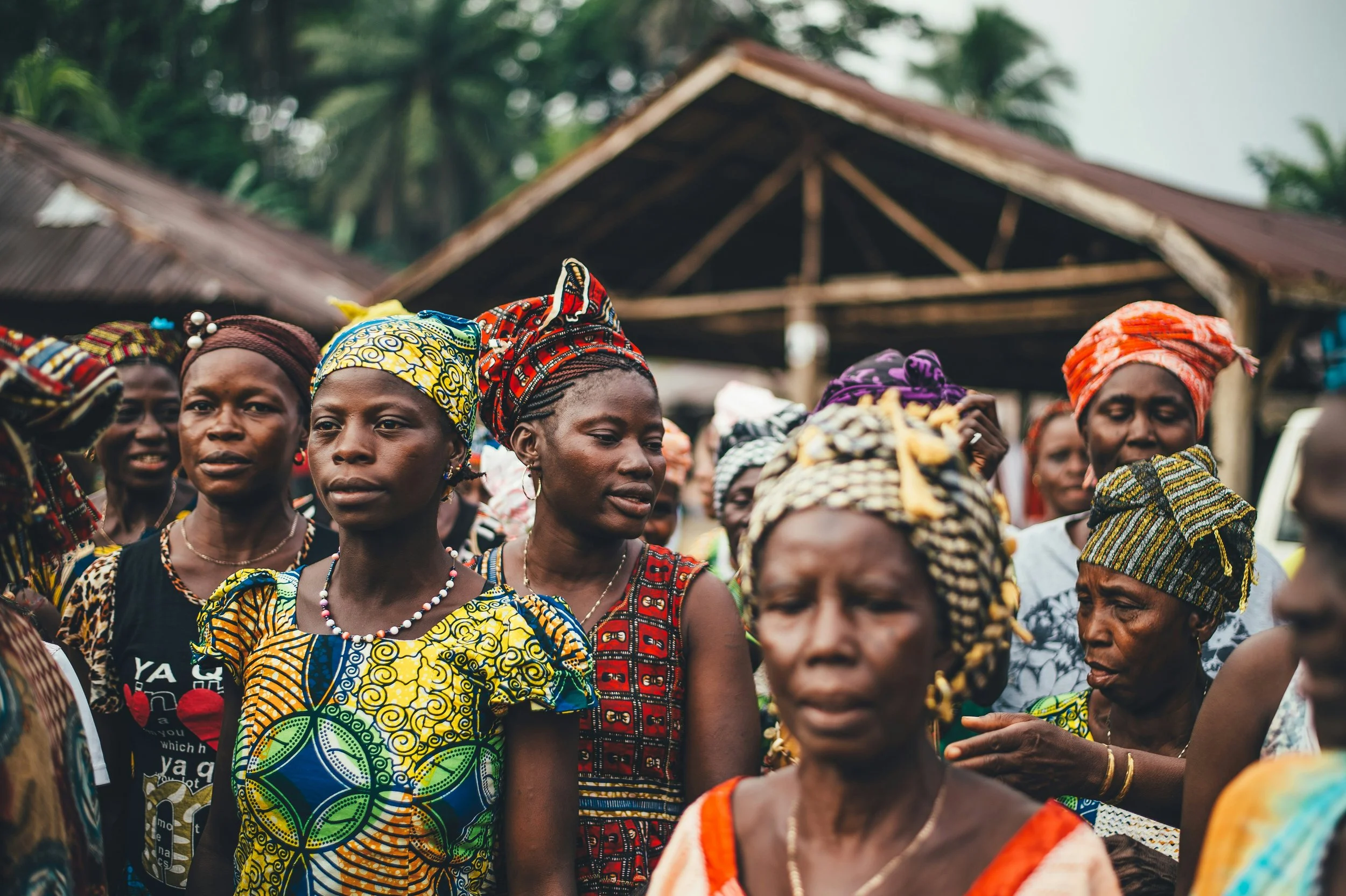
Women in Sierra Leone. Annie Spratt. Unsplash.
Sub-Saharan Africa holds the highest number of young women who have endured sexual violence in the world, according to the United Nations. Before the age of 18, one in five, or 79 million, girls have been victims of sexual assault or rape in this region.
“Children in fragile settings are especially vulnerable to sexual violence. We are witnessing horrific sexual violence in conflict zones, where rape and gender-based violence are often used as weapons of war,” said UNICEF Executive Director Catherine Russell.
Throughout sub-Saharan Africa, the lack of peace and security stains the poverty-stricken region. This has also thoroughly harmed economic growth and the foundations of education, leading to increased vulnerability for residents. Sub-Saharan Africa is also listed as a region with increasing counts of FCV, or fragile, conflict-affected and violent, countries.
While there are a variety of laws in sub-Saharan Africa that address rape, sexual violence and domestic violence, cultural taboos, corruption and police inaction have led to implementation challenges and roadblocks. Victims often face stigma and must pay bribes for medical reports or police attention, which also often leads to an under-reporting of sexual violence.
Survivors often carry the trauma of sexual violence into adulthood, which can lead to mental health problems, such as anxiety and depression, substance abuse and higher risks of sexually transmitted diseases. There is also an increased likelihood of these health concerns if the victim keeps the trauma undisclosed or a secret. Additionally, survivors have faced challenges in accessing the appropriate health care and support, especially in rural areas of sub-Saharan Africa. Disparities between urban and rural areas are increasingly prevalent, with women living in rural areas more likely to experience repeated sexual violence.
To combat the high rates of sexual violence in sub-Saharan Africa, a variety of organizations offer different forms of support, from education and health services to legal aid. The United Nations plays a fundamental role in scope and size through initiatives combating gender-based sexual violence, such as the Spotlight Initiative and the United Nations Population Fund. At a similar scale, the African Union has shaped continental policy and legal frameworks toward gender equality and safety through its Women, Gender and Youth Directorate and the human rights Maputo Protocol. While these efforts help support millions of people, local efforts also play a role in this expansive issue.
Dr. Denis Mukwege, a Congolese surgeon and the 2018 Nobel Peace Prize laureate, founded Panzi, a support foundation and hospital that treats sexual assault survivors, while also providing legal, socio-economic and psychosocial services. From his efforts, he has also advocated for protecting women from sexual violence.
“The scourge of sexual violence continues to spread in all contemporary conflicts…Women and children are targeted by combatants to disorganize and subjugate the opposing communities,” Mukwege said. “The destruction of social cohesion, organizational capacity,…and children without parentage in the community—this is very dangerous. It’s not destroying one person. It’s destroying the entire society, and the[re are] consequences also on the next generations.”
Additionally, the organization Women Leaders Network for Development is a hub for communities to advance in gender justice, human rights, advocacy and civic spaces across sub-Saharan Africa. Spread across its large network of 27 sub-Saharan countries, Women Leaders Network for Development advocates for public policies through legal frameworks, ensuring that female voices are a part of decision-making processes. With offices in Ghana, Benin and The Gambia, the organization hopes to foster safety, dignity and freedom to create lasting social transformation.
The nonprofit TEARS Foundation has a slightly smaller reach, but it hosts medical, legal and psychological services, such as hotlines, throughout South Africa for survivors of rape and sexual abuse. The organization also works to hold perpetrators accountable for their behavior and prevent further victimization through education and awareness campaigns.
The Western-founded nonprofit organization Freely in Hope is dedicated to equipping survivors and advocates to lead in ending sexual violence in Africa, with support from survivors themselves in Kenya and Zambia. Freely in Hope strives to end the cycle of sexual violence by providing access to educational opportunities, such as through its scholarship program. This program offers legal aid, health care, safe housing, mentorship, counseling, tuition and community to those affected by sexual violence. Through the fight to end sexual violence in sub-Saharan Africa, a multitude of organizations, both small and large, have played a role in shaping what safety and empowerment mean for young women.

Kelcie Lee
Kelcie is a second-year student at UC Berkeley majoring in history and sociology, with a minor in journalism. She developed her passion for writing and journalism in high school, and has since written for a variety of news and magazine publications over the last few years. When she isn't writing, Kelcie can be found drinking coffee, listening to music or watching the sunset.