
Daud Azfar
The long-exiled Dalai Lama has confirmed he will have a successor, defending that “no one else” has authority in this matter.
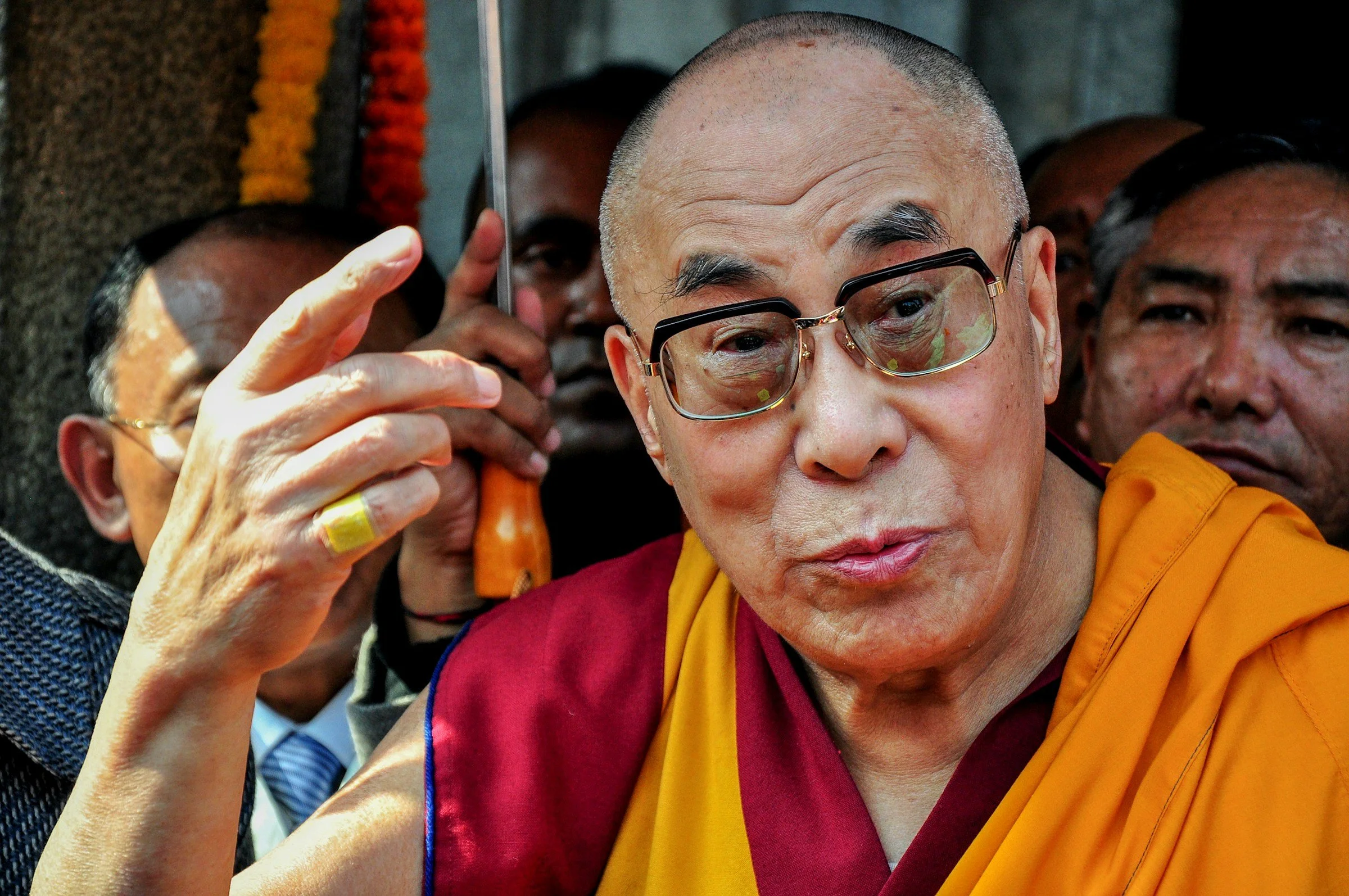
14th Dalai Lama. Norbu Gyachung. Unsplash.
The 14th Dalai Lama, spiritual leader and head of the Tibetan Buddhists, has put an end to decades of uncertainty regarding the future of the Dalai Lama post. In a July address during his 90th birthday week, which saw the gathering of thousands of monks and followers in his residing town of Dharamshala, India, the Dalai Lama said, "I am affirming that the institution of the Dalai Lama will continue.” He explained that the Gaden Phodrang Trust, the foundation he established and oversees, will carry out the relevant procedures to procure a successor according to past tradition. He reiterated that no one else has the authority to interfere in the matter. This unequivocal remark seems to be directed at the Chinese government, which controls the Tibet Plateau, the historic homeland of the Tibetan Buddhists, and has rejected this prospect, asserting that they have the ultimate authority over this decision.
The Dalai Lama is a centuries-old position regarded as an emanation of Avalokitesvara, the bodhisattva, or enlightened being, of compassion. The title translates to “ocean of wisdom,” and was first used in reference to the third Dalai Lama, the abbot Sonam Gyatso, by the Mongol King Altan Khan. The term posthumously recognizes the abbot’s two successors as the first two Dalai Lamas. Although Tibet used to have many monastic orders and several lamas, it was the fifth Dalai Lama who unified Tibetan Buddhism under the Gelug school, one of the four main schools of Tibetan Buddhism, which puts great emphasis on discipline, ethical purity and clear hierarchical standards. Defeating rivals with the help of the Mongols, he set up the Gaden Phodrang Government.
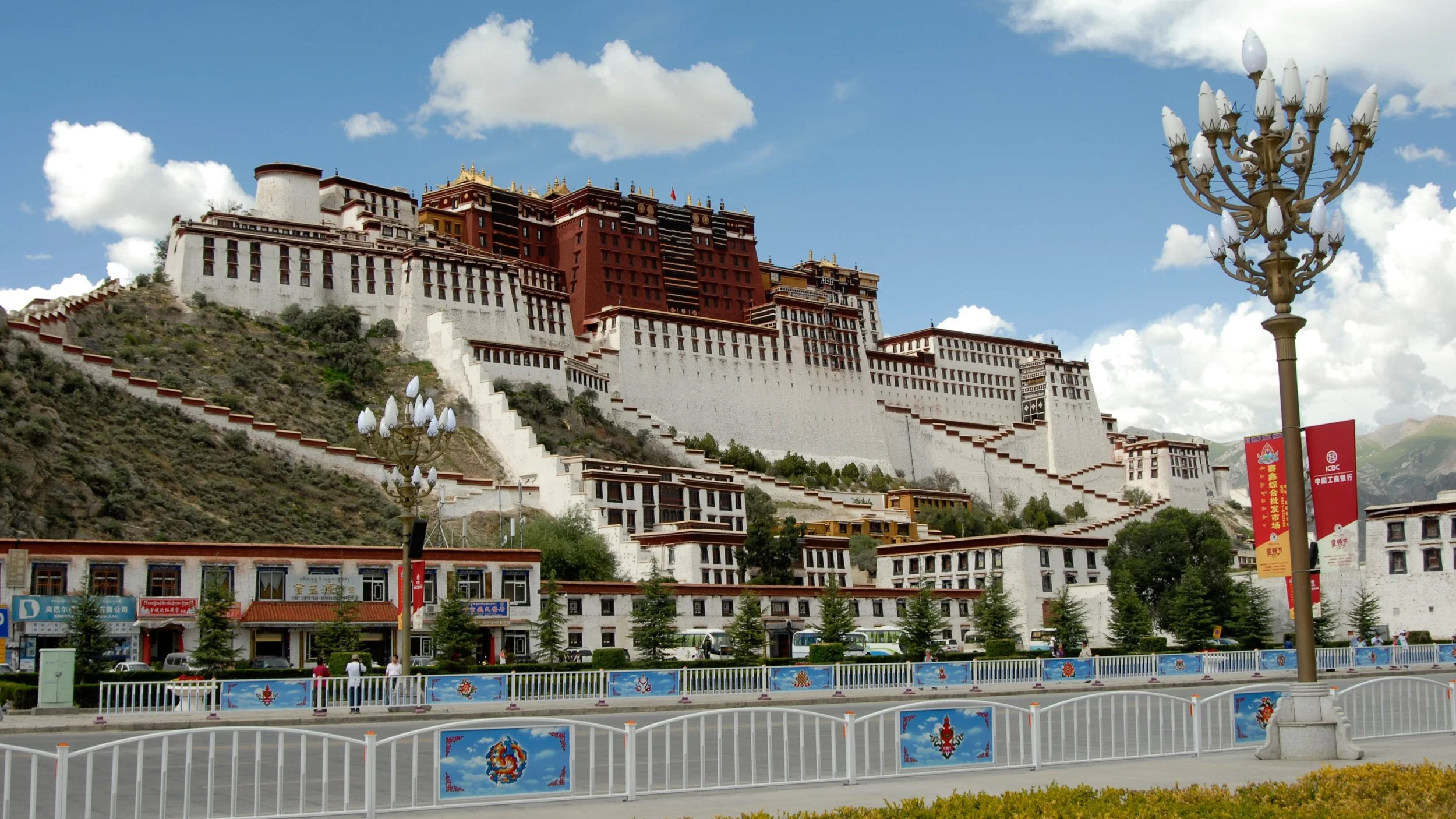
Potala Palace, former seasonal residence of the Dalai Lamas. Herbert Bieser. Pixabay.
The position has a complex history. The process of finding the new Dalai Lama traditionally occurs after the passing of the incumbent, as each new Dalai Lama is considered a reincarnation of the ones before them. Those selected were often young boys, although the current Dalai Lama has said that there’s no reason the new one couldn’t be a girl. Regents ruled for them, often continuing their de facto reign even after the Dalai Lamas received full authority. Regardless, Tibet largely remained an isolated theocracy for centuries until the 13th Dalai Lama, who, facing external threats from the British and the Chinese respectively, declared independence after the Qing Dynasty collapsed and made efforts to increase his global image.
When the Chinese Communist Party (CCP) came into power, it vowed to “liberate” Tibet and, after a military invasion, got a Tibetan delegation to sign the infamous Seventeen Point Agreement that recognized Chinese sovereignty while also maintaining Tibetan autonomy. Yet, the promises of autonomy were left unfulfilled, and as the CCP’s People’s Liberation Army began exerting more and more control over Tibet, a massive uprising began in Lhasa. When it was crushed by the CCP, the 14th, and current, Dalai Lama fled to India, disguised as a soldier, fearing for his life. He has lived in Dharamshala ever since, in a suburb often called “Little Lhasa,” heading his community from exile. The Nobel laureate continued and globalized his predecessor’s efforts to empower the Tibetan Buddhists and make them known to the world, giving many interviews in his lifetime and remaining an important and well-known global figure.
Unlike his predecessor, the current Dalai Lama believes in the Middle Way Approach to the Tibet Issue, where Tibet remains part of China but retains a high amount of autonomy. Beijing, however, maintains that he is a separatist and considers India’s support and hosting of the Dalai Lama as interference in their internal affairs. It is important to know that the Tibetan Plateau is strategically important to China, being the source of major rivers like the Yangtze and giving China a strategic vantage point over India. Historically, the West has diplomatically supported the Dalai Lama and criticized some of China’s policies in Tibet, while still recognizing Tibet as undisputedly Chinese territory. For both India and the U.S., though, the presence of the Dalai Lama can be seen as diplomatically advantageous. Experts call the U.S.’s relationship with the Tibet issue “opportunistic,” seeing India’s role as a form of leverage over China.
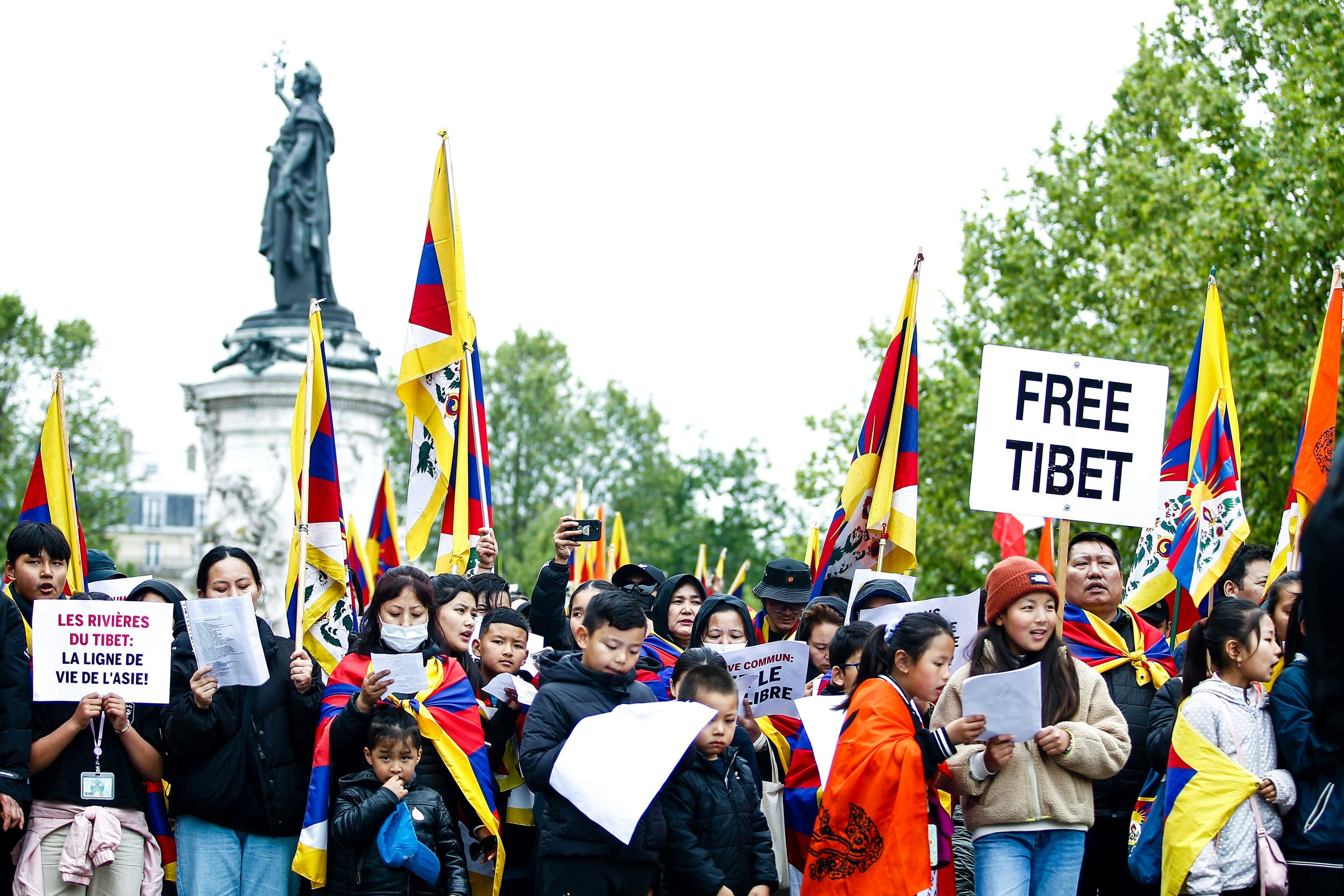
Tibet protests in Paris. Norbu Gyachung. Unsplash.
The recent succession announcement will be a relief for these countries, but it also highlights that the position is far from solely spiritual and is riddled with geopolitical nuance. Whoever the next Dalai Lama will be, they will certainly be a consequential figure, not just to Tibetan Buddhists, but in a larger geopolitical game that sees China emerging as a superpower and the U.S. eager to restrain its dominance, all while India increases its own economic and military might.
GET INVOLVED:
If you are looking to support the effort for Tibetan freedom, you can donate to and check out organizations like the International Campaign for Tibet, Students for a Free Tibet, and The Tibet Fund, which focus on the development and free determination of the Tibetan people.
Daud Azfar
Daud is a second-year student at the University of Virginia, planning on majoring in Politics and Economics. Having grown up in Pakistan, he’s very passionate about the importance of education and social justice. Outside of school, he enjoys spending time with his friends, playing pickleball, and exploring new coffee shops.