
Kleigh Carroll
Booking a trip with a responsible tourism company can help ensure that you leave a positive impact on the communities you visit.
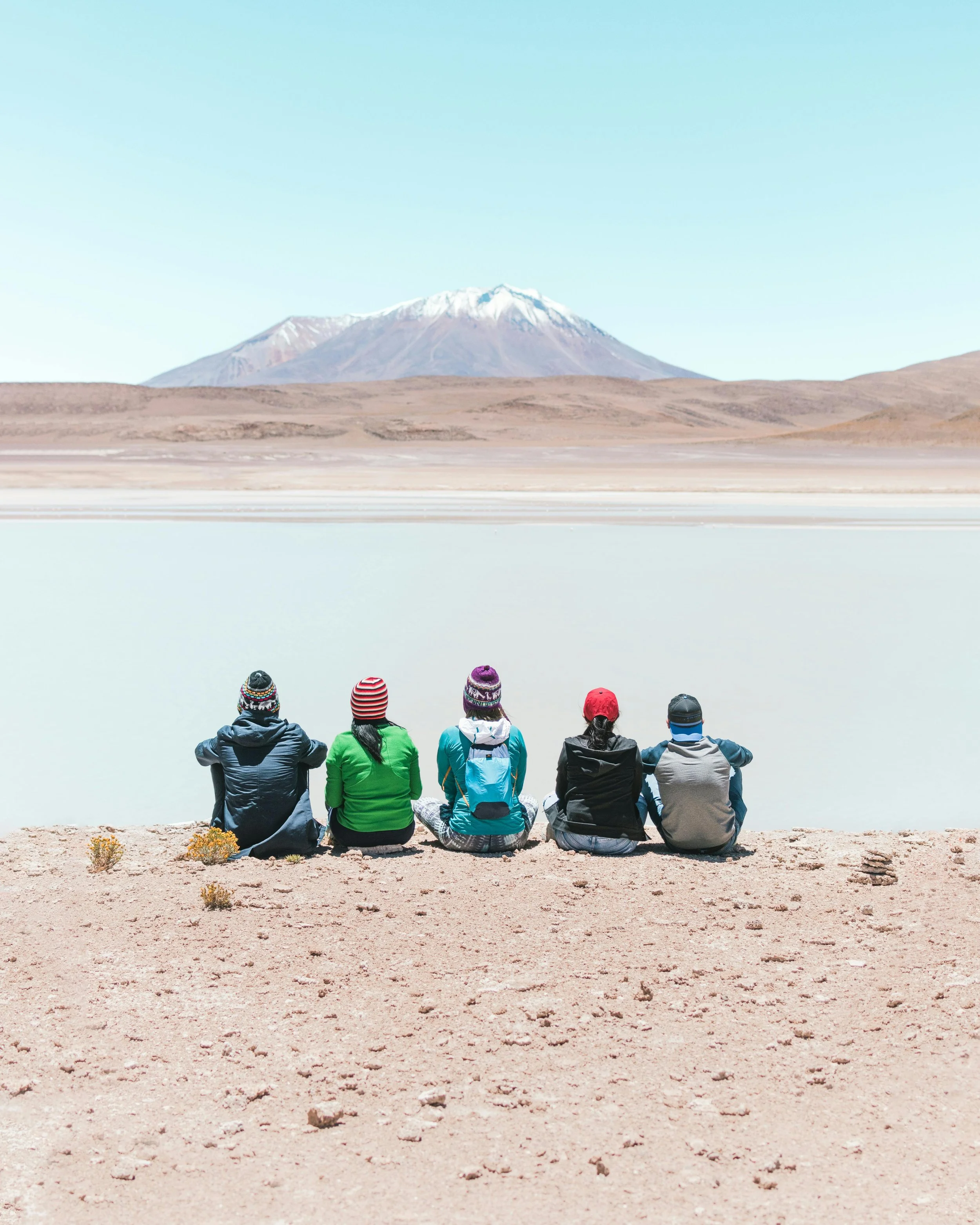
Group Relaxing in the Desert in Bolivia. Kevin Kleber. CC0.
Responsible tourism is becoming an increasingly hot topic as we navigate the era of human-induced climate change. Some companies strive to be sustainable, pointing to markers like B Corp certifications, donating to nonprofit organizations or taking steps to achieve carbon neutrality.
Still, it can be difficult to measure just what kind of impact you are leaving on the planet when you book a trip with a travel tour company. The term “ecotourism” is often thrown around in relation to sustainable travel. But what exactly does it mean? In general, an ecotourism operator tends to focus on nature-based tours that emphasize culture and education in an effort to conserve the environment. Sustainable tourism implies a focus not just on the environment, but on the social, cultural and economic aspects of travel. It involves investing in local communities, addressing social and environmental issues, and promoting healthy cultural exchange. While it is not necessarily the responsibility of travelers or travel companies to tackle all of the issues plaguing countries they are visiting, you can still make choices as a consumer to ensure that your trip isn’t contributing to them. The idea is that travelers should have the option to choose sustainable practices in all aspects of their trip.
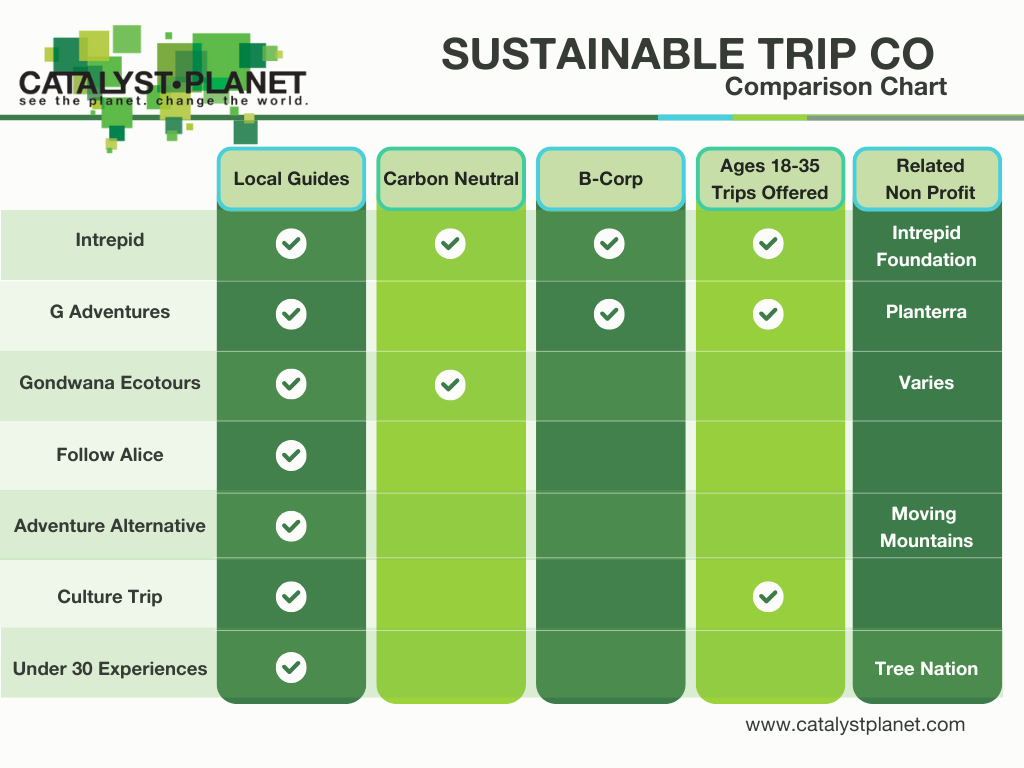
These eight companies are paving the way in sustainable travel. Not only do they offer small group tours with locally based guides, but they ALSO strive to be transparent and ethical, committing themselves to improving the tourism industry for environmental good.
1. Intrepid Travel
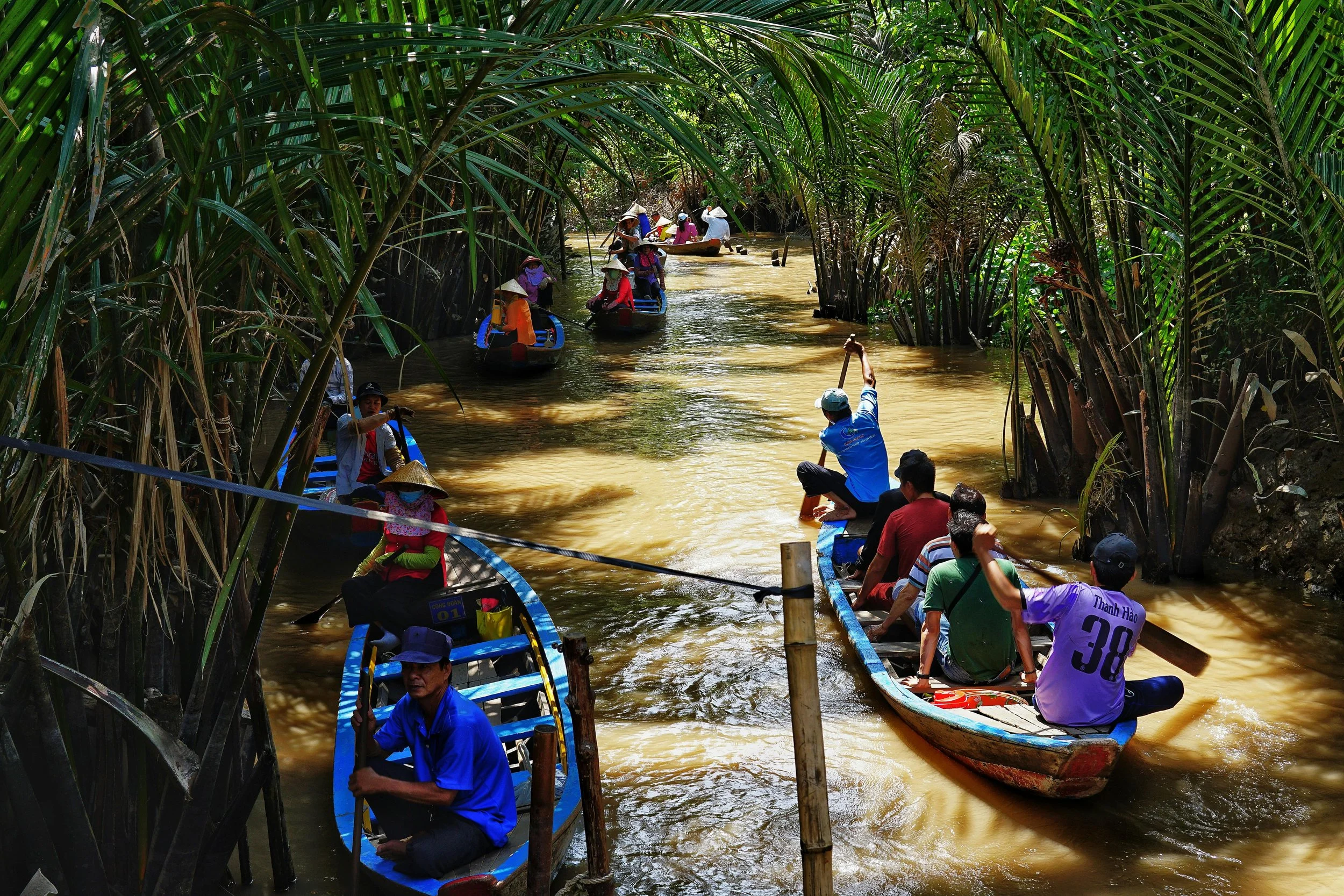
People in Canoes in the Mekong Delta between Tropical Plants. Noel Nicolas. CC0.
Intrepid Travel has been operating as the world’s largest carbon-neutral company since 2010. A certified B-Corp, they offer everything from trekking, cycling and kayaking trips to family holidays. An impressive aspect of Intrepid’s sustainability efforts is their transparency. Each year, they publish an integrated annual report that outlines the company’s sustainability efforts alongside financial results. According to the 2023 report, Intrepid has nearly halved its CO2 production since 2019 and has committed to reducing its per-person/day emissions by 56% by 2035. One way it’s accomplishing this is by replacing flights less than 90 minutes with ground transportation. Intrepid also purchases carbon credits with international projects. Through their nonprofit, the Intrepid Foundation, they partner with local groups carrying out projects and spearheading initiatives like restoring natural biodiversity in the Amazon on their Ecuador trip. Intrepid offers over 1000 unique trips in more than 100 countries, with some of the most popular being in Vietnam, Peru, Morocco, India, Sri Lanka and Cambodia. You can even travel through Cuba, as educational tours provided by companies are legal under U.S. law.
Find out more about Intrepid Travel here.
2. Atlas Obscura
Plaza de Armas de Cusco. Diego Delso. CC-BY-SA 4.0.
In 2023, Intrepid partnered with the travel company Atlas Obscura to expand the trips offered through AO Adventures. Atlas Obscura offers cultural experiences on every continent, including pasta making in Italy, road tripping through Central Asia and exploring Mayan pyramids in the Yucatan. According to Matt Berna, a spokesperson for Intrepid, all Atlas Obscura trips have the same commitment to sustainability and respectful travel that Intrepid Travel is known for, including minimizing and offsetting carbon impact and supporting underrepresented communities. The itineraries are unique, drawing upon Atlas Obscura’s vast database of hidden destinations and incorporating themes that reflect their storytelling sensibility. For instance, their trip through Scotland highlights the country’s food culture via experiences like meeting the owners of a family-run fishmonger shop and enjoying meals with a prominent food writer. Their trip to Brazil includes a visit to a local village built on a disappearing sand spit which separates the river from the ocean. Groups are capped at 12-14 travelers, allowing for a meaningful and immersive experience.
Find out more about Atlas Obscura here.
3. G Adventures
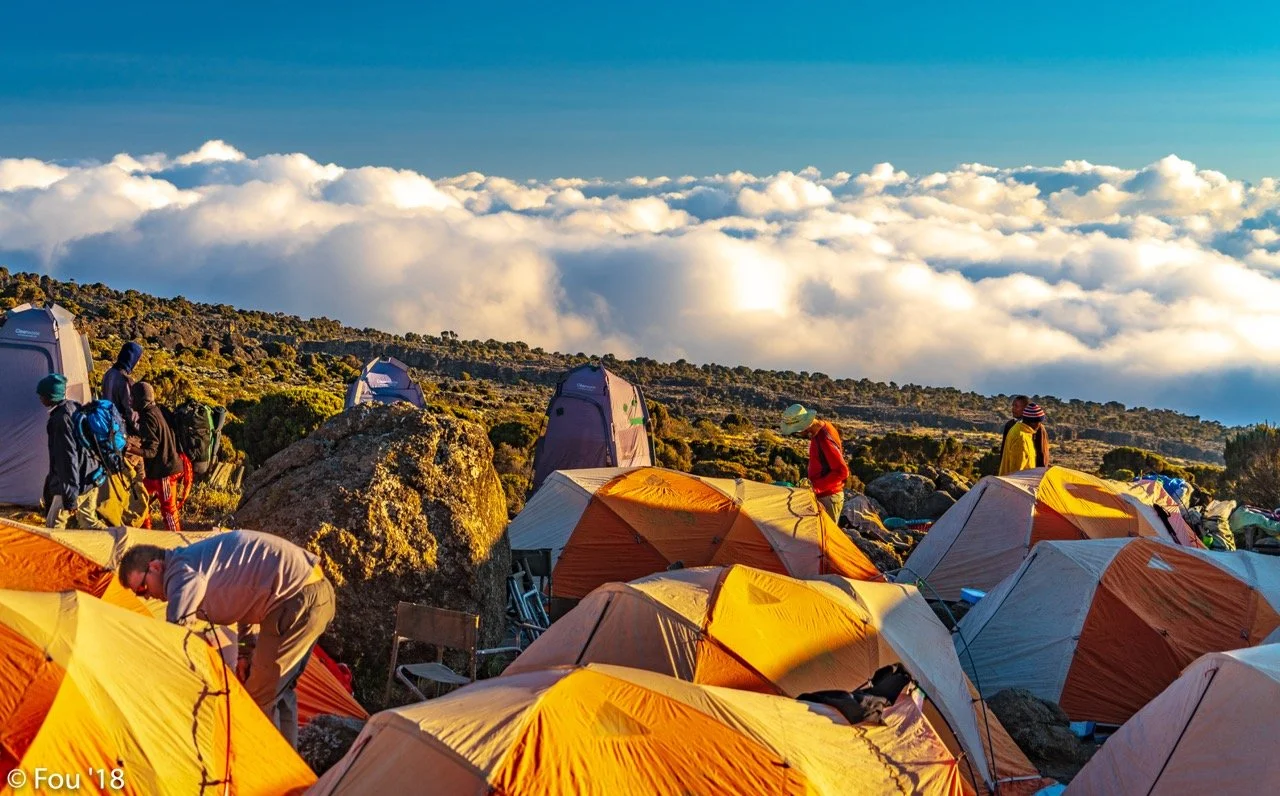
G Adventures Kilimanjaro Group Trek, Lemosho Route at Shira 11 Camp. Murray Foubister. CC BY-SA 2.0.
G Adventures offers small group travel experiences across the globe, intending to closely connect travelers with the communities they visit. Their two pillars — act responsibly and create a positive impact — manifest through various G Adventures offers small group travel experiences across the globe, intending to closely connect travelers with the communities they visit. Their two pillars — act responsibly and create a positive impact — manifest through various partnerships, initiatives and programs. This includes a climate-biodiversity action plan outlining specific measures they are taking to decarbonize and reform. They have partnered with Planeterra to ensure that tourism dollars are invested in local communities, and spearheaded a tree-planting initiative which sees a tree grown for every day a guest travels with the company. According to an employee, “100% of donations to Planeterra go towards local communities and creating opportunities.” Examples include employing young men in Belize through a bike tour company and employing women as drivers in India through the Women With Wheels initiative.
Additionally, the company developed a tool called the Ripple Score to help tourists evaluate the kind of impact they leave when traveling. For each trip, it shows you the percentage of money spent locally on trip services like accommodations, restaurants and transportation. What’s unique about G Adventures is the sheer breadth and variety of trips and trip styles offered. There are 178 tours catered specifically towards people 18 to 30 years old, with expenses below $350 in some cases. This allows for greater flexibility, where you can create your own itinerary within the structure of the tour. G Adventures has particular expertise in Peru, specifically Machu Picchu and the Inca Trail, where they are one of the largest companies in operation. “We have many, many community initiatives with Peru … we are constantly updating our tours there,” says a company employee. “We just did a revamp to make the experience a little bit easier and more customizable for travelers wanting to go.” G Adventures is straightforward about their approach to responsible tourism. You can read more about everything they are doing to honor this commitment here.
Find out more about G Adventures here.
4. Gondwana Eco Tours
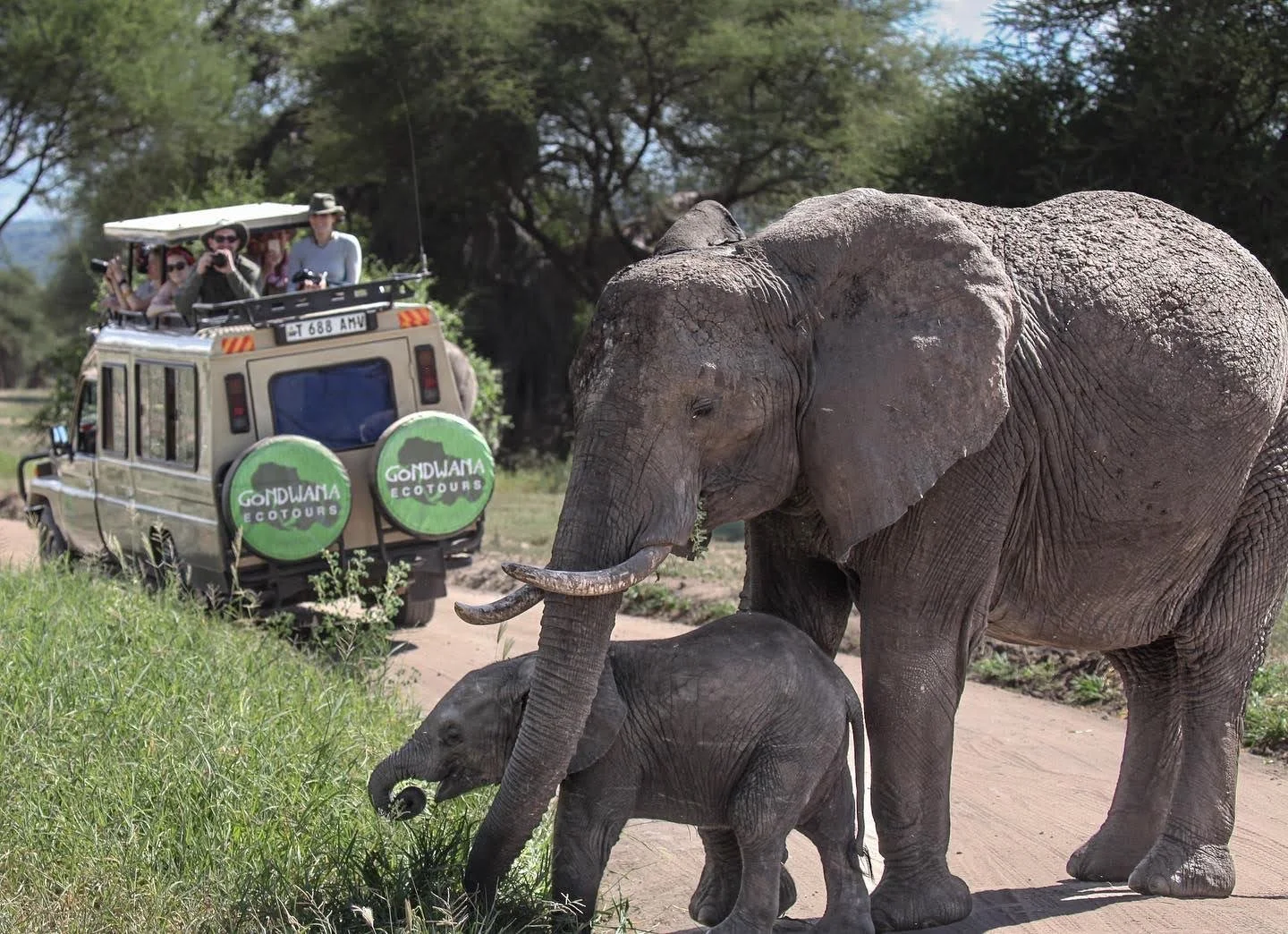
Gondwana Ecotours Safari Tour in Tanzania. Courtesy of Gondwana Ecotours.
Gondwana Eco Tours specializes in small-group, guided tours to destinations around the world. Headquartered in Alaska, they offer local trips in addition to opportunities like trekking in Patagonia, going on a safari in Tanzania or exploring wildlife in Costa Rica. Trips are led by a network of guides who live in these areas, helping to provide an enriching and authentic experience. Since 2021, its tours have been 100% carbon neutral through their partnership with Cooler. It is important to note that carbon offsetting is controversial among scientists in terms of its effectiveness, and Gondwana acknowledges this. Cooler works differently from other offsetting projects by directly lowering industrial CO2 pollution at its source. They achieve this by purchasing and permanently retiring pollution permits, which prevents polluters from using them to continue emitting. This also drives up the cost of polluting, incentivizing businesses to find more environmentally friendly methods. In the process, Gondwana becomes accountable for closely tracking their footprint on trips in terms of eating, sleeping, activities, travel and transportation.
Gondwana is also committed to working with local businesses and non-profits to support wildlife and environmental causes in the places they visit. This looks like favoring locally owned lodges and hotels over national chains and working with family-owned vendors. On each tour’s webpage, you can click on the “What Makes This An Ecotour?” section to find information about the specific actions being taken to support sustainable tourism and local conservation. For instance, the trip to Rwanda includes a visit to the Ellen DeGeneres Campus of the Dian Fossey Gorilla Fund, a stay at the Ingagi Park View Lodge and a partnership with the Nyamirambo Women’s Center. Every year, a portion of Gondwana’s revenue is donated to local nonprofits located in the areas where they travel. The specific organizations and amount of money contributed to each can be found under the “Donations” tab after clicking the “What Makes This An Ecotour?” link.
Vice president and partner of the company, Eric Segalstad, says, “At Gondwana, we believe sustainable travel should be a catalyst for meaningful change. Our journeys are designed not only to minimize environmental impact but to actively support local communities and preserve cultural heritage … It’s about creating travel experiences that are as enriching for our guests as they are beneficial for the communities and ecosystems we engage with.”
Find out more about Gondwana Eco Tours here.
5. Follow Alice
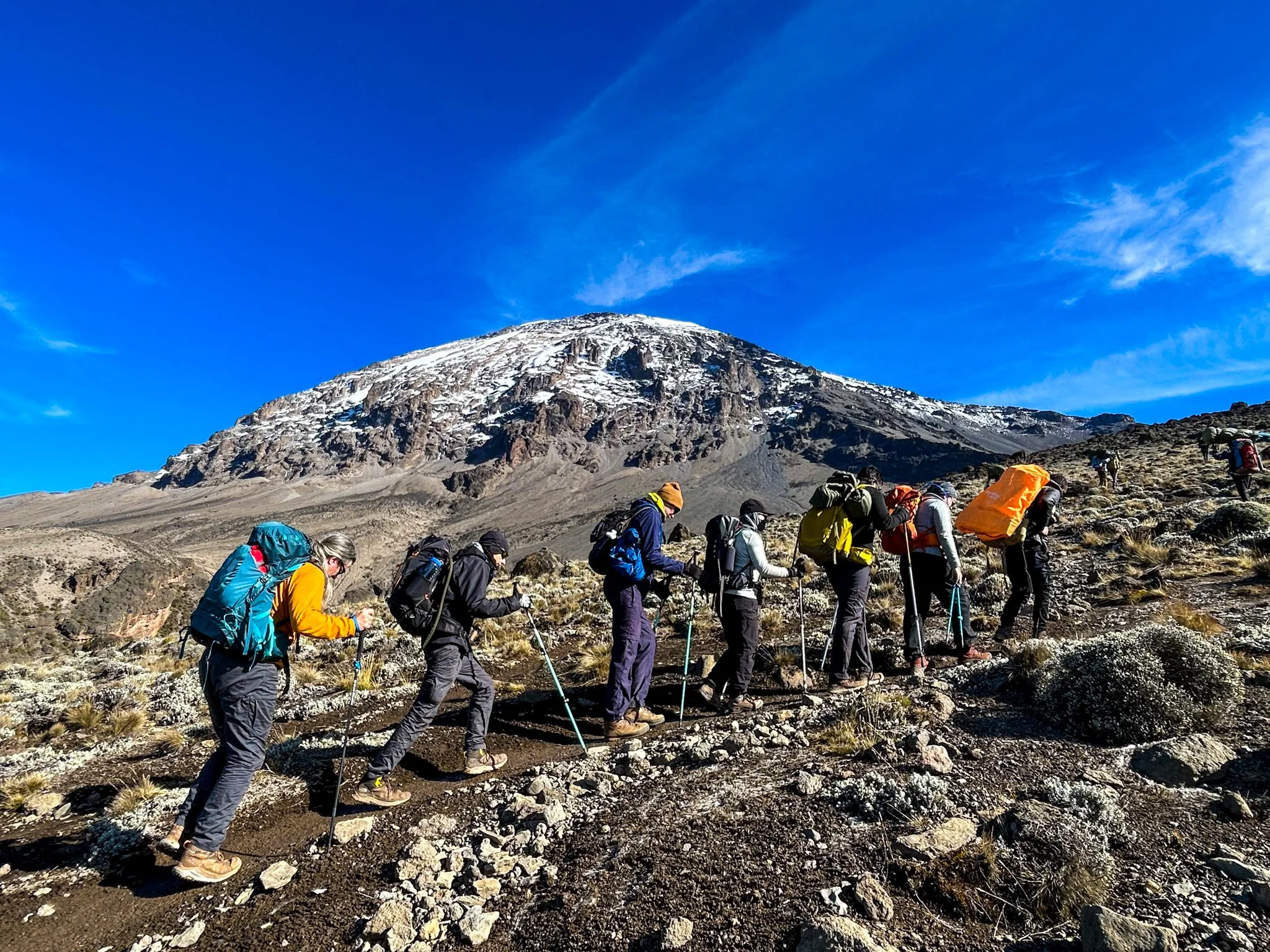
Group of hikers on a trip. Courtesy of Follow Alice.
Follow Alice is a small company offering adventure trips across Europe, Africa, Asia and South America. The two founders, Daniel and Reto, climbed Mt. Kilimanjaro in 2014 on a group expedition led by local Tanzanian Chris. The three, in collaboration with Chris’ brothers, decided to team up to start the company, establishing offices in Tanzania and the United Kingdom. While many of their trips are mountain trekking expeditions, you can also choose from itineraries which include kayaking in Sweden or taking a beach holiday in Zanzibar. Follow Alice works with local guides and crews, empowering them as employers within their communities. Founder Daniel Louis describes this as “building the operation from the ground up.” He says, “We’ve built over the last ten years our Tanzania ground operation … some of their kids are actually now working for us ten years later, doing kind of educational work and encouraging our clients [to] really be a part of the local community and helping the community grow.” The company promises that roughly 70% of a client's package trip fee stays in the local economy. Louis claims that for any destination, they strive to be the highest-paying company in the industry. They use vetted eco-friendly accommodations and partner with charities and NGOs to support local businesses and grassroots initiatives. Made up of a diverse team of travelers operating around the world, what is most impressive about Follow Alice is their transparency, openness to feedback and commitment to constantly improving their sustainability practices. “We’re certainly not doing everything. We're just trying, in the end,” says Louis. “My co-founder and I built this with the idea that we’re not a fan of being part of organizations and having a ton of fans; it’s more about actually doing business in the right way, if that makes sense.”
Find out more about Follow Alice here.
6. Adventure Alternative
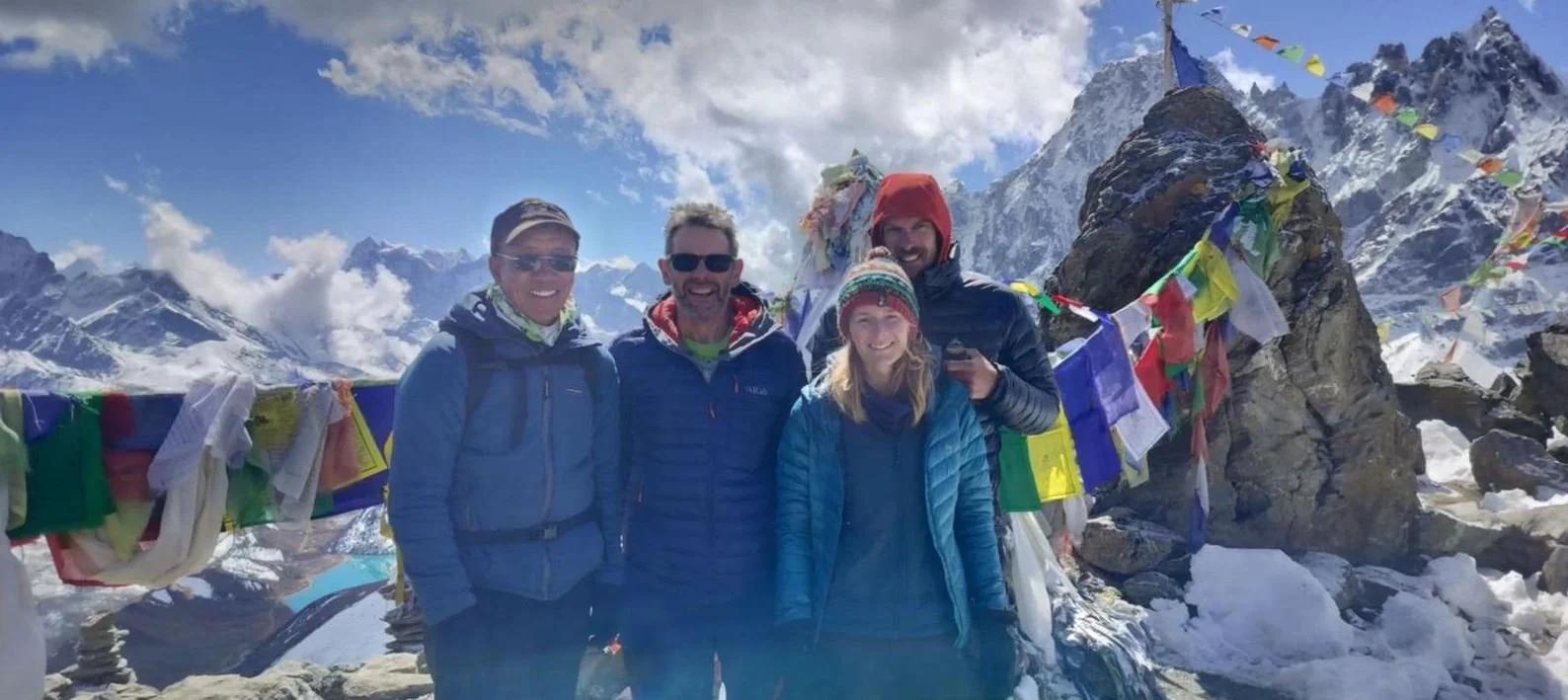
Group in the mountains. Courtesy of Adventure Alternative.
Adventure Alternative is an independent travel company offering trekking holidays, wildlife safaris and climbing trips primarily in Kenya, Tanzania, Nepal, Morocco and Borneo. British mountaineer Gavin Bate founded the company in 1991, and it is headquartered in Ireland. The company creates and invests in locally owned satellite companies in the places it leads trips, reinvesting profits in job training and business development to empower local communities. “My approach to sustainability has been a long time in the making, and nowadays it would be described as social entrepreneurship, where social capital is given as much importance as financial return,” explains Bate. “This means recycling profits back into the local companies and communities where we visit, either through capital investment or through philanthropy via the charity I started called Moving Mountains.” His charity supports disadvantaged children and communities in Kenya, Tanzania and Nepal. Many trips include an element or phase of volunteer work in the host country with Moving Mountains, the money for which is raised through Adventure Alternative trips.
The excursions themselves cater towards fit travelers with a passion for the outdoors, but there are still a variety of options. Chris Little, who has been managing trips for the company since 2002, claims, “Our trips vary a lot. We have taken the youngest British person to the summit of Kilimanjaro and also the oldest American to the summit of Mt. Elbrus and cater for everything in between, from school groups to retirement trips.” The higher altitude climbs tend to attract travelers between 20 and 50 years old, while the treks tend towards those between 30 through 60.
Adventure Alternative offers clients the option of offsetting some or all of the carbon dioxide emissions associated with their flights via a carbon calculator and donation tool on the Moving Mountains Trust website. “I have always asked myself the question, ‘Can this model sustain all those livelihoods and provide systemic benefits that will extend into the next generation?’” says Bates. “Thankfully, the answer thus far has been yes, and it is certainly my biggest motivation as we go forward.”
Find out more about Adventure Alternatives here.
7. Under30Experiences
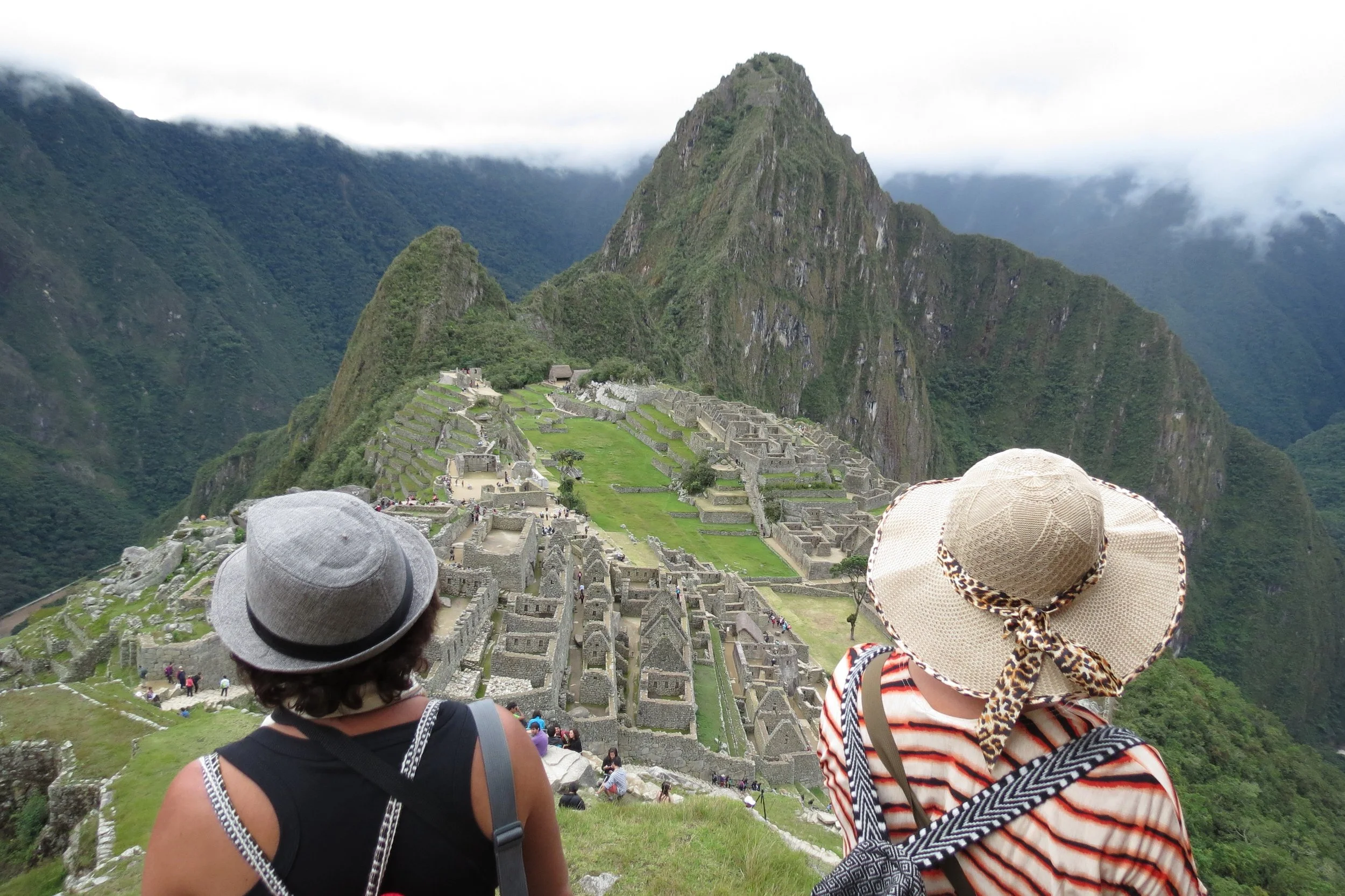
Ladies with hats in Machu Picchu. Ricardo Marconato. CC BY-SA 4.0.
While the trips led by the previous five companies are open to travelers of any age, Under30Experiences caters particularly to solo travelers and young adults ages 21 to 35, so it is a great option for younger travelers looking to get adventurous and meet new people. The company was co-founded in 2012 by Jared O’Toole and Matt Wilson, who, fresh out of college, were inspired to make travel more accessible for young people. O’Toole says of the trips, “They’re definitely more of a cultural learning experience with a fun group of people along the way — people that become friends … I’d say that the number one reason for any of the growth or success we have had for Under30Experiences has been that the community is the focus.”
This focus extends beyond the group of travelers to the local communities they visit. Under30Experience trip itineraries involve hands-on projects helping to address issues in local communities, like this trip to Manuel Antonio, Costa Rica, where individuals work with local artisans and coffee producers. “We are extremely careful to get to know the leaders of the local organizations we support and understand the true needs of local communities. The last thing we want to do is make assumptions about a local area without doing our due diligence,” says Diana, an experience advisor at the company. Under30Experiences hopes clients will share authentic experiences with local families and community members, learning new skills from them along the way.
Find out more about Under30Experiences here.
8. Culture Trip

Courtyard in Kathmandu, Nepal. pixabay.com. CC0 1.0.
Marketed towards Gen Z and Millennial travelers, Culture Trip began as a brand publishing travel content online, and has since evolved to offer small group trips to locations around the world. They offer almost 700 different bookable trips on their website, with a range of categories, ages and activity levels. In addition to organizing a few trips under their own brand, including an eight-day adventure from Porto to Lisbon and a 10-day South Korea circuit, the experiences available for booking on their website are run by a variety of travel companies. Most group tours offered are through Intrepid, but other companies include Fez Travel, Rabbies Tours, Condor Tours and Travel, and Overland Ireland.
In 2022, the company began developing a detailed climate action plan, which included partnering with Path Net Zero to offset carbon emissions on their Epic Trips, Mini Trips and Sailing Trips through the purchase of carbon credits. Those credits then go towards projects like reforestation, generating new renewable energies and sponsoring eco-initiatives. They have also partnered with Tree-Nation to plant more trees in an effort to offset the emissions generated by their office-based employees. Carbon offsets, which seek to compensate for emissions in one place by funding emission reductions or carbon removal somewhere else, can be useful in the short term but are not necessarily long-term solutions when it comes to travel, in part because it can be difficult to track exactly what impact they are having. Still, Culture Trip remains committed to implementing sustainable practices. “As a travel company, we have an inherent responsibility to ensure that we are equipping our audience with the information and tools they need to travel sustainably,” founder and CEO Kris Naudts said in an interview with EU-Startups. “Whatever destination we cover, we will try to always feature sustainable ways of travelling and doing things, be it selecting green restaurants or markers to be profiled or coming up with the best recommendations for a day trip by train.”
There are numerous things to consider when evaluating the sustainability of a company you choose to travel with, and it can be difficult sometimes to screen for greenwashing or eco-certifications that could be red herrings. These companies offer some pretty unique experiences around the globe, and are committed to making sure their trips avoid leaving a negative impact.
Find out more about Culture Trip here.

Kleigh Carroll
Kleigh is a student at UC Berkeley studying Geography and Journalism. She hopes to integrate her skills in these fields in pursuit of a career in journalism. She is passionate about being outside, exploring, and writing in all of its forms.