
Zoe Lodge
The small island archipelagos, Recherche and Buccaneer, are a haven for remote beauty and responsible travel off the Australian coast.
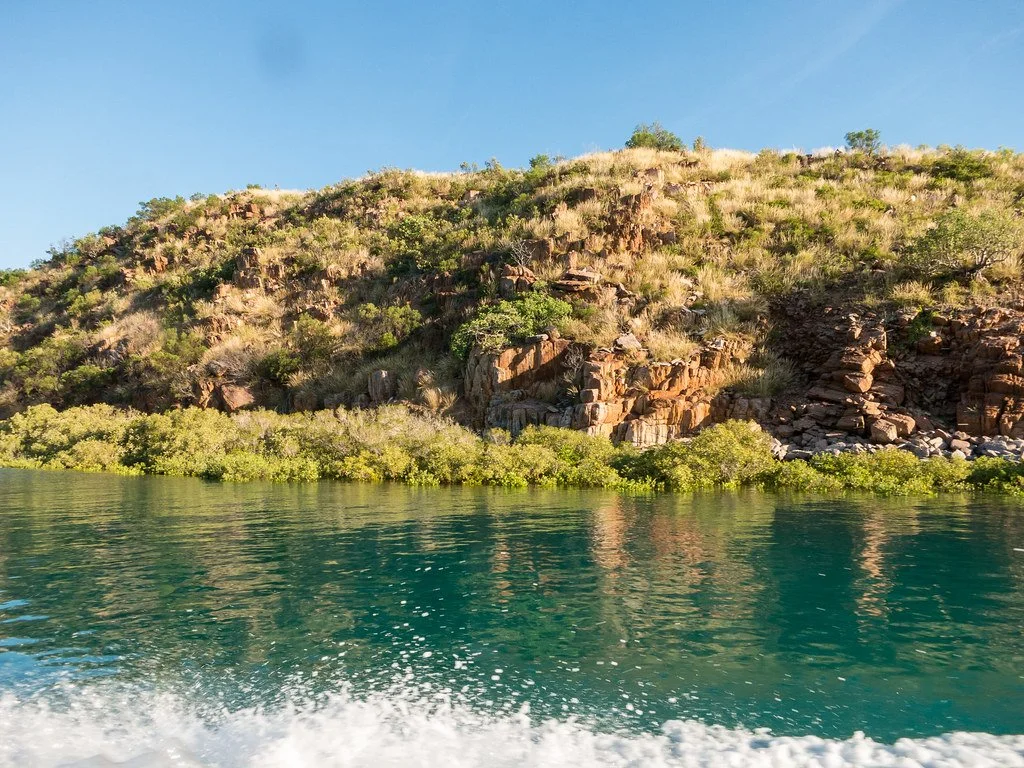
Off the coast of the Buccaneer Archipelago. Claire Ross. CC BY-NC-ND 2.0
Far from Australia’s bustling coastal tourist hubs like Bondi Beach or the Gold Coast, a kind of remote and rugged paradise exists for travelers looking to stray off the beaten path. The Buccaneer Archipelago in Western Australia and the Recherche Islands off the southern coast offer breathtaking scenery and rich biodiversity, yet remain largely untouched by mass tourism. A growing movement led by small tour operators and conservationists is working to make these islands accessible to responsible travelers while preserving the precious ecosystems in place.
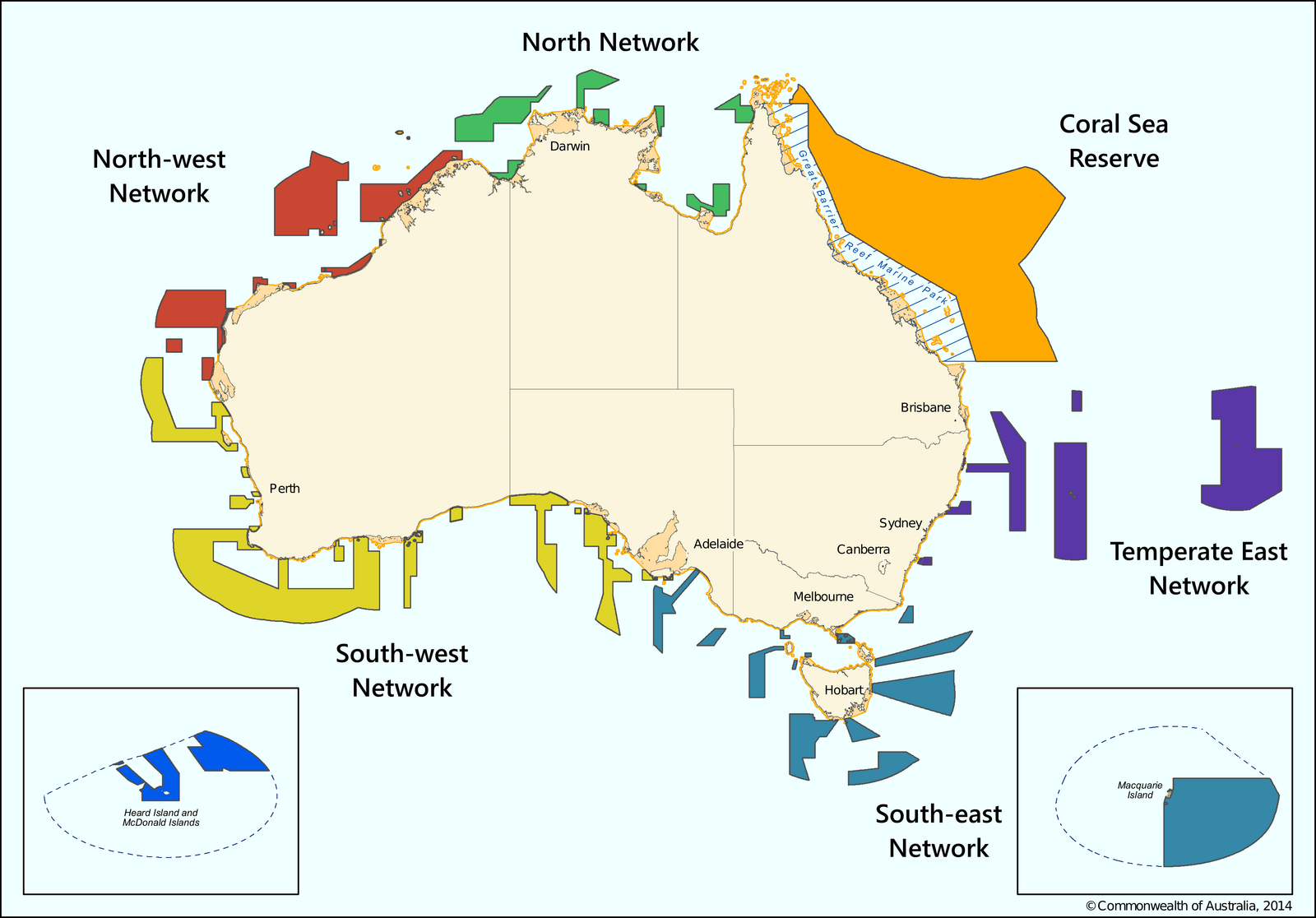
The Buccaneer Archipelago is located in the North-west Network, whereas the Recherche Archipelago is located in the South-west Network. Commonwealth of Australia. CC BY 3.0.
Buccaneer Archipelago, Kimberly, Western Australia
The Buccaneer Archipelago, a cluster of more than 800 islands in the Kimberley region in northwestern Australia, is known for its dramatic cliffs, hidden coves and waters packed with plant and animal life. These islands have remained relatively isolated, with limited access, preserving their natural state. In recent years, carefully managed tours, typically operated by Indigenous groups such as the Bardi-Jawi people, have begun to offer eco-conscious experiences. These trips often prioritize cultural education, small group sizes and minimal environmental impact, ensuring that visitors leave a light footprint. The Ardyaloon Hatchery offers small guided tours for visitors to experience the region conscientiously. Bardi-Jawi lead the tours, providing insight into their culture and preservation practices, while showing off the diverse array of fish, coral and other sea creatures that frequent the area. There is also a female-only tour led by Indigenous women that includes immersive cultural experiences and a stay at an eco-lodge on the coast by the islands.
This approach supports both environmental conservation and Indigenous stewardship. By educating travelers about local ecosystems and cultural heritage, tours of these protected regions offer deeper engagement than traditional tourism practices. Operators often follow strict protocols for wildlife encounters, waste disposal and anchoring practices to avoid damaging sensitive marine habitats, as well as participating in traditional conservation practices.
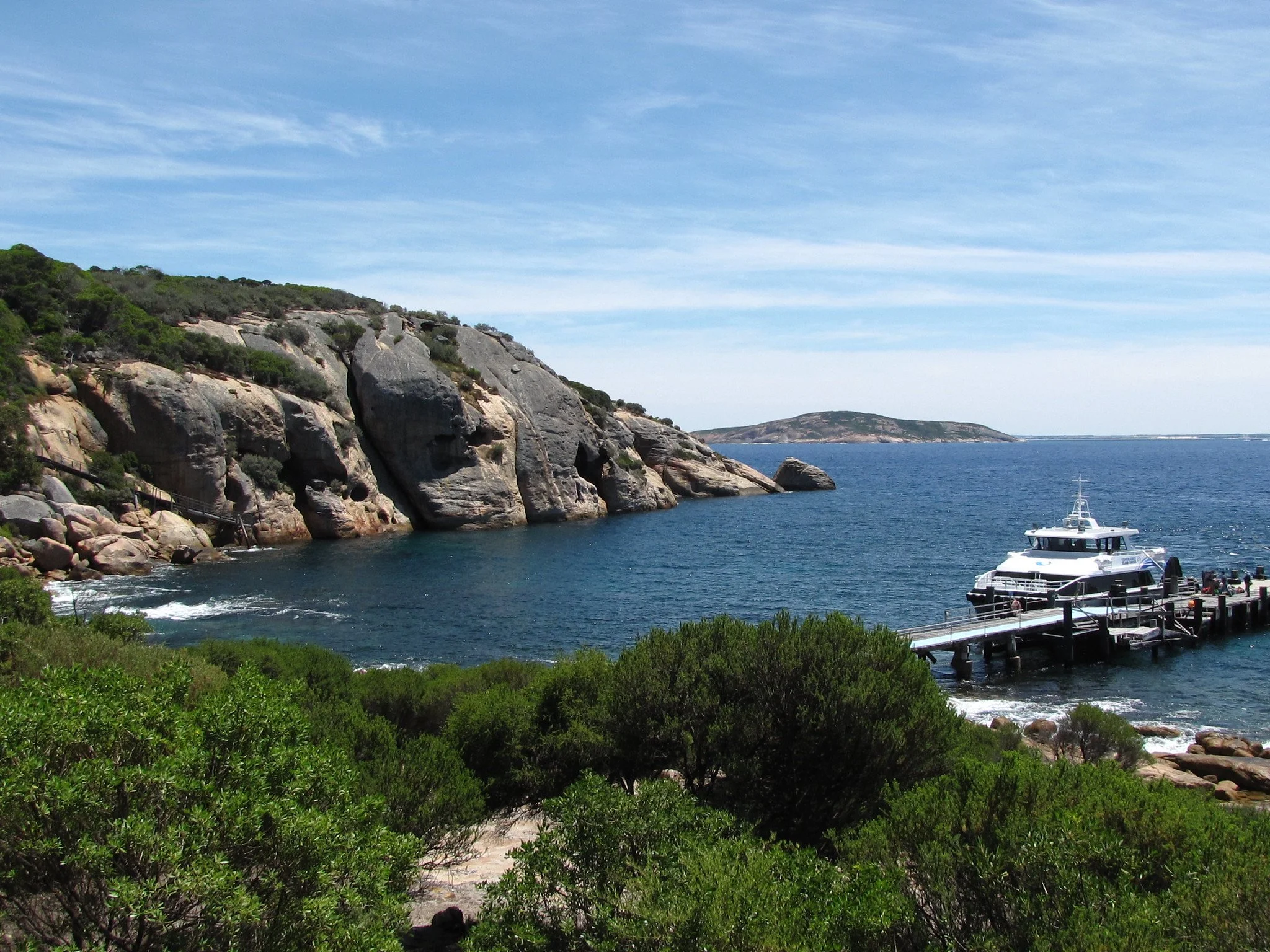
A dock on Woody Island in the Recherche Archipelago, Western Australia. Eileen Mak. CC BY 2.0.
Recherche Archipelago (Bay of Isles), Esperance, Western Australia
Across the country, the Recherche Archipelago, also known as the Bay of Isles, spans around 100 islands off the coast of Esperance in southern Australia. With turquoise waters, soft white sands and secluded islets, the region is a haven for wildlife, including penguins, sea lions and unique species of birds. While most of the islands are uninhabited, charter operators run small-scale expeditions that adhere to tight conservation guidelines set by local authorities. A number of cruises are available for tourists to see the islands and the beauty of the region in a respectful manner.
There are no resorts or crowds on the Recherche Archipelago, only quiet beaches, crystal-clear waters and close-up wildlife encounters. Activities such as snorkeling, wildlife observation and beachcombing are offered with minimal infrastructure, keeping the environment as undisturbed as possible. A company called Woody Island Eco Tours offers camping, snorkeling, hikes, ferries and other avenues of exploration of the local flora and fauna.
The success of these efforts depends on collaboration between local communities, government agencies and the tourism industry. Through ongoing monitoring, visitor limits and educational outreach, this form of tourism emphasizes quality over quantity, encouraging travelers to slow down, learn and engage meaningfully with the places they visit.
As interest in ecotourism grows globally, Australia's small island experiences are at the forefront of balancing access with preservation. Rather than transforming these places into tourist hotspots, the goal is to maintain their natural and cultural integrity, offering visitors a rare glimpse into ecosystems that thrive beyond the reach of mass development. In these remote corners of Australia, the future of ecotourism looks quieter, more thoughtful and deeply connected to the landscapes themselves.
TO VISIT:
The Buccaneer Archipelago is best visited from Broome, Western Australia, with scenic flights and sea safaris offered by operators like Air Kimberley and Kimberley Boat Cruises. Flights from Perth to Broome take about two and a half hours, followed by chartered flights or boat tours to the islands. Accommodations are available in Broome, ranging from budget hostels (upwards of $12 a night) to upscale beach resorts ($100–$300 per night). Tours to the archipelago, including aerial views and cultural experiences, typically cost around $800 per person. The dry season (April to October) offers the best conditions for visiting.
For the Recherche Archipelago, travelers can fly from Perth to Esperance in 90 minutes, then take a short boat ride to the islands. Woody Island is the only one with visitor facilities, offering camping and safari tents via Woody Island Eco Tours. Day cruises with Esperance Island Cruises cost between $100 and $150, with activities including wildlife viewing and snorkeling. Hotel and hostel options in Esperance range from $80–$175 per night, with hostels being on the lower end and hotels tending to land in the higher range. The best time to visit is during the summer months (December to February), when warm weather and clear waters make for ideal island enjoyment.

Zoe Lodge
Zoe is a student at the University of California Berkeley, where she is studying English and Politics, Philosophy, & Law. She combines her passion for writing with her love for travel, interest in combating climate change, and concern for social justice issues.