
By Charles Costal
Along beaches stripped of native vegetation, local volunteers and travelers are bringing back coastal forests one tree at a time.
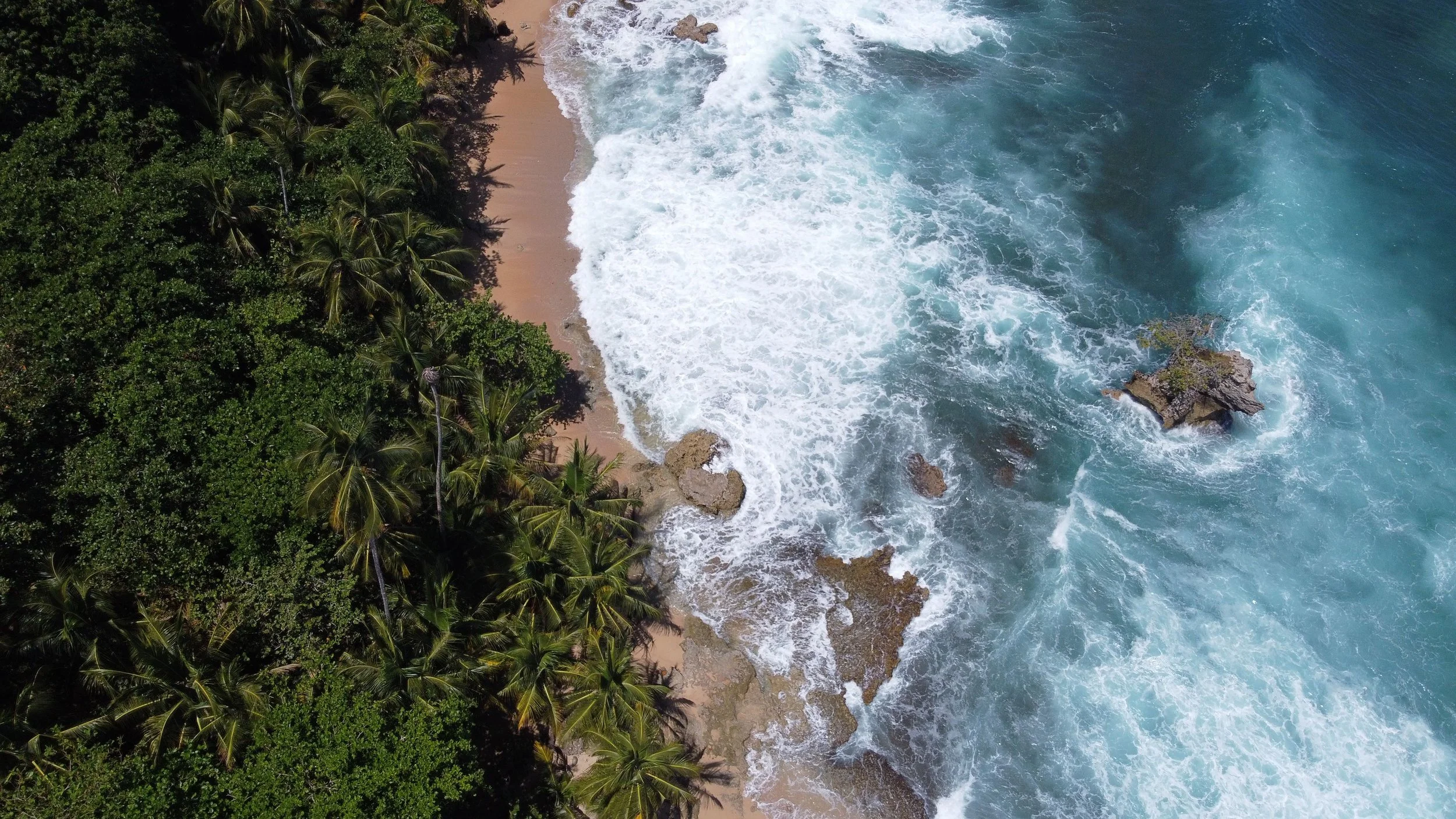
Cahuita beach, Costa Rica. Koen Swiers. Pexels.
Costa Rica has long sold itself to travelers through rainforest canopies, volcanoes and wildlife reserves. The popular “spring break trip” destination is also known for its prominent ecotourism and conservation efforts. Though it makes up only a tiny sliver of Earth’s landmass, Costa Rica is home to about 5% of the world’s biodiversity, protected in its 30 national parks.
“Pura vida,” or pure life, epitomizes the Costa Rican national philosophy of a relaxed and grateful way of living. After Costa Rica abolished its military in 1948, it reallocated defense funds to education and healthcare. The Nicoya Peninsula is also recognized as a Blue Zone where citizens live unusually long, healthy lives.
But along parts of its Pacific coast, a quieter conservation story is taking root. Through the work of nonprofits like Costas Verdes, local volunteers, students and visitors are helping restore native coastal forests on beaches once stripped of vegetation. The movement offers travelers a different kind of eco-tourism: not just observing Costa Rica’s natural beauty but helping repair the ecosystems that make it possible.
Coastal forests do more than make a beach look wild. Native trees help stabilize sand, create shade, provide habitats for wildlife and reconnect fragmented ecosystems along the shoreline. They also sequester carbon and buffer storms, making them vital ecosystems in the fight against climate change.
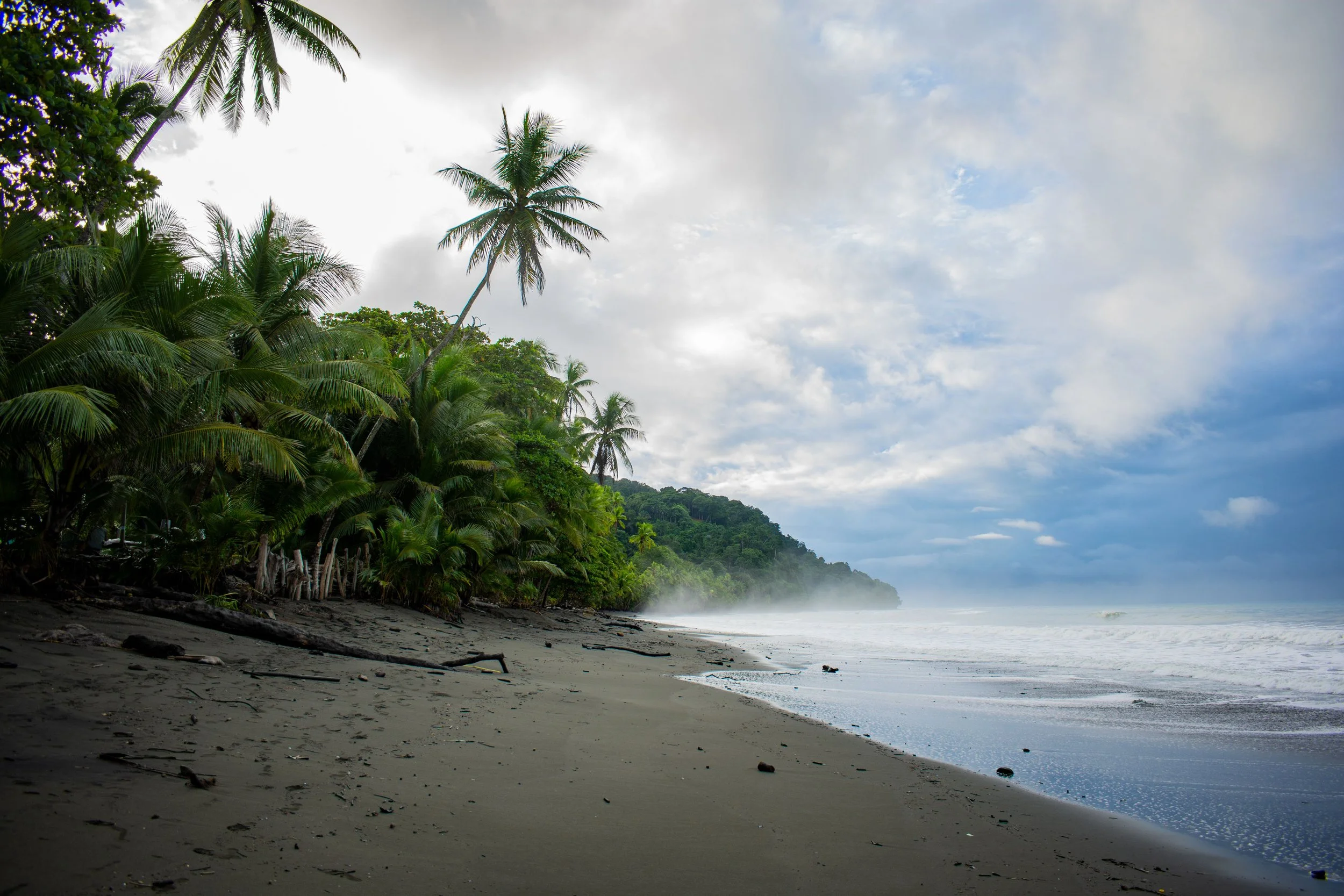
Playa Pavones, Costa Rica. Alejandro Orozco. Pexels.
Many of Costa Rica’s beaches did not lose their coastal forests overnight. Over time, native vegetation was cleared for cattle ranching, agriculture, roads and oceanfront property. From 1940 to the late 1980s, Costa Rica went from 75% forest coverage to just above 20%. What was lost in the process was not just shade but the transition zone between land and sea. Without native coastal trees and plants, beaches became more exposed to erosion, heat and habitat loss, leaving fewer places for wildlife to feed, nest or move safely along the coast.
Costas Verdes, one of the groups leading the charge for beach reforestation, began as a grassroots effort. Its founder, Max Tattenbach, was a surfer who initially wanted more shade at Playa Hermosa. Today, his organization has grown across dozens of beaches, reporting more than 100,000 native trees planted since 2010. Its work centers on rebuilding ecosystems that most visitors may not notice are missing: the shaded, biodiverse line between land and sea.
For travelers, getting involved can be simple but meaningful. Depending on the season and location, visitors may be able to volunteer with planting days, support nursery work or donate to the long-term care of native trees. The most important part of the experience is not placing a sapling in the ground but understanding the years of maintenance and community involvement needed for survival.
Still, the movement is not built around tourists. Costas Verdes’ work depends on local volunteers, students, schools and coastal residents who understand the beaches as part of daily life. Travelers who join restoration efforts are stepping into work that already exists. The goal is not for visitors to save a beach during their trip but to support communities that are already doing the patient work of repairing their own coastlines.
That patience is also what separates true restoration from shallow voluntourism. Planting a tree can make for an easy photo, but coastal restoration requires native species, local knowledge and long-term care. Travelers should look for organizations that work with communities, maintain nurseries and monitor the health of restored areas over time. In that sense, the most responsible way to help may be less glamorous than the image of planting a sapling: donate, listen, follow local guidelines and support the work even after the trip ends.
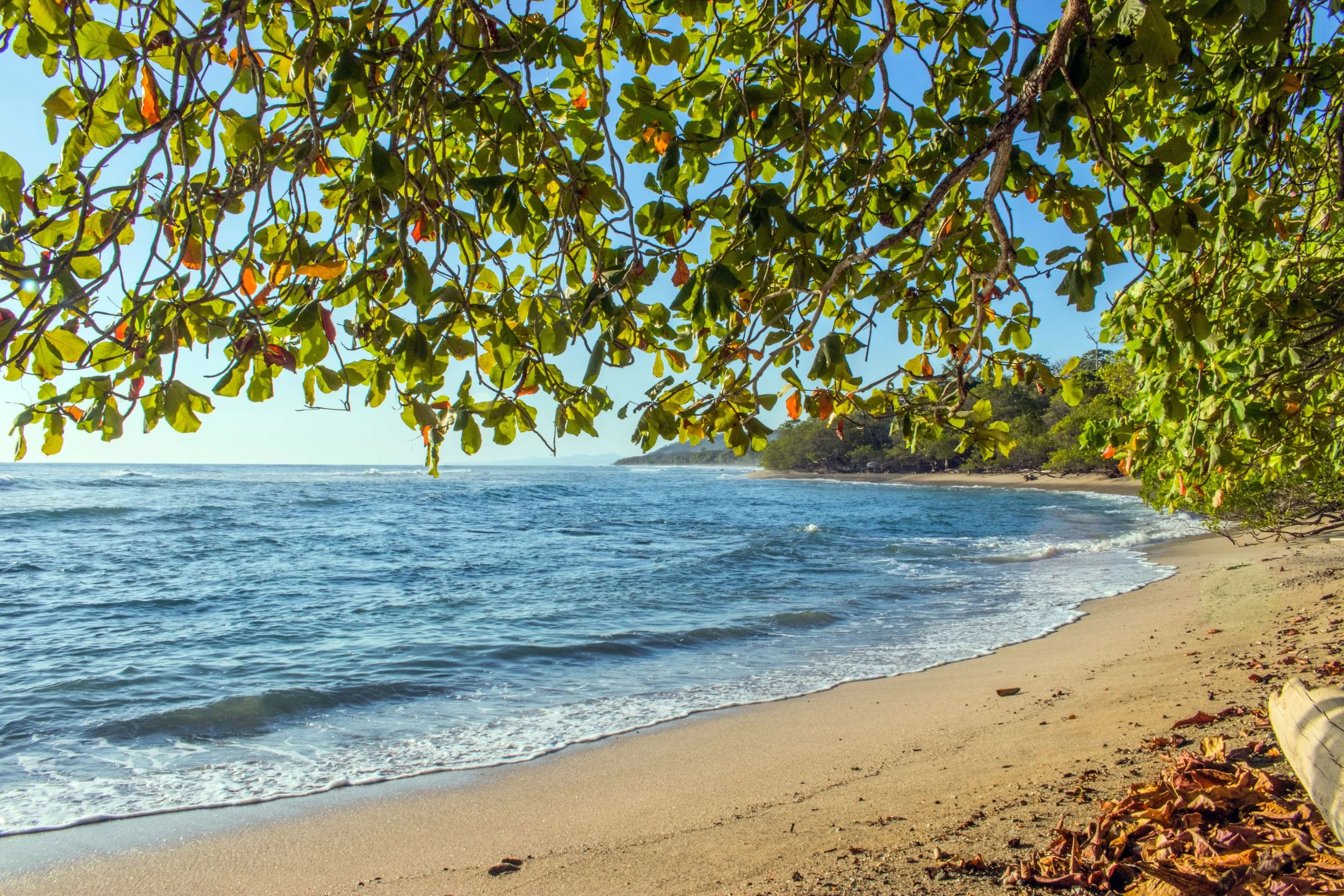
Puntarenas beach, Costa Rica. Diego Madrigal. Pexels.
TRAVELING THERE:
Travelers interested in supporting Costa Rican restoration can start with Costas Verdes, which offers information about its reforestation projects, volunteer opportunities and donation options online. Amigos of Costa Rica also provides a way to support Costas Verdes as an affiliated nonprofit. Give a Day Global offers one-day volunteer opportunities in Costa Rica and across the globe. Before signing up for any experience, travelers should ensure the project uses native species, local communities and focuses on long-term ecological recovery.

Charles Costal
Charlie is a senior at the University of North Carolina at Chapel Hill currently pursuing a degree in Journalism and Public Policy. He is also an avid traveler, writer, and performer. His work at CATALYST aims to spread awareness on environmental sustainability and responsible traveling.