
By Kate Dawson
Rich in both soil and history, this destination provides landscapes that have deeper meaning and symbolism for residents and travelers alike.
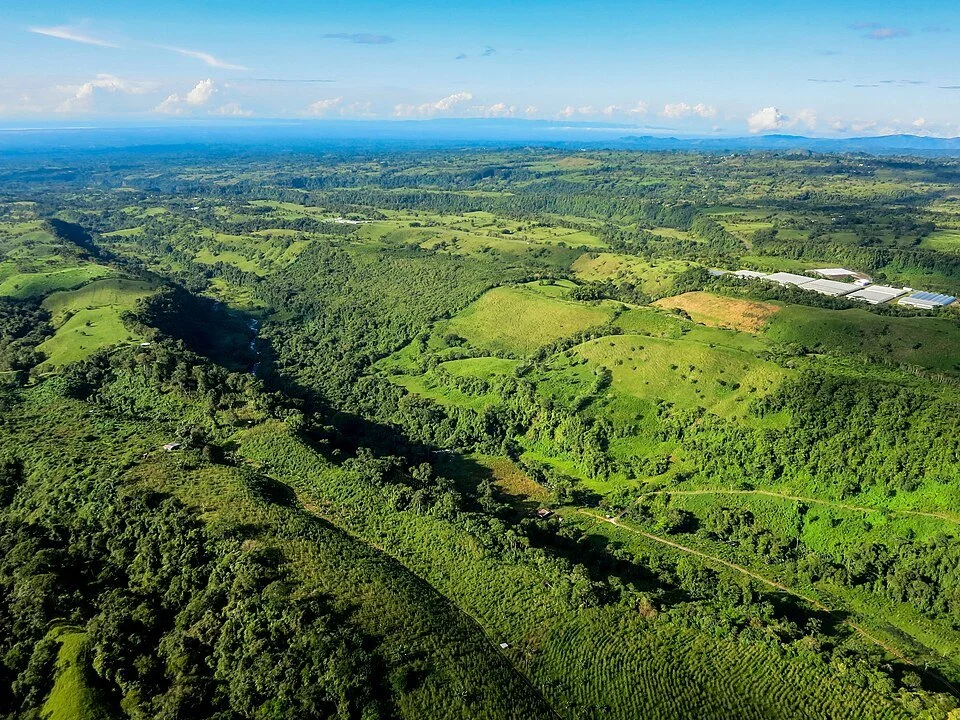
Aerial view of Chiriqui Province. Fran Hogan. CC BY-SA 4.0.
The Chiriqui Coast of Panama in Central America represents one of the world’s few locations of untouched landscapes. In fact, the Gulf of Chiriqui is a National Marine Park that protects approximately 58 square miles of marine ecosystems. This includes the mangrove swamps, marine meadows and two dozen islands in the Islas Paridas archipelago.
Chiriqui was established as a province on May 26, 1849. A diverse range of Indigenous groups originally inhabited the region. Archaeologists have discovered pre-ceramic archaeological sites that indicate advanced societies lived in the area for many millennia.
After Panama’s independence from Spain in 1821, many of the surrounding highlands developed into a prosperous agricultural epicenter.
The Chiriqui Province also has connections to American President Abraham Lincoln, who proposed settling freed African Americans in the province as a component of a voluntary colonization plan during the Civil War. This proposal was a lesser-known portion of Lincoln’s presidency and was largely protested by Central American countries, who feared U.S. imperialism and unauthorized colonization.
Although Lincoln’s original vision was presented as a voluntary escape for freed Black Americans who were facing deep racial prejudice and violence, it was ultimately shaped by entrepreneur Ambrose W. Thompson, who owned land and coal rights in the area. The project was suspended in late 1862.
This region was critical for its role in the Thousand Days’ War in 1900, the Colombian civil war, which led to Panama's independence. By the early 20th century, the Chiriqui National Railroad had revolutionized trade and transportation, solidifying the area’s economic independence.
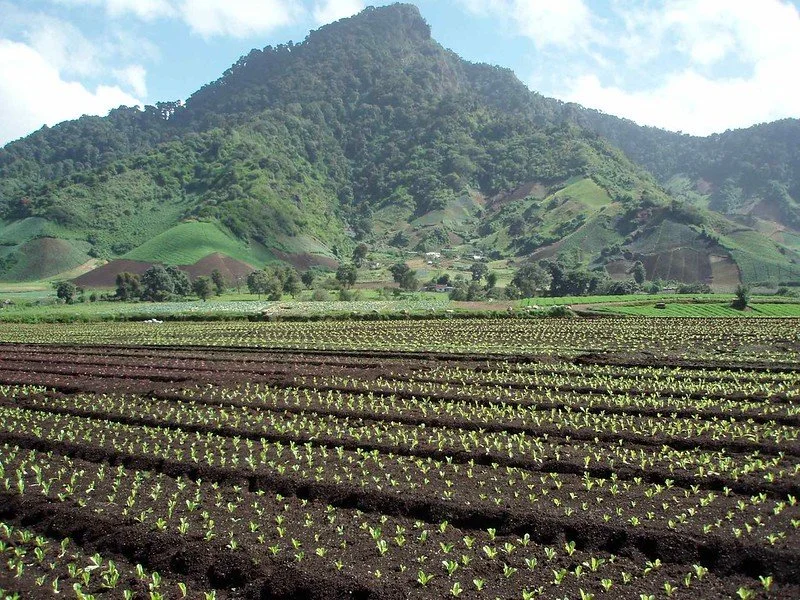
Agriculture field at the foot of a mountain. Lon&Queta. CC BY-NC-SA 2.0.
In addition to Chiriqui’s deep-rooted history, the province has established itself as a renowned travel destination with a strong appeal for its diversity of experiences.
Chiriqui Province is home to rich soil that has enabled the growth of high-quality coffee. Farmers allow guests to tour their coffee plantations, where travelers can learn how to plant, harvest, roast and prepare coffee.
La Amistad International Park, whose name translates to “The Friendship,” is a UNESCO World Heritage site, celebrated for its universal value to humanity, encompassing cultural heritage, thriving biodiversity and archaeological treasures. Covering more than 988,000 acres and shared by Costa Rica and Panama, the park contains more virgin, untouched forest than all other national parks in Costa Rica combined, standing as a powerful symbol of diplomacy and environmental protection.
The David Mangroves span a large portion of Panama’s Pacific mangroves and are classified as a globally critical Key Biodiversity Area. The ongoing Port Barú development threatens this area and can cause irreversible damage to these habitats.
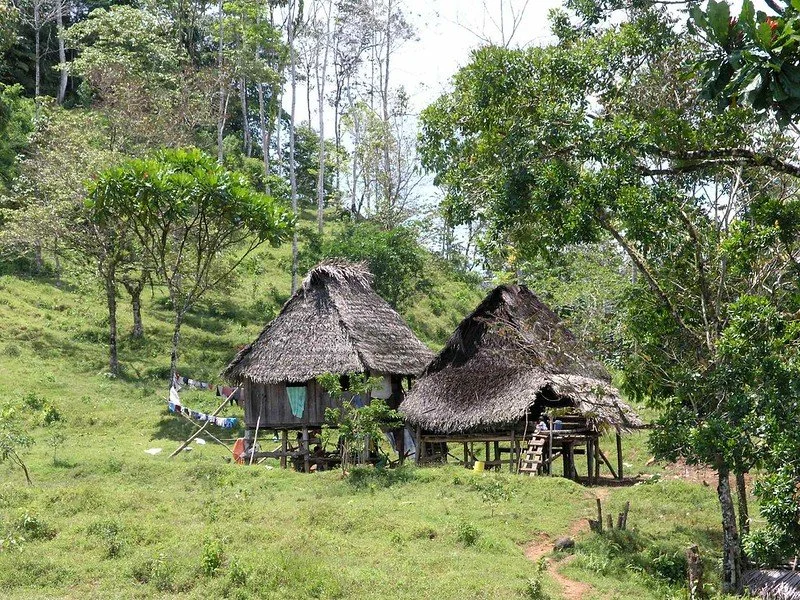
Ngabe-Bugle huts. Lon&Queta. CC BY-NC-SA 2.0.
Both community-led protection and marine corridor management act as current conservation efforts. MarViva and Wetlands International are implementing governance policies, training marine enforcement officers and securing grants to protect these lands.
Travelers can hire local Indigenous guides to ensure that tourism revenue is directly received by the locals to prevent commercial deforestation. Remaining on marked paths, bringing reusable water bottles, conserving water and power and following wildlife rules are all ways to respect the environment while visiting the province.
The Ngabe-Bugle people are a vital part in upholding the country’s cultural heritage, coffee production, agriculture, artisan crafts and spiritual traditions. One way they are preserving their culture while also creating opportunities is with the launch of the Panama Alliance for Community Tourism, which focuses on sustainable tourism.
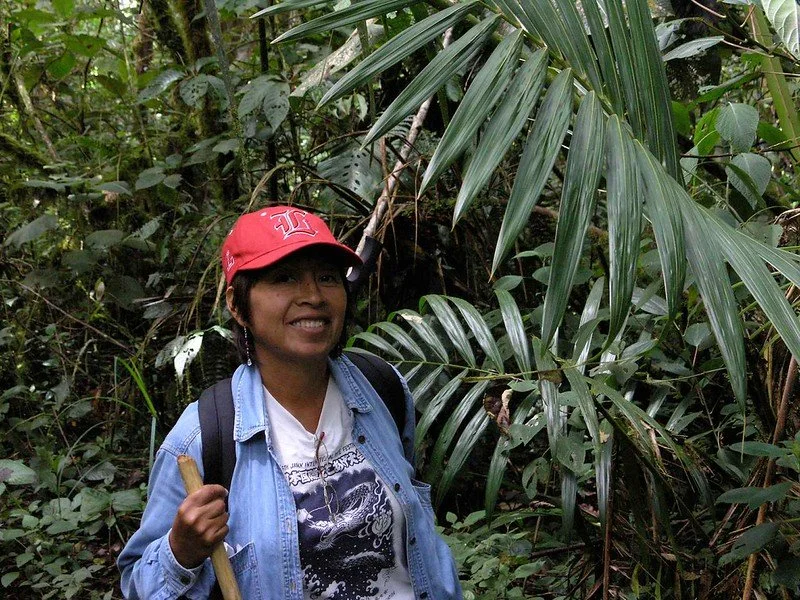
A woman hiking in Chiriqui province. Lon&Queta. CC BY-NC-SA 2.0.
Chiriqui is a vibrant province, rich in culture and breathtaking landscapes. The mountain region provides both lush forests and food for the entire country. The beaches and seas are home to species that thrive in the safety of the island.
Whether exploring mist-covered highlands, learning from Indigenous communities or witnessing the biodiversity of its protected coasts, travelers discover a region that is not only breathtaking but meaningful. For those seeking a destination shaped by both its past and its promise, Chiriqui offers an experience as rich and enduring as its soil.

Kate Dawson
Kate is a student at the University of North Carolina at Chapel Hill, double majoring in Public Policy and Journalism. Her passion to share stories and love for environmental justice inspires her writing. She hopes to change the world by empowering others.