
By Nina Esteghamat
Dozens of people have been deported by US President Trump to African countries where they have no citizenship or established ties.

United States deportation flight to unknown location, 2025. U.S. Department of Defense. Defense Visual Information Distribution Service.
Third-Country Deportation
The Trump administration has been deporting migrants to countries that have signed agreements with the United States. This is known as third-country deportation, which the Council on Foreign Affairs describes as “a section of the Immigration and Nationality Act (INA) that allows the Department of Homeland Security (DHS) to deport migrants to countries other than their country of origin.”
Third-country deportations can be dangerous, especially for those who came to the United States seeking asylum. For those facing political or religious discrimination, violence or otherwise severe threats, the United States can offer a path to safety. However, according to the Associated Press, immigration lawyers have accused the Trump administration of using third-country deportations “as a legal loophole to indirectly force asylum seekers back to their home countries.”
For example, the United States sent 14 people from various African nations to Ghana, many of whom had migrated to the United States seeking protection. Third Country Deportation Watch details how Ghana was accused of detaining the migrants in inhumane conditions and later returning people to their countries of origin. Rabbiatu Kuyateh was one of them. A nurse who fled violence and government persecution in Sierra Leone thirty years ago, Kuyateh was forced out of the United States this year. She was sent to Ghana, a country she has no connection to, tied up in shackles and dragged across the floor by the Ghanaian government.
Her story is just one example of the emotional, psychological and physical harm that third-country deportation can inflict. Junior Alves, a Jamaican pastor who was granted protection under the Convention Against Torture, was deported to Eswatini on July 6. Speaking to the Jamaica Observer, Alves stated, “They are treating us like slaves. They are taking us back to the slavery days where you have no value of your own life.” He is currently being held in a high-security prison.
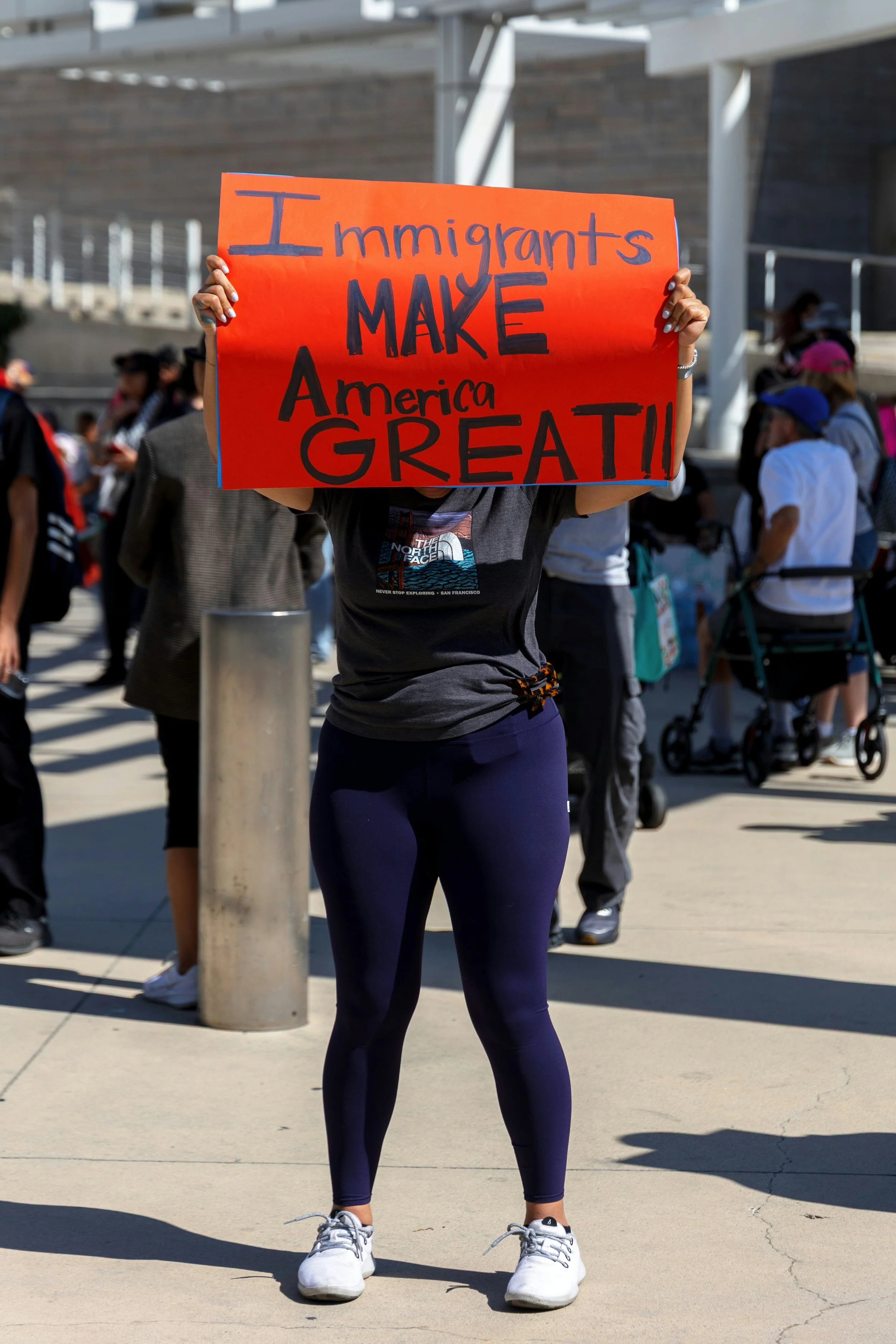
Protester against deportations in 2025. Jason Leung. Unsplash.
The Agreements
The United States has made confidential agreements with several countries, including at least 10 reported African nations, according to Third COuntry Deportation Watch: Eswatini, Ghana, Sierra Leone, the Central African Republic, the Democratic Republic of Congo, Rwanda, Uganda, South Sudan, Cameroon and Equatorial Guinea. Some some financial terms have been disclosed, but for the most part, financial and political details have been kept quiet.
Besides financial need, The New York Times reports that the United States leaned on its global status to pressure these nations, citing confidential State Department correspondence: “The files, coupled with confirmation from officials, reveal how the U.S. government used financial pressure and political incentives to secure a deal that the deportees’ lawyer compared to ‘selling people.’”
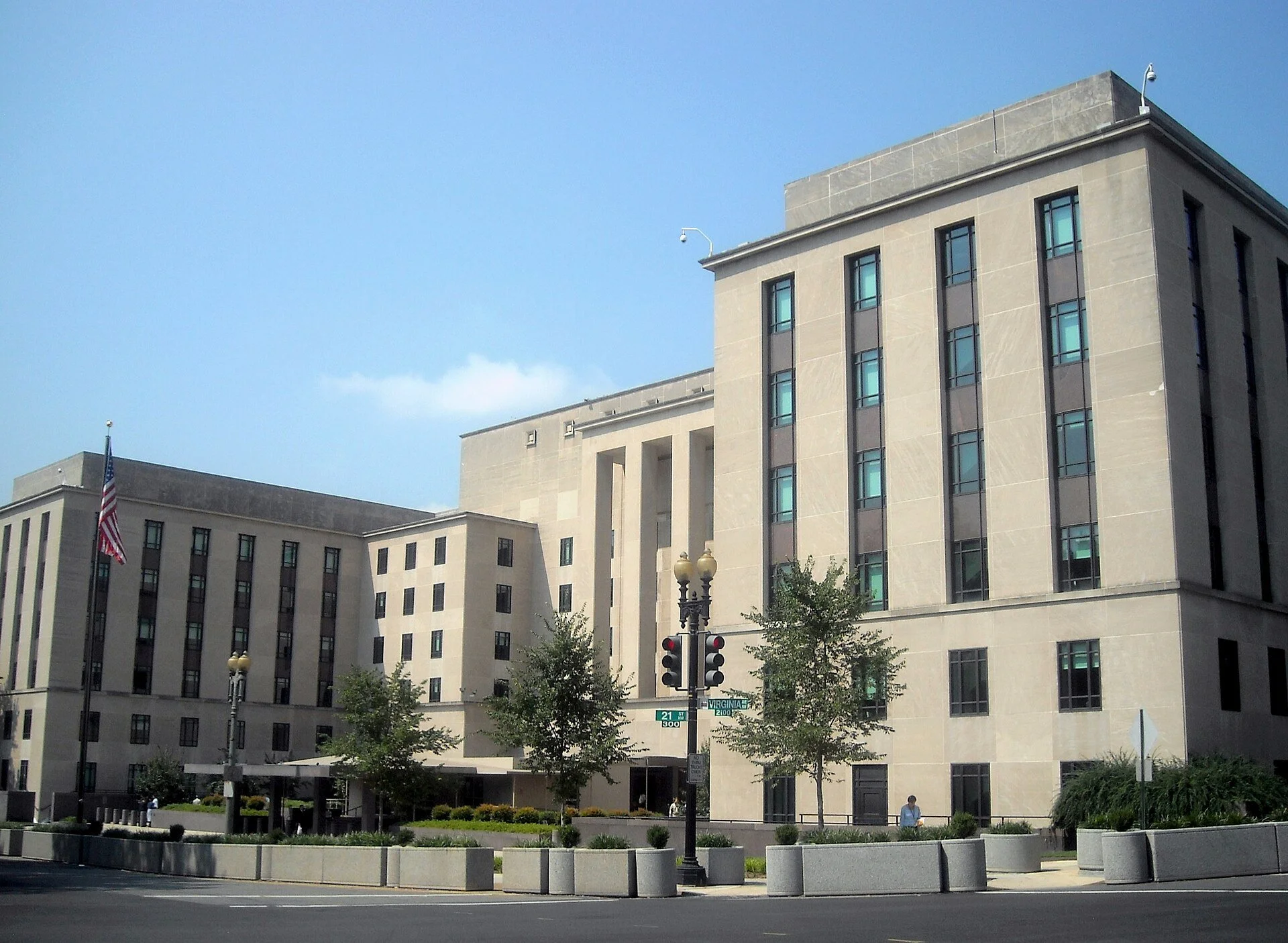
The U.S. State Department in Washington. AgnosticPreachersKid. CC BY-SA 3.0.
The U.S. Senate Committee on Foreign Relations warned in a report in February 2026 that “the Administration is conducting questionable deals by making direct payments primarily to corrupt and unstable foreign governments with track records of public corruption, human rights abuses and human trafficking.” The committee further remarked that “Even where there are formal agreements with countries, questions remain about whether the Administration has made side deals or is providing other forms of U.S. assistance or favorable treatment.”
There have also been claims that some of these countries have detained the deportees, withholding basic human rights from the deported individuals. Amnesty International notes, “For almost a year, Amnesty International has documented the serious human rights consequences of these transfers, including arbitrary detention, restrictions on access to lawyers, denial of due process and the risk of onward refoulement.”
GET INVOLVED:
To stay informed, there are several organizations and legal groups that work to protect immigrant rights and prevent deportation. Third Country Deportation Watch, International Rescue Committee, and Amnesty International provide resources, lead campaigns, and fight for policy changes to prevent third-country deportation. Immigrant Defense Project, National Immigrant Justice Center, and the ACLU are other organizations that use a legal approach. You can email your elected officials about Rabbiatu Kuyateh here.
Coalitions of international lawyers have also launched lawsuits, suing Ghana and Equatorial Guinea.
Keeping up with U.S. policies and agreements is just one part of the issue. It’s important to understand the conditions that the deported individuals face once they arrive in third-party countries. Make sure to stay aware of your rights and your neighbors’ rights: Know Your Rights. Support organizations fighting legal battles. And spread the word about individuals’ stories, as written on Third Country Deportation Watch.

Nina Esteghamat
Nina is a student at Smith College, where she is double-majoring in English Literature and the Study of Women, Gender & Sexuality. She is passionate about bringing global awareness and a human lens to storytelling.