
Complete submersion in a world far different from your own can be overwhelming. But when met with a cup of mint tea, it can be a life-changing adventure.
Read MoreTRIP REVIEW: Surfing South Africa to Help Out
The downfall of many volunteer organizations is cost. All too often there will be a $1000+ price tag on a trip that lasts only a week or two, not included airfare. This isn’t news, so it should come as no surprise that there are people out there who are working to fix this. One of these people is Daniel Radcliffe (no, not the actor). After collecting a Masters of Business, Daniel decided that it was time to give back to the world. He began to research volunteer trips. He too ran into this roadblock, but unlike someone like me who will simple notice the problem and then write about it, Daniel decided to do something. International Volunteer HQ was founded upon his return to New Zealand in 2007. “IVHQ was born with the goal of providing safe, affordable and high quality placements in areas where there is a real need for volunteers.” One of these places is South Africa.
It’s easy to read a statistic or to watch a documentary and think that we understand. Sure, we have problems here in the United States, there’s inequality and poverty everywhere, but, honestly, we cannot imagine what some citizens of the world live through. In South Africa the average life expectancy of a white South African is 71 years. The average life expectancy for the black population is 48 years. In 2005 it was estimated that 31% of the female population was infected with HIV, most of them black. There are 1,200,000 orphans. These are numbers and statistics, I could throw them onto a graph and you would see the vast differences, but you still wouldn’t know, you would still be using your imagination. Over there, it’s a reality. South Africa needs help and, if you feel so inclined, you can give it.
IVHQ sends volunteers to South Africa on the first and third Monday of each month. They normally arrive in groups of twenty to fifty people and the assist the community in an astounding variety of ways. Participants can involve themselves in a teaching project, in childcare, computer training, sports development and, an organization after my own heart, a surf outreach program.
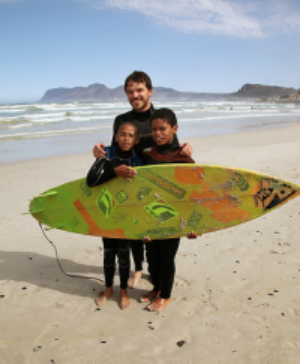
Maybe you’re wondering what good a surf outreach program would do for children when they could be receiving extra medical attention or extra food and shelter. In the words of Ellen Varoy, Marketing and Media Coordinator for IVHQ, “The Surf Outreach program is designed to provide these children with an after school activity, keeping them off the streets of Cape Town and placing them in a safe and encouraging environment. Through the program, these children have the opportunity to learn new skills, take up new challenges, gain confidence and interact with our international volunteers, who the children look up to as role models.” It’s not about whether or not these kids learn to surf. It’s about showing them that there are people who care. It’s about being a ray of light on an otherwise bleak horizon. As a surfer would say, it’s about sharing the stoke. Would these children benefit more from help that focused on their health and nourishment? On the spreadsheet, probably, but where would they go after that? I say give them role models, give them hope and teach them that they can overcome. That, in my opinion, will last much longer than a loaf of bread.
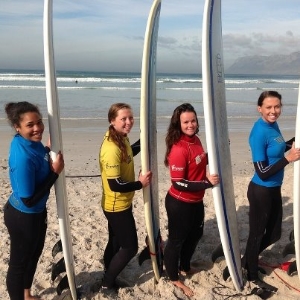
The cost of IVHQ trips is one of the things that makes this organization so great. Prospective volunteers for the surf outreach program only have to pay $320 for one week. Longer periods of time require more money, being capped off at six months for $4580. This does not included airfare or visas or spending money. Also, if you want to participate in the surf outreach program you must know how to swim. I just thought I would point that out. If you are interested in any of the other programs offered for South Africa, you can find more information here.
IVHQ is a fantastic option for people who want to volunteer for an affordable price. A full range of trips can be found at their website, http://www.volunteerhq.org/. As usual, if you were interested in the trip, but don’t think it’s for you, check back with Mission.tv next week for the next article in our series of trip reviews.
For testimonials by volunteers who completed the surf outreach program, check out: Testimonials
To check out a video from the trip click here.
LEARN MORE ABOUT IVHQ
KINO CROOKE spent the last three years juggling school and travel. He most recently spent the last two months traveling across Spain before moving to New York to work with CATALYST.
Explore Laos
In the third episode of his series “In Asia,” German traveler and director Vincent Urban transports his viewers to Laos. We travel with him to Luang Prabang, a city in Northern Laos that is home to abundant Buddhist monasteries and is a UNESCO World Heritage site. Our next stop is Phone Savan, capital of the Xiengkhouang province, where Urban captures the daily lives of people who work the fields and bring their produce to market. In Vang Vieng, we are introduced to the region’s aquamarine freshwater lagoons and waterfalls. Vincent finishes his trip by exploring Vientiane, the lively capital of Laos, on bike and by visiting Don Khong, an island in Southern Laos, where he engages in various outdoor activities, including playing soccer with the local children. He concludes the video by teasing his next stop: Cambodia.
MALAYSIA: Take Off with Vincent Urban
The first of five episodes about a Southeast Asian Journey by Landrover, by Vincent Urban and Clemens Kruger. Take off with them as they explore Malaysia. Watch.
CONNECT WITH VINCENT URBAN
VIDEO: Explore the Scenic US on a Road Trip
A vivid exploration of American culture, this video shows different parts of the country from the perspective of a road trip. While it starts in New York City, it is hardly limited to urban environments and looks at many different parts of the country.
CONNECT WITH MENNASIER GABRIEL
VIDEO: Jono Moehlig’s Spoken Poem on the Beauty of Rwanda
Jono Moehlig went on a trip to Rwanda and found that the people he encountered there were some of the most amazing people he has ever met. Watching wartorn killers that have been released and loved by the neighbors they once destroyed, he learned what peace really is.
CONNECT WITH KULA PROJECT
VIDEO: Facts That Will Make You Want To Travel
Fact: There is no time like the present. Fact: Studies have found that money spent on travel will make you happier than money spent on material goods. Not convinced yet? Watch the video.


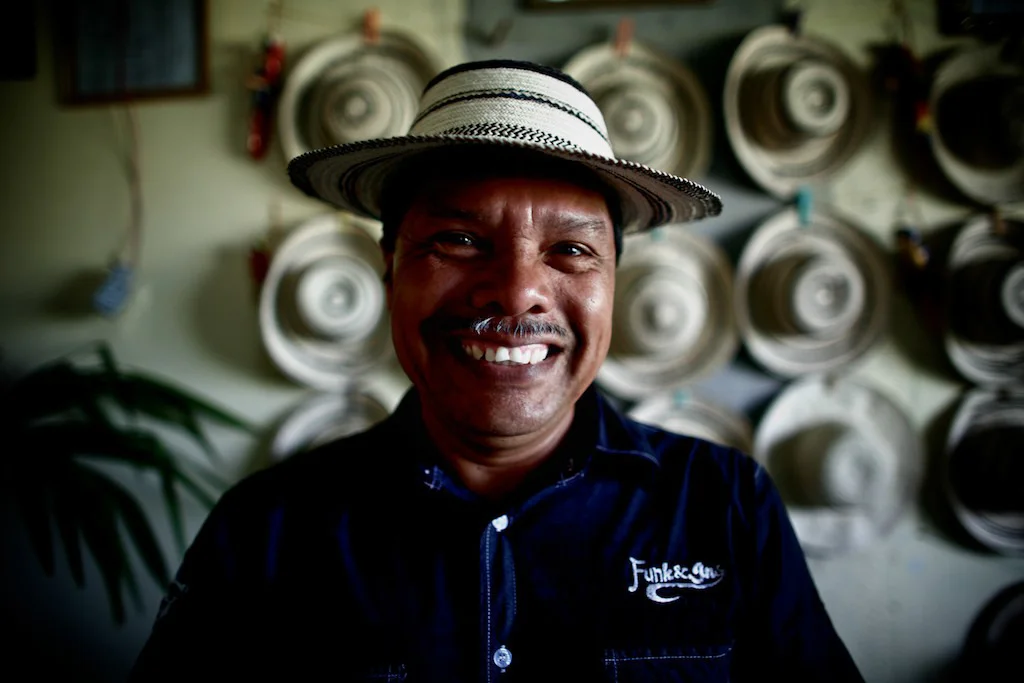

What Took You So Long?
Certifiably nomadic.
This is just one of countless ways to describe the rag-tag, bootstrapped guerrilla filmmaking collective “What Took You So Long?” (WTSYL). On any given day, this small, yet powerful team may span the area of three, even four continents. From Ghana to Haiti, Qatar to Panama, the WTYSL clan is constantly on the move– capturing images, and telling the stories from wherever their feet land.
Whether they are spanning the globe in search of some illustrious camel milk (yes, camel milk), or organizing TEDx events for the masses, WTYSL are constantly in pursuit of personifying the stories of the unsung heroes our world has to offer.
As guerrilla filmmakers, the team operates under the philosophy of their medium being a way of life, as opposed to a simple means of production. This is why they choose to live with those of whom they are filming and working with, take public transportation, and seek locals to collaborate with in the pursuit of building lasting relationships.
To date, the team has filmed in over 60 countries, with no signs of slowing down. These photos provide a small glimpse into the lives of these digital nomads and their tales of misadventure across the globe; those of which will undoubtedly continue well into the future.
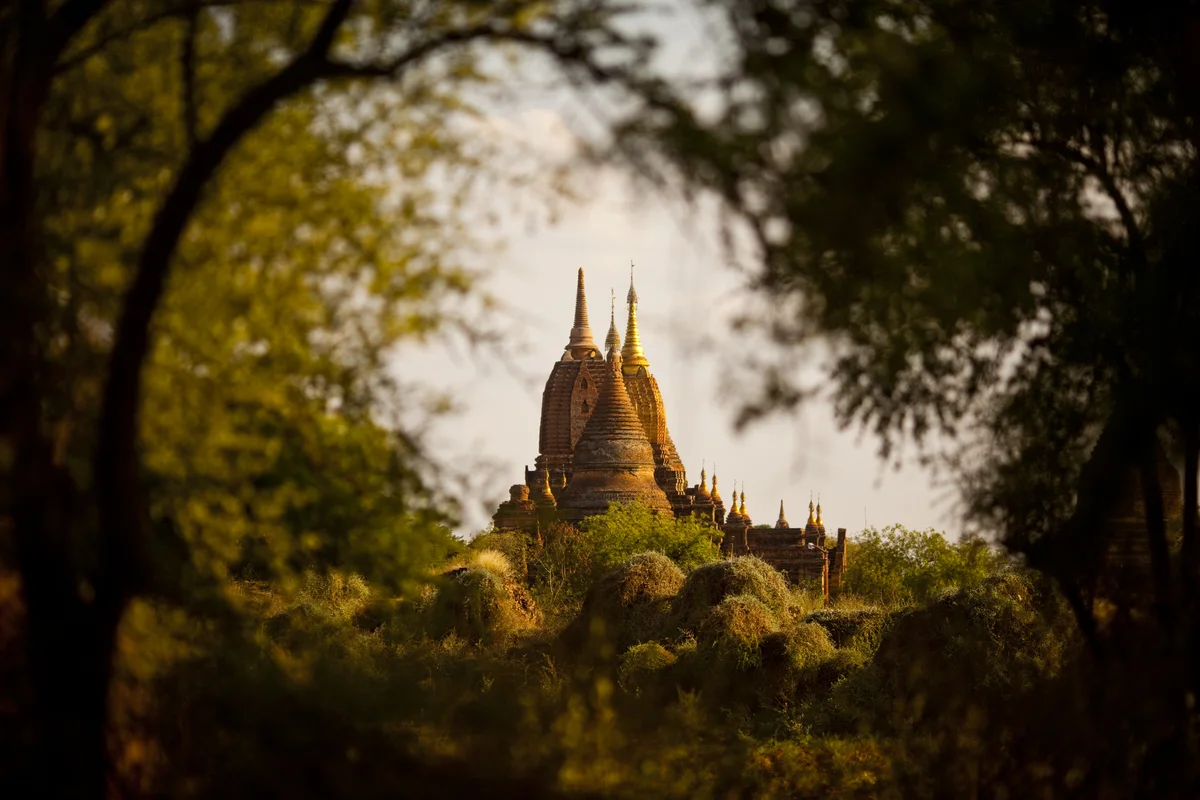
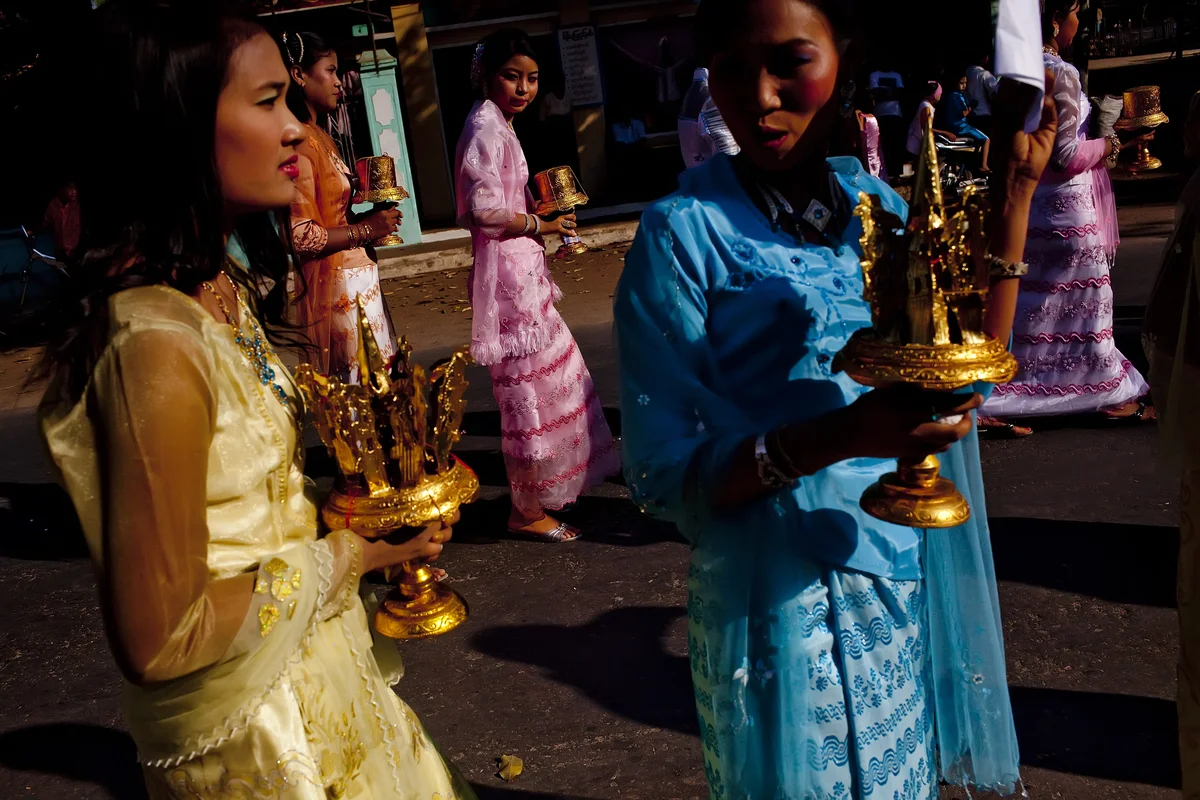
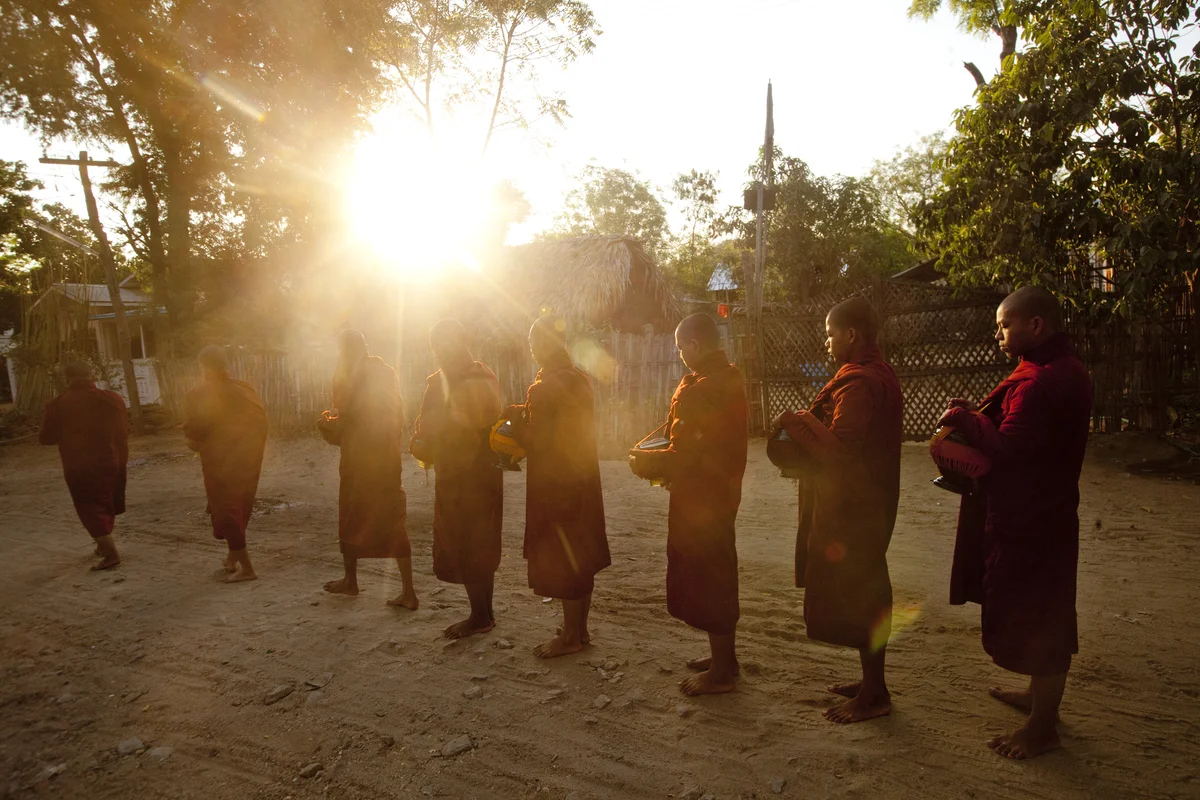
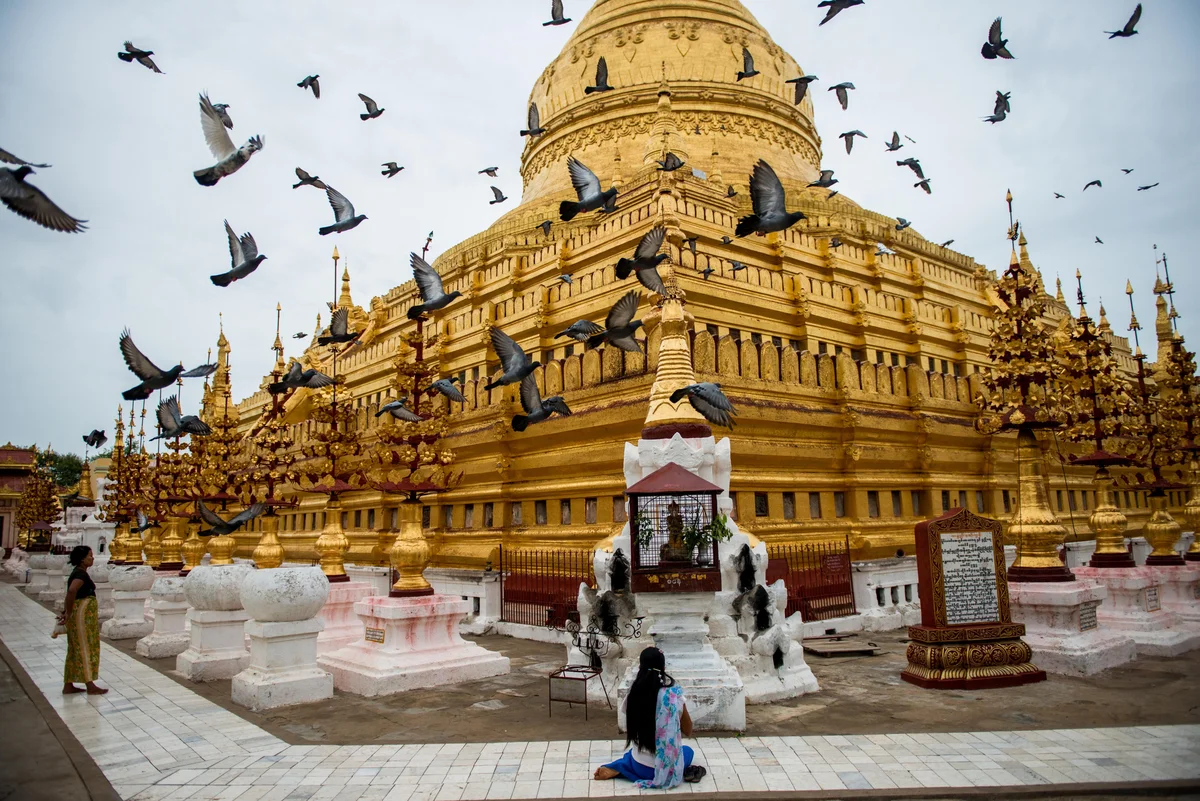
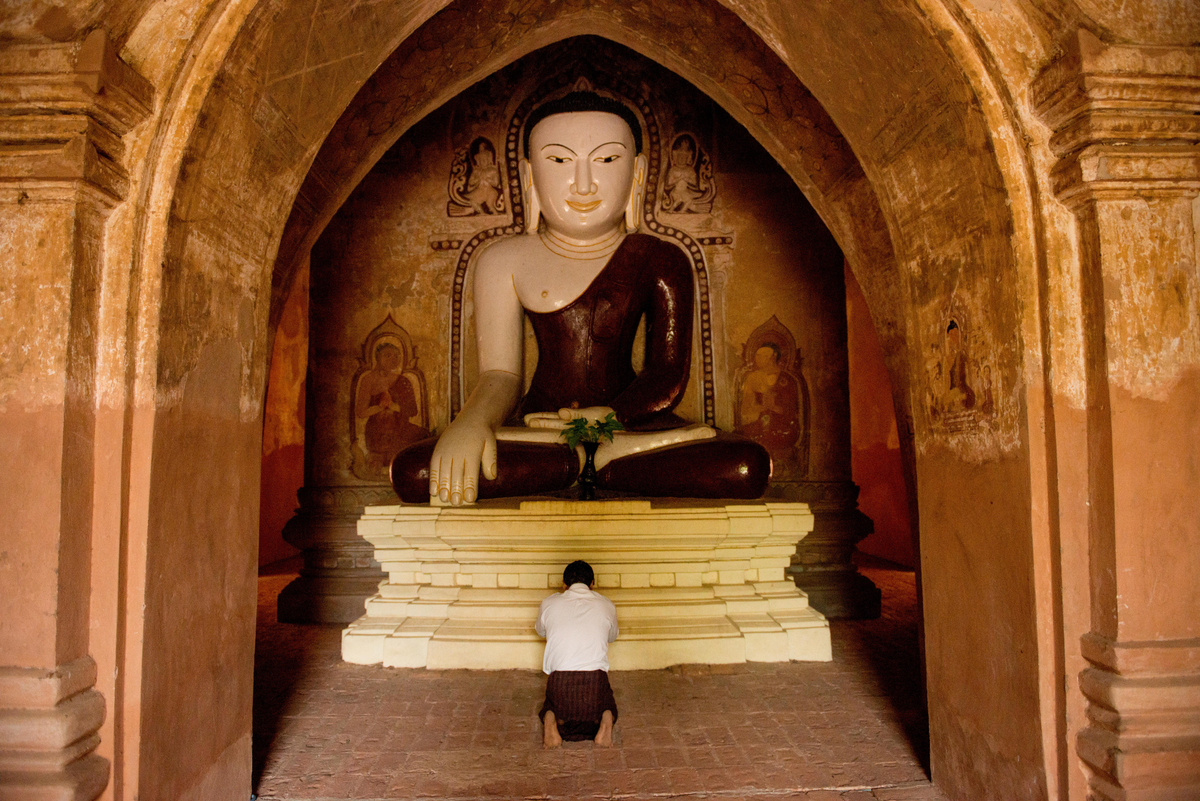
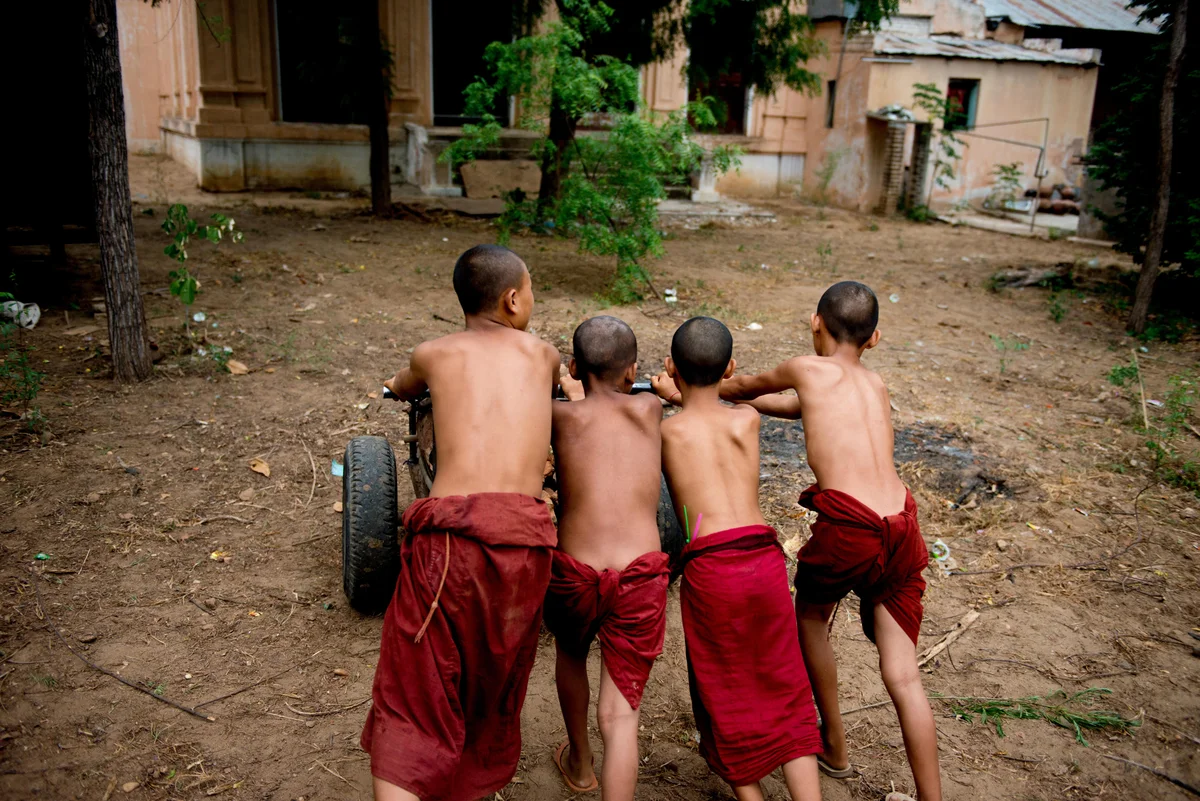
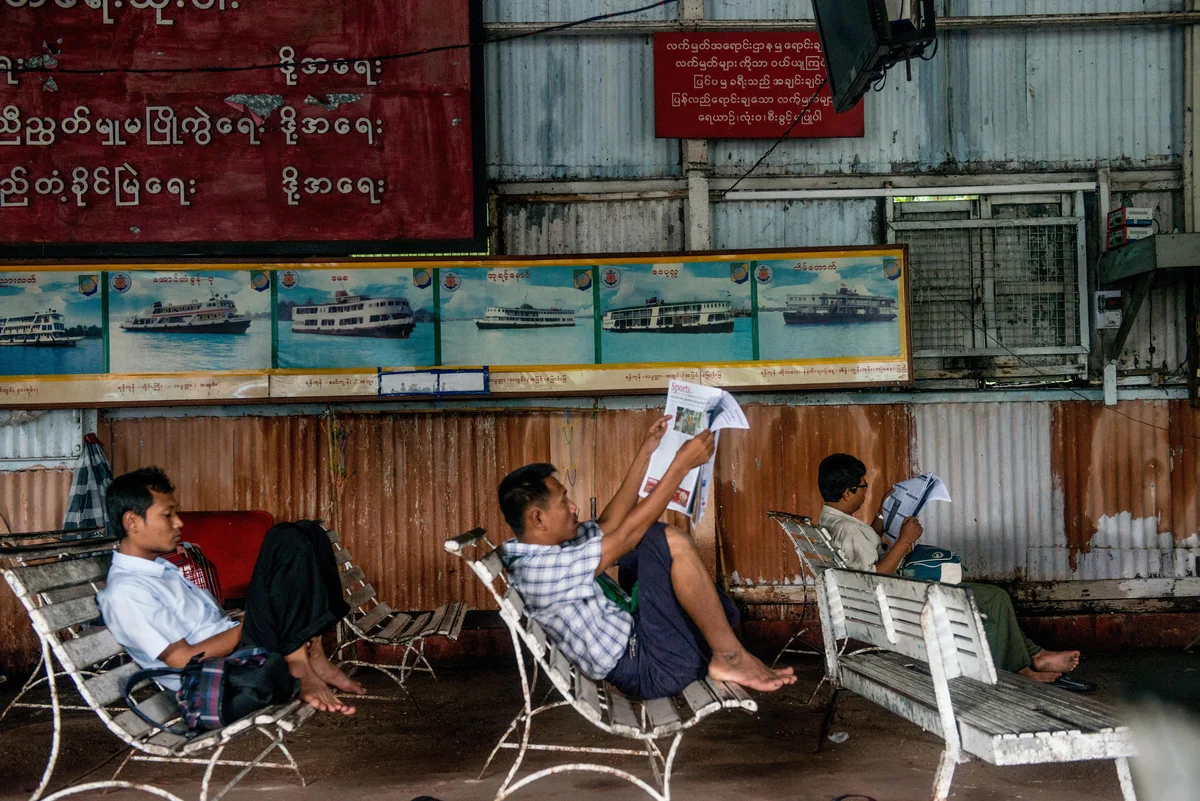
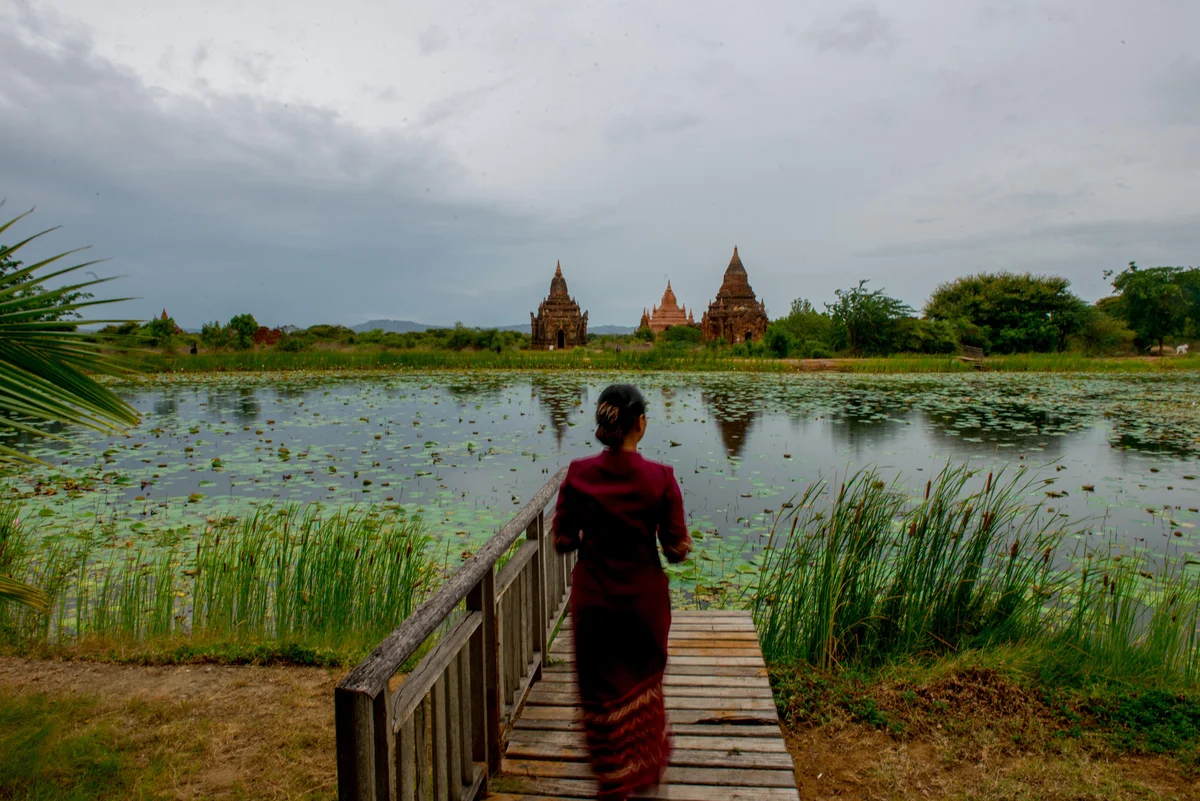
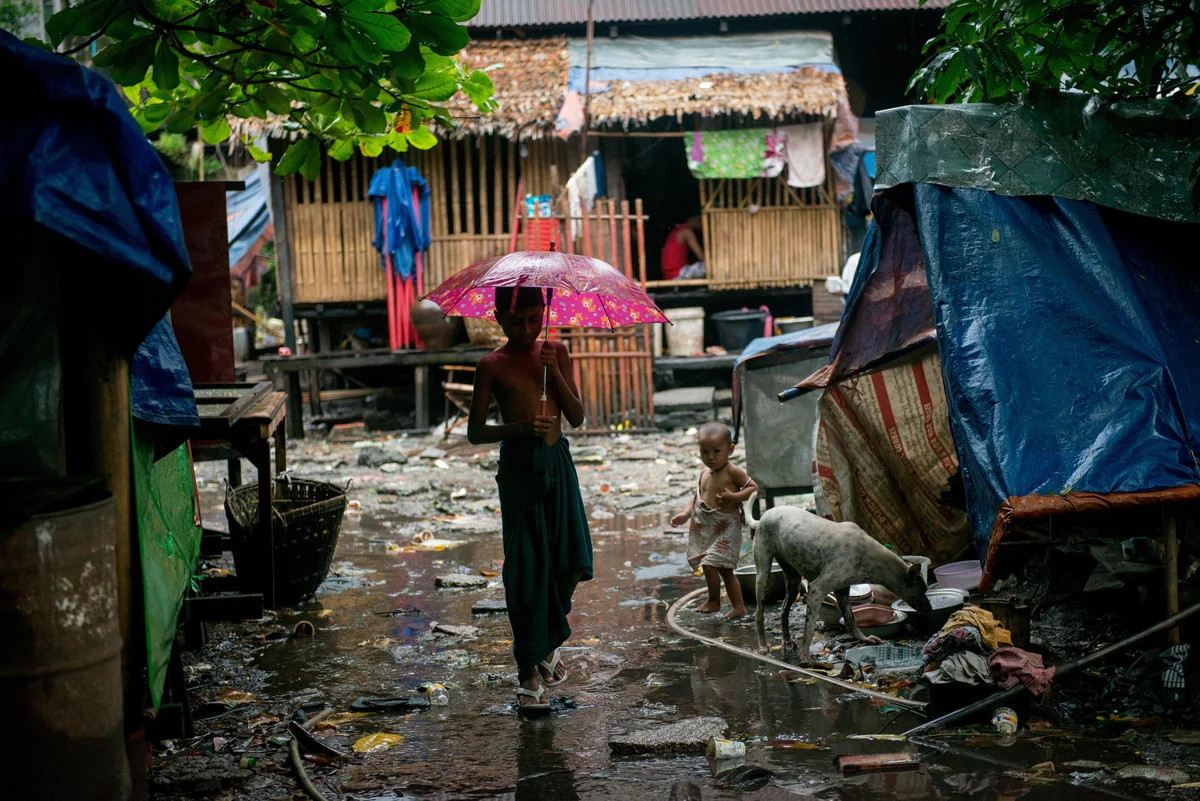
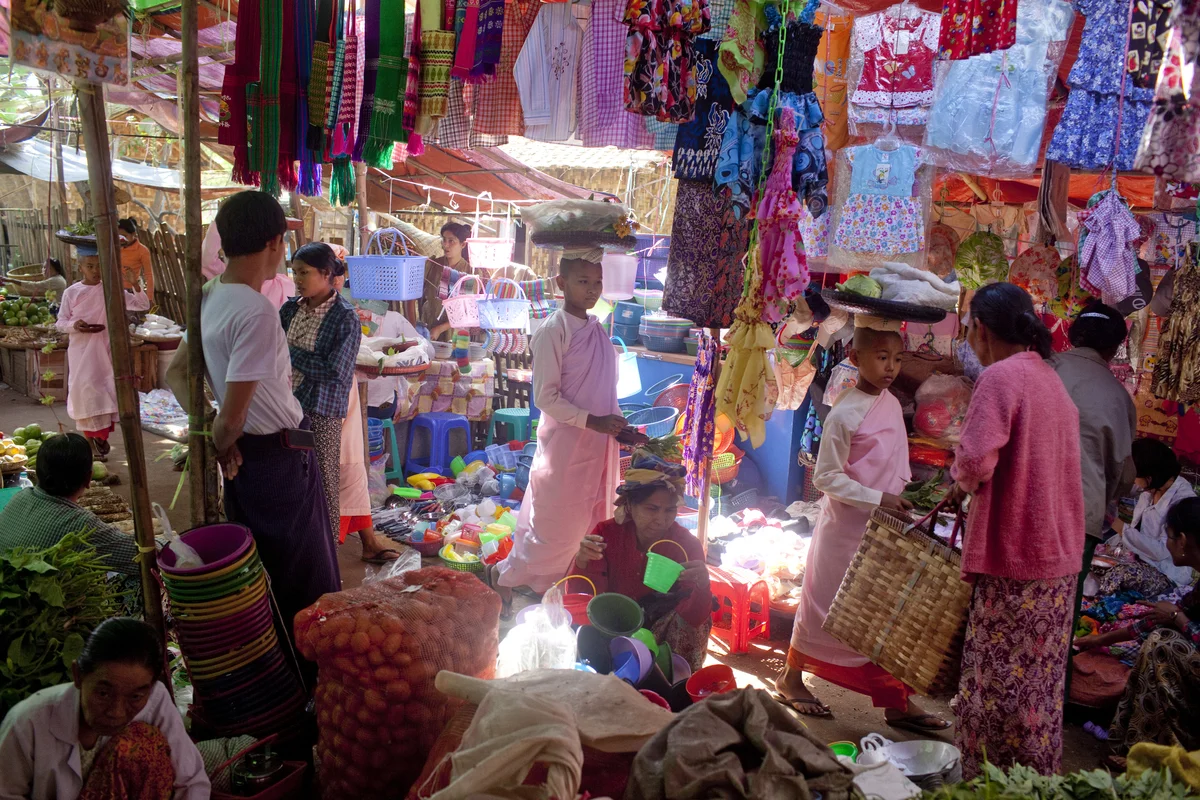
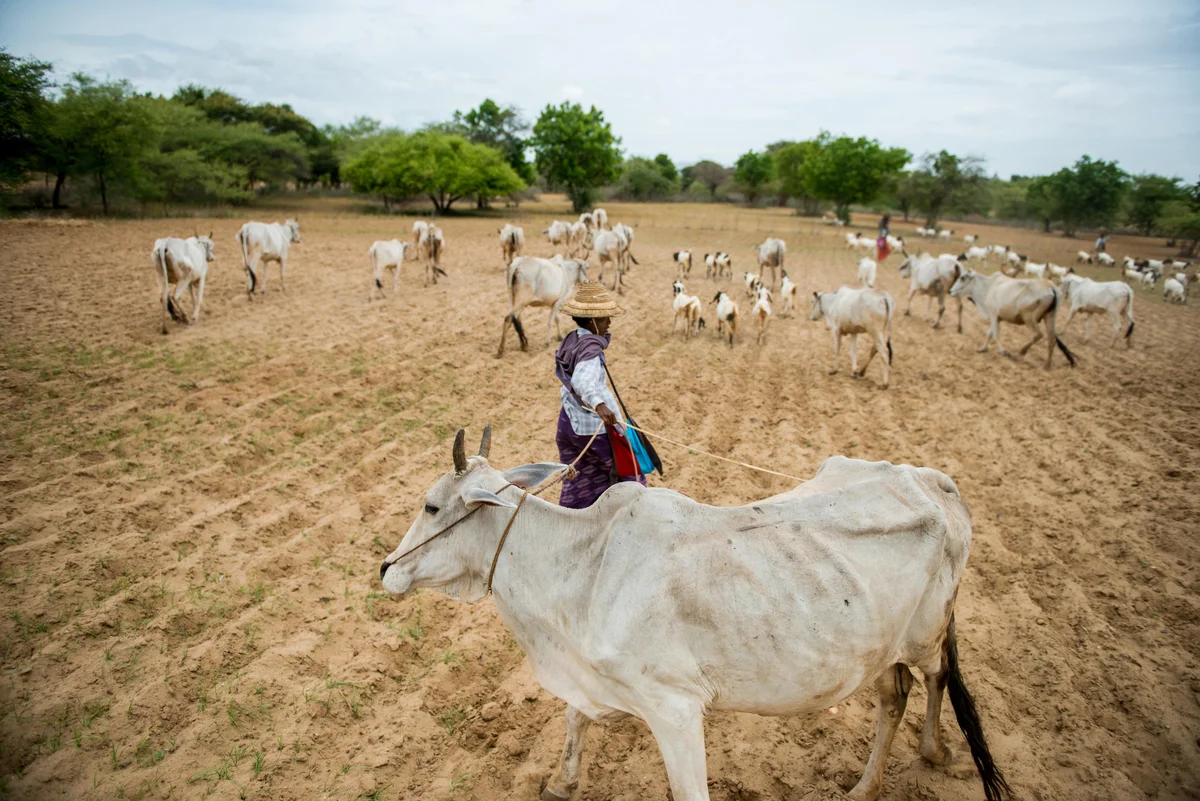
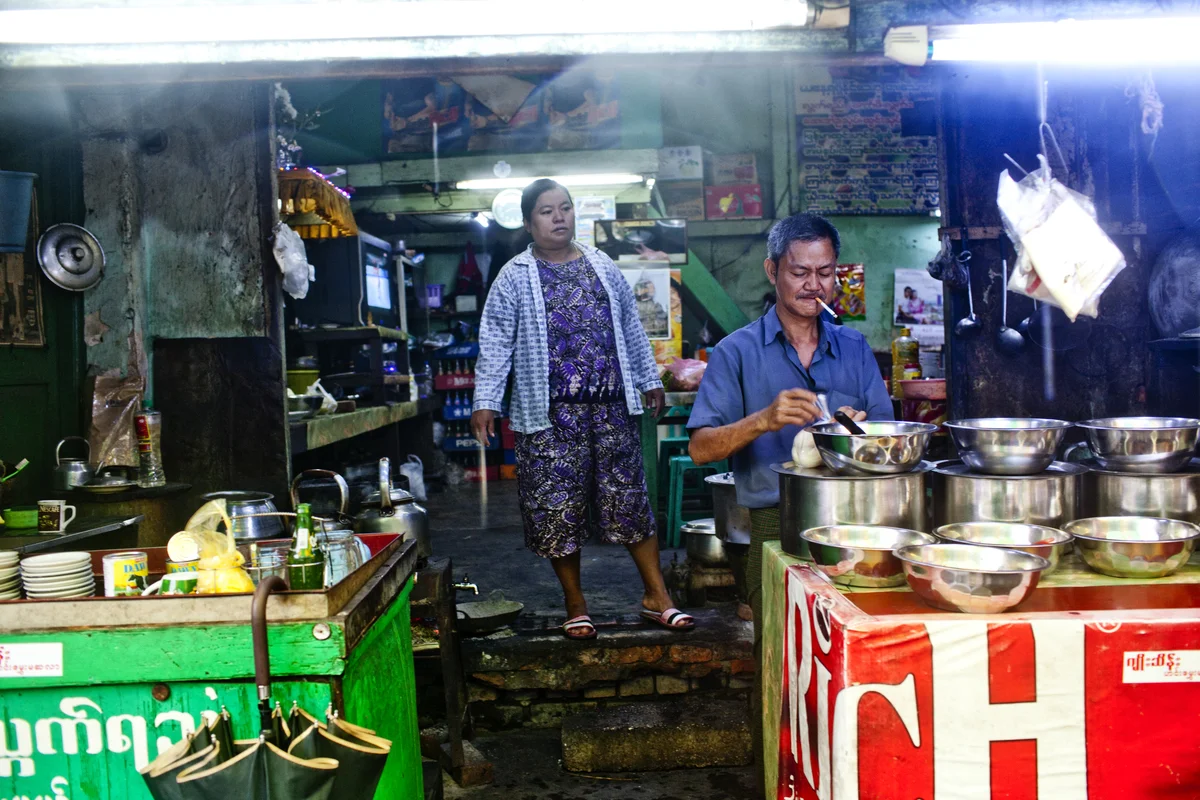
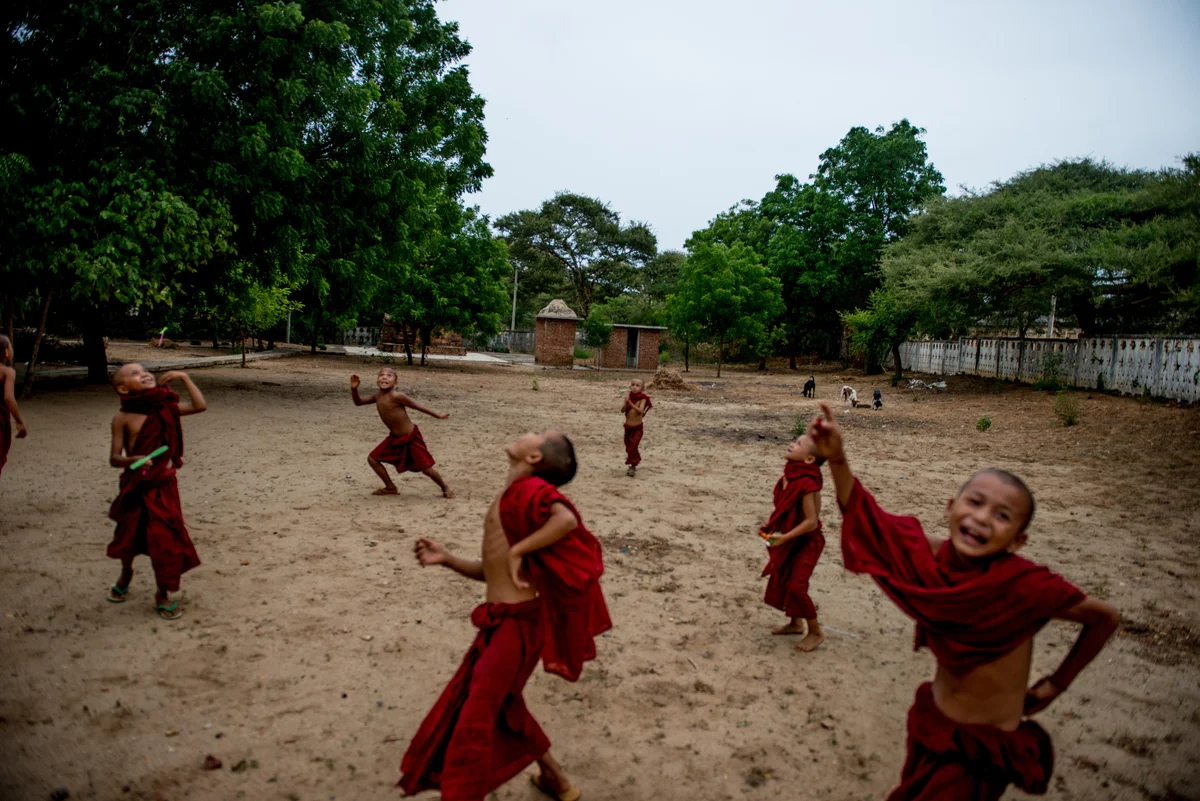
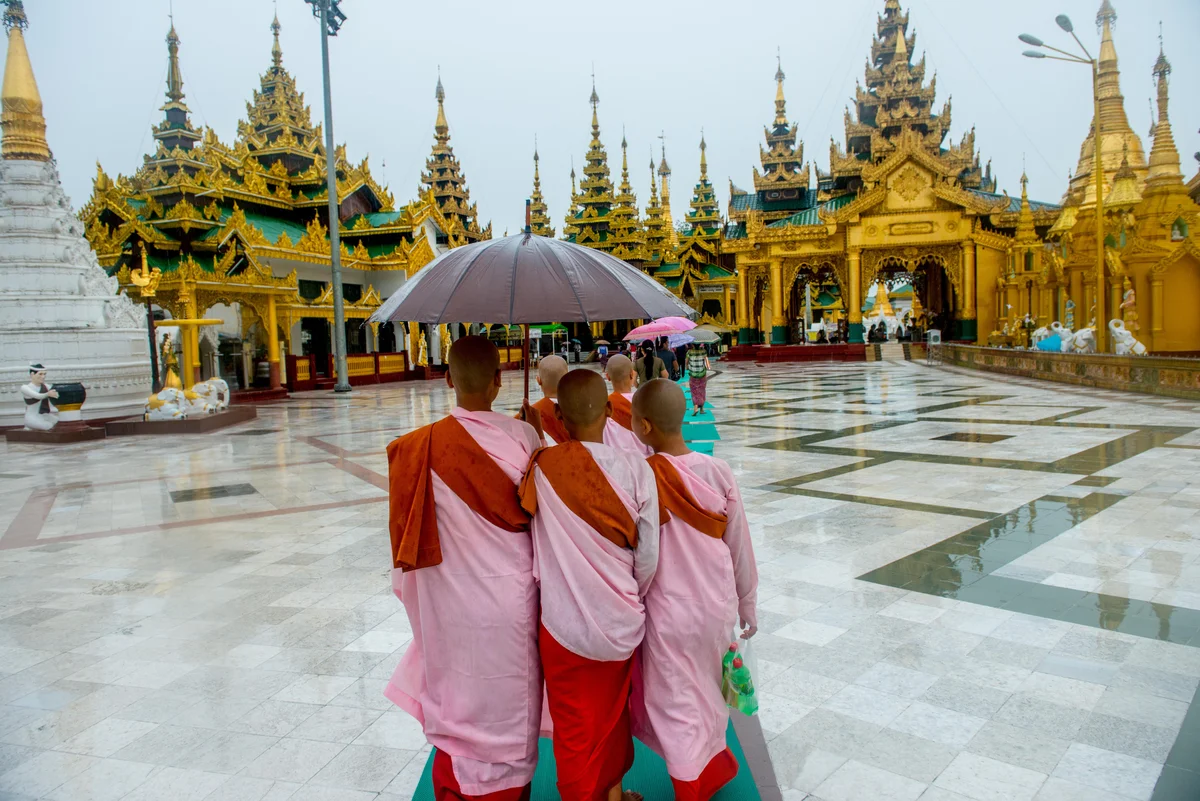

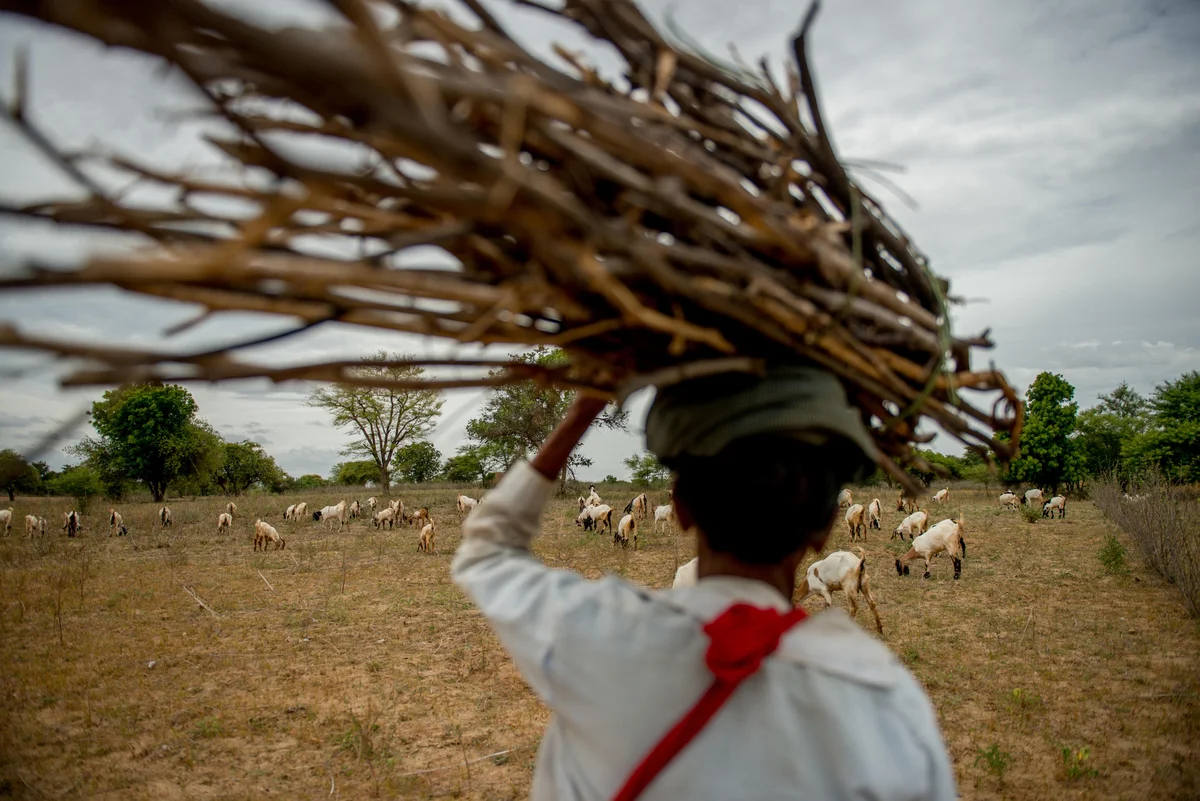
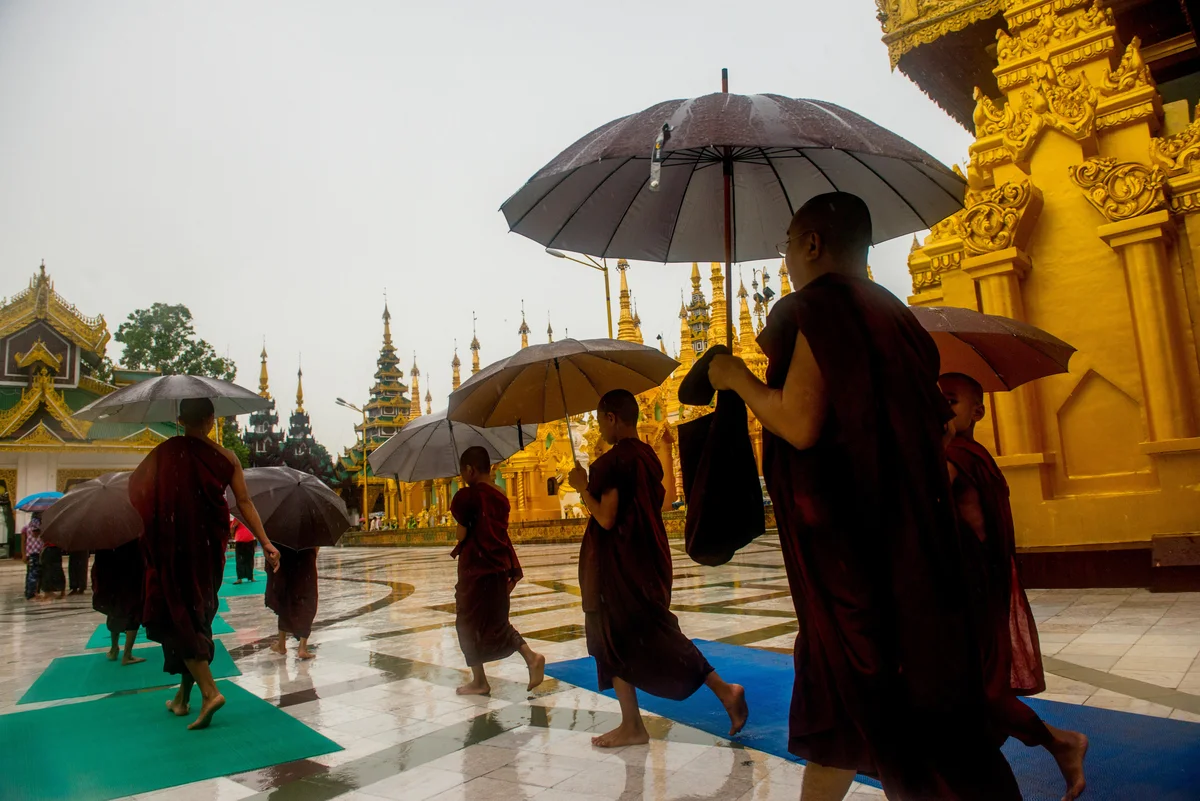
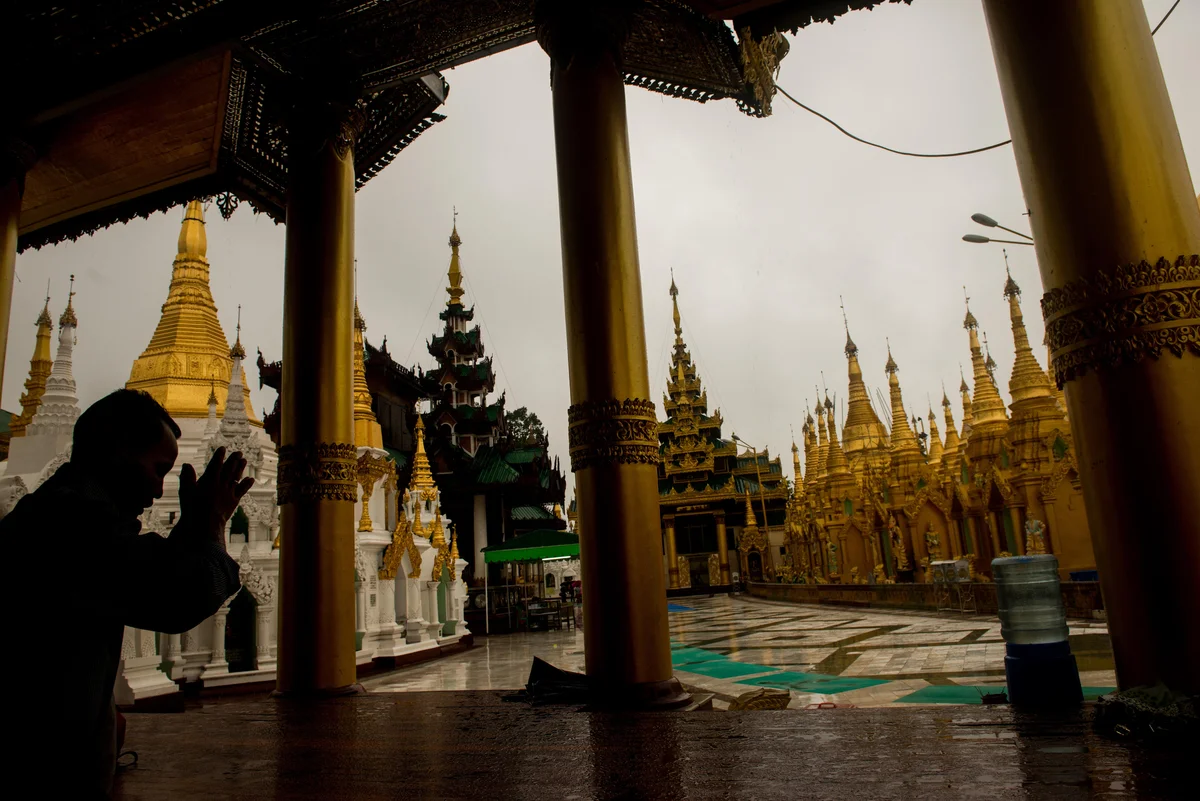
A Glimpse at Myanmar
The military junta has ruled Myanmar since 1962; challenges to the junta are quickly thwarted with a heavy hand. Information coming and going is monitored closely. Journalists cautiously sneak in and out, but many are blacklisted after reporting about the political situation.
The former capital city of Yangon, while not without its beauty, is developmentally stalled in the past with beat down cars cruising by crumbling buildings. No ATM’s can be found; a visitor must bring all the money they need with them.
It’s easy to forget the 2007 Saffron Rebellion. It’s easy to forget that the country’s beloved Nobel Peace Prize recipient, Aung San Suu Kyi, was under house arrest for the better part of the past two decades before her release in November of 2011. But regardless of its troubled past, you will rarely have a smile unreturned wherever you go. It’s easy to have a look around and feel that everything is just fine and dandy.
JUSTIN MOTT @jmott78
Justin is an editorial and commercial photographer born in Rhode Island, USA. He is living in Hanoi, Vietnam and working throughout SE Asia on personal projects and assignments. In 2008 his work on Agent Orange orphans was recognized in the PDN Annual and was awarded the Morty Forscher Fellowship for humanistic photography given out by the Parson’s School of Design in NYC.
For more on Justin and his photography visit: Mott Visuals
PHOTO ESSAY CURATED BY: Nelida Mortensen
Morocco: The Color of Tough
It was the cemeteries that first spoke to me.
Read More

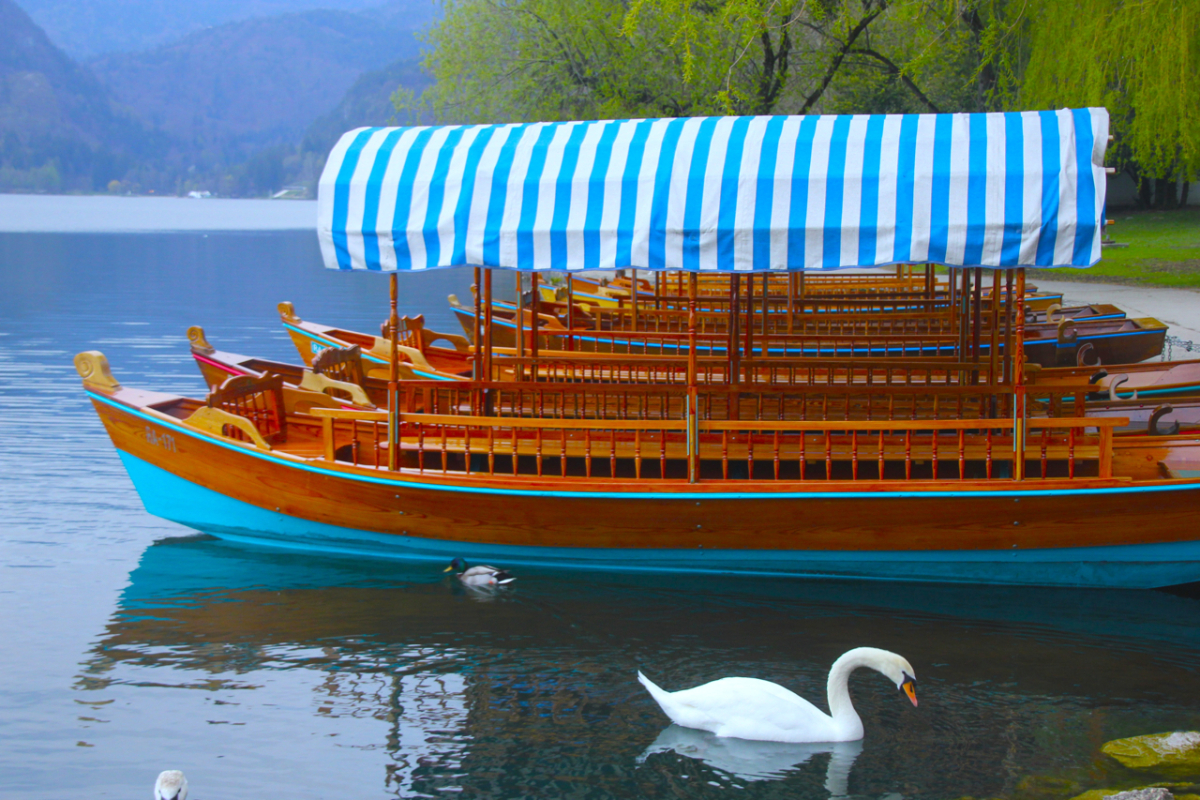

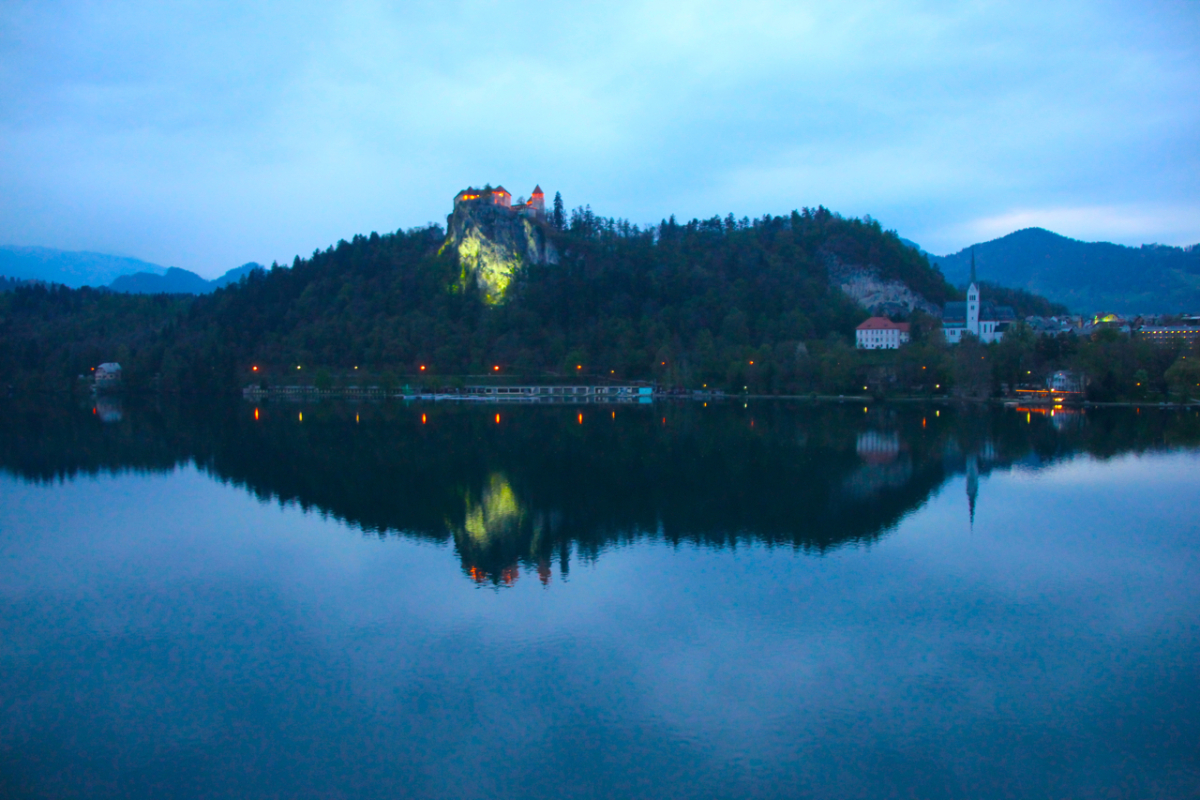


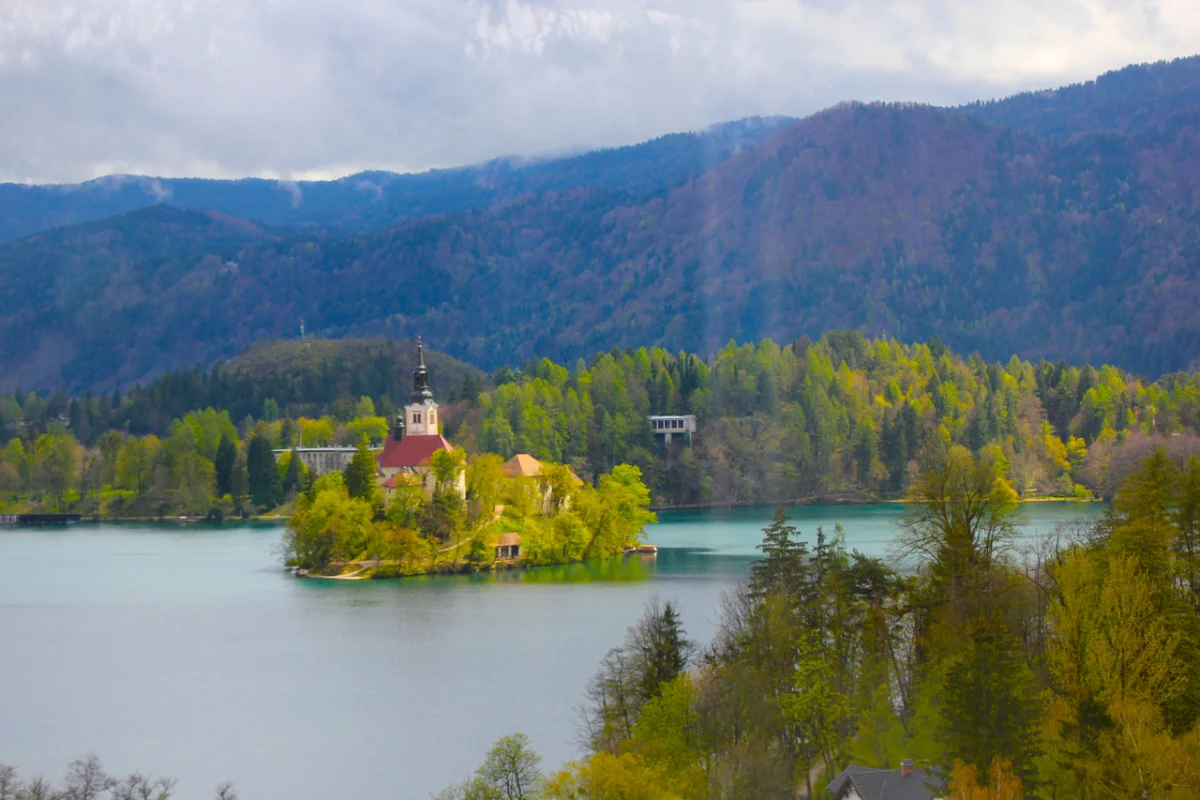


Getting Lost in Slovenia
Photos & Text by, CRISTINA NEHRING
Photo Essay Curated by, NELIDA MORTENSEN
This is what Hansel and Gretel felt like, I mused as I erred through an opaque wood. Except that I had forgotten the breadcrumb trail; I had forgotten the bread. Just an hour ago, after all, my daughter and I had been at a café on the sea. A hundred-odd hairpin turns later in a tiny car and the world had changed, darkness was upon us, the trees were impassive.
Slovenia is a country of extremes. Extreme sports, extreme combat, extreme resilience, extreme beauty. Tucked away tightly between Italy, Austria and Croatia, Slovenia shares an opening onto the Mediterranean and a big chunk of the Alps. Only half the size of Switzerland--and with a population of just 2 million--it packs an abundance of micro-climates into a tiny space. When Slovenia was part of Yugoslavia (until 1991), it accounted for a mere 8% of the land and population of its mother country, but 60% of its industry. Once independence was declared (Slovenia was the first of Yugoslavia’s six republics to split off, and to do so essentially without bloodshed), its economy and industry only took off.
Today, it is The Little Country that Could. In the Soca River Valley where many hundreds of thousands lost their lives during World War I (as recounted, in part, by Hemingway in A Farewell to Arms), locals now receive tourists for river-rafting, canyoning and paragliding. And yet the ghosts have not gone. Gingerbread-houses feel like they are just around the corner, haunted-seeming castles emerge every few miles, and every rock and rabbit appears to have a story to tell.
My girl and I gripped each others hands tightly, and kept forging ahead until the light reappeared. Like the Slovenian people have done so many times. And there’s very little more radiant than Slovenia under the sun.
CRISTINA NEHRING
Cristina is an American author, journalist and photographer. Her work has appeared in Condé Nast Traveler, The New York Times, The Atlantic Monthly, Harper’s, Slate, The Nation and elsewhere.Her books are A Vindication of Love: Reclaiming Romance for the Twenty-First Century (HarperCollins) and Journey to the Edge of the Light: A Tale Of Love, Leukemia and Transformation (Amazon Kindle Singles).Her photo exhibits include “The Sky is Falling” and “Found Love” (Chico, California).She lives in Paris with her now 5-year-old daughter, Eurydice, who has Down Syndrome, and often serves as her model. For photo purchases and other inquiries visit her website at: www.cristinanehring.com