
By Kate Dawson
The Great Barrier Reef’s decline is fueling a new kind of climate anxiety and inspiring communities to fight for its future.
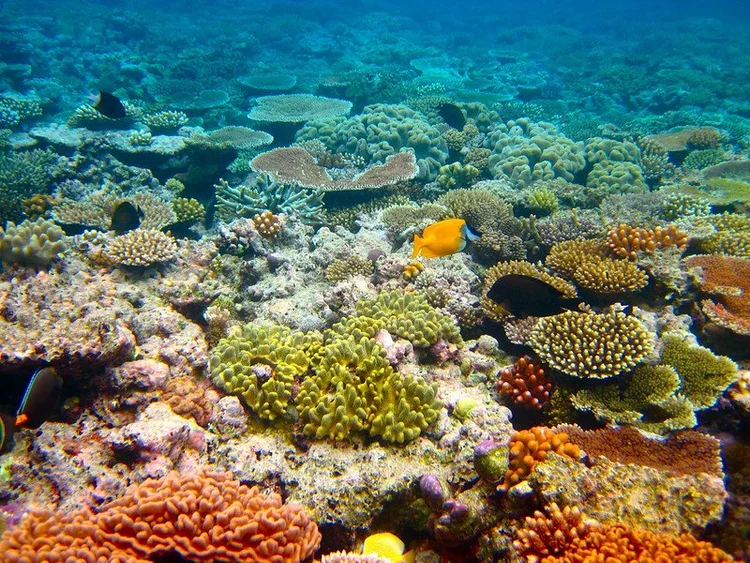
The Great Barrier Reef in Queensland, Australia. Kyle Taylor. CC BY 2.0.
Reef grief, also known as ecological grief or solastalgia, is the psychological distress experienced by many scientists, conservationists, divers, and coastal residents as coral reef ecosystems rapidly deteriorate, bleach and die due to climate change.
Those with deep personal or professional ties to the reef and surrounding waters experience effects similar to grieving the loss of a loved one. Reef grief is occurring across the world’s largest coral reef system.
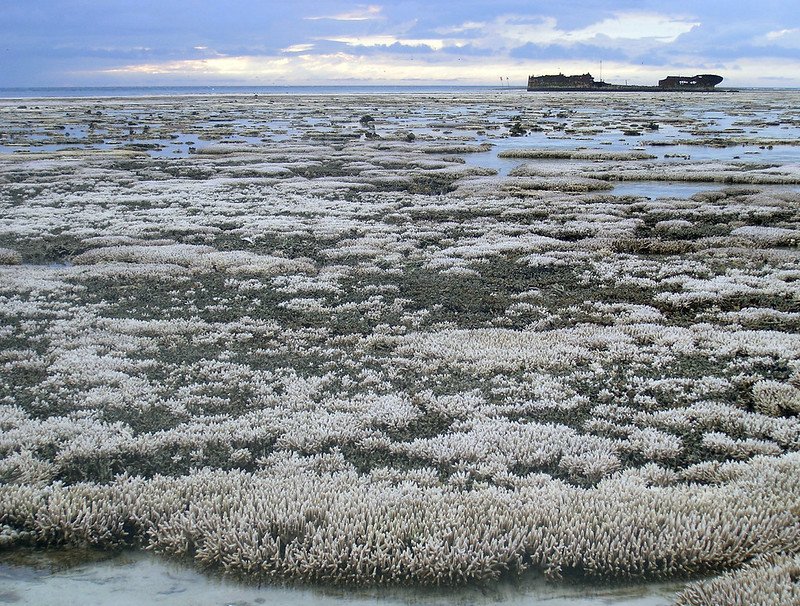
Bleached and drying coral. Oregon State University. CC BY-SA 2.0.
One of the most complex natural systems on Earth, the Great Barrier Reef is home to over 1,500 species of fish, six of the world’s seven sea turtle species, and over 30 species of whales and dolphins. Understanding the scale of loss helps explain why reef grief is becoming so widespread; the Great Barrier Reef in Australia makes up roughly 10% of the world’s coral reef ecosystems.
Severe marine heat waves threaten not only the reef’s inhabitants but the reef itself. According to a 2025 study by the Australian Institute of Marine Science, which runs yearly analyses of the Great Barrier Reef, up to a third of coral cover has been destroyed in some reef regions, making it the reef’s largest loss ever recorded in 39 years of monitoring.
The loss of such a significant ecosystem is triggering widespread reef grief across the Australian waters. This deep empathy fuels global awareness, pushing individuals to value their natural heritage. Scientists who have spent decades documenting the same coral colonies now watch them bleach in real time.
For the First Nations peoples in Queensland, also known as Traditional Owners of Sea Country, this connection runs deep. Indigenous groups have maintained a reciprocal bond with the reef for thousands of years, viewing the land, sea and human community as an interconnected living system. The accelerating loss of coral reefs is not just an environmental tragedy for Traditional Owners, but also a threat to their ancestral heritage, sacred storytelling and the preservation of cultural knowledge passed down through millennia.
Out in Yirrganydji Country, for example, stewardship comes in the form of direct reef restoration, routine health monitoring and habitat management through cleanups, water quality tracking and cultural burning. Weed management along coastlines protects surrounding habitats from invasive species.
The Reef Cooperative has rangers out on the reef actively stabilizing coral rubble, deploying reef structures and engaging in coral larval reseeding. Equally important is the sharing of traditional heritage, cultural awareness and environmental education with visitors, showing how deep care for the Great Barrier can drive awareness.
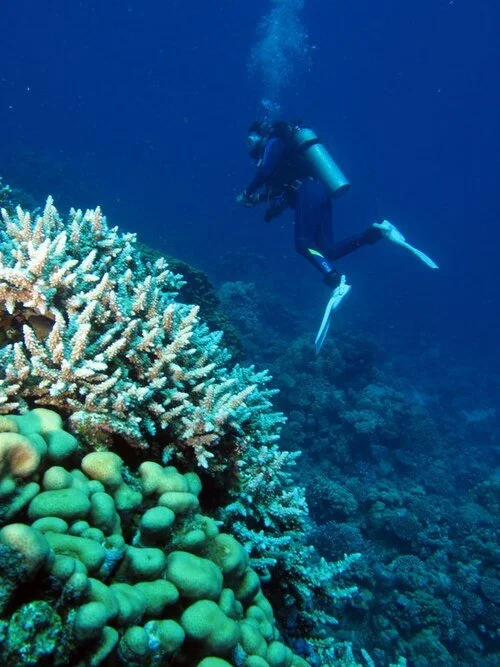
Scuba diver with coral reef. Derek Keats. CC BY 2.0.
First Nations communities are demonstrating how environmental mourning can be channeled into meaningful protection. By combining generations of traditional ecological knowledge with modern marine science, Indigenous Land and Sea Rangers are leading the charge in coral monitoring, crown-of-thorns starfish management and habitat rehabilitation.
These projects show that cultural responsibility and ecological care reinforce one another. Action becomes a form of healing. When communities step into the role of active caretakers, the act of restoring the reef helps restore the self. This framework shifts the narrative from helpless mourning to active stewardship, offering a powerful blueprint for how humanity can navigate climate anxiety and protect one of the planet’s most vulnerable ecosystems.
GET INVOLVED:
Individuals can support the communities, scientists and Traditional Owners working on the frontlines to transform ecological grief into structural action. Supporting these groups is a way to transform grief into guardianship, offering a chance to protect what remains and restore what has already been lost.
The Great Barrier Reef Foundation collaborates directly with First Nations groups by funding Sea Country grants, ranger training programs and co-designed reef restoration projects that keep Traditional Owner leadership at its center.
Additionally, Citizens of the Reef allows individuals to participate on-site or become virtual volunteers online, analyzing reef photographs to provide critical data used by marine managers and conservation teams.
As Australia's leading national charity protecting ocean wildlife, the Australian Marine Conservation Society campaigns for rapid climate action, clean energy transitions and stronger legal protections to safeguard the Great Barrier Reef’s future.

Kate Dawson
Kate is a student at the University of North Carolina at Chapel Hill, double majoring in Public Policy and Journalism. Her passion to share stories and love for environmental justice inspires her writing. She hopes to change the world by empowering others.