
Zoe Lodge
El Salvador is rewriting its rocky past to rebrand as a popular tourist destination.
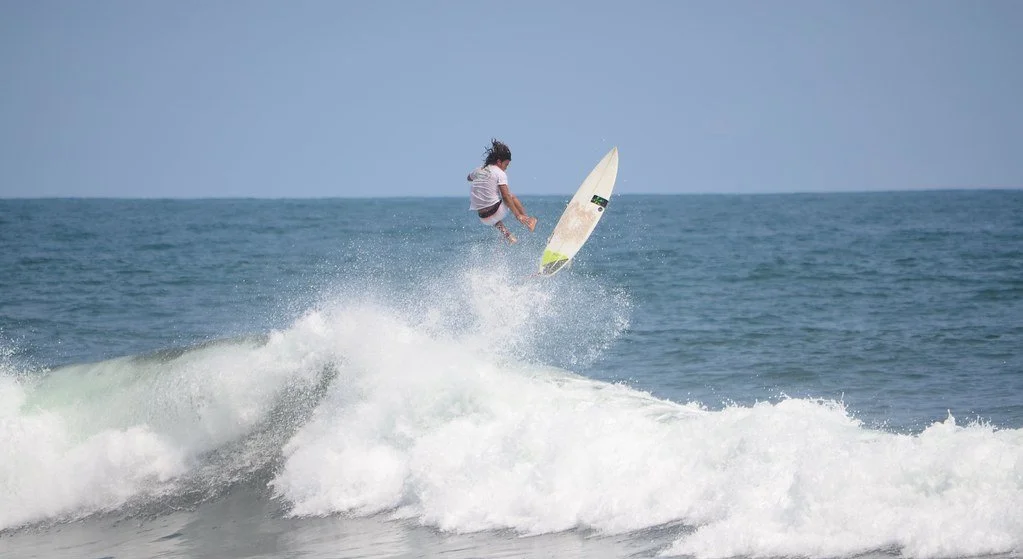
A surfer in El Salvador. Rene Mayorga. CC BY-SA 2.0.
El Salvador is undergoing a tourism transformation. In 2024, the country welcomed 3.9 million visitors, a 17% increase from the previous year, placing it among the world’s top five destinations for tourism growth. According to Nearshore Americas, tourism revenue reached $3.7 billion in 2024, a 40% increase compared to 2019. The growth is striking for a country that not long ago was better known for instability and gang violence than sandy beaches and volcano hikes. The question remains: what combination of factors fueled this boom, and can El Salvador sustain it?
President Nayib Bukele, elected in 2019, has staked much of his popularity on an aggressive security crackdown. By declaring a state of emergency and imprisoning more than 80,000 people, Bukele’s administration has sharply reduced crime, bringing the homicide rate to its lowest level in years.
The policies are controversial, with critics pointing to mass arrests without due process, and the changes have undeniably altered El Salvador’s image abroad. “El Salvador’s tourism growth is closely linked to improved security,” the country’s Minister of Tourism, Morena Valdez, told The Business Year. She noted that post-pandemic efforts to combat insecurity have drawn in younger travelers eager to explore destinations that were once off-limits. Lower flight costs have also played a role, with airfare to El Salvador often cheaper than to nearby spring break favorites like Costa Rica, Puerto Rico and Mexico. Round-trip flights from the United States to El Salvador range from $200 to $400, whereas flights to Cancun start around $300 round-trip, skyrocketing upwards around spring break.
If security helped open the door, surfing is what has pulled visitors in. El Salvador’s Pacific coastline offers consistent waves year-round, and the government has leaned into this natural advantage through its Surf City initiative. Launched in 2019, the program aims to turn coastal towns into hubs for surf tourism while diversifying the economy. Key investments include a new highway to Surf City, wastewater treatment plants and improved public infrastructure, like a modernized boardwalk in the Port of La Libertad. “The biggest challenge is improving the public infrastructure to support tourism. Whether it is eco-friendly boardwalks at beaches, public restrooms, and showers, or accessible roads, we are working on improving tourist services and infrastructure,” Minister Valdez said.

La Libertad coastline. Ayaita. CC BY SA 3.0.
The results are already visible. La Libertad, famous for surf breaks like Punta Roca and El Sunzal, has seen an influx of new hotels, restaurants and safer roads. Surfing has become more than a sport; it is now a driver of the national economy. “Surfing has truly transformed the country,” said Jose Diaz, a local resident. “Even small businesses, from ice vendors to restaurants, are benefiting. The local community is growing economically, and people no longer feel the need to leave the country for opportunities.”.
The government has doubled down with plans for Surf City II, expected to generate 500,000 jobs and $4 billion over the next decade, according to Reuters. Major surf competitions, including the World Surf League Championship Tour and the ISA World Longboard Championship, have further boosted El Salvador’s international profile.
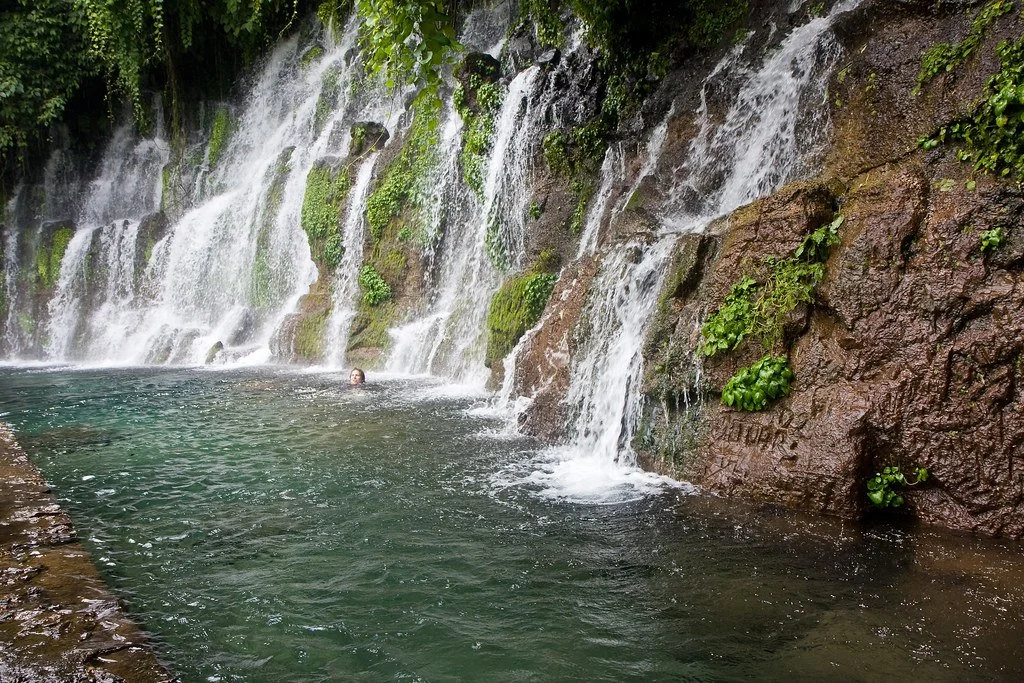
A waterfall hike in El Salvador. Garrett Ziegler. CC BY-NC-ND 2.0.
El Salvador’s growing appeal also rests on its natural and cultural diversity. Visitors can trek volcanoes like the Santa Ana Volcano, explore the smoking crater of Izalco or wander the Ruta de las Flores, where tidy hill towns, like Juayua, Apaneca and Ataco, are filled with murals and weekend food festivals.
As Lonely Planet puts it, “Here you'll find world-class surfing on empty, dark-sand beaches; coffee plantations clinging to the sides of volcanoes; pretty flower-filled villages with buildings splashed by murals; and sublime national parks.”
Tourism has risen from 6.4% of GDP in 2019 to about 14% in 2024, emphasizing its role as a pillar of the economy. Still, questions of sustainability remain. While new infrastructure projects promise cleaner coastlines and more accessible towns, critics warn of the risks of rapid development and the heavy-handed policies underpinning the security gains. El Salvador’s “hidden gem” status may not last much longer. Whether its tourism surge becomes a lasting engine of growth or falters under political and environmental pressure will depend on how carefully the country manages this new wave of global attention.

Zoe Lodge
Zoe is a student at the University of California, Berkeley, where she is studying English and Politics, Philosophy, & Law. She combines her passion for writing with her love for travel, interest in combating climate change, and concern for social justice issues.