
Sarah Page-McCaw
A large portion of Ulaanbaatar’s population lives in traditional tent housing or gers and experiences some of the world’s worst pollution; sustainable energy may be the solution.
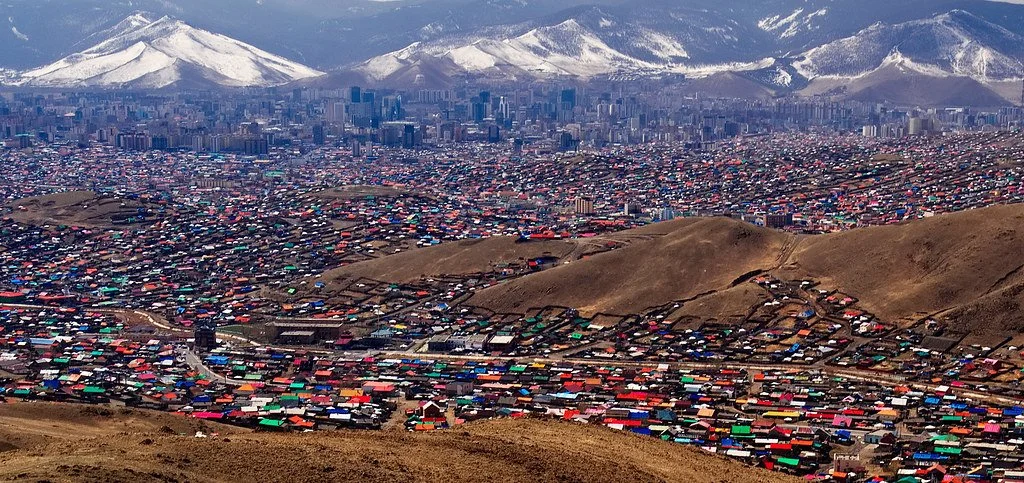
Ulaanbaatar’s Ger District. Bob Glennan. CC BY-NC-ND 2.0.
Ulaanbaatar, Mongolia, is one of the world’s fastest-urbanizing cities. In the past century, it has transformed from a monastery town into a cosmopolitan urban capital hosting almost two million people, with around 40,000 people moving there each year, many of them rural Mongolian workers emigrating for work. However, the speed with which the city is growing comes at a cost. Ulaanbaatar is one of the most polluted cities in the world, and some of its districts remain dangerously underdeveloped.
Health and sanitation issues abound in Ulaanbaatar’s ger district, which is home to around 800,000 of the city’s residents. In this region, residents live on plots of land in gers, or traditional Mongolian tents. Gers have been a popular form of housing in Mongolia for thousands of years, having been originally used by nomadic herders. Today, they provide families with affordable and traditional living. Materials to build gers, such as poles and insulated felt sheets, are often available in Ulaanbaatar’s local markets, and the durable tents can be constructed in 90 minutes. Gers not only equip families with inexpensive shelter, but they also help residents maintain a sense of Mongolian identity.
The use of these traditional tents poses problems, however, in modern life. Gers are not connected to plumbing networks, and the outdoor latrines used in the ger district spread pulmonary and respiratory diseases to residents. The tents require constant upkeep due to Mongolia’s frequent blizzards, dust storms and hail. Gers are not equipped with heating or hot water, so residents burn coal to heat their tents throughout extreme winters. The use of coal stoves in gers causes indoor air pollution, which results in around 3,000 deaths nationwide each year, and a 20% increase in cases of pneumonia.
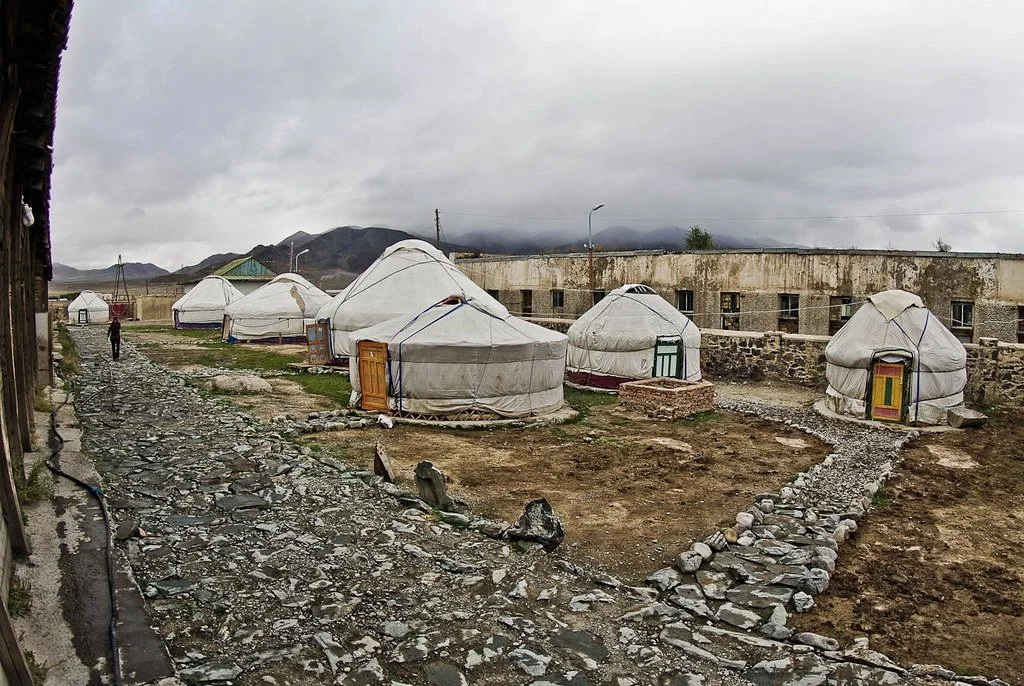
Ger tents. Todd Anderson. CC BY-SA 2.0.
Providing solutions to the issues facing the ger districts is a complex business. A new proposal from Nyambaatar Khishgee, Ulaanbaatar’s mayor, would replace ger land with high-rise apartments. However, most residents cannot afford to move into apartments and prefer the freedom and community that ger living grants them. A number of organizations and nonprofits are developing more ger-friendly solutions, which would provide residents with better utilities within their gers. World Bank Blogs, for example, proposes a “gentle densification” solution, in which sustainable housing with proper utilities could be constructed on ger plots alongside tents, so that residents could access both their gers and utilities such as power and plumbing. Bloomberg has reported other efforts to mitigate pollution, such as providing ger residents with electric heaters and energy-efficient stoves, with varying success.
Providing ger residents with solar power has proven to be one of the most effective solutions to the district’s pollution problem. Local nonprofit GerHub has partnered with climate startup Universal Renewable Energy Certificate Accreditor to develop the Coal to Solar Initiative. The initiative oversees the provision of solar power equipment, such as solar panels and batteries, to ger owners. Ger households that have been provided solar equipment tend to notice immediate improvement in indoor air quality and in the overall cleanliness of their tents. Because it is no longer necessary for residents to constantly tend to their stoves for heating, solar power also grants residents more free time.
Clean energy solutions prove that an improved standard of living is possible — even easily achievable — for ger district residents. It is unnecessary to destroy or vacate ger districts to improve the lives of residents, when sustainable and inexpensive solutions can allow residents to maintain their traditional style of living and to thrive while doing so.
GET INVOLVED:
Want to support clean energy worldwide? You can donate directly to GerHub to support energy solutions in the ger district or support highly rated clean energy charities such as Clean Energy Works and Clean Energy Group Inc.

Sarah Page-McCaw
Sarah is a student at Columbia University studying history and literature. She hopes to study law and is passionate about social justice and combating climate change. In her free time, she enjoys reading, writing, traveling, and music.