
Kleigh Carroll
Wealthy investors and tech entrepreneurs are buying up land in Puerto Rico, driving up property rates and forcing locals out of their neighborhoods.
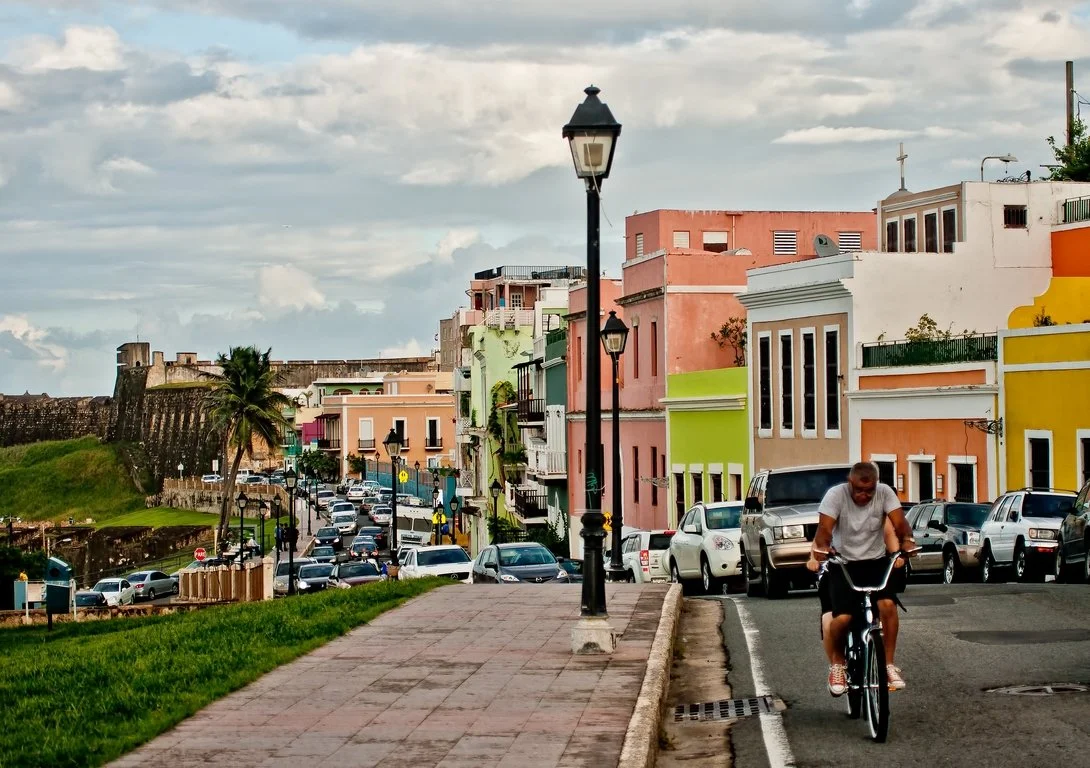
Street in San Juan, Puerto Rico. R9 Studios FL. CC-BY-2.0.
The island of Puerto Rico struggled with an economic recession from 2006 to 2017, during which the economy contracted by 10% and unemployment shot up to nearly 15% at its peak. To draw in foreign investment and stimulate economic growth, the government passed legislation designed to attract tech, finance and wealthy investors to the island. The first of two acts, Act 20, provided tax incentives for companies that establish and expand export services businesses in Puerto Rico. The second, Act 22, provided a total exemption from income taxes on all interest and dividends realized after an individual becomes a bona fide resident. The laws were further revised and repackaged in 2019, now known collectively as Act 60.
Living in a United States territory, residents of Puerto Rico normally benefit from a unique tax status that exempts them from federal income tax. However, Act 60 does not apply to long-time residents of the island. As a result, the incentives have only worsened income inequality and exacerbated a mass exodus of Puerto Ricans to the United States.
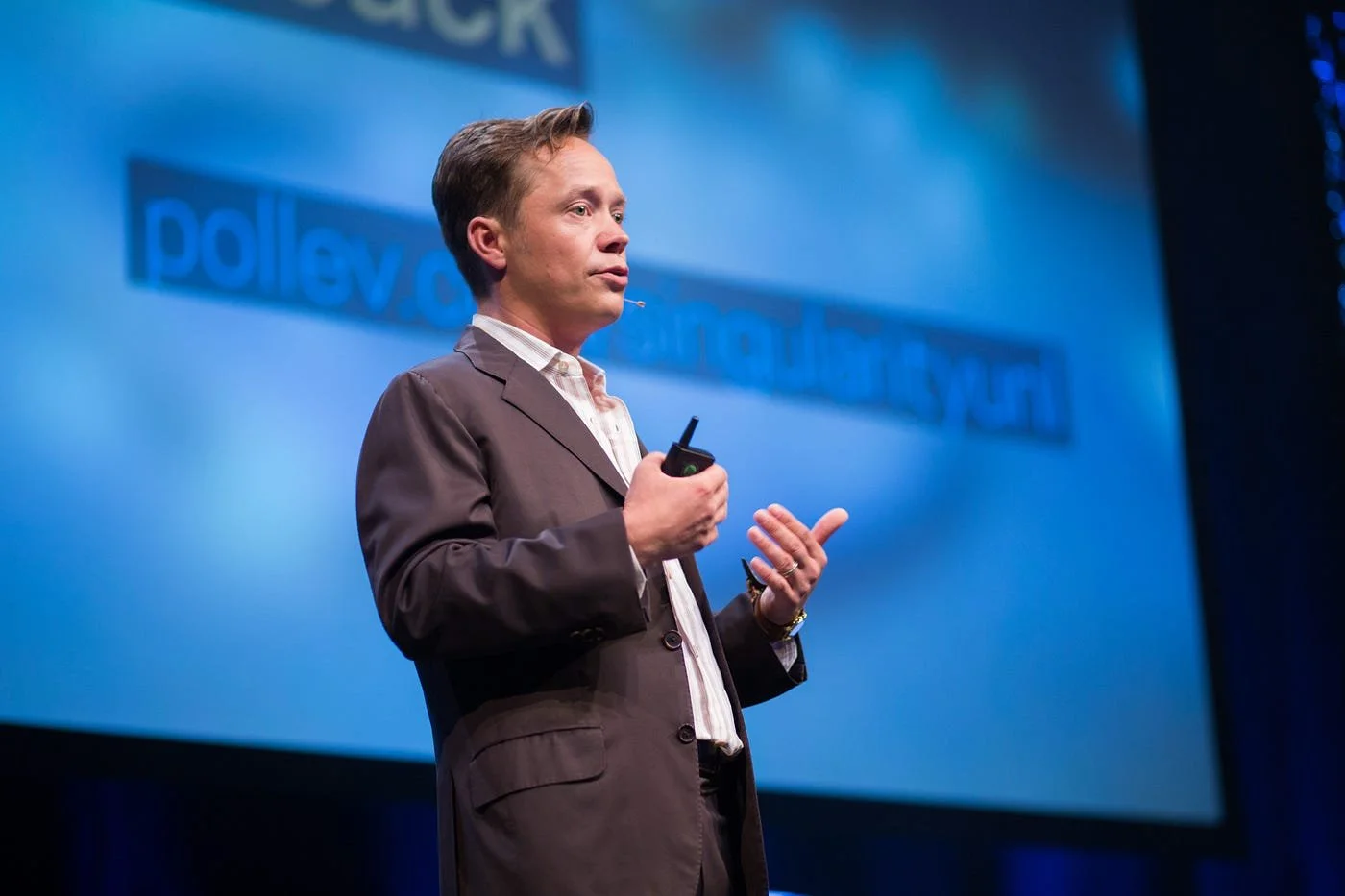
Brock Pierce speaks at a conference. Sebastiaan ter Burg. CC-BY-4.0.
In the aftermath of Hurricane Maria, which ravaged the island in 2017, U.S. crypto investors saw an opportunity to take advantage of tax incentives. They hoped to rebuild a part of the capital, San Juan, into what they called “Puertopia” — a modern city run on virtual money and public contracts. Members of this community who flocked to the island included men like Brock Pierce, co-founder of the digital currency Tether, and social media influencer Logan Paul. Upon moving to the island in 2017, Pierce and his partners took over numerous properties, including a beachfront hotel in Vieques and a museum in Old San Juan. They made grand promises to revitalize the economy using blockchain, refurbishing historic neighborhoods and building their own airports and docks.
But there is little evidence that wealthy newcomers like Pierce have done anything to stimulate economic growth on the island. Instead, they have contributed to a surge in housing prices, driving up the cost of living for locals and displacing Puerto Rican families, especially in coastal towns like Rincon, where beachfront property is prime real estate. Housing prices in San Juan increased by 22% between 2018 and 2021 as tax law beneficiaries spent an estimated $1.3 billion on real estate between 2015 and 2019, according to research conducted by Puerto Rico’s Department of Economic Development and Commerce.
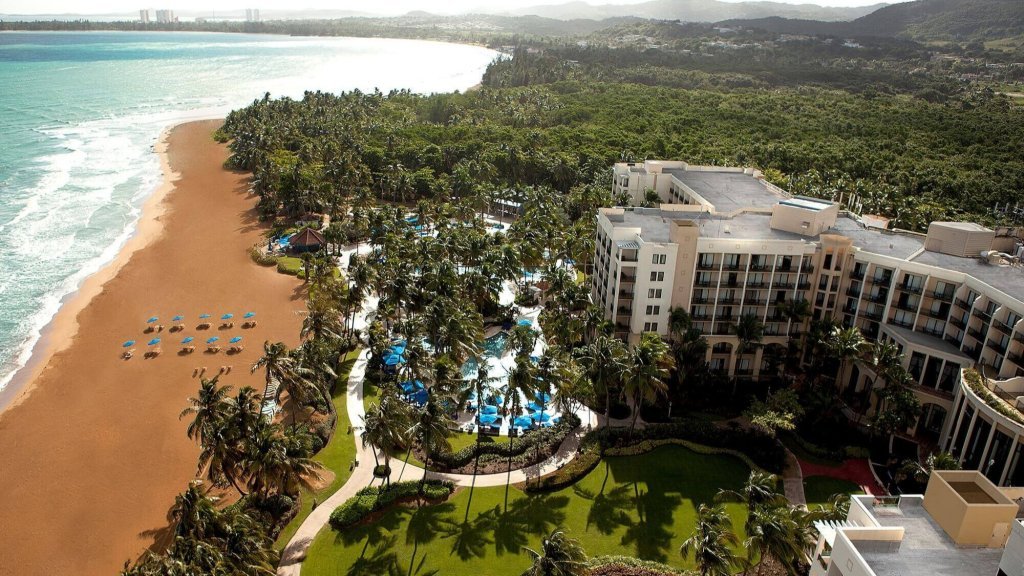
Golf resort in coastal Puerto Rico. Your Golf Travel. CC BY-NC-ND 4.0.
According to the 2023 census, the median household income in Puerto Rico is $25,096 — less than a third of the median household income in the United States. Many locals forced to relocate have to commute longer distances and pay expensive tolls. Marina Reyes Franco, an art curator at the Museo de Arte Contemporaneo in Puerto Rico, told the Guardian that she has struggled to find affordable housing in recent years. She blames the tax laws, claiming, “At the end of the day, this is about a new era of colonialism and laws that only benefit the elite.”
Gentrification culturally erodes communities and contributes to a loss of heritage and identity. Not only does it mean that locals can no longer afford to live in the places they call home, but an influx of wealthy newcomers can alter the character of neighborhoods, displacing local businesses, cultural institutions and the unique cultural fabric of Puerto Rican communities.

Solidarity With Puerto Rico Rally in Chicago, Illinois. Charles Edward Miller. CC BY-SA 2.0.
GET INVOLVED:
#AbolishAct60 is a grassroots movement aimed at repealing Act 60. By using social media to raise awareness and inspire collective action, they encourage the Puerto Rican diaspora to put pressure on their representatives. Help amplify their message here.
Diaspora en Resistencia is a nonprofit utilizing social media to mobilize support through online petitions demanding that the Puerto Rican government take action.
You can also petition your representatives to reevaluate Puerto Rican tax policies. U.S. lawmakers, including Chuck Schumer and Alexandria Ocasio-Cortez, have already spoken out against the measure.
Kleigh Carroll
Kleigh is a student at UC Berkeley studying Geography and Journalism. She hopes to integrate her skills in these fields in pursuit of a career in journalism. She is passionate about being outside, exploring, and writing in all of its forms.