
By Nina Esteghamat
The FIFA World Cup flag rulings, allowing Palestinian and Pride flags while banning Iran’s prerevolutionary flag, reveal a gap between the organization’s human rights ideals and its actions.
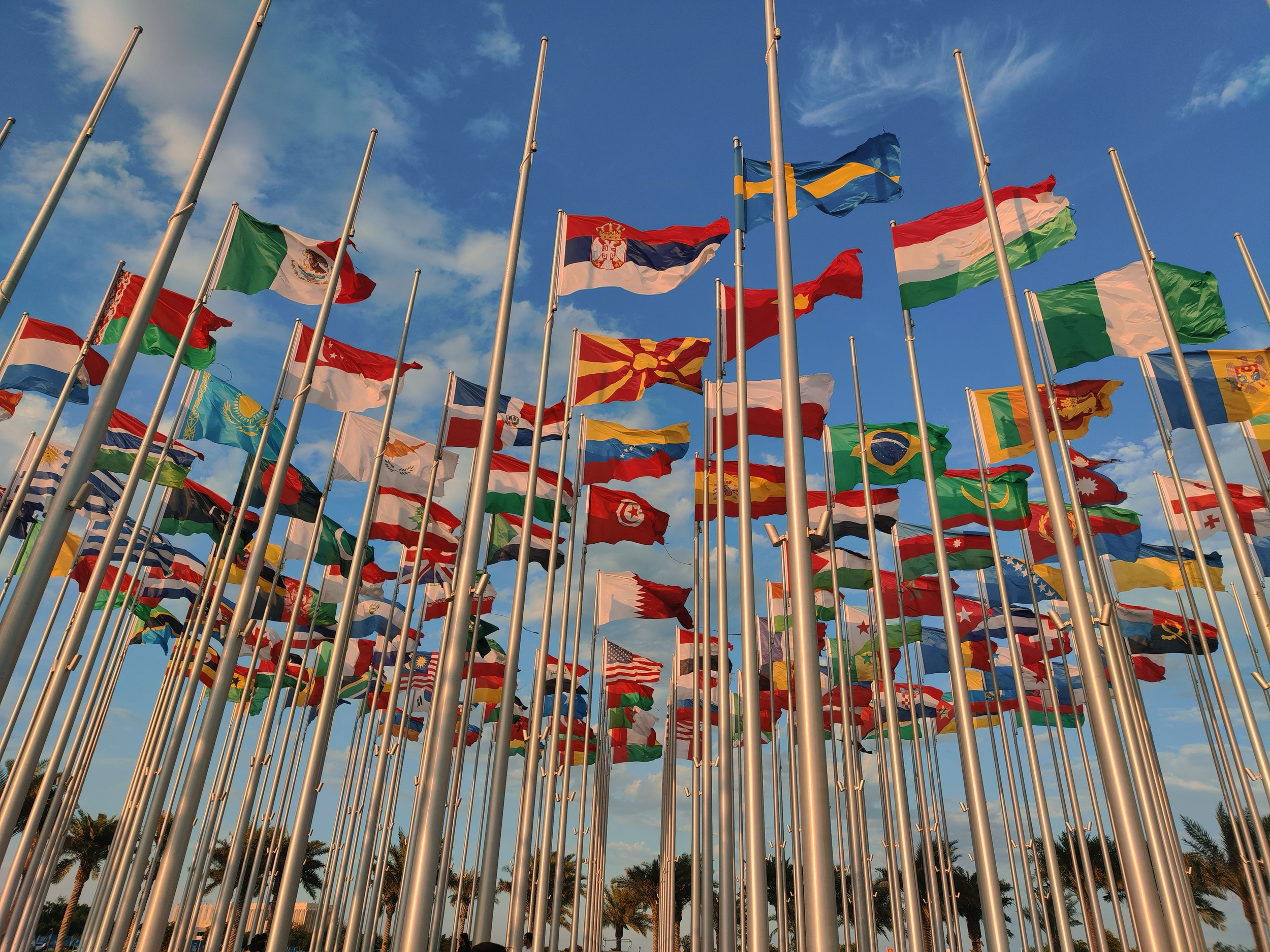
National flags presented together. jerjer. Pexels.
FIFA, or the Federation Internationale de Football Association, has been under fire during the 2026 World Cup for its decisions on contested flags: what is allowed, and what isn’t?
While banning flags in public places in the United States is an infringement on the First Amendment, freedom of speech, the World Cup games are private events; fans do not have the same protections inside stadiums as in public forums. Moreover, FIFA has 211 affiliated associations, meaning they try to balance the 211 various political views within the organization.
However, there are three critical flag-related rulings that FIFA made that demonstrate how the soccer club tries to present itself as human-rights focused, while dismissing certain movements.
The Palestinian Flag
The first ruling was the Palestinian flag, which FIFA confirmed in May 2026 would be allowed in stadiums. Although Palestine competed to be a finalist in the Asian region in 2024, it ultimately did not qualify for the World Cup. Even so, the World Cup is a global stage, so proudly waving a country’s flag is a way to demonstrate pride and strength to an international audience.
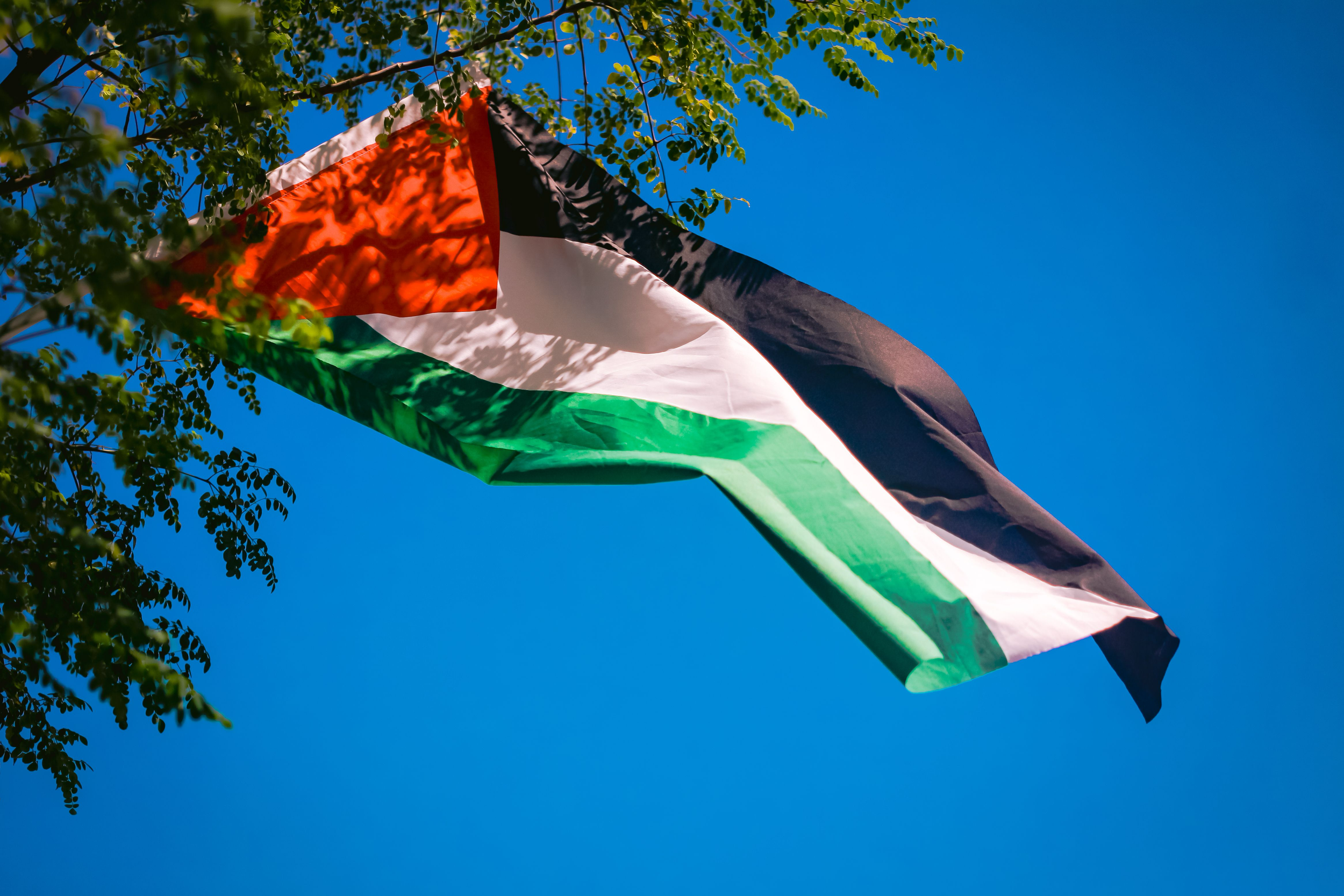
Palestinian flag. Pok Rie. Pexels.
FIFA’s decision was framed as non-political, emphasizing that Palestine is a full member of FIFA. While this is an important ruling, giving Palestine equal treatment on the world stage, it comes across as slightly disingenuous when considering FIFA’s half-hearted relationship with Palestine. Notably, FIFA announced plans to help the Palestinian soccer team by rebuilding infrastructure and creating rehabilitation programs, but has yet to follow through. As Ali Tafesh, a Palestinian soccer player interviewed by Al Jazeera said, “We play with the very little available and try to rebuild football with our simple means.”
The lack of aid was only exacerbated by an alleged June 2026 proposal to open the under-15 football festival with a match between the Palestinian and Israeli teams. The Palestinian team denied “any official communication,” and reiterated that they “refuse to be part of any initiative that serves as sportswashing while Palestinian players continue to face daily violations.”
Minky Worden, the director of Global Initiatives at Human Rights Watch, explained on the Human Rights Watch “Rights & Wrongs” podcast that “Sportswashing is a new term for a really old practice. And that practice is taking something that people love, popular sports, and then using those events that you're hosting to cover up or to whitewash, uh, very serious human rights abuses in a country.”
While allowing the Palestinian flag is the bare minimum, it is also something to celebrate in such a politically volatile time. It can, and has, been used to demonstrate how FIFA cares about equality and human rights. However, FIFA undermined this by suggesting a match that would pit Israel and Palestine together. It preys on the preexisting tensions, using the conflict as fodder for a dramatic game and engaged audience, while sugarcoating the realities that Palestinian players face.
The Prerevolutionary Iranian Flag
The second flag ruling that FIFA made was to ban the prerevolutionary Iranian flag, also called the Lion and Sun, or “Shir o Khorshid,” flag. It is a distinct and obvious rejection of the Islamic Republic’s regime, meaning it is a highly effective, visual form of protest.
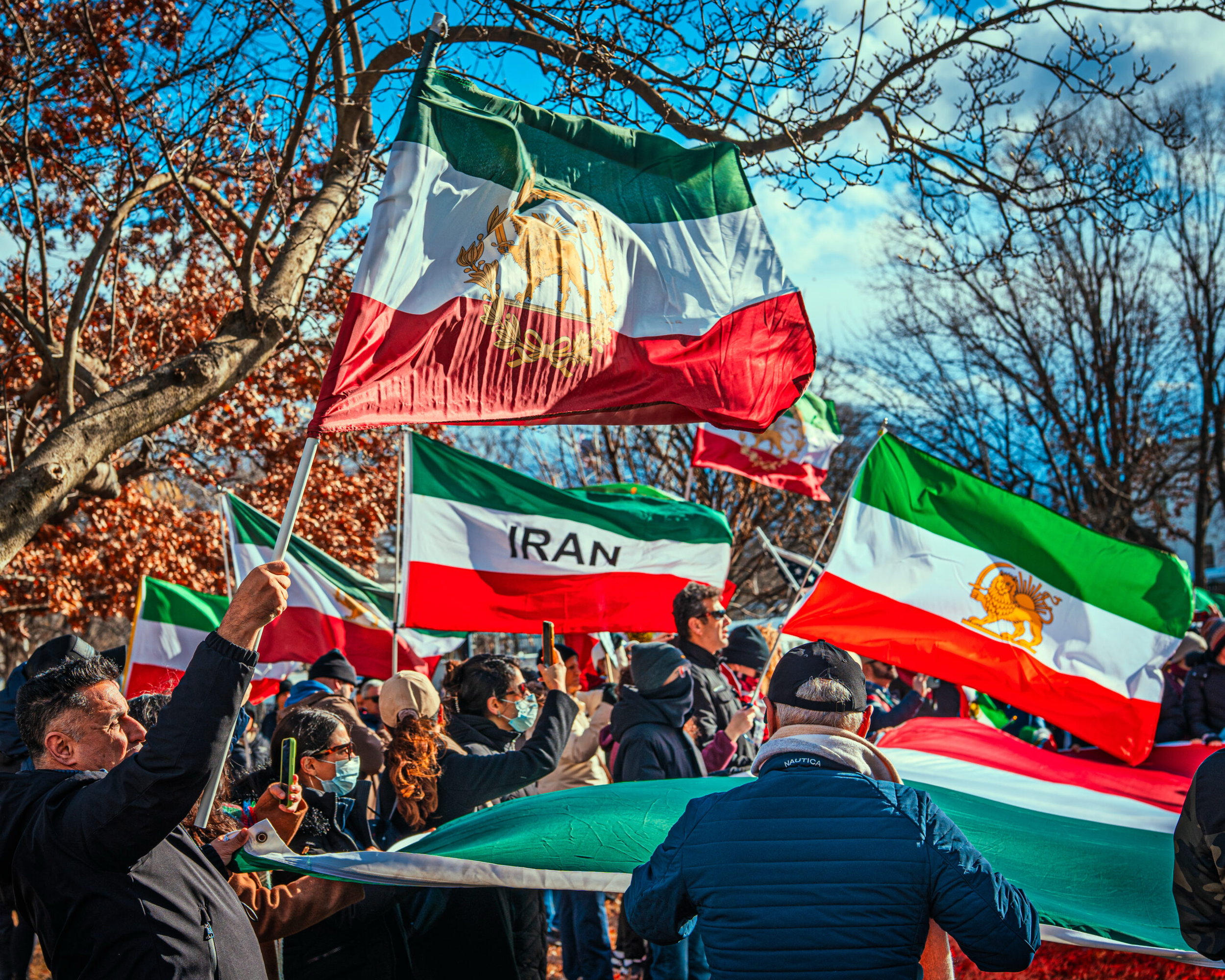
Protesters at a Free Iran demonstration in Washington, D.C., in January 2026. Ted Eytan. CC BY-SA 4.0.
FIFA banned the flag on membership grounds, stating in the FIFA code of conduct that certain materials, “including but not limited to banners, flags, fliers, apparel and other paraphernalia, that are of a political, offensive and/or discriminatory nature” are banned.
As one attendee pointed out, “If it’s not supposed to be political, why can you have the post-revolutionary flag and not the pre-revolutionary flag?” To critics, the ruling makes it clear that FIFA does not support the resistance movement. The response is even more charged considering the past year in Iran: deadly protests against the regime in January, a war with Israel and the United States and continued violence against resistance voices like Iranian singer Parastoo Ahmadi. Despite claiming neutrality, FIFA’s actions make it clear that they are supporting the Islamic regime and silencing calls for democracy from Iranians and the Iranian diaspora.
The Pride Flag
Lastly, despite the Iranian and Egyptian governments’ requests, FIFA allowed Pride flags to be flown at the June 26 game between Egypt and Iran. FIFA asserted that the World Cup "is an inclusive event that welcomes people from all backgrounds.”
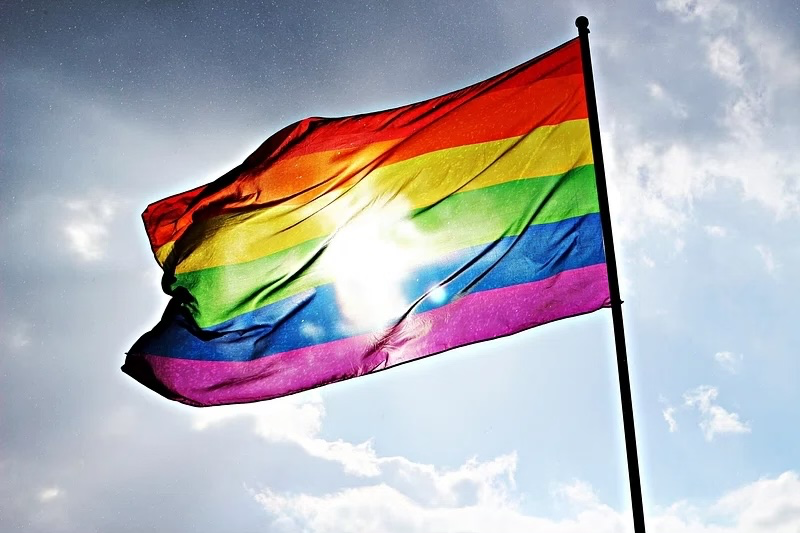
Pride flag. Pixabay. CC0.
It is important to protect queer visibility, especially during Pride Month. And yet, the decision comes across as pinkwashing, which DecolonizePalestine describes as “when a state or organization appeals to LGBTQ+ rights to deflect attention from its harmful practices.”
In this case, the issue around the Pride flag was a buffer for the conversation around the Iranian flag, not to mention the discourse around greater organizational discrimination against the Iranian national team. By focusing on the Pride flag as a “win” for equality, FIFA framed itself as an advocate for human rights, while denying its attendees the chance to peacefully protest and show resistance against a theocratic government.
International Intricacies
In any international event, it is tricky to balance all the varying viewpoints and political tensions. Nevertheless, FIFA claims to respect “all internationally recognised human rights and shall strive to promote the protection of these rights.” As a huge organization with massive cultural influence, it’s important to track where it actually honors human rights, but also where it falls short.
Flying a flag isn’t just a way to support the team playing; it is also a way to show patriotism, strength and resistance.
Nina Esteghamat
Nina is a student at Smith College, where she is double-majoring in English Literature and the Study of Women, Gender & Sexuality. She is passionate about bringing global awareness and a human lens to storytelling.