
By Mia Gooch
These trails connect travelers with rural villages, alpine pastures and fine cheeses.

Assorted Swiss cheeses, including Gruyere, on a wooden board with a cheese knife. minchephoto photography. Pexels.
In Switzerland, cheese is more than a simple appetizer or refreshment. It is a coveted Swiss culinary symbol. From reservations at fondue restaurants to sampling platters on shopping trips in Zurich, Switzerland’s cheeses are prized in the public eye, with visitors eager to purchase wrapped cheeses as authentic souvenirs. However, the actual processes behind cheesemaking are often overlooked by travelers, as they take place in Switzerland’s more rural regions.
This hidden geography is what shapes the country’s cheese culture. According to CN Traveler, Switzerland’s alpine cheese trails “connect hikers with local dairies, traditional cheesemakers, and seriously stunning landscapes.”
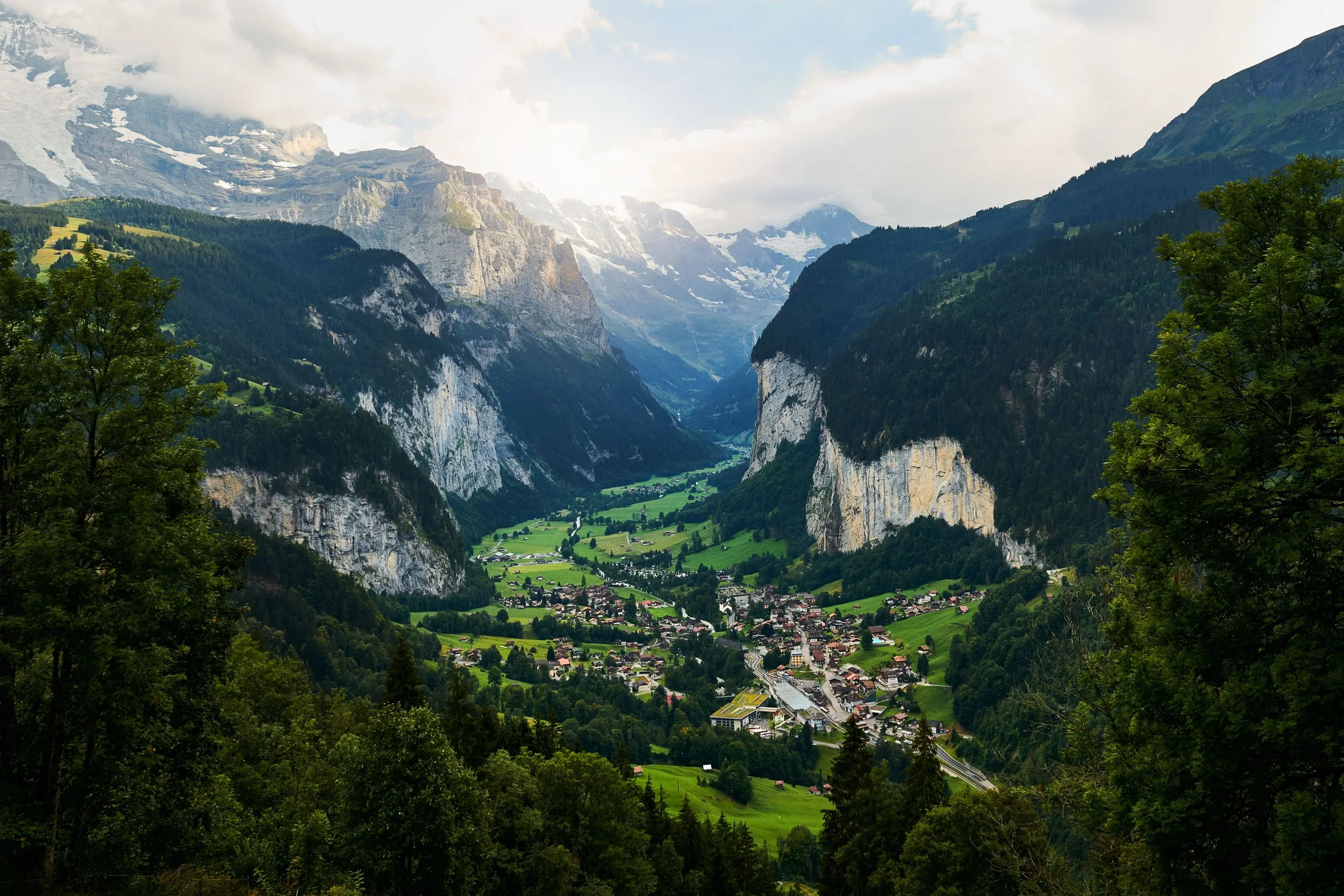
Aerial view of Lauterbrunnen Valley in Switzerland, surrounded by the Swiss Alps. M Venter. Pexels.
In villages like Gimmelwald, Marbach and Bellelay, visitors encounter a quieter Switzerland where cheesemaking remains a daily rhythm rather than a popular attraction. Tucked into the Swiss Alps, surrounded by stone and meadow, these villages reveal how alpine landscapes and tradition have influenced cheesemaking.
Gimmelwald
Nestled into the cliffs of Switzerland’s Bernese Oberland region, Gimmelwald overlooks the Lauterbrunnen Valley. Entirely inaccessible by car, the village’s paths and hills remain removed from the crowds of city life.
Upon arriving in Gimmelwald in late summer, typically by cable car or train, travelers can enjoy participating in the small village’s cheese festivities.
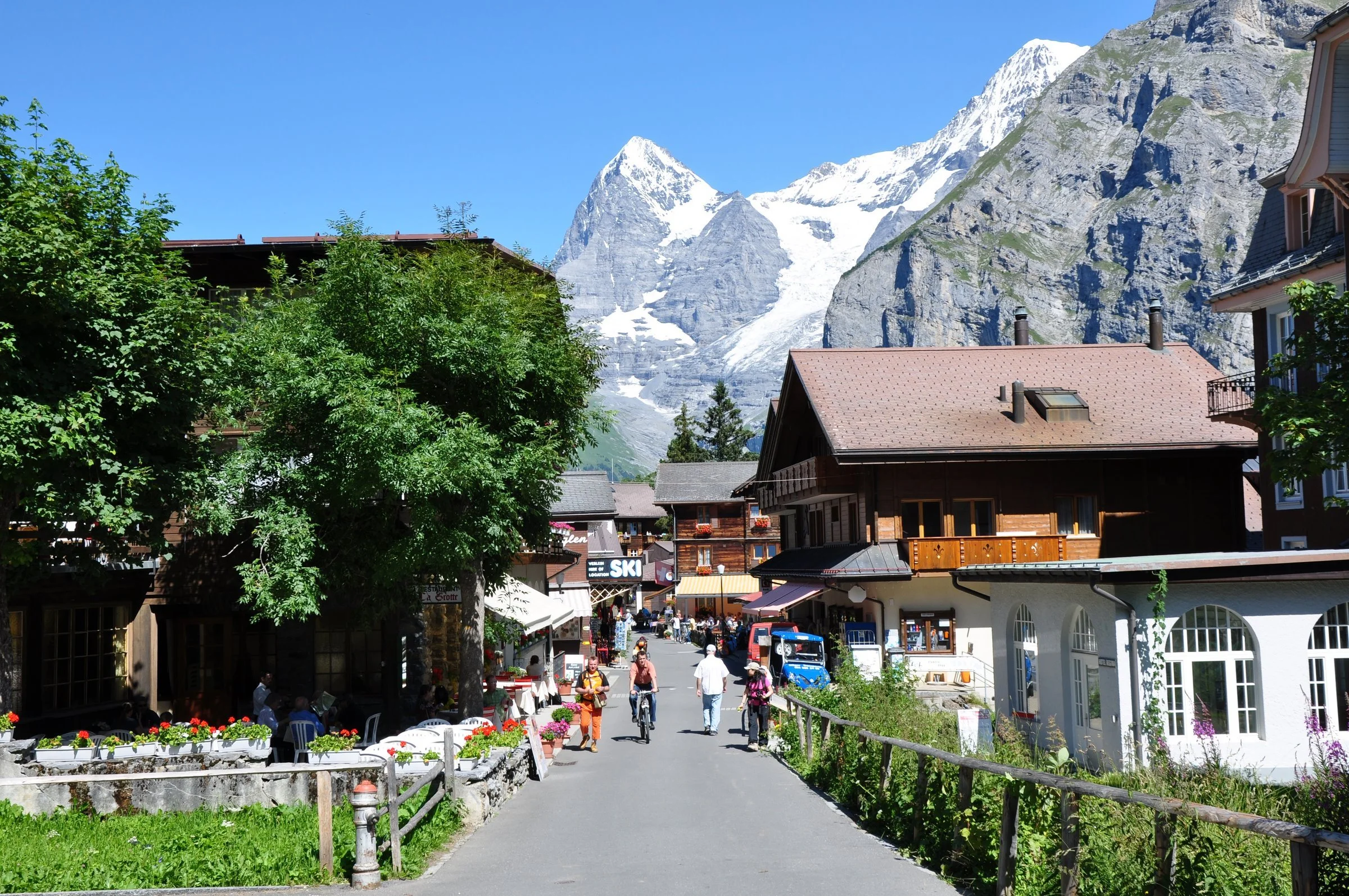
Gimmelwald-Grutschalp alpine valley view in the Bernese Oberland, Switzerland. Hansueli Krapf. CC BY-SA 3.0.
In the early days of September, as summer grazing draws to a close, Gimmelwald locals celebrate their small village’s alpine cheesemaking traditions. People celebrate the dairy cows and farmers as they descend the grassy ridges from above Gimmelwald. The milk produced from these healthy cows is turned into culinary delights of fondue and cheese wedges during September’s festivities. Travelers can engage in these celebrations and sample fresh cheeses, supporting the farmers as they sell their wares throughout the Lauterbrunnen Valley below.
The surrounding pastures of Gimmelwald encapsulate the revered connection between mountain locals and cheesemaking. Visiting this village is a chance to get involved in local celebrations.
Marbach
Located about an hour’s drive from Lucerne, Marbach’s cheese traditions stand out for one unexpected ingredient: buffalo milk. Cheeses made from buffalo and cow milk are a cherished choice among the village’s visitors.

Aged cheese wheels stored in a traditional cheese storage room. Mark Stebnicki. Pexels.
For travelers interested in the cheesemaking process rather than solely purchasing finished cheeses, Marbach’s farmers offer workshops where visitors can watch cheese unfold from grazing animals in pastures to pressed and handcrafted cheeses in local dairies. Grazing buffalo and cheesecloth are as much a part of the Marbach experience as the finished cheeses themselves.
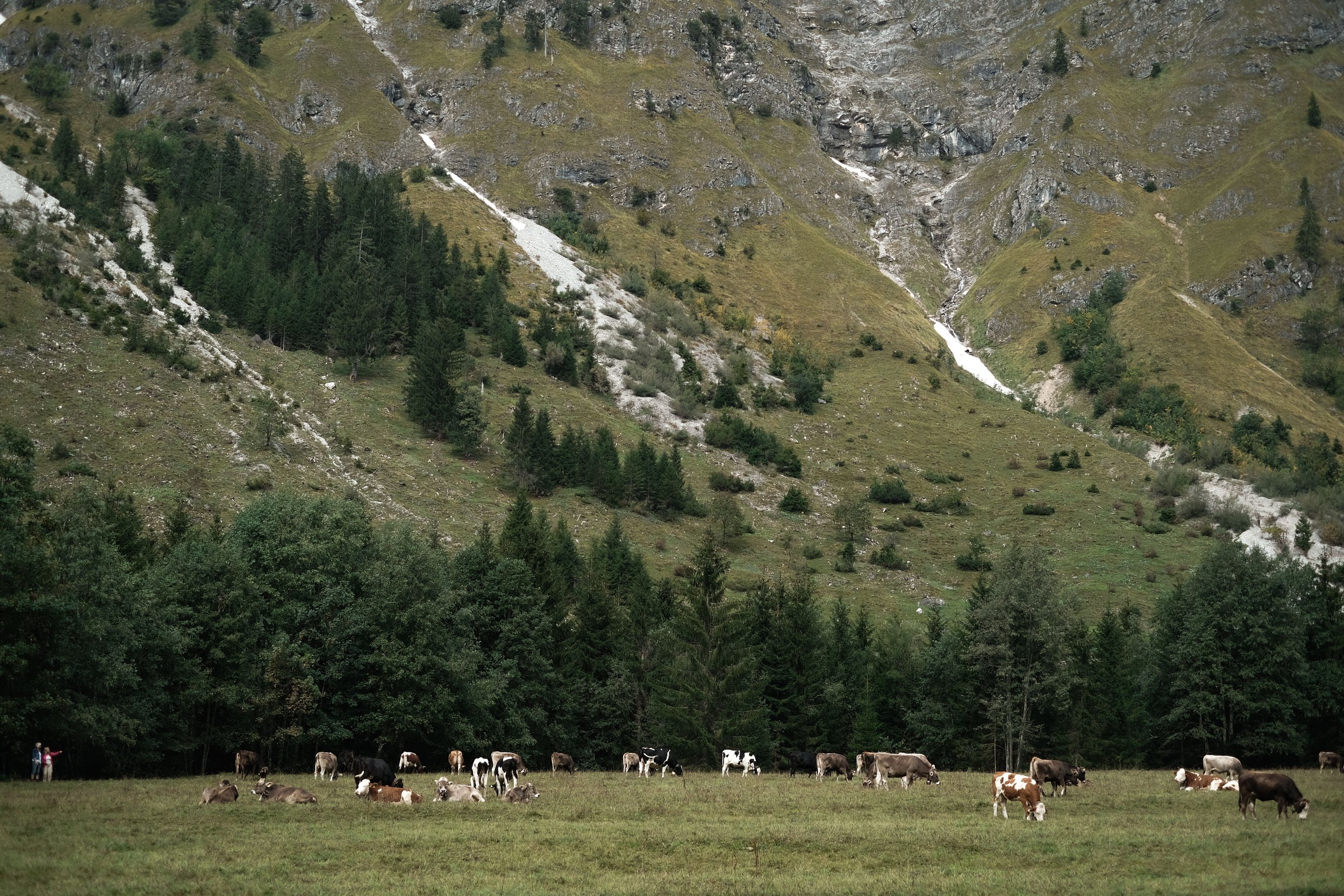
Cattle grazing in mountain valley in the Swiss Alps. Alina Chernii. Pexels.
Bellelay
In the small village of Bellelay, cheesemakers are the dedicated creators and producers of the iconic Tete de Moine cheese. Travelers can sample this distinct Swiss taste in the region where it was created.
Bellelay is home to an incredibly specialized cheesemaking process, as the Tete de Moine cheese is not commonly produced outside the region. Using their unique tool, the girolle, cheesemakers elegantly shave the cheese into delicate curls, a process dating back centuries. Visitors can explore how this traditional cheese is preserved through careful culinary methods and regional craftsmanship. When traveling through Bellelay, people can become especially attuned to how a single food can become a symbol of a community’s history and identity.

Tete de Moine cheese shaved into rosettes on a wooden board. Arnaud 25. CC BY-SA 4.0.
For travelers, taking the time to interact with local villages reveals how cheese is not solely a product, but a practice shaped by Switzerland’s landscapes and traditions. Moving beyond supermarket shelves and city menus, visitors can experience a culinary culture built around the relationship between land, farmers and food. Although reaching rural farms may require navigating beyond the convenience of city travel, these journeys expose travelers to a more authentic lifestyle filled with traditions of farming, cheesemaking and local life. Swiss mountaineer Pascal Rast emphasizes that the journey itself is part of the experience: “I favor [farms] that are difficult to reach, so that the way to them and back down into the valley is also an unforgettable experience.”
RURAL NAVIGATION IN SWITZERLAND:
Engelberg Trails: Engelberg Trails explains Switzerland’s cheese trails, a network of marked hiking routes that guide travelers through alpine pastures and working dairy farms. The guide explains how to combine rail, cable car and footpaths to reach remote production landscapes. These routes turn travel itself into part of the experience, connecting villages, grazing land and cheesemaking sites across the Swiss countryside.

Mia Gooch
Mia a student at the University of North Carolina at Chapel Hill, majoring in Media & Journalism with a double minor in Education and Social & Economic Justice. She’s passionate about informal education and creating fun experiences where people of all ages can explore new perspectives and develop new skills. When she’s not in the classroom, she loves contemporary dance classes, spending time with friends and family, baking, and being outdoors!