
By Charles Costal
Thanks to the country’s recent UNESCO recognition, Albania is working to reduce pollution and balance sustainability with travel along the Vjosa.
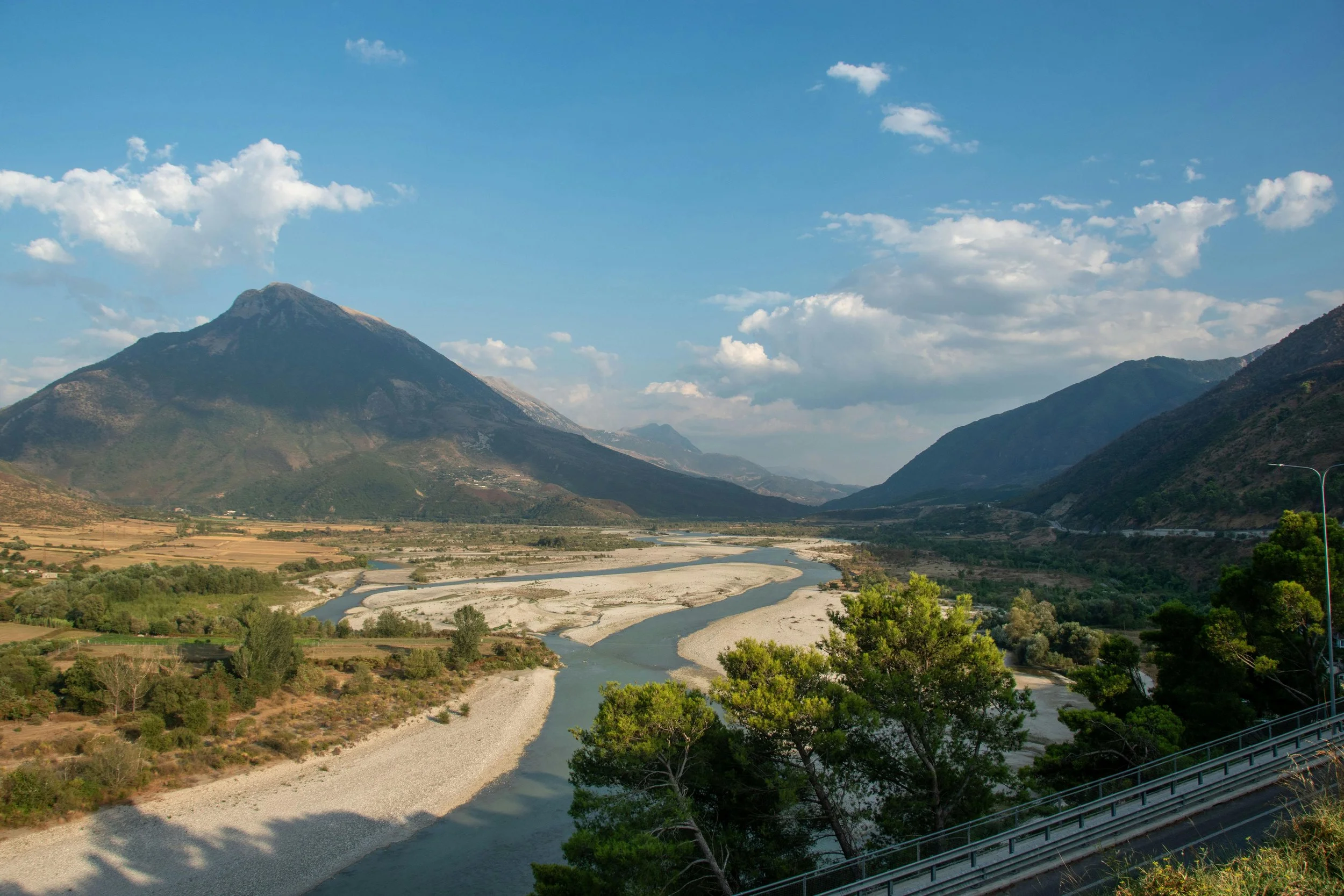
The Vjosa River. Elona Agug. Pexels.
Following the Vjosa River’s recognition as a UNESCO biosphere reserve, Albania is working to reduce pollution and balance conservation with growing travel interest. The Vjosa winds nearly 170 miles through Southern Albania, carving its way from the Pindus Mountains in Greece to the Adriatic Sea. Over 7 million travelers visited Albania in 2022, a figure that has only increased since the unveiling of the Vjosa Wild River National Park in 2023.
While most of Europe’s river networks have been reshaped by development and damming, the Vjosa remains one of the continent's last truly wild rivers. However, it’s more than just a destination for hikers and whitewater rafters; the Vjosa is a living effort to balance tourism with conservation in one of Europe’s fastest-emerging destinations.
Despite its beauty, the Vjosa is not without its problems. Due to industrial plants and urban settlements in the area, sewage, wastewater and trash disposal put the river’s freshwater supply at severe risk of pollution. A major reason for the national park declaration, the river was also targeted for oil drilling by Shell in 2021. Shell’s drilling efforts spread contamination to nearby cities, with studies projecting drinking water pollution as far as Turkey within the next 40 years.
Agron Zia, a 55-year-old Vjosa Valley shepherd, remembers a time when there wasn’t an oil drill in sight, much less plastic waste kicking up in the wind off the bank. “When I was young, we used to swim here all summer,” he said. “It hurts when your children cannot go because of sewage and rubbish.”
Zia’s memory captures the central tension facing the Vjosa today. The river’s wildness is exactly what makes it attractive to travelers, but that same attention can accelerate pressures, such as littering. For Albania, the challenge is no longer just protecting the river from dams or drilling. It is deciding what kind of tourism the Vjosa can sustain before the landscape that draws visitors begins to erode under their presence.
In September 2025, UNESCO recognized the Albanian Vjosa Wild River National Park as a biosphere reserve, adding international weight to a conservation effort that began in 2023. The reserve includes river channels, islands and floodplains shaped by the Vjosa’s uninterrupted flow, a rare hydrological system that supports biodiversity, stores carbon and helps mitigate floods.
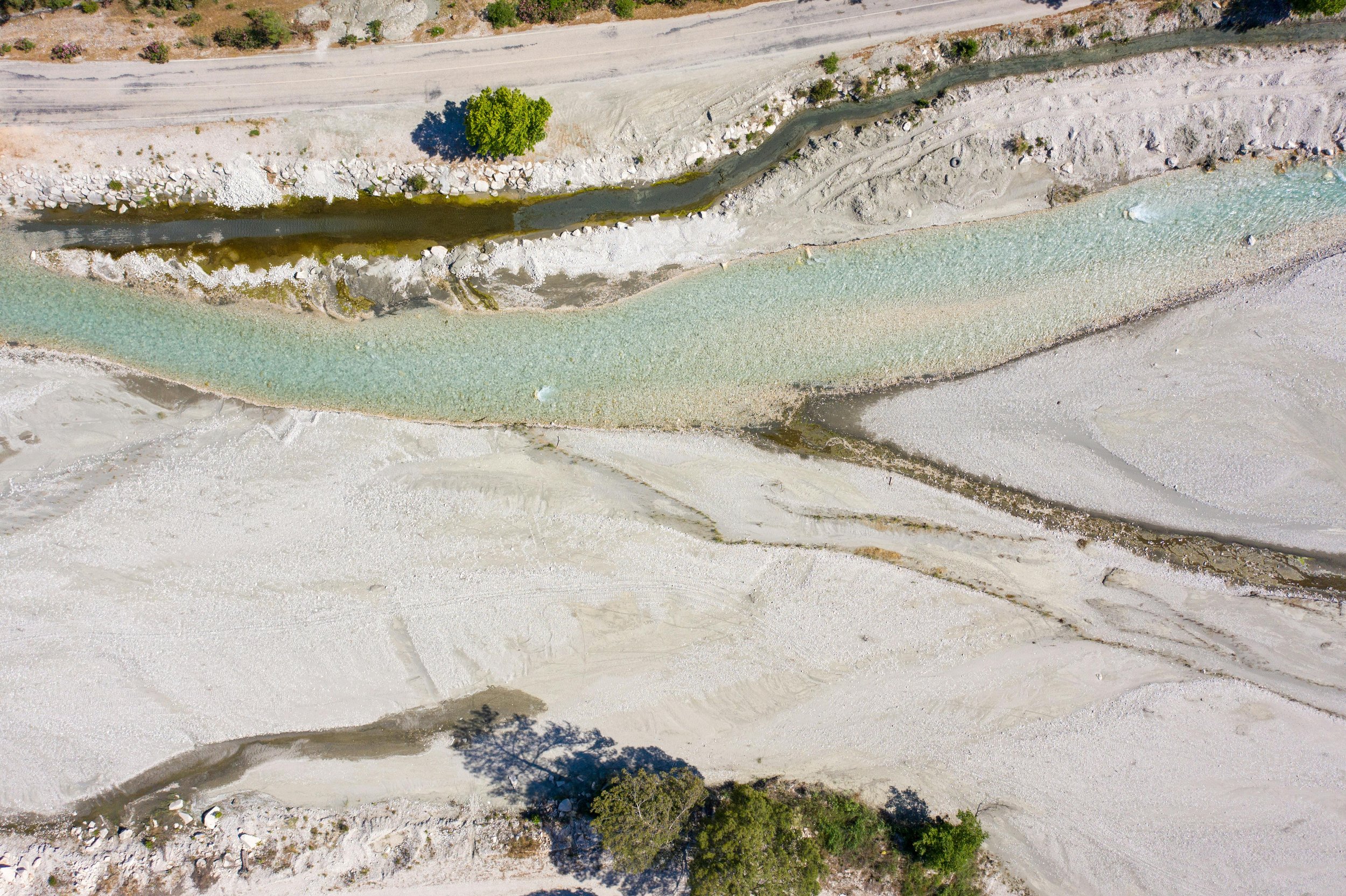
The narrowing banks of the Vjosa. Mikhail Nilov. Pexels.
Still, designation is not restoration, and environmental groups warn that the river remains threatened. EuroNatur reported in 2025 that active oil wells along the middle stretch of the Vjosa continue to leak chemicals and degrade nearby habitats, despite Albania’s pledge to address pollution. "International recognition papers like UNESCO do not solve problems," said Besjana Guri from the environmental organization Lumi.
For travelers, this makes the Vjosa less of a postcard destination and more of an active conservation site. Rafting near Permet, hiking through the valley and staying in locally run guesthouses can bring money into communities that have long lived beside the river. But low-impact travel requires more than arriving before the crowds. It means choosing guides who follow conservation rules, avoiding riverbank litter, respecting village life and understanding the value of a free-flowing Vjosa.
The future of the river will depend on whether Albania can keep tourism from becoming another extractive pressure on the valley. Its UNESCO status may draw more visitors, but the river’s real success will be measured by whether those visitors leave behind support or damage. In that sense, the Vjosa is not simply one of Europe’s last wild rivers. It is a reminder that the next generation of travel cannot only ask where people should go but also what their presence helps protect.
GETTING THERE
For those looking to visit the natural beauty of the Vjosa, the following list contains carbon-neutral, sustainable guides and adventure opportunities.
Much Better Adventures: Raft, Kayak, and Hiking
Charles Costal
Charlie is a senior at the University of North Carolina at Chapel Hill currently pursuing a degree in Journalism and Public Policy. He is also an avid traveler, writer, and performer. His work at CATALYST aims to spread awareness on environmental sustainability and responsible traveling.