
Zoe Lodge
Africa is becoming a hub for Western-focused luxury travel.
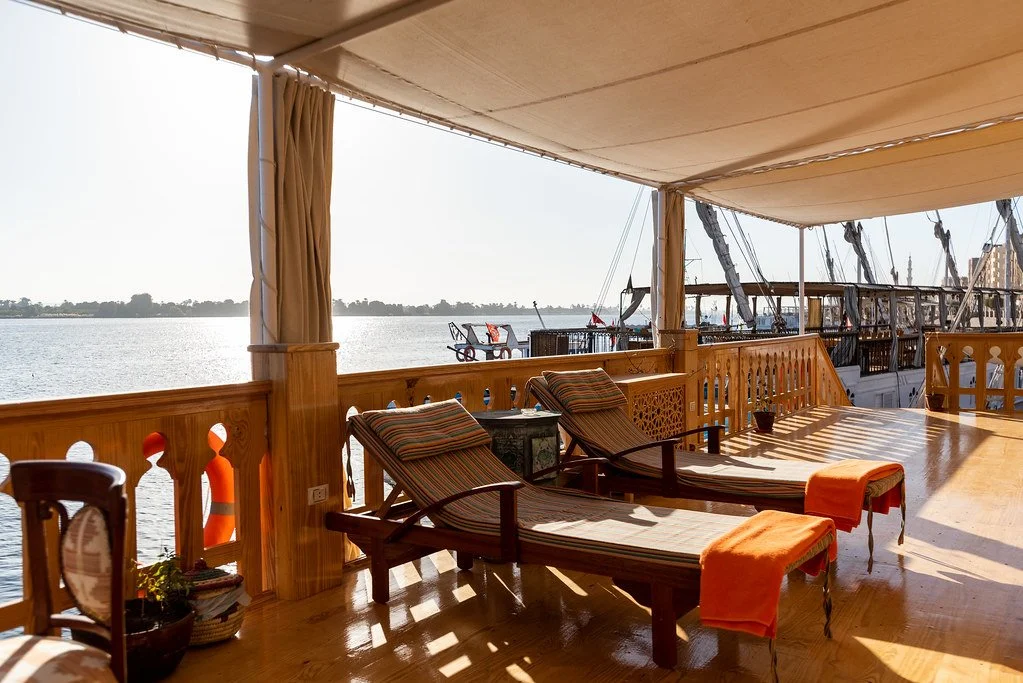
View from a Nile Cruise deck. Ben Cappellacci. CC BY 2.0.
Once considered remote, challenging and typically reserved for adventurous backpackers or niche tour groups, Africa is undergoing a striking transformation in travel. Across the continent, luxury travel is experiencing a surge in popularity, particularly from Western cultures. From cushy $10,000-per-week Nile River cruises to the new Four Seasons Safari Lodge deep in Tanzania’s Serengeti National Park, Africa is transitioning into a premier high-end destination for wealthy travelers from the West.
This trend marks a dramatic shift in how the continent is marketed abroad. In the past, Africa’s tourism narrative often centered on rugged expeditions, community-based eco-tourism and volunteer programs. Now, picture-perfect Instagram snapshots and TikTok promotions highlight infinity pools overlooking vast savannas, private charter flights to remote reserves and candlelit dinners under desert stars. While the appeal of nature, wildlife and culture remains, the framing has shifted from one of adventure and grit to luxury and exclusivity.
Several forces have converged to make this luxury wave possible. First, the post-pandemic travel surge has seen wealthy travelers spending more on unique, “bucket-list” trips, seeking memorable experiences over material goods. Additionally, improved infrastructure, such as new airports in Kigali and Nairobi, along with upgraded roads and tourism facilities, has made formerly difficult-to-reach locations more accessible. African nations themselves are increasingly embracing tourism as a vital economic driver. Countries such as Rwanda, Botswana and Egypt have courted luxury travel operators, offering incentives to build high-end lodges and cruise ships. By targeting wealthy tourists, these nations aim to generate higher tourism revenue while reducing the environmental strain created by mass tourism.
One of the stars of Africa’s luxury travel scene is the Nile. Companies like Abercrombie & Kent and Nour El Nil offer multi-day cruises with gourmet dining, curated Egyptologist-led excursions and suites rivaling five-star hotels in Paris or Dubai. The experience combines rich culture and ancient history with modern indulgence, allowing guests to visit temples and tombs by day and sip champagne on sundecks by night.
In East Africa, the Serengeti has become synonymous with elite safari travel. The recently renovated Four Seasons Safari Lodge offers panoramic views of the savanna from private villas, each with a plunge pool. Guests can watch elephants wander past while enjoying spa treatments or private chef-prepared dinners. For those looking for further seclusion, private conservancies in Kenya and Botswana offer fly-in access to remote luxury camps where guests enjoy game drives, helicopter tours and candlelit bush banquets.
Luxury in Africa isn’t confined to safaris and river cruises. Morocco’s riad hotels in Marrakech combine intricate Islamic architecture with Michelin-starred dining. South Africa’s Cape Winelands now boast resorts pairing vineyard views with fine wine tastings and world-class spas. Even desert landscapes are being reimagined, with Namibia’s eco-lodges blending high-end design with sustainable practices, offering travelers a comfortable and remote getaway.
While luxury tourism can boost economies, it also raises important questions. Will the influx of wealthy travelers price out domestic tourists or distort local economies? Can high-end operators balance exclusivity with environmental sustainability? In some areas, private reserves and luxury developments have been praised for funding conservation efforts and creating jobs. In others, critics worry about cultural commodification or the concentration of profits among foreign-owned companies. As the luxury scene in Africa continues to grow, some of these questions will only be answered by time. Until then, it’s also a rebranding of a continent long misrepresented in Western media. By pairing world-class hospitality with breathtaking landscapes and cultural depth, African destinations are rewriting the narrative from hardship and adventure to luxury and exclusivity. The challenge ahead will be ensuring this shift benefits both travelers and the communities that make these experiences possible.

Zoe Lodge
Zoe is a student at the University of California, Berkeley, where she is studying English and Politics, Philosophy, & Law. She combines her passion for writing with her love for travel, interest in combating climate change, and concern for social justice issues.