
Alex Jung
Experience historical sites, architectural wonders, natural landscapes, lively markets and unique cuisine in Jaipur, Delhi and Agra.
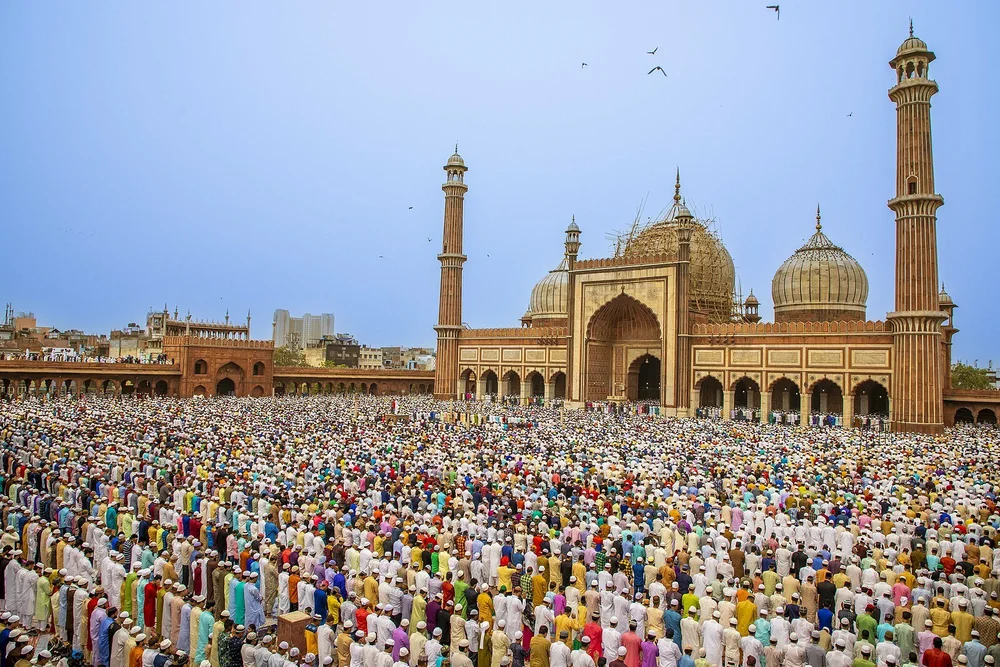
Jama Masjid, Old Delhi. Arvind Patwal. CC BY-SA 4.0.
In 2024, about 10 million international travelers visited India. The country is home to a diverse range of cultures, landscapes, religions and cuisines, offering endless locations and experiences for travelers to enjoy. In northern India, travelers delight in experiencing the “Golden Triangle” travel route. The Golden Triangle consists of three main cities: Delhi (both New and Old Delhi), Agra and Jaipur. This route has been favored by many due to each city's relative proximity to the others and the rich cultural immersion they all offer, with each city having a unique identity. From July to September of 2025, I had the pleasure of exploring Delhi, Agra and Jaipur. Here are 7 destinations in the Golden Triangle I recommend for travelers.
Agra Fort, Agra.

Agra Fort. Alex Jung.
The Agra Fort is a UNESCO World Heritage Site due to its cultural and historical significance. The fort was built during the Mughal Empire, where many Emperors, including Akbar and Shah Jahan, resided. The walls are 70 feet high and cover an area of 94 acres. The fort has magnificent red sandstone structures and a stunning view of the Yamuna River from all four sides. In 2024, around 220,000 foreign travelers and over 1.4 million domestic travelers visited the Agra Fort. Oftentimes, travelers will visit the Taj Mahal and Agra Fort on the same day due to their proximity of around 10 minutes by car. Travelers should expect to spend around 1.5 to 2 hours at the fort. Due to a lack of covered spaces within and the site’s demand for extensive walking, travelers are advised to bring their own bottled water, especially during hot seasons. I would highly recommend going to the top of the fort to the room where King Shah Jahan was once imprisoned; through the window, you can see the beautiful Yamuna as well as the Taj Mahal in the distance.
2. Taj Mahal, Agra.

Taj Mahal. Joel Godwin. CC BY-SA 4.0.
The Taj Mahal is well known and recognized by many international travelers due to its status as one of the great wonders of the world. The Taj Mahal's history dates back to Shah Jahan, the fifth Mughal Emperor, who devoted the mausoleum to his late wife, Mumtaz Mahal. The Taj Mahal took 22 years to complete its construction. The structure is known for its iconic high-quality white marble and its verdant garden, which has 16 flower beds.. The Taj Mahal is one of the most popular travel destinations in all of India. Travelers can enter the structure itself and see the tombs of both Mumtaz and Shah Jahan. Around 600,000 foreign travelers visit the Taj Mahal each year. Due to the monument’s popularity, travelers may find it beneficial to visit the Taj early in the morning when there are fewer visitors. Like with the Agra Fort, travelers are advised to bring bottled water due to the lack of cover or shade in the structure. Alongside the Taj Mahal, I would recommend checking out the beautiful Taj Mahal Mosque, which is on the left side of the structure.
3. Amber Fort, Jaipur.
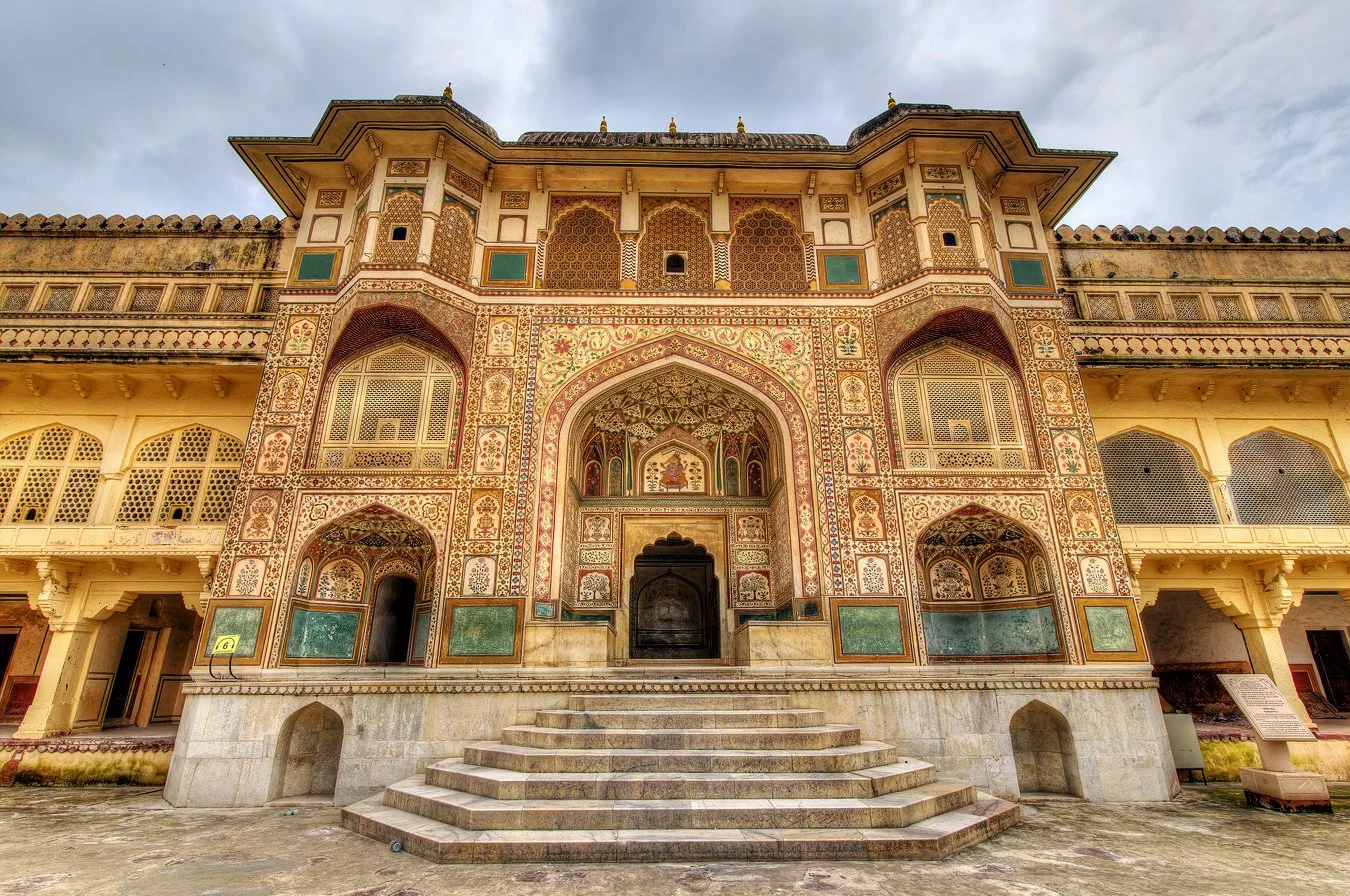
Amber Fort. Firoze Edassery. CC BY-SA 3.0.
Amber Fort is located in Jaipur, the capital of Rajasthan province. The Amber Fort is one of the most popular travel destinations within the province. The structure can be found outside the Jaipur city center. It is located on a high hill, and many travelers choose to walk up to the fort, but there are also elephant rides available. The structure dates back to the 11th century, when the Rajput Maharajas and their families required a palace to live in. Jaipur can be reached by a four-hour car ride from the New Delhi city center. Many travelers choose to spend several nights in Jaipur, not only to see the Amber Fort but also to be embraced by the vibrant colors in the structures around them and indulge in the large shopping scene. Travelers who are interested in traveling to Jaipur should also visit the Jal Mahal and Hawa Mahal palaces, both known for their vibrant colors, as well as Jantar Mantar, a historical site of early astronomical experiments, and the various markets.
4. Humayun's Tomb, New Delhi
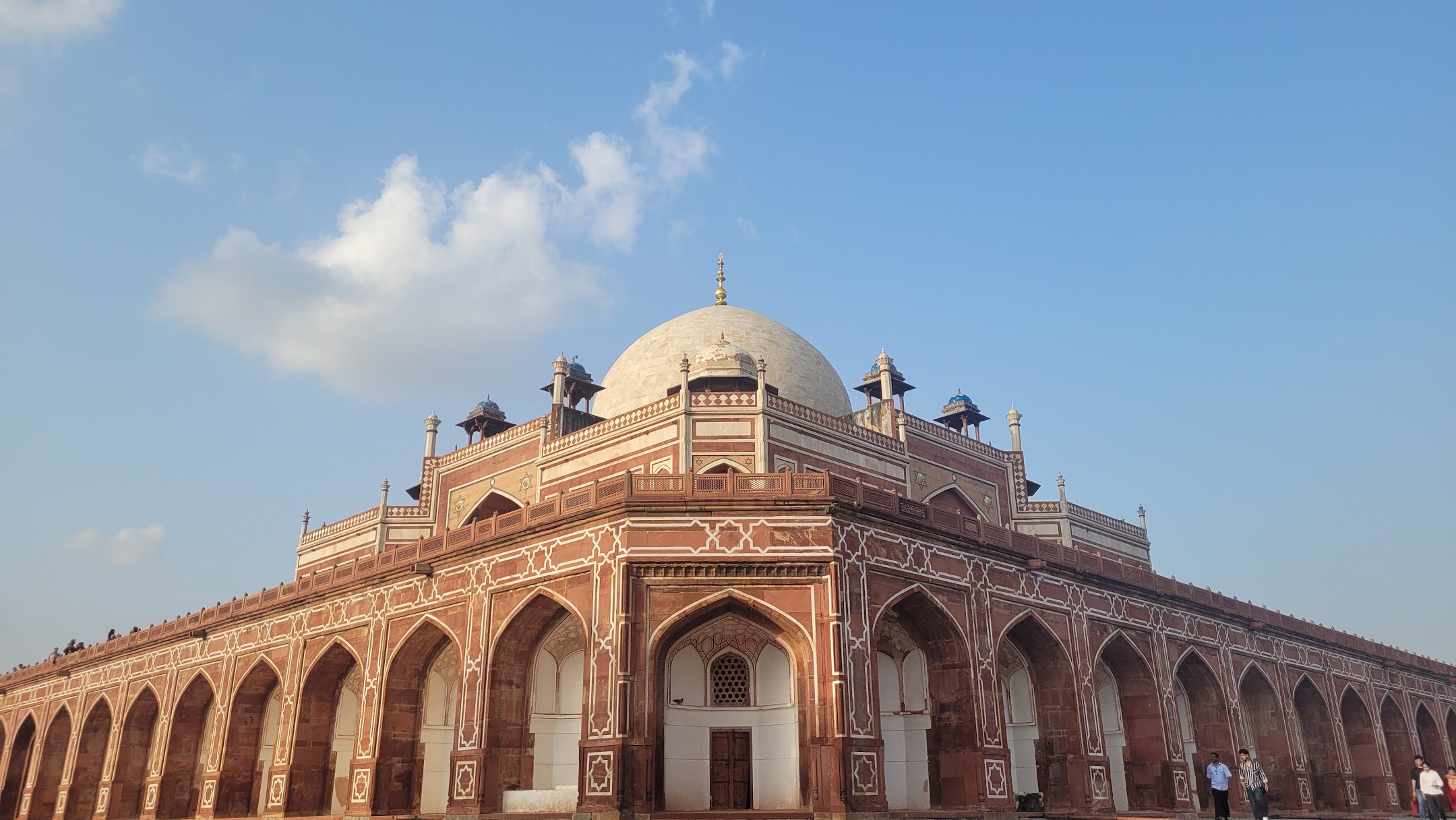
Humayun’s Tomb. Alex Jung.
Many people may be familiar with the Taj Mahal, but many travelers do not know that its architecture was inspired by the style and symmetry of Humayun's Tomb. Humayun's Tomb is located in New Delhi and was built in the legacy of the second Mughal Emperor, Humayun. The tomb itself is symmetrical in all directions; travelers can enter the tomb and see the various rooms within it. Humayun's Tomb also has various gardens surrounding it, making it a suitable spot for picnics. In July 2024, the Sunken Museum at Humayun's Tomb was inaugurated. Travelers who are interested in the history of both Emperor Humayun and the Mughal Emperor can first indulge in the museum before seeing the structure. The Sunder Nursery, a garden complex with greenery, is adjacent to the tomb.. Because of their proximity, I was able to visit all three spots within the same day, and I would recommend all history-loving travelers to do the same.
5. Dilli Haat, New Delhi
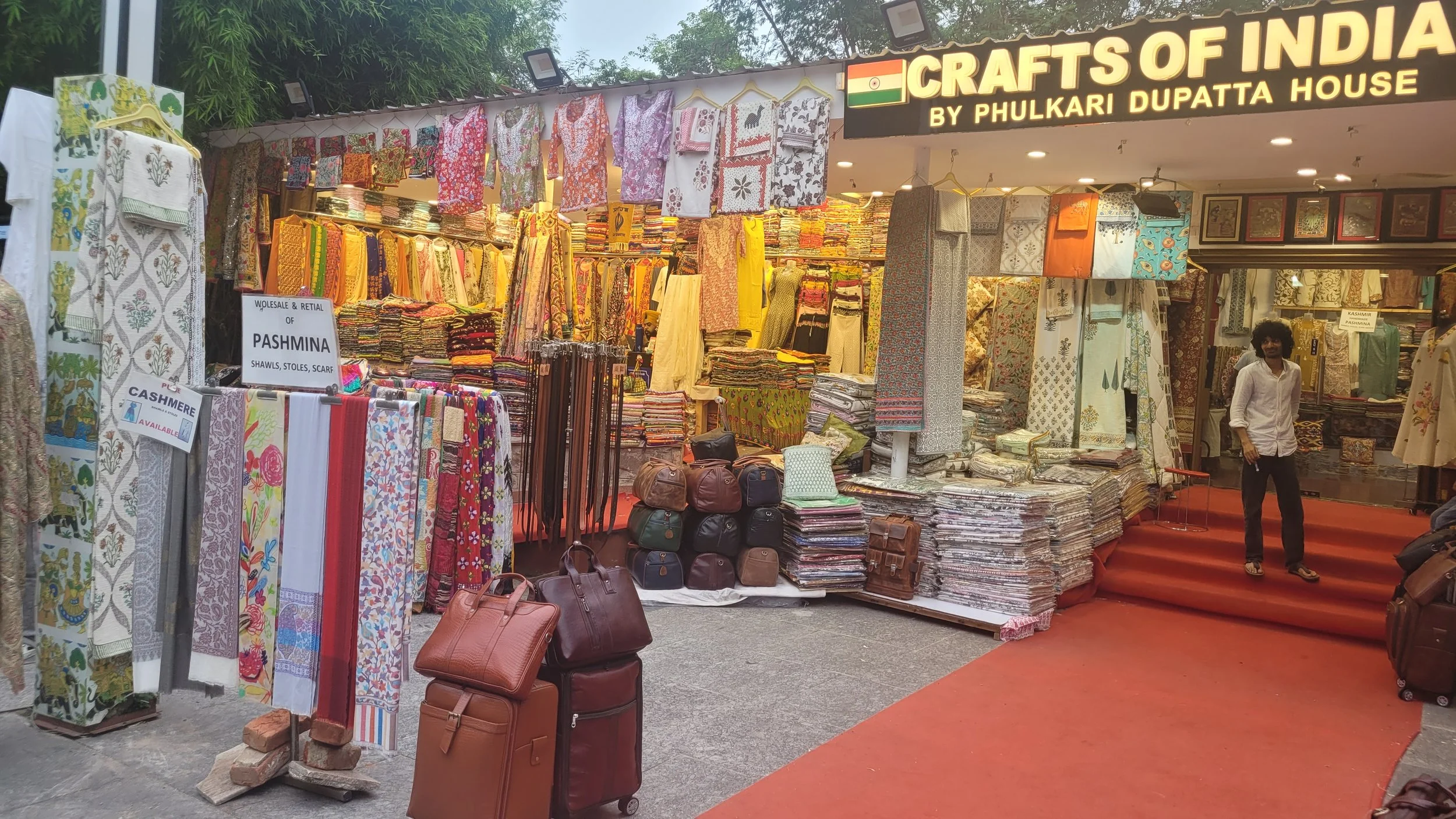
Dilli Haat. Alex Jung.
India is well known for its intricate designs and high-quality fabrics. Kashmiri fabric, silk and cotton are often sold in various Indian markets. Importantly, depending on the province, travelers will be exposed to completely different styles of clothing and fabrics. For example, in North India, pashmina, phulkari and panja weave are common types of fabric, whereas in South India, kasavu, kanjeevaram silk and kalamkari are the most popular. Dilli Haat, located in New Delhi, immerses travelers in high-quality, authentic fabric from all of India’s provinces. With 166 artisan stalls and 29 food stalls, Dilli Haat’s vendors are invited to showcase and sell their products, which range from Kashmiri scarves to golden meditation bowls. Due to the dense number of stalls, I would recommend travelers spend around 2 to 3 hours here to truly immerse themselves in the diversity of the Indian fabrics and cultural items.
6. Old Delhi, Delhi
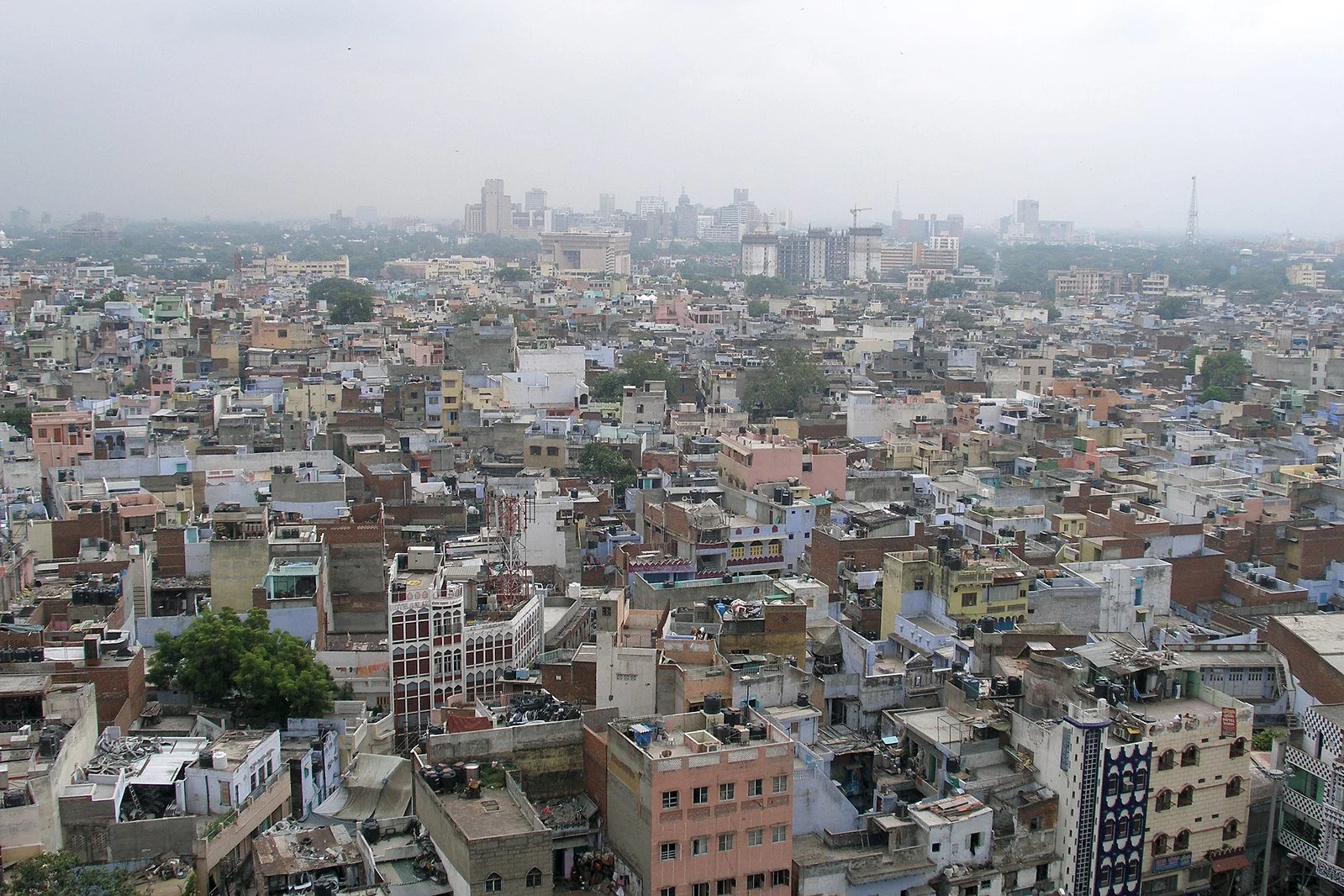
Old Delhi. Vyacheslav Argenberg. CC-BY 4.0.
Over the past few decades, Delhi has seen vast development both economically and diplomatically. However, Old Delhi is known for preserving India's oldest religious, historical and cultural practices and locations. Though travelers should be made aware of the business of the area, the fast-paced atmosphere of Old Delhi is a truly unique experience. Old Delhi is a 30-minute drive from the Indira Gandhi Airport. One of the reasons Old Delhi is so unique is its authentic food, with some restaurants having opened before the Partition of India in 1947. Many of these food spots can be found in Chandni Chowk, a market that not only has a large number of food vendors but also jewelry, clothing, oils, traditional Indian spices and more. Travelers who enjoy eating parathas should visit Paranthe Wali Gali, which has been operating for over 150 years. Old Delhi also has great religious diversity, ranging from Hindu temples to Sikh temples (gurudwaras) to mosques, such as the Jama Masjid. For travelers who want to engage with the Old Delhi food scene, I would highly recommend the Old Delhi Food Tour, which offers daily walking tours to longstanding and traditional food stalls and restaurants in Delhi, including food like parathas, dal makhani, which is a lentil curry, and mango lassi.
7. Lodhi Gardens, New Delhi
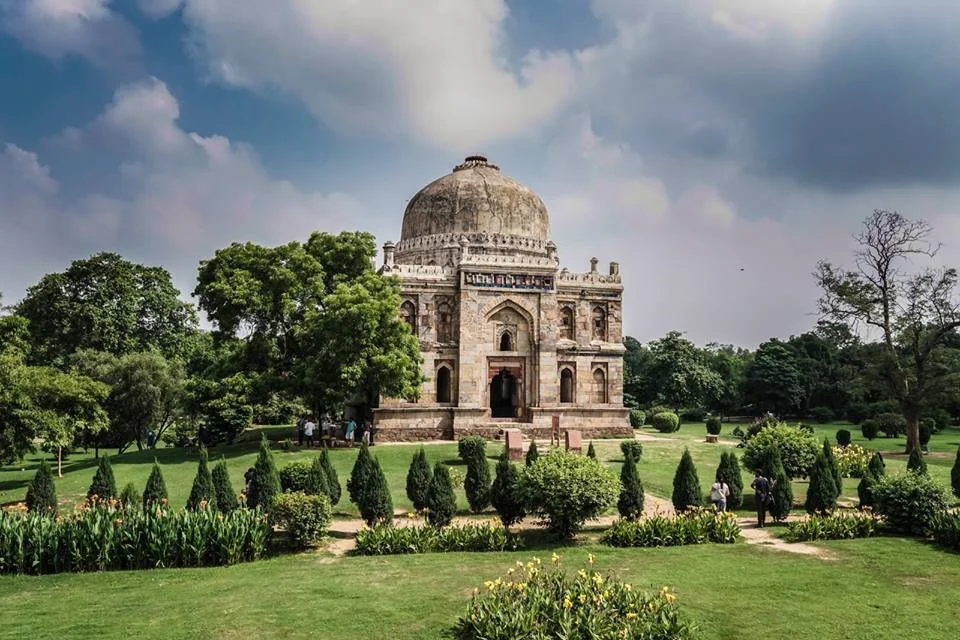
Lodhi Gardens. Tanviechpilani. CC BY-SA 4.0.
Lodhi Gardens is situated near the diplomatic enclave of New Delhi. This now public park was the first royal burial ground of the Sayyid and Lodi dynasties. The park is open to all ages, with various structures and ponds within it. Many visitors here like to have picnics, go on runs and play sports, such as badminton. Throughout the day, travelers can also listen to the many birds that live within the gardens.
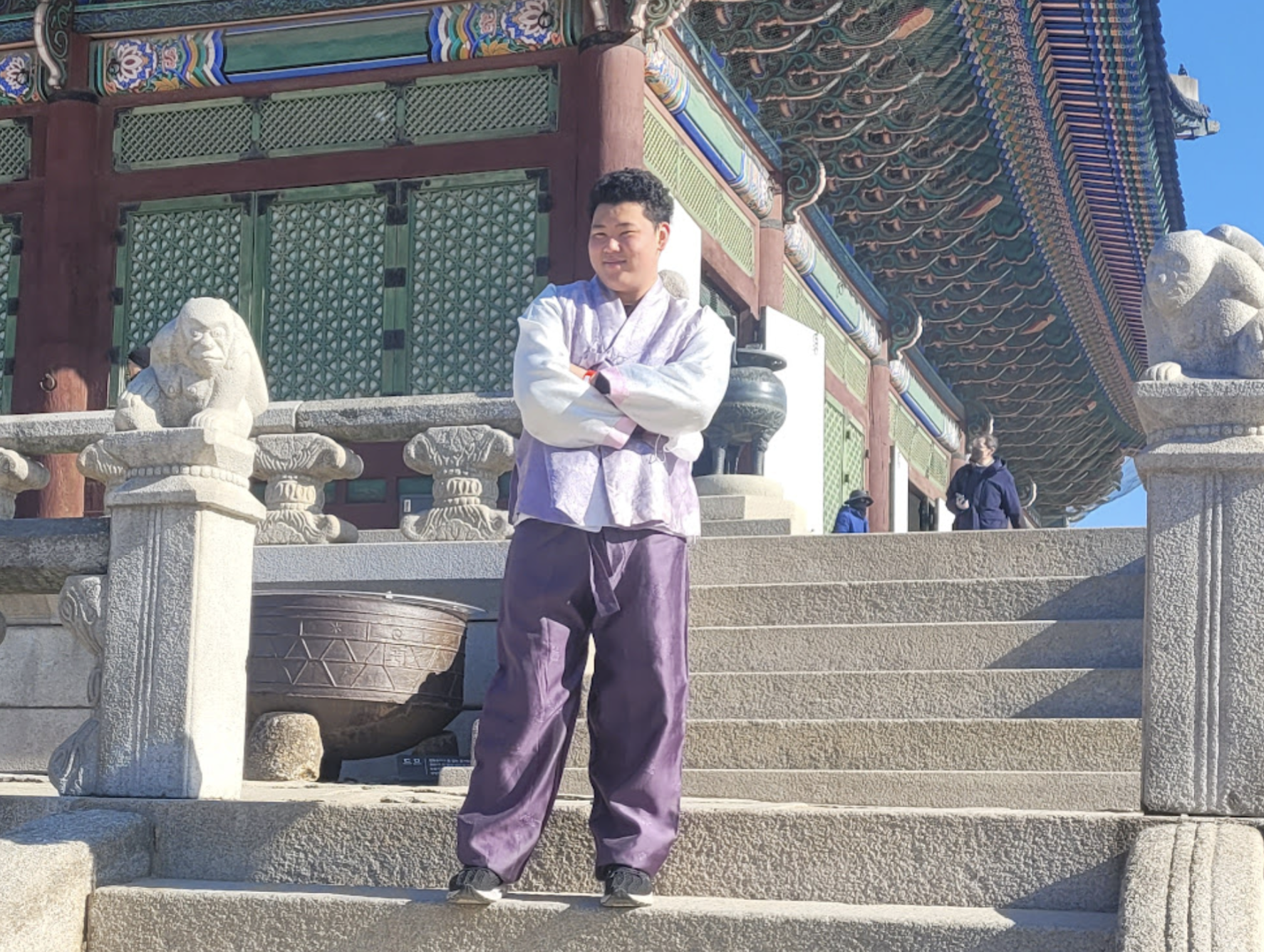
Alex Jung
Alex is from New Zealand and South Korea, and is currently a student at the University of Chicago. He is majoring in Political Science and International Relations, and minoring in Middle Eastern Studies. He is passionate about social justice for minorities and indigenous communities. In his free time, he enjoys learning languages (Korean, English, Mandarin, and Persian) and writing novels and short stories.