
Zoe Lodge
The plastic industry mirrors Big Tobacco by pushing harmful misinformation to the public
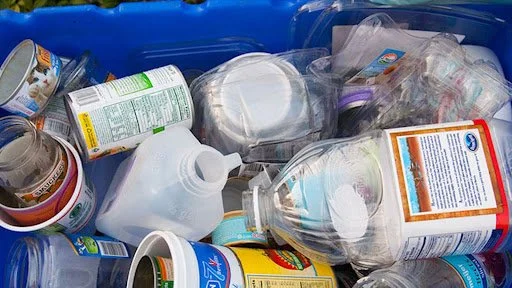
Plastic recycling. Steven Depolo. CC BY 2.0.
One of the most pressing issues of the increasing plastic pollution crisis isn’t just the level of plastic circulating the earth but also how powerful elites choose to address it. The tactics employed by the plastic industry resemble those long deployed by the tobacco industry; in both cases, powerful corporate interests, enormous profits and systems of misinformation obscure true harm and suppress real action.
For decades, the plastics and oil industries have promoted the idea that plastic is fine for the environment as long as it’s recycled. However, as investigations by NPR have revealed, internal documents show industry leaders knew that recycling plastic was not a viable large-scale solution, yet they publicly continue to push it as such.
Public relations campaigns, TikTok collaborations, school curriculum sponsorships and front organizations emphasize “litter cleanup” and individual recycling actions rather than focusing on the deeper issue: plastic production and the true functionality of plastic recycling efforts. The plastics industry has expanded production dramatically, even while only a fraction of what is labeled “recycled” actually is. Less than 10% of all plastic has ever truly been recycled, as the recycling process is expensive and time-consuming. Companies would rather spend their time and money on generating brand-new plastic products rather than recycling degraded plastic that can only be reused once or twice more. California’s recent lawsuit against ExxonMobil accuses the company of misrepresenting the recyclability of its plastics and promising the public that recycling would reduce overall plastic waste, an idea that has been proven ultimately untrue.
The result of this narrative control and increased production growth is clear: plastics are everywhere, infiltrating every aspect of the environment. Microplastics, a recent health and climate buzzword, consist of plastic particles smaller than 5 millimeters (a millimeter is one-tenth of a centimeter) and down to the nano-scale. Microplastics evade wastewater treatment and accumulate in the environment and human tissues, posing risks to cardiovascular, respiratory and digestive health, and also increasing the risk of some cancers. Exposure to plastic additives, such as phthalates, bisphenols and flame retardants, has been linked in lab studies to metabolic disruption, obesity and endocrine effects. Another plastic additive, PFAS, is known as the “forever chemical” due to its inability to break down naturally and its persistence in the environment for centuries. PFAS is everywhere, despite its links to severe health conditions. Many European nations have moved to ban PFAS, but plastic lobbyists, as was uncovered by the Pulitzer Center, have worked tirelessly to promote scientific disinformation, claiming that not all PFAS chemicals are of concern and that not all plastic additives pose a threat, which is ultimately either false or misleading.
In the tobacco case, science linking smoking to cancer was followed by decades of industry denials and misleading advertising. Similarly, the plastics industry has known since at least the 1980s that traditional recycling methods cannot solve the plastic waste crisis. Yet plastic giants have persisted in promoting recycling as a catch-all solution, deflecting attention from production and disposal, where the majority of pollution emerges. The front groups, trade associations and heavily funded campaigns mirror patterns seen in Big Tobacco, in which the primary goals were to create doubt, emphasize consumer responsibility and avoid corporate accountability.
For too long, the plastic industry has ridden a wave of corporate marketing, regulatory capture and scientific misinformation. Just like Big Tobacco, its strategy centers on delaying meaningful reform, shifting blame to consumers and presenting false solutions. But the mounting scientific evidence and growing social pressure signal that this may be a turning point. Suppose the full cost of plastics includes our health, our environment and our future generations. In that case, it is becoming increasingly imperative to challenge a system that externalizes those costs while internalizing the profits. Because ultimately, just as with tobacco, the crisis is only solved when corporate power meets accountability, not when it wins the PR battle.
GET INVOLVED:
Though this is an issue that largely stems from the top, there are a number of organizations dedicated to fighting plastic pollution around the world and encouraging sustainable production and recycling practices. Surfrider focuses on keeping plastic out of the ocean. Break Free From Plastic encourages people and organizations around the world to protest and pledge to live plastic-free. The Plastic Pollution Coalition is focused on advocacy and education about the dangers of plastic pollution.

Zoe Lodge
Zoe is a student at the University of California, Berkeley, where she is studying English and Politics, Philosophy, & Law. She combines her passion for writing with her love for travel, interest in combating climate change, and concern for social justice issues.