
Kelcie Lee
The Hawaiian islands of Molokaʻi and Lanaʻi boast hidden treasures and a rich history.
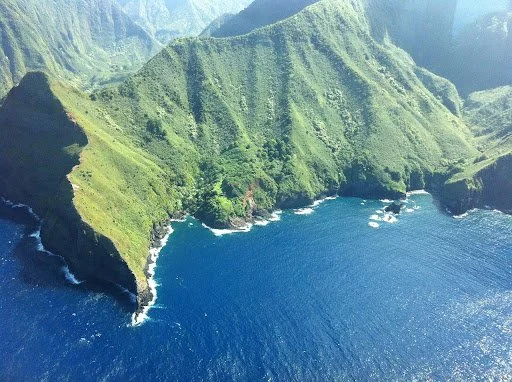
Moloka‘i cliffs. Aishahillbilly. CC0.
The United States’ only archipelago and tropical state has more hidden treasures than you may know of. The state of Hawaii comprises eight main islands, several of which are renowned travel destinations for tourists worldwide. But you might not have heard of the islands of Molokaʻi or Lanaʻi. Both islands are open to the public and known for their hidden beauty, but travelers should first be mindful of the ethics and sustainability regarding Hawaiian tourism.
Hawaii has been at the center of an anti-tourism debate for decades. Some have argued for a reduction and management of visitation due to the raised cost of living, local housing displacement and strains on the islands’ natural sites. Others acknowledge that despite this, tourism is essential for economic growth, with revenue often flowing directly into the state budget, which supports things like public services, community programs and infrastructure.
“My message to tourists is to visit responsibly, respect local culture, and minimize one's footprint,” Business Insider’s Pooja Shah attributes to Keani Rawlins-Fernandez, a vice chair of the Maui County Council. “Support local businesses over chain restaurants, go on tours instead of taking your own or a rented vehicle, make sure you're staying at a legitimate Airbnb or VRBO, and come with respect and gratitude, not entitlement.”
When visiting Hawaii, it is important not only to respect local culture and traditions but also to protect the environment. Some general advice is to use and research safe sunscreens, thus avoiding chemicals that are harmful to reefs and limiting wildlife habitat destruction; this also emphasizes the importance of listening to signs and instructions on which products you can and cannot use. Above this, using sun protection like long-sleeve rash guards will reduce how much sunscreen you use, making it another great option.
With eco-conscious travel in mind, visitors should consider the islands of Molokaʻi and Lanaʻi. Molokaʻi developed from two shield volcanoes, which are known as East Molokaʻi and a smaller West Molokaʻi. The volcanoes left Molokaʻi with one of the world’s highest sea cliffs and the world’s longest continuous fringing reef in the United States. At 28 miles long, the fringing reef boasts a beautiful snorkeling and scuba diving scene, with coral and reef fish in every crevice. The reef is also home to green sea turtles, manta rays, several types of sharks, whales, jellyfish and more abundant marine life.
Despite sediment run-off that has brought degradation to the southern part of the reef, Molokaʻi is known among the eight main islands for having Hawaii’s best coral coverage. The fringing reef is an underwater ecosystem that impacts the health of the islands, as it sustains nature and the island’s economy. As well, a key part of local culture is making it travelers’ essential duty to care for the reef. One way in which you can protect the reef is by avoiding direct contact with nearby marine life, such as by not holding or feeding the animals. Human interaction can oftentimes distress wildlife, causing behavioral changes and reducing their life spans. Additionally, avoid buying marine life as souvenirs, meaning taking shells or bottles of sand, because the accumulation of these purchases can lead to ecological imbalance.
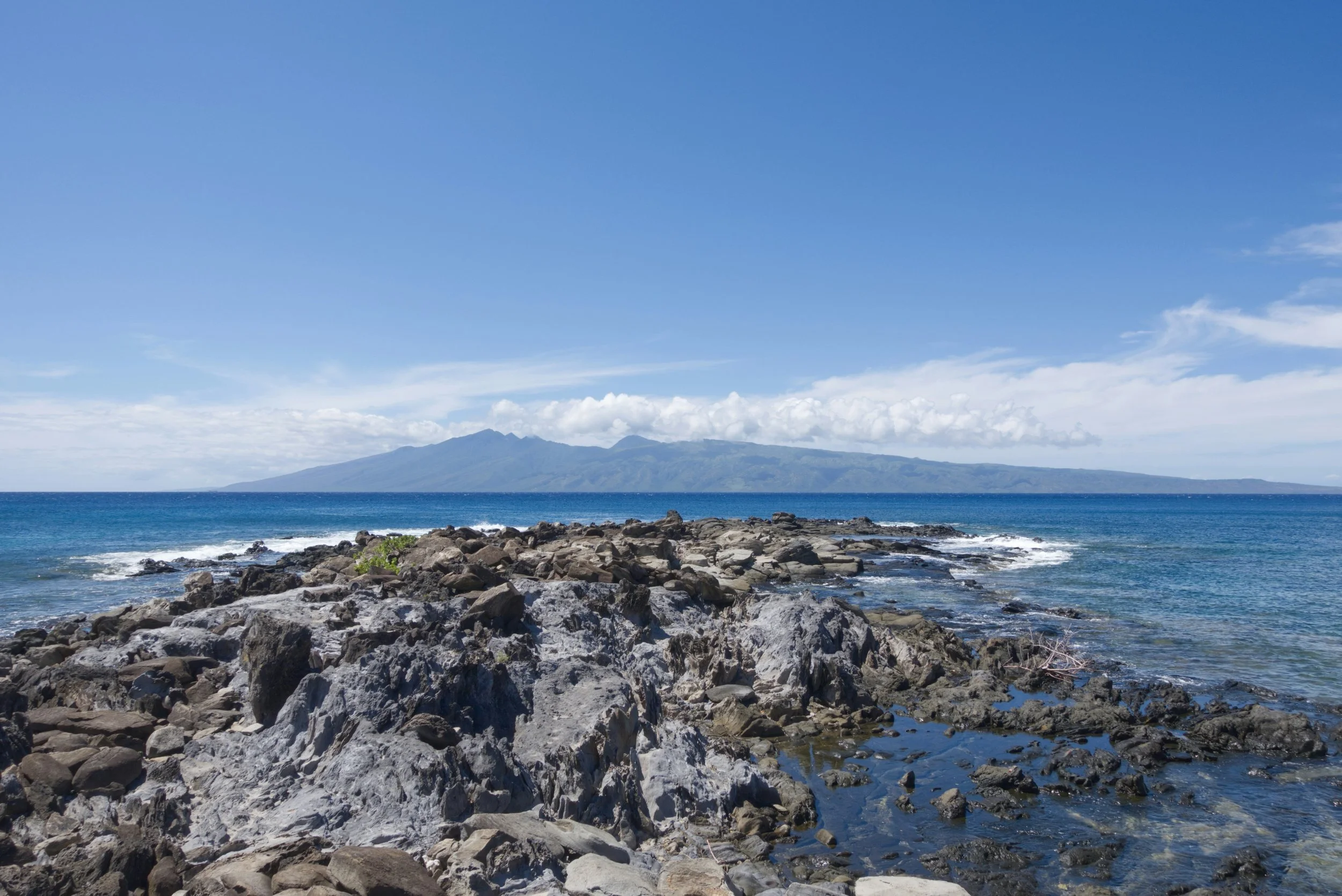
Kapalua Bay and Namalu Bay facing Moloka’i. Justin Busa. Unsplash.
Besides the reef, Molokaʻi is known for its history within the remote Kalaupapa Peninsula. In the mid-19th century, this peninsula became the site for quarantine and segregation for those with Hansen’s disease, commonly known as leprosy. After a cure was found, the site, which was filled with taro fields, irrigation systems, temples and stone walls, was preserved as the National Historic Landmark site of the Kalaupapa Leper Settlement. The area is now known as the Kalaupapa National Historical Park, a popular travel destination filled with Hawaiian history.
In addition, Molokaʻi is widely considered the birthplace of the traditional Hawaiian dance hula. The island holds several hula festivals throughout the year to celebrate this cultural tradition, with events being held every January and May. These festivals also feature sporting events, ceremonies, crafts and games. , It is essential for travelers to respect such demonstrations of authentic Hawaiian culture, including its traditions, sacred sites, language and values, so as not to take away from or infringe upon cultural identity.
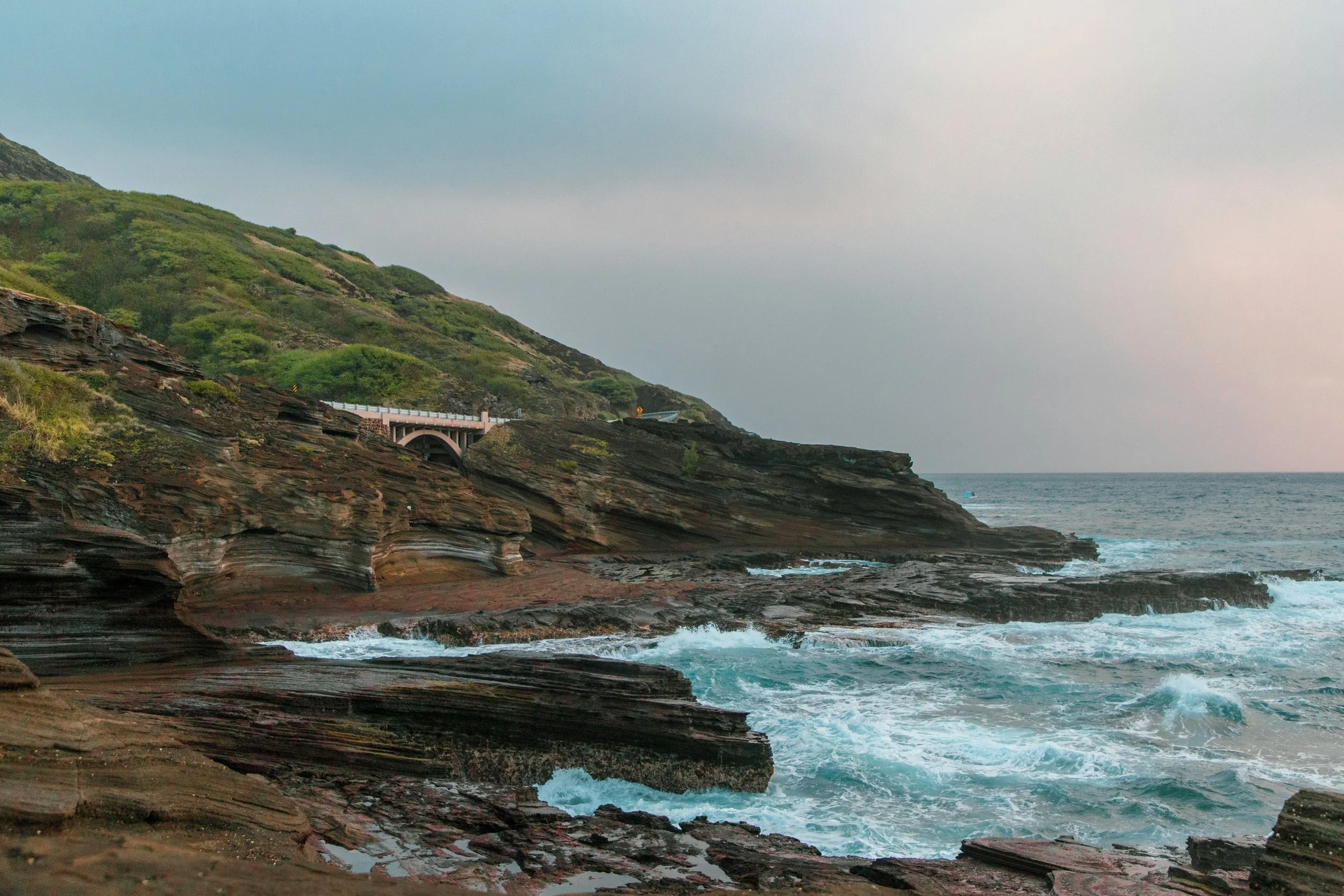
Lanaʻi Lookout. Luemen Rutkowski. Unsplash.
The second secluded but luxurious island is Lanaʻi, the smallest publicly accessible inhabited island of Hawaii. Familiarly, it is known as Pineapple Island because of Lanaʻi’s historic past as an island-wide pineapple plantation. In the 1920s, James Dole, the founder of the now-famous Dole Food Company, bought the island and developed it to grow Dole’s pineapples. Currently, the Dole Plantation rests in Oahu and is a well-known travel site for visitors.
Today, Oracle CEO Larry Ellison owns 98% of Lana‘i and has made efforts toward environmental sustainability on the island. Ellison has tied tourism to environmental goals by promoting eco-friendly practices at Lana‘i’s luxury resorts, such as cutting single-use plastics, using reef-safe sunscreen and growing food locally.
Lanaʻi is also known for its untouched beaches. Along 18 miles of white sand and blue waves, Lanaʻi’s southern beaches are perfect for snorkeling and exploring large tide pools. On the northern end, some of the beaches are not safe for swimming, but they often attract photographers and sightseers due to their dramatic shipwrecks just offshore. These shipwrecks from World War II have left anchors and engines enveloped in coral and algae that blend into part of the reef.
From Molokaʻi’s stunning reef to Lanaʻi’s untouched beaches, Hawaii has more to offer than what meets the eye. With rich Hawaiian history and natural beauty, these islands are two travel destinations worth visiting next for mindful, eco-conscious travelers.

Kelcie Lee
Kelcie is a second-year student at UC Berkeley majoring in history and sociology, with a minor in journalism. She developed her passion for writing and journalism in high school, and has since written for a variety of news and magazine publications over the last few years. When she isn't writing, Kelcie can be found drinking coffee, listening to music or watching the sunset.