
Evelyn Garcia Medina
From mooncakes in China to roasted chestnuts in Spain, autumn’s arrival sparks a global feast of flavors, cultural traditions and celebrations.
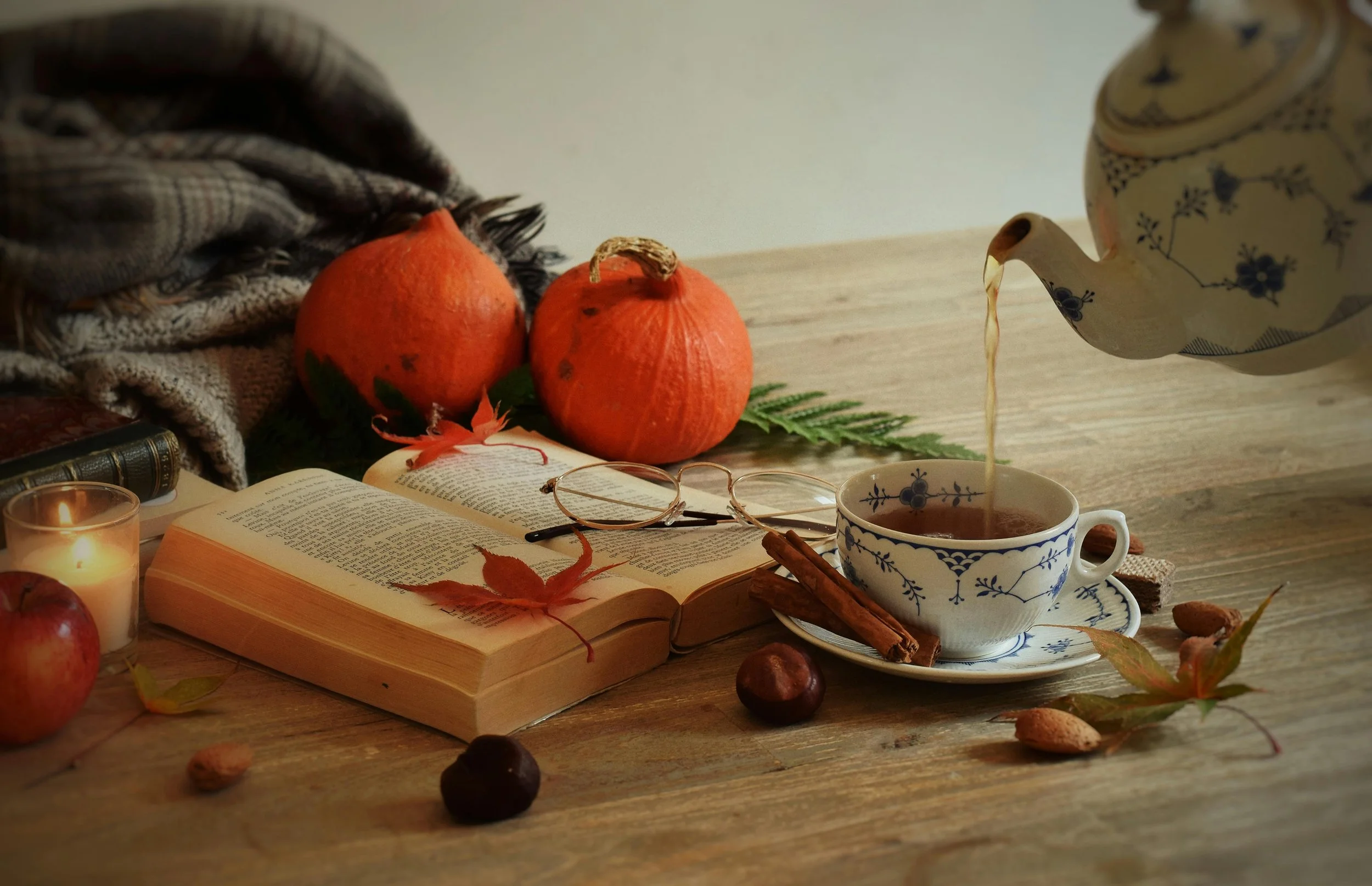
Tea being poured. Jacinthe. Pexels.
As the air cools and colors change, kitchens around the world are filled with the scents of autumn. The season brings comfort, local harvests and culture into several countries’ cuisines. Every region celebrates the season with its own flavors and traditions, illustrating what autumn means across the world. Together, these dishes embody autumn and continue to unite people through food and memory.
1. China: Mooncakes
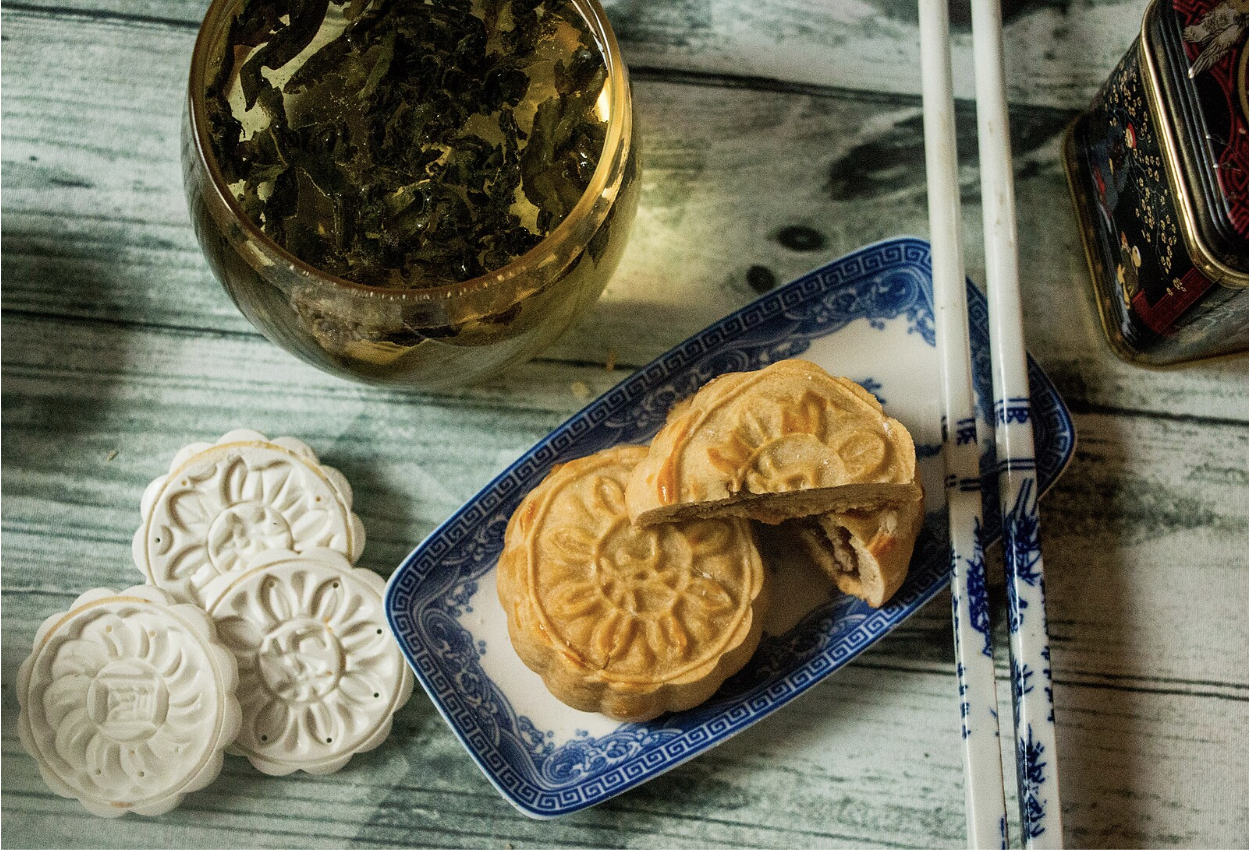
Mooncakes. Daniela Eftimova. CC BY-SA 4.0.
During China’s mid-autumn festival, the Moon Festival, families across the country gather to share mooncakes, carry light lanterns and observe the full moon. Mooncakes, the highlight of the occasion, are round pastries filled with sweet red bean paste, lotus seed paste, salted egg yolks or mixed nuts, with recipes varying by region. The festival, which dates back more than 3,000 years, began as a harvest celebration to give thanks to the gods for abundance. According to Xiaohuan Zhao, a scholar of Chinese culture at the University of Sydney in Australia, “Its round shape represents a full life, perfection and good luck.” The pastries remain in the spotlight, their circular shape reflecting the moon and the gathering of families.
2. Spain: Roasted Chestnuts
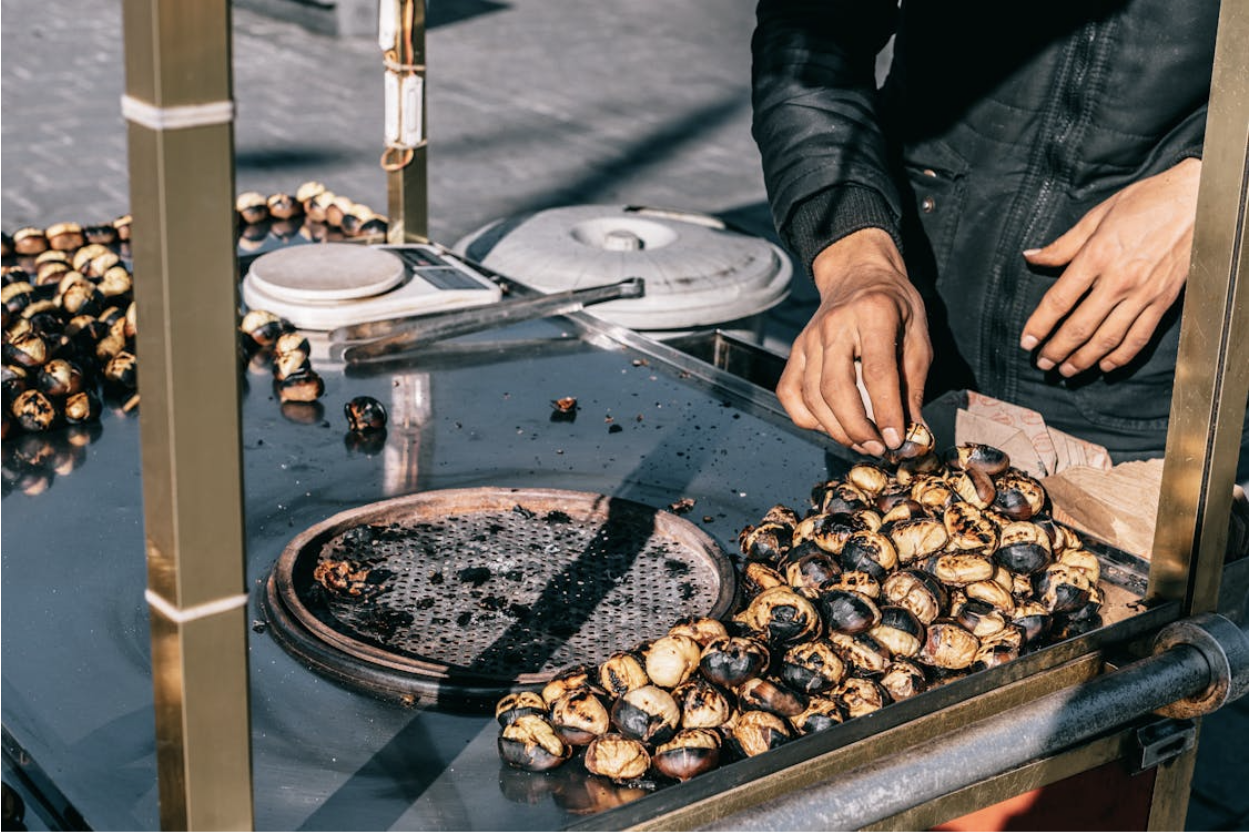
Man roasting chestnuts at market. Meruyert Gonullu. Pexels.
In Spain, roasted chestnuts hold a deep connection to both the land and the season. They were once a vital source of nourishment across Southern Europe, well before the rise of agriculture, later becoming a humble staple after the arrival of potatoes and corn in the 16th century. Their sweet, nutty flavor and warm aroma signal the arrival of autumn, and chestnut vendors fill both city and rural communities to celebrate the harvest. In Galicia, for example, the Magosto festival marks the chestnut season with communal fires, music and food, while in Catalonia, La Castanyada transforms the eve of All Saints’ Day into a celebration of family, faith and memory. As people gather to roast chestnuts and honor loved ones, the simple chestnut continues to symbolize warmth and tradition in Spanish culture.
3. Japan: Matsutake Mushrooms
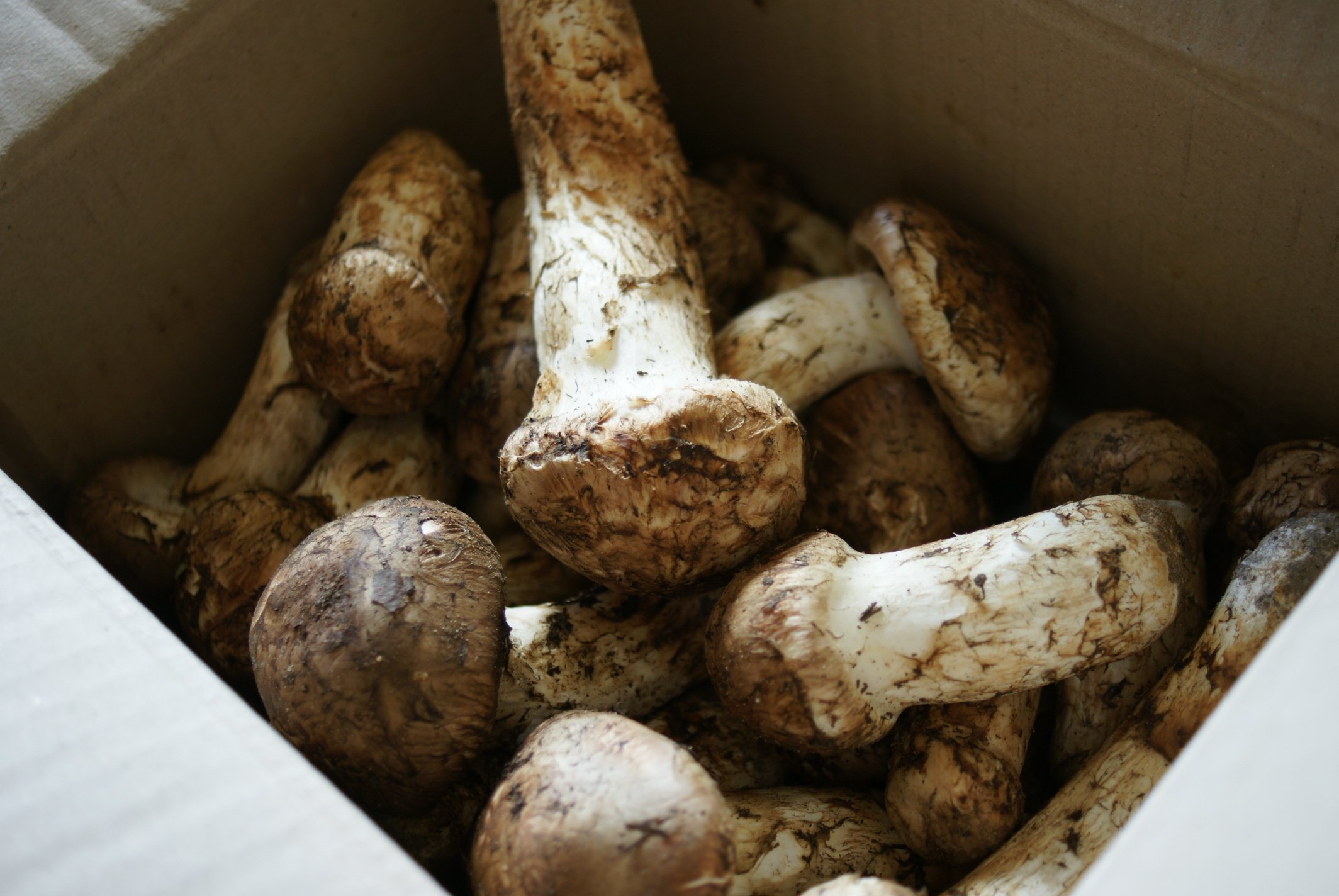
Matsutake mushrooms. Rok1966. CC BY-SA 2.0.
In Japan, autumn is defined by the arrival of matsutake mushrooms, a rare vegetable that represents luxury and seasonality. Firm, pale and fragrant, these wild mushrooms grow beneath pine trees and cannot be cultivated, meaning each harvest is a rare event. Their distinct aroma, a mix of pine, cinnamon and earthy tones, was once reserved only for aristocrats under strict sumptuary laws. Matsutake mushrooms remain one of the world’s most valuable wild foods, costing up to $100 a piece at autumn markets and auctions. In homes and restaurants across Japan, they tend to be steamed with rice in matsutake gohan, grilled simply over charcoal or floated in clear broths to showcase their scent. Some people like to gift matsutake, and it is considered an act of deep respect and gratitude, a tradition that reflects Japan’s enduring admiration for the rare mushroom.
4. Argentina: Carbonada Criolla (Beef Stew in Pumpkin)
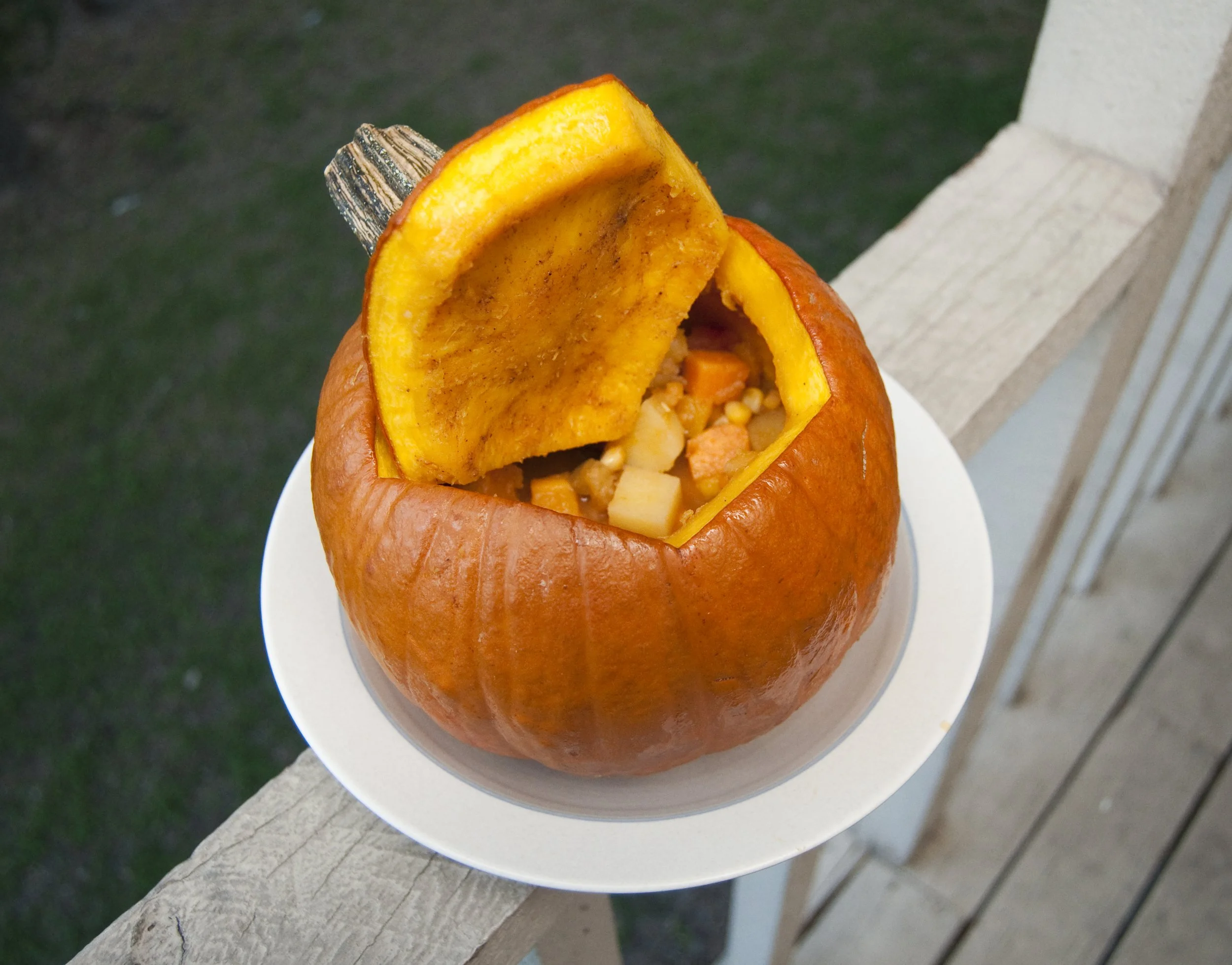
Carbonada criolla. Ryan Joy. CC BY-NC-SA 2.0.
Carbonada criolla is a sweet-and-savory Argentinian dish, where beef stew is served inside a pumpkin. The meal dates back to the colonial era, evolving from European-style stews but using traditional techniques and local ingredients native to Patagonia. Historically, it was slow-cooked inside a hollowed pumpkin and buried in wood ashes for hours until tender. Carbonada criolla remains a cherished comfort food, especially in the colder months, featuring beef simmered with vegetables, sweet potatoes and dried fruits to create a balance of hearty and sweet flavors. It’s often served with cornbread and celebrated at family gatherings, food festivals and national holidays.
5. India: Makhana Kheer (Fox Nut Pudding)
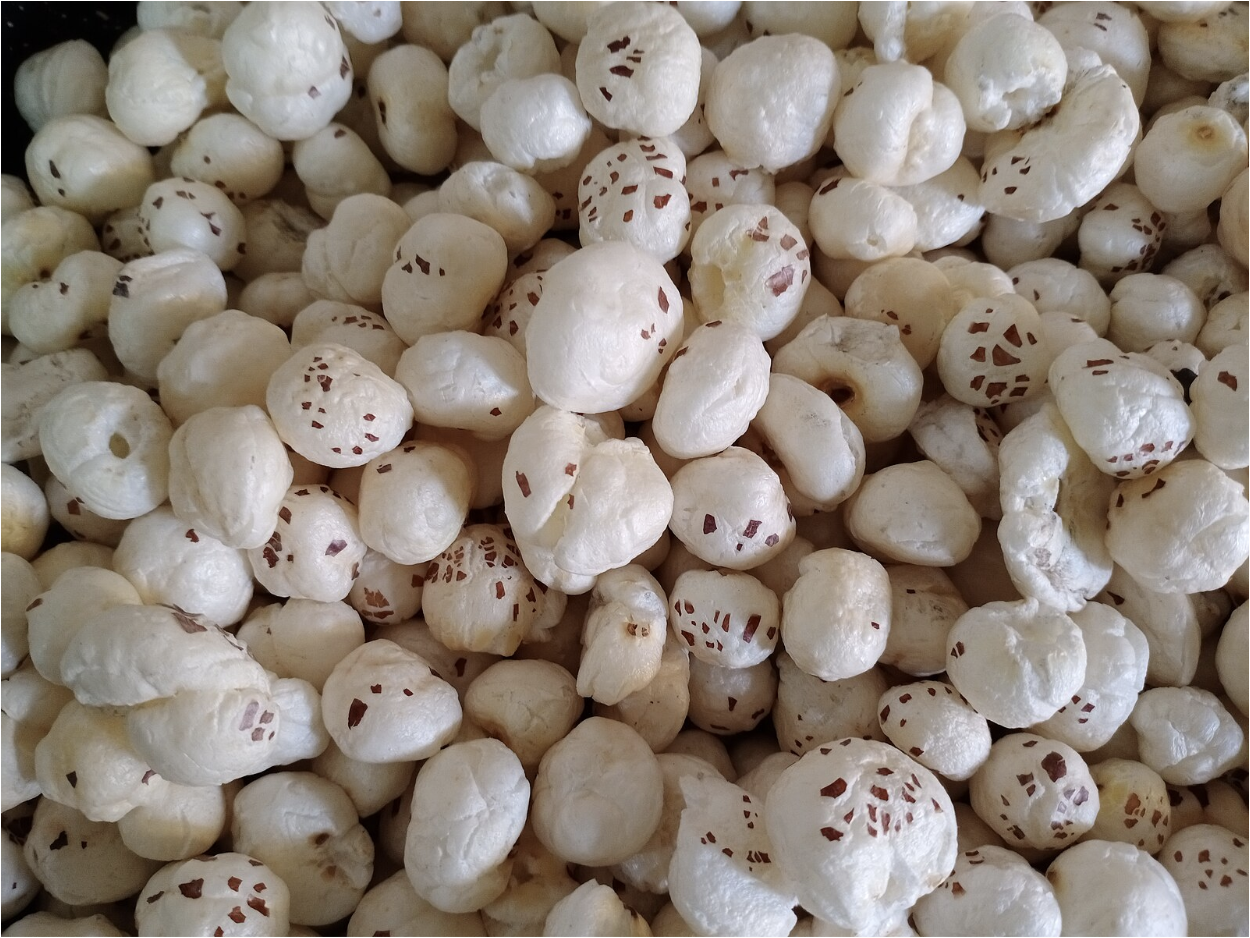
Foxnut. FacetsOfNonStickPans. CC BY-SA 4.0.
As autumn begins, India’s kitchens fill with the scent of different dishes that capture the season’s spirit, one of them being makhana kheer. This dessert is made from puffed lotus seeds (fox nuts) and simmered in rich milk with jaggery, cardamom and nuts, creating a delicate and sweet pudding. Known as fox nuts in Western countries, makhana has been part of India’s culinary and spiritual fabric for centuries, esteemed in mythology for its associations with purity, fertility and prosperity. During Diwali and other autumn festivals, families across the country prepare makhana kheer as a gesture of abundance and devotion, serving it warm or chilled.
6. South Africa: Bobotie
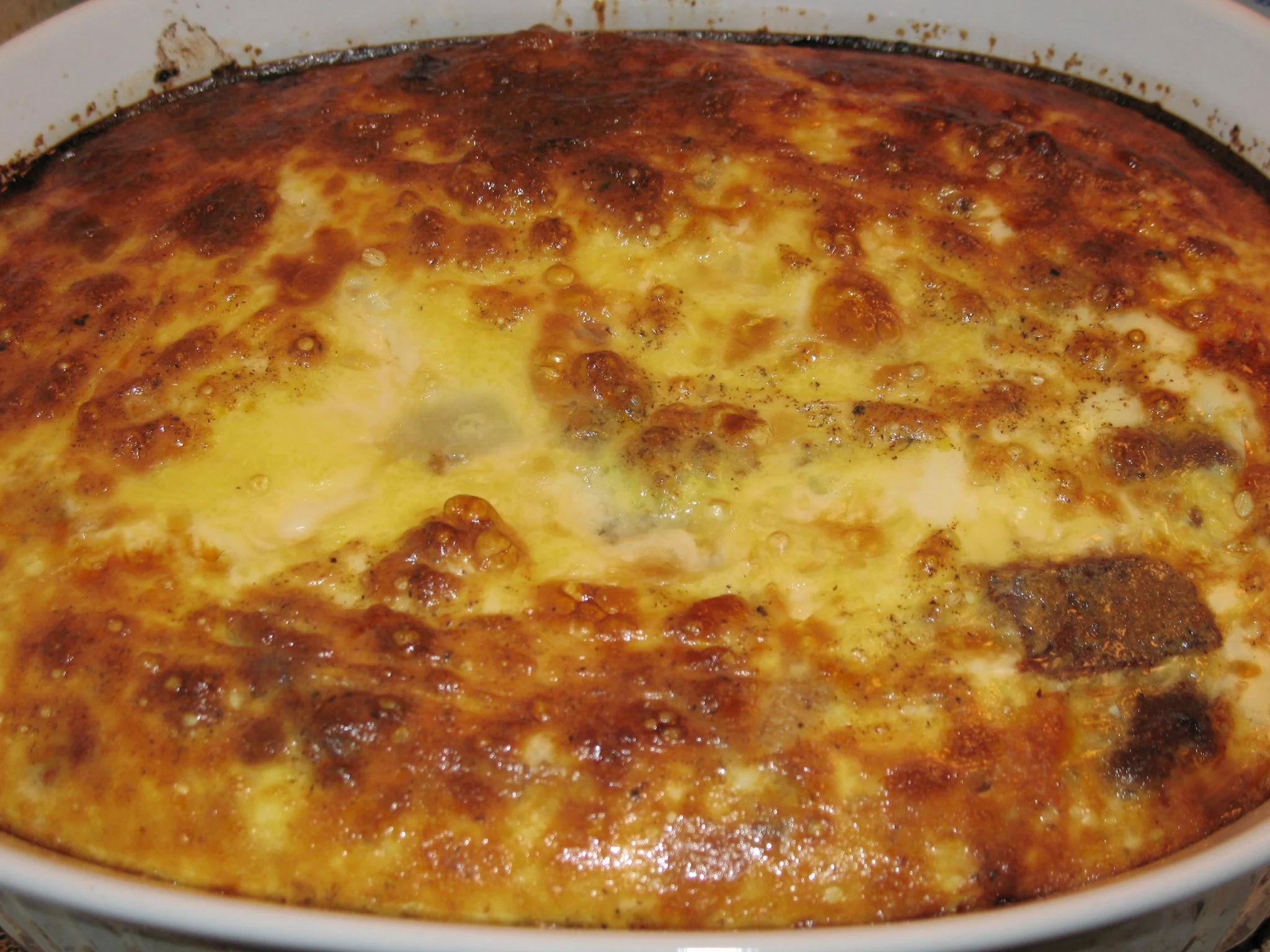
Homemade bobotie. Terry. CC BY-NC-ND 2.0.
Bobotie, South Africa’s national dish, is a fragrant baked casserole made with spiced minced beef or lamb, gently sweetened and layered beneath a savoury egg custard. Traditionally served with turmeric-yellow rice, chutney and sambal, the dish reflects a unique fusion of influences that trace back centuries. Thought to have evolved from the Javanese dish botok, bobotie was brought to South Africa by Dutch settlers in the 17th century and later shaped by culinary traditions in Cape Town. Officially recognised in 1951 when it was featured in a United Nations cookbook of the world’s best-known dishes, bobotie is celebrated across South Africa as a mark of comfort and cultural heritage, often served at family gatherings and national holidays.
7. United States: Apple Pie
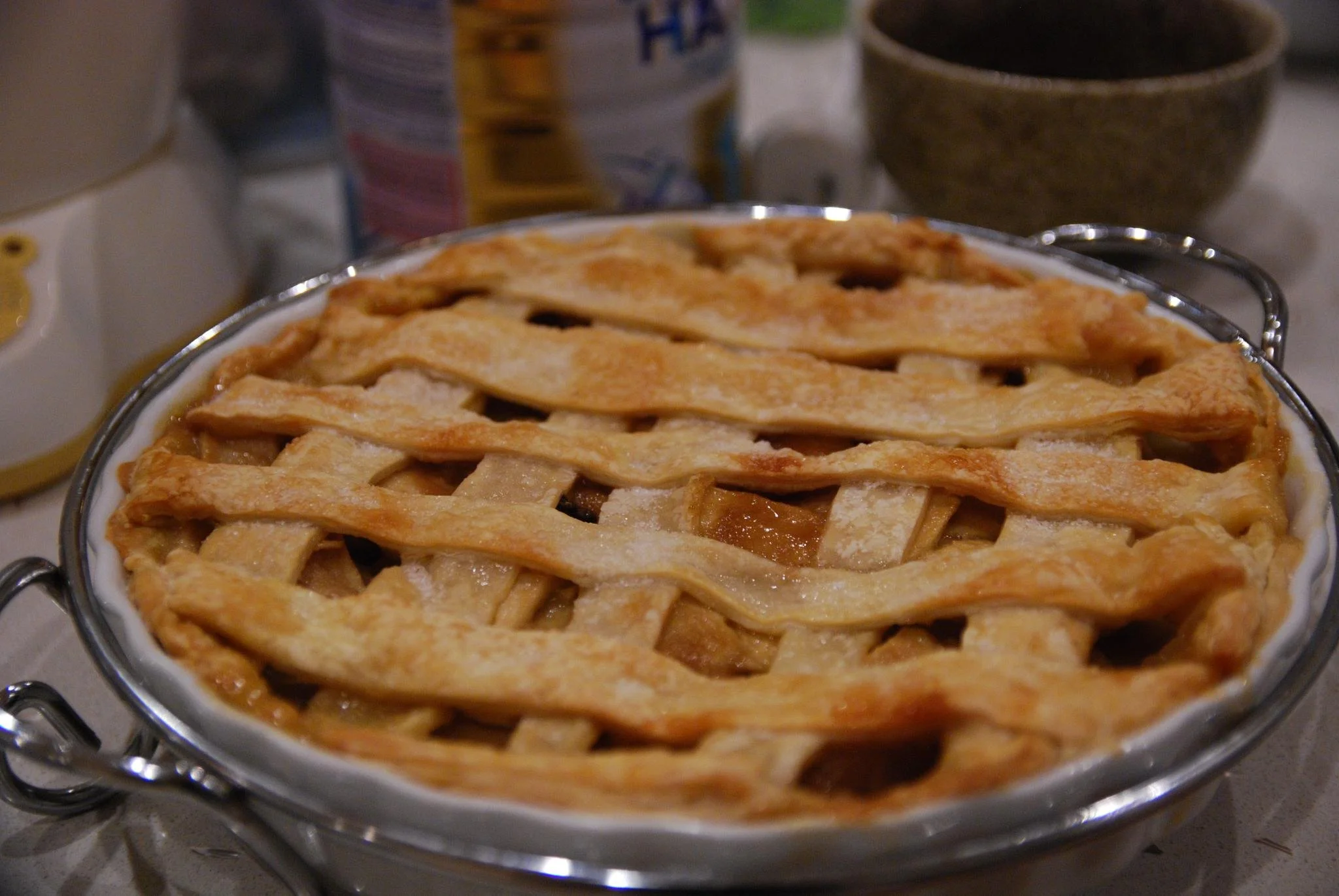
Homemade apple pie. Alpha. CC BY-NC-SA 2.0.
As Americans gather for dinner in the fall, few desserts are as emblematic of national identity as apple pie. Buttery crusts layered over cinnamon-spiced apples have come to embody family, patriotism and the diversity of the country. The dish didn’t start within U.S. borders; instead, it originated in England as early as 1381, with influences from France and the Netherlands, as well as the Ottoman Empire. Apple trees themselves were brought to North America by European settlers, along with their pie-making traditions. By 1796, a recipe for apple pie appeared in America’s first cookbook, American Cookery by Amelia Simmons. From there, the dish became a staple in American kitchens, even becoming patriotic to Americans during World War I due to political advertising. Apple pie continues to be baked and celebrated during holidays, serving as both a dessert and a reminder that multiple cultural traditions have shaped what we call American.
Each of these autumn foods carries more than just flavor; they hold centuries of history and memory. Across continents, the season remains a time to gather and honor tradition through food. Knowing about the diversity in cooking and ingredients across the world broadens the idea of what autumn represents outside of our respective homes. These foods remind us that autumn’s harvest is not only about what’s on the table but about the shared stories that bring people together around it.

Evelyn Garcia Medina
Evelyn is a recent Chicana graduate with a B.A. in English and Comparative Literature. Born and raised in the Bay Area, she draws inspiration from her passions: her cultural roots, environmentalism, and human rights. In her free time, she goes on hikes and enjoys learning about current social issues, history, and animals.