
Zoe Lodge
Furniture used to be characterized by luxury or utility, but now it’s become just as disposable as last season’s polyester top.
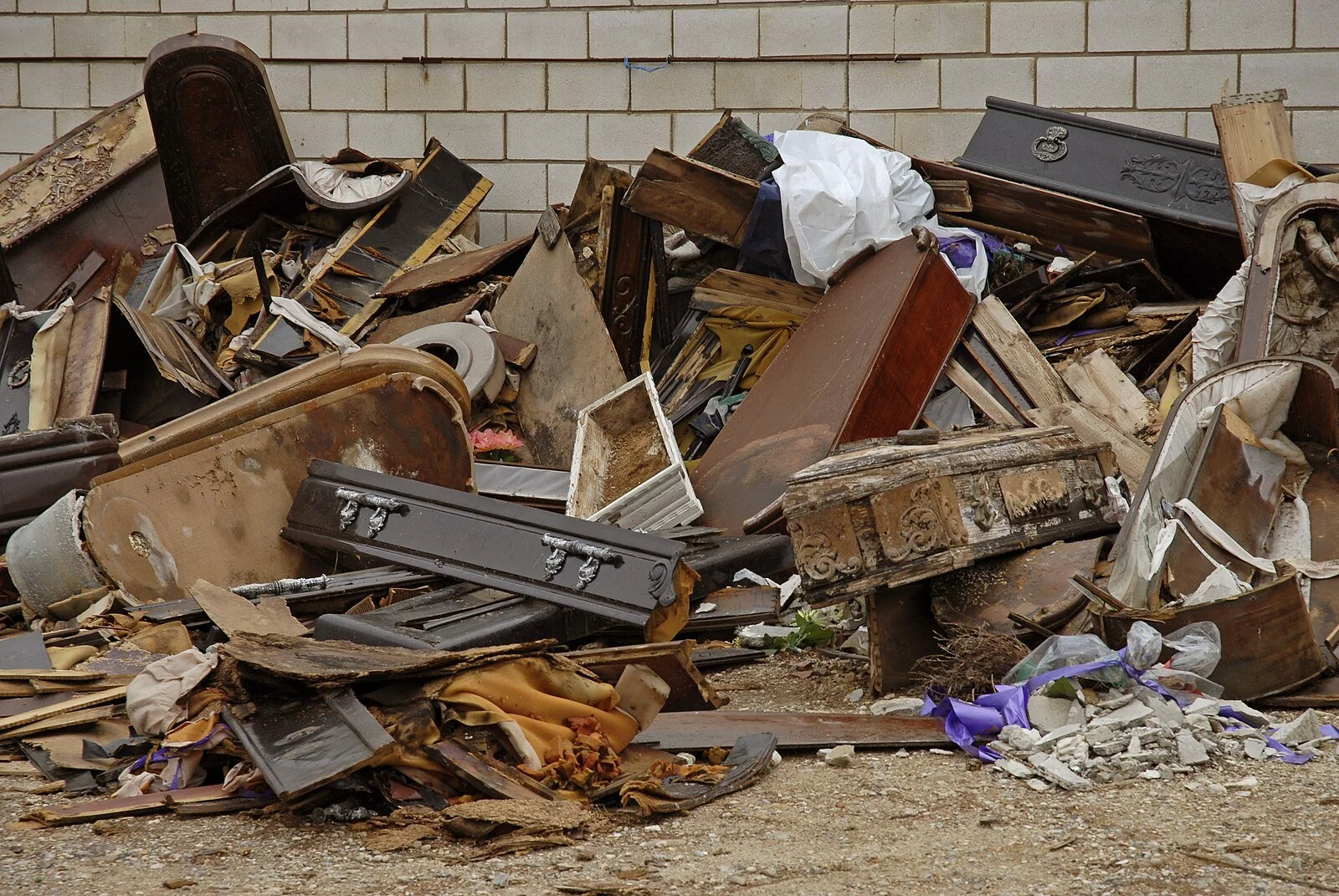
Urban furniture waste. ^ozo^. CC BY 3.0.
Fast fashion has long been criticized for its rapid production cycles, low-quality goods, adverse environmental impact and questionable supply chain. But it’s not the only high-waste industry on the rise; a parallel problem is emerging within homes and offices, dubbed “fast furniture.” Throughout the last 10 years, the rise of ultra-cheap, mass-produced furniture has transformed once long-term household staples into quickly disposable items. Furniture used to be an investment, a piece of art, meant to be repaired, replenished and passed down across generations. Now it’s only meant to last a short lease or trend cycle, exacerbated by cheap, quick platforms such as Amazon, Temu and Ikea.
As fast furniture sneaks its way into the status quo, the environmental consequences are mounting. According to the United States Environmental Protection Agency, approximately 12 million tons of furniture are generated every year, a figure that continues to rise at an alarming rate. Furniture proves even more difficult than textile waste in landfills because it is bulkier, harder to recycle and can release harmful chemicals as synthetic materials break down. The cheap materials are one of the pillars of this issue. Many trendy, low-cost pieces are constructed from medium-density fiberboard (MDF) or particleboard. These materials are lightweight and inexpensive, but they are also fragile and nearly impossible to repair. Unlike solid wood, fiberboard swells when exposed to moisture, cracks easily,and loses structural integrity after even minor damage. This means that a wobbly desk leg or chipped coffee table often spells the end of the item altogether. For companies prioritizing low sticker prices and high turnover, durability tends to go out the window. Many of the cheaper materials have raised concerns about the health and environmental risks that come with cutting corners on quality.
The labor and global supply chain issues behind fast furniture mirror those of the fast fashion industry. Many low-cost pieces are produced in factories with minimal oversight, where workers face long hours and low wages. The long-distance shipping required to bring flat-packed items across the world contributes heavily to the global carbon footprint. When the pieces inevitably break or become unwanted, cities and nonprofits struggle to manage the bulky, non-recyclable waste.
The fast furniture crisis doesn’t have to continue on its current trajectory. With the help of consumers, policymakers and companies, there is a possibility of reshaping the industry. One of the most impactful steps consumers can take is shifting demand toward durable, repairable and sustainably sourced materials. This doesn’t always mean buying expensive designer pieces, as secondhand furniture is widely available through thrift shops, Facebook Marketplace, estate sales and community sharing groups. Older pieces, especially those made from solid wood, can outlast fast furniture by decades and can often be refinished or repaired for less than the cost of replacing them.
Communities are also beginning to push for policy shifts. Some cities have explored programs to incentivize furniture repair, bulk-waste reduction and local manufacturing. Extended Producer Responsibility (EPR) laws are already emerging in the textile, packaging and electronics sectors and could one day require furniture companies to participate in recycling or disposal programs for the items they sell. At the industry level, a growing number of brands, including Ikea, are experimenting with circular models. They introduce modular sofas with replaceable parts, take-back programs and furniture designed for longevity rather than landfill.
Fast furniture is convenient, stylish and accessible, but its environmental cost is becoming impossible to ignore. By rethinking how we furnish our spaces, embracing secondhand options, supporting sustainable makers and advocating for stronger waste policies, consumers can help slow the throwaway cycle.
GET INVOLVED:
Some of the fast furniture and other retail brands have established buy-back programs in an attempt to make their business models more sustainable. Ikea has implemented a buy-back program that exchanges used furniture for store credit and then sells the used furniture in an “As-is” section at a reduced price. This program makes furniture both more sustainable and accessible.
Many nonprofit retail and thrift stores are also an alternative for those looking to get rid of used furniture without sending it to the landfill. Habitat for Humanity has a program called ReStore, which creates home improvement stores that sell used goods at a reduced price, which ultimately funds housing projects worldwide. Local thrift stores or consignment shops are another good alternative to throwing away old furniture.
“Furniture banks” are charities focused specifically on furnishing homes for people transitioning out of homelessness or crisis. They often accept gently used sofas, beds and tables, and they will sometimes pick up donations. The Furniture Bank Network has a directory of member banks across the U.S. and Canada, where donations go directly to people who need basic household setups, making for yet another helpful and sustainable option for fighting the fast furniture crisis.

Zoe Lodge
Zoe is a student at the University of California, Berkeley, where she is studying English and Politics, Philosophy, & Law. She combines her passion for writing with her love for travel, interest in combating climate change, and concern for social justice issues.